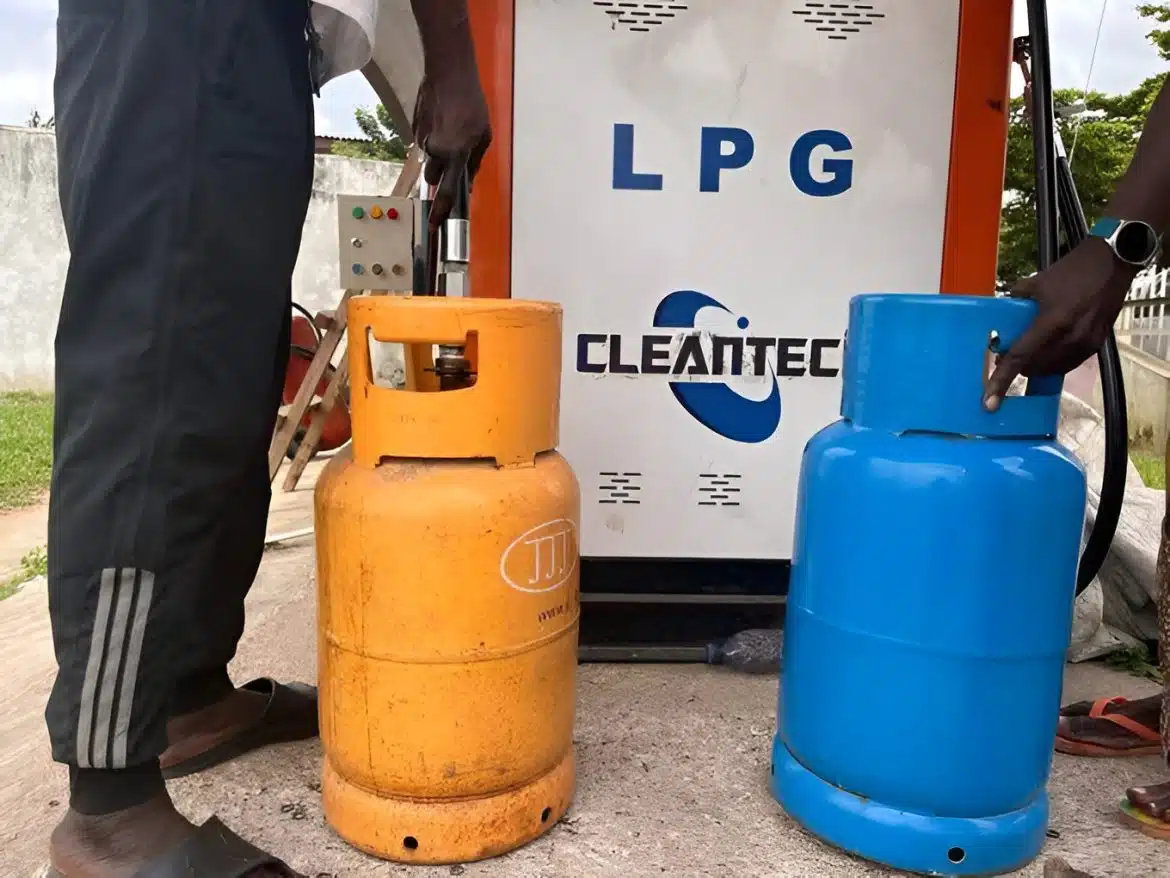


On a humid evening in Abuja, 42 year old mother of three Grace Samuel stood in front of a gas retail outlet and stared at the price board. The cost of refilling her 12.5kg cylinder had climbed again. A refill that once fit comfortably into her monthly household budget now consumed a sizeable share of it.
She hesitated before turning away. Instead of refilling her cylinder, she bought a bag of charcoal from a nearby roadside vendor. The smoke would be uncomfortable. The cooking would be slower. Her children would complain about the smell. But it was what she could afford.
Grace’s experience is becoming increasingly common across Nigeria.
For more than a decade, policymakers, investors and development agencies have promoted liquefied petroleum gas, better known as cooking gas, as the cleaner alternative to firewood and charcoal. The push was meant to reduce deforestation, improve public health and help millions of households move away from polluting fuels.
Yet the economics of clean cooking are moving in the opposite direction.
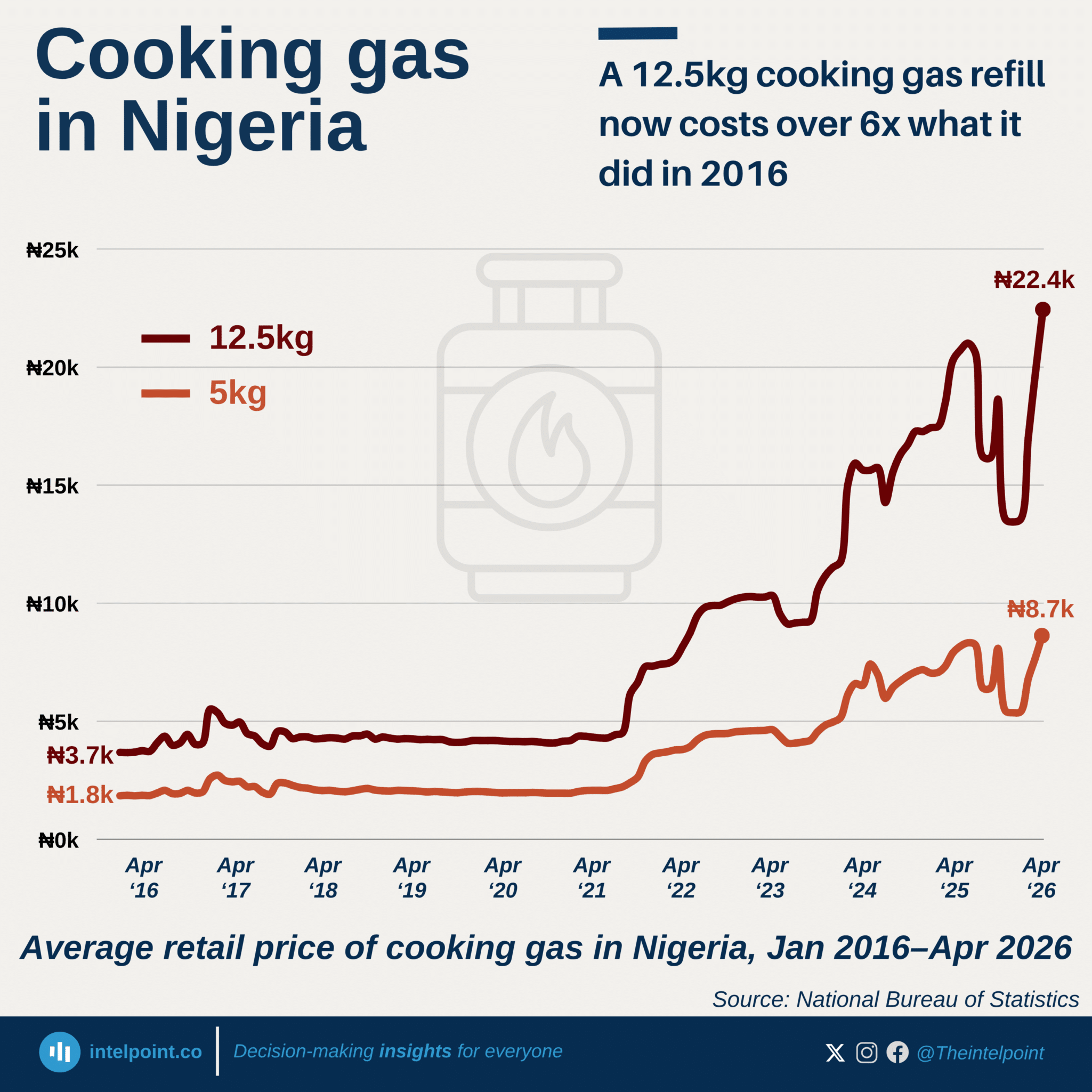
Data from Intelpoint, an intelligence and data agency, shows that the average cost of refilling a 12.5kg cylinder has risen more than sixfold since 2016, a ten year period. Industry operators say prices have experienced sharp swings driven by exchange rate depreciation, supply challenges, global energy market disruptions and rising logistics costs. The result is that many Nigerians who once embraced cooking gas are either reducing consumption or returning to traditional fuels.
The trend raises a troubling question. How can Africa’s largest gas producer struggle to make clean cooking affordable for its own citizens?
The rising cost of cooking gas in Nigeria
The rise in cooking gas prices has been one of the most significant household cost increases recorded over the past decade. In 2016, refilling a standard 12.5kg cylinder cost only a fraction of what consumers pay today. By 2025, the average refill price had crossed ₦16,000 ($10.40), according to industry data and market trackers.
Several factors have contributed to the increase. One is the sharp depreciation of the naira. Although Nigeria produces large volumes of natural gas, the LPG market has historically relied heavily on imports. Importers purchase products in dollars and pass exchange rate costs on to consumers.
Global energy shocks have also played a role. The aftermath of the COVID-19 pandemic disrupted supply chains. Russia’s invasion of Ukraine pushed energy prices higher across international markets. Freight costs rose sharply and LPG prices followed.
Domestic challenges have compounded the problem. Distribution bottlenecks, inadequate storage infrastructure and transportation costs continue to increase the final retail price paid by households. Marketers have repeatedly warned that rising costs throughout the supply chain make it difficult to maintain affordable prices.
The result has been a growing affordability crisis. While wages have struggled to keep pace with inflation, cooking gas has become increasingly expensive for low and middle income households. For many families, clean cooking is no longer simply an environmental choice. It is becoming a luxury.
The story a decade of data tells
A review of data over the last ten years reveals a worrying pattern. Cooking gas prices have risen much faster than household incomes. While inflation has affected nearly every aspect of life in Nigeria, LPG has experienced some of the most dramatic increases.
Intelpoint’s analysis shows that a 12.5kg refill now costs more than six times what it did in 2016. The increase has not been linear. Prices accelerated sharply during periods of foreign exchange instability and global energy market disruptions.
The data also reveals that demand for cooking gas continued to grow despite rising prices. Millions of Nigerians adopted LPG during the last decade as awareness campaigns and government programmes promoted cleaner cooking alternatives. Urban households in particular shifted away from kerosene and firewood.
Yet the pace of adoption has slowed. Industry groups have repeatedly reported that higher prices are discouraging new users and forcing existing users to ration consumption. Some households now alternate between gas and charcoal depending on prevailing prices.
This creates a paradox. Nigeria possesses one of Africa’s largest natural gas reserves, yet many citizens struggle to access one of the most basic gas products. The country’s clean cooking transition has advanced, but affordability remains its biggest obstacle.
Why Nigeria is failing with clean cooking goals
Nigeria has set ambitious clean cooking targets over the years. Government agencies have promoted LPG as part of broader energy transition and environmental goals. Programmes have been launched to increase awareness, distribute cylinders and encourage private sector investment.
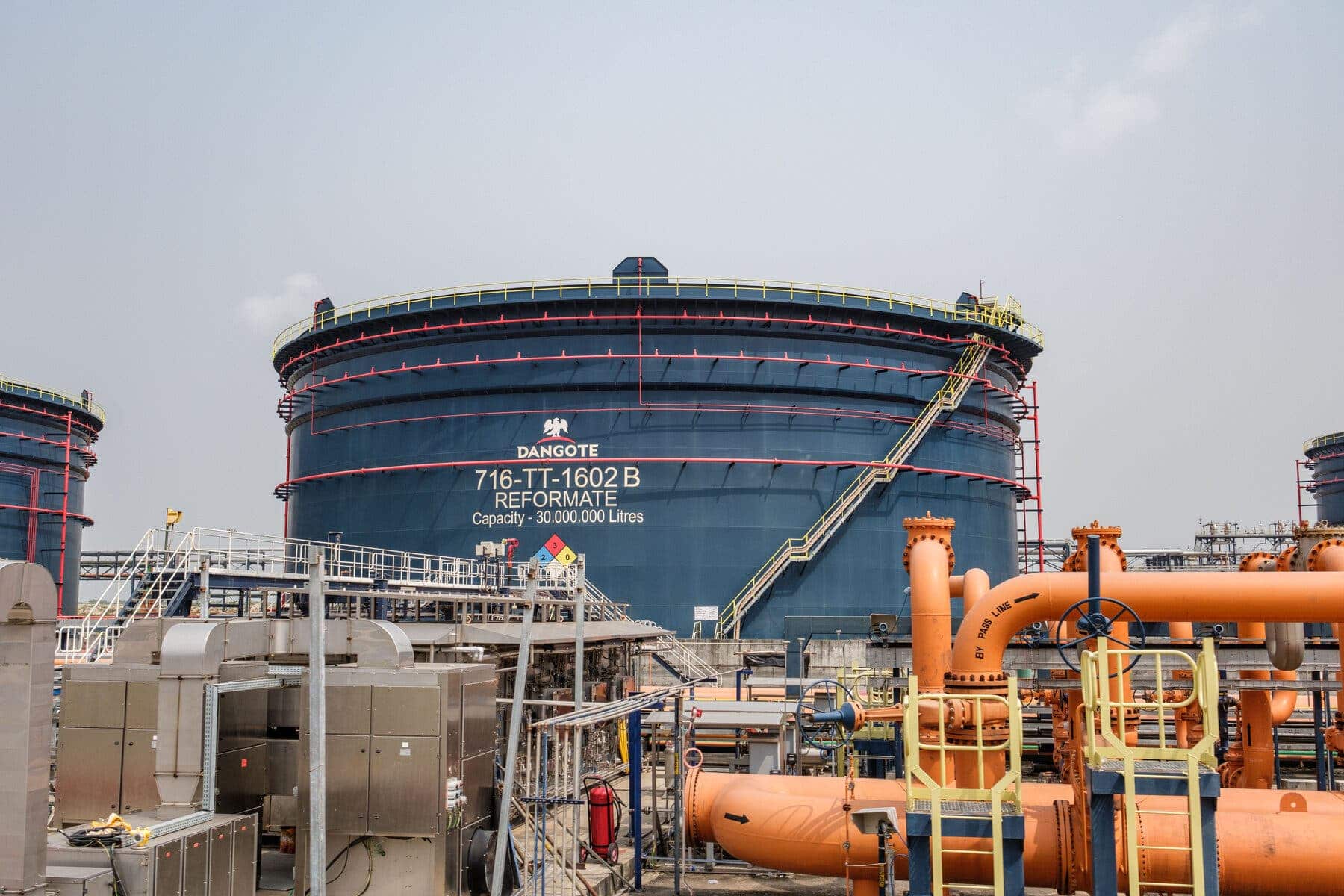
There has also been significant investment activity. Gas processing facilities have expanded. Private investors have committed billions of naira to storage, transportation and distribution infrastructure. More recently, increased domestic LPG production from local facilities has reduced dependence on imports.
According to data from the Nigerian Midstream and Downstream Petroleum Regulatory Authority, domestic sources supplied about 87% of cooking gas consumed in 2025, a significant improvement from previous years when imports dominated the market.
Despite these gains, affordability remains a major barrier. Increased local production has not fully translated into lower consumer prices. Exchange rate volatility, transportation costs and broader inflation continue to affect retail prices.
Access also remains uneven. Urban centres generally enjoy better LPG availability than rural communities. Many rural households face additional barriers such as the upfront cost of cylinders, stoves and accessories.
The consequence is that Nigeria’s clean cooking ambitions are running into economic realities. Expanding supply alone is not enough. Unless households can consistently afford cooking gas, adoption rates may stagnate or even reverse.
The return of firewood and charcoal in Nigeria
As cooking gas prices rise, many Nigerians are making a familiar journey back to traditional fuels.
Reports from Abuja, Lagos and several other cities show increasing numbers of households turning to charcoal and firewood. Traders in these fuels report stronger demand whenever LPG prices spike. For many consumers, the decision is purely economic.
The shift carries serious consequences. Firewood and charcoal generate significantly more indoor air pollution than LPG. Prolonged exposure to smoke has been linked to respiratory diseases, particularly among women and children who spend more time around cooking areas.
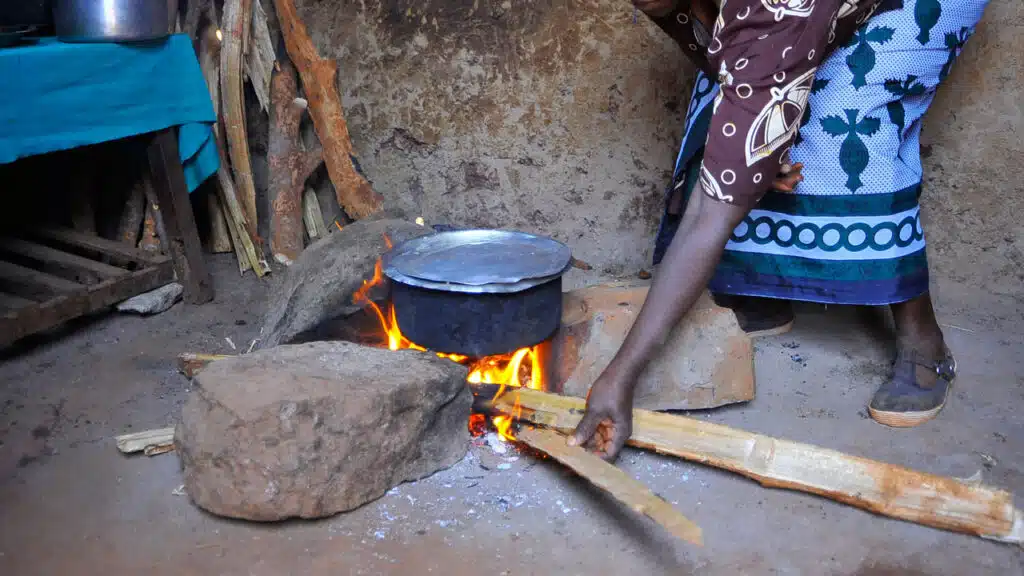
There are environmental costs as well. Increased reliance on firewood contributes to deforestation and land degradation. Nigeria already loses substantial forest cover each year and higher demand for wood fuel can accelerate the trend.
The return to traditional fuels also undermines years of progress. Development agencies, government programmes and private investors have spent years encouraging households to adopt cleaner cooking methods. Rising LPG prices threaten to erase some of those gains.
For households, however, the choice is often unavoidable. When incomes are stretched by food inflation, transport costs and housing expenses, affordability takes precedence over environmental concerns.
What can be done to end cooking gas surge
Experts argue that reducing cooking gas prices requires a combination of market reforms, infrastructure investment and targeted support for consumers.
One priority is increasing domestic supply even further. Greater LPG production from local gas processing facilities can reduce exposure to international market shocks and foreign exchange pressures. Recent improvements in domestic production demonstrate that progress is possible.
Industry analysts also point to the need for better storage and transportation infrastructure. Bottlenecks in the supply chain increase costs before products reach consumers. Investments in terminals, distribution networks and logistics could improve efficiency.
Another option is targeted support for low income households. Rather than broad fuel subsidies, experts often recommend focused interventions that reduce the upfront cost of cylinders and cooking equipment. Such measures can make clean cooking more accessible without distorting the market.
Regulatory stability is equally important. Investors are more likely to commit capital when policies remain predictable. Consistent regulation can encourage long term investment across the LPG value chain.
Ultimately, experts say affordability must become the centrepiece of Nigeria’s clean cooking strategy. Expanding supply is important, but ensuring households can pay for that supply is what determines success.
A problem that continues to surface
Nigeria’s cooking gas story reflects a broader challenge facing the country’s energy transition. The nation possesses abundant natural gas resources and has attracted growing investment into domestic production. Yet millions of households still struggle to benefit from those resources.
The last decade shows both progress and setbacks. More Nigerians have become aware of clean cooking. Domestic LPG production has increased. Investment has flowed into the sector. Yet prices have climbed faster than many households can absorb.
The consequences are visible across cities and rural communities alike. Families that once embraced cooking gas are returning to charcoal and firewood. Others are rationing consumption and using multiple fuels to manage costs.
Without meaningful improvements in affordability, the gap between policy ambition and household reality may continue to widen. Nigeria’s clean cooking transition was supposed to move people away from smoky kitchens and polluting fuels. Instead, rising costs are pulling many back.
For households like Grace Samuel’s, the issue is no longer about energy policy or environmental targets. It is about what fuel they can afford when it is time to prepare the next meal.
And unless that calculation changes, the promise of clean cooking may remain out of reach for millions of Nigerians.