

Top stories
Energy
Top stories
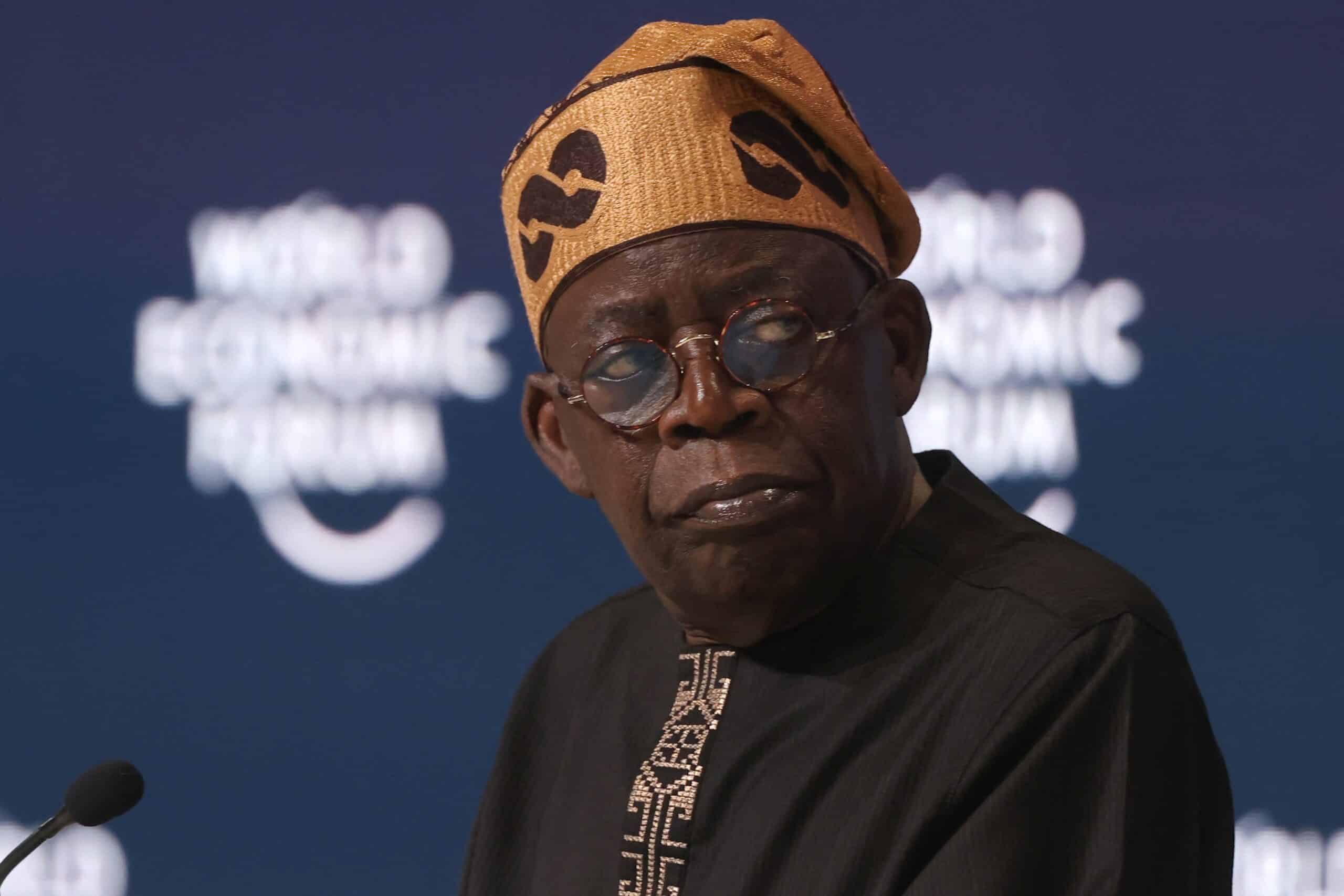
Petrol now costs Nigerians over N1,300 per litre. The Dangote refinery was supposed to change that. It has not. And the government has said almost nothing.
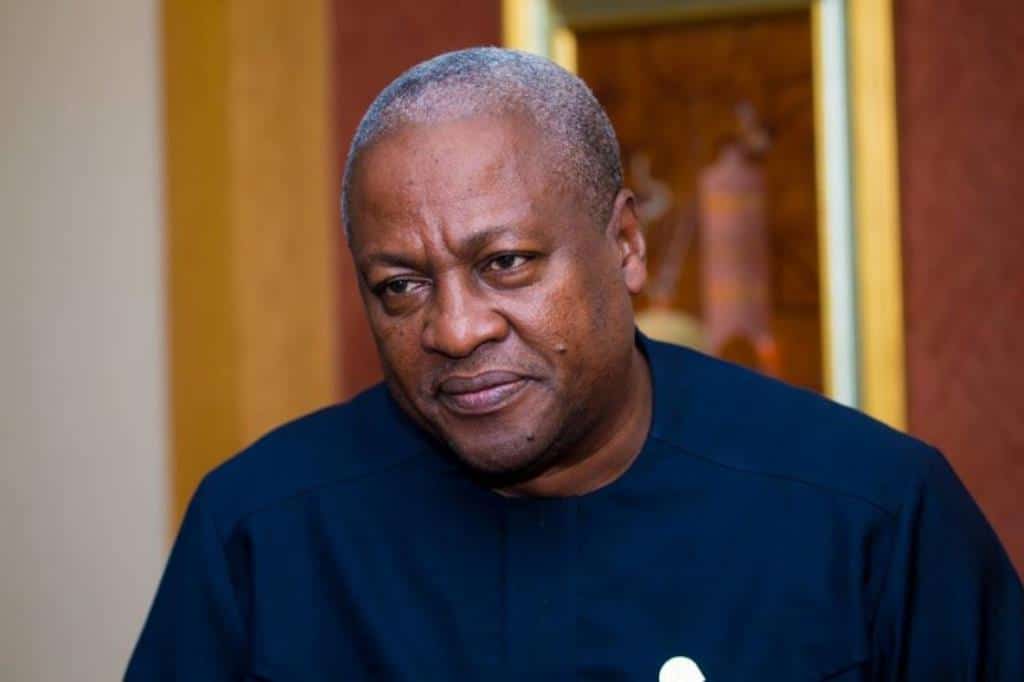
Ghana beat the odds and crushed inflation faster than any country in Africa. Now a global oil shock is coming for everything it built. How long can it hold?
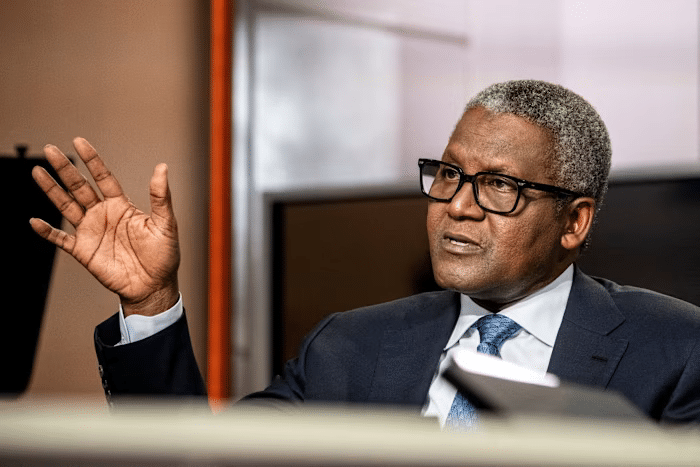
Nigerian billionaire Aliko Dangote is considering Kenya as the location for a proposed 650,000-barrel-per-day oil refinery in East Africa.
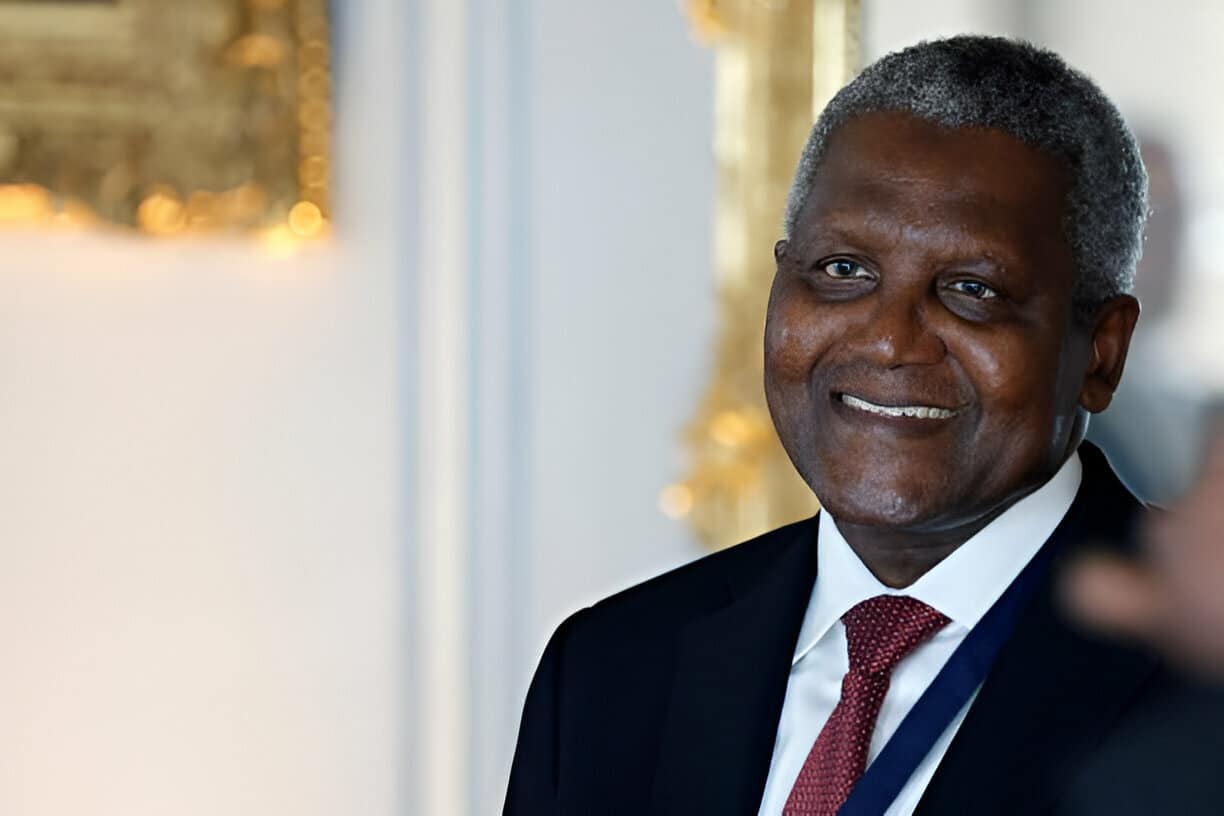
Dangote wants to build his next mega-refinery in East Africa. But Uganda, Kenya, and Tanzania already have rival plans — and the politics are just as tangled as the pipelines.
The United Arab Emirates, of one the oil-rich Gulf State, has announced its decision to exit the Organization of the Petroleum Exporting Countries and the OPEC+ alliance, effective May 1, 2026.
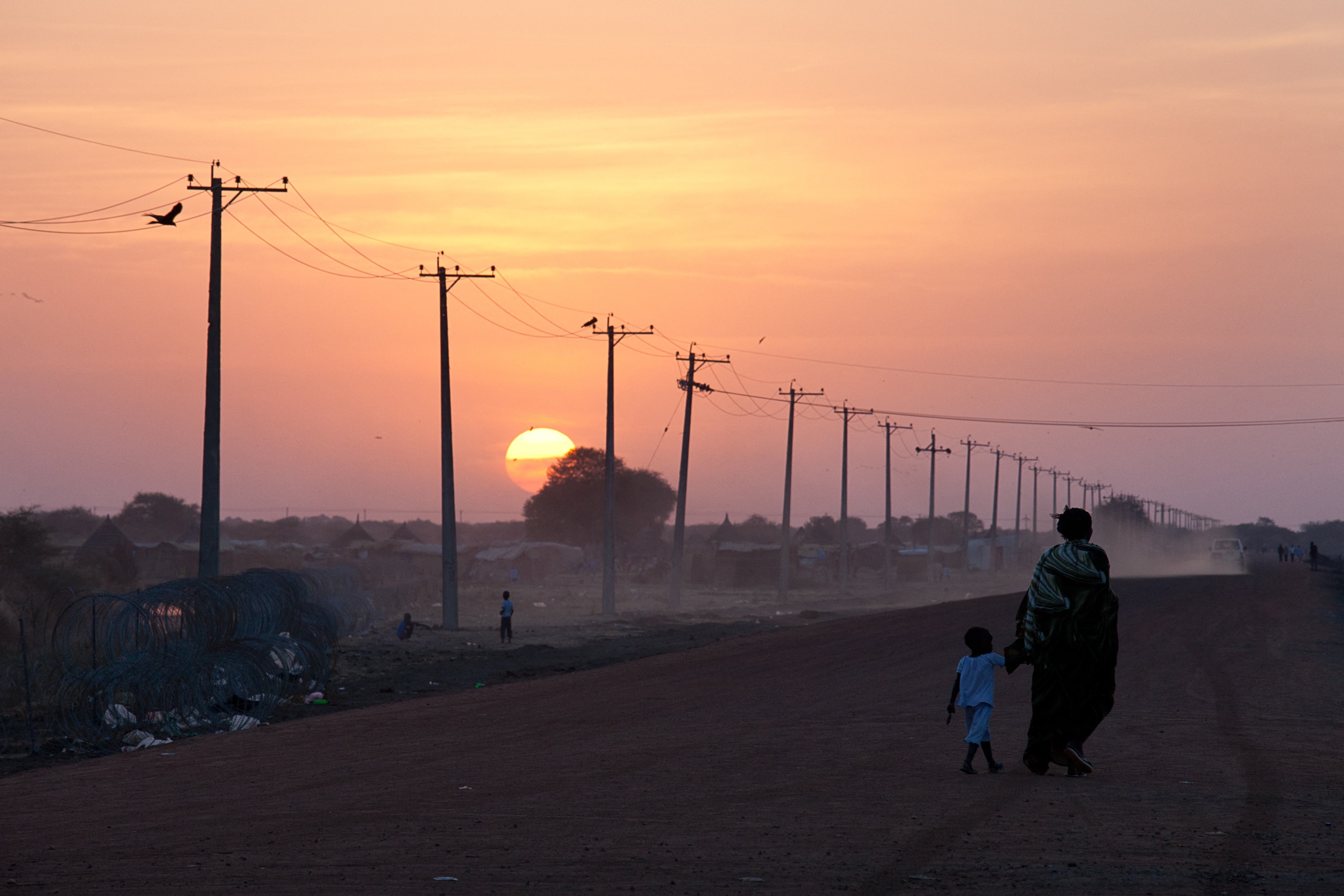
Electricity consumers in Kenya are set to pay higher power bills after the Energy and Petroleum Regulatory Authority (EPRA), the regulator in charge of the sector, introduced new charges in its April 2026 tariff review.
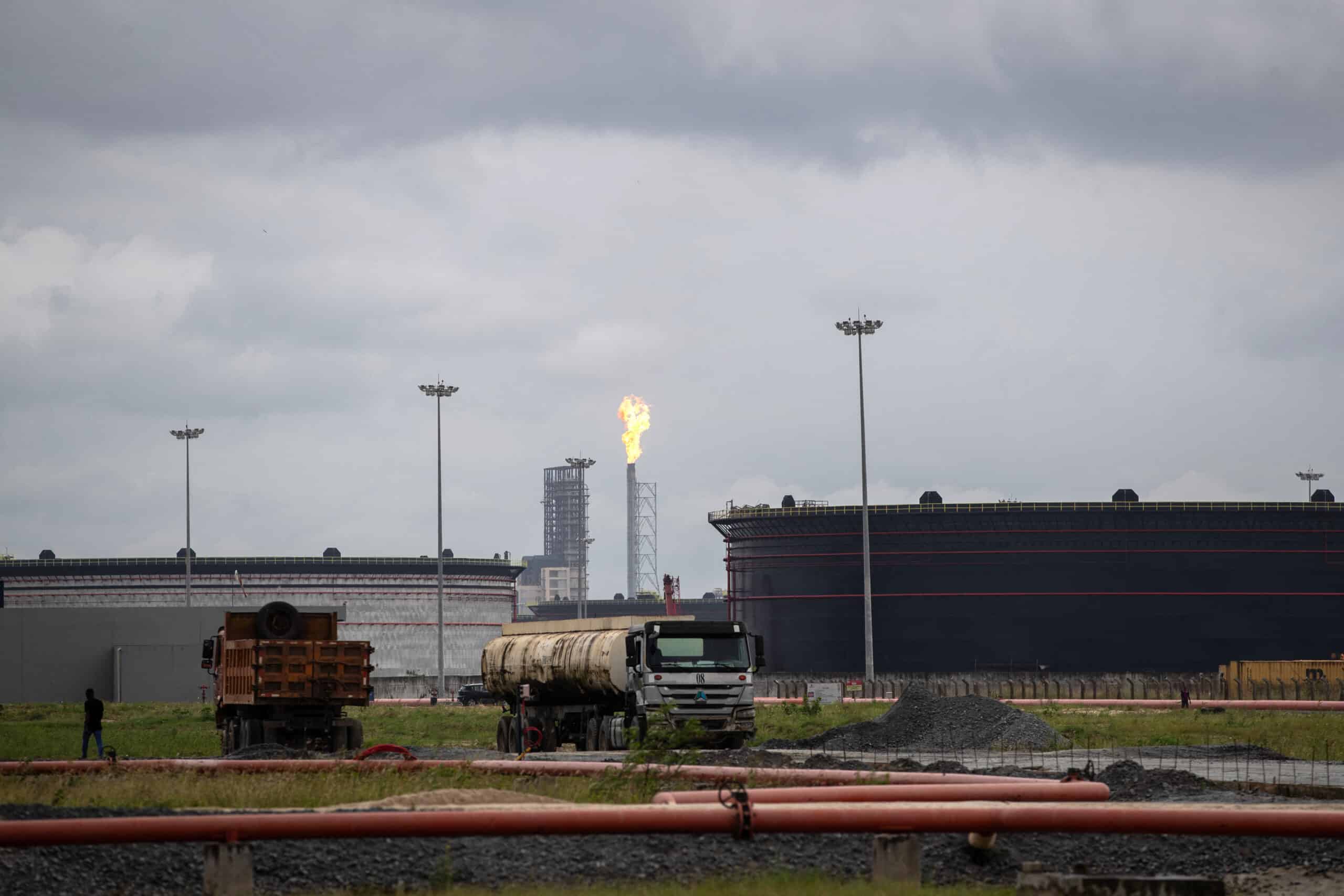
Cameroon is moving to secure its fuel supply by strengthening ties with Nigeria’s Dangote Refinery, as concerns mount over potential disruptions linked to tensions in the Middle East.
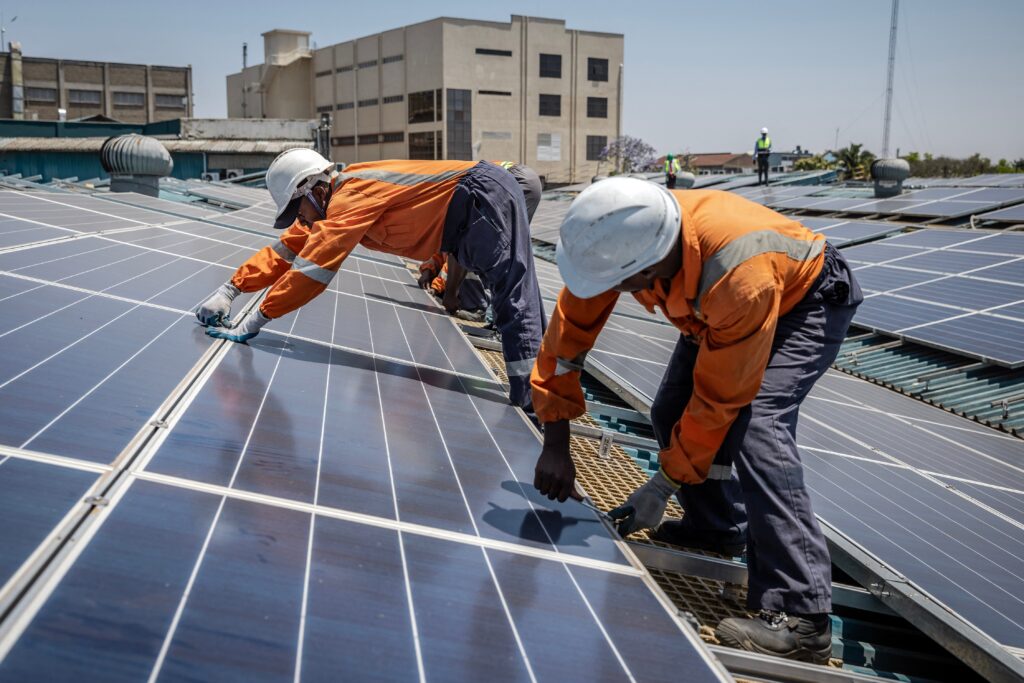
Africa is now a destination spot for solar power as adoption continues to grow rapidly. However, different nations on the continent employ various strategies to optimise their own renewable energy market
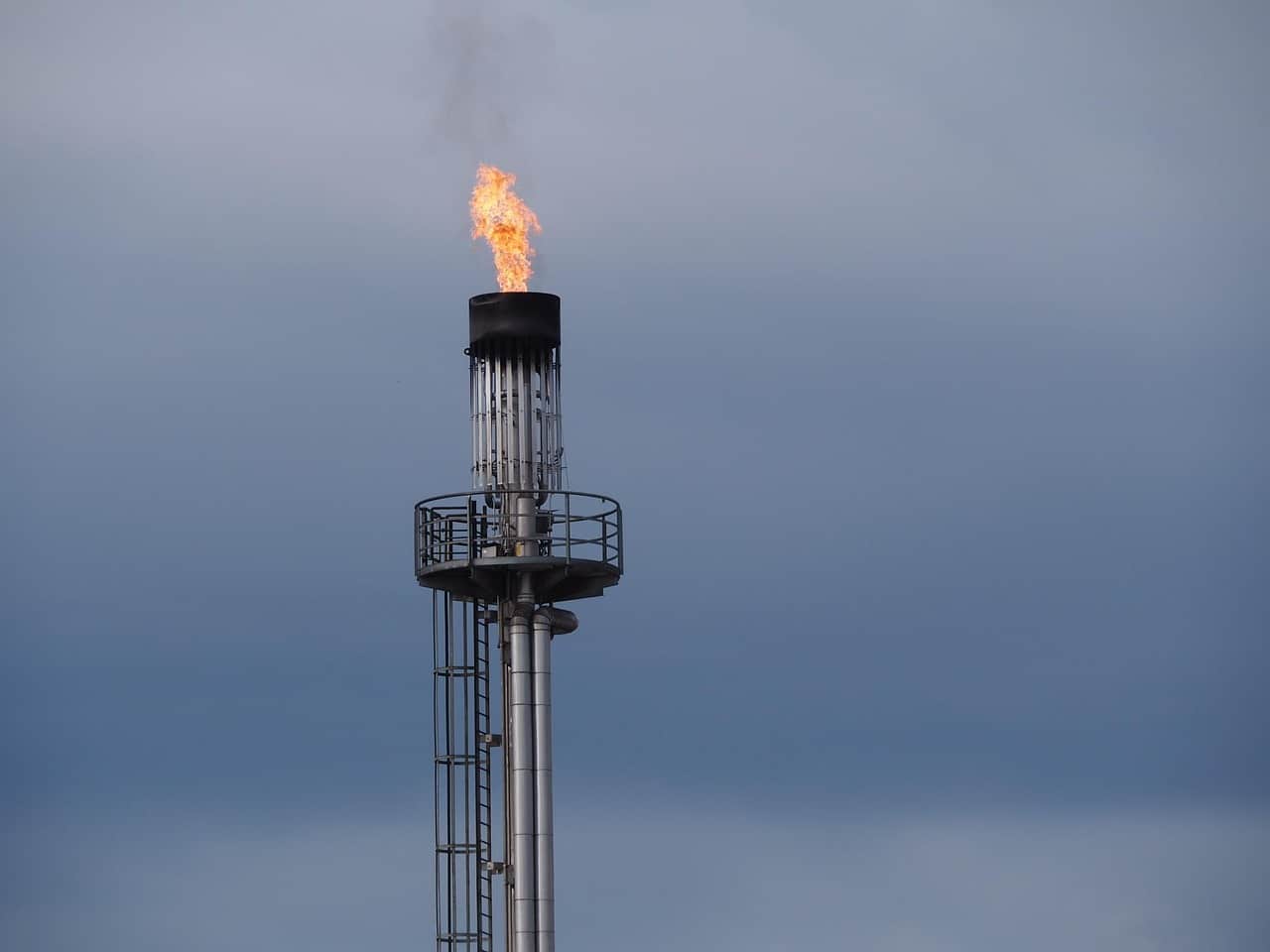
Sierra Leone has signed a $225 million petroleum licence agreement with Nigeria-based Marginal Energy Limited, granting the firm rights to explore and develop offshore oil blocks as the country intensifies efforts to attract investment.
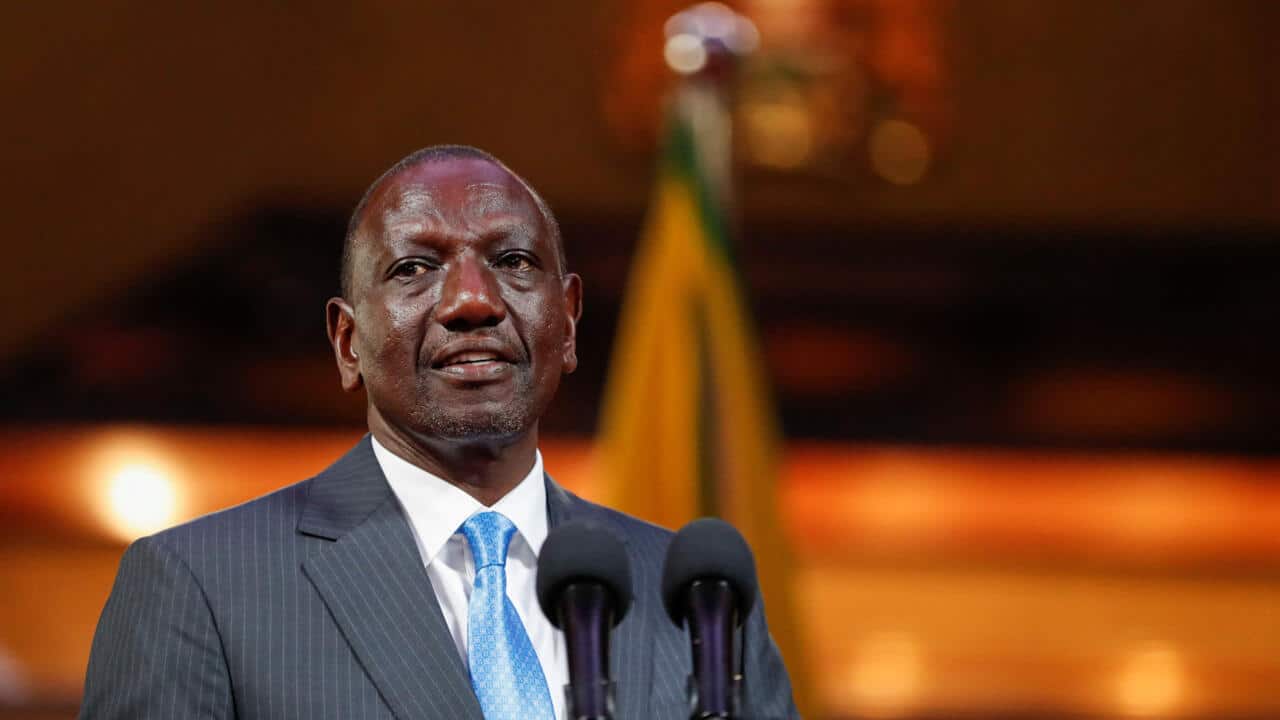
The president of Kenya, William Ruto, has proposed the development of a jointly-owned oil refinery with Uganda in Tanga, historic port city in Tanzania, to serve multiple East African countries.
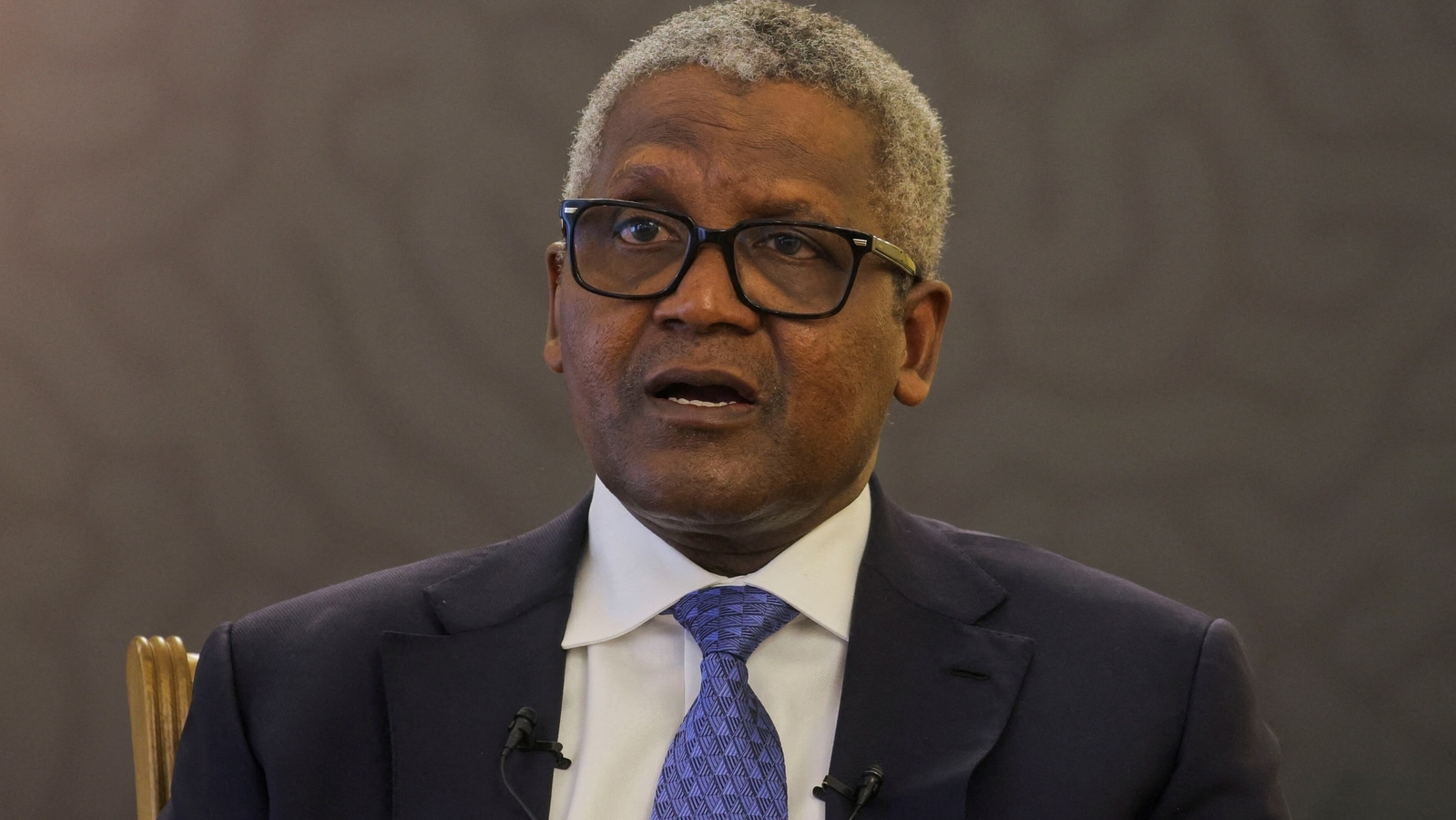
Africa’s richest man, Aliko Dangote, is in discussions with Kenya and Uganda over plans to build a Nigeria-style oil refinery in Tanzania, as the East African countries move to reduce reliance on imported petroleum products.
Nigeria has approved a $10.3 billion investment plan by Italian energy company Eni for deepwater oil projects offshore the country, clearing the way for long-delayed developments on the Zabazaba and Etan fields.
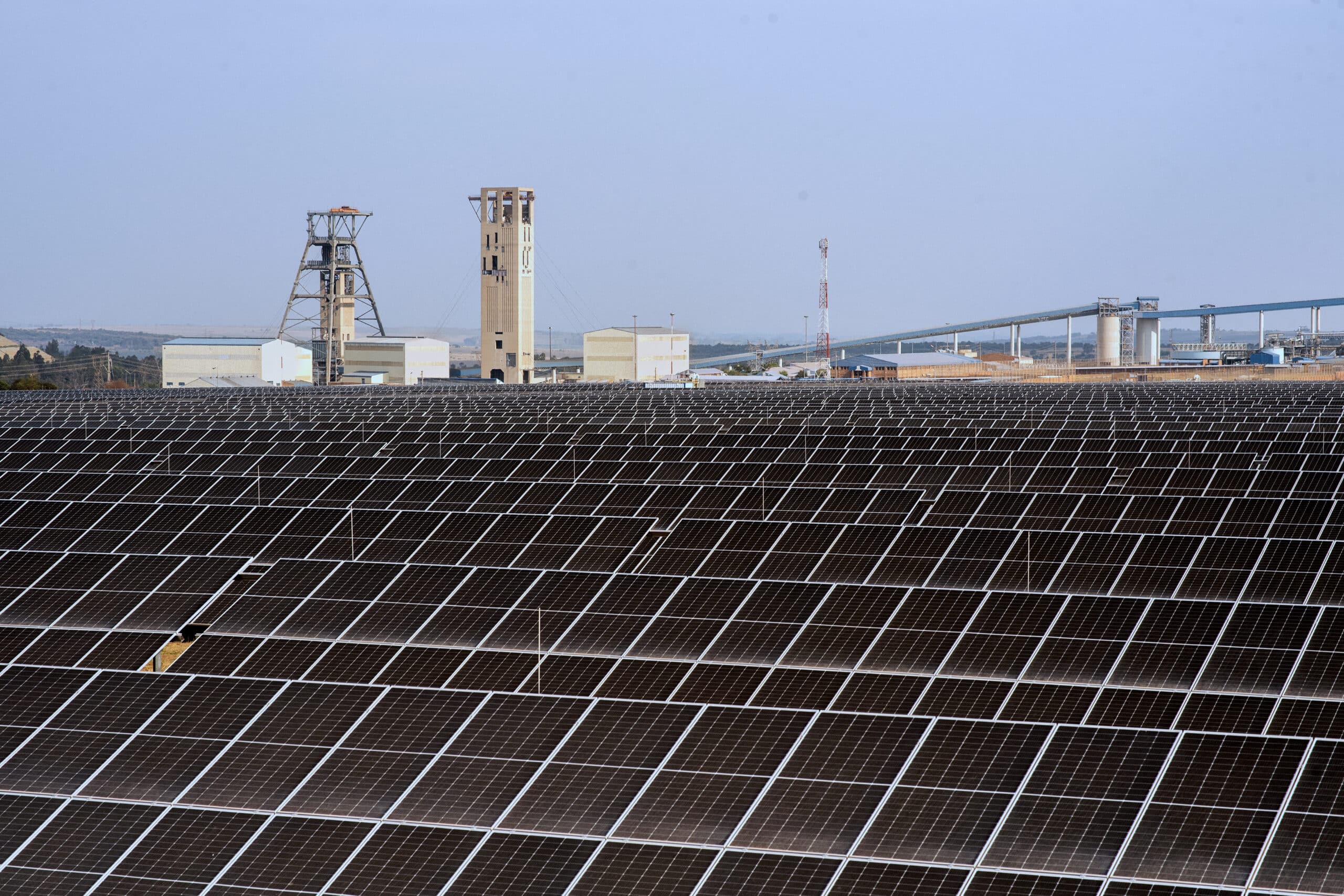
Solar adoption has reached record levels, yet significant gaps remain. This article examines three distinct markets and the factors positioning them as potential next solar powerhouses on the continent.
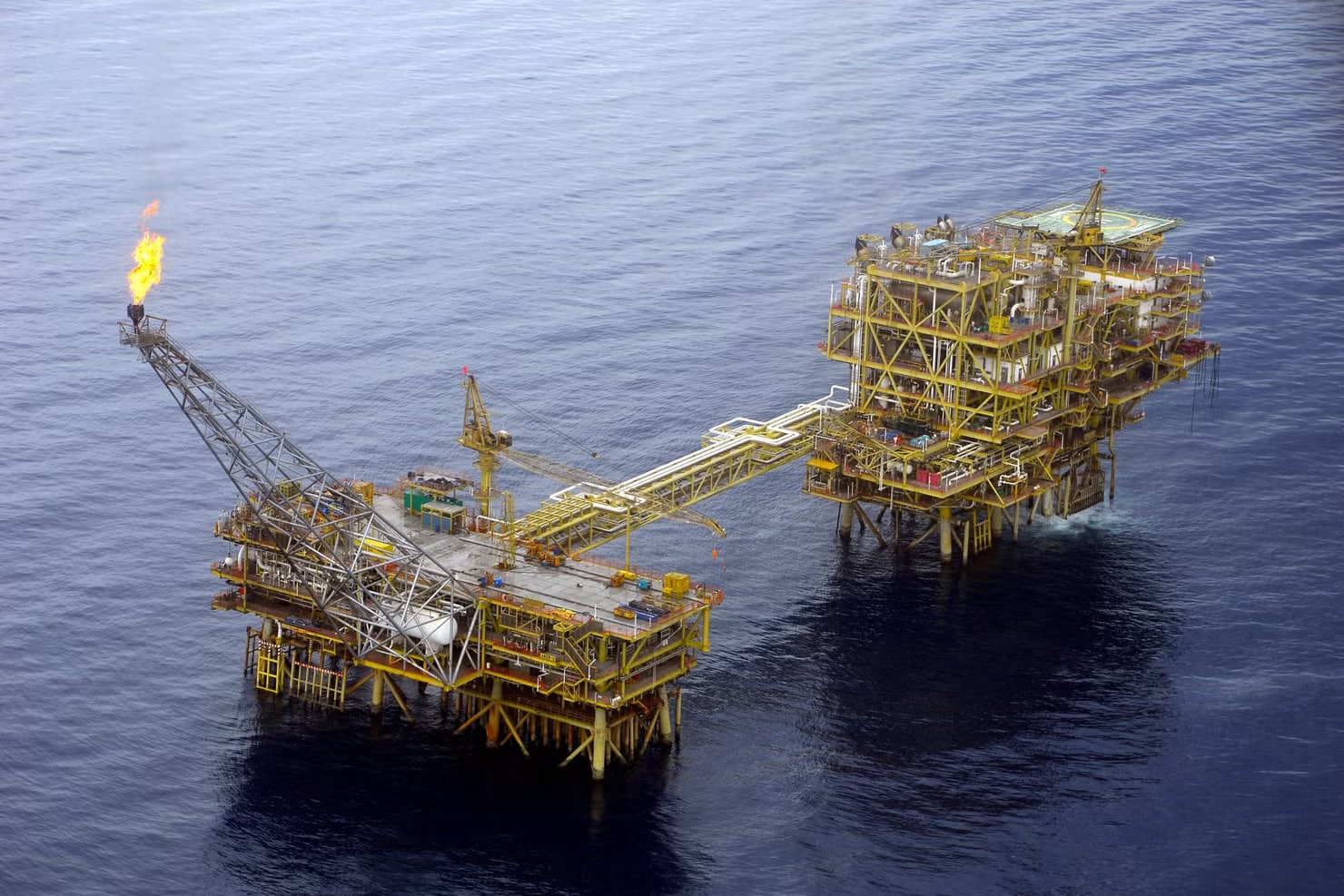
Nigeria and Libya are Africa’s leading oil producers. For nearly a decade, Nigeria has held the top position, with Libya consistently close behind. However, recent trends suggest this long-standing order may be shifting.
Nigeria moves to add 4,000MW to the national grid as the FGN Power Company (FGNPC) launches a partnership with Ebonyi and Enugu states to deliver the transmission projects over the next three years.
Sierra Leone has signed a reconnaissance permit agreement with Shell Plc, allowing the company to carry out advanced geological and geophysical surveys across multiple offshore blocks.
Oil-rich Gabon is expected to sign production-sharing contracts with British Petroleum (BP) Plc and ExxonMobil within the next four to six months as authorities move to advance offshore exploration plans.
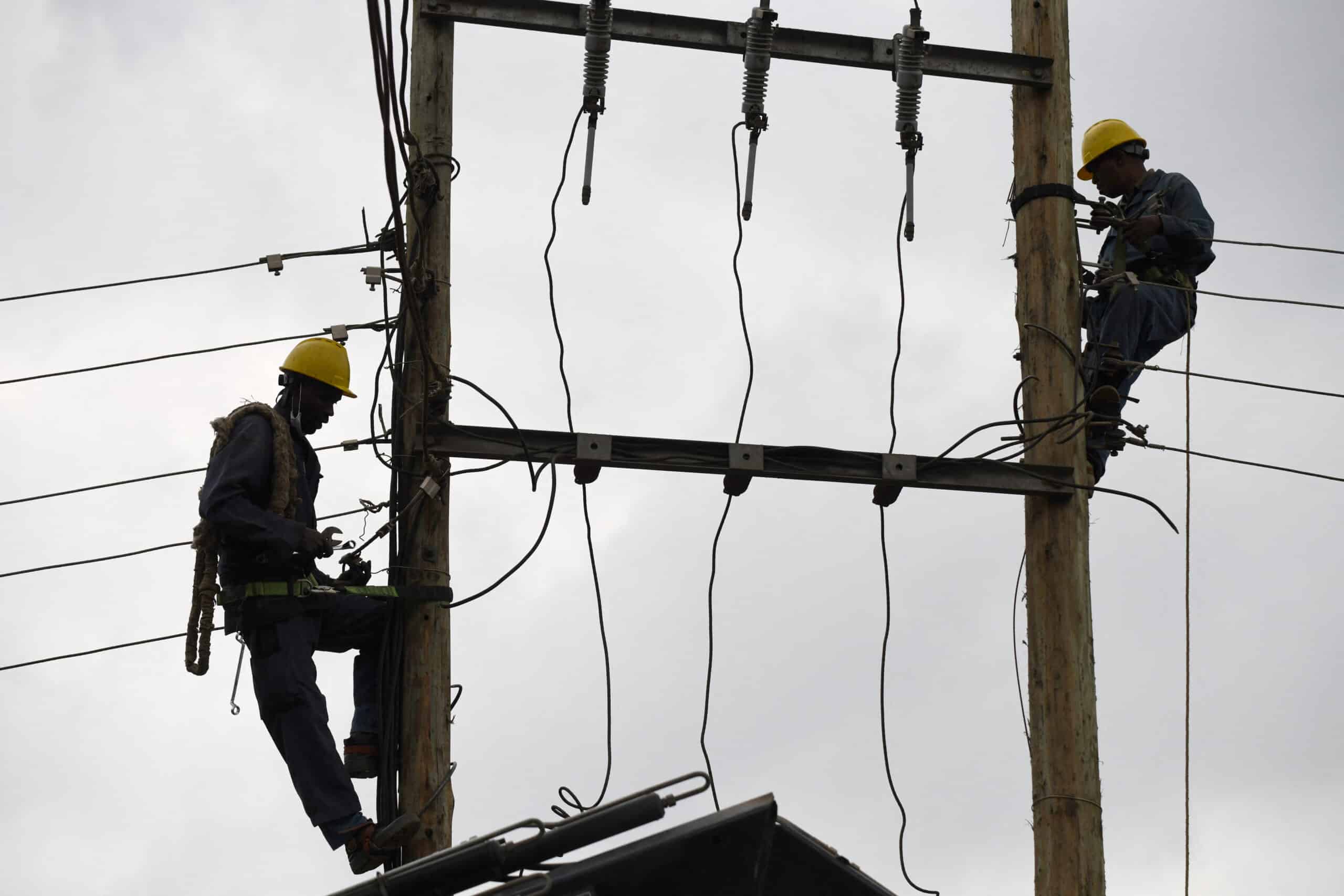
The Electricity Company of Ghana (ECG) has announced a GH¢3.46 billion ($313 million) investment programme aimed at addressing persistent power outages and stabilising electricity supply across the country.
The African Development Bank has approved €7.33 million ($8.61 million) in additional financing for Uganda’s Rural Electricity Access Project (UREAP Phase I) to address unresolved compensation payments and incomplete works.
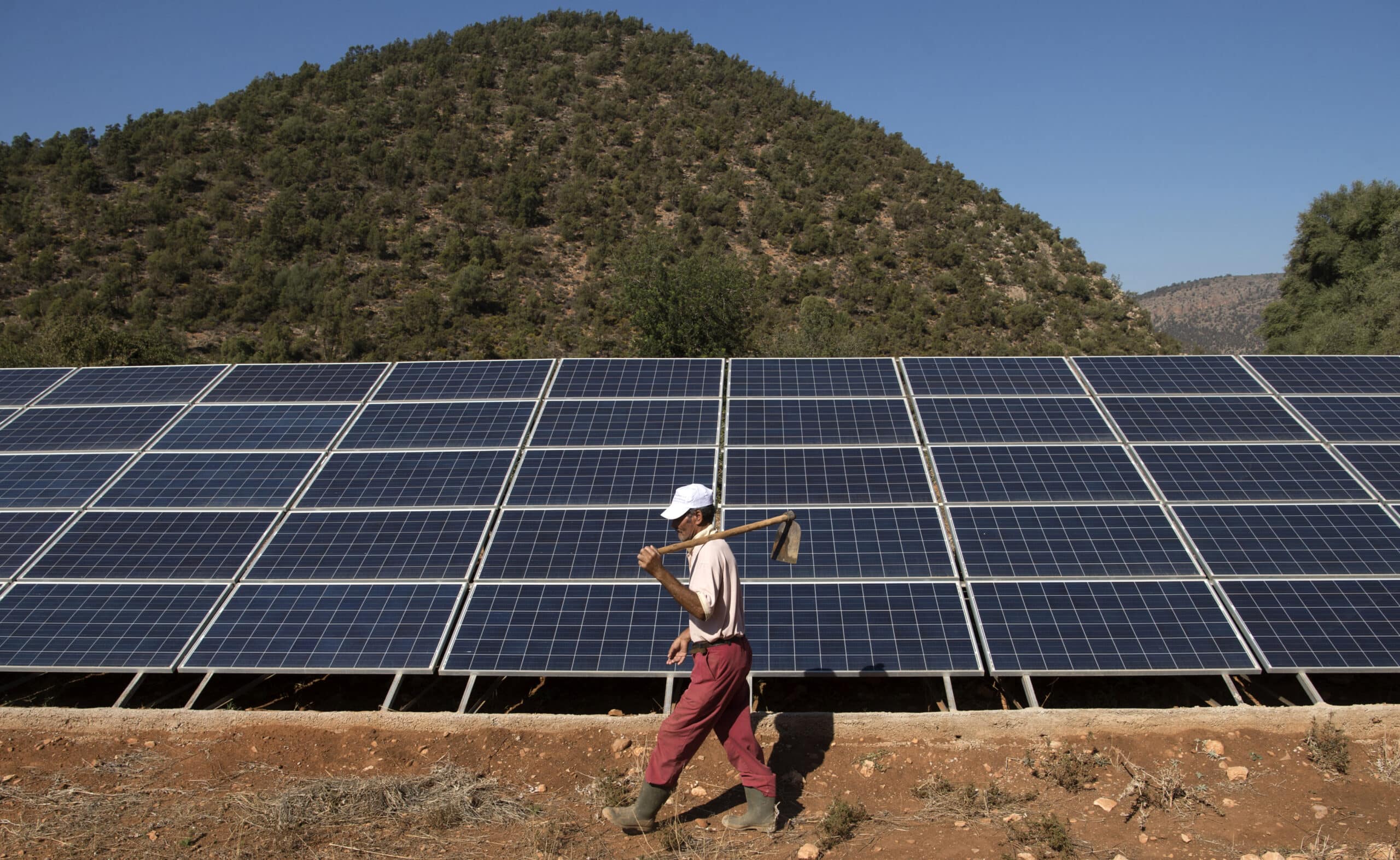
Power project developer Globeleq plans to build a 250-megawatt solar-battery plant in Zambia for $315 million, with completion scheduled for 2029.
