

Top stories
Finance
Top stories
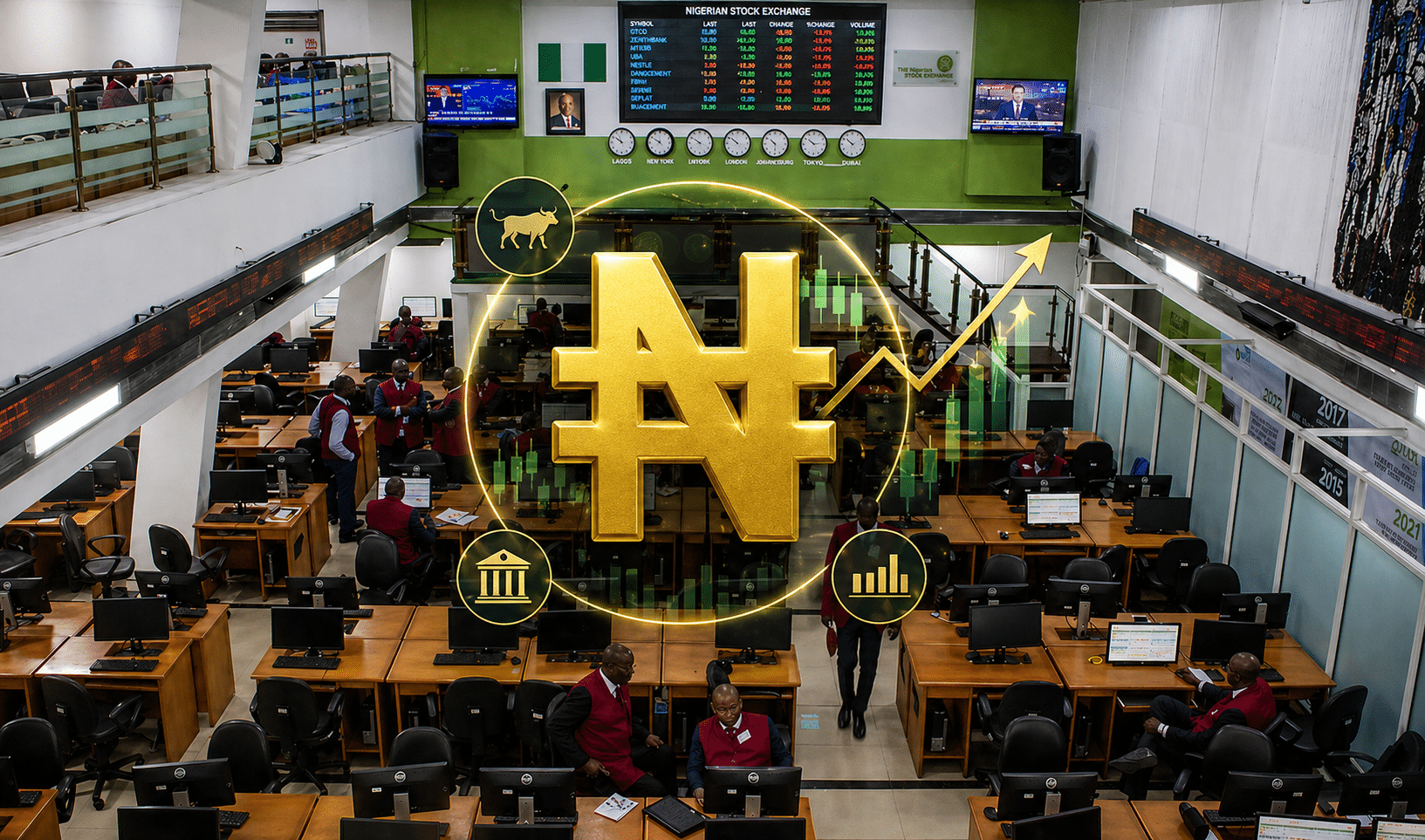
While global financial centres contend with subdued growth and elevated interest rates, Africa’s capital markets have entered 2026 with notable momentum.
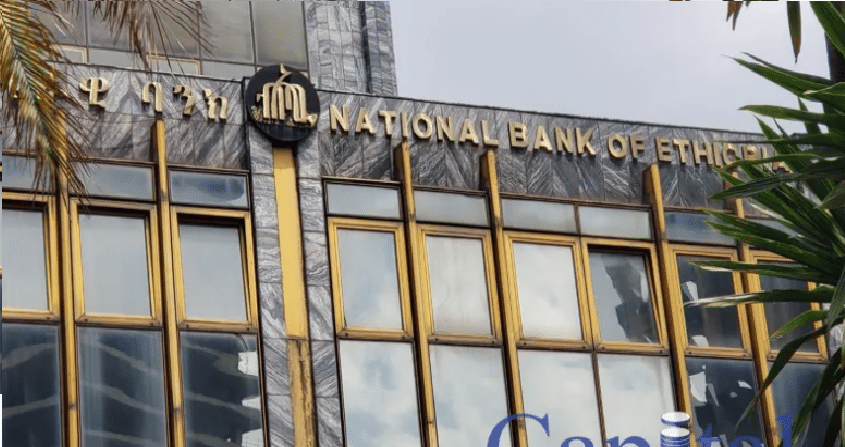
Ethiopia is set to transform its insurance industry with a new draft law allowing foreign insurers to enter the market for the first time in decades.
South Africa’s National Treasury is proposing significant reforms to its exchange control regulations, moving from a rigid system to a modern, risk-based framework aimed at attracting foreign investment and preventing capital flight.
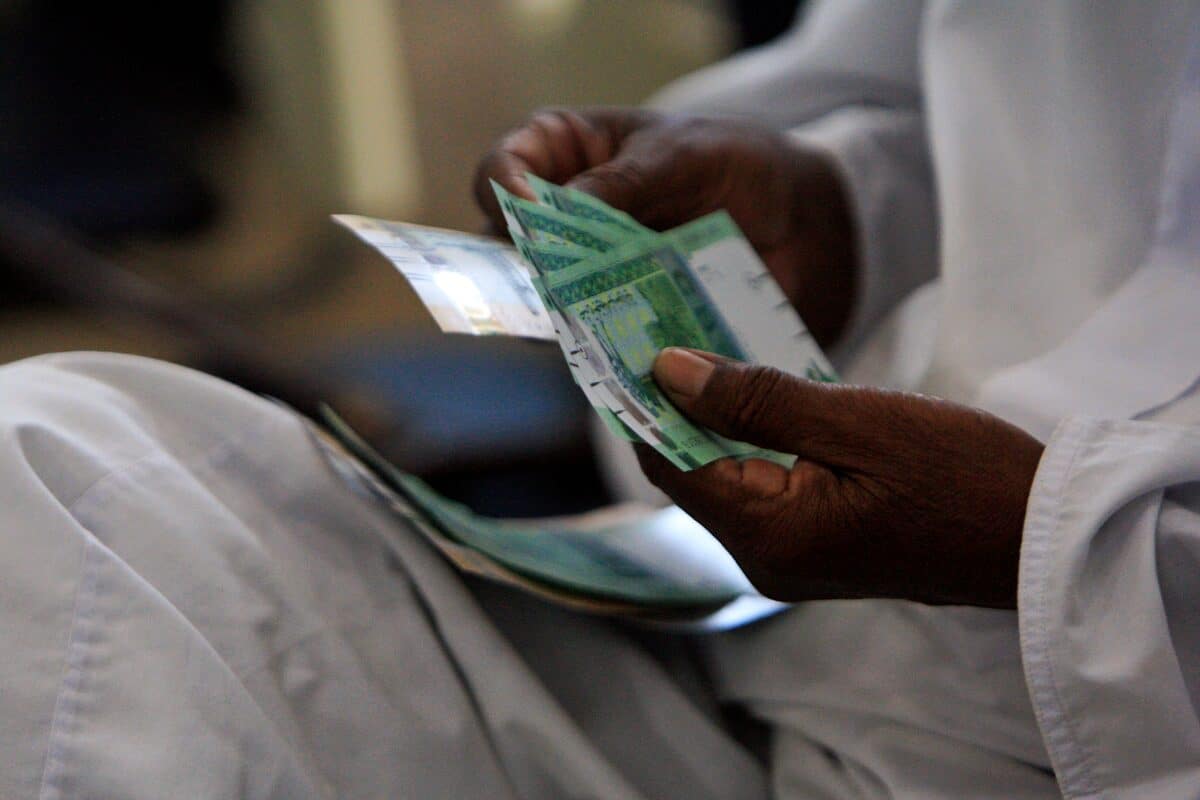
The measures, outlined in a government directive, target what authorities describe as “luxuries and unnecessary” goods, including food items, consumer products and industrial inputs.

At the core of the overhaul is a structural reset—enabling onshore foreign-currency funds and integrating crypto assets into South Africa’s formal exchange control system.
The inflows—expected from the African Development Bank and a yen-denominated Samurai loan arranged last year—are part of a broader financing pipeline linked to reform milestones, climate frameworks and multilateral support.
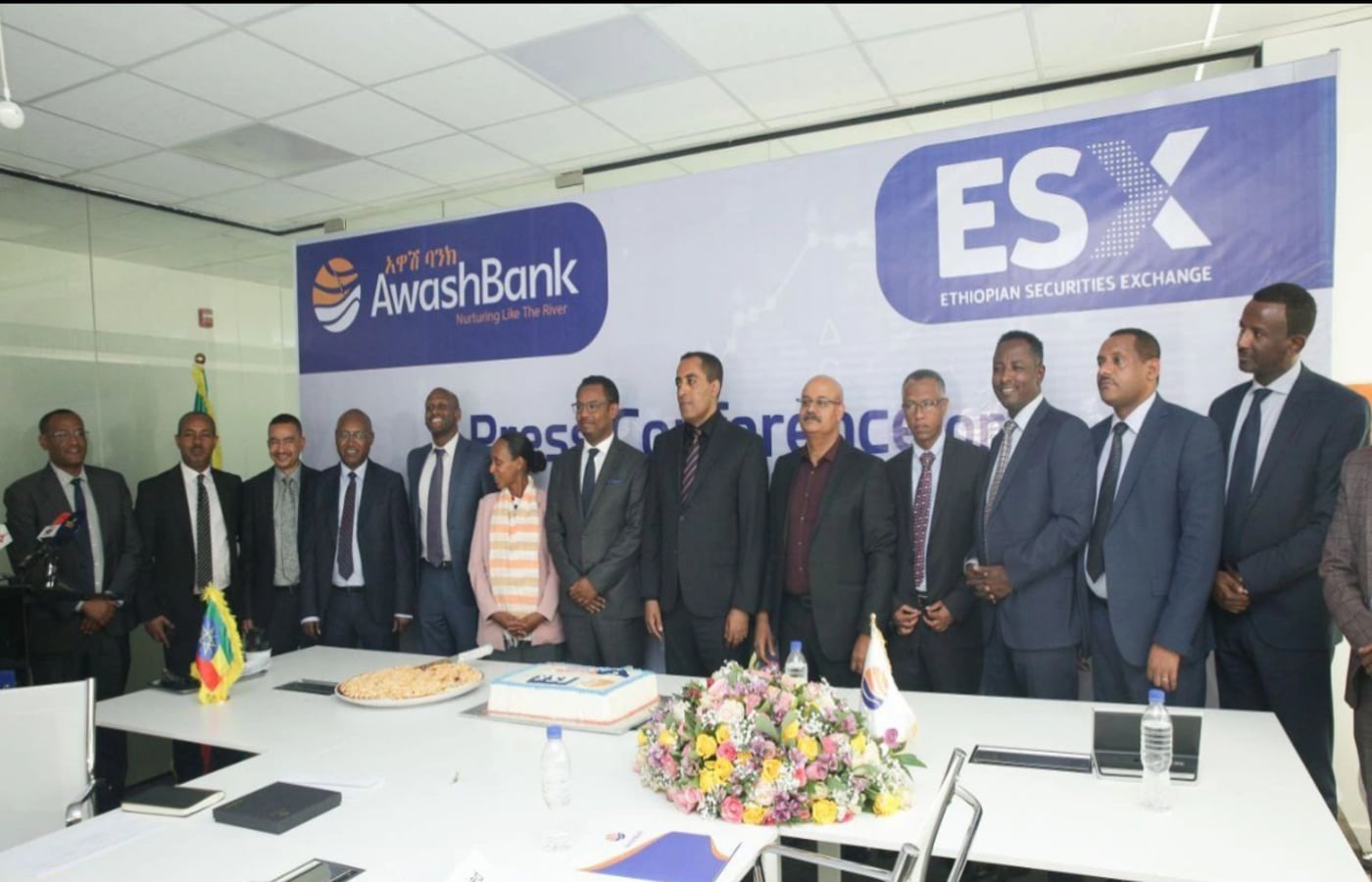
Awash Bank, Ethiopia’s largest private lender, made a significant entrance on the Ethiopian Securities Exchange by listing nearly 38 million shares on April 23, 2026.
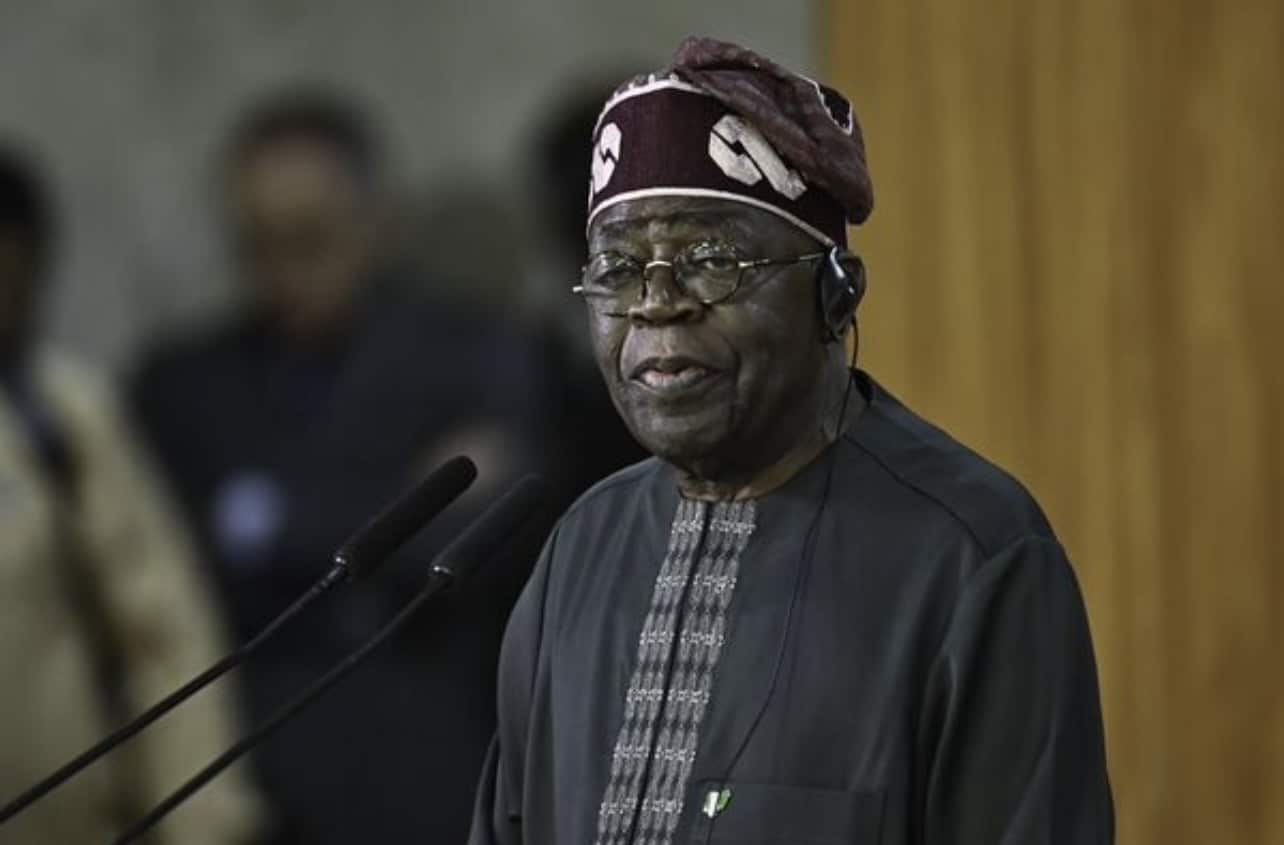
Nigerian President Bola Tinubu has sought Senate approval for a $516.3 million foreign loan to develop the Sokoto-Badagry Superhighway, aimed at enhancing trade between Nigeria’s agrarian north and Lagos.

The Lagos-based institution is targeting financial close by the fourth quarter of 2027, with construction expected to begin immediately after funding is secured and completion slated for 2030.
As leaders gather for the Africa We Build Summit in April 2026, the Africa Finance Corporation warns that Africa’s infrastructure crisis stems not from a lack of funding, but from execution failures.
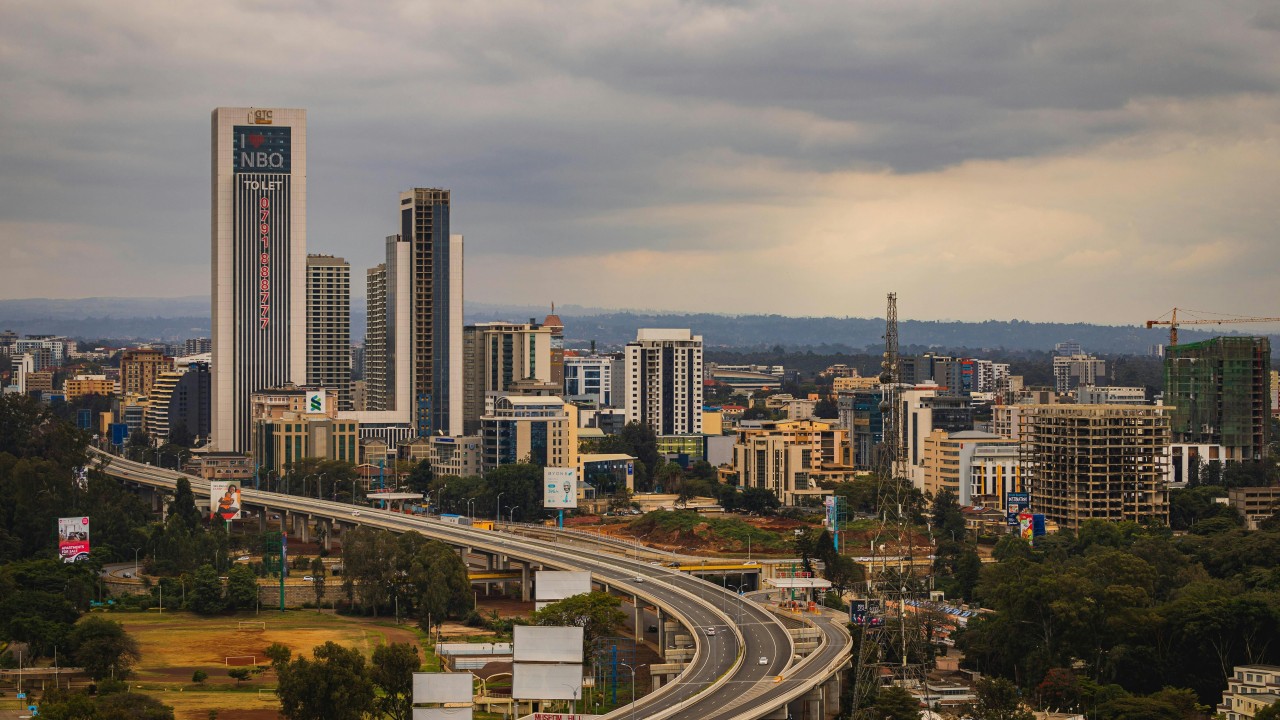
On March 31st 2026, Nigeria announced it would borrow $5 billion from First Abu Dhabi Bank through a financial instrument most people have never heard of: a total return swap.
South Africa’s consumer price index rose to 3.1% year-on-year in March 2026, aligning with forecasts and remaining within the Reserve Bank’s target range. Key drivers included increased housing costs and a slight rise in core inflation.
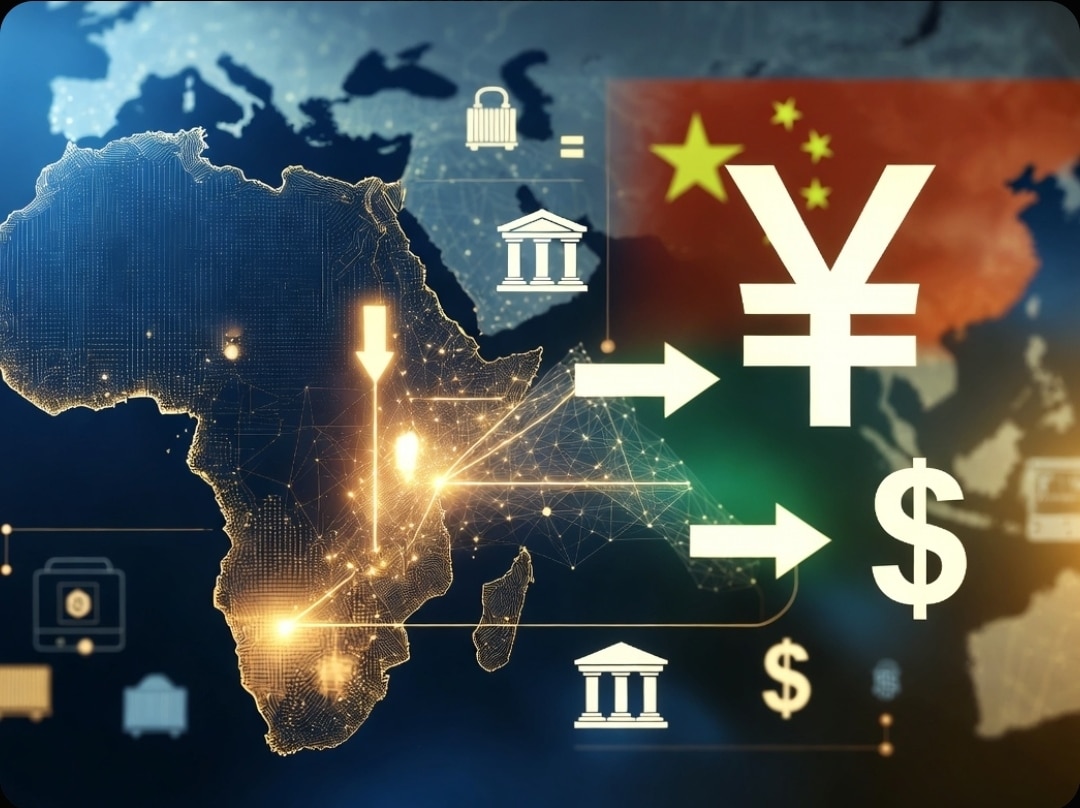
Ecobank is collaborating with Bank of China to introduce direct local currency to yuan settlement services by 2026, aiming to streamline payments for African SMEs engaged in trade with China.
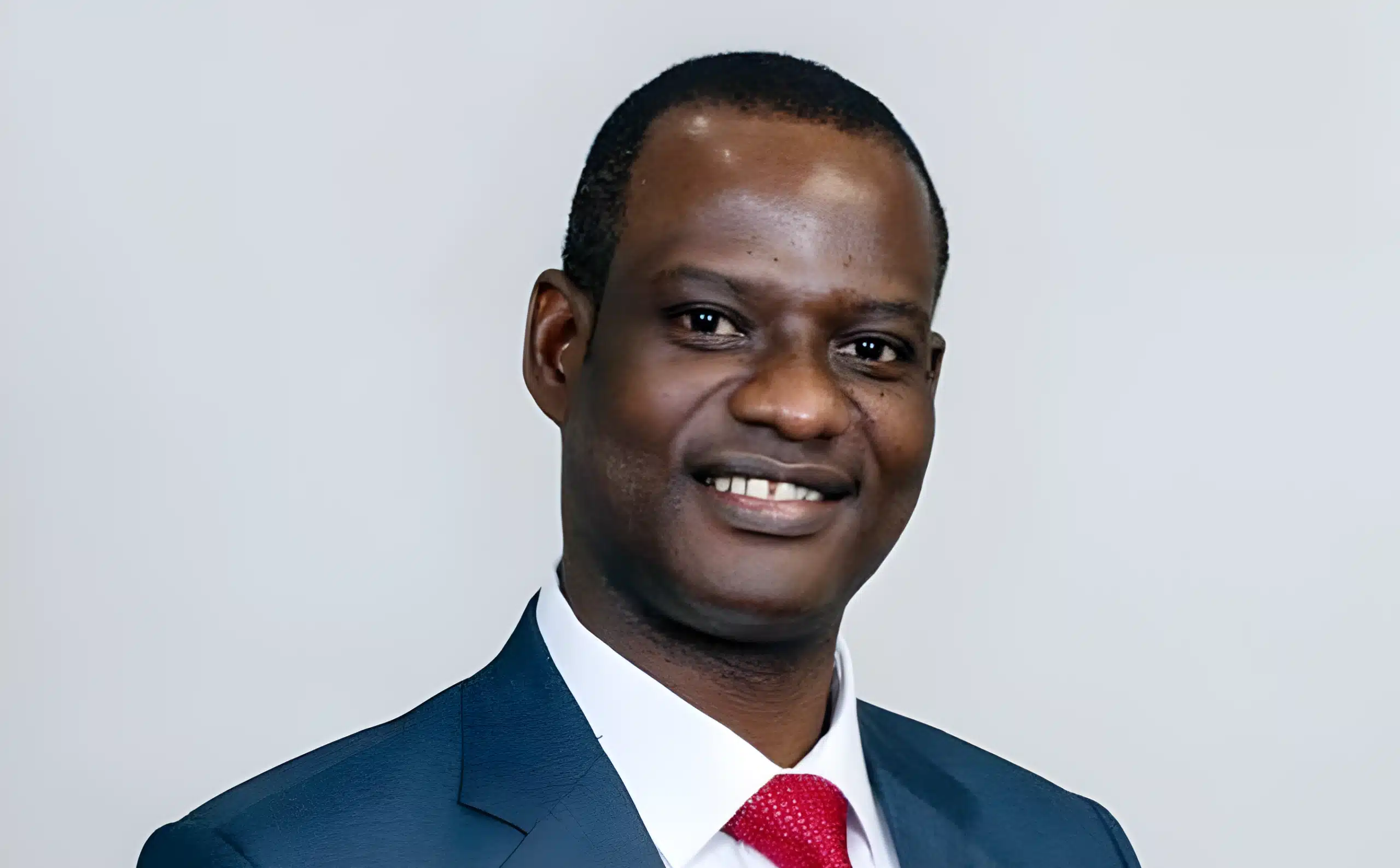
Oyedele’s appointment marks a rapid elevation, coming just weeks after he was named Minister of State for Finance in an earlier reshuffle.
According to stakeholders, closing the gap will depend on building credible project pipelines, strengthening regulatory frameworks, and deploying blended finance tools to attract private capital.
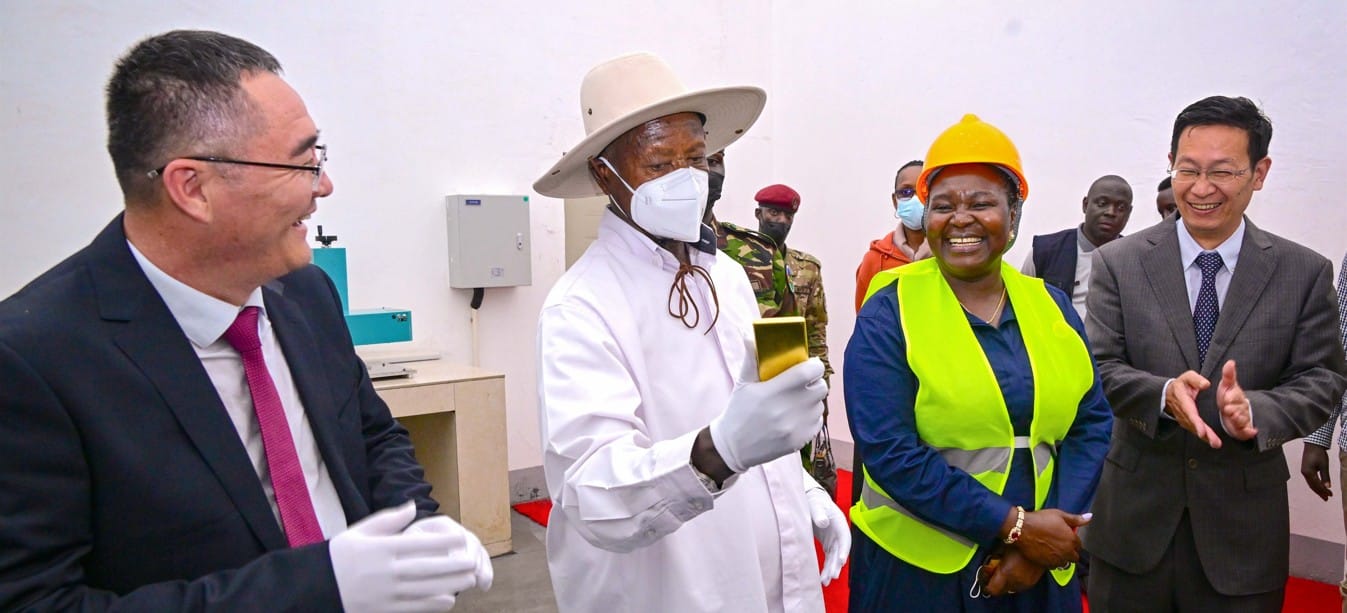
Uganda’s central bank has made its inaugural purchase of domestically mined gold, launching a three-year pilot program to bolster the country’s foreign reserves.
African currencies have come under pressure as the ongoing Middle East conflict drives up oil prices, disrupts shipping flows, and sends inflationary shocks across the continent.
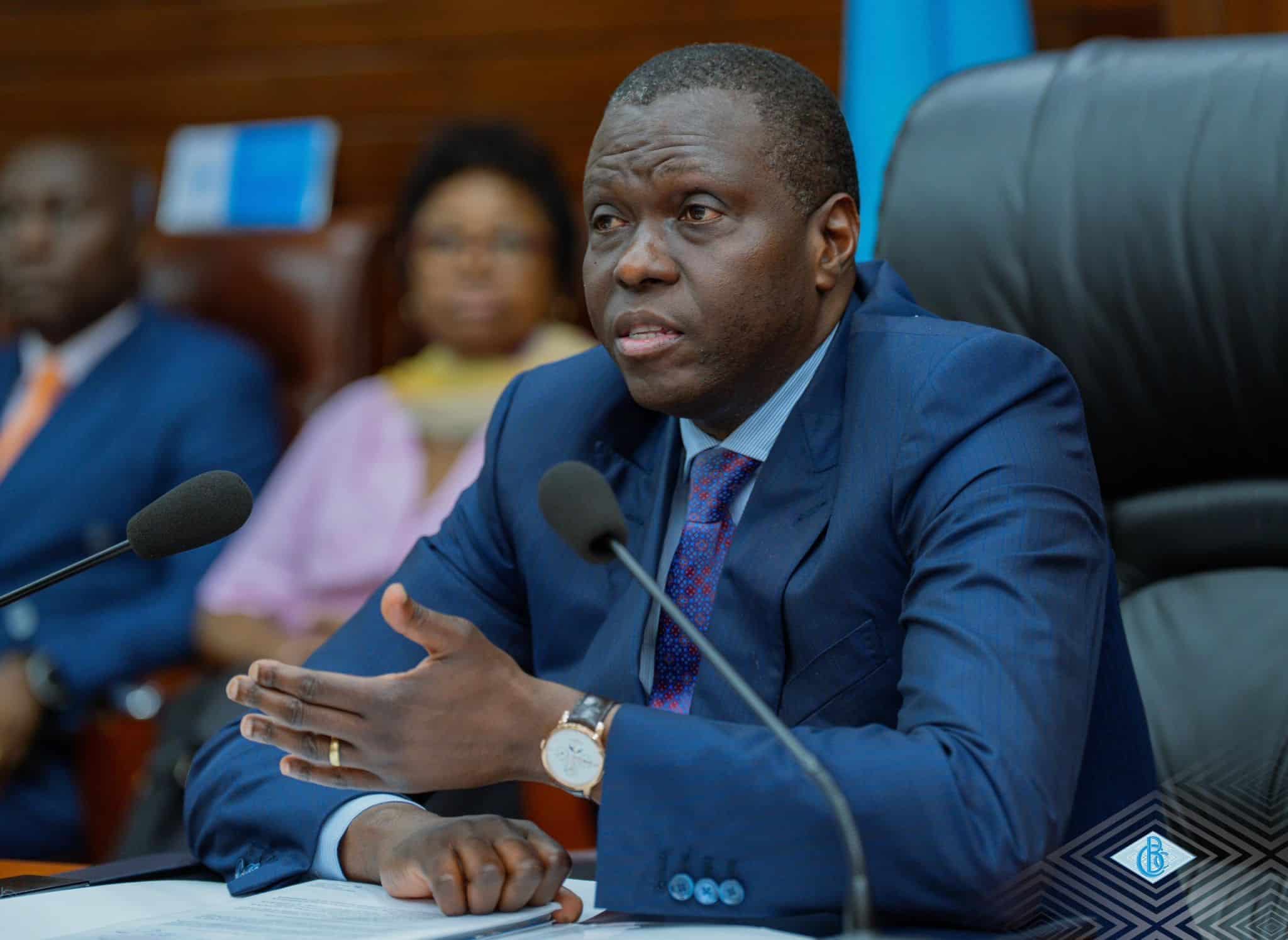
The Democratic Republic of Congo’s central bank will impose strict restrictions on cash transactions in US dollars and foreign currencies starting April 9, 2027, aiming to combat money laundering and bolster the local franc.

As digital finance matures, access is no longer the benchmark. Infrastructure that supports frequent, low-value transactions is becoming central to sustained usage and economic participation.
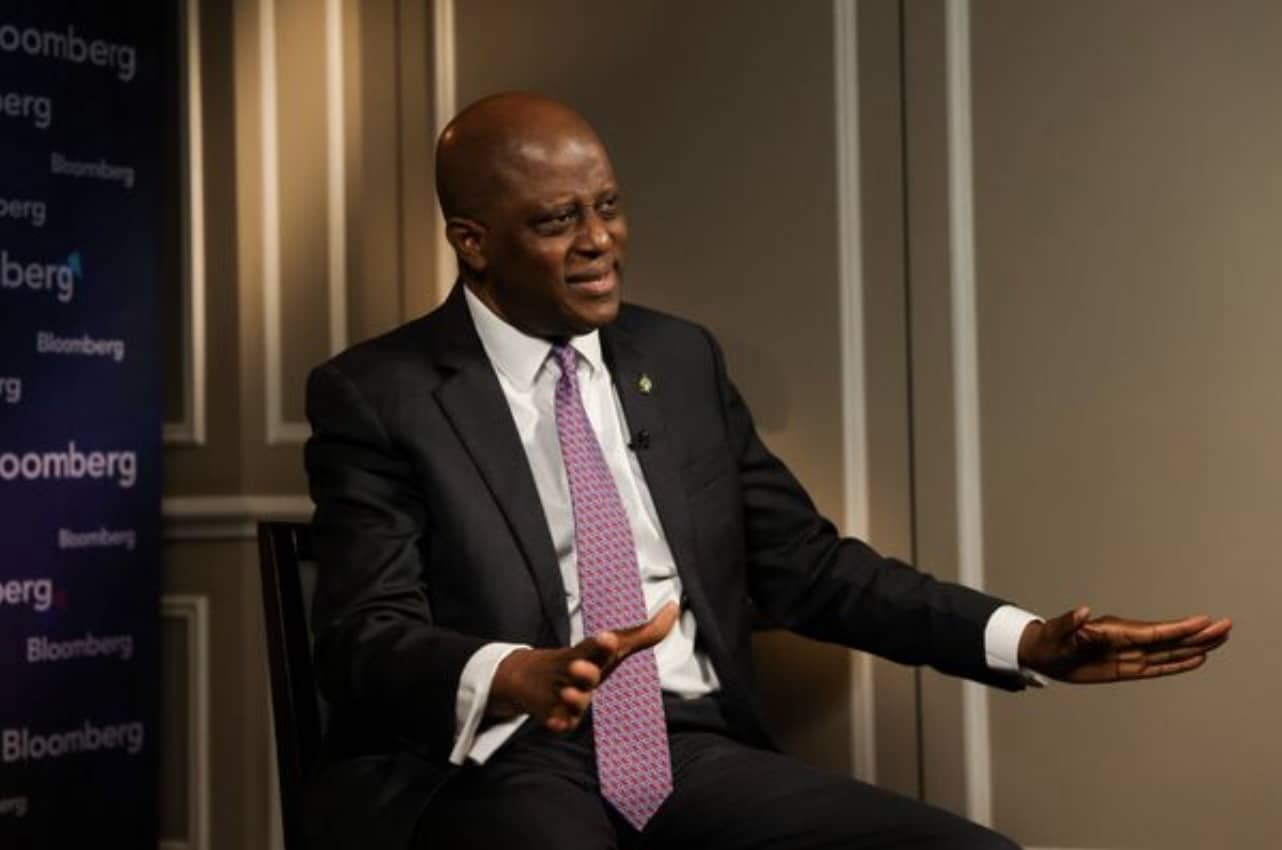
The shift marks a potential turning point in the management of the naira after years of heavy central bank involvement to stabilise the currency amid chronic dollar shortages.
