

Key Takeaways
- Ethiopia’s total spending will rise 21% by next fiscal year
- The Iran war and its fuel subsidy costs are cited as the main driver of the increase
- A smaller budget deficit of 1.4% of GDP is still expected despite the higher spending
Ethiopia’s government expects its total spending to rise sharply in the next fiscal year, with the Iran war identified as the primary reason for the increase.
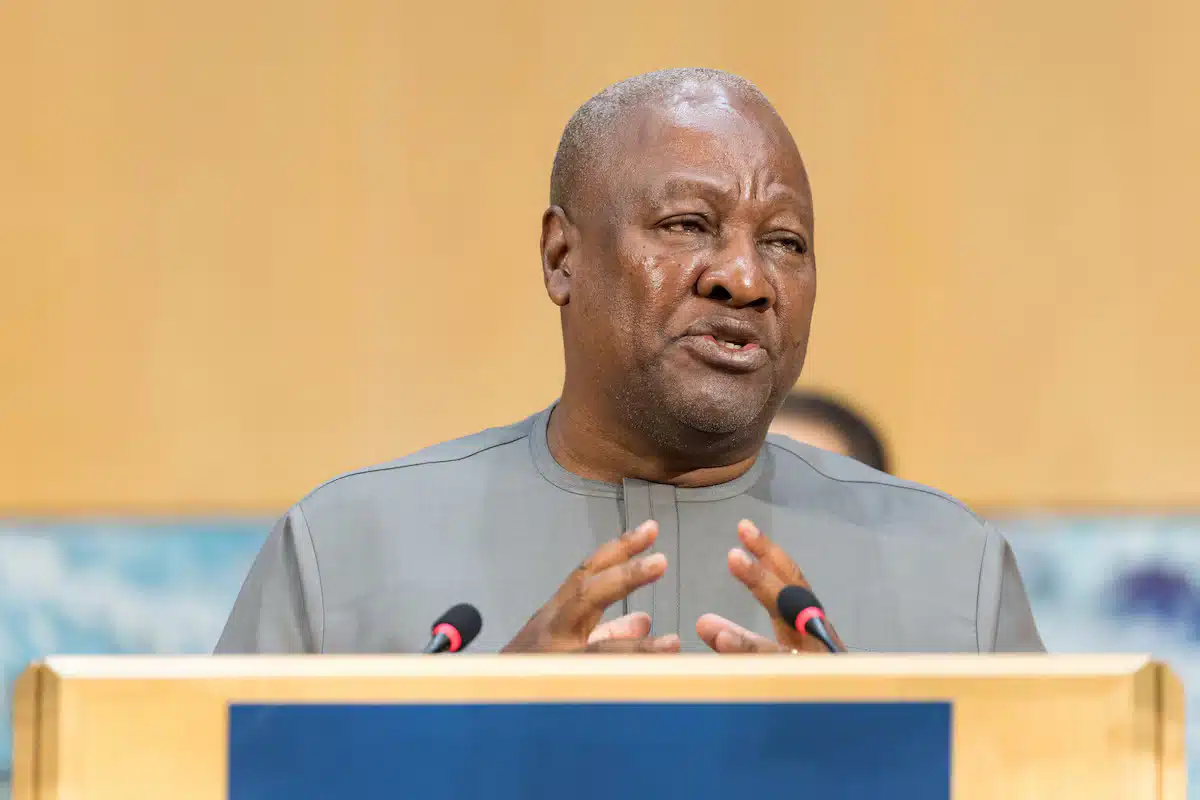
The Finance Minister, Ahmed Shide, made the announcement in a budget speech on Thursday, projecting overall expenditure to rise to roughly 2.34 trillion birr ($14.69 billion) in the 2026/27 fiscal year that starts next month, up from 1.92 trillion birr in the current fiscal year.
The speech was delivered to lawmakers in Addis Ababa.
Ethiopia’s government has increased fuel subsidies since the Iran war began, as rising global crude prices pushed domestic fuel costs higher across the Horn of Africa country. Ethiopia imports all of its refined petroleum products, leaving its public finances directly exposed to global energy price movements.
“This increase mostly takes into account expenses related to the Middle East crisis,” Ahmed told lawmakers.
Why the spending jump matters to Ethiopia larger economy
The planned increase amounts to a roughly one-fifth rise in government spending, with a budget shortfall of 308.6 billion birr expected in the coming fiscal year, most of which the government plans to plug through domestic financing. Ethiopia is not alone.
East Africa is seen as highly vulnerable to the impact of the Iran war given the region’s heavy reliance on petroleum and fertiliser imports, concerns that have led the African Development Bank to cut its growth forecast for the region this year by half a percentage point.
For Ethiopia specifically, higher fuel subsidies eat directly into a budget that is already under significant strain from debt restructuring obligations.
A budget deficit of 1.4% of GDP is expected in the next fiscal year, which is smaller than the 2.2% of GDP deficit the Finance Ministry had forecast for the current fiscal year.
The debt burden running in the background
Ethiopia’s budget announcement comes at a delicate moment for the country’s finances. Restructuring talks over Ethiopia’s $1 billion international bond hit another stumbling block last month when bondholders rejected the government’s latest offer, with some now planning to take legal action.
Export performance has been a key point of dispute between the government and its creditors over whether Ethiopia faces a solvency problem or a liquidity one.
Export revenue over the first ten months of the current fiscal year stood at $8.7 billion, with the government expecting to earn $10.5 billion from exports by year end.
Ahmed told lawmakers that debt restructuring negotiations are continuing.
“We are close to reaching an agreement with some of them,” he said.
Meanwhile, Ethiopia’s government is projecting economic growth of 10.1% next fiscal year, broadly in line with this year’s expected pace.
The government has not indicated how long the subsidy arrangements will remain in place or at what point it expects global energy prices to ease enough to reduce the burden on the budget. The new fiscal year begins in July.