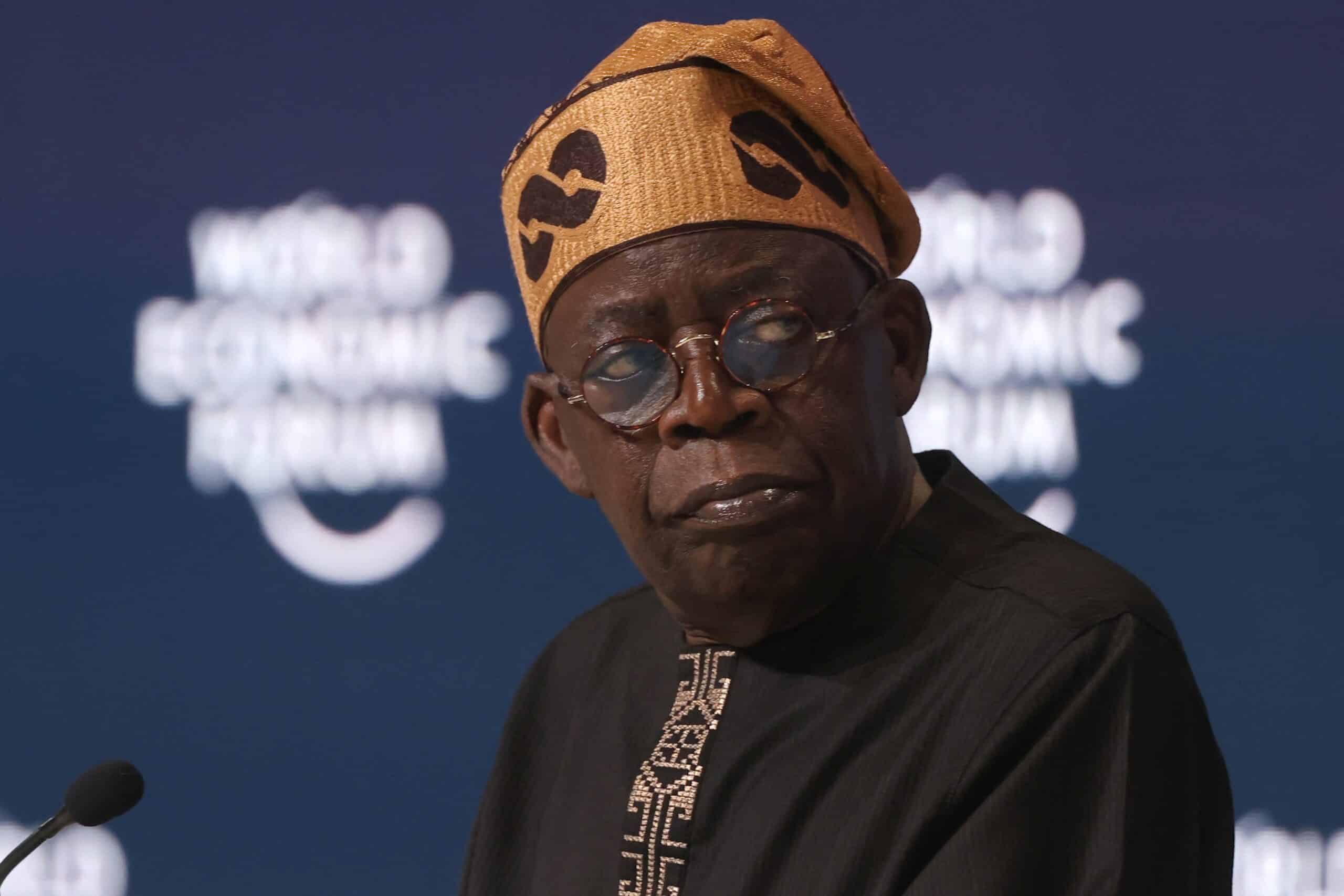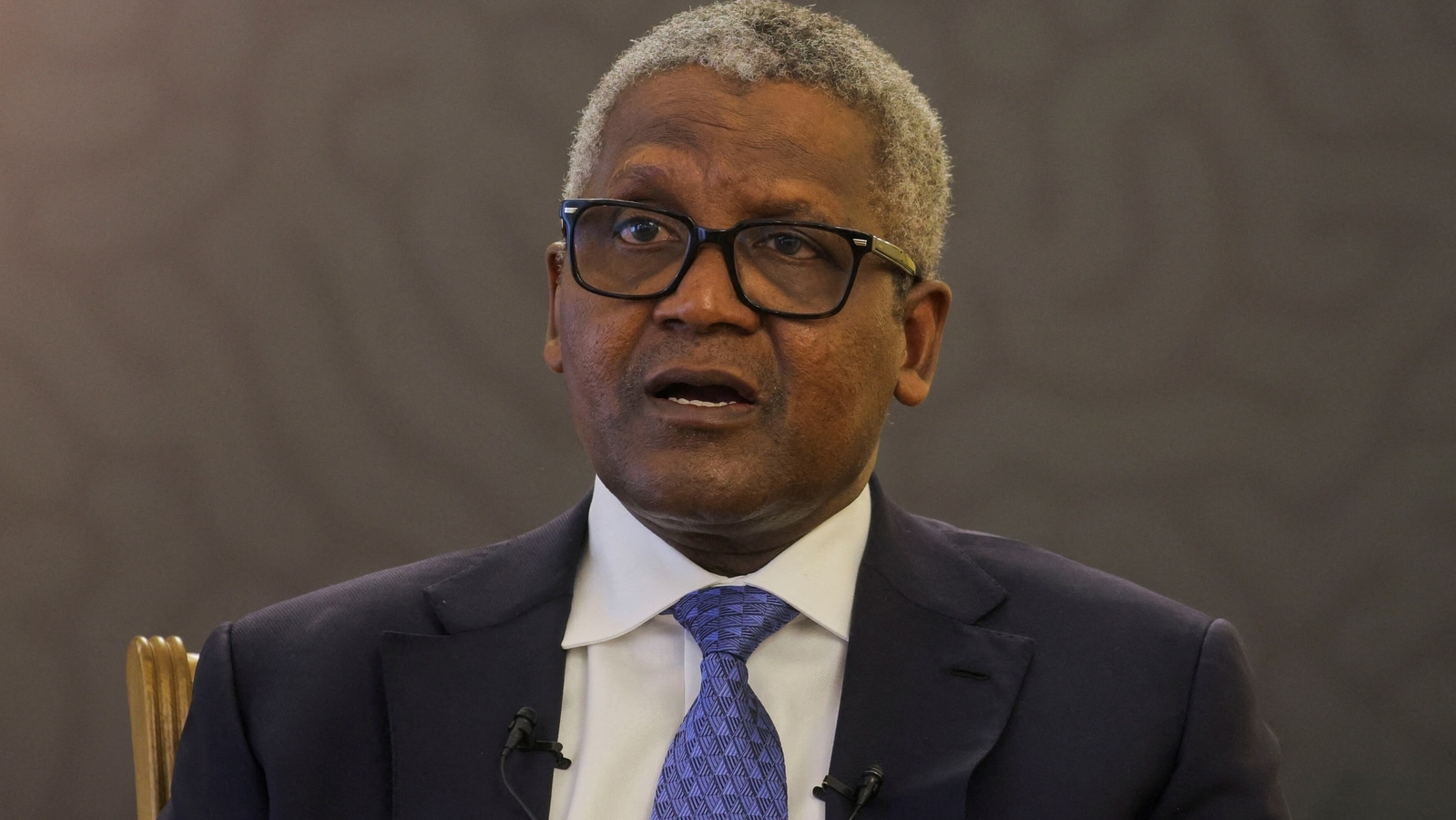


Africa’s richest man, Aliko Dangote, is preparing to bring his crown jewel to the Nigerian stock market.
The planned listing of the Dangote Petroleum Refinery is shaping up to be the biggest initial public offering (IPO) in African capital market history, with as much as $5 billion targeted to be raised.
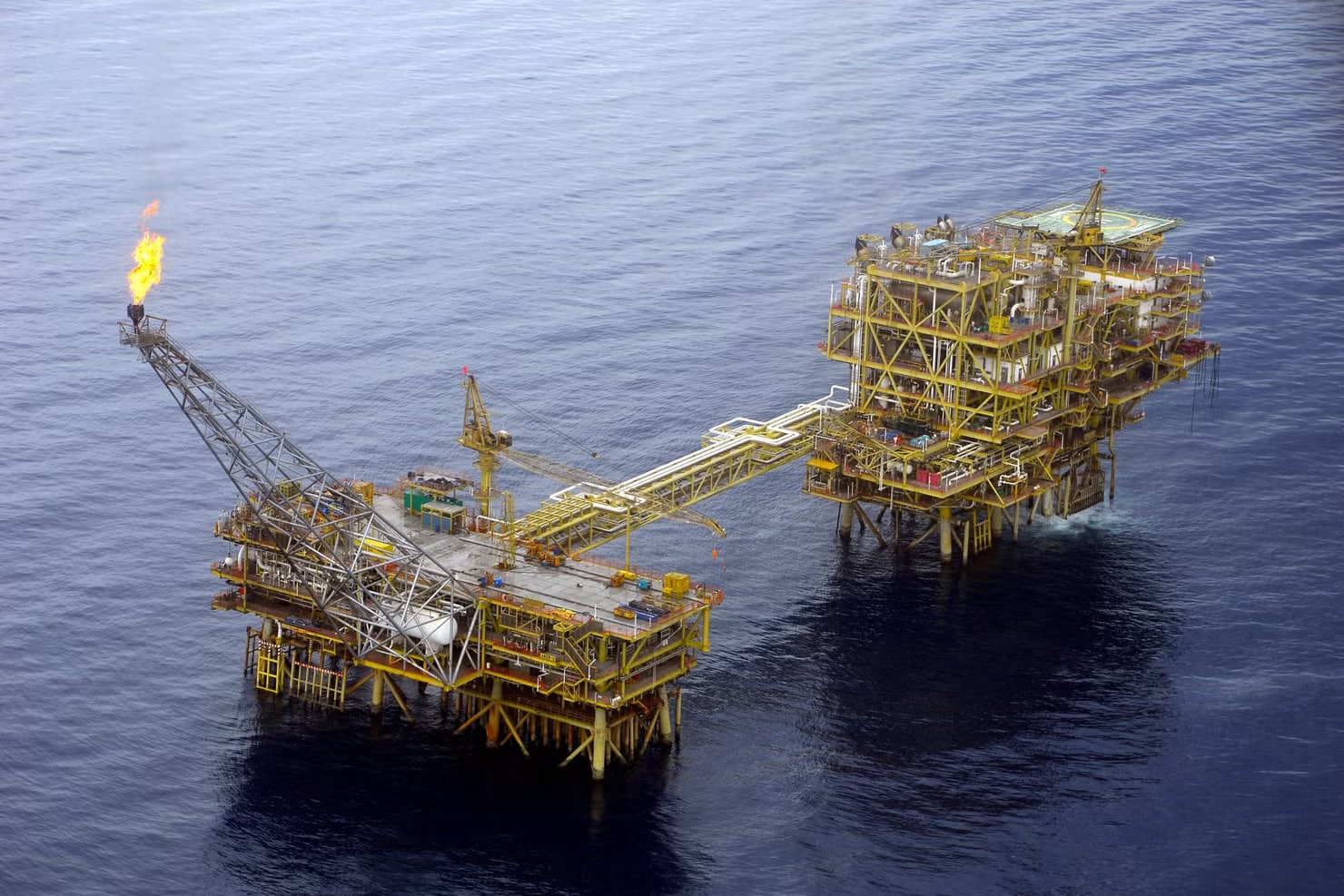
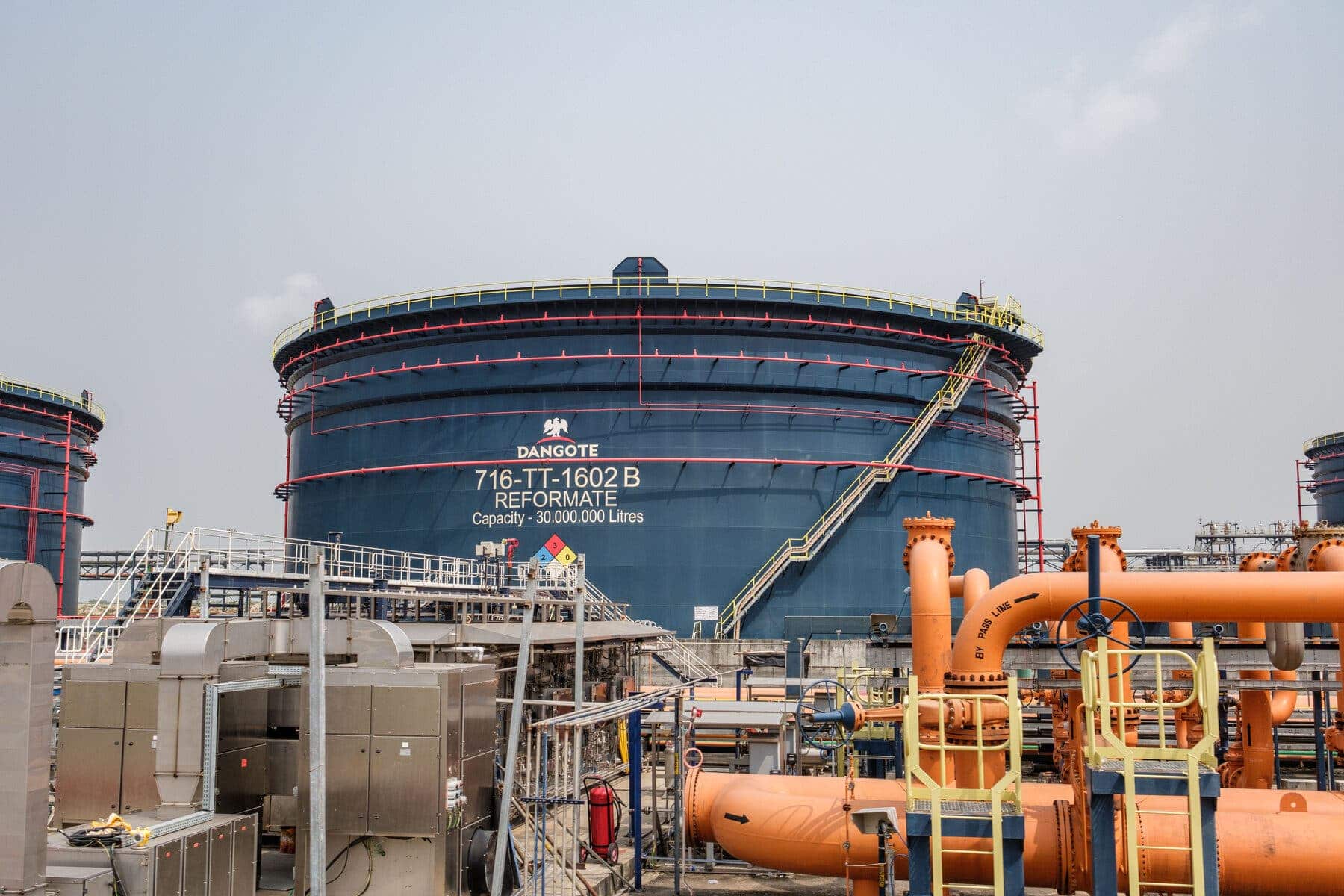
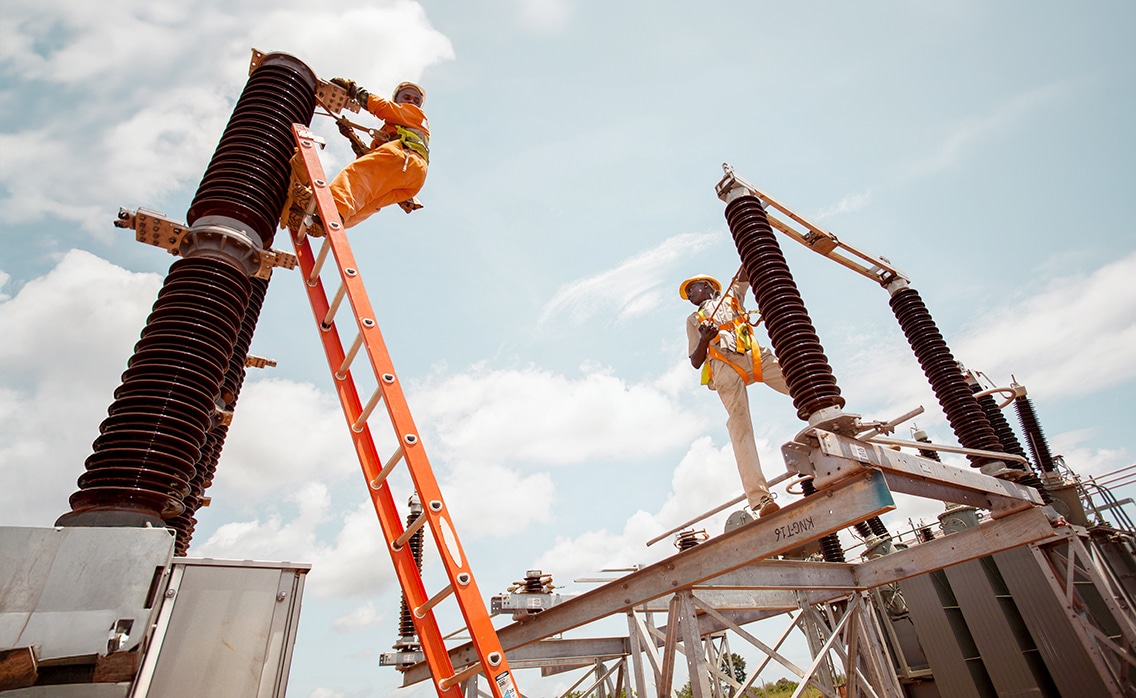
The refinery, which cost more than $20 billion to build, has a processing capacity of 700,000 barrels per day and has quickly become a major force in Nigeria’s fuel market. By refining crude oil locally, it is helping reduce the country’s dependence on imported fuel while increasing domestic supply.
News of the proposed IPO has generated excitement among investors, fund managers and policymakers. Supporters believe it could deepen liquidity in Nigeria’s capital market and attract fresh domestic and foreign investment.
But amid the excitement, many investors still have important questions about what exactly is being offered and what makes this IPO different from others.
Here are five of the biggest questions investors are asking.
When will the IPO launch?
The refinery is expected to launch its IPO in September 2026.
The timeline is slightly later than many market participants had expected. However, Dangote recently revealed that investor demand has already been strong even before the official launch.
According to him, the company has already secured around $2 billion through private placements ahead of the public offer.
That early interest suggests that institutional investors are positioning themselves before the wider public gets access to the shares.
The final timing and offer details are expected to be disclosed in the prospectus ahead of the launch.
Where will the shares be listed?
The primary listing will be on the Nigerian Exchange and investors are expected to subscribe in naira.
However, the ambition goes beyond the West African nation.
Recent discussions between Dangote and members of the African Securities Exchanges Association hints at a structure that would allow investors across several African markets to participate more easily.
“The plan is to structure a pan-African IPO,” Frank Mwiti, chief executive officer of the Nairobi Securities Exchange, said after talks held in Lagos.
If successful, the framework could provide access to investors in markets such as Kenya, South Africa and Ghana through coordinated exchange arrangements.
Such a structure would be unprecedented in Africa and could mark a significant step towards greater integration of the continent’s capital markets.
A dual listing in London is also under consideration.
Dangote first raised the possibility in 2024, noting that the Nigerian market alone may not have sufficient depth to absorb a transaction of this size.
A London listing would expose the refinery to a much larger pool of global institutional investors while increasing international visibility.
How much is the offering worth?
Dangote Group plans to sell up 5 to 10% of the refinery through the IPO.
The company is reportedly seeking a valuation of between $40 billion and $50 billion. At that valuation, a 10% stake could raise as much as $5 billion. That would be more than times the size of MTN’s $876 million raise — the biggest transaction the market has ever seen until now.
To understand the scale, consider that the Nigerian Exchange currently has a market capitalisation of roughly $70 billion. A listing of this size would instantly become one of the largest companies on the exchange and significantly increase market depth.
The exact share price has not yet been announced.
That information will be contained in the prospectus when it is released.
Investors should also remember that this is not a startup seeking capital to prove a business model. The refinery is already operational and generating revenue from fuel, petrochemicals and other refined products.
Who can invest?
The IPO is expected to be open to a broad range of investors.
These include:
- Retail investors
- Pension funds
- Asset managers
- Insurance companies
- Foreign institutional investors
Participation will be through registered stockbrokers once the offer opens.
Interest from prominent investors is already emerging.
Nigerian billionaire and chairman of First HoldCo, Femi Otedola, recently disclosed that he had committed $100 million to secure an early equity position in the refinery.
However, Dangote insists the offering is primarily designed for the public rather than a small group of wealthy investors.
“Our target really is to get the larger part of the society to buy,” Dangote said.
That message is likely to resonate with retail investors who want exposure to one of the most significant industrial assets ever built in Africa.
What makes this IPO different from every other listing on the NGX?
For many investors, the most attractive feature is the proposed dividend structure.
Dangote has said shareholders will receive dividends in US dollars even though the shares will be purchased in naira.
In simple terms, investors will buy the stock using naira but could receive dividend payments in dollars.
This is a major departure from the traditional model used by most Nigerian listed companies, which pay dividends in naira.
The proposed structure is intended to protect investors from currency depreciation while also making the stock more attractive to foreign investors.
According to Dangote, the refinery expects to generate about $6.4 billion in annual export revenue. Much of this is expected to come from petrochemical products such as polypropylene and fertiliser that are sold to international markets.
Those dollar earnings could provide the funding needed for dollar-denominated dividend payments.
For investors worried about naira volatility, the arrangement could offer a valuable hedge.
There is one important caveat, though.
The Securities and Exchange Commission and the Federal Ministry of Finance are still reviewing the framework required to approve the structure. While Dangote has publicly confirmed the plan, final regulatory approval is yet to be secured.
Investors should therefore pay close attention to the final prospectus and regulatory announcements before making investment decisions.
Why the market is paying attention
The significance of this IPO extends beyond Dangote Refinery itself.
A successful listing could deepen liquidity in Nigeria’s capital market, attract new foreign capital and strengthen the country’s position as a regional investment hub.
Analysts also believe a cross-border listing structure could help accelerate the integration of African capital markets and improve access to investment opportunities across the continent.
For investors, however, the opportunity comes with the same considerations that apply to any major investment.
Oil prices matter. Exchange rate stability matters. Nigeria’s economic environment matters.
Buying into Dangote Refinery is not simply a bet on one company. It is also a bet on the operating environment in which that company will generate profits.
As the September launch approaches, investors will be watching closely for the prospectus, valuation details and regulatory approvals that will determine whether Africa’s biggest IPO becomes one of its most successful.