

Key Takeaways
- Kenya Power’s tariff review application has been formally withdrawn
- Current electricity prices will remain unchanged beyond June 30
- The decision puts Kenya Power’s infrastructure funding plans in doubt
Kenya has withdrawn a proposed electricity tariff review that would have set new power prices for millions of households and businesses from July this year.
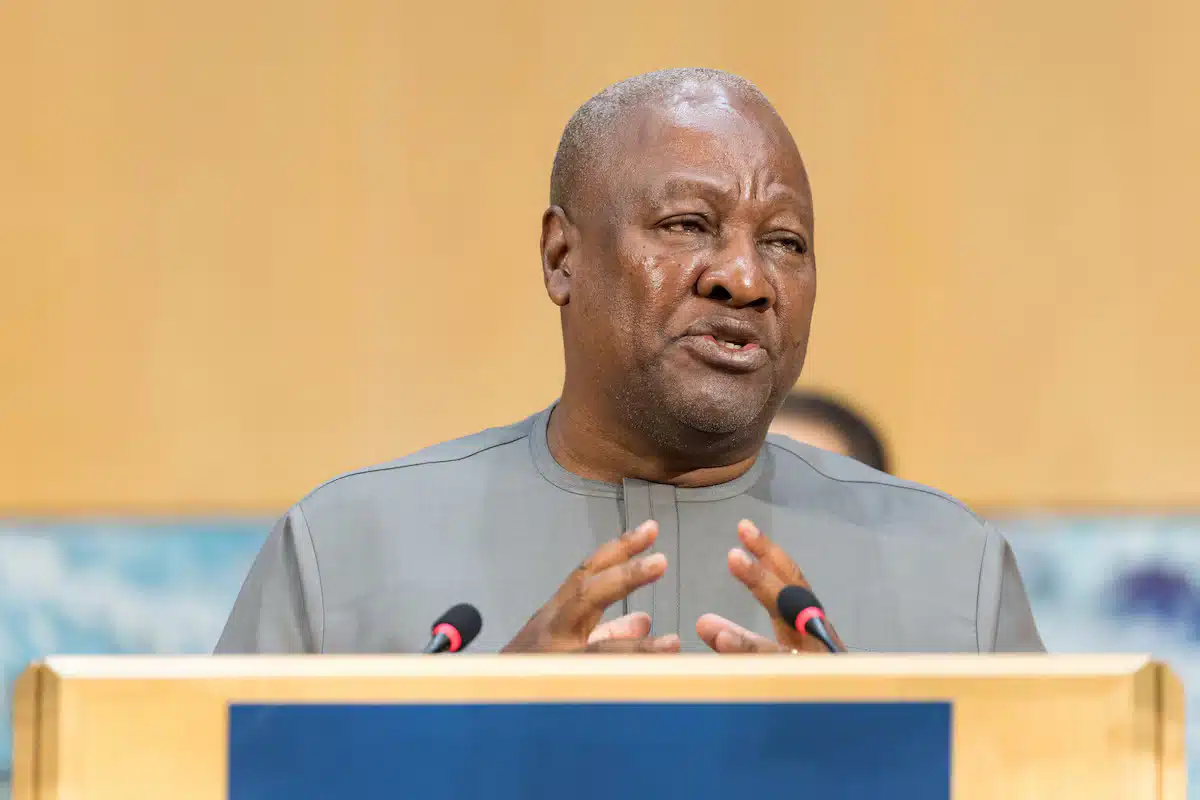
The Energy and Petroleum Cabinet Secretary Opiyo Wandayi announced the decision at a press briefing at the KAWI Complex in Nairobi on Wednesday.
Kenya Power, the nation’s utility firm, had submitted the tariff review application on March 31 on behalf of players in the electricity sector, covering the three-year period from 2026 to 2029.
Kenya’s inflation reached a 28-month high of 6.7% in May, driven partly by fuel price increases linked to the Iran war, making further cost increases on essential utilities politically and economically difficult to absorb.
A tariff increase at this point would have added electricity to a list of rising costs already squeezing households and businesses across the country.
Wandayi said the government had consulted widely before arriving at its decision.
“Following consultations within government and engagement with key stakeholders in the sector, the retail electricity tariff review application that was submitted on March 31 has been withdrawn,” he said.
“This decision reflects the need to promote a sustainable energy sector while protecting households, businesses and industries from possible cost escalation.”
Why the timing of the withdrawal matters
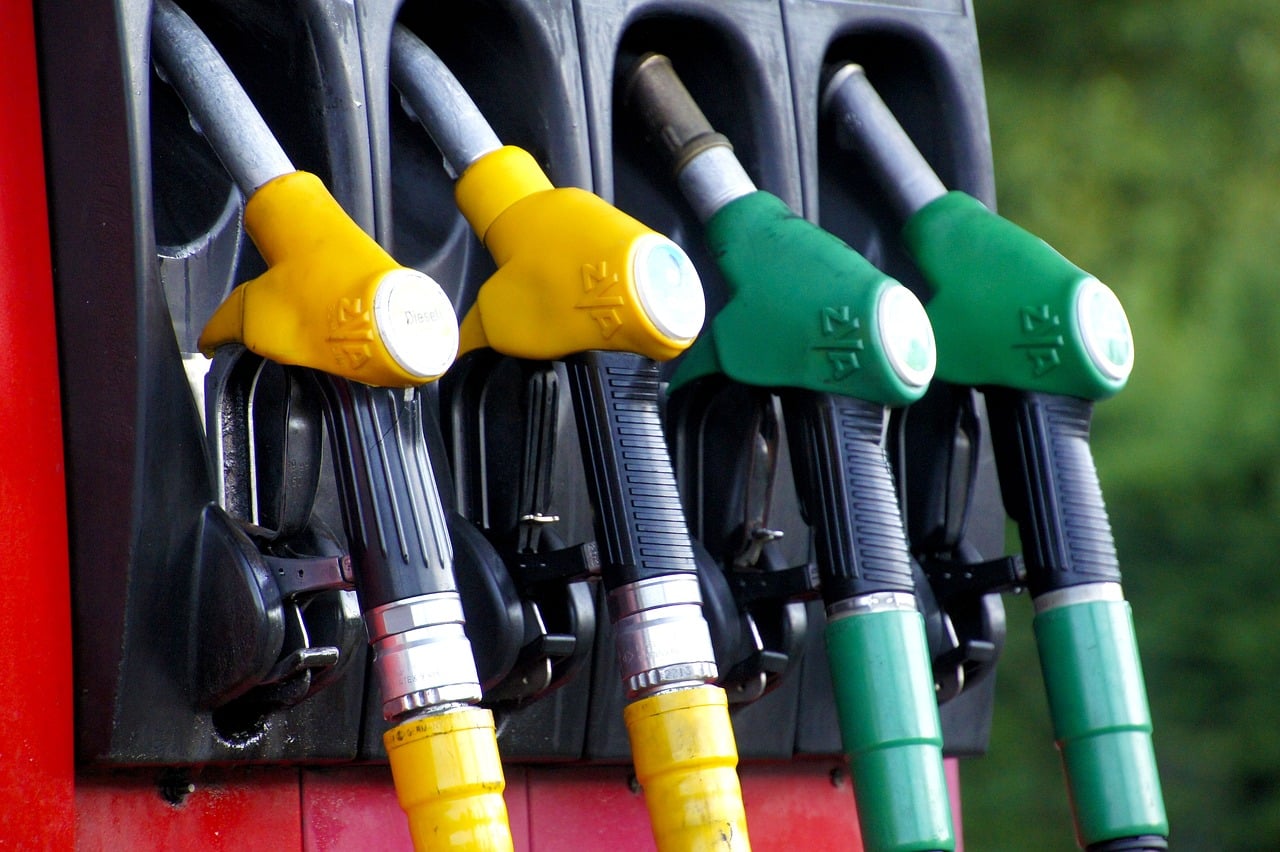
The withdrawal follows weeks of public pressure over the cost of living in Kenya. Fuel prices have risen sharply since early 2026 following disruptions to global oil supply caused by the escalation of the Iran conflict.
Higher fuel costs have pushed up transport fares, food prices and production costs for businesses across the country. Adding an electricity price increase on top of those pressures was a risk the government decided it could not take.
The Energy and Petroleum Regulatory Authority had already scheduled public participation meetings on the tariff proposal in May before postponing them, a signal that political resistance was building.
The withdrawal effectively ends that process entirely, at least until the government decides to initiate a fresh review.
What it means for Kenya Power
The tariff freeze creates a direct funding problem for Kenya Power and other utilities in the electricity sector.
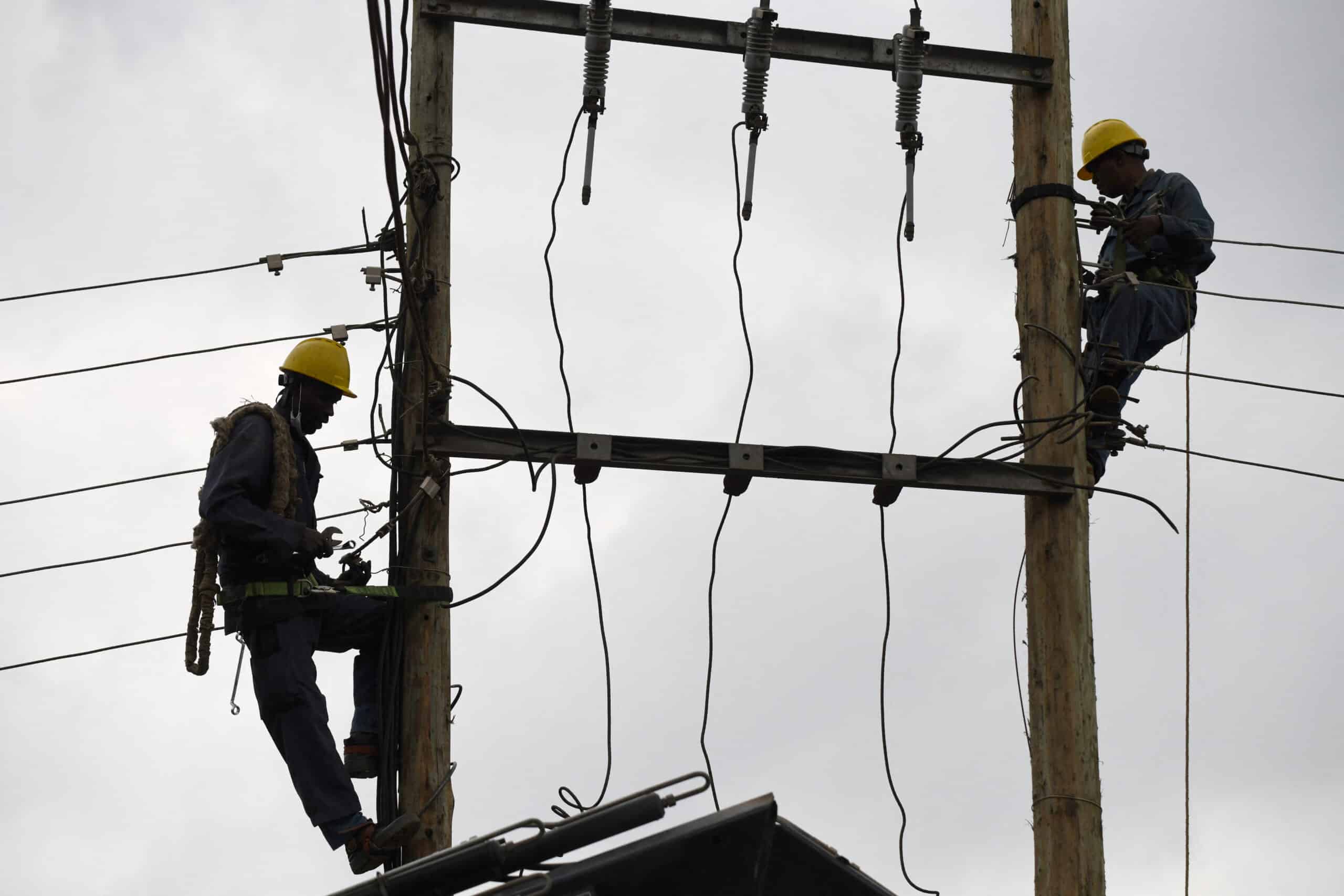
The proposed three-year tariff review was intended to expand the revenue base available for critical infrastructure spending. Key projects under consideration included upgrading the transmission and distribution network, which has been a source of frequent outages and commercial losses.
Without a tariff increase, Kenya Power will need to identify alternative financing arrangements to fund those investments.
The utility has in recent years struggled with rising operational costs, foreign currency exposure on its power purchase agreements, and persistent system losses. A frozen tariff structure reduces its room to manoeuvre on all three fronts.
What remains and what comes next
Not every component of electricity bills is frozen by this decision.
The fuel energy charge, which tracks global fuel prices and is adjusted monthly by the Energy and Petroleum Regulatory Authority, remains subject to change. If global oil prices stay elevated, Kenyan consumers could still see their monthly bills rise through that mechanism even without a formal tariff review.
Under the Energy Act of 2019, Kenya Power is entitled to apply for a tariff review every three years.
The current tariff structure came into force in April 2023 and was due to expire at the end of June. Government officials said the existing structure remains capable of supporting uninterrupted electricity supply until a future review is initiated.