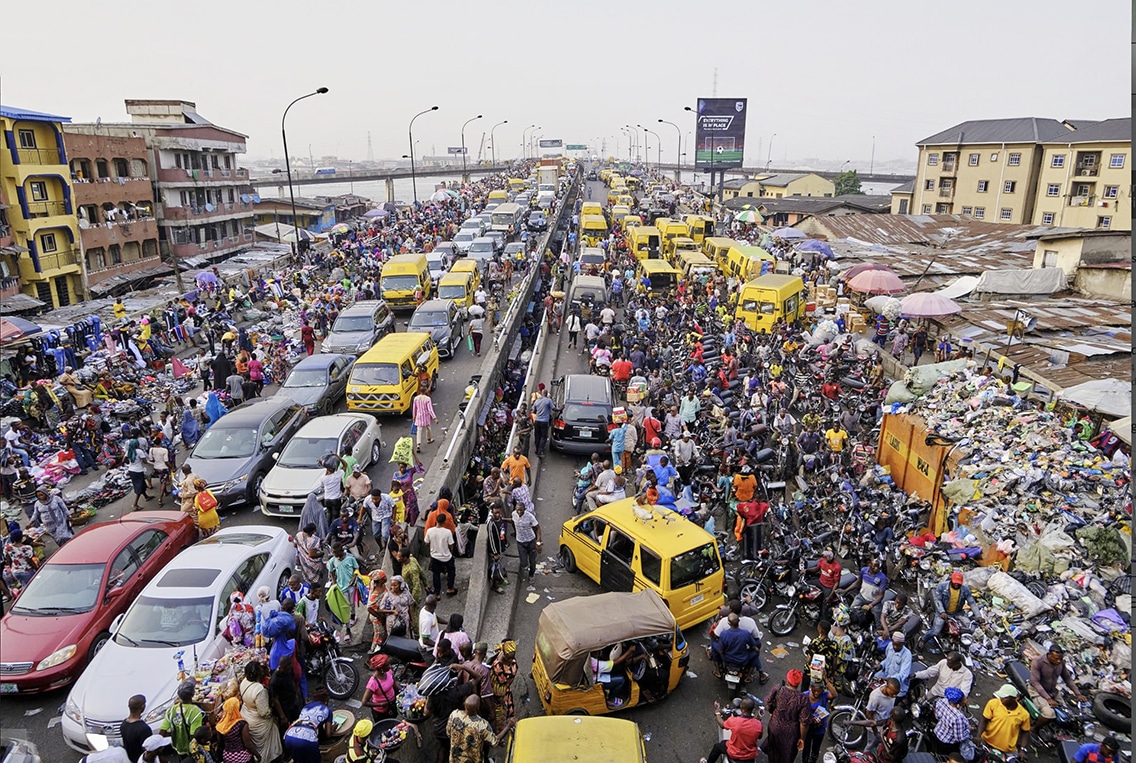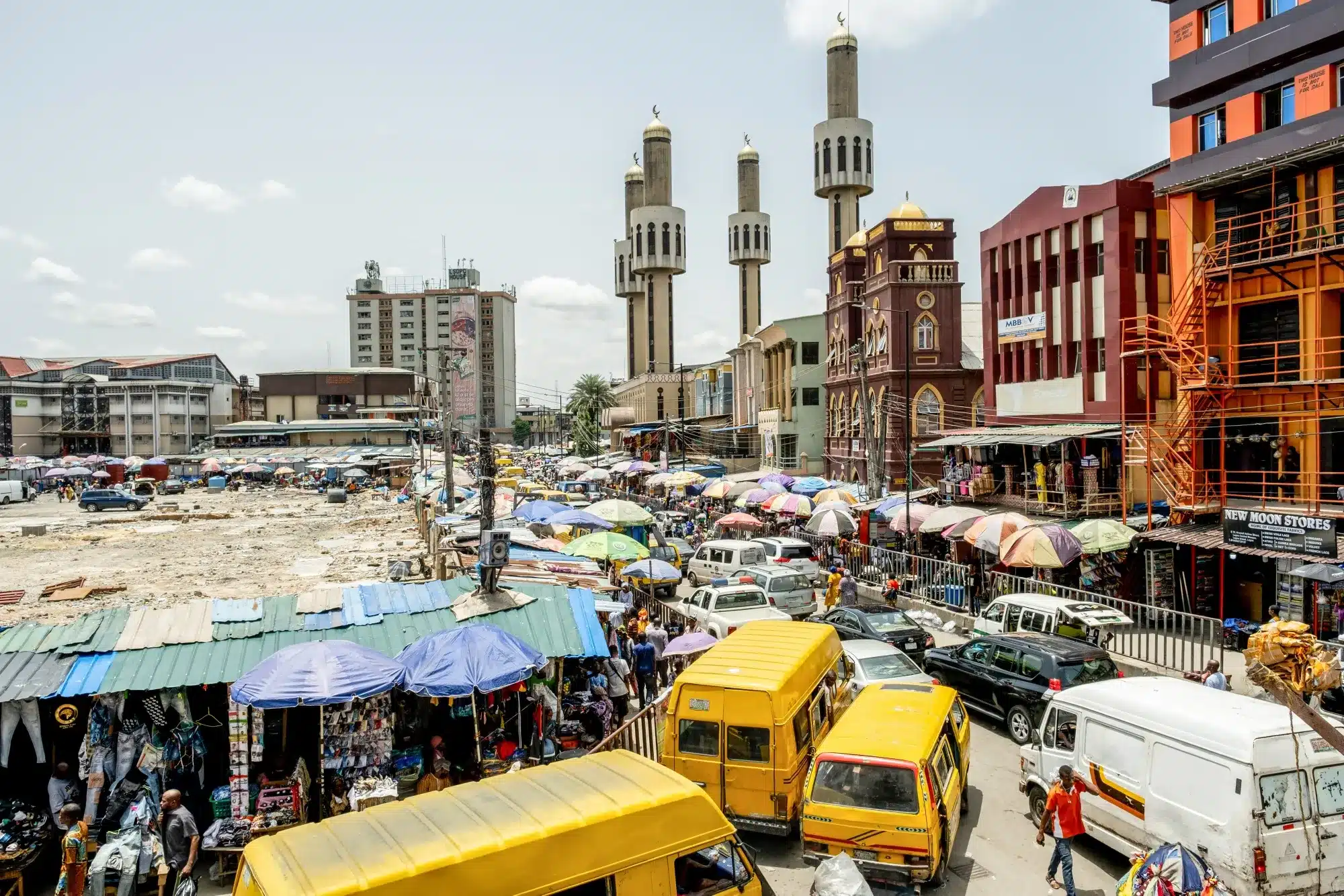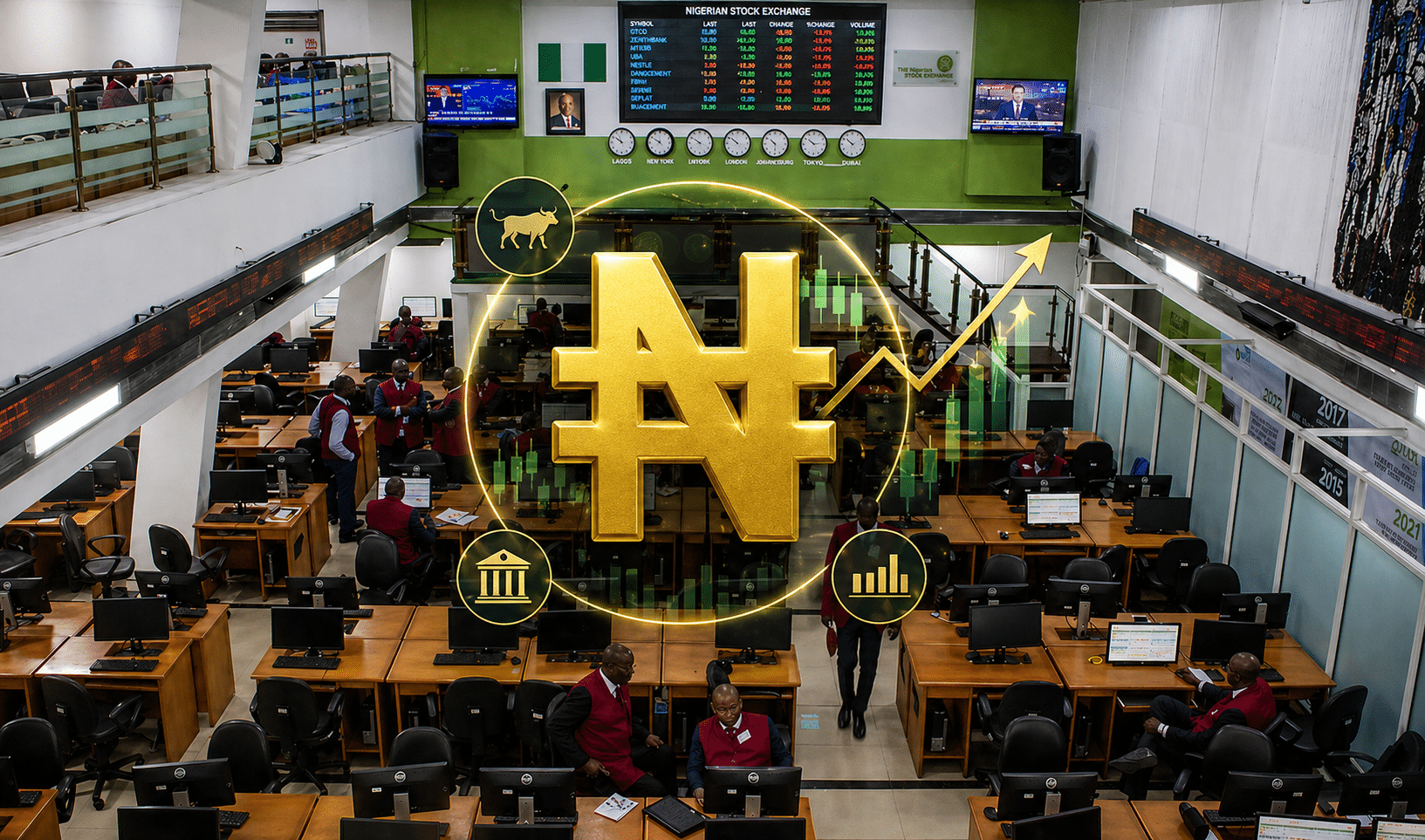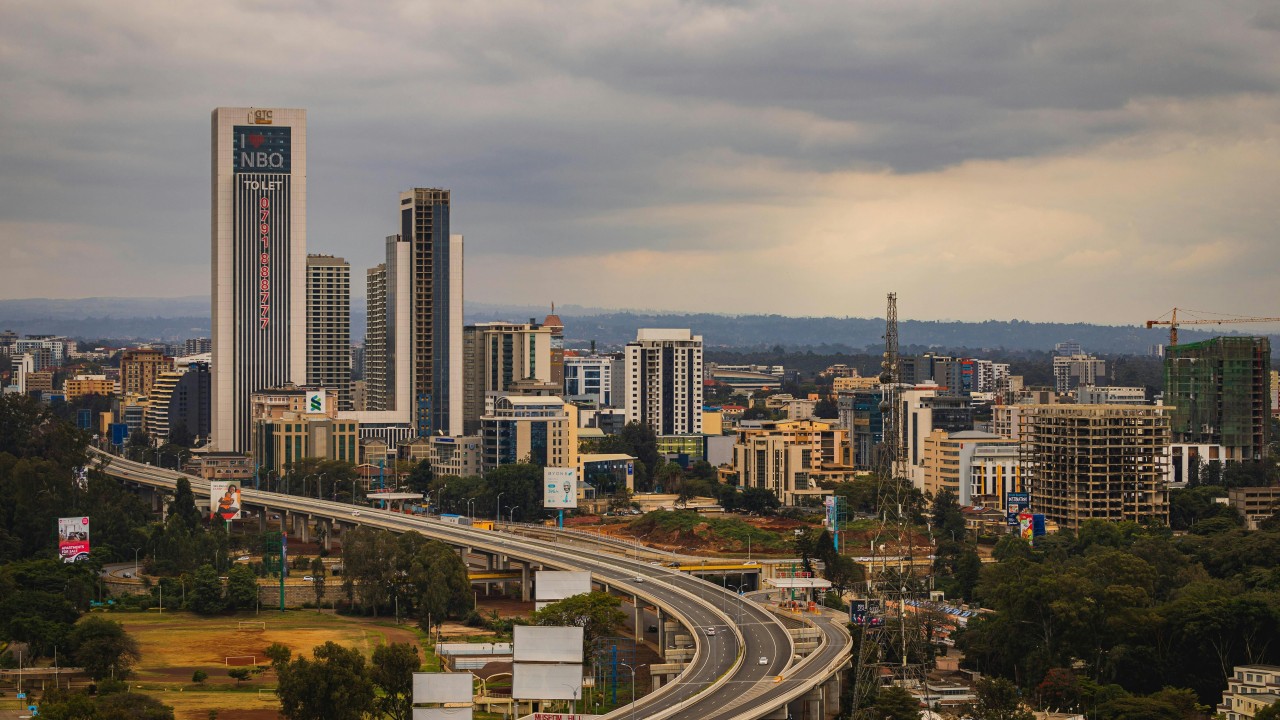


When war broke out in Iran earlier this year, African governments feared a fresh energy shock would undo recent hard-won gains in bringing down prices. Three months later, those fears are proving to be increasingly valid. Across the continent, higher fuel costs are feeding into transport fares, food prices and household budgets. What began as a geopolitical crisis in the Middle East is increasingly showing up in inflation data from African capitals.
According to the World Bank, about 70% of African economies recorded slower inflation in 2025 as currencies stabilised and reforms began to take hold. Those gains are now at risk. The lender expects inflation across sub-Saharan Africa to accelerate to 4.8% after dropping to 3.8% in 2025 as the fallout from the Iran war deepens.
At the center of the upheaval is the Strait of Hormuz, a narrow waterway through which roughly one-fifth of the world’s oil supply normally passes. Since the war began in late February, the artery has been largely shut, tightening global energy flows and pushing Brent crude prices above $100 per barrel for the first time in years. For Africa, the consequences have been especially severe.
Seven out of ten African countries rely on imported petroleum products, says regional infrastructure financier, Africa Finance Corporation. That leaves much of the continent exposed to swings in global energy markets despite holding around 12% of the world’s proven oil reserves. Limited refining capacity and years of underinvestment mean many African economies remain heavily dependent on imported fuel to keep transport systems and industries running.
Agriculture has also taken a hit. Fertiliser costs have surged in recent months driving higher food prices as disruptions around the Strait of Hormuz restrict the flow of nearly half of the world’s traded urea.
As these shocks ripples through the continent, the result is a new wave of “Hormuzflation” that is exposing deep structural weaknesses across African economies. The question is no longer whether they will feel the impact. It is which countries are most vulnerable and how much damage they can absorb.
Kenya: where fuel shocks reach households fastest
With almost all of Kenya’s fuel imports originating from Gulf states, the impact of the Hormuz blockade on domestic prices was swift. Between April and May, fuel prices across East Africa’s largest economy had jumped by nearly 50%, reigniting inflationary pressures and public dissatisfaction.
Data from the Kenya National Bureau of Statistics (KNBS) shows headline inflation reached a near two year high of 6.7% last month, after rising to 5.7% in April. The spike reverses much of the stability achieved in 2025.
Transport remained the main channel of transmission. The category rose by 16.5% in May, up from just 3.8% in March as higher fuel costs filtered through to fares and freight charges. Food and household utilities followed, lifting the three biggest components of the consumer basket, which together account for 57% of inflation.
The World Bank estimates that rising living costs, combined with weaker remittance inflows from the Gulf, could push another 2.4 million Kenyans into poverty.
South Africa: a familiar inflation threat returns
By African standards, 4% inflation is hardly dramatic. Yet April’s reading was enough to unsettle South African policymakers. It marked a 19-month high and pushed inflation above the South African Reserve Bank’s (SARB) newly adopted 3% target.
As a net importer of crude, the country is already paying more for energy. Effective last week, motorists will pay a record R28.06 per litre for inland 95-octane unleaded petrol following a second price adjustment by the petroleum department since the conflict broke.
For the central bank, the risk is that today’s fuel shock becomes tomorrow’s broader inflation problem. Governor Lesetja Kganyago has warned that households and businesses still carry fresh memories of recent inflation spikes. If those expectations become embedded, containing inflation may prove far more difficult than managing the initial rise in oil prices.
Ethiopia: inflation slips back into double digits
For a brief period late last year, Ethiopia looked to be regaining control of inflation. That momentum has now been cut short by rising costs of farm inputs and persistent fuel supply shortages.
According to official data, annual inflation climbed to 11.7% in April, up from 9.4% in March, pushing the economy back into double-digit territory.
Food inflation, the main driver, rose to 13.5% as higher transport and fertiliser costs fed into local markets. The impact is most visible in basic staples, where even small cost increases reach consumers quickly.
The pressure on transport reflects higher diesel prices, which local media reports say has risen by about 40% between December 2025 and May 2026 after repeated adjustments.
With the Birr still losing steam, imported fuel and agricultural inputs are becoming more expensive just as demand builds ahead of the planting season.
Nigeria: oil wealth does not prevent fuel inflation
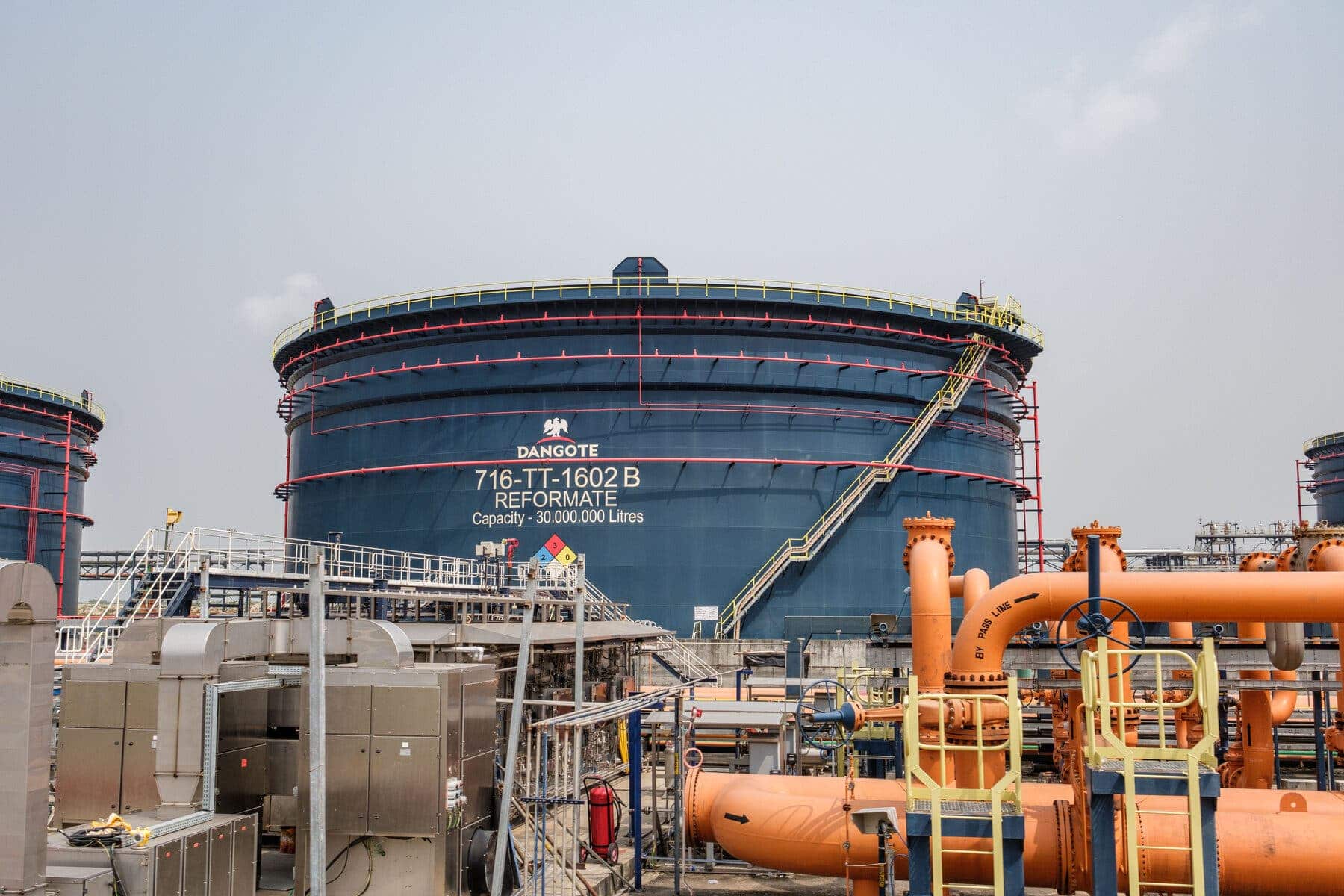
Nigeria illustrates one of the sharpest contradictions in Africa’s energy landscape. Despite being the continent’s largest oil producer, it remains heavily dependent on imported refined fuel. More than $11.5 billion was spent on fuel imports in 2024, according to the Observatory of Economic Complexity. The gap reflects long-standing refining constraints, even as new capacity begins to come on stream.
That dependence has left the economy exposed to the latest oil shock. Petrol prices jumped by about 40% within weeks of the conflict, placing the West African nation among the most affected globally. Inflation has responded quickly. April marked the second consecutive month of price increases, with consumer prices rising to 15.69%, firmly grounding an 11-month disinflation trend. The uptick comes as food inflation, rising transport and cooking gas costs add fresh pressure on household spending.
To fight or to wait
As long as the stalemate between the US and Iran endures, African policymakers have few easy options. If inflation continues to accelerate, hopes for lower interest rates across much of the region will fade.
Already, more cautious central banks like the SARB have switched to defense mode while others are waiting to see how long and consequential the disruption will prove. The risk is that efforts to contain inflation could come at the expense of growth, investment and job creation.
Yet the bigger lesson from the war lies beyond monetary policy. The crisis has exposed how vulnerable many African economies remain to imported fuel, imported fertiliser and distant supply chains. Expanding refining capacity, deepening regional trade and building more resilient supply networks will not shield the continent from every external shock. But they could make the next crisis less damaging than this one.