

By most metrics, Nigeria’s economy is in better shape today than it was three years ago.
Inflation has fallen sharply from recent highs. The naira has begun to stabilize. Foreign reserves have also improved, exceeding the $50 billion mark for the first time in 17 years amid renewed investor confidence.
On the fiscal side, revenues are at historic levels, allowing for greater capital spending across federal and sub-national governments. Key sectors are expanding, lifting broader economic growth.
Driving these headline gains is one of the most far-reaching policy overhauls the country has seen in decades. Under President Bola Tinubu, who took office in 2023, Nigeria scrapped its most expensive petroleum subsidy, floated the naira and embarked on sweeping reforms to the tax system. He argued that these steps were necessary to reset an economy on the brink of collapse.
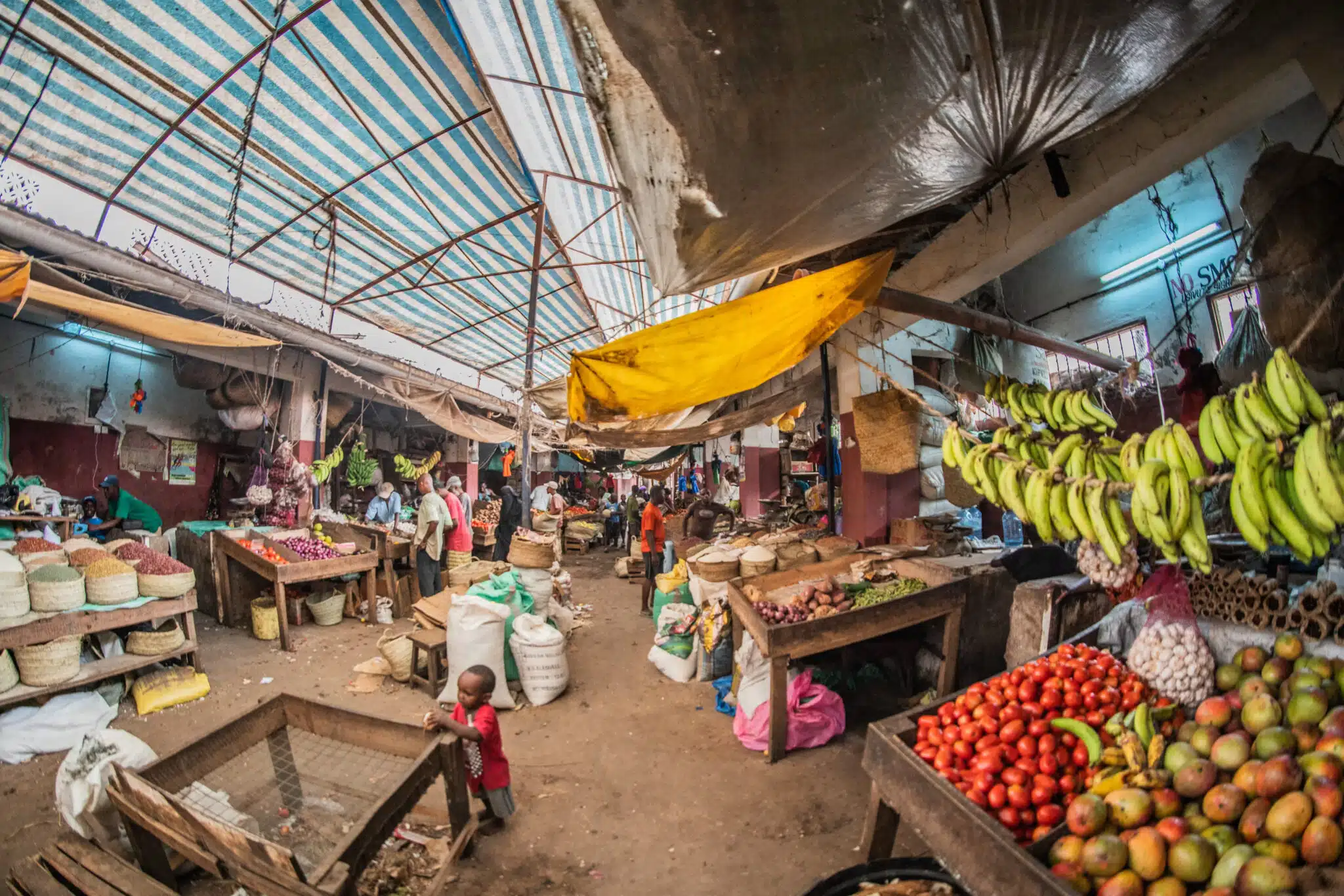
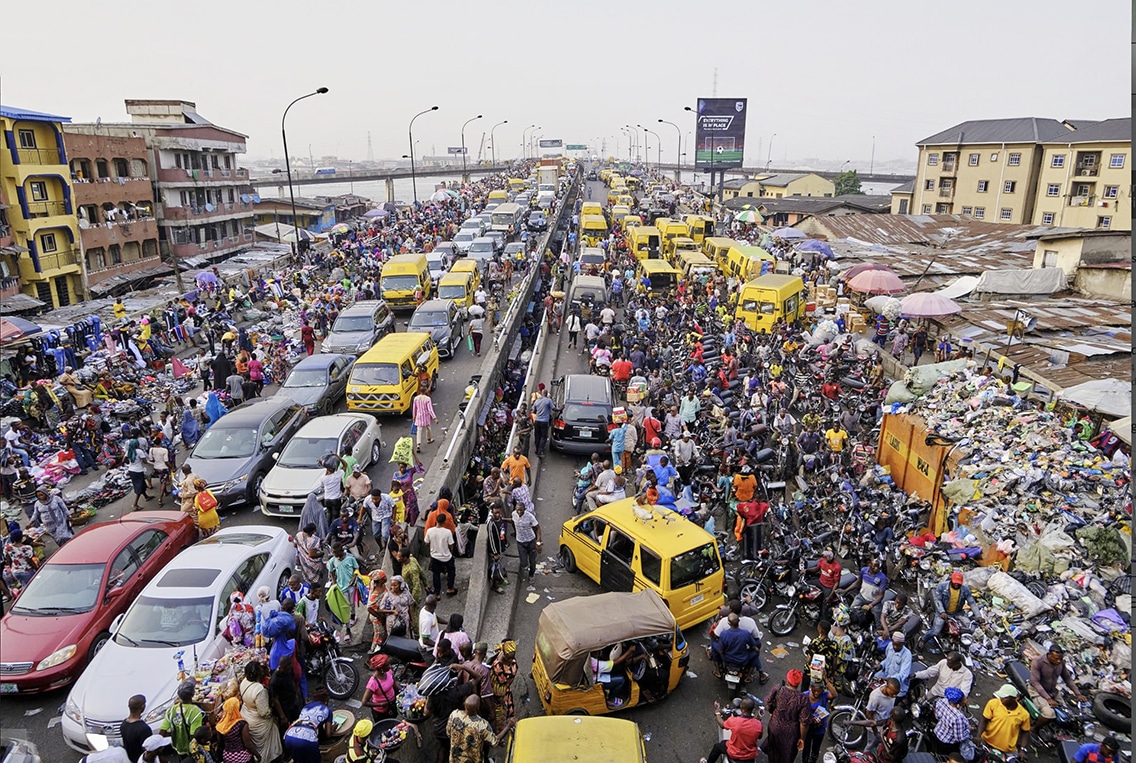
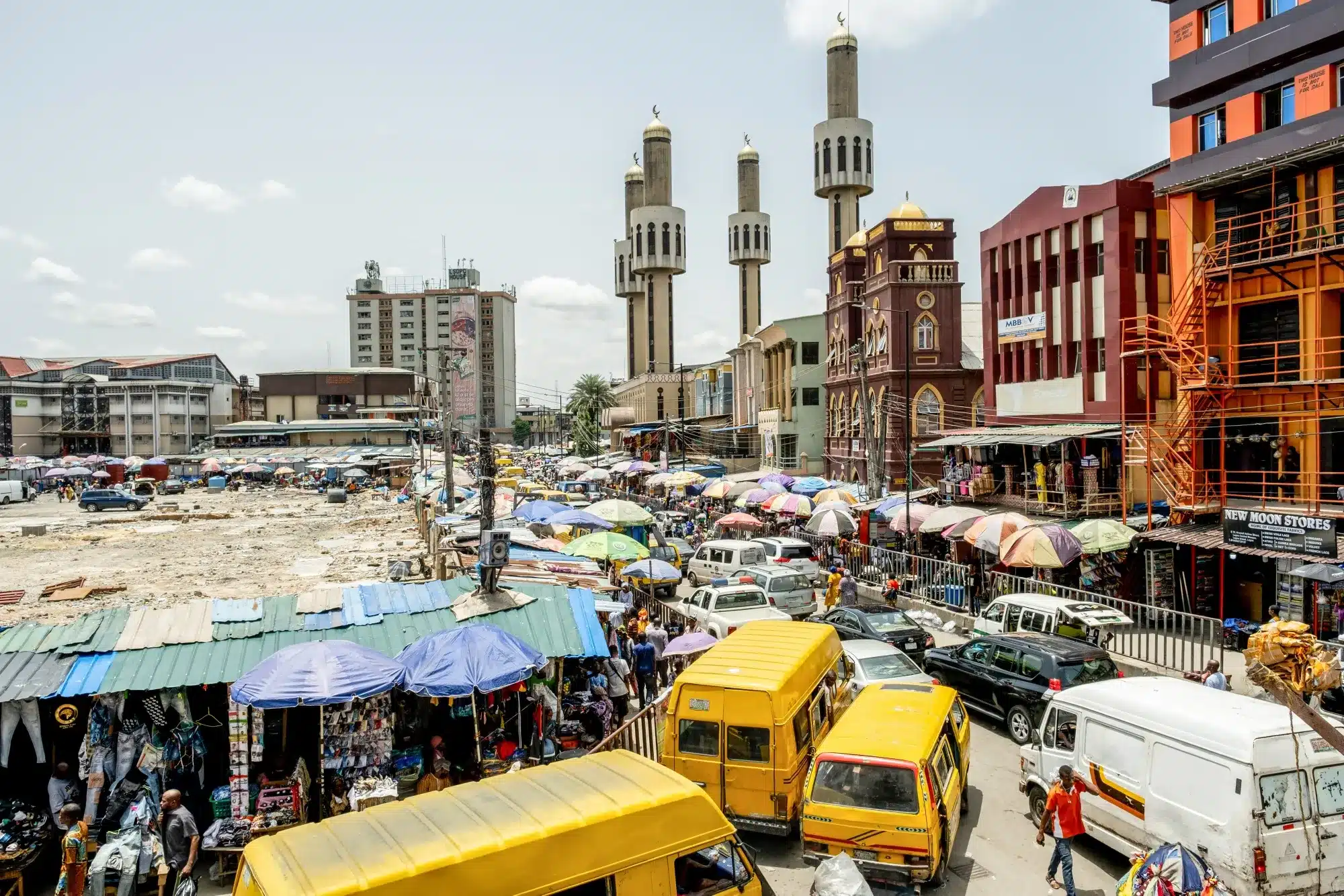
But while the bet has largely paid off on paper, the dividends have yet to reach ordinary Nigerians. Across the country, higher costs of food, fuel, rent and power continue to chip away at household income while squeezing already-strained business margins.
The result is a widening gap between Nigeria’s reform-backed macroeconomic rebound and a cost of living crisis that remains firmly entrenched in everyday life.
The story Nigeria’s inflation numbers don’t tell
Statistically, Nigeria has seen significant gains in its fight against inflation.
The progress has been largely tied to tighter monetary conditions and a more predictable foreign exchange rate market following the Central Bank of Nigeria’s (CBN) 2024 reforms.
As at February 2026, annual inflation had eased for 11 consecutive months to 15.01%, down from 26.3% in 2025. This was the lowest level recorded in more than five years.
Even with renewed upward pressure from recent disruptions in global supply chains, the figures have remained relatively contained. According to the National Bureau of Statistics (NBS) inflation rose to 15.93% in May, still within the mid-teens.
Food inflation has followed a similar trajectory. At 16.9% last month, it has returned to levels previously seen around 2020.
Together, these figures tell a story of recovery. However, it is one many households are struggling to recognise.
That is partly because lower inflation does not mean lower prices. It simply means prices are rising more slowly. An inflation rate of 16% means that, on average, goods and services cost 16% more than they did a year earlier.
There is another caveat. In late 2024, the NBS revised its inflation methodology, resulting in a sharp decline in subsequent readings. Some economists argue that the drop in recent inflation rates largely reflects that statistical change rather than a real slowdown of prices.
That disconnect is one millions of Nigerians know all too well.
Amaka Okafor, a nurse at a government hospital in Awka, Anambra State, and a single mother of two, says staple food like meat and eggs are now a luxury due to rising costs.
“It is rich people that eat meat these days,” she told BusinessFront. “I have since switched to buying fish and sardines so my children can still get protein.”
“Even eggs are now expensive. In 2021, a crate cost about N2,000. Today, it sells for nearly N8,000.”
According to the United Nations, nearly 35 million Nigerians are projected to face food insecurity in 2026. To put this in better context, the World Bank estimates that around 50 million people across West and Central Africa experience acute food insecurity. If the UN figure is to be believed, more than half of that number reside in Nigeria.
The price pressures extend far beyond food.
In Abuja, renting a single-room apartment in a low-income area now costs about N1 million a year. Four years ago, it was roughly half that. Across major cities, the experiences are similar.
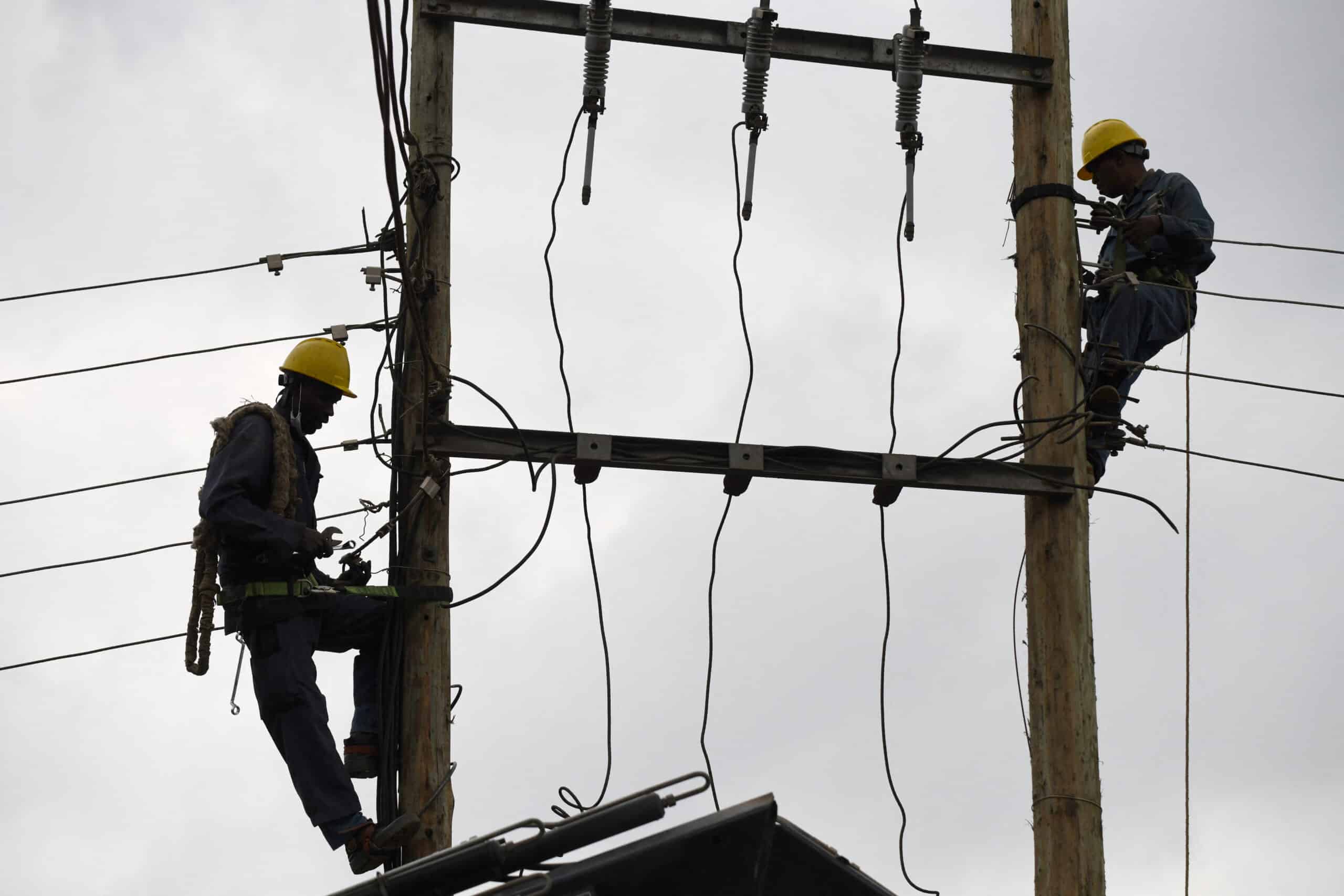
Transport and energy costs have in many cases doubled, eating deep into pockets of individuals and businesses.
The fuel effect
Few commodities influence prices in Nigeria as much as fuel. It powers generators when electricity fails, moves goods across the country and transports workers to their jobs. As a result, changes in fuel prices quickly filter through the economy, raising the cost of food, transportation and other essentials.
Since Tinubu took office, petrol prices have risen more than sixfold, from about N200 per litre to as much as N1,500 during recent tensions in the Middle East. Much of the increase followed the removal of fuel subsidies in May 2023, one of the most consequential reforms of his administration.
Introduced in 1971, the subsidy was designed to protect consumers from swings in global oil prices. Over time, however, it became increasingly expensive and difficult to sustain. The government argued that it was draining public finances and encouraging waste, fraud and arbitrage. PwC, a consulting firm, estimates that Nigeria spent about N4.4 trillion on fuel subsidies in 2022 alone. This was more than the federal government’s combined spending on education, healthcare and infrastructure that year.
Its removal did not land in isolation. It coincided with a sharp currency adjustment. In mid-2023 the CBN unified the country’s multiple exchange-rate windows and allowed the naira to trade more freely. The currency subsequently lost nearly half its value in the same year. Imported fuel became more expensive overnight. The effects compounded.
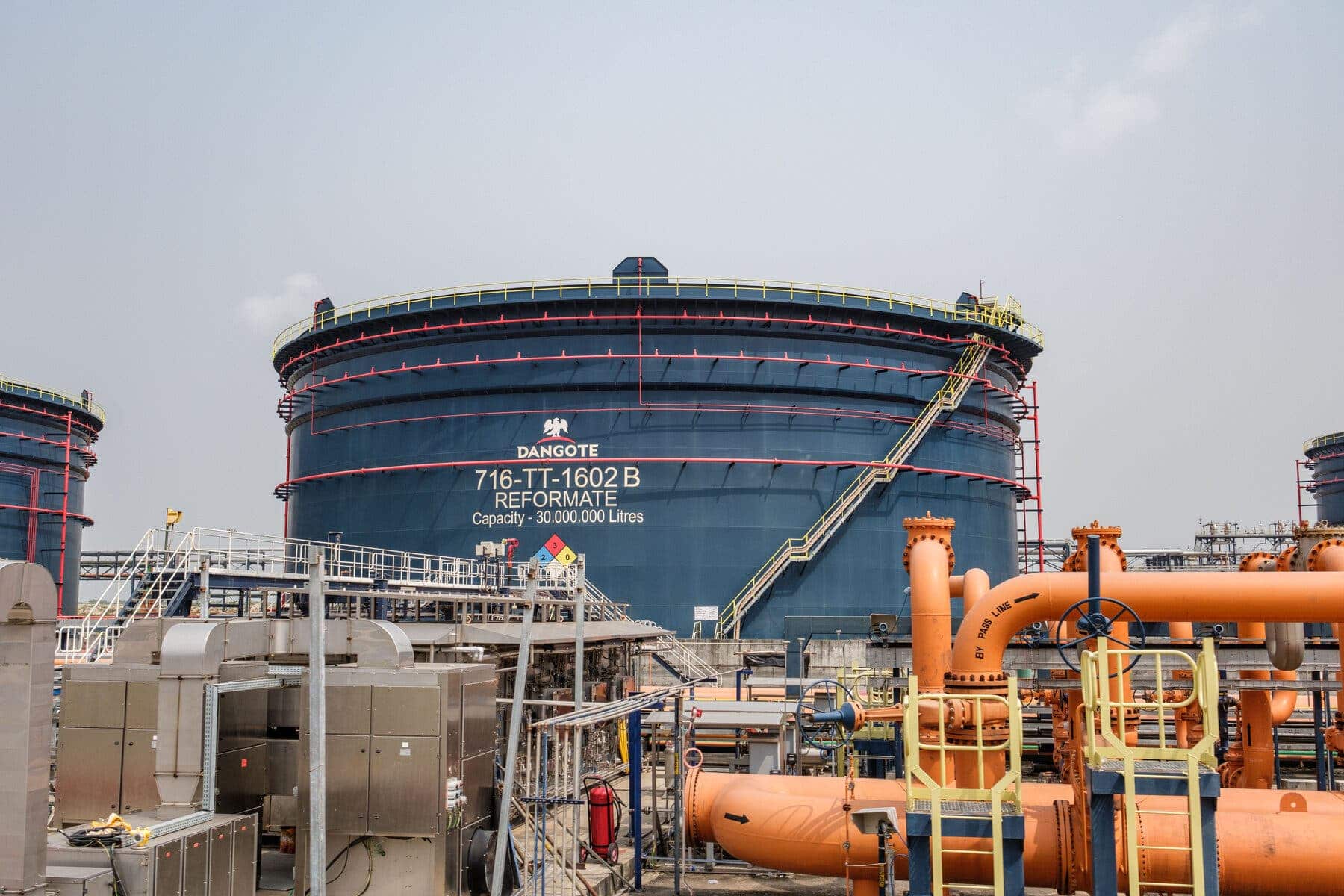
Nigeria’s dependence on imported refined fuel made the adjustment harsher. In the first half of 2024 alone, petrol import bill sat at N5.8 trillion, up from N3.21 trillion in the same quarter of the previous year.
By December 2024, inflation had reached a near three-decade high of 36.8% as petrol prices crossed N1,000 per litre.
Some analysts argue that the sequencing of the reforms has amplified their costs.
“When the government proposed removing fuel subsidies, the plan was to wait until domestic refining capacity had improved,” says Aliyu Ilias, a development economist in Abuja. “Three years later, Nigeria still lacks enough refining capacity to meet local demand.”
The result, he argues, is a difficult trade-off. “The government is earning more revenue, but consumers are paying for it through higher fuel prices.”
A revenue case for the reforms
The fiscal case for subsidy removal is difficult to dismiss. It has freed up large sums that previously went into holding down fuel prices, and redirected them into public accounts.
Allocations from the Federation Account rose 77% to ₦28.78 trillion in 2024, up from ₦16.28 trillion a year earlier. States and local governments remained the main beneficiaries, receiving ₦15.26 trillion compared with ₦6.16 trillion previously. Several of them reportedly used the windfall to clear arrears and expand capital projects.
Tax collection has also strengthened after a major overhaul that unified overlapping laws and improved compliance. Between January and September 2025, the Federal Inland Revenue Service collected ₦22.59 trillion, highest on record for that period.
Oil earnings have followed a similar trajectory, with crude sales bringing in about ₦55.5 trillion in 2025, lifting external buffers and the country’s import cover.
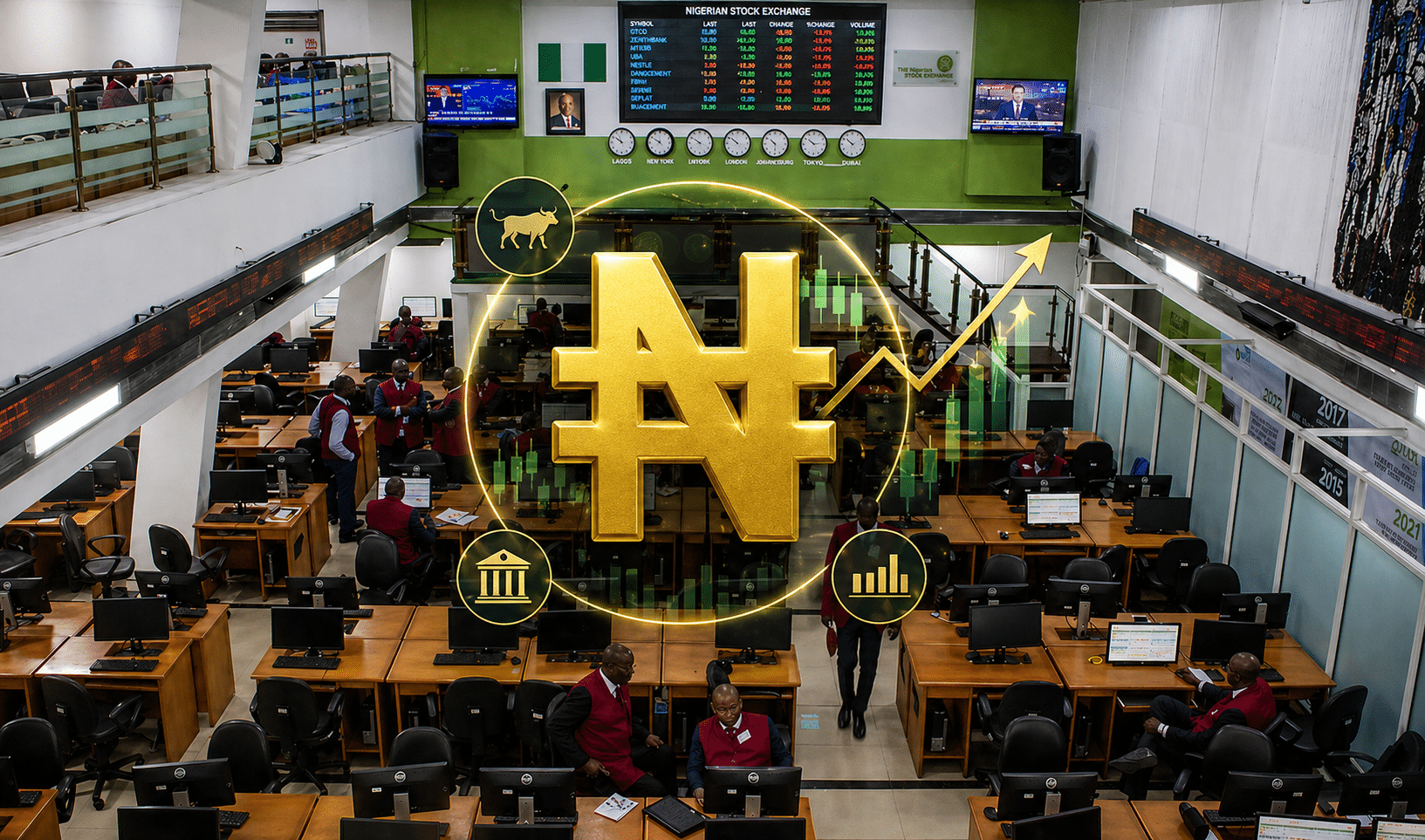
By mid-2026, gross reserves had risen to $50 billion, the highest level in nearly two decades. The picture is even stronger once net reserves, which strip out short-term liabilities, are taken into account.
Investors are also returning. Last year alone, net capital inflows rose by 90% to $23 billion up from $12.3 billion, helped in part by a stable naira. The currency which had lost more than 100% of its value by 2024, has since steadied between N 1,300 and N 1,500/$1.
Nigeria’s fiscal position has clearly improved. But the distribution of those gains remain less even.
Household income vs Inflation
In June 2024, Tinubu signed the Minimum Wage (Amended) Act, raising the minimum monthly wage from N30,000 to N70,000. The 133% increase was the third-largest in Nigeria’s history. The goal was to cushion workers from soaring prices and the shock of economic reforms.
But Nigeria’s minimum wage has a habit of shrinking soon after it rises. Calculations by Dataphyte, an Abuja-based research centre, shows that when salary increased from N18,000 to N30,000 in 2019, its inflation-adjusted value had fallen to N15,540 by the end of 2023. By mid-2024, before the latest increase took effect, it was worth just N11,708.
The new wage didn’t fare any better. Dataphyte estimates that by July 2025 the real value of N70,000 had fallen to N55,379, wiping out more than a fifth of its purchasing power in less than a year. The decline came even as official inflation figures dropped by 84% during the first half of the year, the research firm noted.
This erosion of real incomes is another reason why inflation figures increasingly feel distant from household experience. Consumption patterns have further reinforced this gap.
According to NBS data, Nigeria’s real household consumption expenditure fell by 42.28% year-on-year in the first quarter of 2024. By the second quarter it plunged by 61.18%. That was not a marginal adjustment in spending habits. It is a sign that millions of households were being priced out of goods and services they could previously afford.
When will relief come?
President Tinubu’s reform agenda rests on a familiar proposition: endure short-term pain for long-term stability. Three years on, that second half of the bargain remains elusive for most households.
On the surface, Nigeria’s macroeconomic position has strengthened. Revenues have improved, external buffers have been rebuilt, and key balance sheet indicators point to greater stability. Yet these gains remain largely confined to the macro level. They have not translated into meaningful improvements in purchasing power, which ultimately defines the naira’s real value.
As former Central Bank of Nigeria deputy governor Kingsley Moghalu argues, “Macroeconomic stability is a tool, not a destination.” The real objective, he notes, is welfare: cheaper food, lower transport costs and more affordable energy. Without structural change, growth risks remaining statistical rather than social.
Policy response so far has leaned heavily on palliatives. Funds have been allocated to states for food security and agricultural inputs, while the National Social Register has been expanded to support targeted cash transfers. The Nigerian Education Loan Fund (NELFUND) has also introduced student loans to widen access to tertiary education.
But the underlying constraints remain intact. Insecurity continues to disrupt agricultural output, while weak rural credit markets limit farmers’ ability to respond to price signals. Food inflation is therefore as much a supply-side problem as it is a demand story.
Nigeria’s dependence on crude oil persists, exposing the economy to global price cycles and foreign exchange volatility. Despite repeated diversification pledges, structural change has been slow. Manufacturing, constrained by chronic power shortages, remains stuck at 8–10% of Gross Domestic Product.
These are not cyclical distortions. They are structural fault lines. Until they are addressed, macroeconomic stability will remain visible in the data, but faint in everyday life.