

Key Takeaways
- Hengli Petrochemical has purchased at least 2 million barrels of West African crude
- The move is part of a strategy to exit the US sanctions list
- The firm denies ever buying Iranian oil despite Washington’s claims
China’s Hengli Petrochemical has purchased at least 2 million barrels of West African crude as it moves to replace Iranian oil supplies following US sanctions imposed on the company.
Multiple trade sources said the privately owned Chinese refiner is actively seeking further mainstream supply as it attempts to get off the US government’s blacklist.
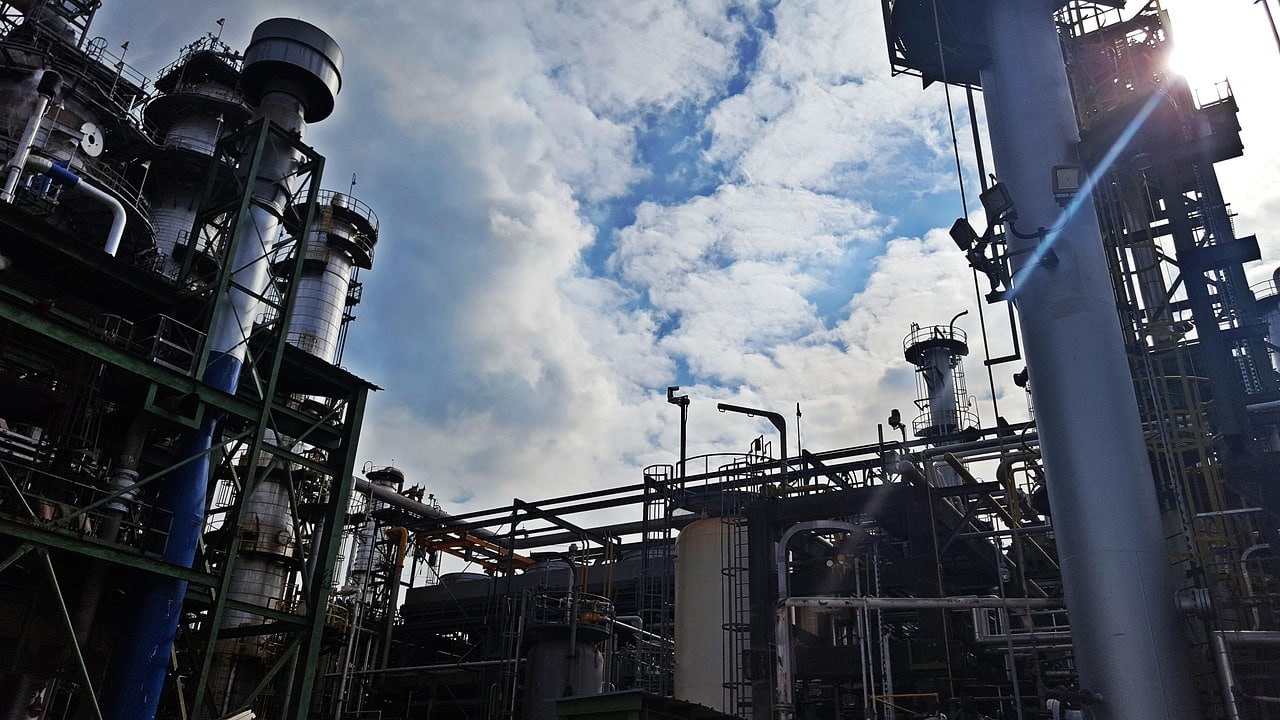
The purchases were confirmed by sources speaking to Reuters in Singapore on Wednesday. Hengli operates a 400,000-barrel-per-day refinery in the northeastern Chinese city of Dalian and has recently inquired about buying cargoes of West African and non-Iranian Middle Eastern crude for delivery from June onward. W
est African crude, particularly from Nigeria and Angola, is considered mainstream supply and carries no sanctions risk for refiners seeking to demonstrate clean sourcing to US authorities.
Six trade sources said Hengli is looking to source entirely non-sanctioned oil as part of its bid to be removed from the US sanctions list. “Hengli said in late April it would seek a legal path for removal from the sanctions list,” according to the report.
Why Hengli was sanctioned
The US Treasury Department sanctioned Hengli in April, saying the company had emerged as one of Iran’s most valued crude oil customers, purchasing billions of dollars worth of Iranian oil products.
Since at least 2023, the Treasury said Hengli had received Iranian oil cargoes from a host of sanctioned shadow fleet vessels, with some delivering over five million barrels of Iranian crude oil in total. Hengli denied the allegations.
The company’s parent said it has always operated in full compliance with applicable laws and regulations, that it has never traded with Iran, and that all its suppliers certify their crude is sourced from jurisdictions not under US sanctions.
The story was first exclusively reported by Reuters, which also revealed last month that Hengli’s former Singapore-based trading arm had planned to cease operations in the wake of the sanctions.
What the sanctions mean for African oil producers
The pivot toward West African crude has immediate implications for oil-producing countries in the region. Nigeria and Angola, which produce light sweet crude grades that suit Hengli’s refinery configuration, stand to benefit from a new major buyer actively seeking their barrels.
China’s imports of Iranian crude fell to 1.19 million barrels per day last month, the lowest since September, according to data from analytics firm Kpler, suggesting the sanctions are beginning to redirect Chinese buying toward alternative sources.
Hengli’s designation marks the largest Chinese refiner to be sanctioned by the United States since Washington renewed its crackdown on Iranian oil exports in 2019.
The 2 million barrels purchased are scheduled for delivery to China around late June or early July.