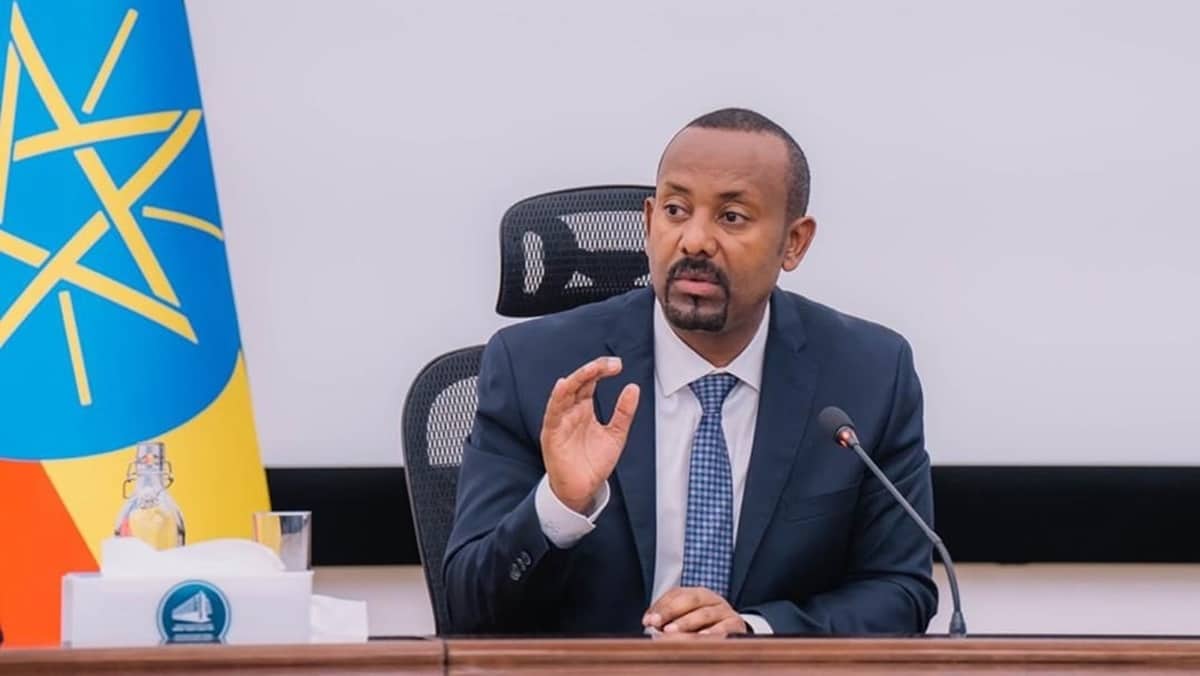


On the first of June 2026, most Ethiopians went to the polls to elect new leaders who will decide the majority of its parliament. A new law instituted by the current administration gave the prime minister, the 2019 Nobel Peace Prize winner Abiy Ahmed, the opportunity to rule the country for another five years. As forecasted by most observers, Ahmed’s party, the Prosperity Party, won by a landslide, although the opposition cited irregularities in the process, including voter suppression in places like the Tigray Region, where no voting was held at all.
Since he became prime minister in 2018, Ahmed has shaped Ethiopia into his own image. After dissolving the coalition that made his emergence possible, the prime minister now styles himself as a new prosperity crusader, forming a party after that very name. His vision is primarily centred around economic liberalism, which he believes will set Ethiopia free from a macroeconomic landlock situation, even if nobody can do very much about the very real, physical fact that the country has no coastline.
With a population of over 120 million people, the second largest in Africa, the belief that only industrialisation through market reform can deliver sustainable prosperity is etched deep in the political philosophy of Ahmed. His policies have won him the admiration of many followers and the disdain of more than a few.
The man who built a dam
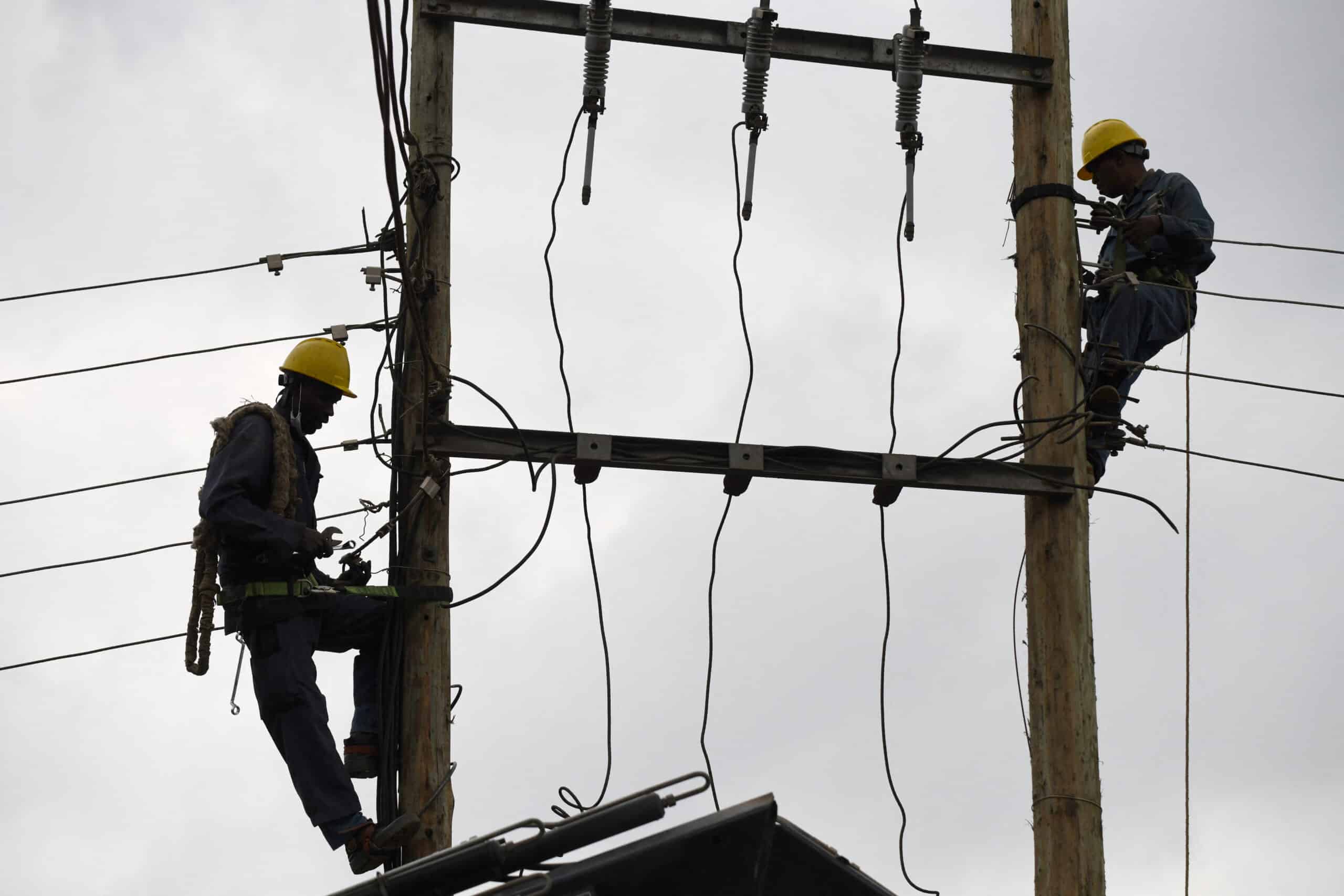
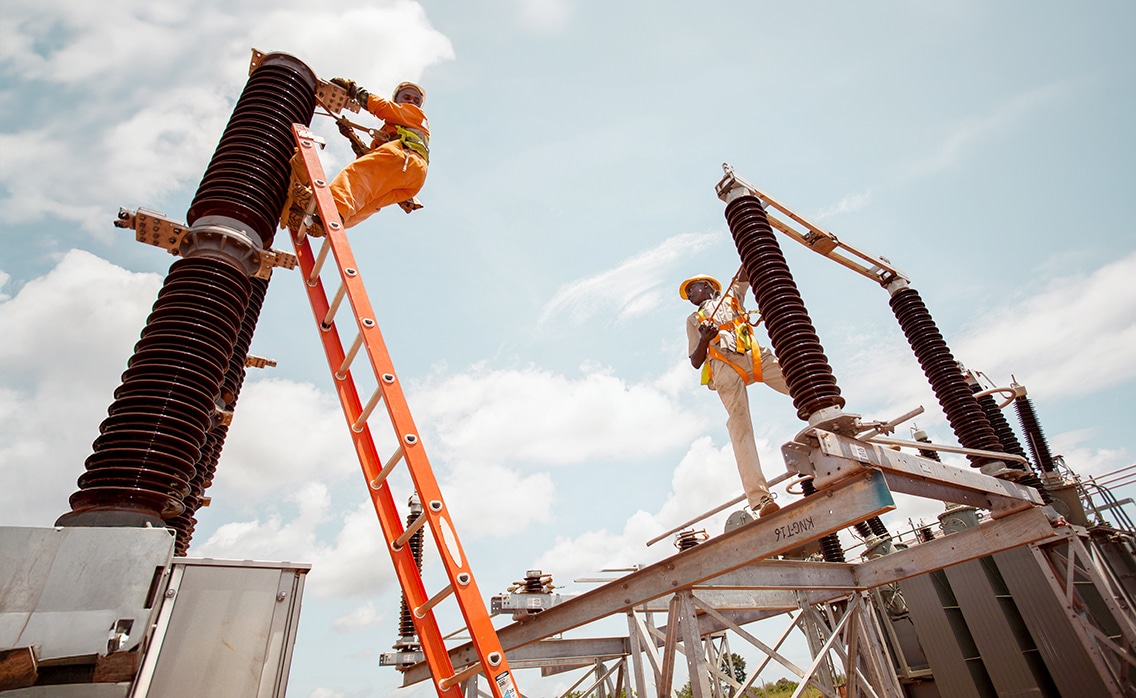
Starting with electricity, Ahmed in the last five years has helped bring to life the GERD, a 5,000MW mega hydropower project, that would supply power to millions of households. The project had begun under his predecessor, but stalled under the weight of diplomatic opposition and financial uncertainty. Ahmed pressed on with it. The mega hydropower project is now the largest dam in Africa and a symbol that Ethiopians across the political divide take genuine pride in. It took over a decade to complete, much of which fell within Ahmed’s administration.
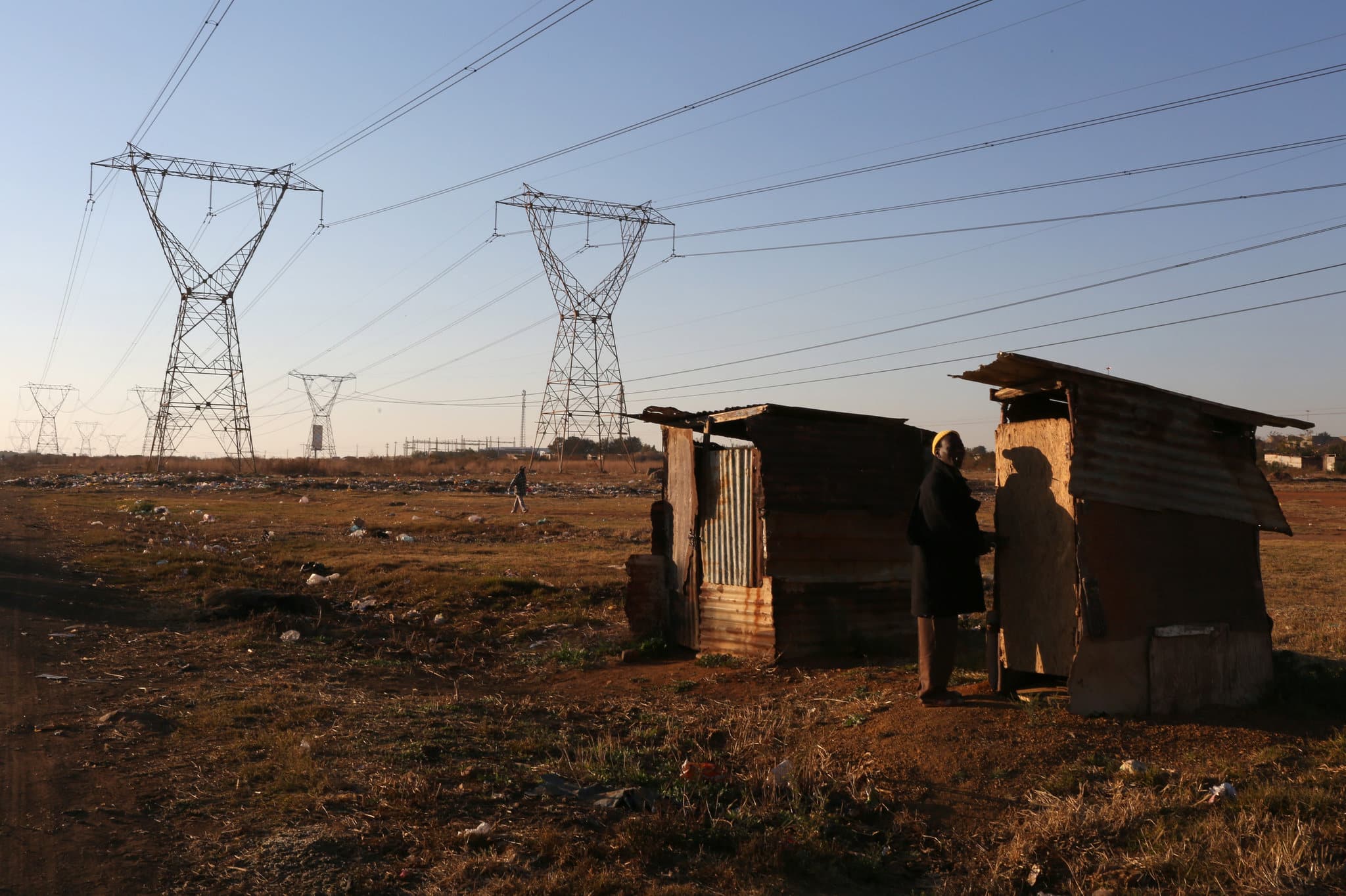
Egypt, which depends on the Nile for over 90% of its freshwater, viewed the dam as an existential threat and said so loudly. Ahmed did not blink. The dam was completed, and the filling of its reservoir proceeded on Ethiopia’s own schedule. The GERD, if fully harnessed through a network of distribution infrastructure, could end Ethiopia’s perennial electricity crisis. For a country that has spent decades importing expensive diesel generators and suffering rolling blackouts, the stakes could not be higher.
Ahmed frames the dam not just as infrastructure but as liberation, proof that Ethiopia can solve its own problems on its own terms.
Ethiopia opens its vault to foreign players
But electricity isn’t the only sector Ahmed’s prosperity gospel has influenced. In the banking and financial world, Ahmed has quietly engineered one of the most dramatic reversals in Ethiopian economic history.
For half a century, Ethiopia’s banks had remained closed to foreign ownership. Since the Derg military junta nationalised the sector in 1974, no foreign institution had been permitted to set up shop in the country. Ethiopian banking was a protected, sometimes sleepy world dominated by state-owned lenders, and the private banks that existed operated within tight regulatory limits that kept credit expensive and scarce.
In December 2024 however, the Ethiopian Parliament finally changed that, approving a new Banking Business law that allows foreign banks to rejoin the market for the first time in fifty years. The National Bank of Ethiopia has said it will admit up to five foreign licences over the next five years, and regional giants such as Kenya’s KCB Group and South Africa’s Standard Bank have already been circling, waiting precisely for this moment.
The results within the domestic sector have been striking. At Wegagen Bank, one of the country’s largest private lenders, the 2024/25 fiscal year saw total revenue climb 38% year-on-year, while pre-tax profit surged 73%. Abyssinia Bank reported total assets rising and net profit more than doubled, driven by stronger interest income and a growing loan book. These are the numbers of a sector that has found genuine momentum under a more open regulatory environment.
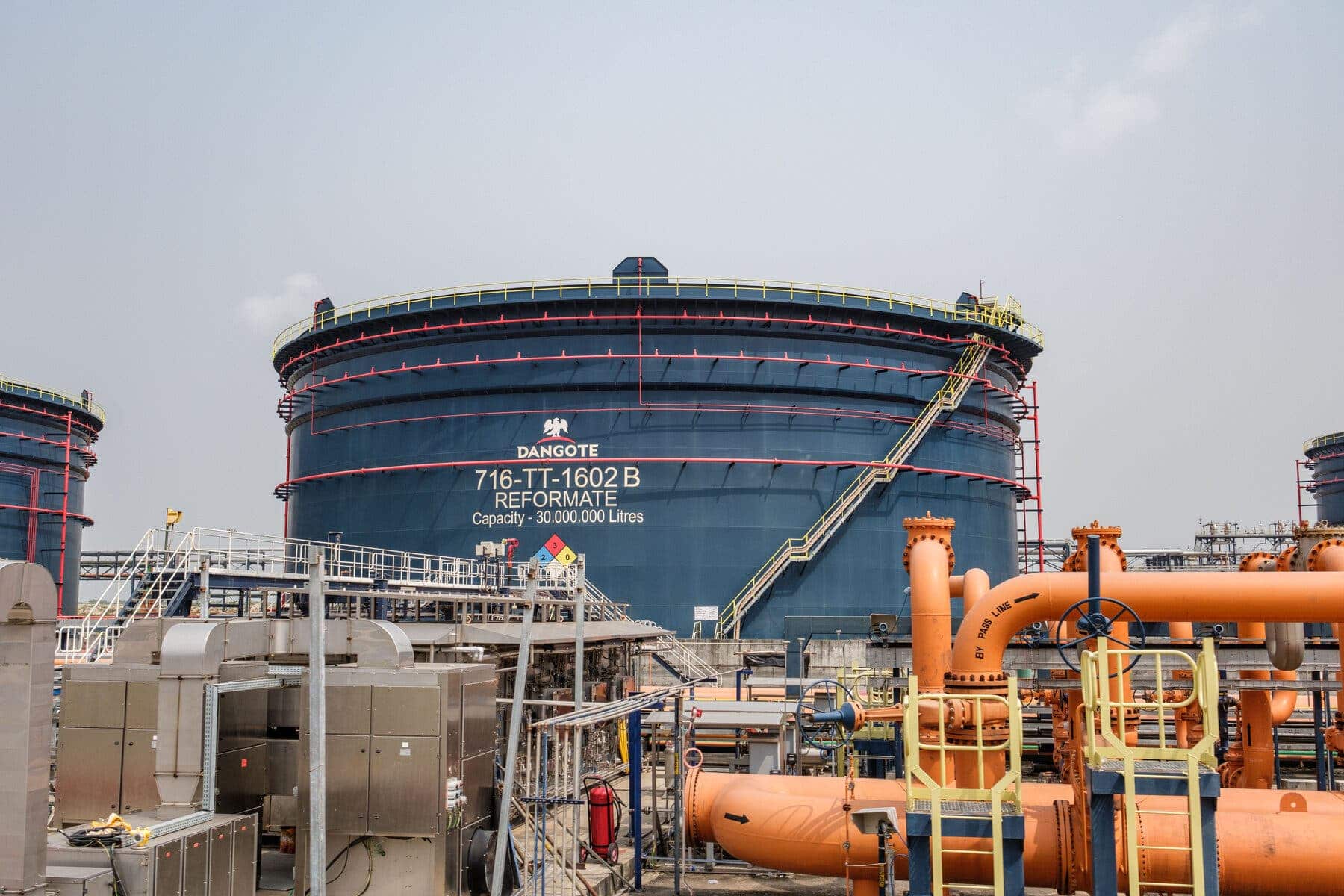
The foreign exchange market has undergone equally sweeping change under the Prime Minister. Ethiopia’s birr, its local currency, once bound to an artificial fixed rate that created a yawning gap between the official and black-market price of dollars, was floated in July 2024. The intention was to attract foreign investment and close the dollar shortage that had long choked businesses trying to import machinery and raw materials. Ahmed also signed a $2.5 billion deal with Nigeria’s Dangote Group to build a fertiliser manufacturing plant with a capacity of 3 million tons per annum. Dangote will hold a 60% stake; the Ethiopian government the rest.
Critics call the prime minister’s bluff
But Ethiopia’s ecomonic reforms have not been without some obvious setbacks. First, the COVID-19 pandemic disrupted supply chains and choked off the international flows of capital that an ambitious reform programme depends on. Second, and far more devastating, was the war in Tigray. Beginning in November 2020, it became one of Africa’s bloodiest conflicts in decades, killing hundreds of thousands and displacing millions more. The same man who had won the Nobel Peace Prize was presiding over a humanitarian catastrophe in his own country’s north.
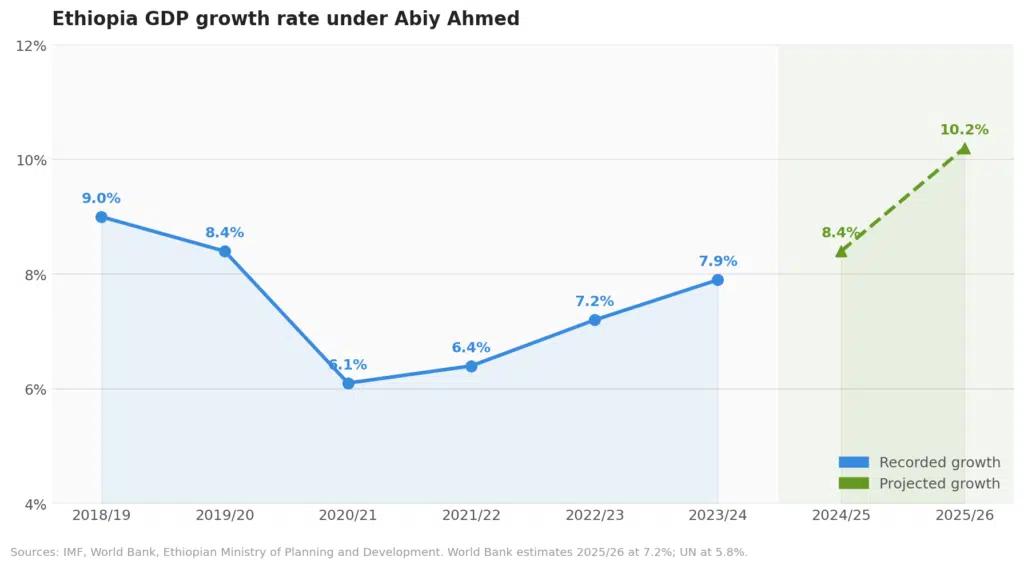
Growth slid to 6.1% from a 9% peak in 2020/21 and barely recovered in the year that followed.
The peace agreement signed in late 2022 brought an uneasy calm, and the numbers began their climb again. The government now projects 10.2% growth for 2025/26, which would be the first time in nearly a decade that Ethiopia has recorded a figure like that. Ahmed cited export growth, the birr liberalisation, and the IMF-backed reform programme as the engines of the recovery.
But critics are calling the prime ninister’s bluff. The most pressing concern for the government is money that Ethiopia does not have. Total public debt stood at nearly $69 billion as of June 2024, roughly a third of its GDP.
Ethiopia also defaulted on a $1 billion eurobond in 2023, and the negotiations to resolve it moved slowly and painfully. In January 2026, the government offered bondholders a 15% haircut, proposing to replace the defaulted bond with a new $850 million note at 6.125% interest. The deal requires IMF clearance to ensure it fits within Ethiopia’s wider restructuring framework, a detail that neatly illustrates just how deeply entangled the country’s financial future has become with the preferences of international lenders.
Cost of living crisis still unresolved
Then there is the cost that ordinary Ethiopians have paid for reforms designed to impress foreign investors and satisfy international lenders. The floating of the birr was a necessary correction, almost every economist agreed on that much. But its immediate effect was to roughly halve the currency’s purchasing power against the dollar, making everything imported, from medicine to fuel to cooking oil, significantly more expensive overnight. Ethiopia’s consumer price index is heavily weighted toward food, which accounts for more than half the basket. When a government official was asked about the cost-of-living crisis, he described it as an “unfortunate coincidence”.
Perhaps the deepest and most enduring criticism of Ahmed’s project concerns the sector that most Ethiopians actually live inside.
Agriculture still accounts for 35% of GDP and employs roughly 70% of the population. It is not a niche concern; it is the country’s economic centre of gravity. Ethiopia is the largest exporter of coffee in Africa, and yet the average Ethiopian coffee farmer captures a small fraction of the value that travels from their trees to a cup in Milan or London. In a country where seven in ten workers farm for a living, the decision to direct the overwhelming majority of new credit toward urban finance, industry, and infrastructure raises a serious and uncomfortable question: who, exactly, is the prosperity being built for?
The Dangote fertiliser deal has been presented as one answer, a project that will reduce the cost of inputs for farmers and potentially transform productivity across the sector. But one deal, however large, is not a substitute for a coherent agricultural policy, and the scale of underinvestment that Ethiopian farmers have endured for decades will not be undone by a single plant on the horizon.
Ahmed has five more years now, fresh from an election that gave him the mandate he wanted, if not the full legitimacy he needs. The GERD stands on the Blue Nile as proof that this country can finish what it starts. But in the markets of Addis Ababa, in the coffee farms of Jimma, in the still-recovering towns of Tigray, the question is simpler and more urgent than any of those achievements: will prosperity, as Ahmed defines it, ever reach the people who need it most? The answer, for most Ethiopians, remains largely uncertain.