

Most people rarely think about what happens when banks lend money to one another overnight. Yet those quiet transactions help determine the cost of credit across the economy, shaping business loans, investment decisions and broader financial conditions.
Nigeria is now changing how that market is measured.
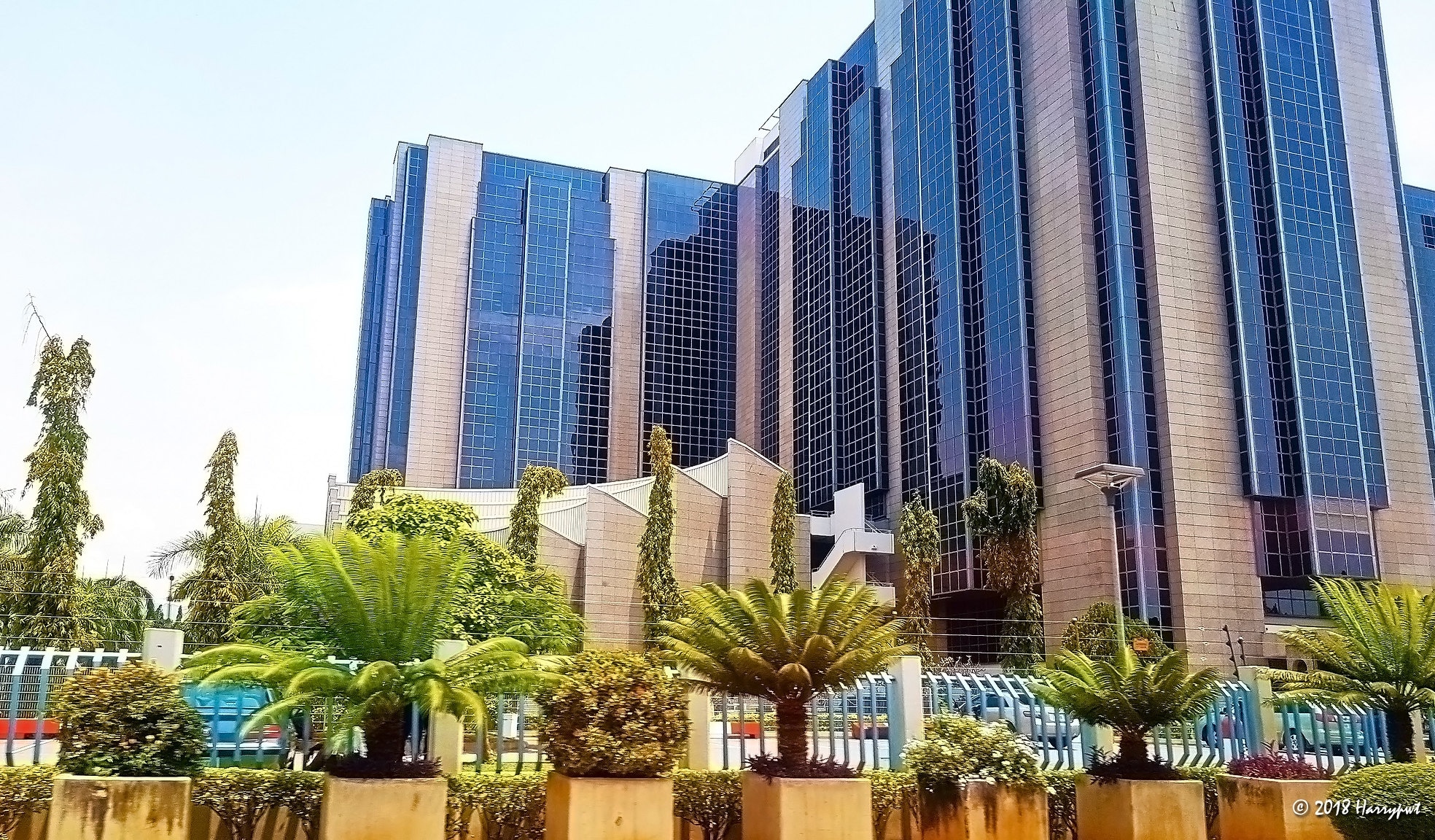
Earlier in the week, the Central Bank of Nigeria (CBN) in Abuja launched the Nigerian Overnight Financing Rate (NOFR), a new benchmark designed to track the actual cost of short-term funding in the financial system. The framework, first introduced in April 2026, replaces the Nigerian Inter-Bank Offered Rate (NIBOR), an older system based on banks’ quoted estimates rather than completed trades, which made it less transparent and more open to distortion.
At first glance, the change may appear technical. But benchmark rates play an important role in modern financial markets. They shape how money is priced, how risks are assessed and how effectively central bank policies reach the wider economy. NOFR is built on real overnight transactions between banks and other financial institutions, making it a more transparent measure of market conditions.
According to the CBN, the benchmark has now been adopted by market participants, following stakeholder engagement in February 2026 and subsequent regulatory approval.
Below are five key things to know about the new framework.
1. It provides a clearer picture of funding costs
For years, Nigeria’s money-market benchmark carried what some analysts describe as an “optics problem”. Because the framework relied on indicative submissions rather than actual market activity, it often failed to reflect funding conditions accurately. This created uncertainty for lenders, borrowers and investors.
NOFR is designed to fix that. By basing the benchmark on real overnight transactions, the new rate offers a more transparent view of what it costs financial institutions to obtain short-term funds.
“This approach should lead to better pricing of financial products, improved risk management, and stronger monetary policy transmission,” Kalu Aja, a financial analyst, told BusinessFront.
2. The central bank controls the process
Unlike decentralised benchmarks, NOFR sits firmly under the oversight of the central bank. In a statement announcing the roll-out, the CBN stated that it “administers and publishes” the rate, with responsibility for ensuring governance, consistency, and transparency in its calculation.
The rate is published daily at 10:00 a.m. Lagos time on the business day following the fixing day. This means transactions conducted on one day are aggregated, validated, and processed before the official rate is released the next morning.
The delay allows the central bank to verify reported trades and ensure that the final benchmark reflects accurate and complete data. As at June 18 2026, the maximum NOFR rate as published by the CBN was 24% with a daily variation average of 2 percentage points.
3. It is not the same as the CBN’s policy rate
Despite its importance, NOFR is not a policy rate.
The apex bank is clear that it is “distinct from monetary policy rates such as the Monetary Policy Rate (MPR),” which remains the primary tool for signalling the direction of interest rates in the economy.
Instead, NOFR is a market-based benchmark. This simply means that it reflects actual funding conditions in the banking system, rather than a rate set administratively by policymakers.
This distinction is critical, as it allows markets to price risk more accurately while still taking guidance from the central bank’s broader policy stance.
4. Only significant transactions make the cut
To ensure reliability, NOFR is calculated using a specific set of eligible transactions.
These include naira-denominated overnight secured repurchase (repo) trades executed on the fixing day and reported by participating banks, with a minimum size of ₦5 billion.
By focusing on large, secured transactions, the benchmark avoids distortions from smaller or less representative trades, ensuring that the rate reflects meaningful activity in the interbank market.
5. Nigeria is joining a global shift in finance
The move is part of a much bigger story.
Following the London Interbank Offered Rate (LIBOR) scandals in 2012 , regulators around the world abandoned benchmark rates based on estimates and replaced them with rates derived from true transactions. The US adopted Secured Overnight Financing Rate (SOFR). Britain moved to Sterling Overnight Index Average (SONIA).
By launching NOFR, Nigeria is aligning itself with the same global trend. The objective is simple: more transparency, greater confidence and benchmark rates that better reflect how financial markets actually work.
What it means for Nigerian businesses and markets
NOFR is more than a technical adjustment. It reflects a deeper effort by the central bank to build a fairer and more transparent financial system, with implications for growth, trust and credit pricing across the economy.
A benchmark based on real transactions should, over time, make it clearer what banks actually pay to borrow from one another. For investors, that reduces guesswork about whether interest rates reflect real market activity or temporary swings in liquidity. It also improves visibility on pricing, particularly as banks deploy fresh capital raised during the recent recapitalisation exercise.
For businesses, the main change is predictability. When loan and overdraft rates are linked to observed market transactions, they are less likely to shift for opaque reasons. That makes borrowing costs more stable and cash flows more predictable, with the potential for smoother access to credit when funding conditions improves.
Still, the transition will take time. Aja warns that banks will need to adjust systems and pricing models before the benefits are fully felt. “Implementation will provide the real test,” he says. “If Nigeria gets it right, short-term borrowing becomes more transparent, efficient and affordable for the real sector.”