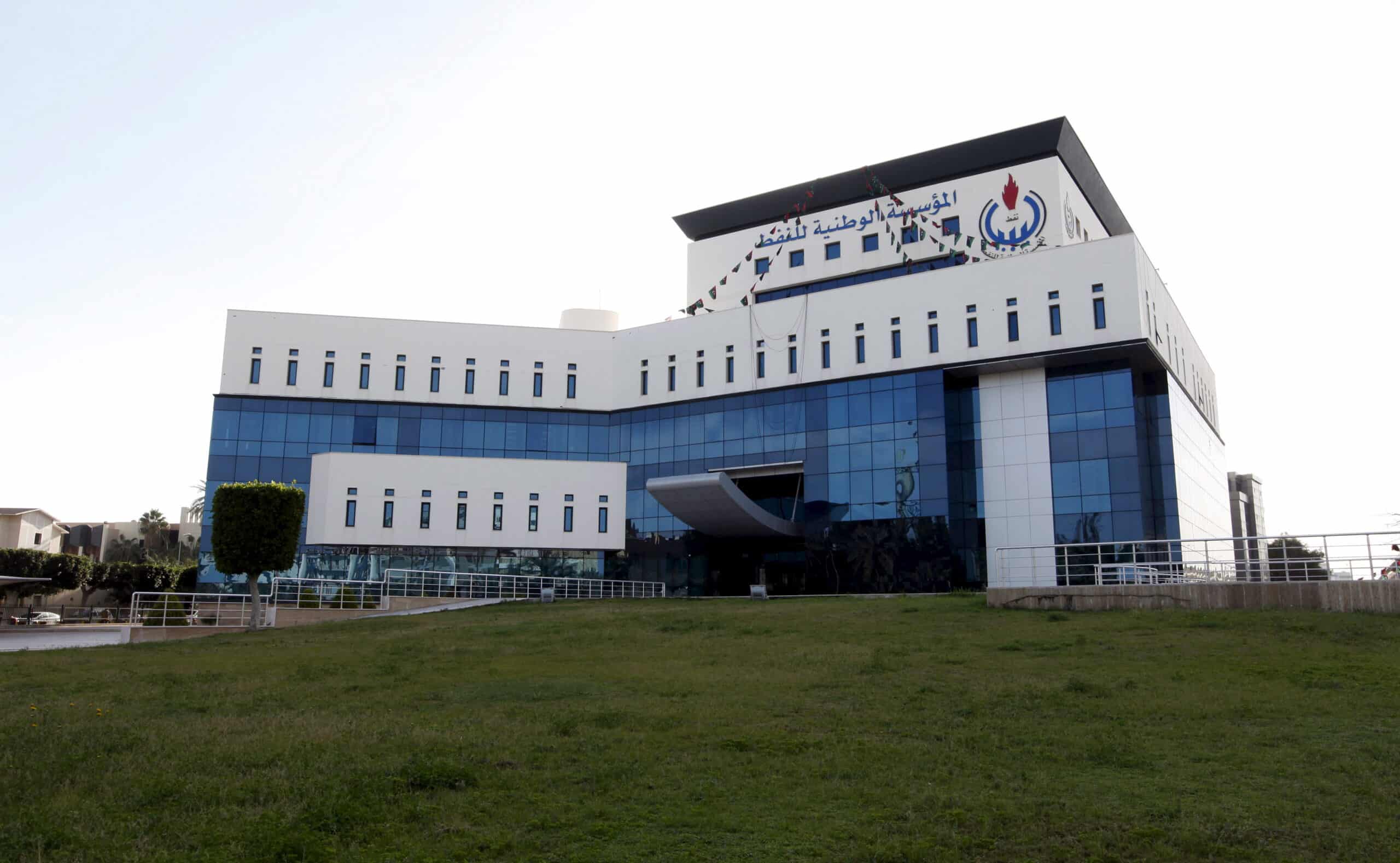


Libya’s National Oil Corporation (NOC) has reported strong production from a newly drilled well at the Al-Khair oilfield, adding fresh momentum to the country’s drive to double crude output and reassert itself as one of Africa’s foremost energy producers.
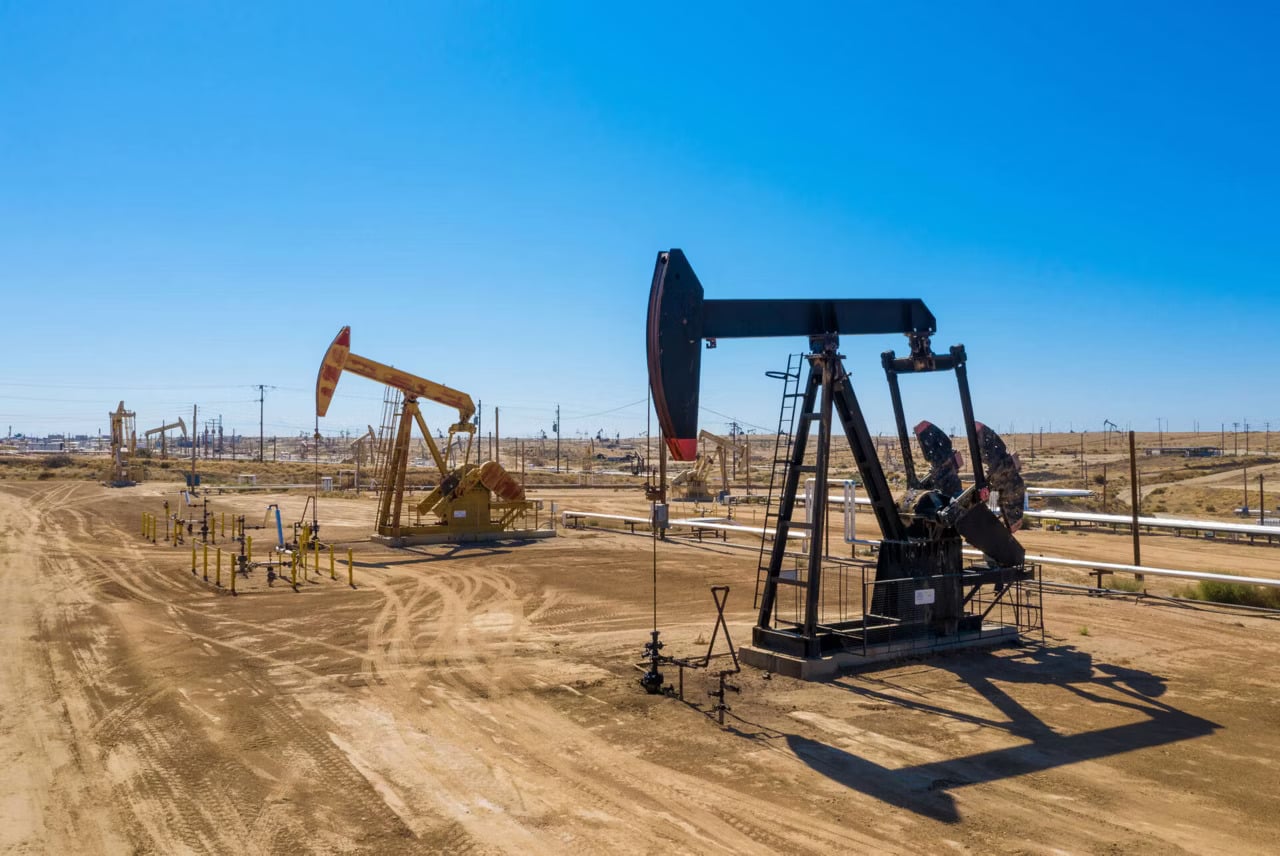
The NOC said the well is producing 3,209 barrels of crude oil per day alongside approximately 1.95 million cubic feet of associated gas daily, according to Reuters. While the output from a single well is modest by global standards, it reflects a broader recovery underway across Libya’s energy sector — one that has been battered by more than a decade of political instability, armed conflict, and repeated production disruptions.
Libya holds the largest proven crude oil reserves on the continent, estimated at more than 48 billion barrels. Yet much of that potential has remained underdeveloped since the 2011 uprising that toppled long-time ruler Muammar Gaddafi, triggering years of political fragmentation and security challenges that repeatedly forced output offline.
The country is now mounting an ambitious comeback. The NOC has set a target of raising production to 2 million barrels per day through new exploration projects, field rehabilitation programmes, and fresh investment in energy infrastructure — roughly double the levels Libya has managed in recent years.
That effort is already producing measurable results. Earlier this year, Libya’s crude output climbed to approximately 1.43 million barrels per day, its highest level in more than a decade, according to NOC Chairman Masoud Suleiman. The milestone marks a significant turnaround for a country whose oil industry has been plagued by political disputes, pipeline blockades, and operational setbacks since Gaddafi’s fall.
The improving outlook has drawn renewed interest from some of the world’s largest energy companies. In February, Libya launched its first oil and gas licensing round since 2007, awarding exploration acreage to international firms including Chevron, Eni, QatarEnergy, Repsol, and Nigeria’s Aiteo. The round signalled that global majors are willing to re-engage with Libyan assets despite the country’s historically volatile operating environment.
For international investors and energy companies tracking African upstream opportunities, Libya’s trajectory carries considerable weight. The country sits within the Organisation of the Petroleum Exporting Countries (OPEC), the Vienna-based cartel that coordinates production policy among major oil-producing nations, and any sustained increase in Libyan output will factor into the group’s supply calculations. Libya has historically been granted exemptions from OPEC production quotas due to its conflict-related disruptions, giving it room to ramp up without triggering immediate political friction within the bloc.
The Al-Khair well development also illustrates the incremental nature of Libya’s recovery. Rather than a single transformative event, the path to 2 million barrels per day is being built well by well, field by field, against a backdrop of ongoing political complexity. The country remains divided between rival administrations in the east and west, and the risk of further disruptions has not disappeared.
Still, the direction of travel is clear. The combination of record-high recent output, a successful licensing round attracting marquee international names, and continued drilling activity at fields like Al-Khair suggests that Libya’s energy sector is in its most constructive phase since before the 2011 conflict. For African energy markets more broadly, a fully rehabilitated Libya would represent a substantial addition to the continent’s export capacity and a significant draw for upstream capital that might otherwise flow elsewhere.
No specific timeline for reaching the 2 million barrels per day target or detailed investment figures were provided by the NOC.