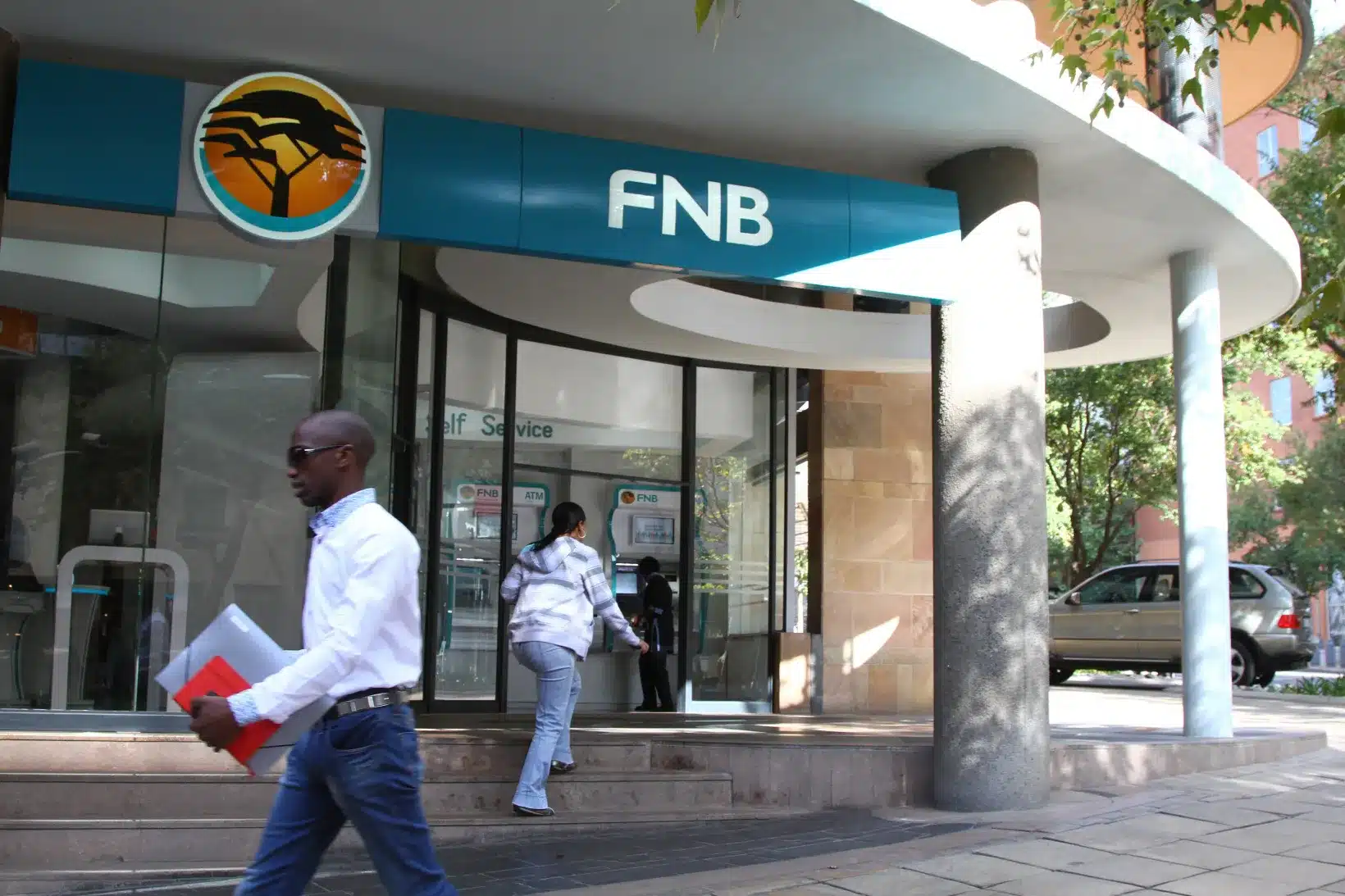


Kenya has become the most fiercely contested banking market on the African continent, with three major South African lenders simultaneously pursuing expansion strategies in East Africa’s largest economy.
The clearest signal of that competition comes from Absa Group, which has launched a $238 million tender offer to raise its stake in Absa Bank Kenya from 68.5% to as much as 85%. The move deepens the Johannesburg-headquartered group’s commitment to a market it already identifies as a significant contributor to its Africa Regions earnings.
The bid does not stand alone. Nedbank — another South African banking group — announced plans earlier this year to acquire a controlling stake in NCBA, one of Kenya’s largest listed lenders. Standard Bank, the continent’s biggest bank by assets, has also identified Kenya as a strategic growth priority as it extends its pan-African footprint.
The convergence of three South African institutions on a single market within the same cycle reflects a structural shift in how large African banking groups are allocating capital. Facing slower growth at home, they are increasingly targeting faster-expanding economies with larger addressable customer bases and rising demand linked to trade finance, infrastructure development, and digital financial services.
Kenya offers all three. The country hosts one of Africa’s most sophisticated banking systems, a digital payments ecosystem that has drawn global attention since the rise of M-Pesa, and a position as the primary commercial gateway to the East African Community (EAC) — a regional bloc of eight member states with a combined population exceeding 300 million.
That gateway function is central to Kenya’s appeal. For a lender establishing or deepening a Nairobi presence, the country provides a platform from which to serve trade corridors running into Uganda, Tanzania, Rwanda, and beyond. As infrastructure investment across the EAC accelerates and intra-regional trade volumes grow, the value of that positioning compounds.
For Absa specifically, Kenya is already material to group performance. The bank has stated that the country accounts for a significant share of profits generated by its Africa Regions business — the division that houses its operations outside South Africa. Raising its ownership stake to 85% would consolidate control over those earnings and reduce minority shareholder drag on returns.
The transaction also carries a broader signal: confidence in Kenya’s long-term banking trajectory, even as several African economies have navigated currency pressures, elevated inflation, and tightening fiscal conditions in recent years. Investors willing to commit $238 million to increase an existing stake are, in effect, making a forward-looking bet on the market’s resilience.
Kenya’s financial sector sophistication — encompassing a deep capital market, a well-regulated commercial banking system overseen by the Central Bank of Kenya (CBK), and high mobile and digital banking penetration — distinguishes it from most of its regional peers and continues to attract both strategic and portfolio investors.
The intensifying competition among South African groups also reflects a wider continental pattern. As African trade corridors deepen and digital banking adoption expands across the region, institutions are moving early to secure positions in markets they expect to generate outsized returns over the next decade. Kenya, by most measures, sits at the top of that target list.