

Top stories
Finance
Top stories

The finance ministry says Nigeria’s delayed Eurobond coupon—due 28 March—was paid within days. Investors had flagged the missed deadline.
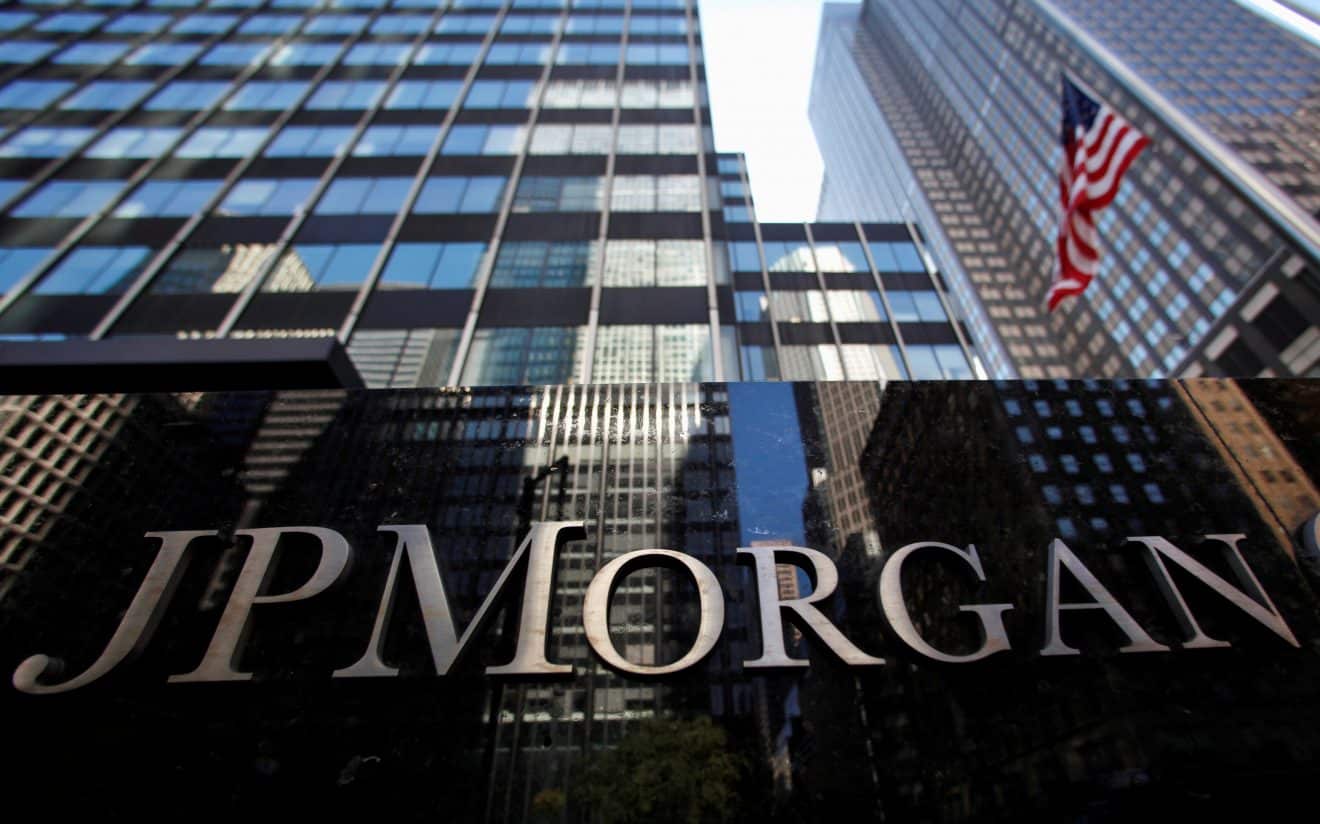
Sixty years after first banking in Lagos, JP Morgan is back—this time with a merchant banking play aimed at Africa’s biggest market. Nigeria just got more interesting for Wall Street.
Despite the expansion, the country’s foreign reserves remain robust, keeping the shilling stable.
The central bank has indicated it could lower its benchmark rate if inflationary pressures persist in easing.
The path of contentious spending plan remains uncertain despite clearing its first parliamentary hurdle on Tuesday after multiple rejections

We sat down with the Gbenga, who’s bringing 17 years of traditional asset management expertise to Sycamore—to discuss the future of investing in Nigeria
New withholding tax rules will make companies handle tax deductions differently, impacting compliance and business operations.
Despite the uptick, inflation has remained below the CBK’s 5% target for the past nine months, largely due to a resilient shilling.
Despite gaining four points in March, the PMI remains below the 50-point threshold, indicating ongoing contraction in the sector.
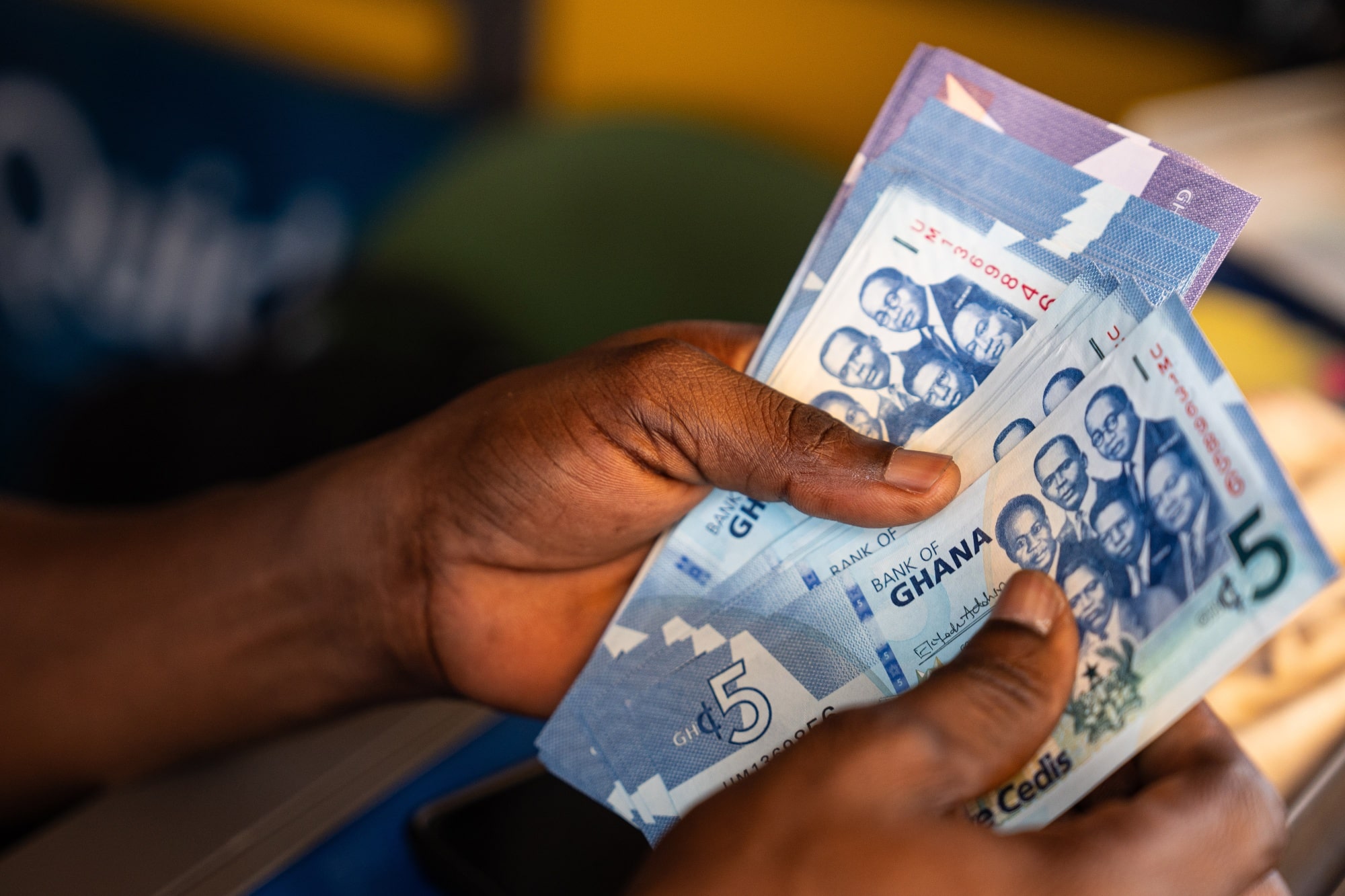
Bank profits, MoMo transfers, AGOA drama, and Nigeria’s new revenue system— catch up last week’s top African finance stories
Before MTN Momo’s cross-border payments, sending money between Ghana and Nigeria could cost anywhere between 8% and 20% in fees.
Inflation remains stubbornly high in the cocoa-producing West African nation, well above the government’s targets.
The shift is expected to help the government to boost public finances and stimulate overall economic growth.

TMRAS introduced by Nigeria’s OAGF has left Nigerians confused on the position of Remita. This article answers questions about the revenue system.
Prior to this announcement, the copper-producer has been experiencing a steady rise in inflation since June 2023.
How Nigeria’s new revenue collection system, TMRAS, will impact businesses, government revenue, and tax compliance.
The initiative includes $6 billion from municipal revenue and borrowing, a $2 billion World Bank loan and $1 billion in central government funding.
The new spending plan is 18% less than the estimates of the previous budget as the government continues to tighten its finances.
President Trump’s recent trade wars evoke fear that Africa duty-free export program (AGOA) may not be extended when it expires in September.
South Africa’s minibus taxi industry dominates public transport but pays little tax. Here’s why enforcing compliance remains a challenge.
