

Top stories
Finance
Top stories
Trump’s new tariffs are threatening non-oil exports like cocoa and textiles, JP Morgan pulled its support for Nigeria’s carry trade, other stories this week
With Brent crude hovering near the sub-$60 mark—Nigeria’s fiscal break-even—concerns are mounting that sustained low prices could reopen current account deficits and heighten macroeconomic vulnerabilities.
With 60% of the fund’s pension pot tied up in government debt, retirees remain heavily exposed to the effects of the West African nation’s mounting inflationary pressures.
While global commodity markets largely determine cocoa prices, the African nation could raise export taxes on its cocoa shipments to increase revenue, pushing up costs for buyers.
Non-oil exports from Africa to the U.S. have grown 241% since 2001. That growth is now in danger. Tariffs of 21% on cocoa and 54% on textiles could wipe out years of trade progress under AGOA.
The unexpected uptick in inflation, coupled with global uncertainty stemming from Trump’s newly imposed tariffs, has dimmed hopes of a rate cut by the CBE when it meets on April 17.
South Africa’s planned VAT increase in 2025-2026 may affect businesses and consumers, with potential impacts on pricing, demand, and investment.
Among African countries hit by Trump’s tariff overhaul, Kenya fared relatively well, receiving the baseline 10% rate—offering it some breathing space amid broader trade disruptions.
While Nigeria’s portfolio investments more than doubled in 2024, foreign direct investment plummeted to nearly half of the previous year’s figure.
With the island nation already grappling with political instability and poverty, the tariff hike raises concerns over its socio-economic stability and growth prospects.
Although private sector lending edged up by 0.2% in March after a February decline, the central bank says borrowing remains sluggish despite falling interest rates since December.
A $19bn FX reserve boost was meant to stabilise Nigeria’s economy. But crude oil is crashing—and with it, the naira and 2025 budget optimism.
Despite overcoming two major parliamentary hurdles, the budget remains at an impasse as tensions between the country’s biggest political parties escalate
In an effort to stabilise the foreign exchange market and improve liquidity, Nigeria’s central bank launched an aggressive dollar injection drive in the first quarter of the year. But despite the scale of intervention, the naira continued to lose ground.
Libya’s second devaluation in 4 years appears targeted at closing the gap between official and black-market exchange rates, but without deeper structural reforms, its impact is likely to be limited.
Despite Naira profits hitting record highs, no Nigerian bank made it into Africa’s top 5 by dollar earnings.
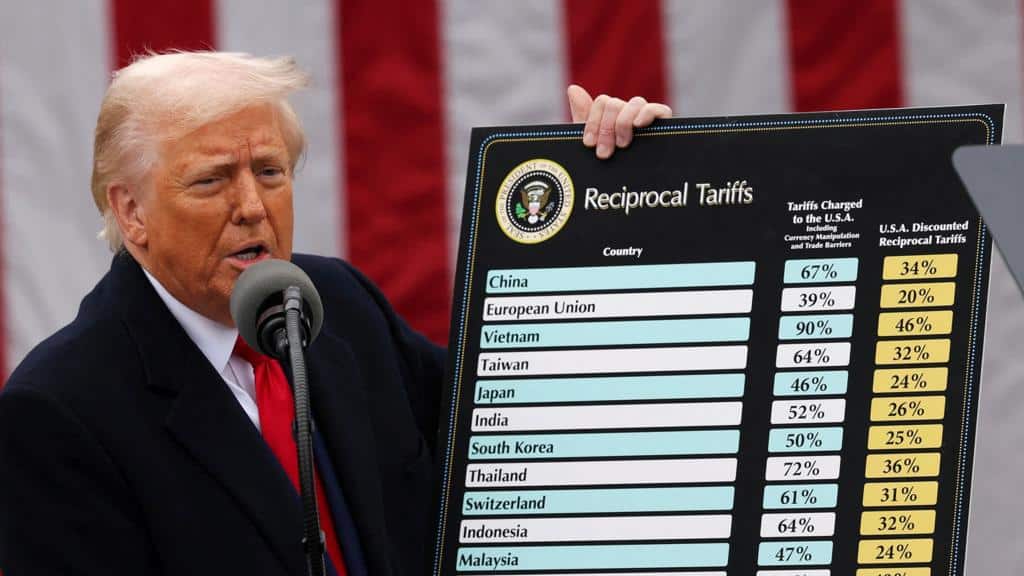
Withholding tax , Revolut’s South Africa landing, asset and Trump’s Africa tariff list—here’s what mattered last week on Finance in Africa
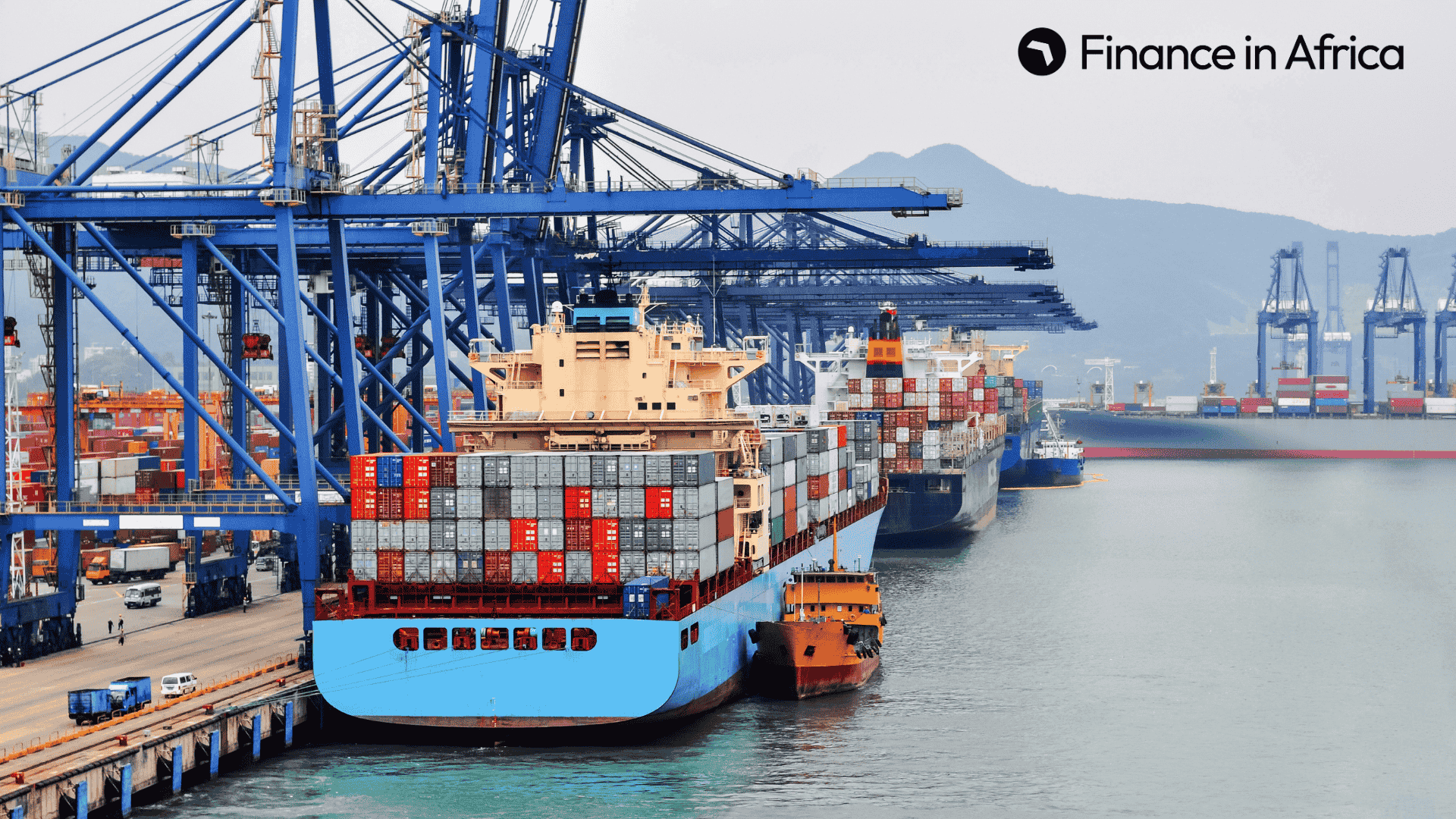
In this special report, we examine the top 10 African countries targeted by the Trump administration’s new “reciprocal tariffs” and compare the claimed rates to the actual WTO-verified tariffs — both simple and trade-weighted.
Trump’s new tariff structure, set to take effect on April 9, will hit over 50 African countries—targeting some of the continent’s poorest and most vulnerable economies. The sweeping levies threaten to shake the foundations of long-standing US-Africa trade agreements.
Revolut plans to enter South Africa, but regulatory, tax, and labour hurdles could complicate its digital banking expansion.
