

Top stories
Finance
Top stories
Despite the apparent drop in headline inflation, Nigerians continue to face high costs of essentials amid ongoing economic challenges.
A Kenyan lawmaker, Caroli Omondi, has suggested a new law called the Central Bank of Kenya (Amendment) Bill 2025. This law would make it against the rules for shops and businesses with real locations to refuse cash for payments under $775. If they don’t follow this rule, they could be fined or sued.
Tanzania is set to establish an International Financial Services Centre (IFSC) to attract investment and fund major development projects.
Alterra Capital, backed by Dangote and Rubenstein, has acquired Kenya’s iconic Pollman’s Tours — a bold private equity move into East Africa’s recovering tourism sector.
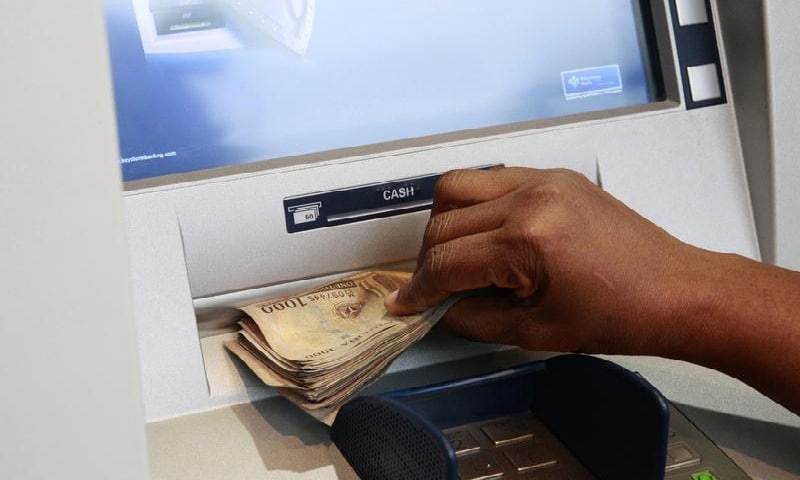
The Central Bank of Nigeria has stated in its latest report that more than 69% of Nigerians are against a further increase in monetary interest rates (MPR).
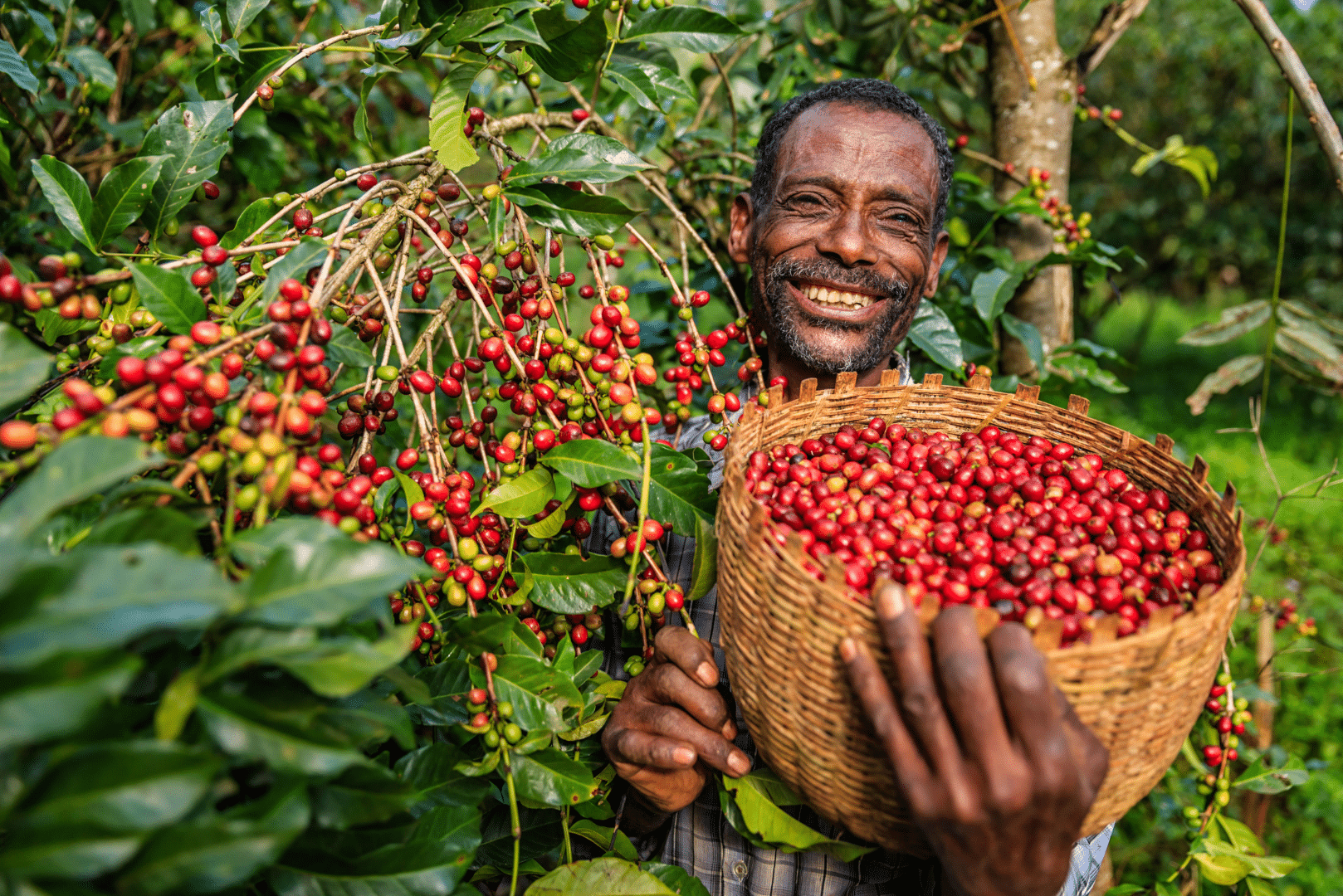
East African powerhouse, Ethiopia, has reportedly recorded a historic increase in coffee export amounting to over $1.8 billion.
The Angolan government acknowledged that while the swap offered cost benefits, it also exposed the country to new financial pressures.
Despite escalating conflict and economic headwinds the Republic GDP grew by 6.5% in 2024 and is projected to remain above 5% driven by a stable exchange rate and tighter monetary policy.
The southern African country saw a 10.7% yearly decline in counterfeit notes in 2024, attributed to improved security features, including holographic stripes, microtext, tactile elements, and transparent windows.
According to the multilateral lender, Nigeria’s 2024 economic growth was the strongest since 2014, driven by robust fourth-quarter momentum and an improved fiscal position.
Although the eastern African leader has no plans to seek further funding from the IMF in the near term, its outstanding obligations to the lender, currently over SDR 2.8 billion, remain a concern.

Q1 2025 marks a turnaround for Nigeria’s corporate giants, with many returning to profit as FX losses ease and business strategies adapt to a tougher economy.
The lender’s robust earnings were buoyed by stronger interest income, which rose to $66.8 million from $55 million in Q1 2024.
The latest adjustment is poised to rebalance the government’s domestic debt profile—currently dominated by Treasury bonds—by attracting a broader pool of investors into the short-term market.
With inflation trending upward once again and external risks mounting, the CBE may be forced to reconsider its easing cycle and adopt a more cautious stance in the months ahead.

According to the country’s statistical bureau, oil imports jumped by nearly $55 million and accounted for 20% of total imports recorded during the reviewed month.
Despite the expansion, the fiscal gap falls within the National Treasury’s target of 4.5 percent of GDP—an improvement from the deficits recorded in 2023/24 and 2024/25, which stood at 5.3 percent and 5.1 percent of GDP respectively.
GTCO, Capitec, and CIB lead the pack on Return on Asset, showing that in African banking, the real winners aren’t always the biggest—but the ones that do more with less.

Absa Group has announced Rene Van Wyk as its new board chair, succeeding Sello Moloko amid the broader leadership overhaul
Perhaps the most disruptive economic event of 2024 was the wave of anti-government protests triggered by steep tax hikes, which hampered business operations and resulted in multiple deaths.
