

Top stories
Finance
Top stories
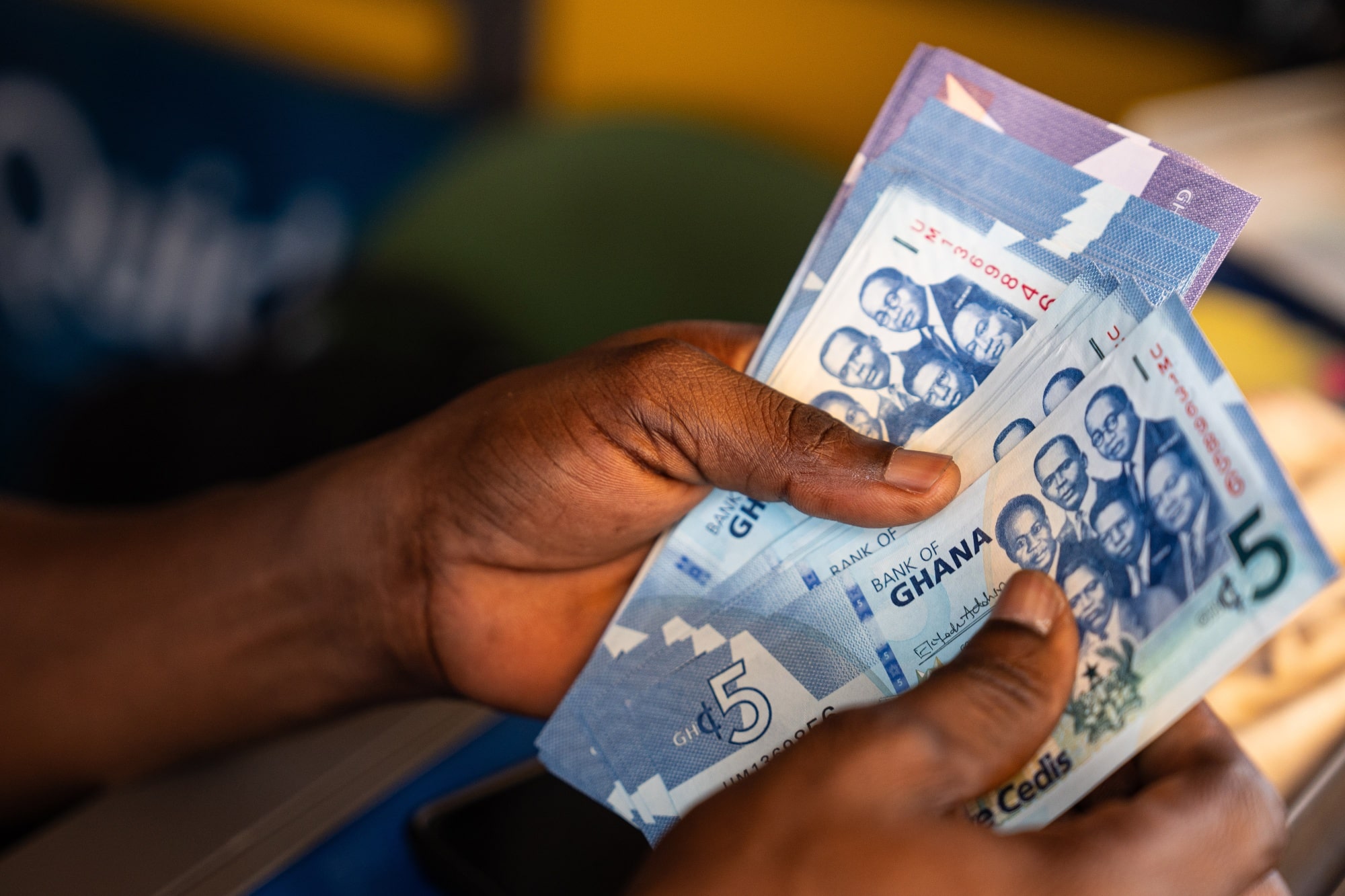
Ghana’s economy is gaining ground, with its dollar valuation rising to $135.1 billion – a surge fueled by soaring gold and cocoa exports and a strengthening cedi
Since the internal purge began earlier this month, more than 1,500 employees have been fired over suspicious activity linked to their personal bank and M-Pesa accounts.
Tinubu’s two-year economic scorecard reveals gains in growth and investment — but inflation, debt, and hardship still plague businesses and citizens
In pursuit of achieving Tinubu’s 8-point agenda, this new appointment signals a strategic push towards innovations in Nigeria’s housing sector.
Dr Sidi Ould Tah, Mauritanian economist and ex-BADEA chief, has been elected AfDB President. He aims to boost inclusion, climate resilience, and youth employment in Africa.
The $63 million raise is expected to give the lender the boost it needs to meet the central bank’s new capital requirement for regional banks.

Nigeria’s $21.6 billion external borrowing plan aims to address infrastructure gaps and pension arrears amid fiscal strain.
Nigeria’s Islamic debt instrument, known as the Sukuk bond, has attracted over N2.2 trillion as investors jumped on the 19.7% interest offer, the country’s debt office said on Wednesday.

The Amazon of Africa, has just lost its largest backer—after a Q1 revenue drop of 26% and only $110m left in the tank.
With public debt at a record high of $88 billion, growth stalling and debt servicing swallowing nearly a third of government revenue, Kenya is currently walking on a fiscal tightrope.
The latest stalemate between the copper producer and its regional lenders threatens to prolong the country’s economic uncertainty and cast a shadow on its path to debt sustainability.
The African Development Bank (AfDB) will pick its next president on May 29, 2025, at its annual meeting in Abidjan, Ivory Coast. The timing is critical. With a recent $555 million funding cut proposed by the United States, the bank faces pressure to steer Africa’s growth through tough global financial waters. The current president, Dr.…
Nigeria’s state-owned mortgage lender has approved $45.22 million in housing loans so far in 2024, an 80% jump from the previous year.
Even as most lenders remain well-capitalised and liquid, the outlook for the rest of the year will depend on how effectively they adapt to ongoing shifts in fiscal policy and global economic conditions.
By boosting liquidity management for Islamic banks, the CBN’s latest move marks a major step toward mainstreaming non-interest finance in Nigeria’s financial system.
With its latest $100 million capital injection to EBID, Nigeria is quietly leveraging West Africa’s funding vehicle
The modest price gain signals cautious optimism among investors toward a bond that has been under continuous pressure for nearly a month.
In the fourth quarter of 2024, liquidity in Nigeria’s banking sector fell below $100 billion for the first time in years. At the same, emergency borrowing by banks rose sharply, fuelling fears of a liquidity squeeze. Despite the signs of distress, Nigerian lenders remain broadly resilient —this piece explores why.
In a bold reform push to stabilize Nigeria’s financial landscape, the Federal Government has inaugurated a new 10-member board for AMCON
The apex bank’s latest decision reflects cautious optimism about the country’s economic trajectory as food supply picks up easing inflationary pressures.
