

Top stories
Finance
Top stories
According to the Treasury, the loan comes with favourable interest rates and flexible repayment terms, which will help to contain rising debt service costs, projected to hit $24 billion by the end of 2026.
The latest acquisition has raised questions about its timing, as it comes shortly after the Central Bank of Nigeria (CBN) barred banks under regulatory forbearance — including Access Bank — from investing in foreign subsidiaries.
Nigeria’s biggest bank by asset base has established a reputation for inorganic growth through aggressive mergers and acquisitions. It’s not the only bank expanding, but it’s doing this in markets few dare to go.
The Gulf African Bank deal is the latest in a string of mergers and acquisitions in Kenya’s banking sector.
With the exchange still in its infancy, each new listing plays a critical role in testing the market’s infrastructure and building investor confidence—steps that Ethiopia’s economic reform agenda increasingly depends on.
Egypt, one of the biggest economies in Africa, received the most Foreign Direct Investment (FDI) in 2024, pushing it to the top 10 global destinations for FDI
In a sweeping overhaul of Nigeria’s credit system, the Federal Government has announced that all citizens’ credit scores will soon be linked to their National Identification Numbers (NIN).
Mali, backed by Russian Yadran Group has broken ground on a 200-ton gold refinery outside Bamako, aims to plug $500 million annual revenue leak.
The move comes just days after the European Commission listed the country among high-risk jurisdictions for failing to adequately combat money laundering and terrorist financing.
The lender’s swift clarification comes after its shares tumbled nearly 8% in two days, following the CBN’s directive instructing banks with forbearance exposure to suspend dividend payments.

Despite its abundant potentials, some segments of Africa’s creative industry like movies have failed to deliver returns making investors sceptical in committing significant funds to creative ventures.
Fitch has raised Ghana’s credit rating to “B-” from default, citing progress in debt restructuring, easing inflation, and external account surpluses.
The banking index of the Nigerian stock market has dipped by as much as 4.17% since Nigeria’s apex bank ordered banks under regulatory forbearance to halt dividend payment
The global investment bank says Fitch’s recent downgrade has pushed the yields on Afreximbank’s 2029 and 2031 bonds above peers, making them attractive despite restructuring risks.
The report is the latest to spotlight the unintended fallout of the CBN’s aggressive monetary tightening, with the 50% CRR—the world’s highest—severely restricting banks’ ability to lend and generate income from deposits
The scale of the exposure emerged just days after Nigeria’s apex bank ordered lenders with unresolved forbearance loans to suspend dividend payouts, delay executive bonuses, and freeze new investments in offshore subsidiaries.
Nigeria-born fintech LemFi has acquired UK-based credit card issuer Pillar, marking a strategic pivot from cross-border remittances into the underserved migrant credit market.
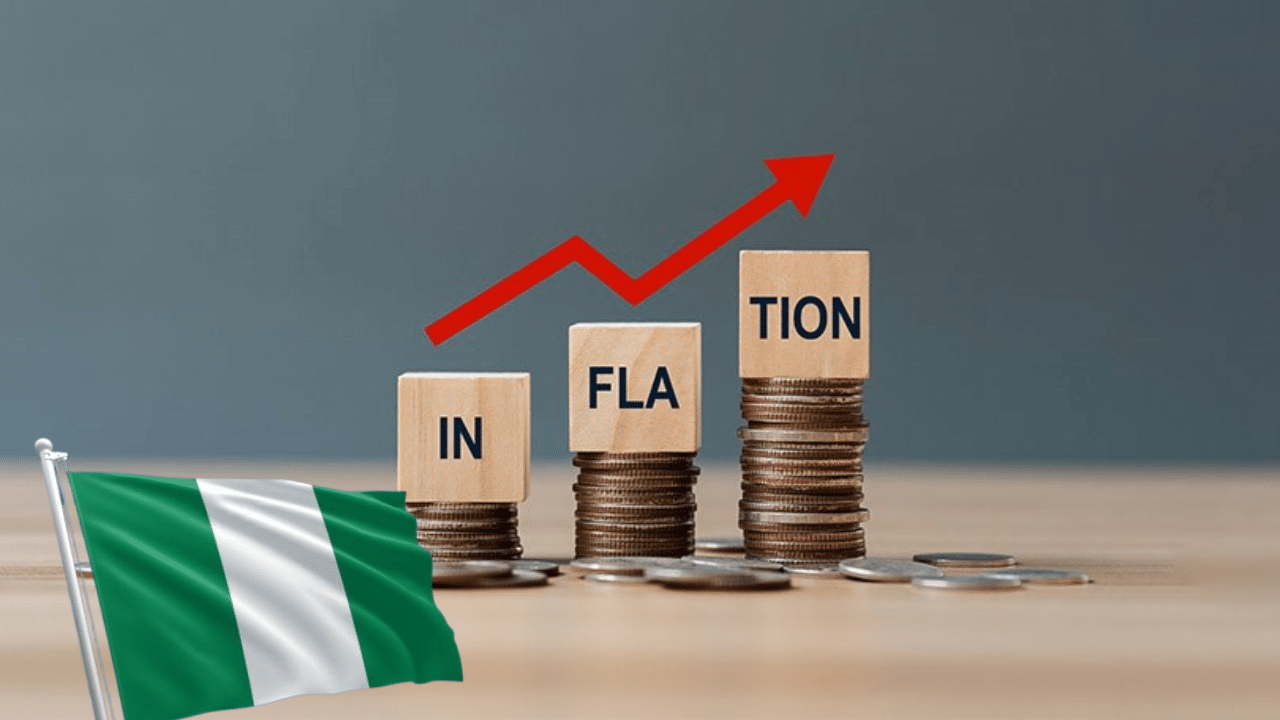
For now, inflation appears to be cooling. But how long that relief lasts will depend on how energy markets respond to geopolitical risks—and how much of those costs are passed on to Nigerian consumers, experts say.
Dangote Petroleum Refinery is set to commence nationwide distribution of petrol and diesel from August 15, 2025, a move to reshape Nigeria’s fuel supply chain.
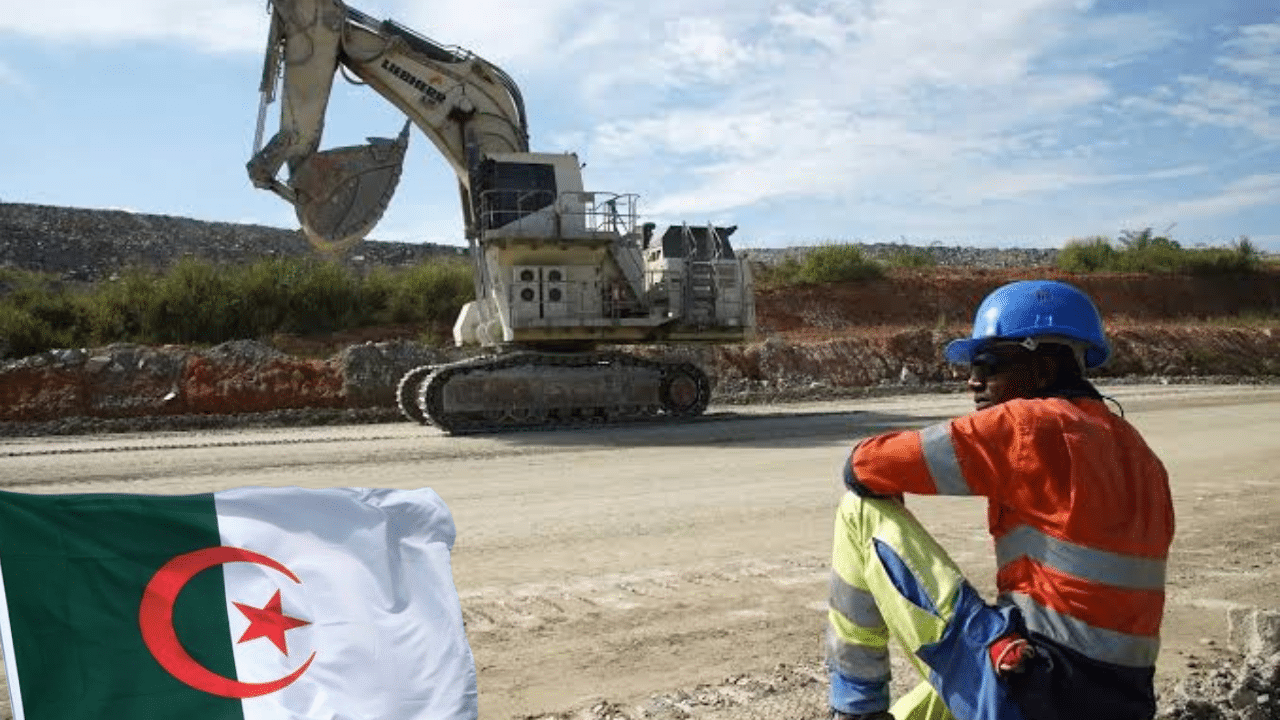
By opening up its mining sector, the OPEC country is betting that foreign capital and technical expertise can help unlock the country’s underutilised mineral wealth—strengthening its fiscal position while reducing exposure to energy market shocks.
