

Top stories
Finance
Top stories
The capital injection is part of a broader recapitalisation plan launched by the government in early 2025 to strengthen the bank’s liquidity and restore its solvency.
The improved performance builds on gains made from the bank’s ongoing strategic transformation plan, which had already lifted profits in Q1 2025 to roughly $95,900, compared to a $2.86 million loss in Q1 2024.
As Kenya shifts financing needs to domestic markets, Moody’s warns that its debt servicing cost, which is already among the highest, will remain elevated.
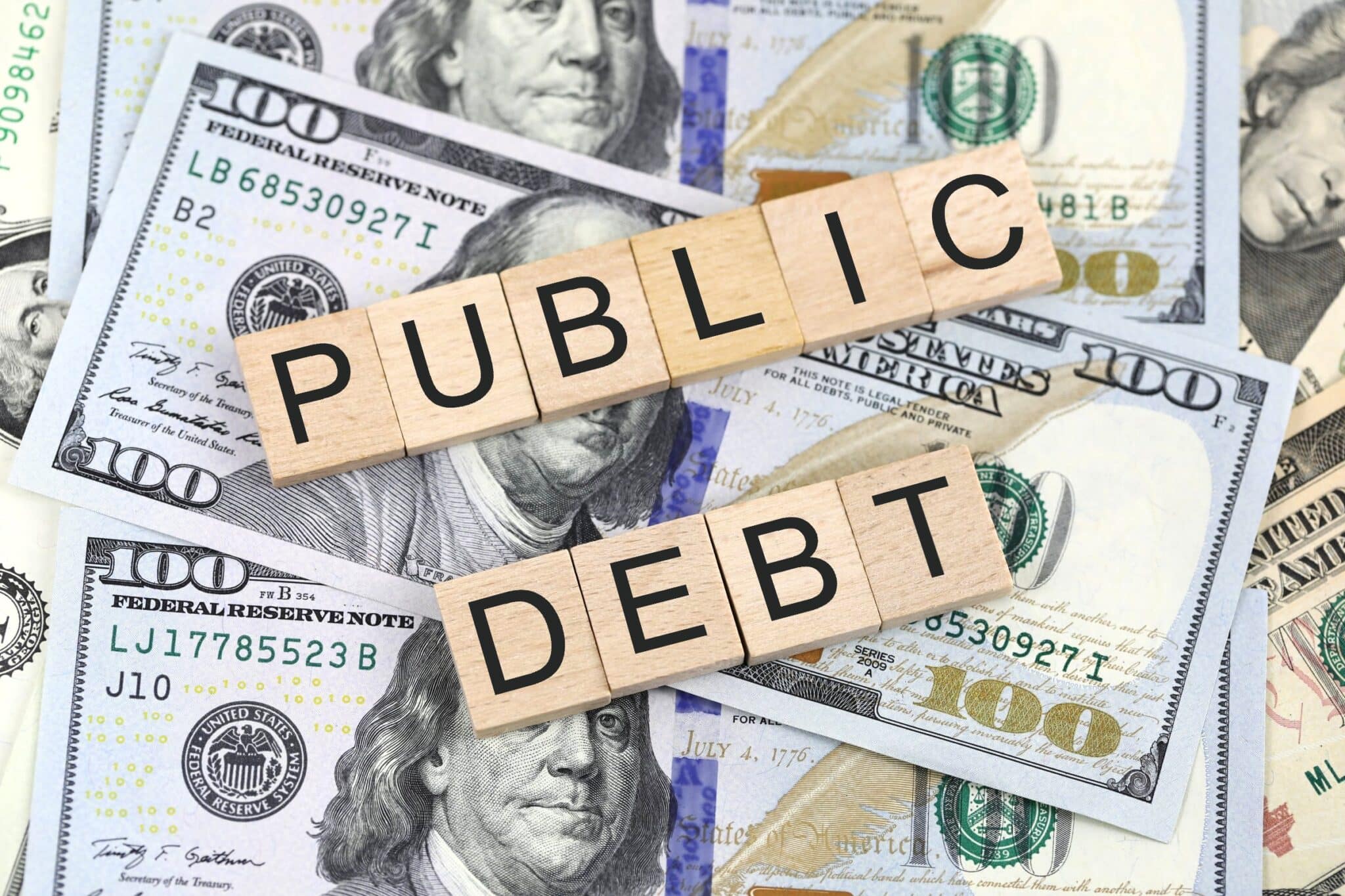
The drop comes as the oil-rich southern African nation moves to scale back its reliance on asset-backed loans amid volatile commodity prices, rising borrowing costs and weaker investor appetite.
The cost of cooking a pot of Jollof rice—a staple across West Africa—has surged in both Nigeria and Ghana, reflecting the deepening impact of food inflation on household budgets.
Nigeria’s Senate has endorsed President Bola Tinubu’s external and domestic borrowing plan totaling over $21 billion for the 2025–2026 fiscal period.
Financial inclusion is gaining pace in sub-Saharan Africa; about 58.2% now have access to a bank account, more than double the 23.11% recorded in 2011.
Nigeria’s decision comes despite a recent easing in headline inflation. According to official data, consumer price growth slowed to 22.2% in June — the third straight monthly decline and the lowest level recorded this year.
The shift reflects changes introduced in the rebasing exercise, which now captures more informal activity previously underrepresented in official estimates.
Following the completion of a comprehensive GDP rebasing exercise, the NBS has revealed that Nigeria’s economy was significantly undervalued by an estimated $64.45 billion in 2024 alone.
As a country still recovering from debt distress and natural disasters, the project offers Mozambique a chance to attract long-term investment and drive industrialisation through more reliable power.
A US tariff on processed coffee threatens Ethiopia’s push to move up the value chain, even as the country posts record export earnings, targets new markets across Asia and the Middle East.
The BoG’s assurances come as the country’s foreign reserves surged to $11 billion in June, from $10.6 billion in May — representing four months and 24 days of import cover.
Despite its small size, Lesotho was among the hardest hit when US President Donald Trump announced what he described as “reciprocal tariffs” on all of America’s trading partners on April 2.

Ethiopia is in talks with Canada, as part of its push to open up its economy, aimed at creating a better foreign investment platform that will allow investors to take local disputes to international frontier.
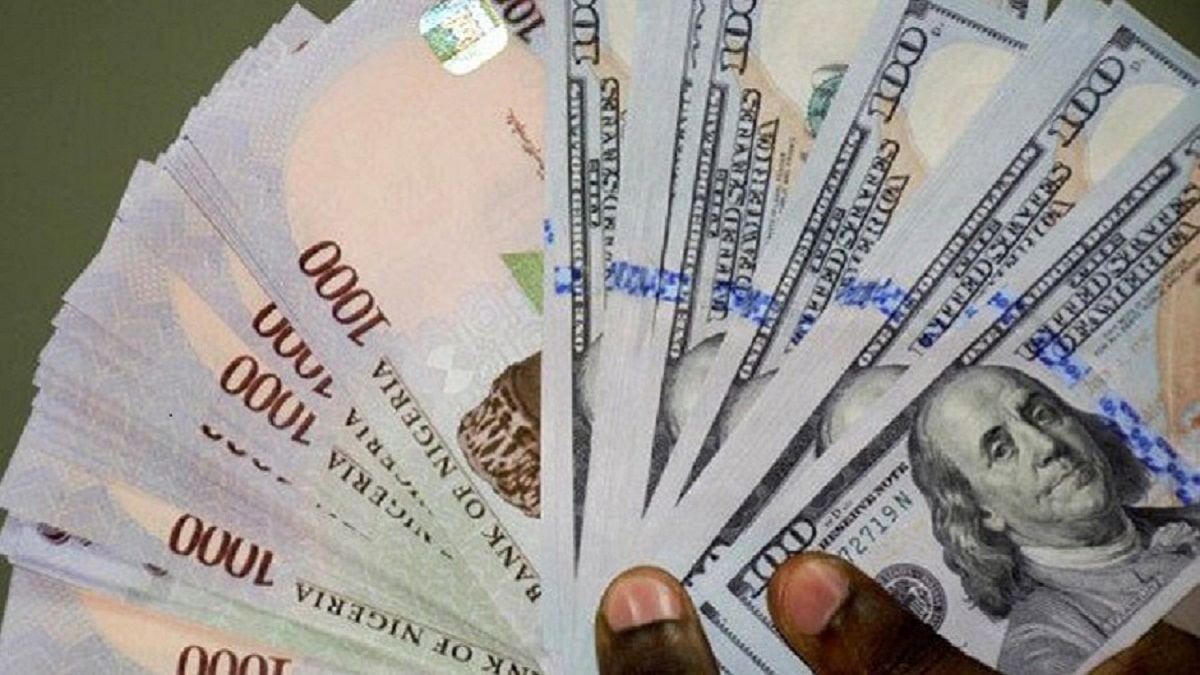
In H1 2025, revenue from exchange rate gain dropped by over 73% compared to the same period last year, highlighting the impact of a more stable naira and fewer arbitrage opportunities.
Shares of FirstHoldCo Plc, the parent company of Nigeria’s oldest bank, FirstBank, fell by 4.1% on Friday after former major shareholder Oba Otudeko offloaded his stake in a landmark transaction valued at ₦195.7 billion ($127.9 million).
The bond, issued in February 2021 and listed on the London Stock Exchange, had been trading near par at $99.00 as of July 11—an indicator of investor confidence in the bank’s ability to meet its financial obligations.
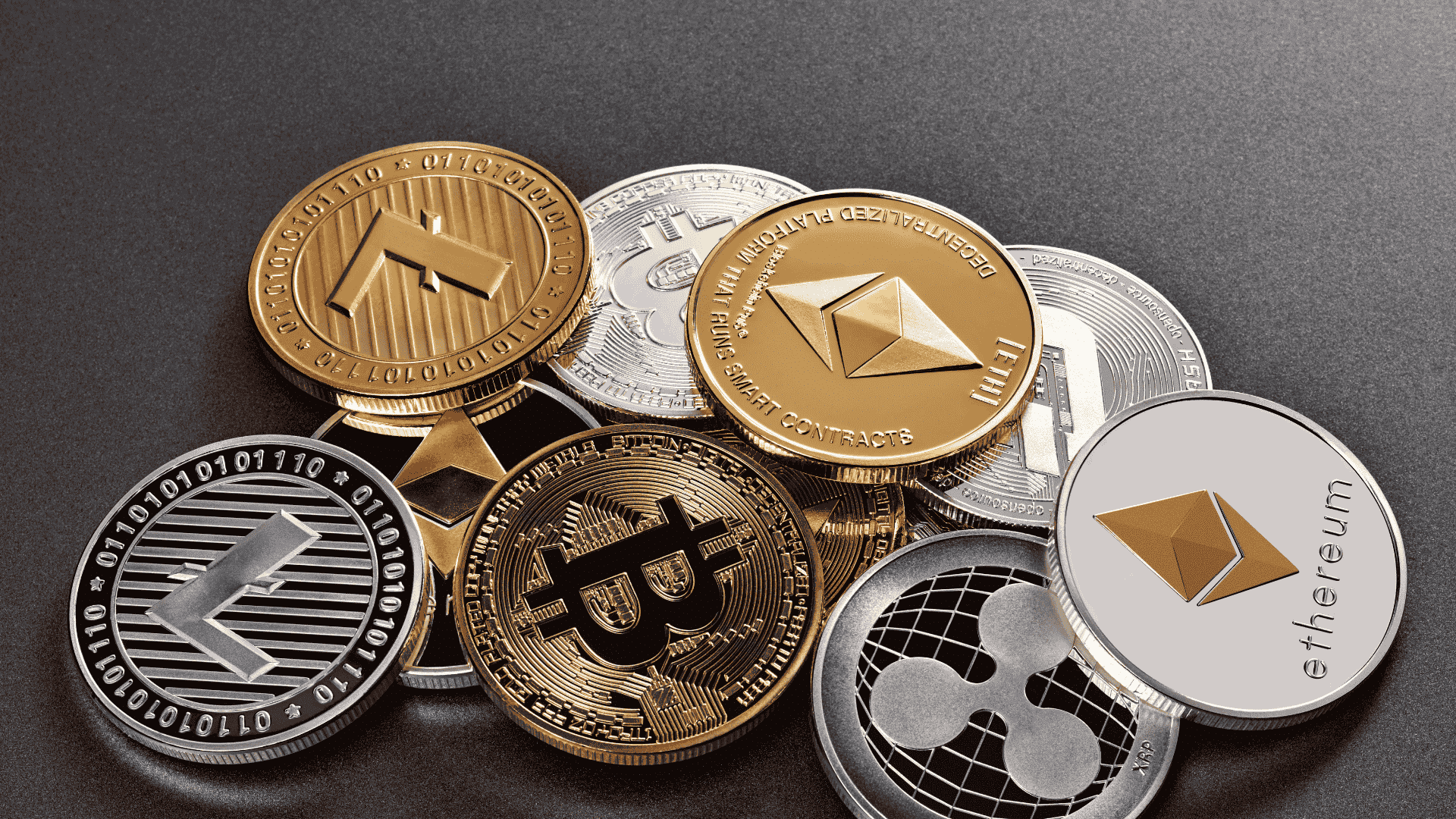
Crypto is growing up and it needs to move beyond hype. In this piece, Ayotunde Alabi, CEO of Luno Nigeria, shares how crypto is moving towards stablecoins, real-world use cases, and infrastructure built for long-term impact and trust.
The IMF, which expanded Egypt’s original loan package to $8 billion last year, has made it clear that raising more revenue is a key priority.
