

Top stories
Finance
Top stories
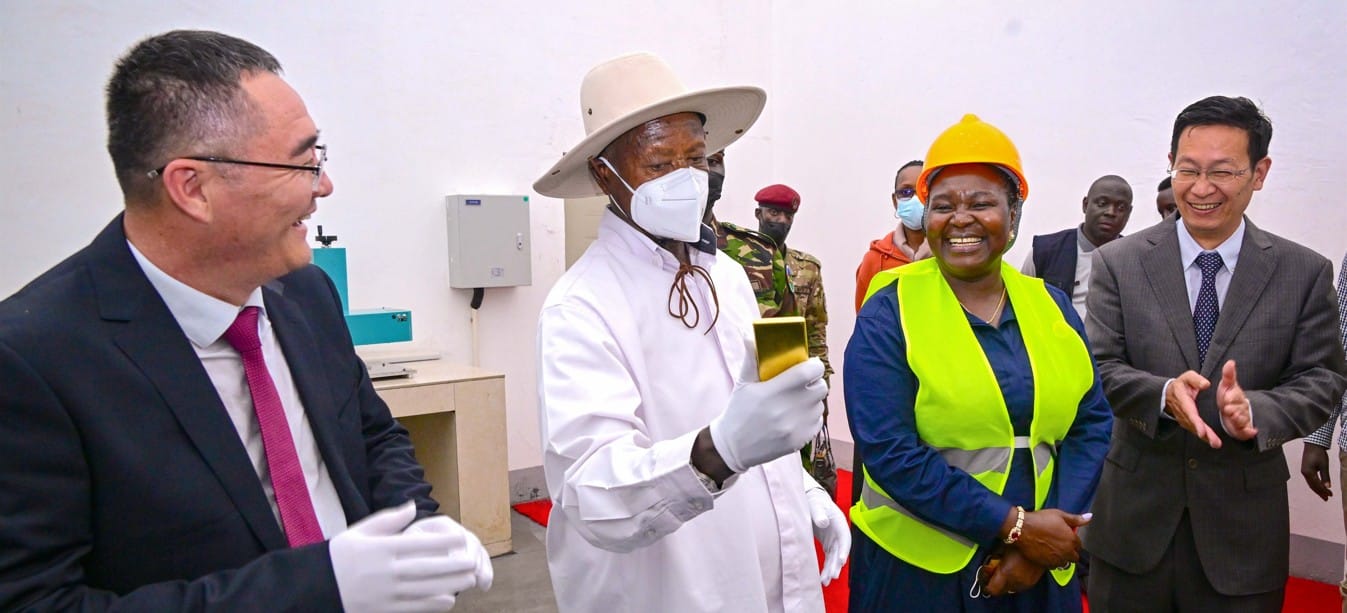
With large-scale production now underway, Uganda is betting that gold can deliver steady revenues, support industrialisation and secure a stronger foothold in Africa’s mineral economy.
Although headline inflation has eased for four straight months, analysts warn that persistent food price pressures could slow the disinflation momentum.

As of August 1, 2025, the ten largest African companies on the LSE had a combined market cap of £29.6bn, dominated by four South African firms, followed by two Nigerian and one each from Egypt and Kenya, with the remaining headquartered in London but operating heavily in Africa.
Nigeria’s cost-of-living crisis eased further in July 2025, with headline inflation slipping to 21.88% from 22.22% in June, the lowest this year.

South African lender Nedbank is selling its stake in ETI to Bosquet Investments, owned by former Ecobank chairman Alain Nkontchou, in a deal expected to close later this year.
Despite having the lowest combined brand value among Africa’s top banking markets, Kenya’s three top lenders—Equity Bank, KCB, and Co-Operative Bank—posted the continent’s highest growth, rising 25.1% to $1.18 billion in 2025, according to the latest African Banking report.
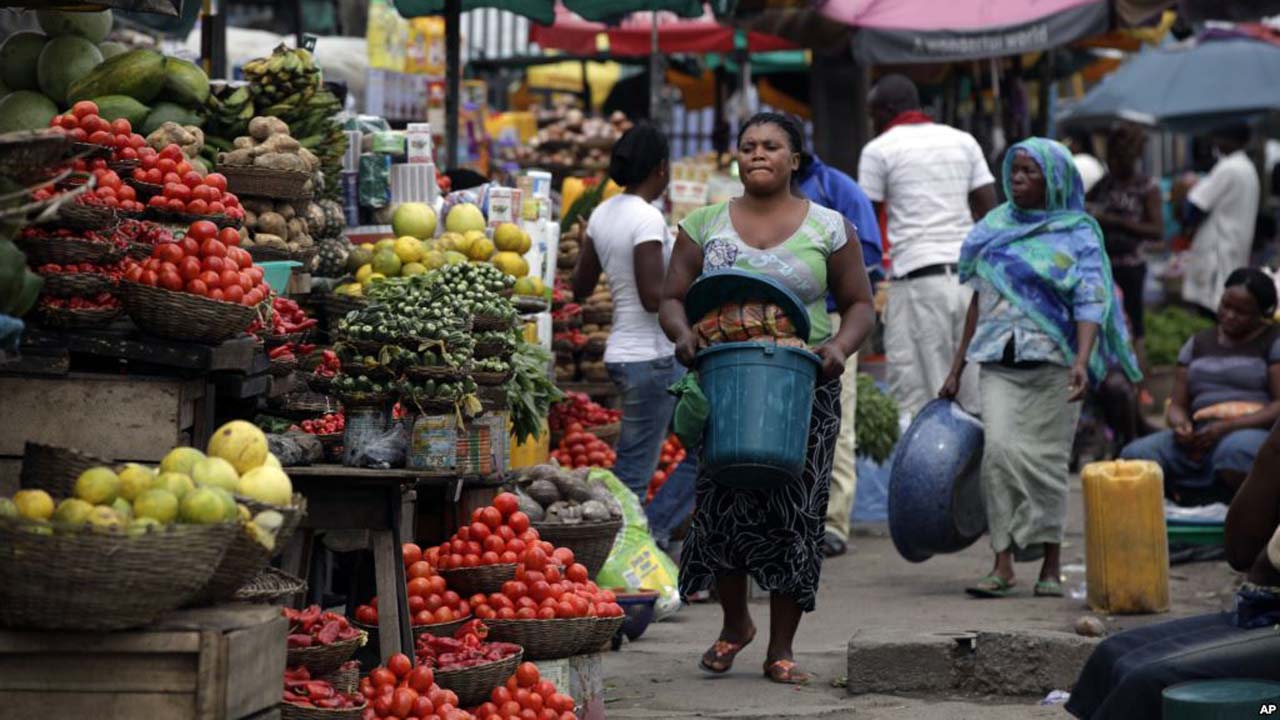
Nigeria’s headline inflation is projected to slow for the fourth consecutive month in July 2025, dipping to 21.79% from 22.22% in the previous month, according to Financial Derivatives Company (FDC).
FirstRand Group, Africa’s largest bank by market value, is positioning for entry into Kenya’s banking sector, viewing the country’s rising minimum capital requirements as a gateway for expansion.

Egypt is taking steps to position itself as a regional gold hub, with plans to establish an internationally certified gold refinery and introduce legislation to regulate gold investment funds.

The decision mirrors similar moves by Egypt and Nigeria, which also held borrowing costs steady at their most recent policy meetings amid domestic price pressures and global market uncertainties.

With continued pressure on the currency expected through year-end 2025, the outlook for dollar-denominated exports remains bleak.
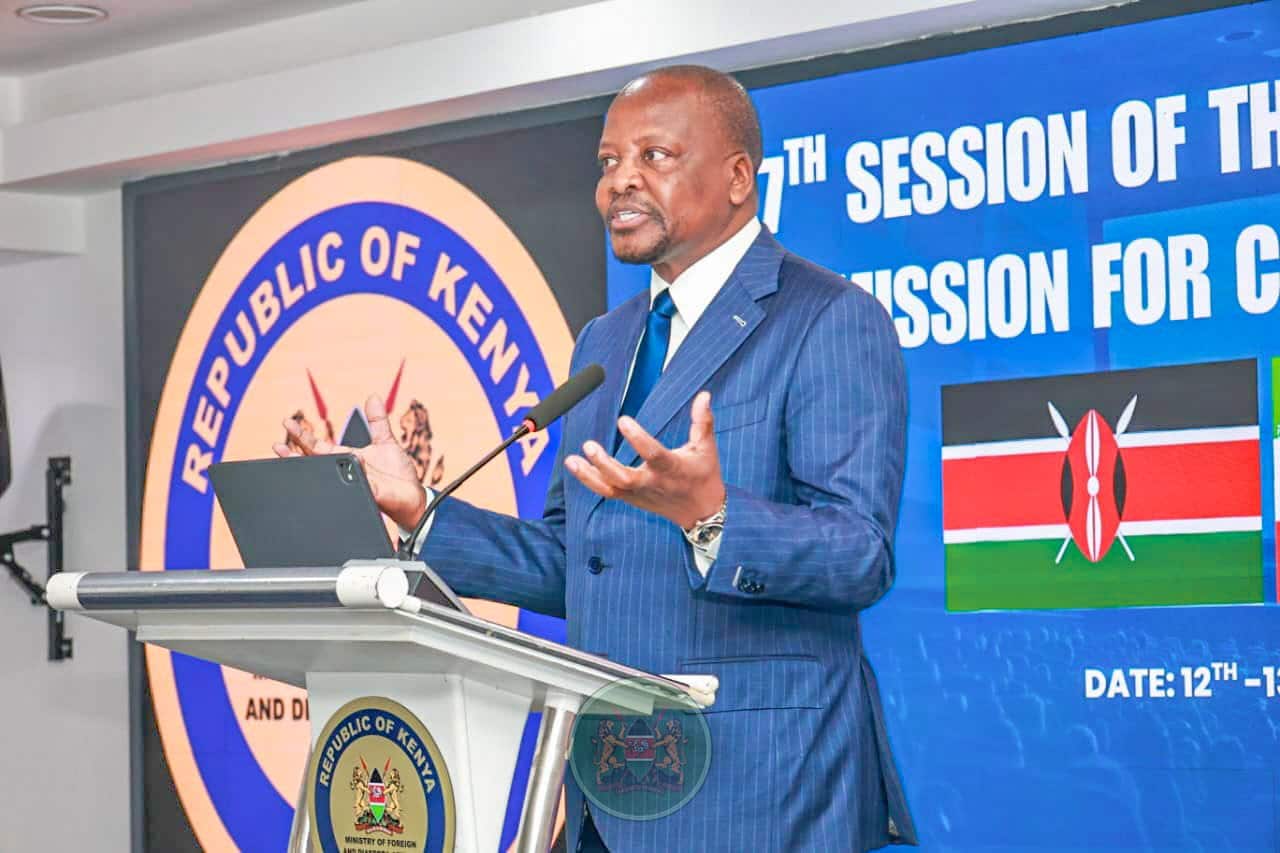
Kenya and Iran have given themselves 60 days to resolve a tea export dispute sparked by a quality-fraud scandal that strained diplomatic and commercial ties.

South Africa’s labour market deteriorated further in the second quarter, with the official unemployment rate climbing by 0.3 percentage points to 33.2%, according to Statistics South Africa.

Data from the Kenya National Bureau of Statistics show 214.5 million transactions were recorded during the month — a steep 29.2% drop from April’s 303.1 million.

On Tuesday, Kenya’s central bank cut its benchmark lending rate to 9.50%, the lowest since May 2023, to boost growth as inflation rises to 4.1% and business activity contracts further.
The African Development Bank (AfDB) is set to provide $500 million to Ethiopian Airlines, a move that will establish the Airline as Africa’s largest airline after completion in 2029.
According to Akobo’s disclosure, ETI has acquired 7.4% stake in its shares, amid lingering debt facility.
On August 5, 2025, President Bola Tinubu signed the Nigerian Insurance Industry Reform Bill into law, marking a significant overhaul of the sector in more than two decades.

Egypt’s annual urban inflation slowed to 13.9% in July 2025 from 14.9% in June, offering a modest reprieve, amid contraction in non-oil private sector for the fifth consecutive time.
Nigeria led the region with a headline PMI of 54.0, reflecting strong expansion. South Africa followed with a moderate reading of 50.3, and Ghana maintained its level at 50.2—both indicating marginal growth. Egypt’s own increased to 49.5, while Kenya ranked lowest at 46.8.
