

Top stories
Finance
Top stories
S&P Global has upgraded Kenya’s credit rating and assigned a stable outlook, citing resilient economic growth supported by easing external liquidity risks.
According to a new report on Monday, private equity investments in South Africa surged 66% in the first half of 2025 as higher commodity prices and global market volatility spurred investor appetite for Africa’s most industrialized economy.
The surge underscores the resilience of US demand for African goods, but the gains have been uneven. Nigeria and Egypt are emerging as the biggest winners, while South Africa and Algeria are struggling under the weight of protectionist duties.
Standard Bank Group has appointed Joshua Oigara as Regional Executive for East Africa, while he continues to serve as Chief Executive and Executive Director of Stanbic Kenya.
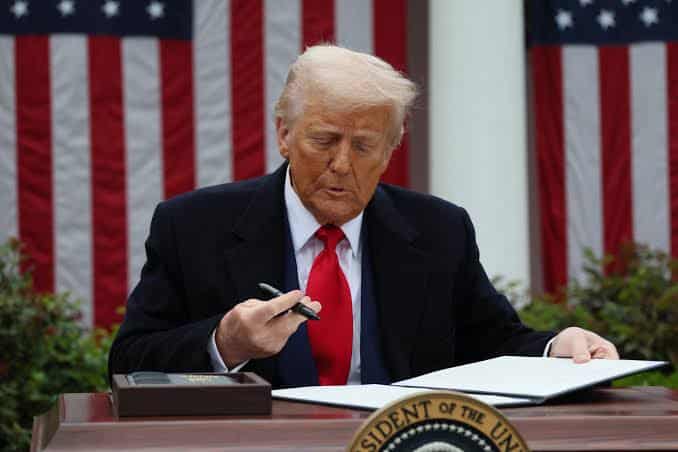
The return of Donald Trump to the US presidency in January introduced uncertainty and recalibration in US-Africa investment dynamics

Presco, Nigeria’s largest palm-oil producer, plans to spend $172m to acquire plantations in Ghana and Nigeria, a move to solidify earnings, landmark, and boost access to capital.
The negotiations, which could slash interest costs by nearly half, also seeks to extend repayment deadlines and ease pressure on public finances.
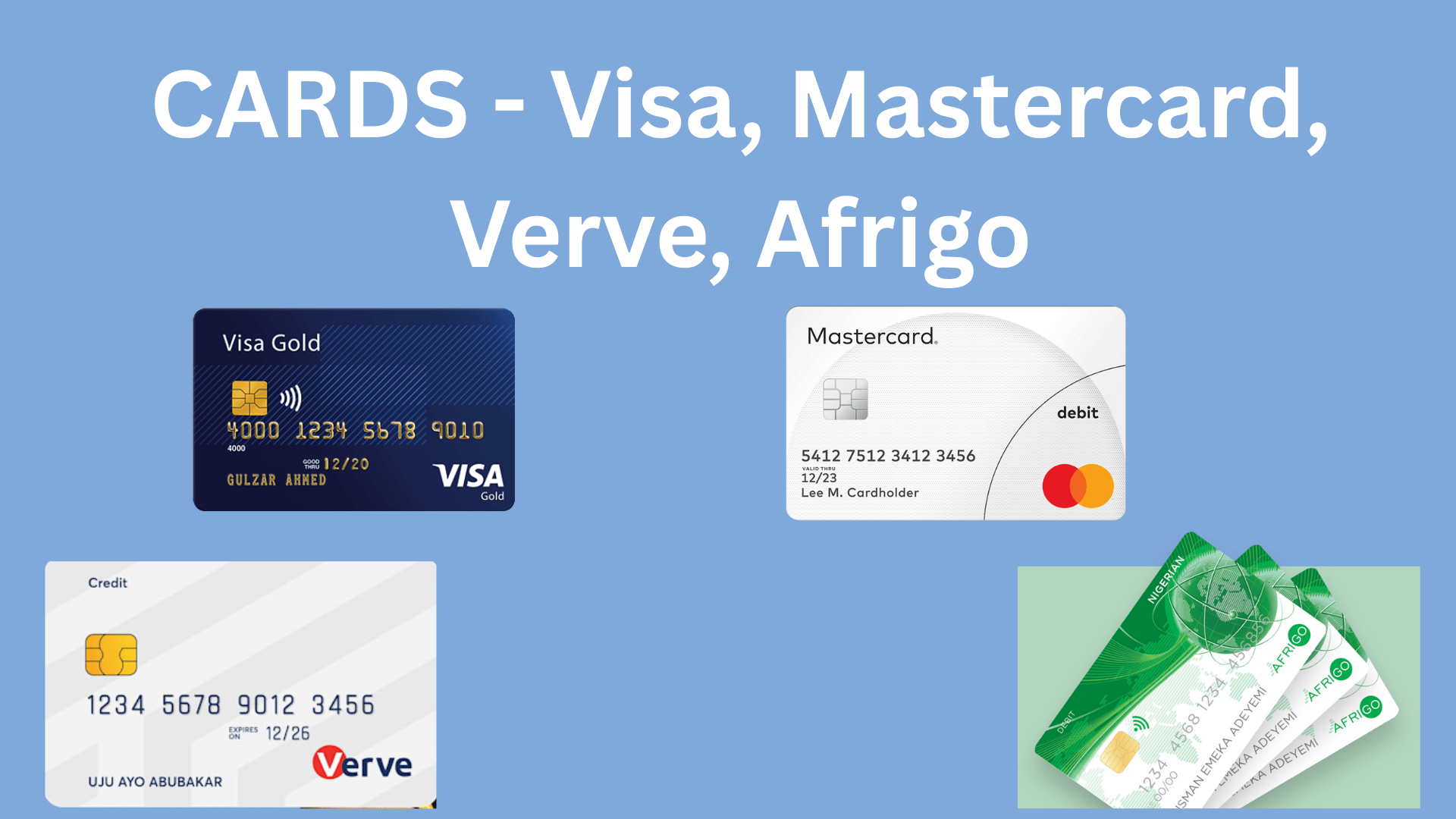
Nigeria’s card rails underpin payments, linking banks, fintechs, and merchants in seconds. But building on them means navigating complexity, trust, and scale.
With presidential elections scheduled for October 2025, the International Monetary Fund further cautioned that political pressures could complicate fiscal consolidation.

National Pension Commission (PenCom) has blacklisted seven mortgage lenders from its retirement-savings-backed housing scheme, underscoring both the potential and risks of deploying pension assets to ease the housing crunch.

More than 1,000 Kenya’s chief executive officers are entering the second half of 2025 with optimism, see growth but fear rising cost, tax obligation, and tariffs uncertainties.
The fresh capital is expected to lift the unit’s standing into Tanzania’s top five lenders from its current tenth position, where it manages assets of $666 million.
According to PwC Nigeria, real household spending in the country is expected to recover in 2025, reaching $16.7 billion — the highest in three years — after two straight years of decline.
Government measures offered critical support to South Africa’s retail sector in 2024, easing household pressures and shielding local businesses from foreign competition.
New data from the Ethiopian Investment Commission (EIC) shows that FDI rose to $4bn in the 2024/2025 fiscal year from $3.8bn a year earlier, driven by a surge in investment permits.
Analysts see South Africa’s GDP rising by 0.4% in the second quarter of 2025 after a weak start to the year, but the US trade tariffs, high unemployment, and fragile investor confidence weigh heavily on recovery prospects.
Paul Russo, KCB’s CEO said the bank is weighing an application for exemption from Ethiopia’s foreign ownership rules, which cap overseas stakes at 49%.
The country’s manufacturing sector faces a capital drought as inflows drop to $129.9m in the first quarter of 2025, down 32% year-on-year , with analysts warning of rising deindustrialisation risks.
The telco gaint, which operates across 16 African markets and serves over 298 million customers, said Nigeria’s revenue rose by 54.1% to $1.54bn on a constant currency basis, while Ghana advanced 39.9% to $1.13bn.
The advance payment requirement comes alongside sweeping reforms to Ethiopia’s tax framework, following the passing of the Income Tax (Amendment) Proclamation on July 17, 2025.
