

Top stories
Finance
Top stories
President Mahama of Ghana’s move to scrap barriers to foreign investors is a clear bid to open up the state after more than a decade of the Investment Promotion Act, which curbed inflows into the country.
Analysts warn the upswing may be short-lived, with the outlook for the rest of the year overshadowed by punitive US tariffs
According to DealMakers Africa, rising global interest rates, a strong US dollar, and geopolitical tensions drove international capital toward safer, higher-yielding markets, leaving African deals in retreat.
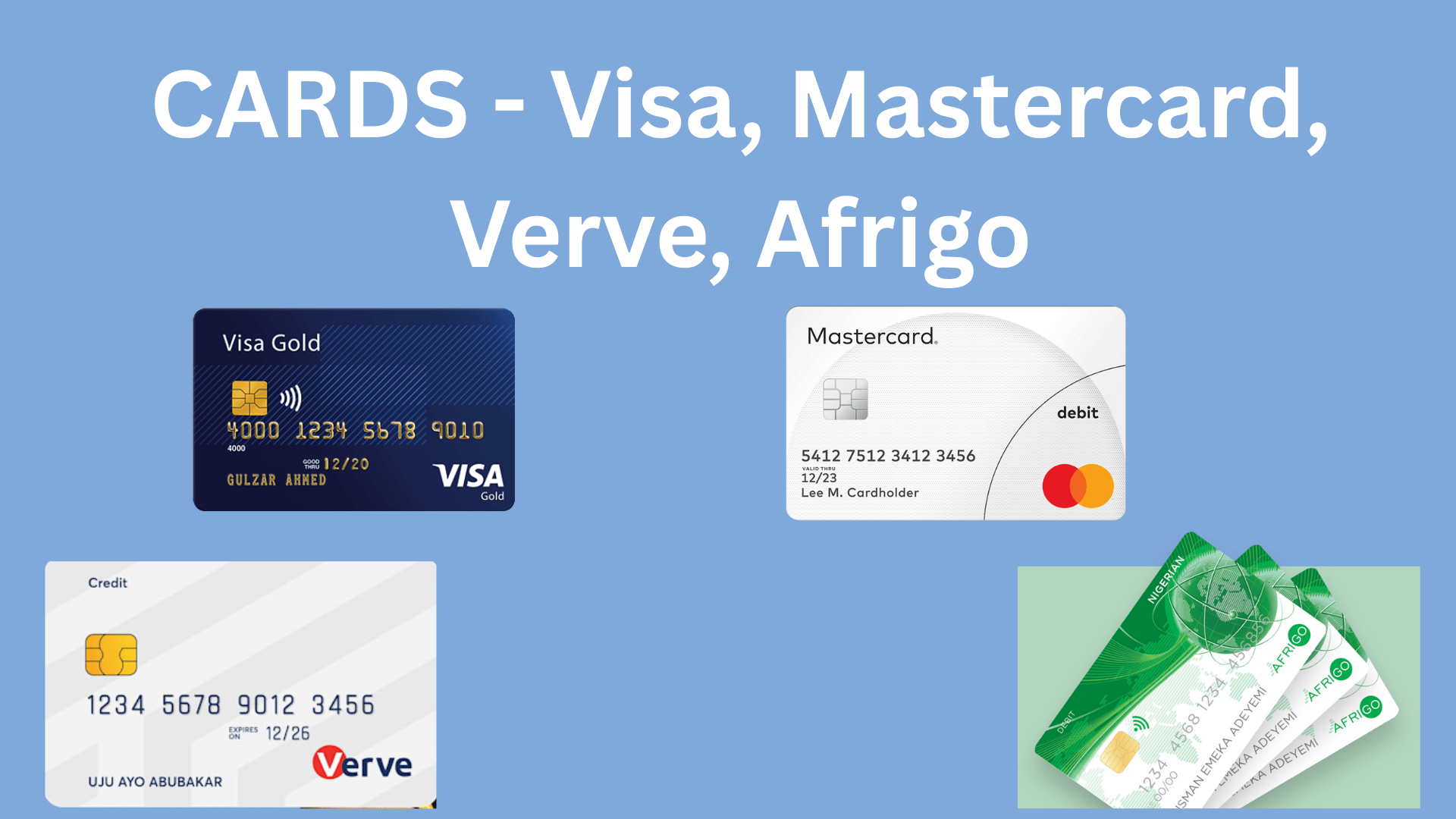
Nigeria’s open rails turned cashless payments into a trillion-naira success. Card exclusivity now risks undoing the gains, raising costs and stifling competition.
The move, if implemented, would mark a break from the apex bank’s long tightening cycle and the first cut since September 2020.
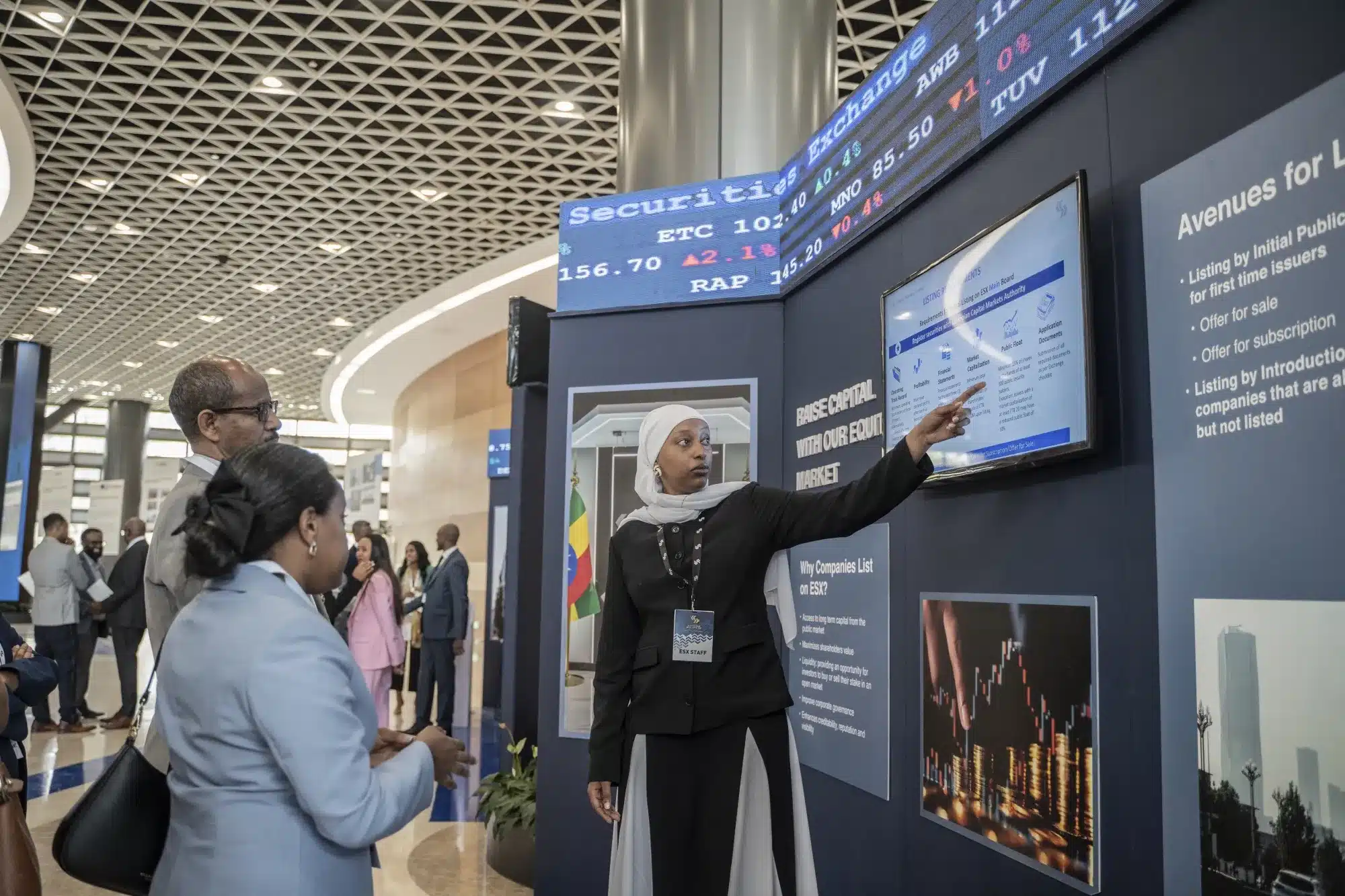
Ethiopia’s long-awaited stock market, the Ethiopian Securities Exchange (ESX), has begun to take shape after decades without a modern capital market. Officially launched on January 10, 2025, the exchange is central to the country’s financial liberalisation drive.
Consumer prices dropped for the eighth consecutive month to 11.5% in August 2025 from 12.1% in the previous month, marking the lowest level since October 2021.
The stalemate comes at a delicate moment for Africa’s most industrialised economy, already grappling with the devastating fallout of a 30% US tariff hike — the highest rate across the continent.
The Bank of Ghana has barred five international remittance operators from handling transfers for a month, citing unauthorised dealings with local payment firms, a move to enforce regulatory compliance.
Rand-driven cost relief gave firms much-needed breathing space, but tepid demand and renewed job losses show that momentum remains uneven.
Mamo Mihretu has stepped down as governor of Ethiopia’s central bank, a post he has held since January 2023 amid sweeping economic and monetary reforms.
The recovery in the sector comes even as inflation climbed for a second month, hitting 4.5% in August, the highest since July 2024.
The talks come amid mounting pressure to secure fresh concessional loans to ease the burden of rising debt in the East African nation.
Although the rise in local currency suggested growth, the shilling’s sharp depreciation—averaging KSh 139.9 per dollar in 2023 versus KSh 117.9 in 2022—led to an 8.77% ($972.8m) drop in dollar terms, reversing the 11.9% ($1.3bn) gain recorded in 2021.
Nigeria’s Securities Exchange suspended three insurers for missing filing deadlines, with two now compliant and awaiting suspension lifts.
The Federal High Court has ordered Unity Bank’s shareholders to vote on a merger with Providus Bank, a move that would see the century-old lender dissolve without winding up.
This marks the third rate reduction in 2025, reflecting cooling inflation alongside faster growth. Preliminary data showed Egypt’s economy expanded 5.4% in the second quarter, up from 4.8% in the first.
There are growing expectations that the US Federal Reserve could cut interest rates in September 2025—a move that may pave the way for cheaper external borrowing for Nigeria before year-end.
Kenya’s statistics agency attributed the uptick in inflationary pressures during the period to rising food, transport and utility costs, which together account for 57% of the consumer basket.
The Islamic lender also assured that it is on track to meet the October 31, 2025, deadline for migration to ISO 20022, saying its core payment infrastructure is already enabled for the new standard.
