

Top stories
Finance
Top stories
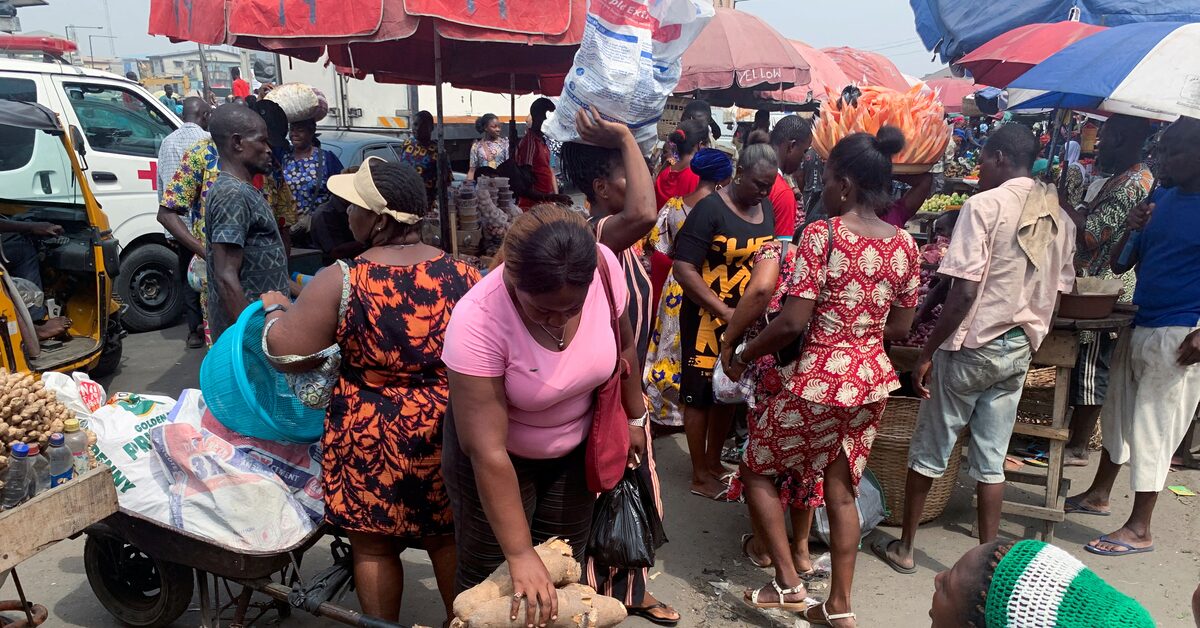
Six and a half decades later, Nigeria is Africa’s most populous nation with over 210 million people and a $250.7bn economy. But its economic story has been defined as much by missed opportunities as by growth spurts — a cycle of oil booms, painful busts, and reform resets.

Dubbed the Impact Investment Program, the country’s Citizenship-by-Investment initiative expected to take full effect early next year.

Ethiopia’s interbank money market has passed the $6.9 billion mark less than a year after launch, underscoring progress in monetary reforms and investor confidence in financial liberalisation drive.
Following news of the talks, the bond rose by as much as 2.6 cents to trade at 94.88 cents on the dollar, according to Tradeweb data, reflecting investor optimism that a deal may be within reach.

Ethiopia’s Central Bank has raised the banking sector credit cap to 24%, despite plans to fully lift the Cap as planned in September, amid falling inflation.

The Central Bank of Kenya (CBK) has unveiled draft regulations requiring all credit guarantee firms operating in the country to hold a minimum core capital of KES 1 billion ($7.86 million).
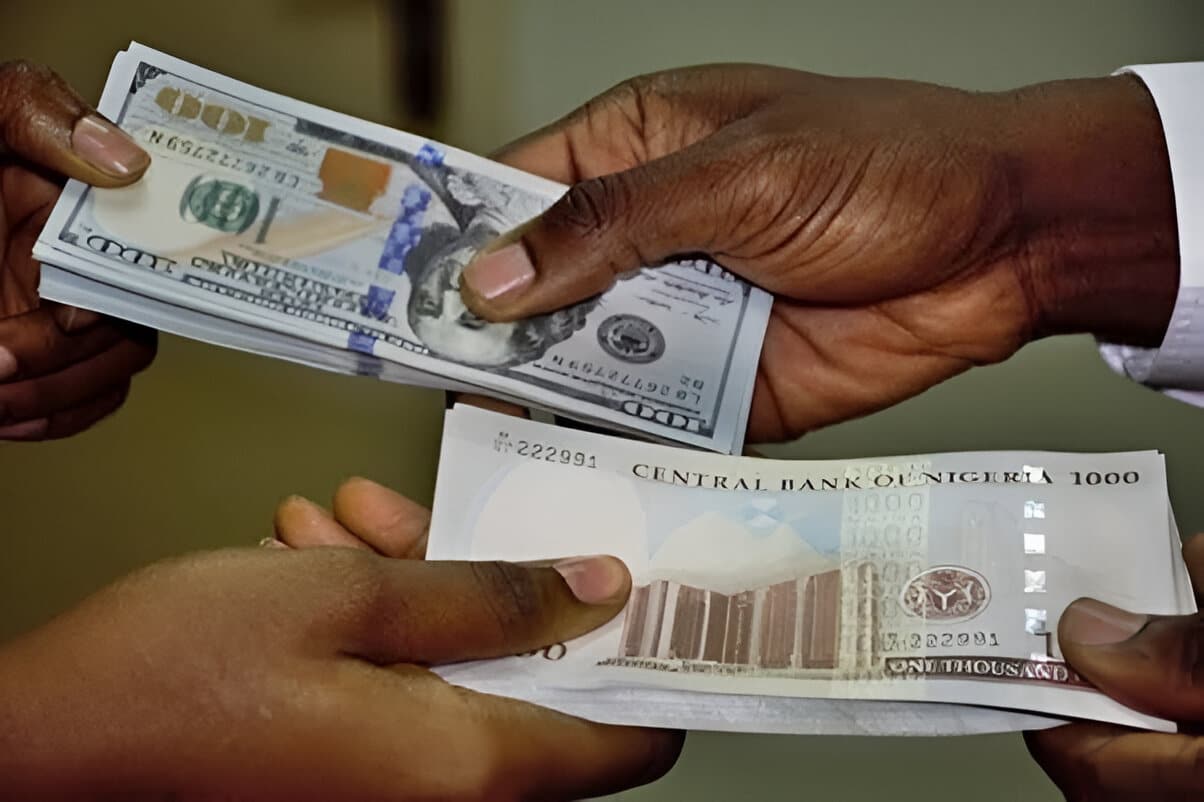
The naira has climbed to its strongest level in eight months following the Federal Reserve’s first rate cut of the year, though analysts still expect it to face modest pressure as 2026 unfolds.

The Mauritius International Financial Centre (IFC) climbed six places in the 38th edition of the index to rank 52nd worldwide, now trailing only Dubai and Abu Dhabi in the Africa and Middle East region.
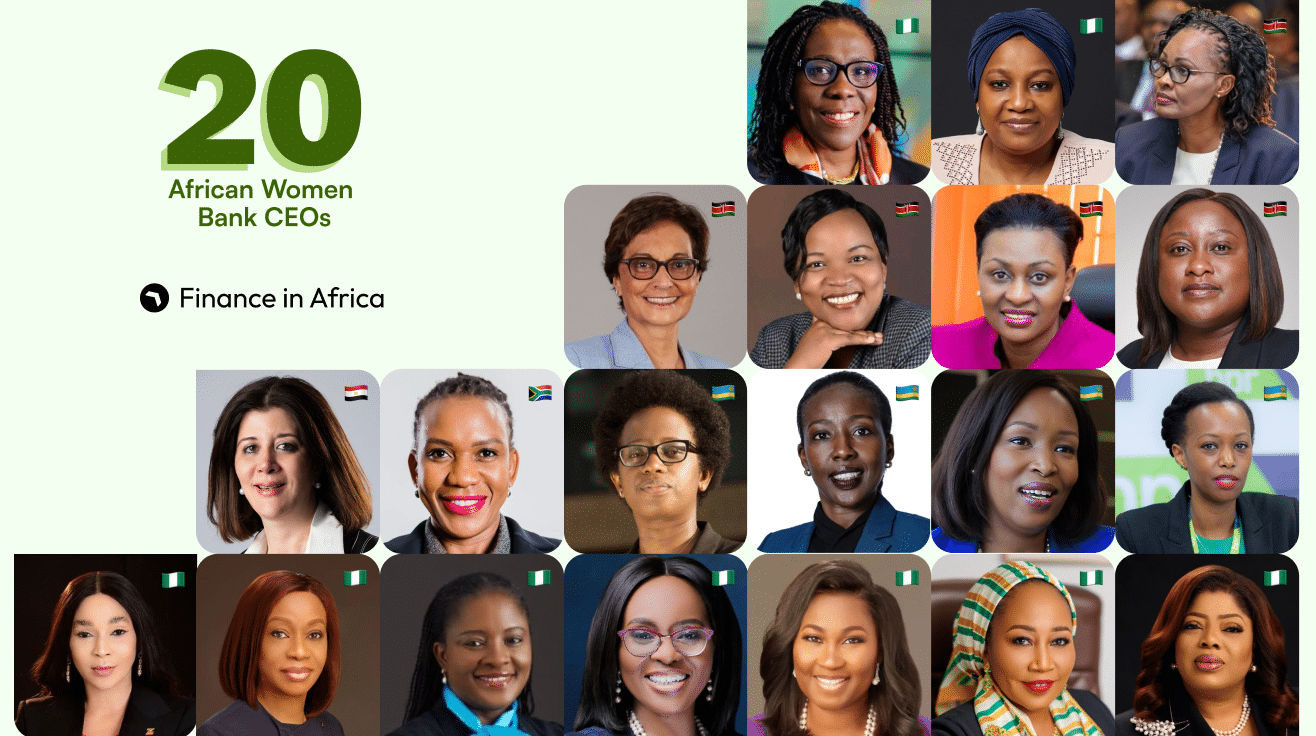
From Lagos to Kigali, women are steadily reshaping Africa’s financial landscape, leading some of the continent’s largest and most influential banks. Nigeria stands out with nine women at the top of major institutions.
Ecobank Transnational Incorporated (ETI) has completed the sale of its 98.8% stake in Ecobank Mozambique to Malawi’s FDH Bank Plc, ending its 11-year presence in the Southern African country.

TAJBank Limited, Nigeria’s fast-growing Islamic lender, has surpassed the Central Bank’s minimum capital requirement for regional non-interest banks, well ahead of the March 2026 deadline.

Vice President Philip Mpango disclosed the ambitious FDI target at Tanzania–U.S. Trade and Investment Forum held at the sidelines of the ongoing UNGA while pitching American investors.

Pearl Nkrumah takes the helm of Access Bank Ghana on October 1, 2025, becoming the lender’s first female chief executive, amid accelerating the lender’s local and global footprint.

Analysts say the outcome of the new rule will test whether Kenya can strengthen its tax base without discouraging investment from some of the world’s largest digital players.
The government’s immediate plan is to raise $122 million through three yet-to-be-named domestic lenders to refinance part of the obligation due next month.

The growing interest follows sweeping reforms designed to open up the economy to the global market after decades of tight state control.

Donald Trump’s $100,000 fee on H-1B visas could make hiring African professionals prohibitively expensive, amid growing tech African professionals.
In an operating environment marked by high inflation, weak consumer purchasing power, and multiple taxes, women entrepreneurs are quietly outperforming their male peers.

Incremental Profit, a South African supply chain firm, has announced a partnership with Onebeat, a global AI-powered firm, to improve inventory management for retailers and distributors in South Africa.
Behind every selfie and ID check lies the hidden machinery powering Africa’s digital finance. Find out how KYC fuels trust, scale, and inclusion.
