

Top stories
Finance
Top stories

Zest Payments has been fined $1.89k by Nigeria’s Central Bank for late filing of its 2023 accounts, a fresh setback for the two-year-old fintech, yet to break even despite hefty capital injections.
Africa’s trade finance shortfall won’t be fixed by banks alone — embedded finance and digital liquidity platforms hold the key to inclusive, cross-border trade growth.
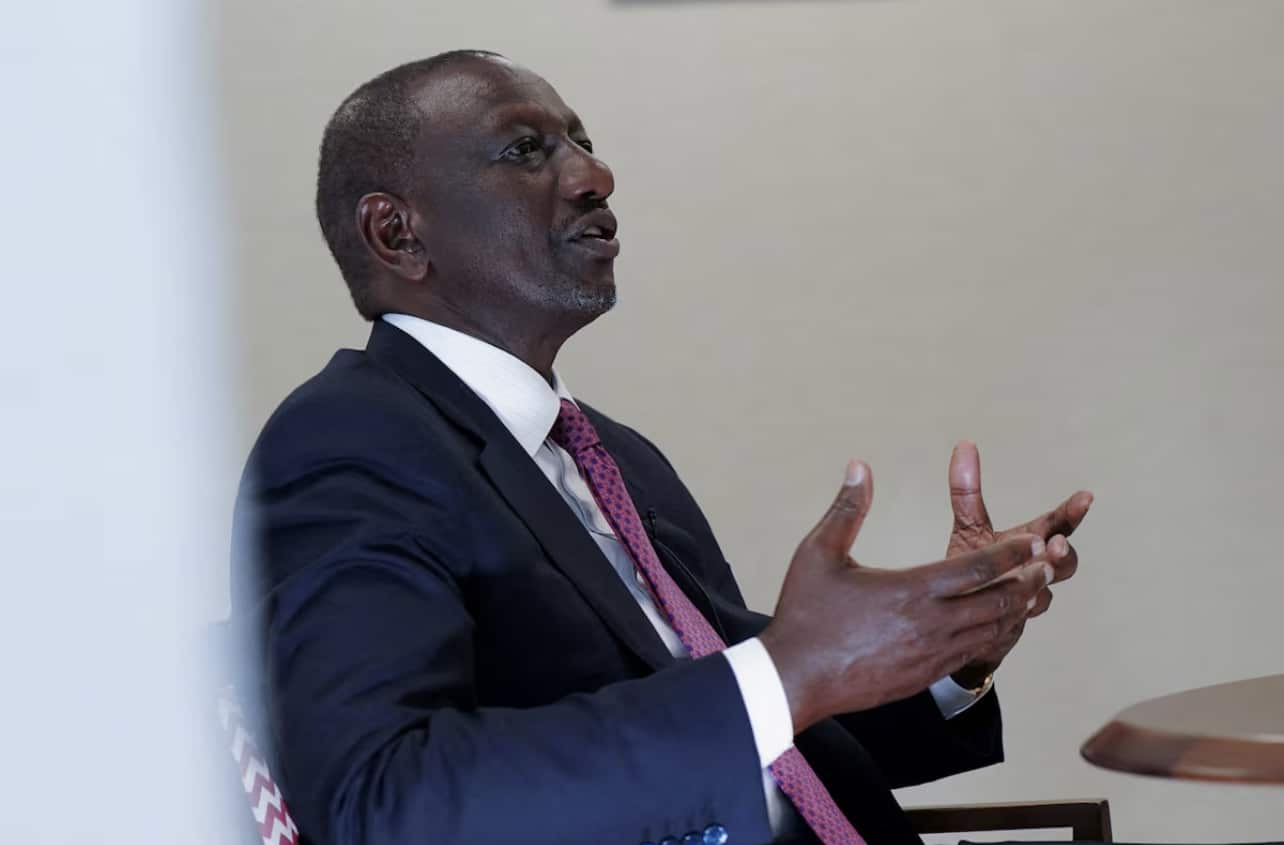
The move marks a shift from over a decade of debt-driven infrastructure expansion that has left the country with one of Africa’s highest debt service burdens.
The AfDB’s proposed funding comes shortly after the World Bank disclosed plans to extend $750 million in new loans to the western African nation, covering projects in digital infrastructure and healthcare resilience.
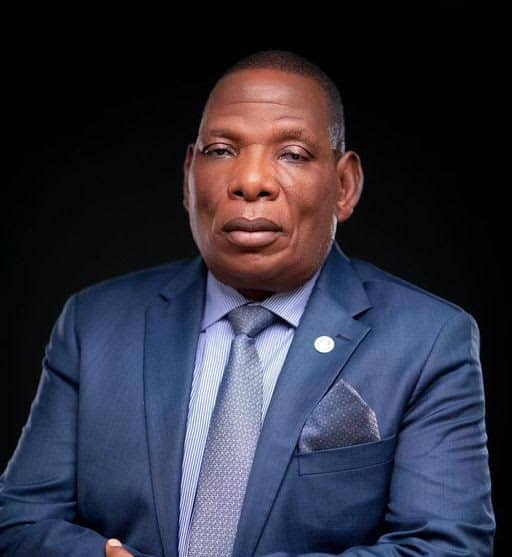
Mwanamvekha returns to office amid severe economic headwinds marked by persistent inflationary pressures, severe foreign exchange shortages, mounting debt and slow growth.

According to the Group, the West African nation must grow by an average of 15% annually to reach the milestone, noting that while ongoing reforms are commendable, they remain insufficient to bridge the country’s wide growth gap.
The latest PMI reflected sustained growth in output and new orders, as firms reported an uptick in domestic and regional demand.
The contraction marks the third year of consecutive decline and the lowest level since 2014 when the sector’s assets stood at Ksh 56.9 billion ($422 million) .
While attention has centred on the newly gazetted rules in recent weeks, less focus has been given to the taxes that have been erased.
The upturn comes after months of sluggish performance weighed down by political protests and higher costs earlier in the year.
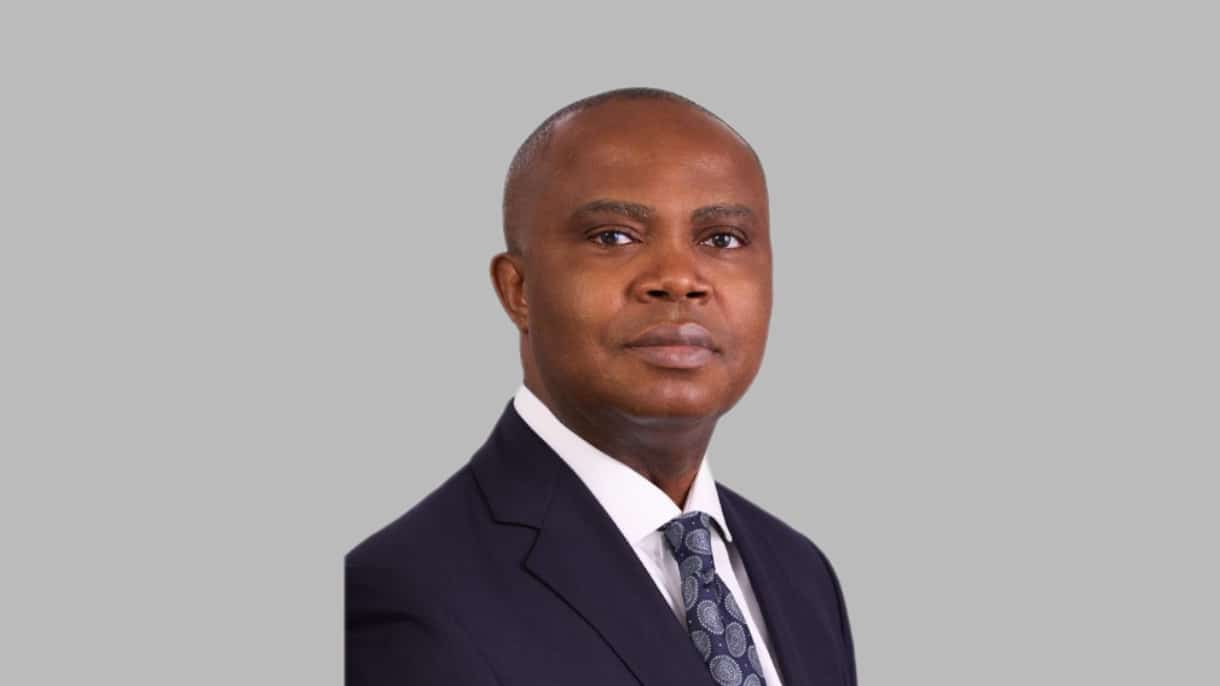
Stanbic IBTC, Nigeria’s priciest banking stock, has named Chukwuma (Chuma) Nwokocha as Group Chief Executive after a year under interim leadership.

The 100 basis point cut was loosely in step with market expectations and follows a steady decline in inflation since mid-year.
The Nairobi Securities Exchange (NSE) has unveiled a Banking Sector Index to give investors a sharper view of Kenya’s largest and most liquid sector, with a cumulative total asset of KSh 7.9trn ($60bn).
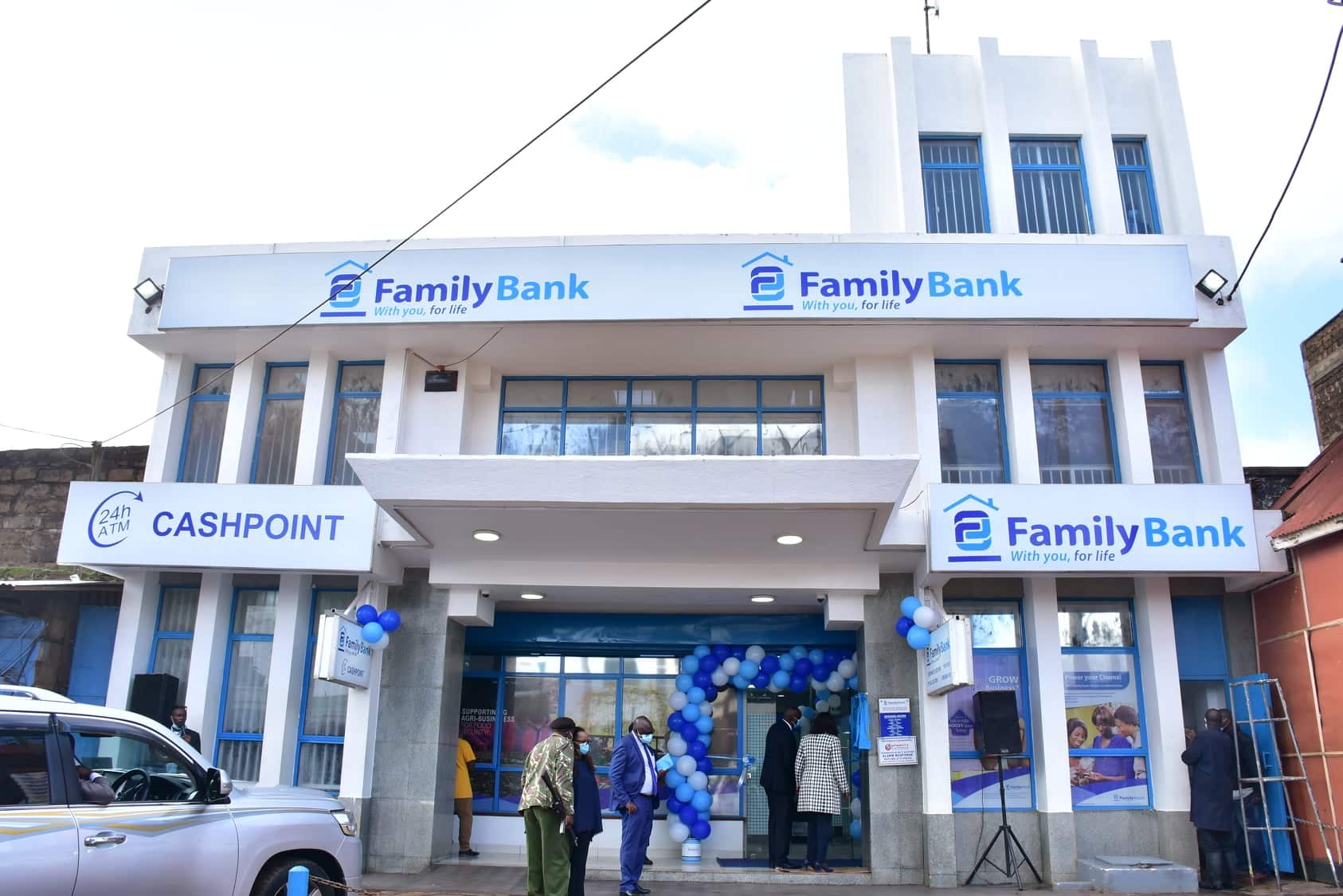
Family Bank Kenya is set to debut on the Nairobi Securities Exchange, breaking a long drought of new listings on the bourse, buoyed by its strong earnings performance.
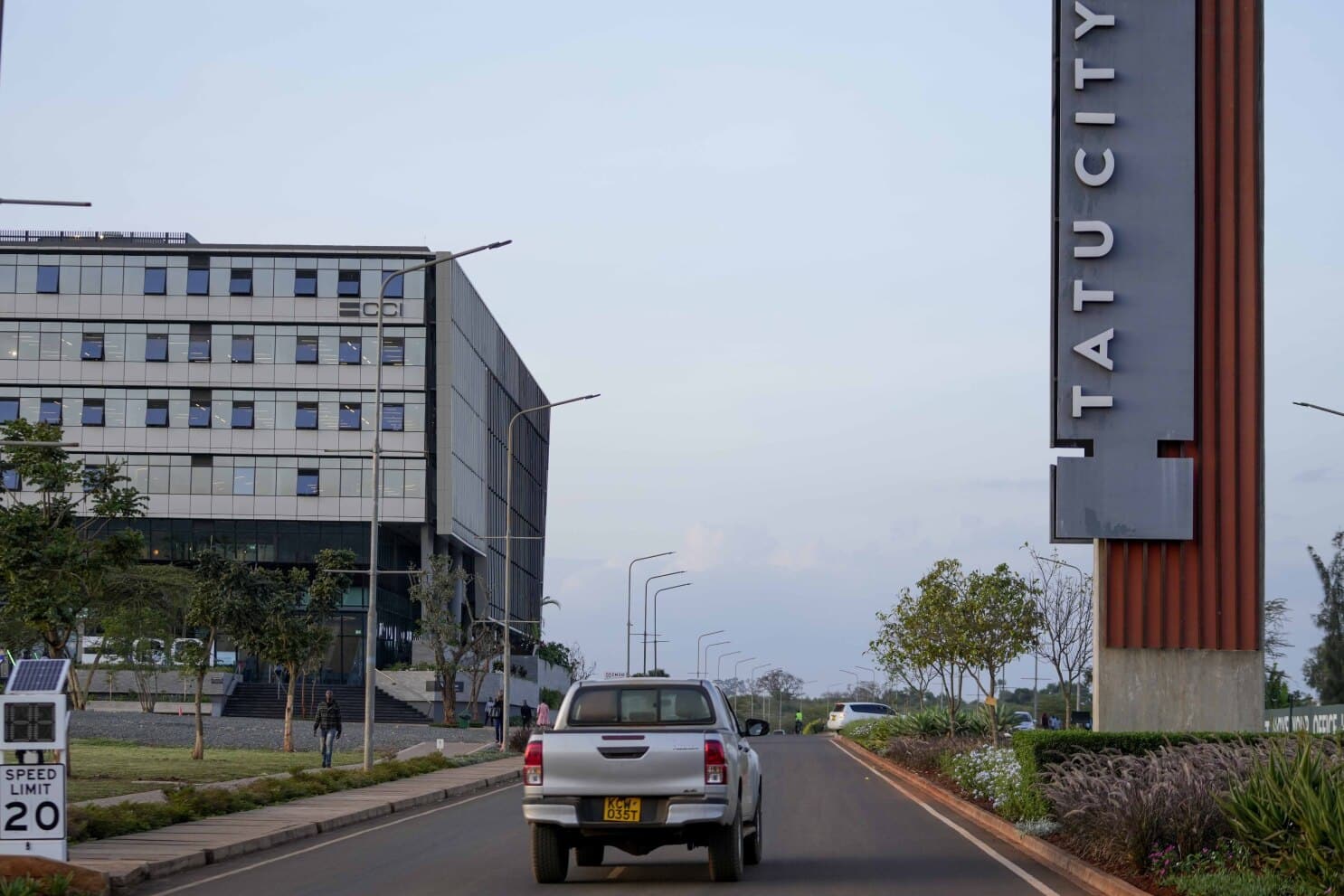
Kenya’s industrial map is shifting. A growing number of manufacturers and logistics companies are abandoning Nairobi’s ageing Industrial Area for Tatu City — a $3 billion privately built Special Economic Zone (SEZ)
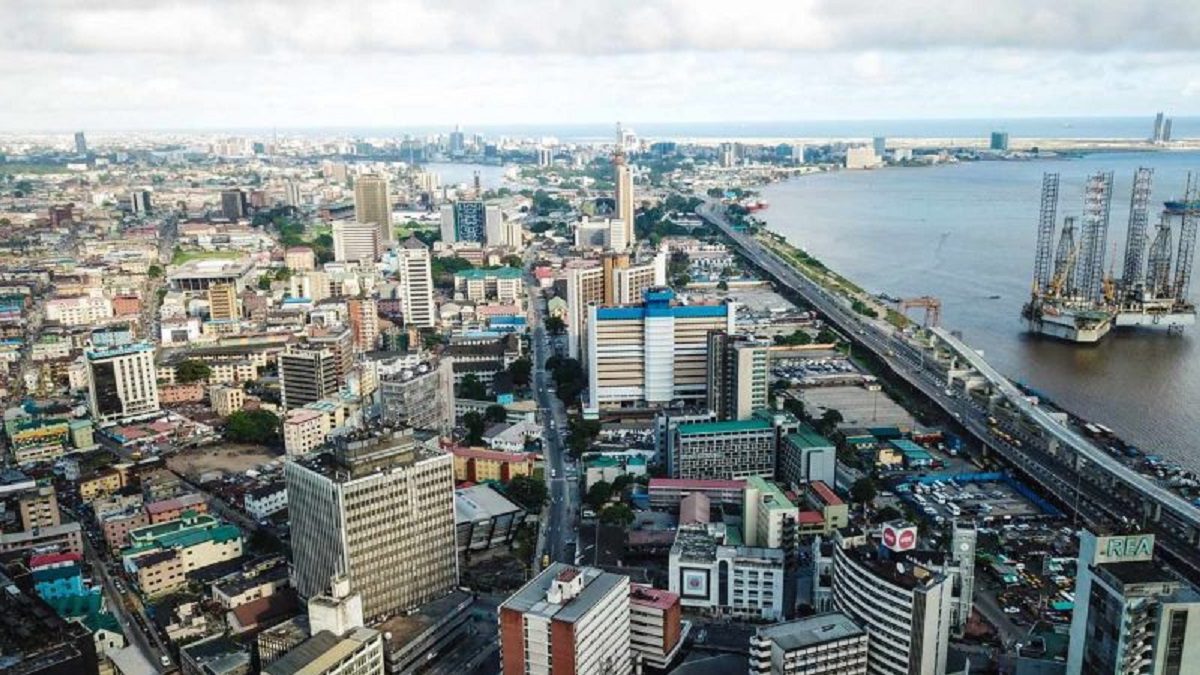
Business activity in Nigeria slipped to a three-month low, despite easing inflation supported by relative exchange-rate stability and seasonal factors.
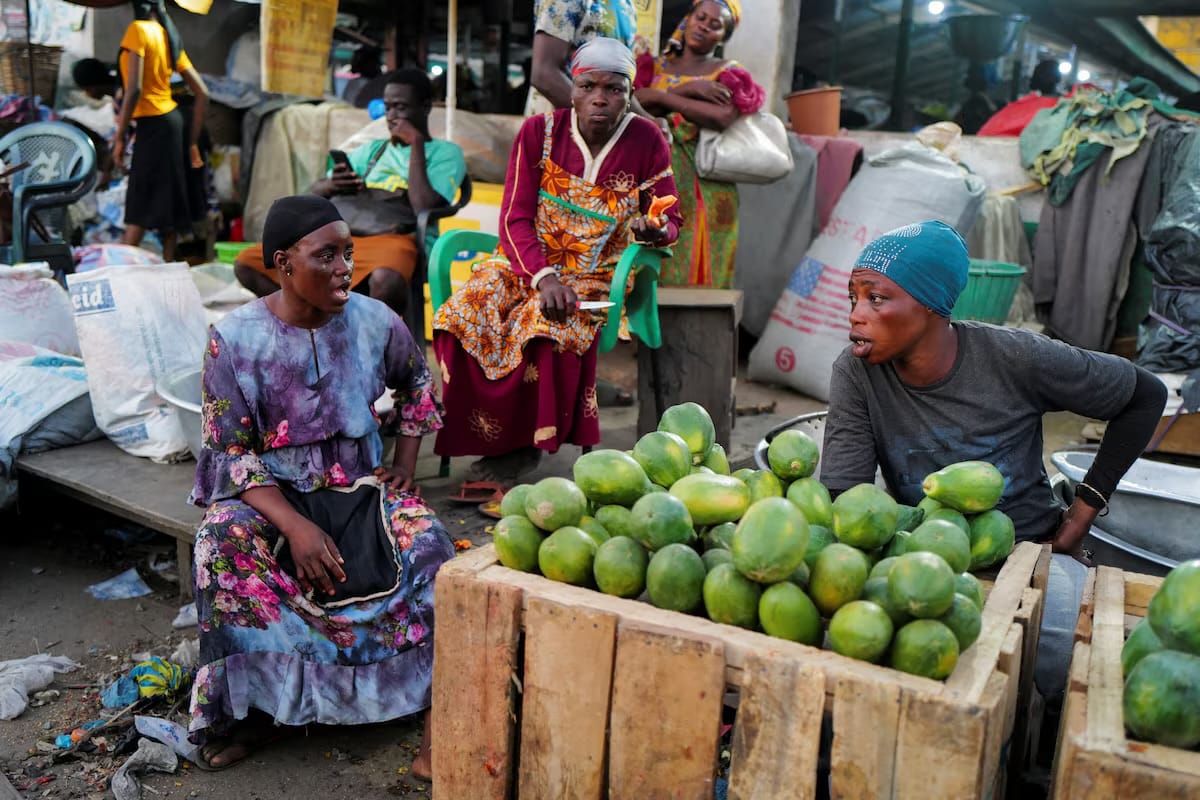
Food inflation was the key driver of the decline, with prices falling sharply to 11% in September 2025, down from 14.8%, according to the Ghana Statistical Service.

Abyssinia’s registration increases the number of lenders to two, with the intent to establish in its investment market in Ethiopia’s liberalised financial sector.
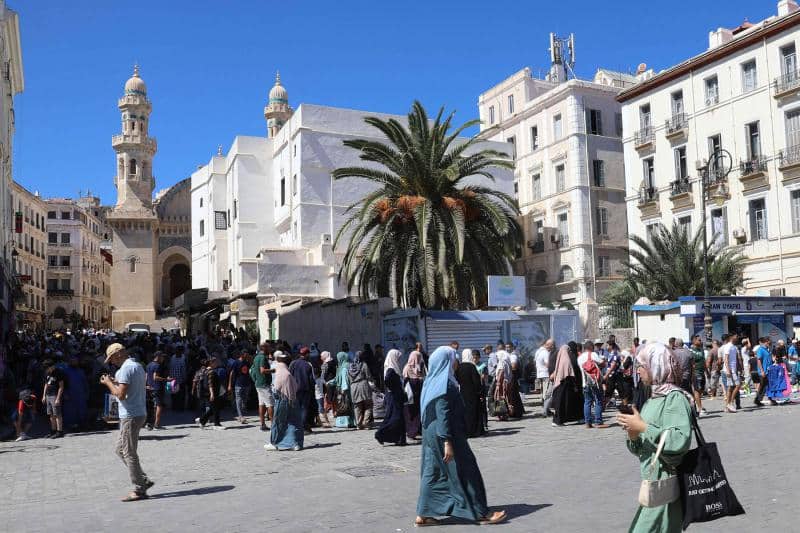
According to the Finance Ministry document the Islamic bonds will carry a seven-year maturity and pay a fixed annual return of 6% to investors as rental income, in line with Sharia principles.
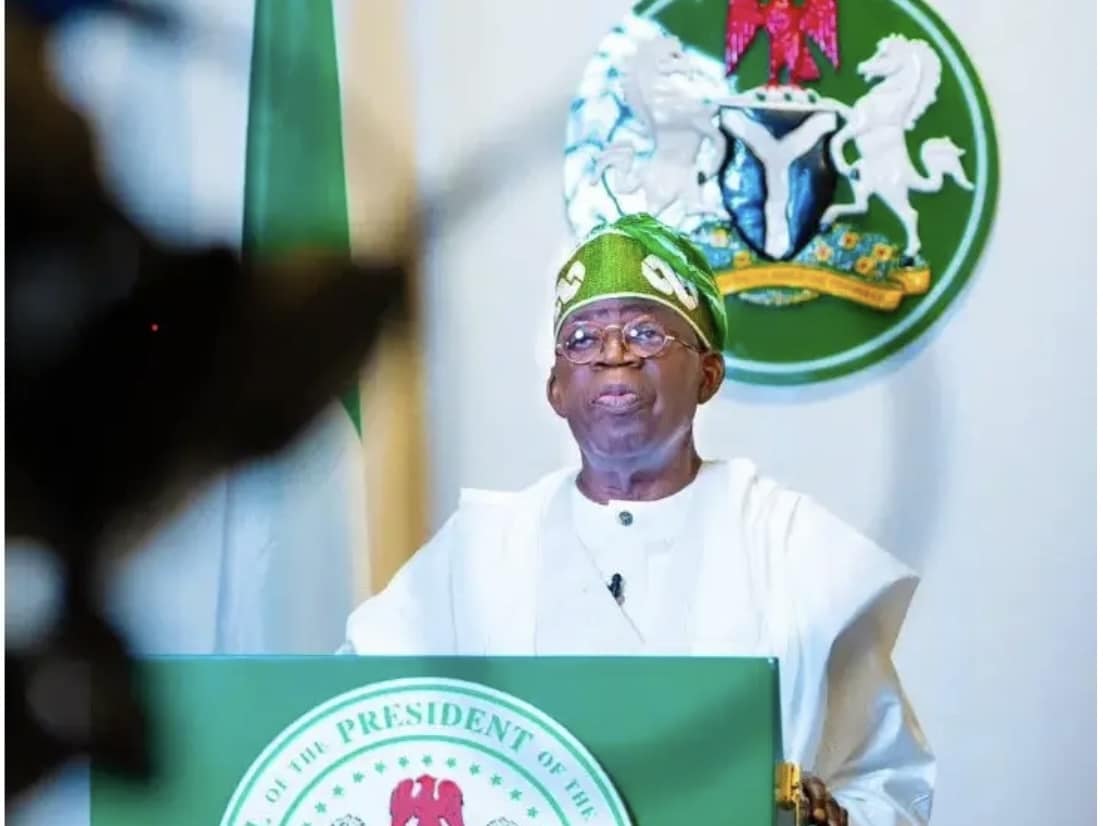
President Tinubu said Nigeria had already surpassed its 2025 non-oil revenue target by August, with collections topping ₦20trn ($13.1bn).
