

Top stories
Finance
Top stories
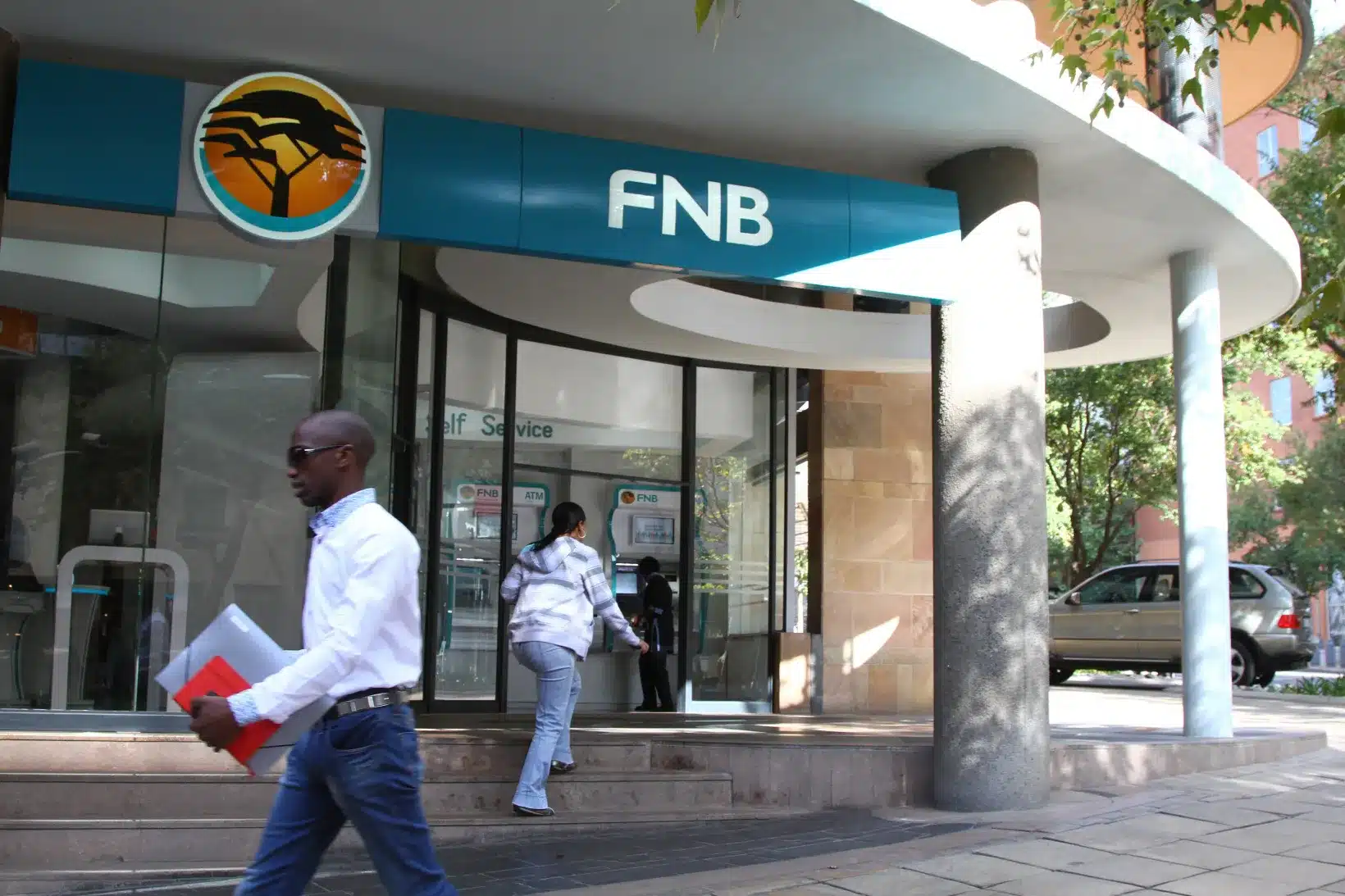
Africa’s largest banking group by market value has voiced concern over the United Kingdom’s newly proposed £11bn ($14.7bn) car loan compensation scheme, warning that it could expose lenders — including its UK subsidiary, MotoNovo Finance — to significant financial risks.
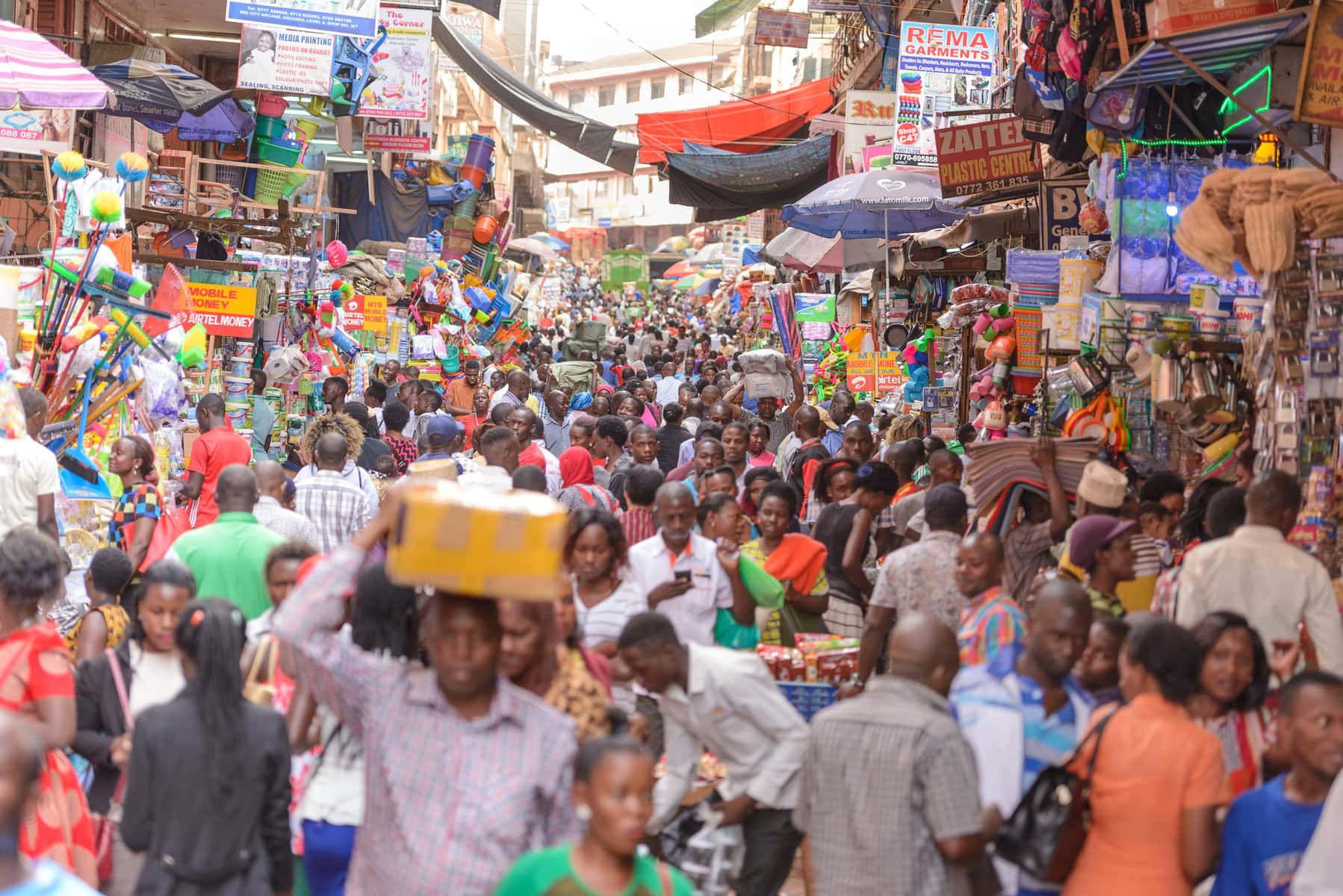
While four markets — Uganda, Nigeria, Zambia, and Kenya — recorded growth, others, such as Ghana, Egypt, Mozambique, and South Africa, either stagnated or contracted under inflationary and structural pressures.
Banks from Ethiopia recorded the most representation among Africa’s top 10 biggest risers in 2025, as the ongoing deregulation of the banking industry and increased competition within the financial services sector boosted their rankings.

Under the new export framework, companies that fail to meet allocation targets, breach environmental or tax rules, or transfer allocations to third parties will have their quotas revoked.
The central bank said the upcoming auction, which marks the tenth since the East African nation launched its new foreign exchange trading system in August 2024, follows months of robust inflows and rising reserves.
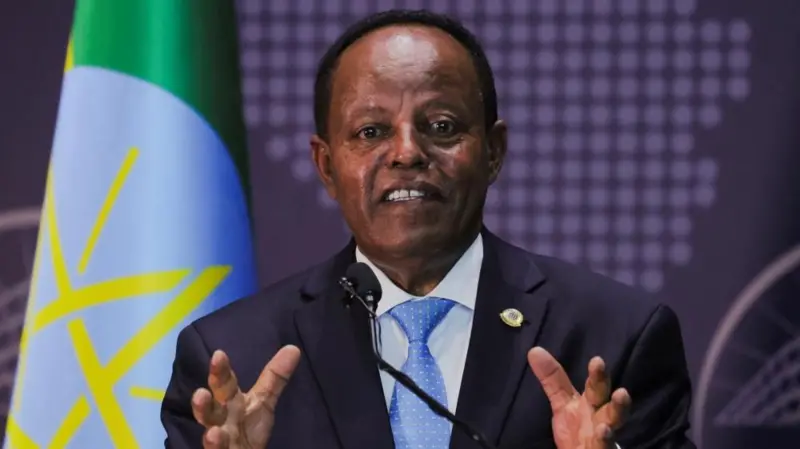
President Taye Atske Selassie told lawmakers in Addis Ababa last week that the government is targeting 9% economic growth and single-digit inflation in the current fiscal year, backed by ongoing reforms.
GTCO’s challenges mirror broader macroeconomic trends across Africa, where high inflation, rising interest rates, and currency volatility have eroded bank margins and dampened consumer spending.
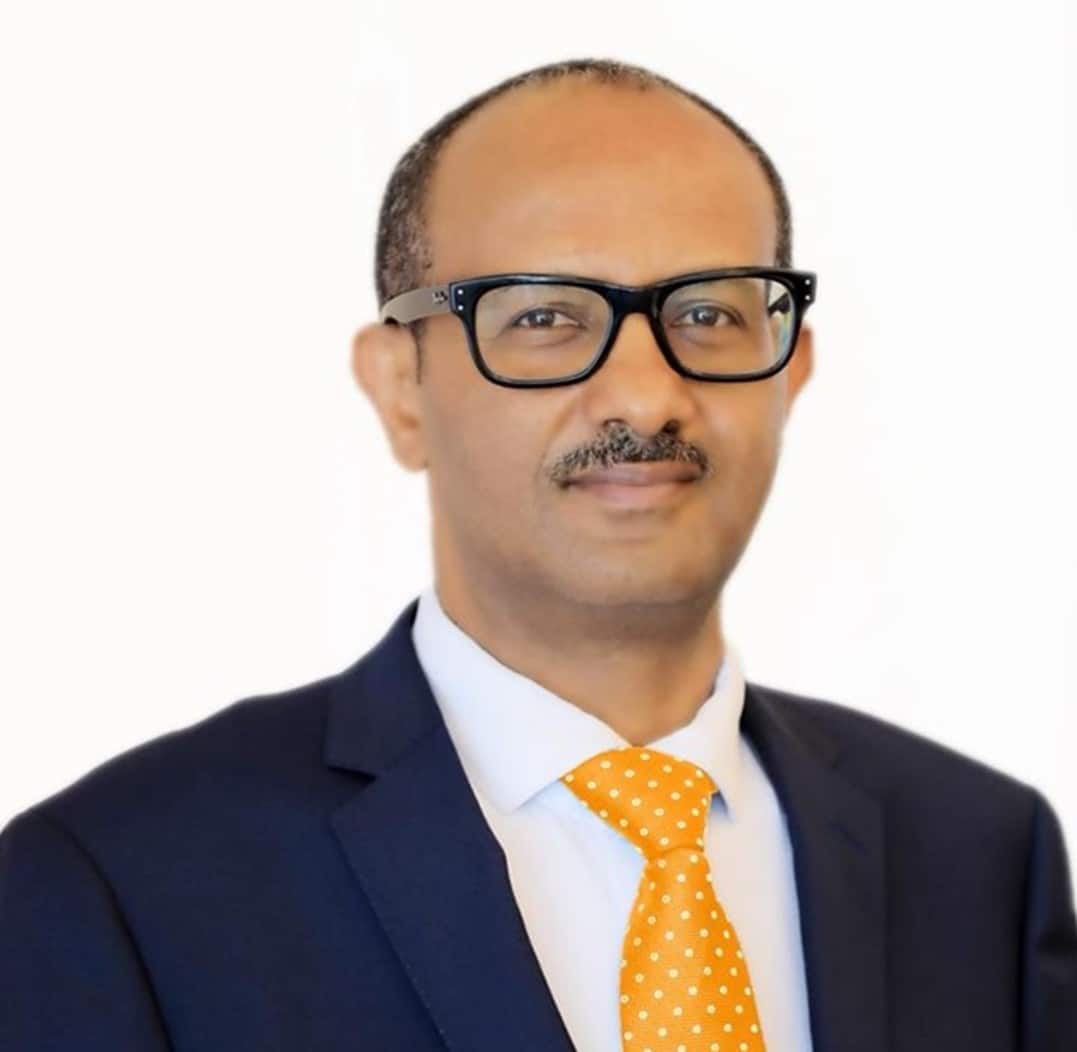
Wegagen’s management attributed the capital surge to strategic balance-sheet strengthening, business diversification, and an accelerated digital rollout.
The move marks a milestone for the Horn of Africa nation, which signed the trade agreement in 2018 and has since worked to align its systems with continental trade protocols.

This marks VFD’s second major capital raise in two years. At its eighth AGM in 2024, shareholders had approved a ₦30bn ($20.3m) capital raise, of which ₦12.5 billion ($8.45m) was successfully secured.
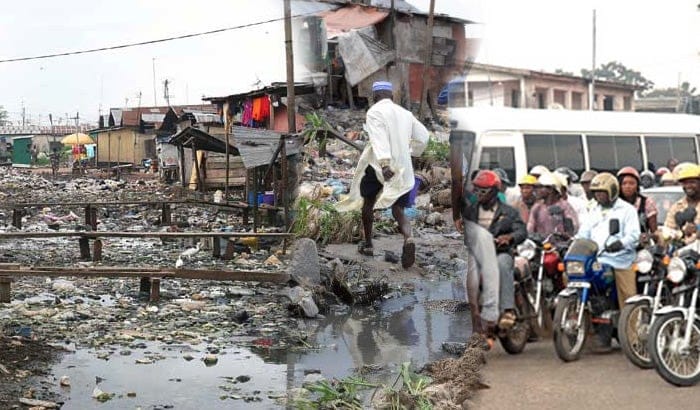
Nigeria’s long-running struggle with mass poverty could ease slightly in 2027—the next election year—marking the first improvement in nearly a decade, according to the World Bank.
The sharp drop underscores the growing strain on a region already battling limited fiscal space, rising debt, and slowing economic momentum.
The transaction would mark Nigeria’s first Eurobond issuance since December 2024, when a $2.2 billion offer drew strong investor demand, with bids exceeding seven times the amount on sale.
The Central Bank of Kenya insists that the move will offer further support to credit expansion and sustain the country’s growth trajectory while ensuring that prices remain stable.

Last week, the CBE cut its overnight deposit rate by 100 basis points to 21%, its fourth consecutive reduction this year and the lowest level in two years.

Optasia, a global provider of AI-driven financial technology, has announced plans to list on the Prime Segment of the Johannesburg Stock Exchange (JSE) Main Board, amid capital raise moves.

Moniepoint’s UK expansion lays bare the real cost of global ambition for African payment firms — from million-pound compliance spend to the regulatory discipline global scale deman
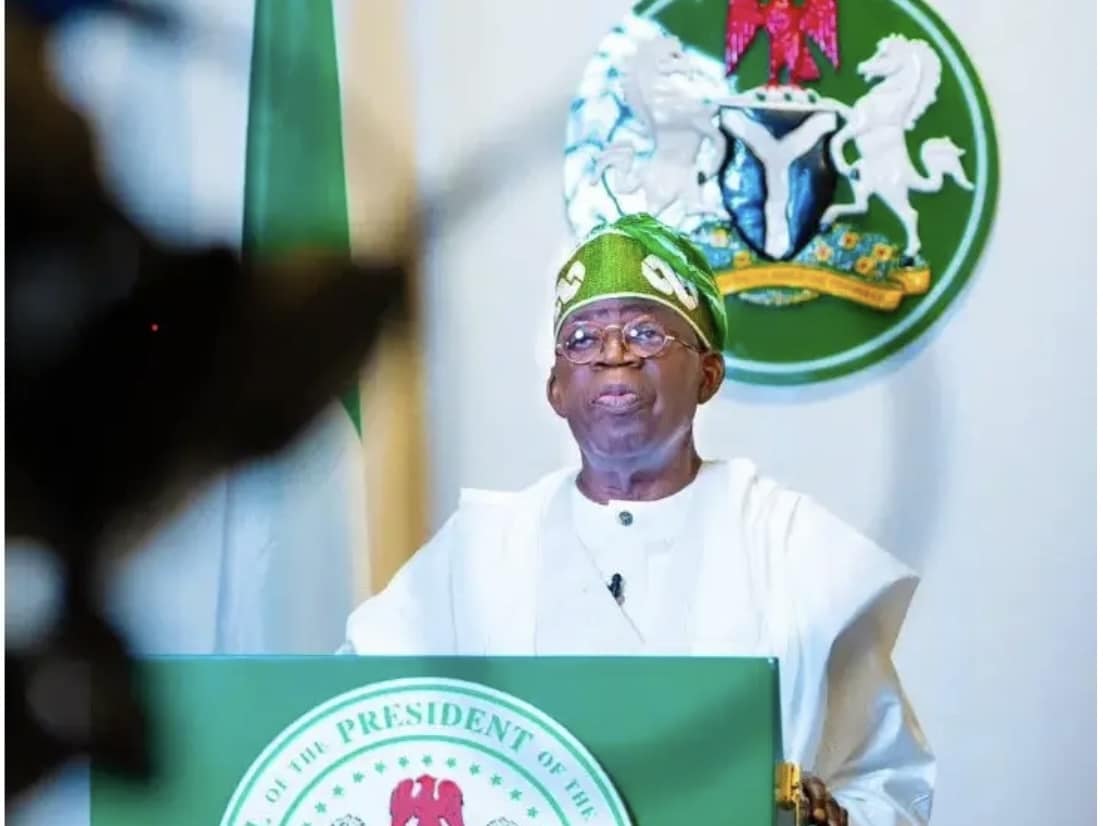
Nigeria’s president, Bola Tinubu, has asked parliament to approve $2.8 billion in new external funding, including the country’s first sovereign sukuk on the international market.
Africa is often celebrated as one of the world’s most dynamic fintech frontiers. Yet despite this remarkable dynamism, Africa remains a marginal player in the global fintech market.
Muhammad Sanusi II, Emir of Kano and former central-bank governor, warns that Nigeria’s early monetary loosening risks reigniting inflation and undoing recent gains in economic stability.
