

Top stories
Finance
Top stories
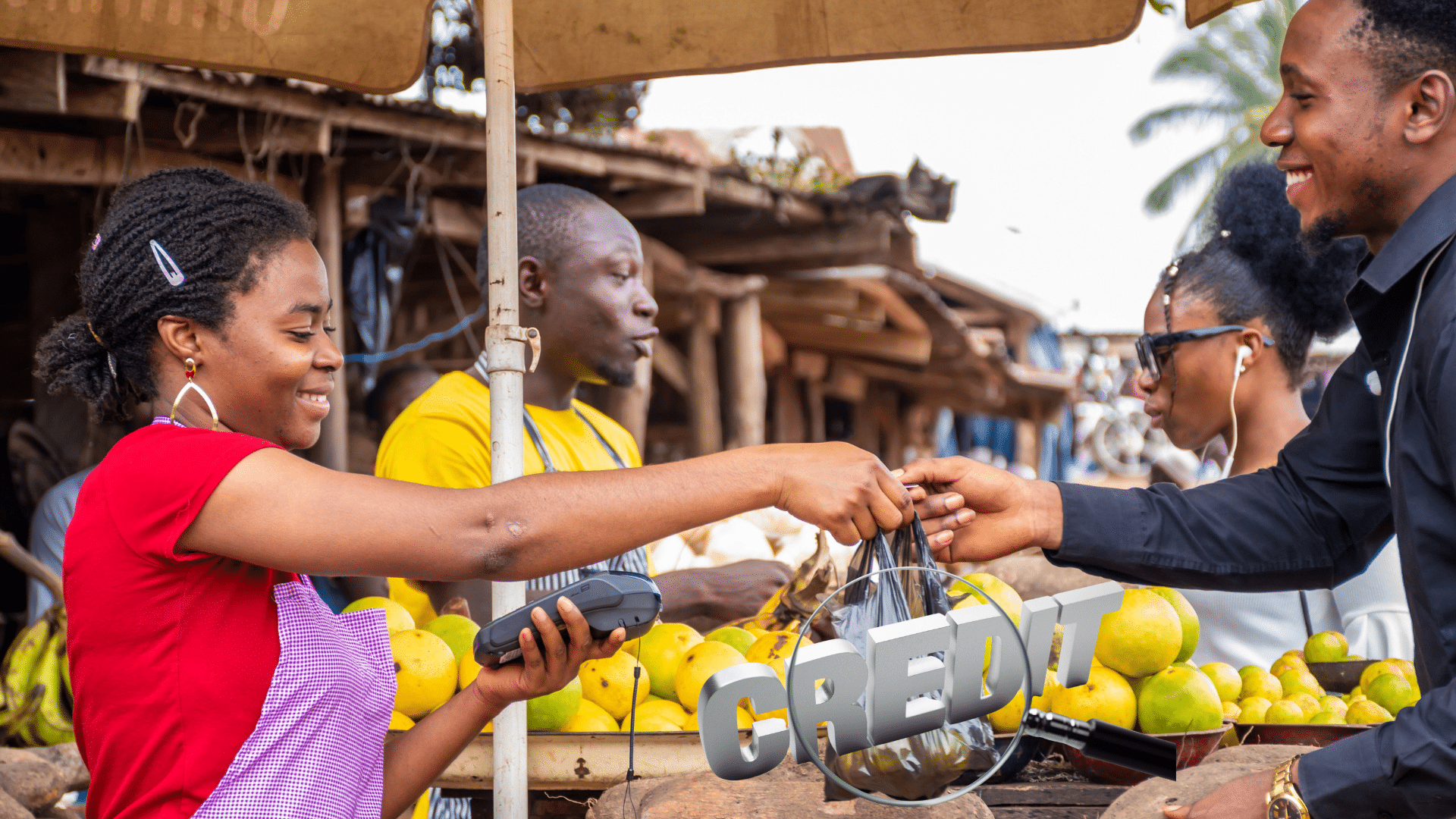
Cash-based merchants are driving digital transfers, but there’s an opportunity to drive credit. The tell tale signs are there.
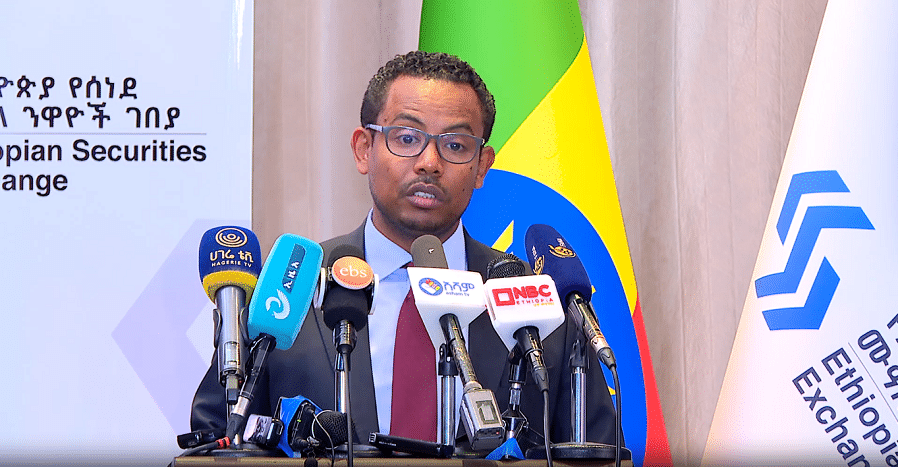
CEO Tilahun Kassahun says the ESX may also deploy an Over-the-Counter platform for firms not yet ready for full listing, describing it as a way to encourage participation.
GoldBod attributed the performance to improved oversight and its continued collaboration between key stakeholders which has helped curb smuggling and boost repatriation of proceeds.
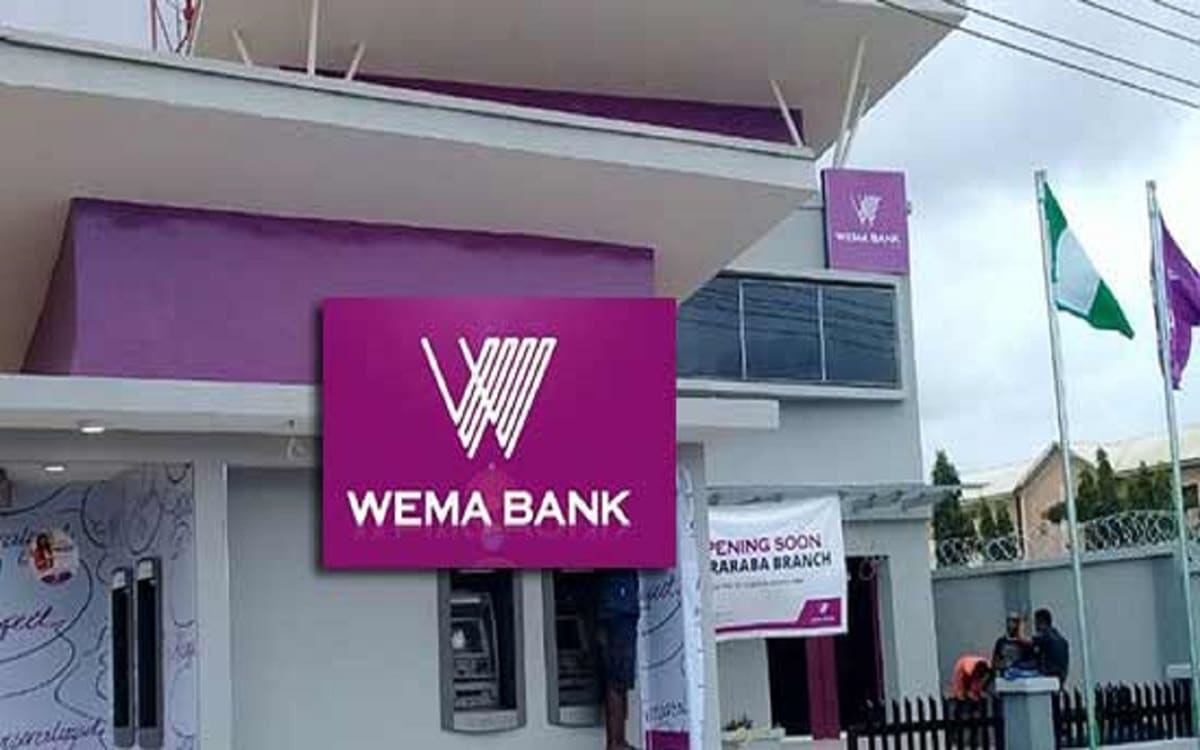
With this latest injection, Wema Bank’s total qualifying capital now stands at ₦264.9bn ($179.9m), well above the ₦200bn ($135.9m) minimum requirement for national banks.

The reinstatement brings relief to UBA Ghana, which is among the country’s major commercial banks with a strong presence in corporate and retail banking.
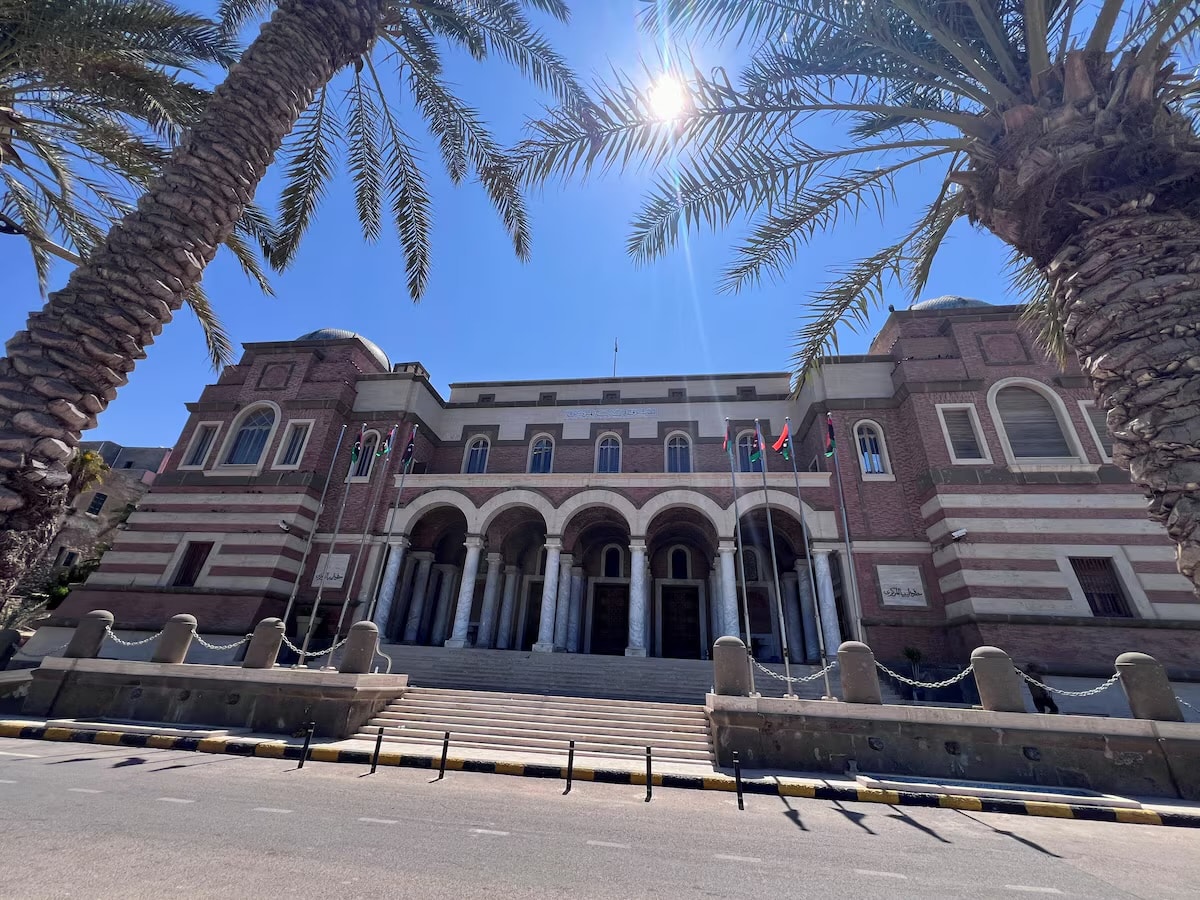
Despite its vast oil wealth, Libya has faced years of cash shortages that have forced citizens to queue outside banks to withdraw limited funds.
Following a tough start to 2025, investor sentiment toward Kenya’s banking sector has turned sharply positive, with analysts projecting a strong second half driven by improving credit growth, stabilising net interest margins, and resilient capital positions.
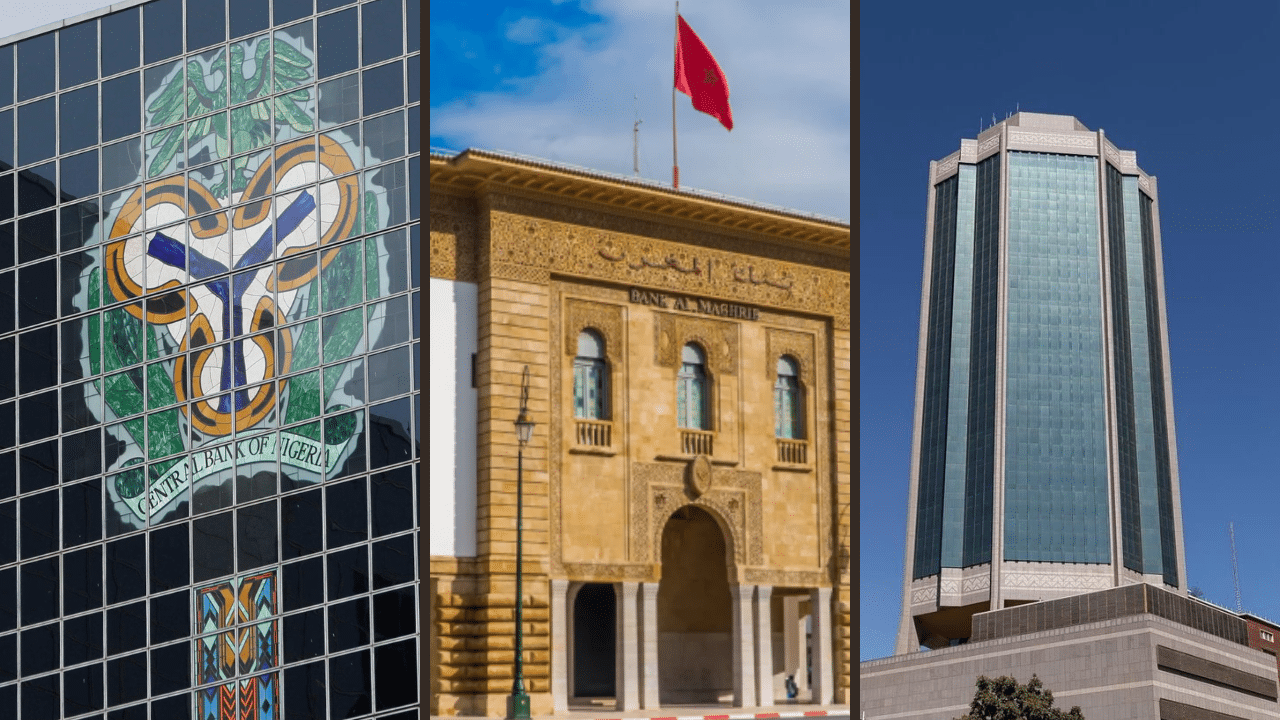
Inflation, currency volatility, and debt stress continue to shape Africa’s monetary path in 2025, prompting tighter policies in fragile economies and gradual easing where stability has improved.

Despite the headline-making buyout, Stears data shows that smaller deals dominated activity, signaling deepening investor appetite for mid-tier and early-stage opportunities.
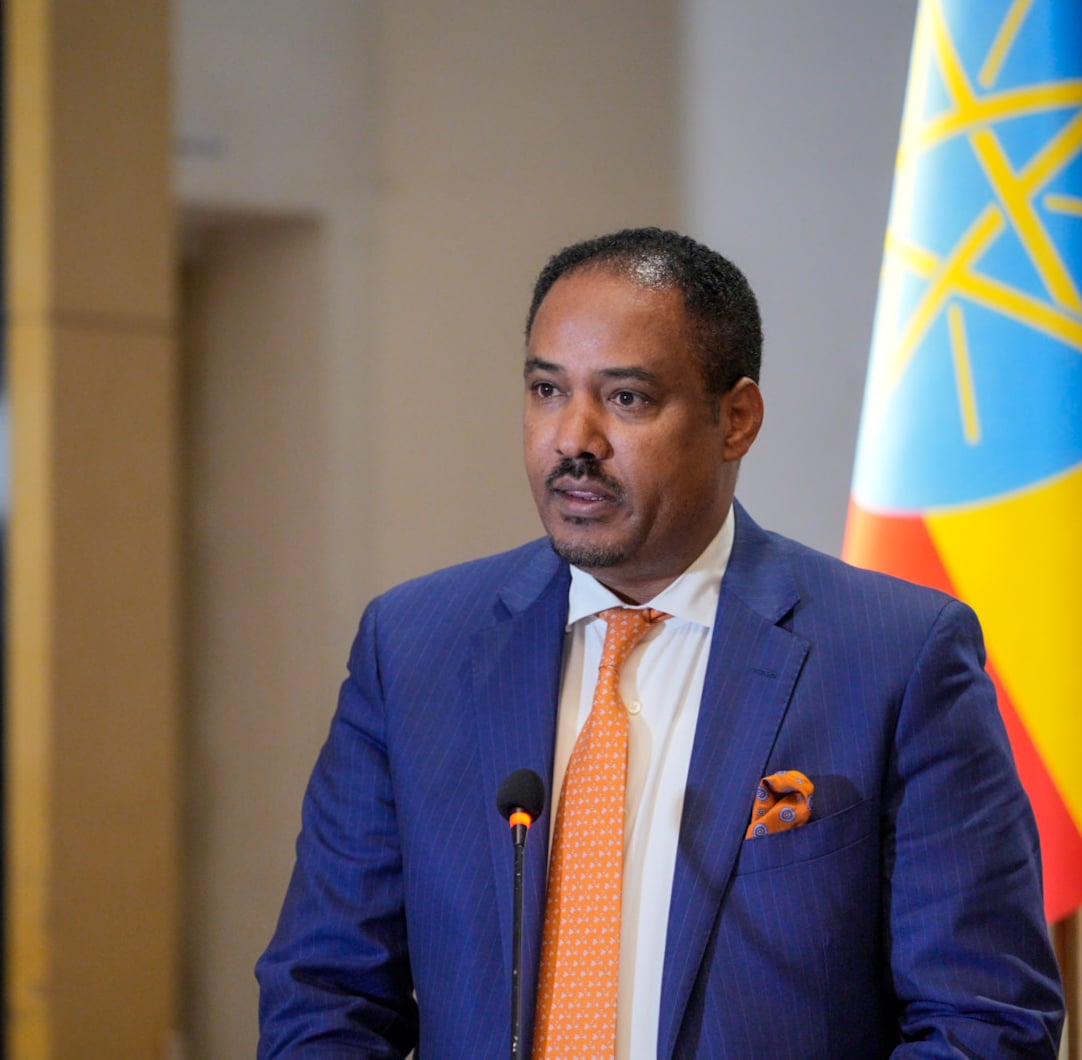
Ethiopia, Africa’s second most populous nation, earned $2.48bn in export revenue during the first quarter of the 2025/26 fiscal year, representing a 117% increase compared with the same period a year earlier.
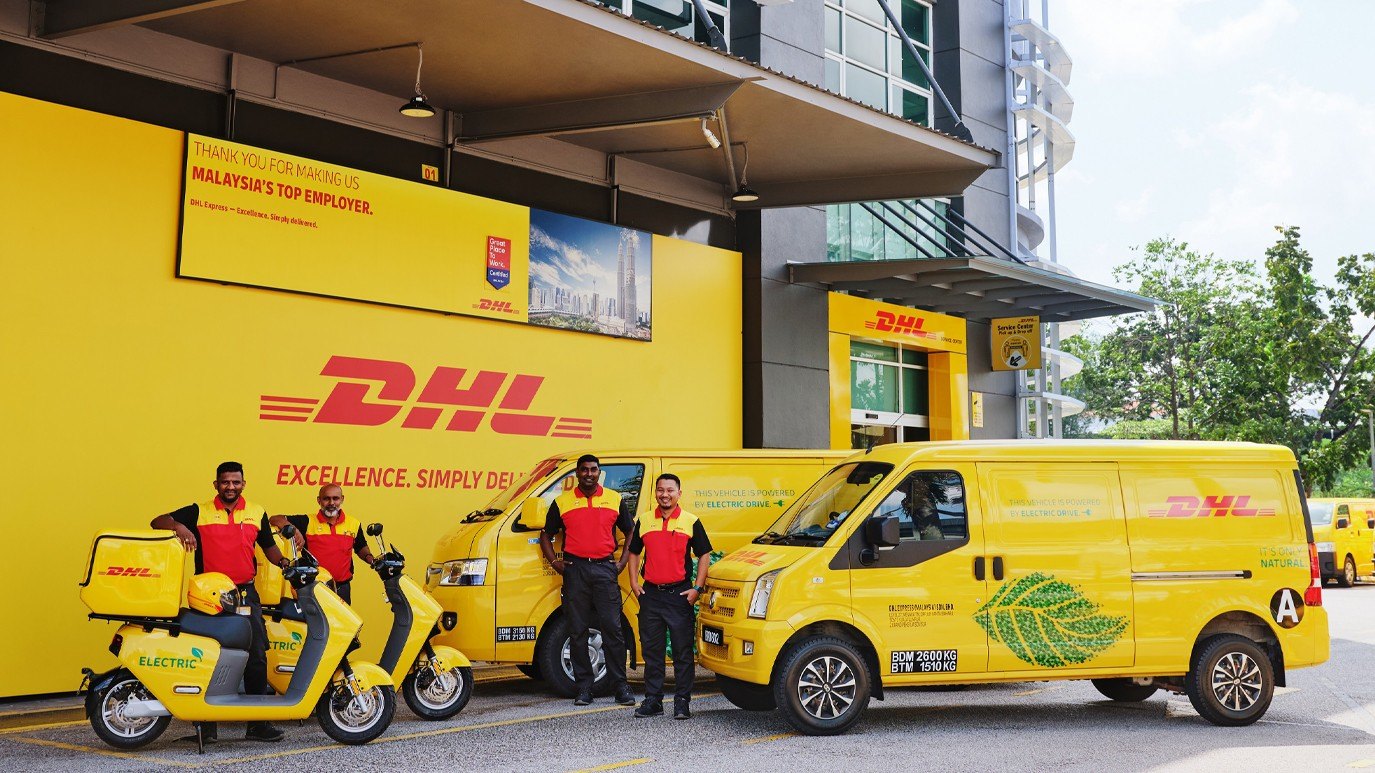
The German multinational logistics and supply chain management company is doubling down on Africa’s trade future with a $349.6m investment targeting logistics expansion across its express, global forwarding, and supply chain division.
Consumer prices have eased sharply from last year’s highs, however, erratic movements and a slight uptick in September 2025 point to persistent price pressures.
The shift in market sentiment comes as yields on government securities continue to fall, narrowing the risk premium between fixed income and equities.
The IMF has projected that SSA’s economic growth will remain unchanged in 2025 despite new US tariffs that took effect in August and raised concerns about trade disruptions.
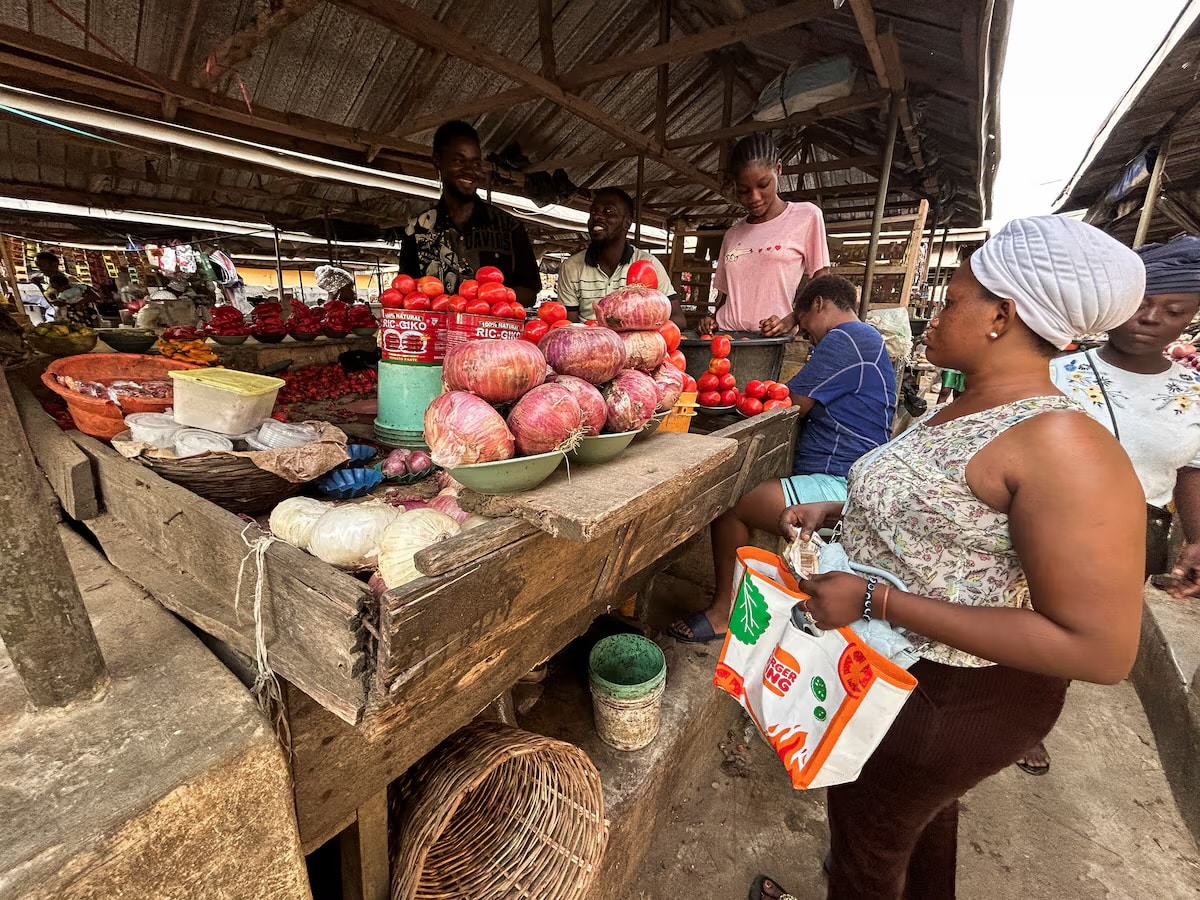
The 2.1 percentage-point drop marks the sharpest decline since April, when consumer prices began their downward trend. Based on the old methodology, September’s inflation rate is the lowest since May 2022.
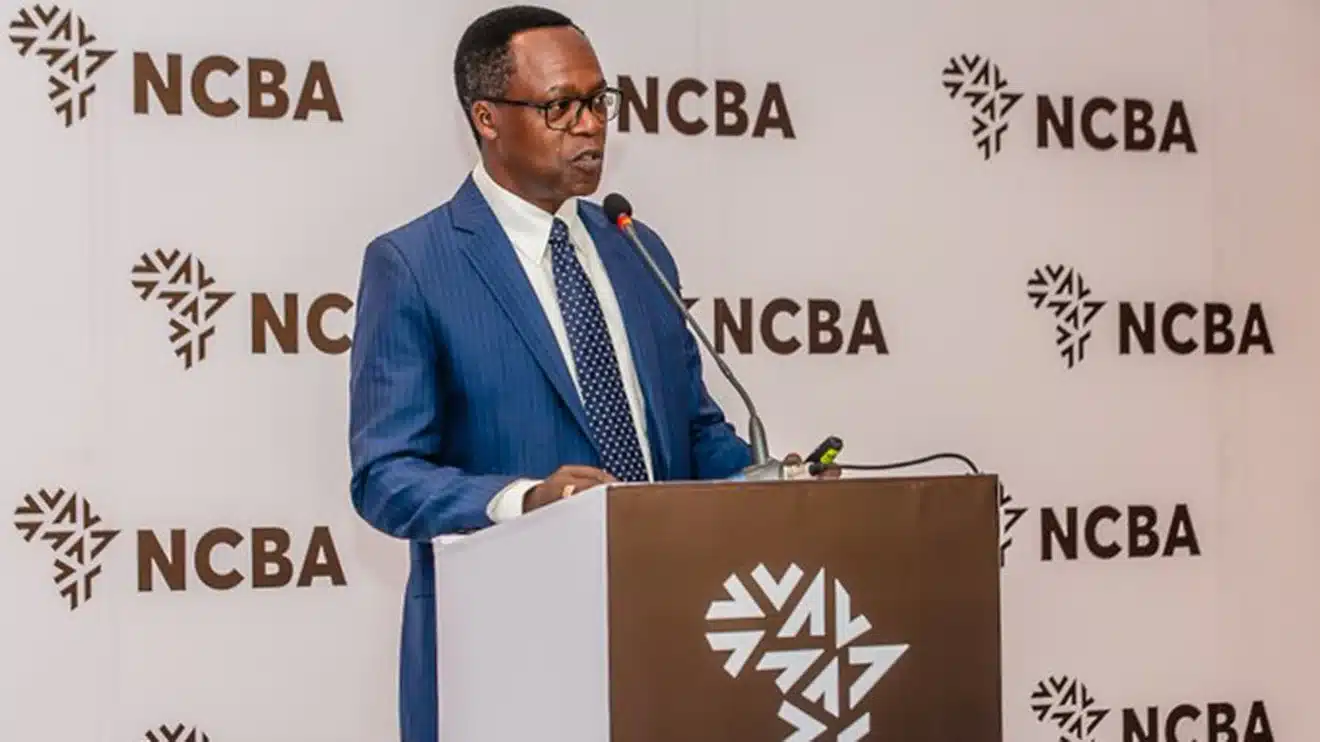
Data from the Nairobi Securities Exchange show NCBA’s share price surged to KSh 75.25 ($0.56) at Tuesday’s close — its highest on record. The group, currently the most expensive banking stock on the NSE, maintained strong momentum in Wednesday’s intraday trading.
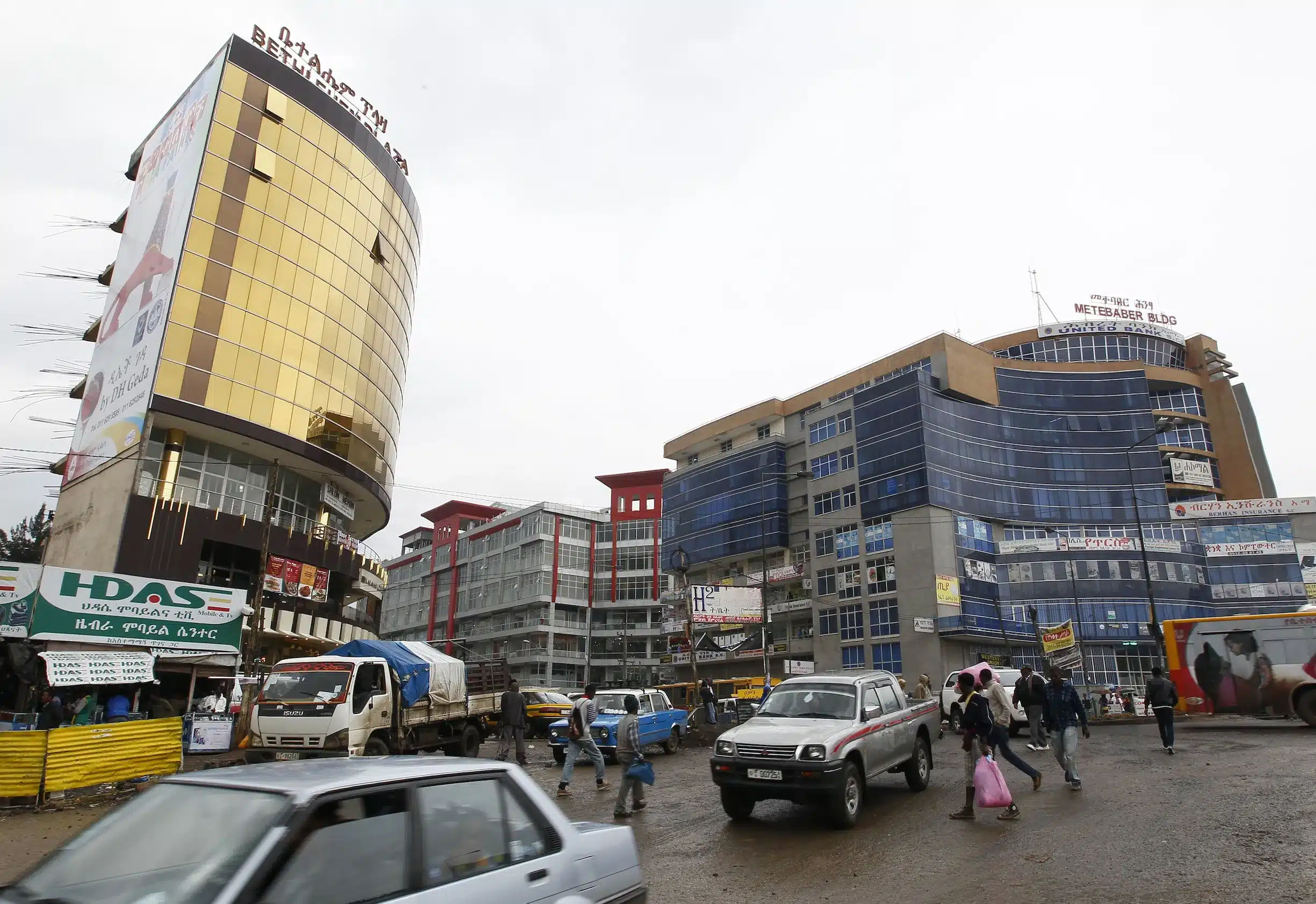
Five of the seven economies surveyed saw their currencies strengthen in the first nine months of 2025, reflecting softer dollar prices, improved access to external funding and tight monetary policy.
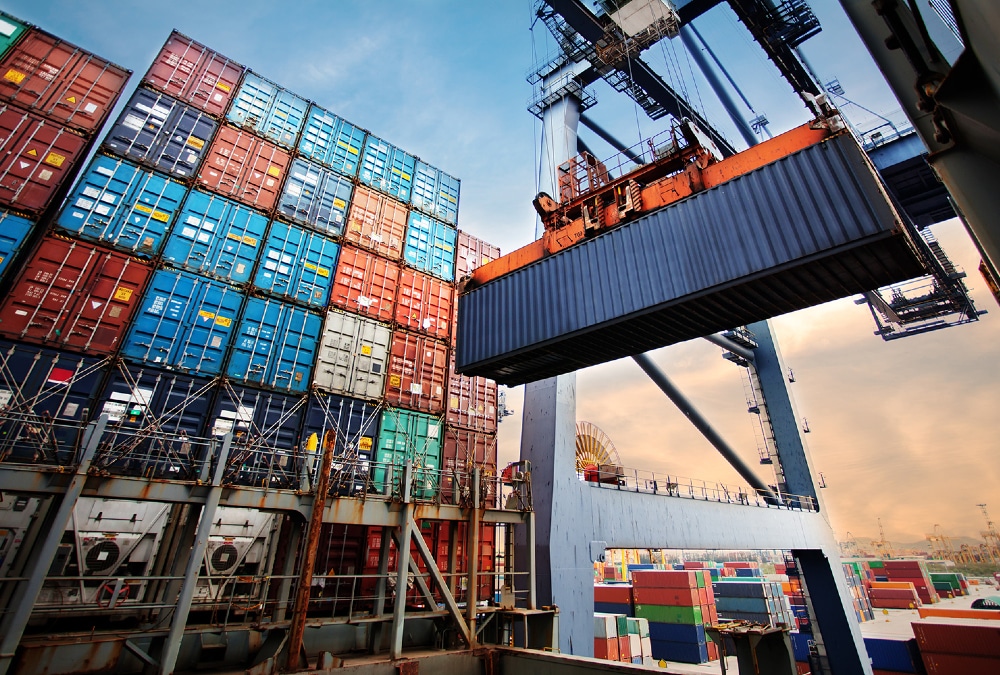
In the first six months of 2025, Nigeria’s trade with African countries totalled $3.13bn (₦4.82trn). While this marks an improvement from the pandemic slump — $2.86bn (₦963.62bn) in H1 2020 and $2.47bn (₦963.64bn) in H1 2021 — it is still 30.6% below H1 2019 levels.
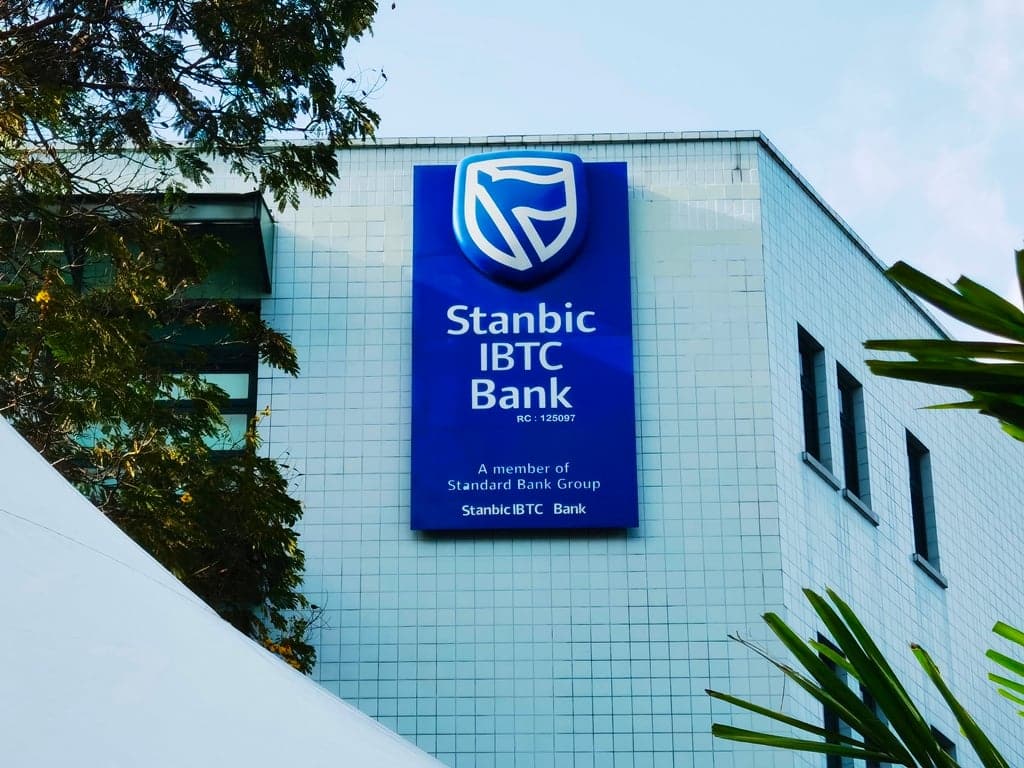
According to data from the Nigerian Exchange Limited (NGX), Stanbic IBTC — the most expensive banking stock on the bourse — gained from ₦109 ($0.07) on Friday to ₦115 ($0.08) on Monday, maintaining that price through Tuesday’s close.
The capital injection comes as fiscal uncertainty deepens over Ethiopia’s stalled Eurobond restructuring, which analysts say could complicate access to external funding.
