

Top stories
Energy
Top stories
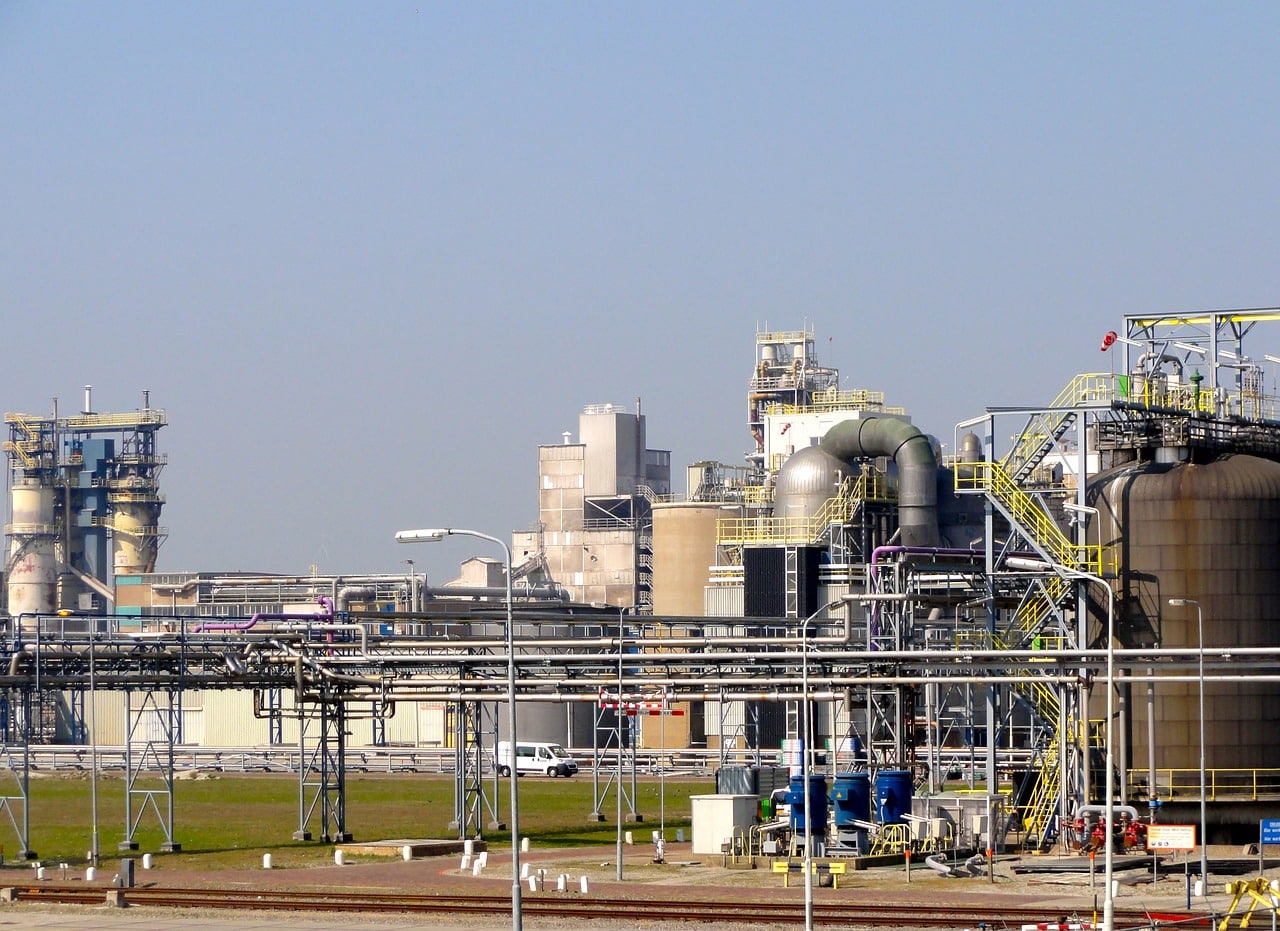
Zimbabwe’s state-owned mining company, Kuvimba Mining House Limited, will begin construction of a $270 million lithium concentration plant at its Sandawana mine in the third quarter of this year, with commissioning expected in early 2027.
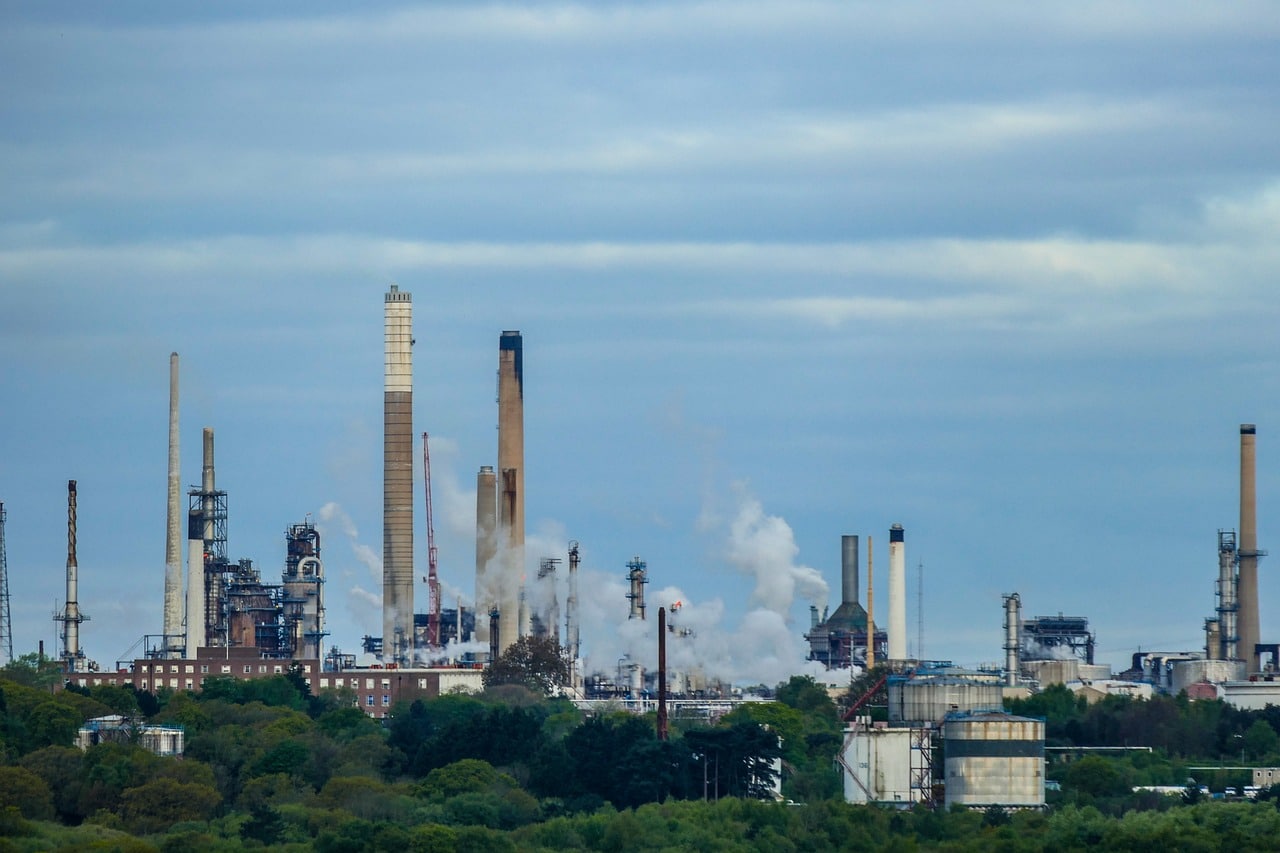
Nigeria’s crude oil production rose above the OPEC quota of 1.5 million barrels per day (bpd) in June 2025, according to the latest report by the Organization of Petroleum Exporting Countries (OPEC).
Nigeria’s national oil company, NNPC, has signed a $3.5 billion with Gas Aggregator Company of Nigeria (GACN) for gas project in Akwa Ibom.
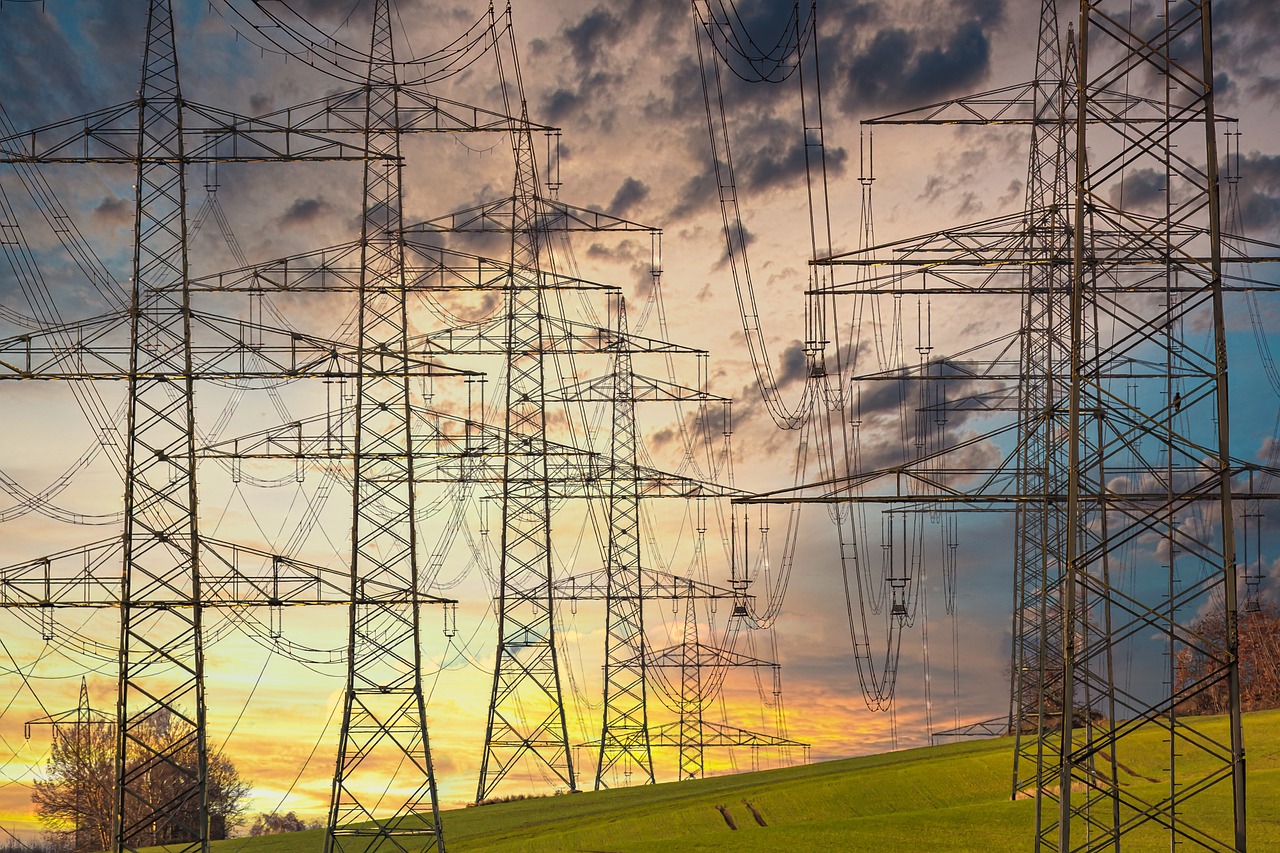
The East African nation, Uganda, has launched an impressive $638 million initiative to provide free electricity connections to over 900,000 households.
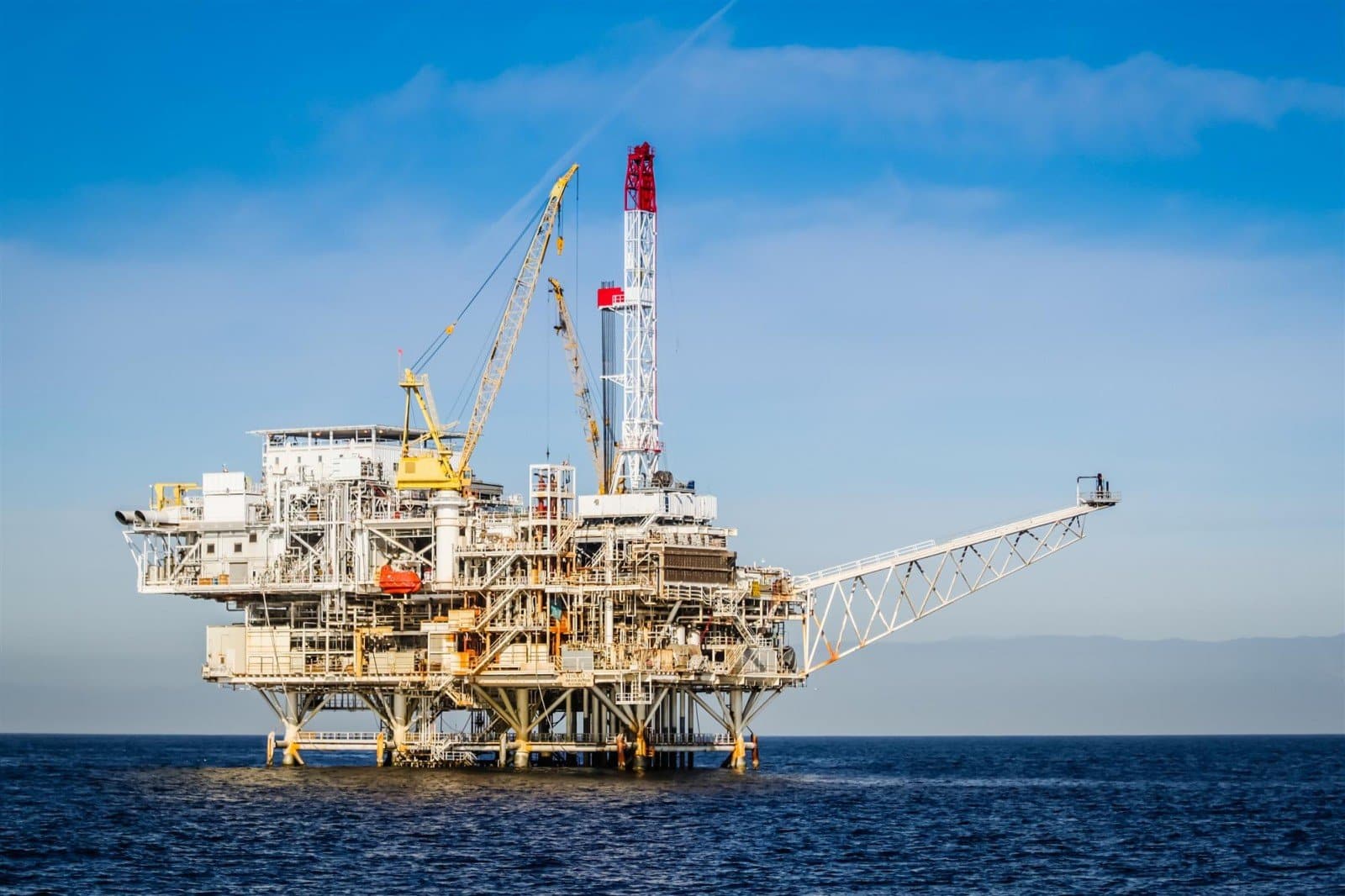
Nigeria’s oil rigs have increased in recent times from merely 8 to 46, indicating an improvement of activities in the sector. But what does this really mean for the nation’s oil sector?

The CEO of Aradel Holdings Plc, a foremost indigenous oil firm, Mr. Adegbite Falade, has raised concerns about the shortage of manpower in Nigeria’s oil and gas sector.
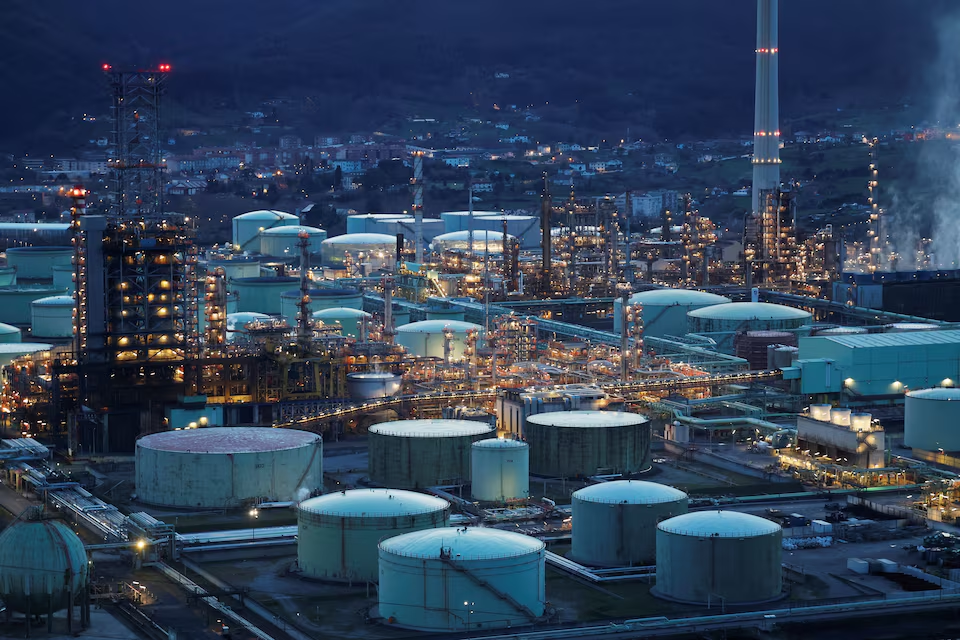
North African country, Libya, has officially launched its first oil and gas licensing round in 18 years, offering 22 new offshore and onshore blocks to global energy companies.
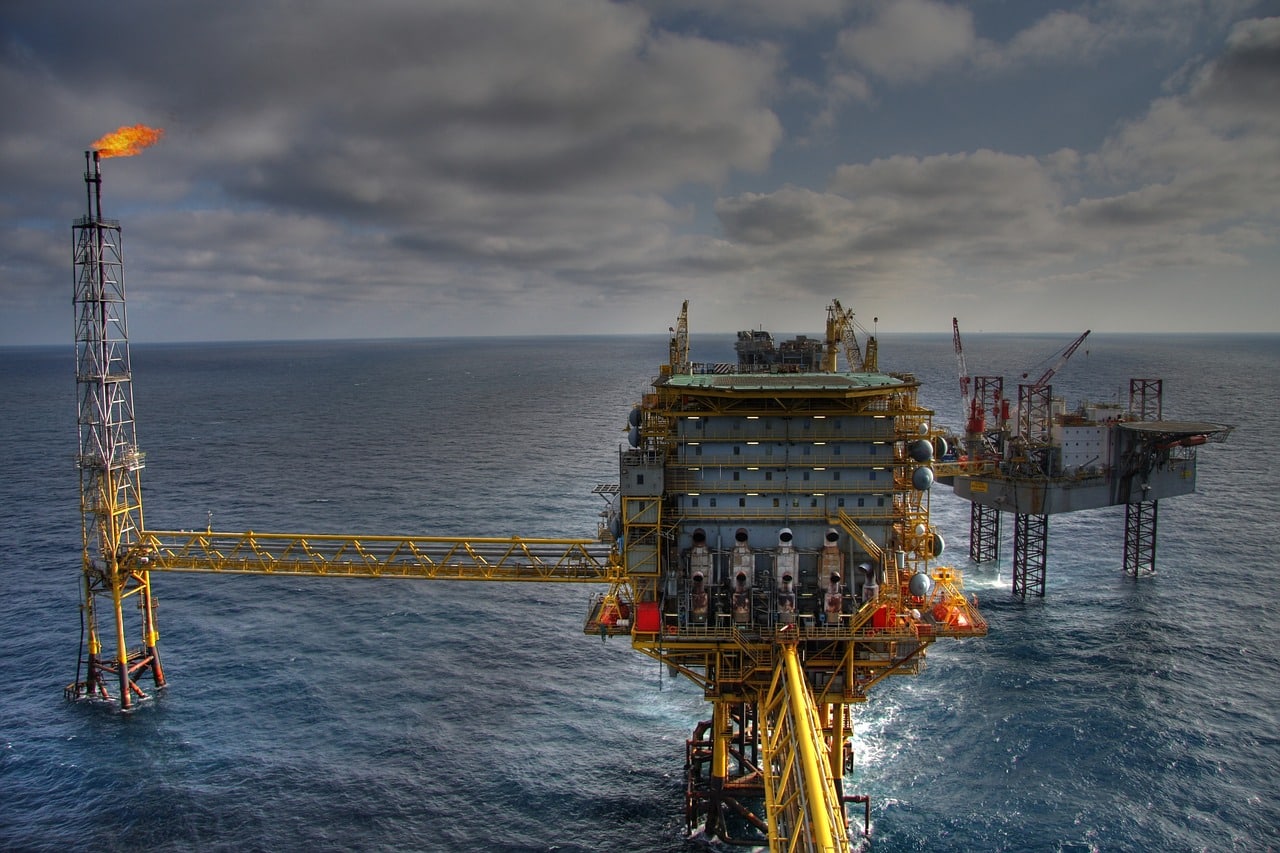
Namibia is now at the centre of a reawakening of continental energy. The turning point came in 2022, when two significant offshore oil discoveries by Shell and TotalEnergies in the Orange Basin revealed multi-billion-barrel reserves, sparking global interest.
Backed by decades of experience and billions of dollars in investments, companies like Shell, TotalEnergies, and ExxonMobil are steadily increasing their stakes in the nation’s offshore domain.
South Africa’s Eskom has burned through R3.76 billion ($212 million) on diesel for its gas turbines since April, averaging $4.1 million daily, despite promises to reduce reliance amid winter and ongoing power cuts in Johannesburg.
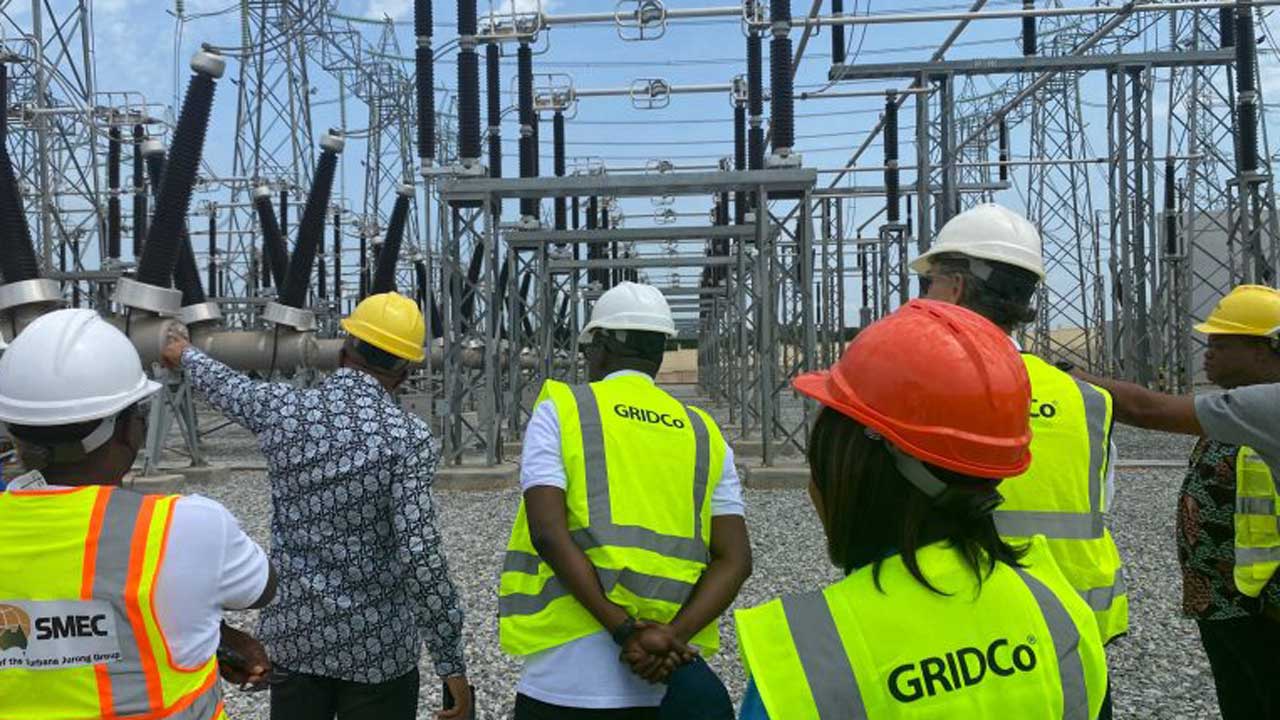
Ghana introduces a new GHC1 “Dumsor Levy” on fuel to tackle its $3.1 billion energy debt and persistent power outages. The move faces strong public backlash, with many calling it a betrayal of promises and an undue burden on already struggling citizens.
Yet, despite sitting in the heart of Africa’s oil-rich Gulf of Guinea, the refinery has become increasingly reliant on U.S. crude—particularly West Texas Intermediate (WTI)— over Nigerian or other African grades, a new report shows.
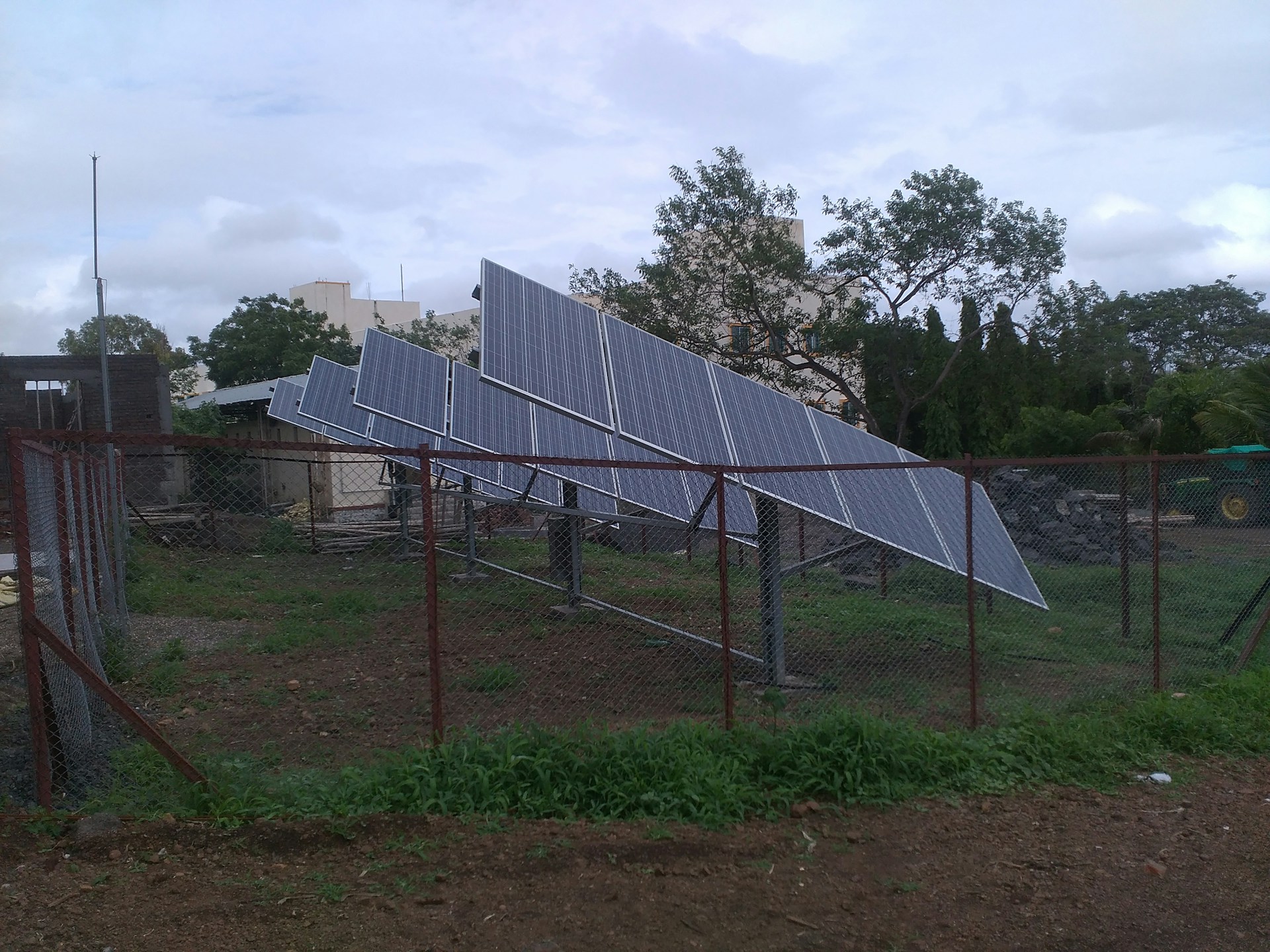
As national electricity continues to falter, with grid collapses becoming a near-monthly norm, millions of Nigerians are turning away from waiting for state-backed promises.
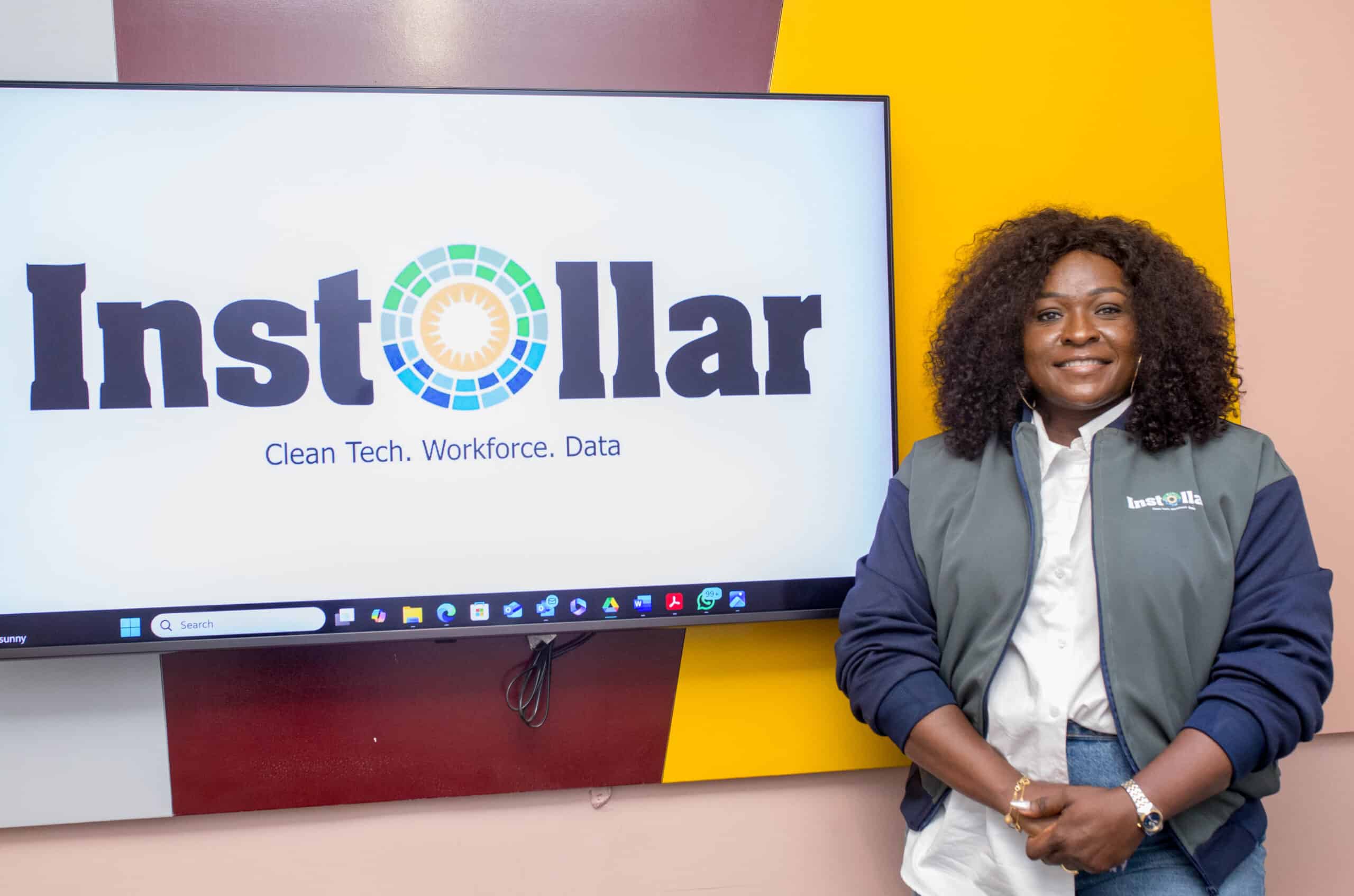
Her company, she explained, helps solar firms reduce costs by eliminating the need to keep technicians on payroll indefinitely — especially when there’s no work to be done.
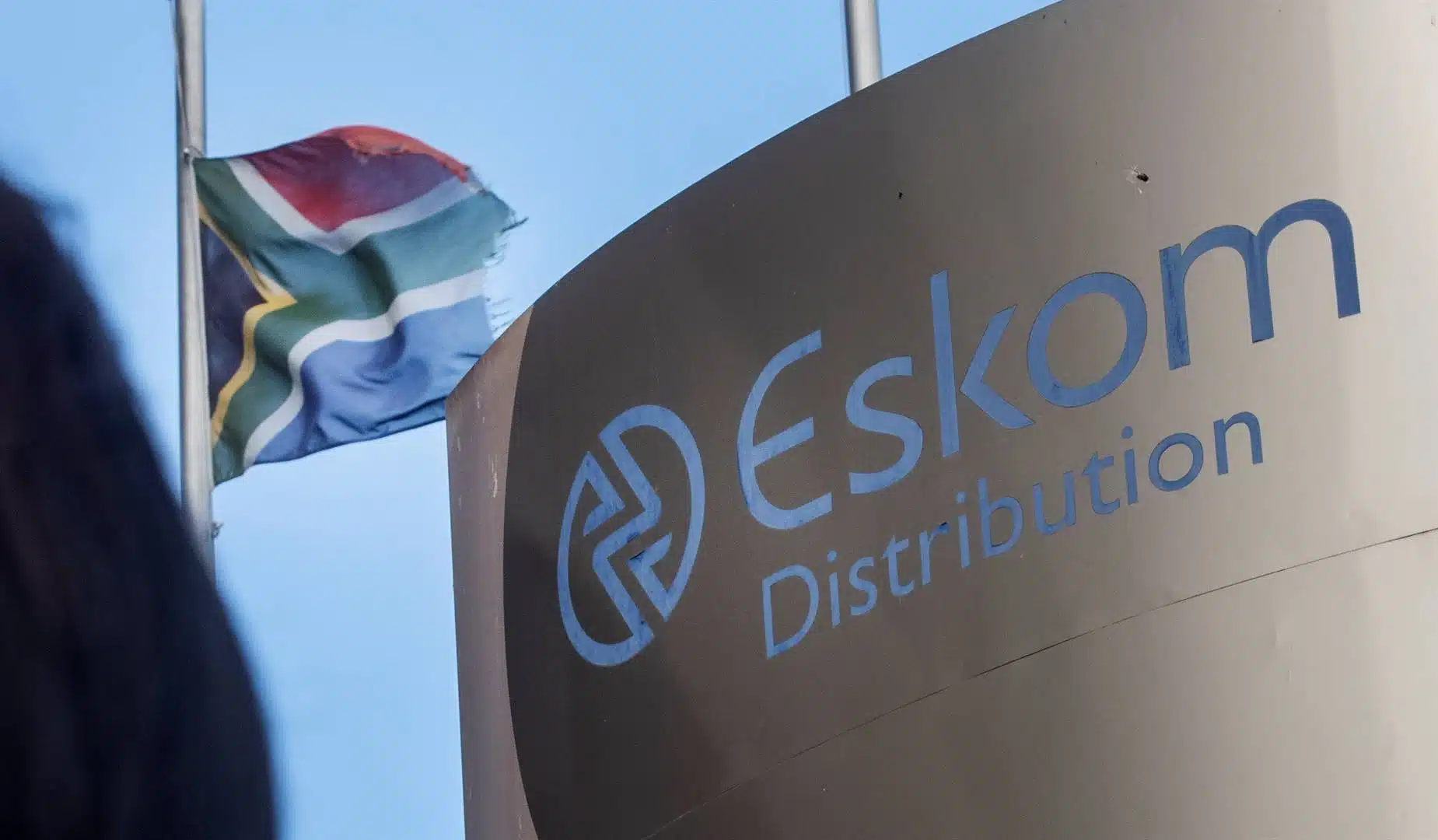
In South Africa, Eskom has instituted a series of protocols that allow for an effective load-shedding process. This process runs in stages which are reliant on just how much electricity supply is available.
This geographic imbalance is shaped by a complex web of factors: from investment readiness and regulatory stability to infrastructure availability and international partnerships.
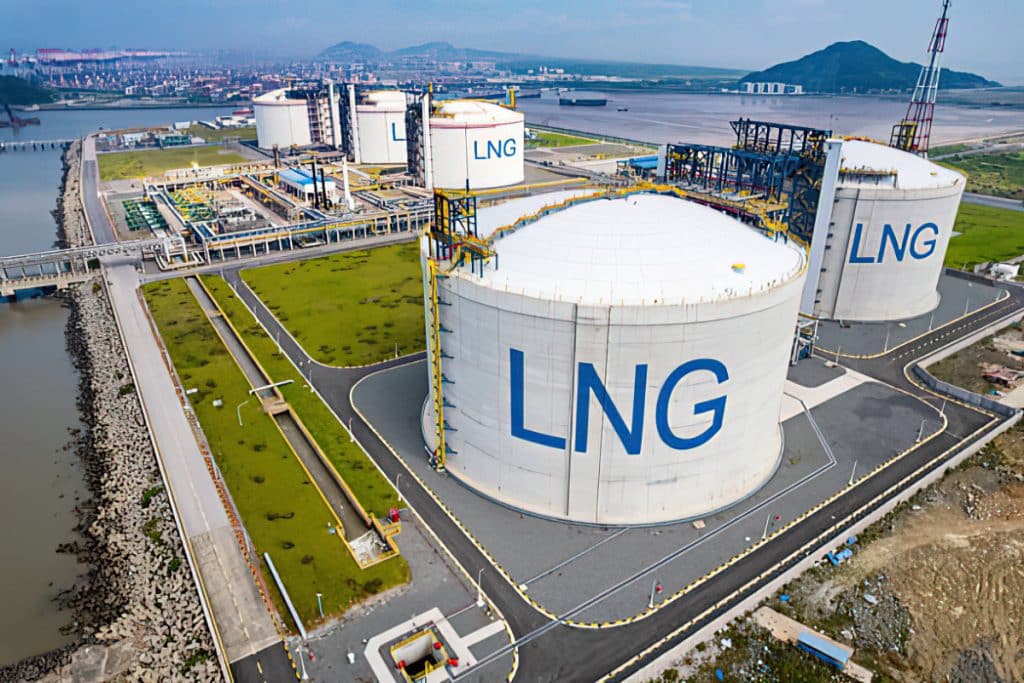
Morocco is set to begin the tendering process for Phase 1 of its liquefied natural gas (LNG) terminal project near the eastern Mediterranean city of Nador
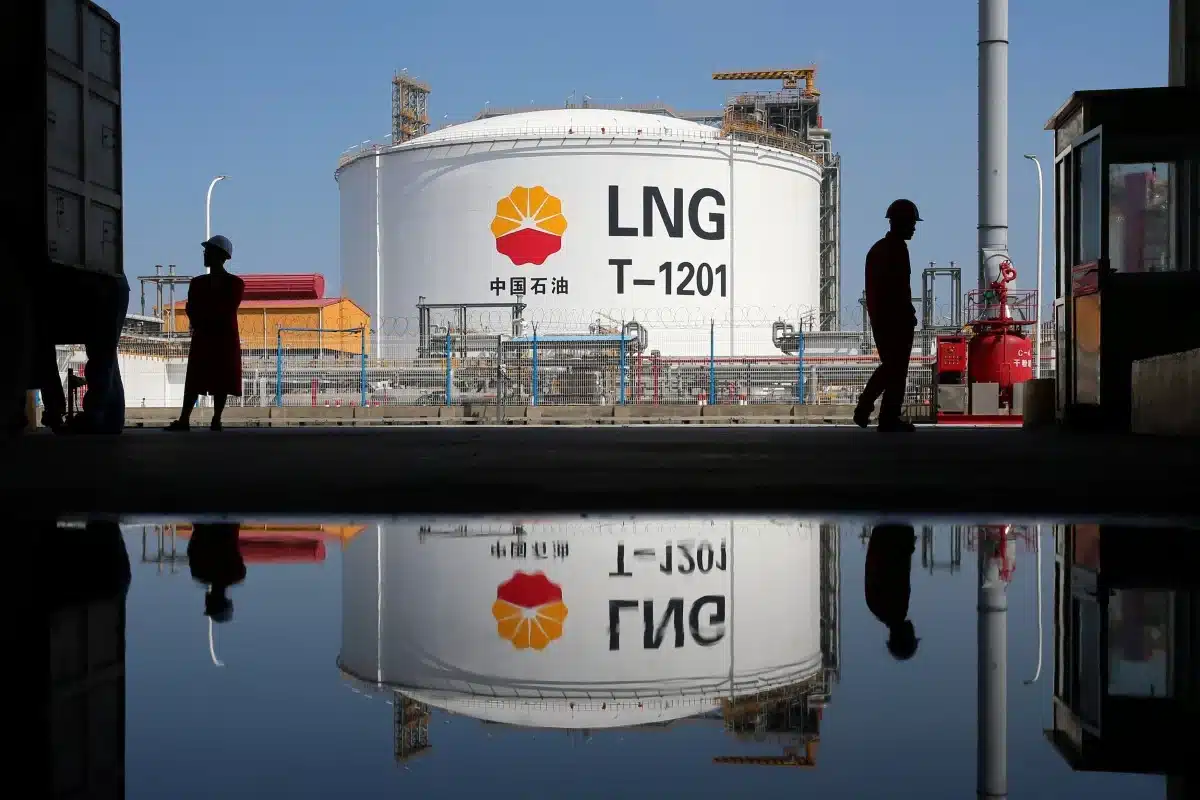
The global market for LNG is changing with the United States and China in loggerhead for dominance. Is there a silver lining for Africa, a continent with abundant gas reserves, to benefit from the ongoing trade war?
British energy giant BP has announced the successful loading of the first liquefied natural gas (LNG) export cargo from the Greater Tortue Ahmeyim (GTA) offshore project, located on the maritime border between Senegal and Mauritania.
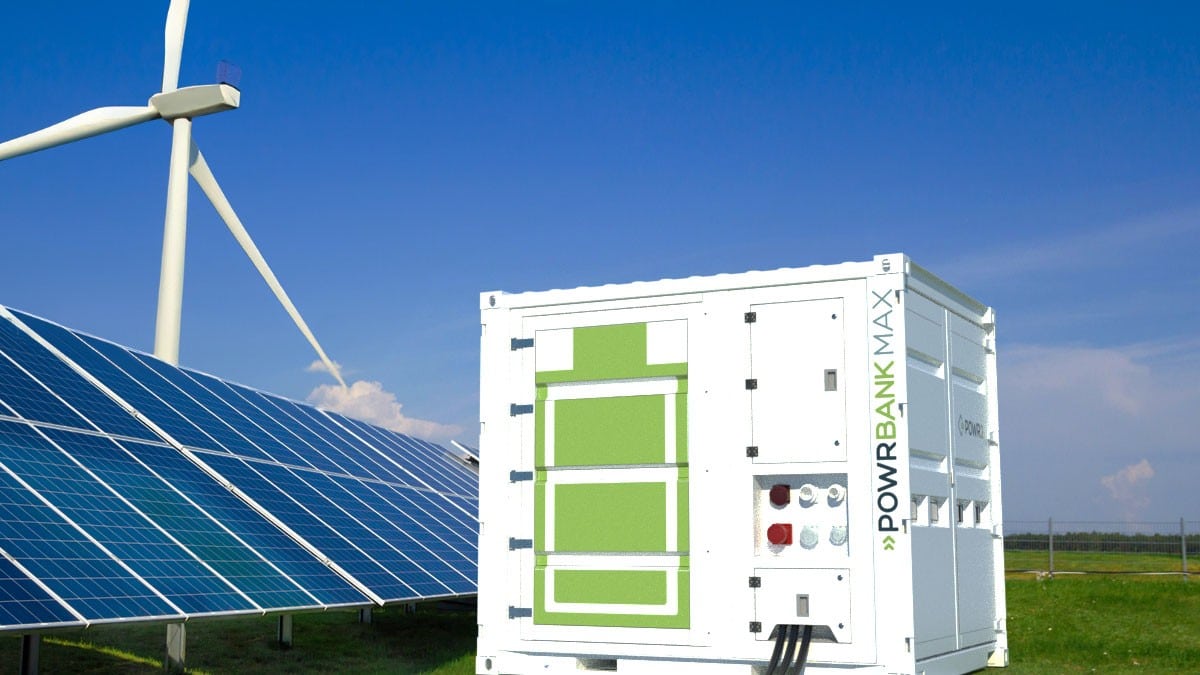
As the drive to generate energy in a sustainable way intensifies, hybrid energy systems (HES) have emerged as a critical solution for supporting industries, transportation, homes, and other sectors crucial for economic growth.
