

Top stories
Energy
Top stories

The East African nation, Tanzania, has finalized a power import agreement with Kenya to source electricity from Ethiopia, leveraging the newly energized Isinya-Singida interconnector.
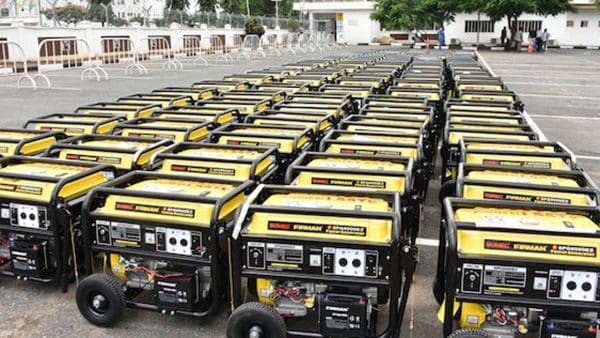
Nigeria’s generator import market is booming, driven by the country’s electricity crisis. A recent report shows that about $218 million was spent on imported generators in 2024 alone. But which countries dominate this market?
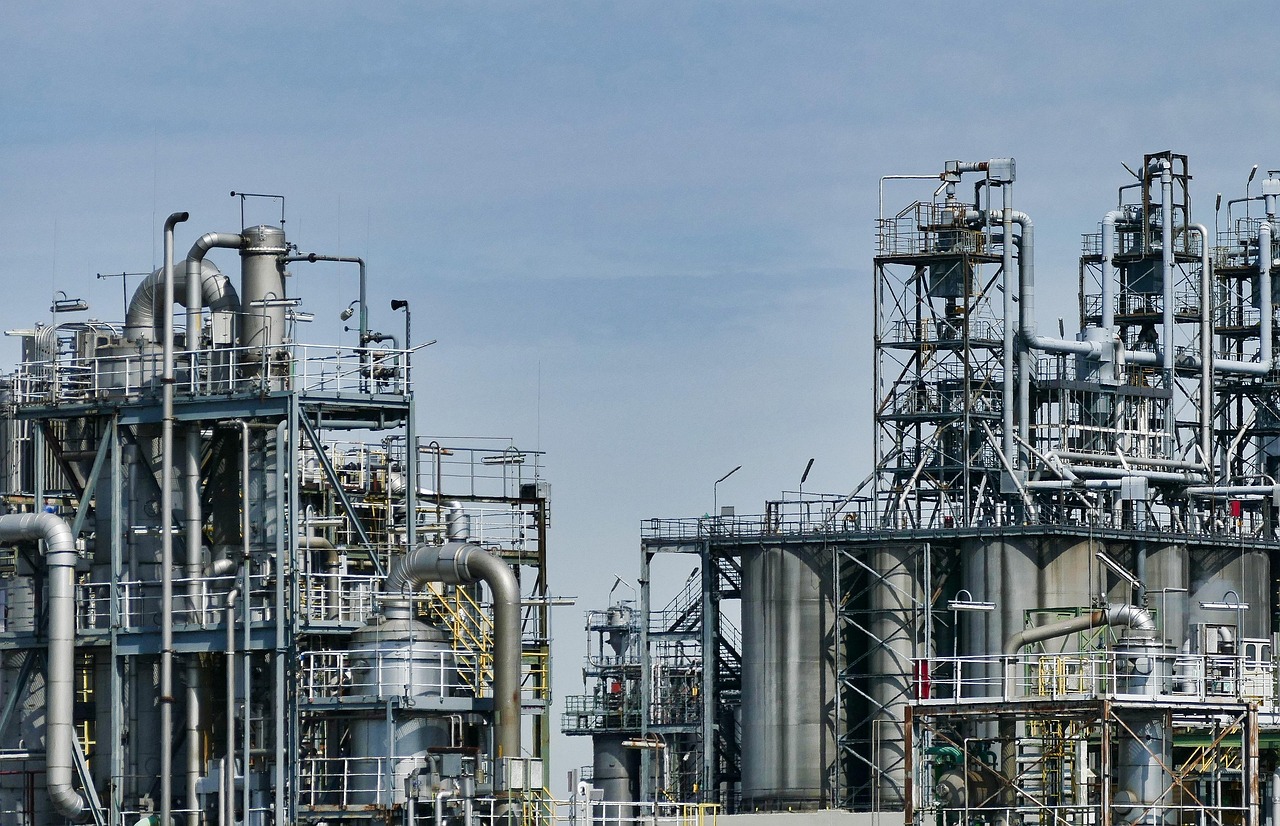
Zambia has signed a deal with a Chinese engineering firm to build a $1.1 billion crude oil refinery that could significantly reduce its fuel import bill.
The World Bank has described the emerging electricity trends in Mozambique as positioning the country to become an “electricity hub” for the Southern African region.
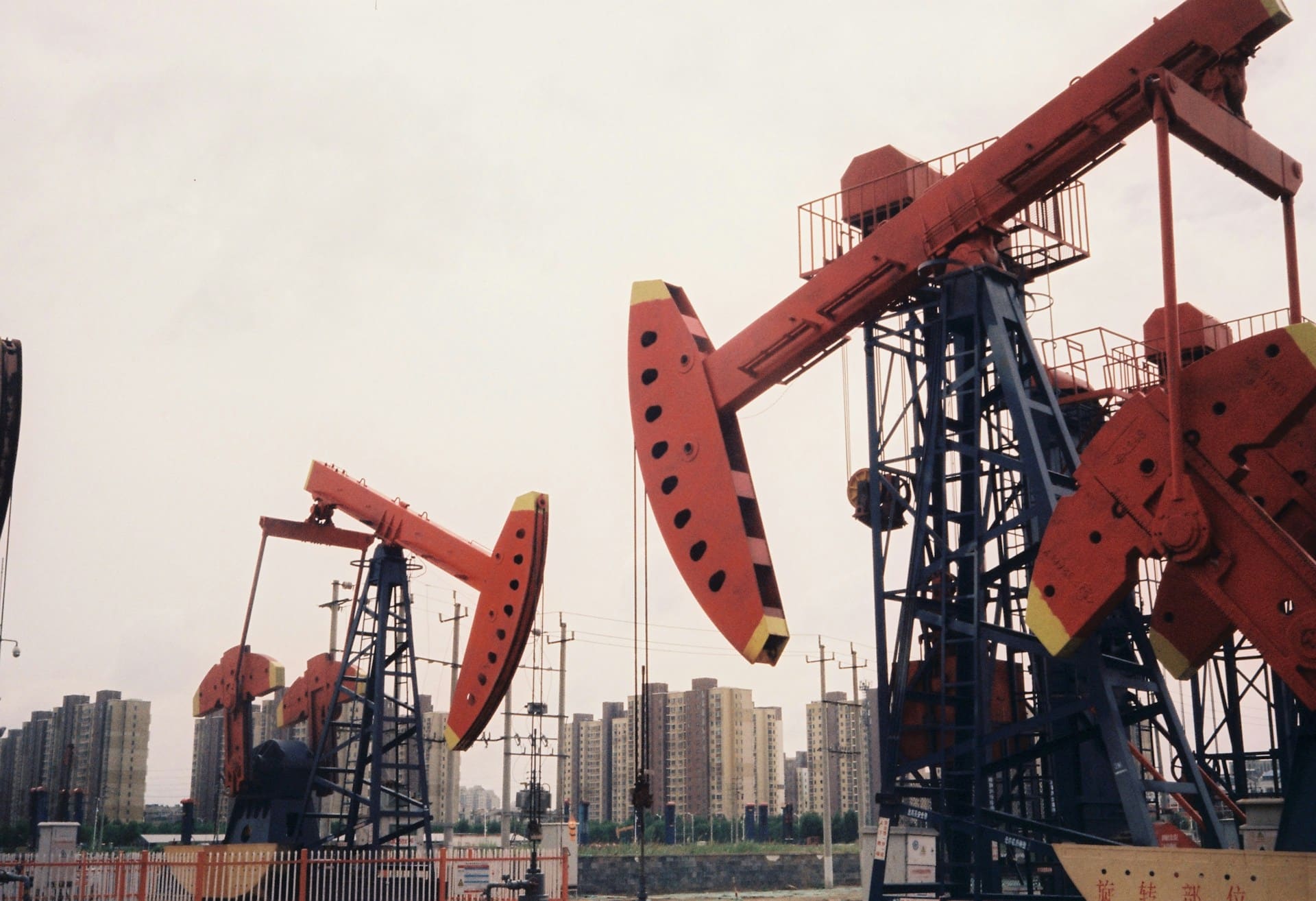
First Exploration & Production (First E&P) has reached a memorandum of understanding (MoU) with Tanzania Petroleum Development Corporation (TPDC) to assess and develop potential hydrocarbons in Tanzania’s Mnazi Bay North block.

The park itself has a total combined generation capacity of 1.8 gigawatts (GW) and features over 32 million solar PV panels. At full capacity, the park is expected to generate 3.8 terawatt-hours (TWh) of electricity annually.

A state in Nigeria’s South East region, Enugu, has taken an unprecedented step by slashing electricity tariffs for its residents — marking a shift away from the centrally controlled pricing system.
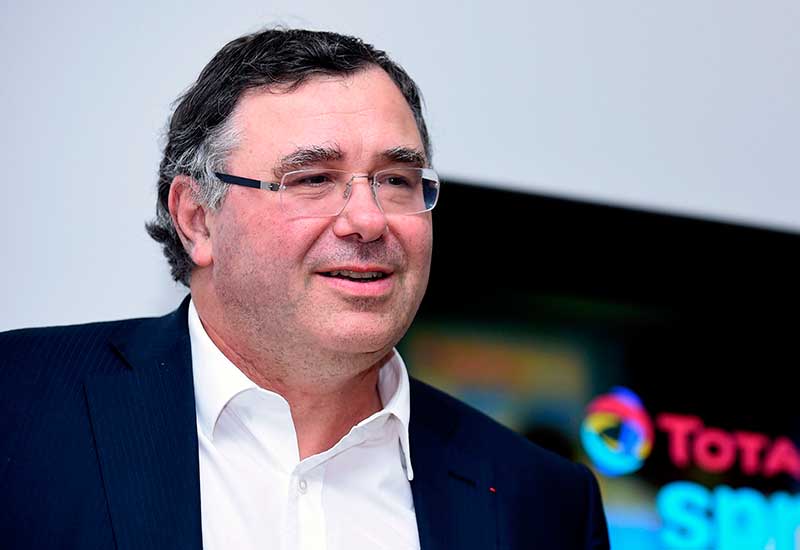
Mozambique may soon see the revival of its stalled $20 billion liquefied natural gas (LNG) project as President Daniel Chapo confirmed that discussions with French energy giant Total Energies are approaching conclusion.
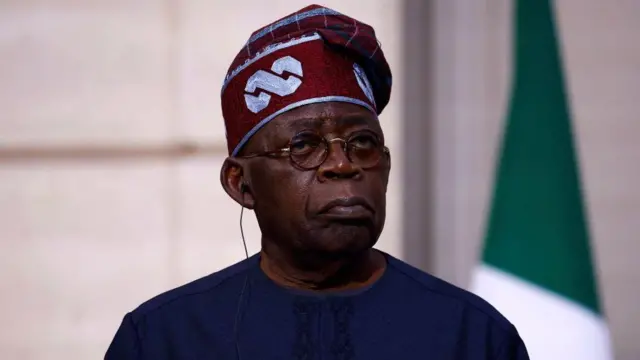
Before the 2023 election, President Tinubu pledged to solve Nigeria’s persistent electricity crisis within four years. He boldly declared that if he failed, voters should not re-elect him in the next cycle. As 2027 approaches, the oppositions are now taking Tinubu at his words.
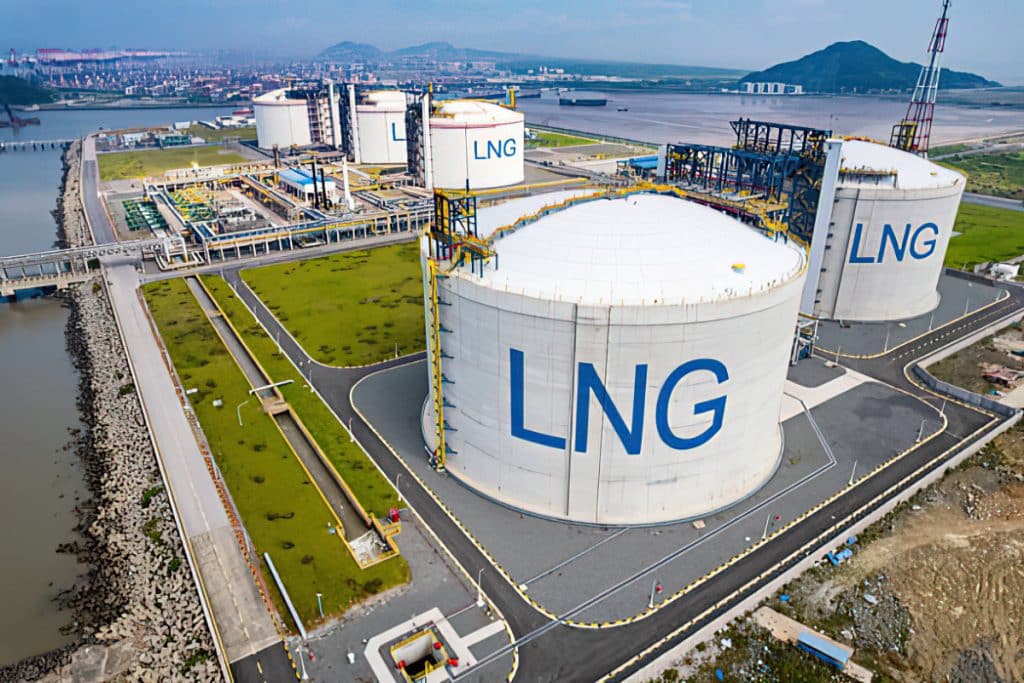
In the global race to transition toward cleaner energy and maximize domestic value from natural resources, Nigeria and Angola—Africa’s two largest oil producers—are making noticeable efforts.
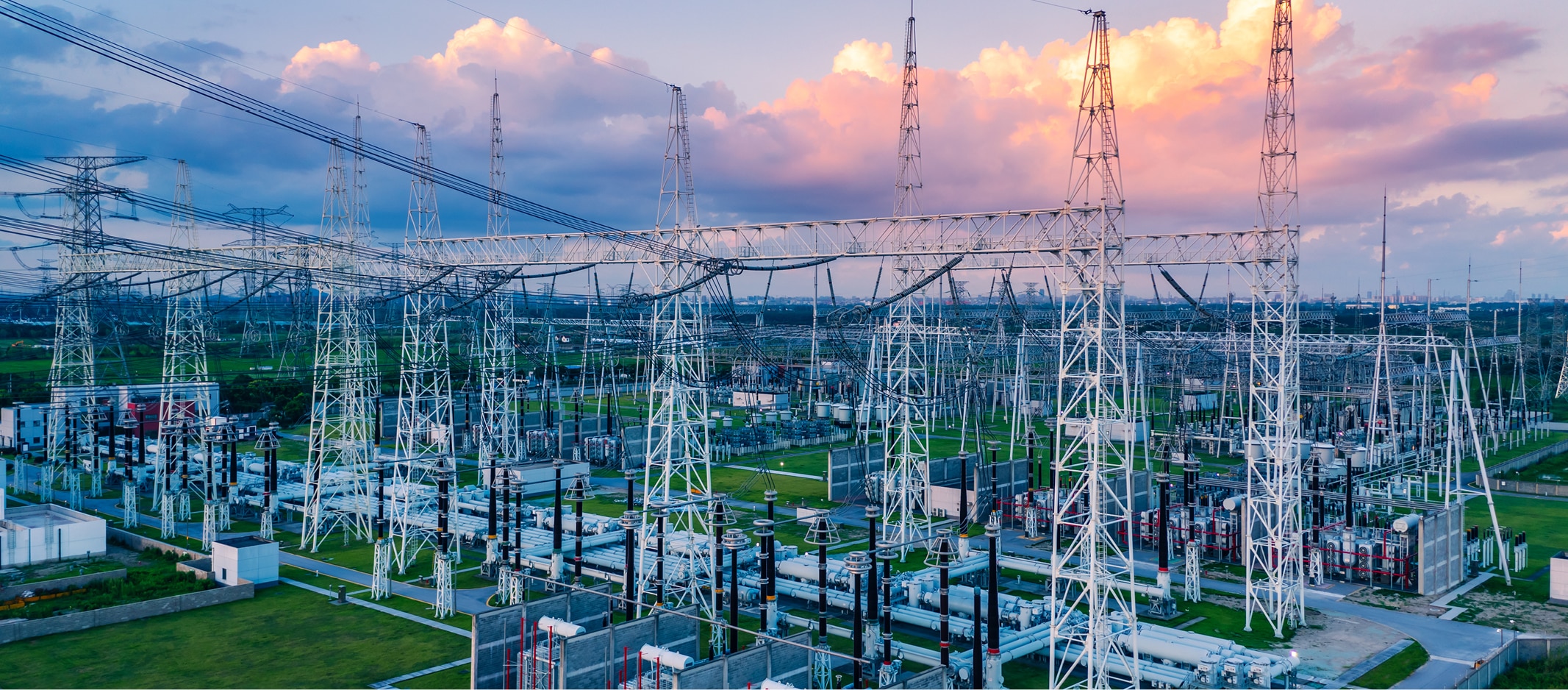
At a time when several African countries are scaling back subsidies to contain deficits, Namibia’s choice to expand support for electricity access stands out.
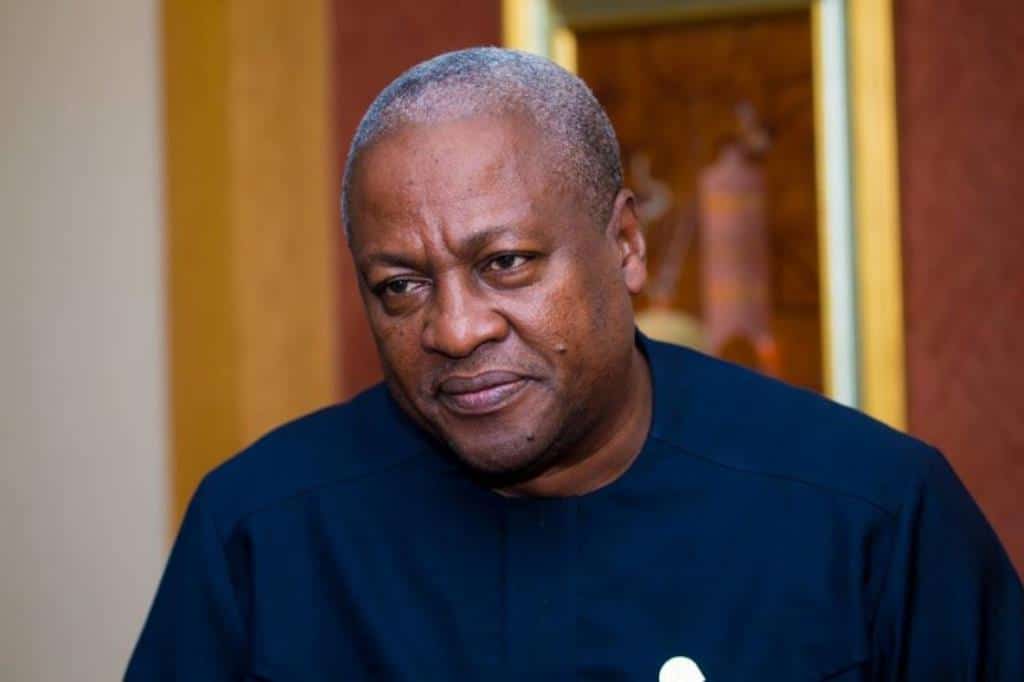
The government of Ghana has disclosed plans to revisit the terms of the Ewoyaa Lithium Agreement following a dramatic fall in global lithium prices, which has cast doubt on the financial viability of the project.
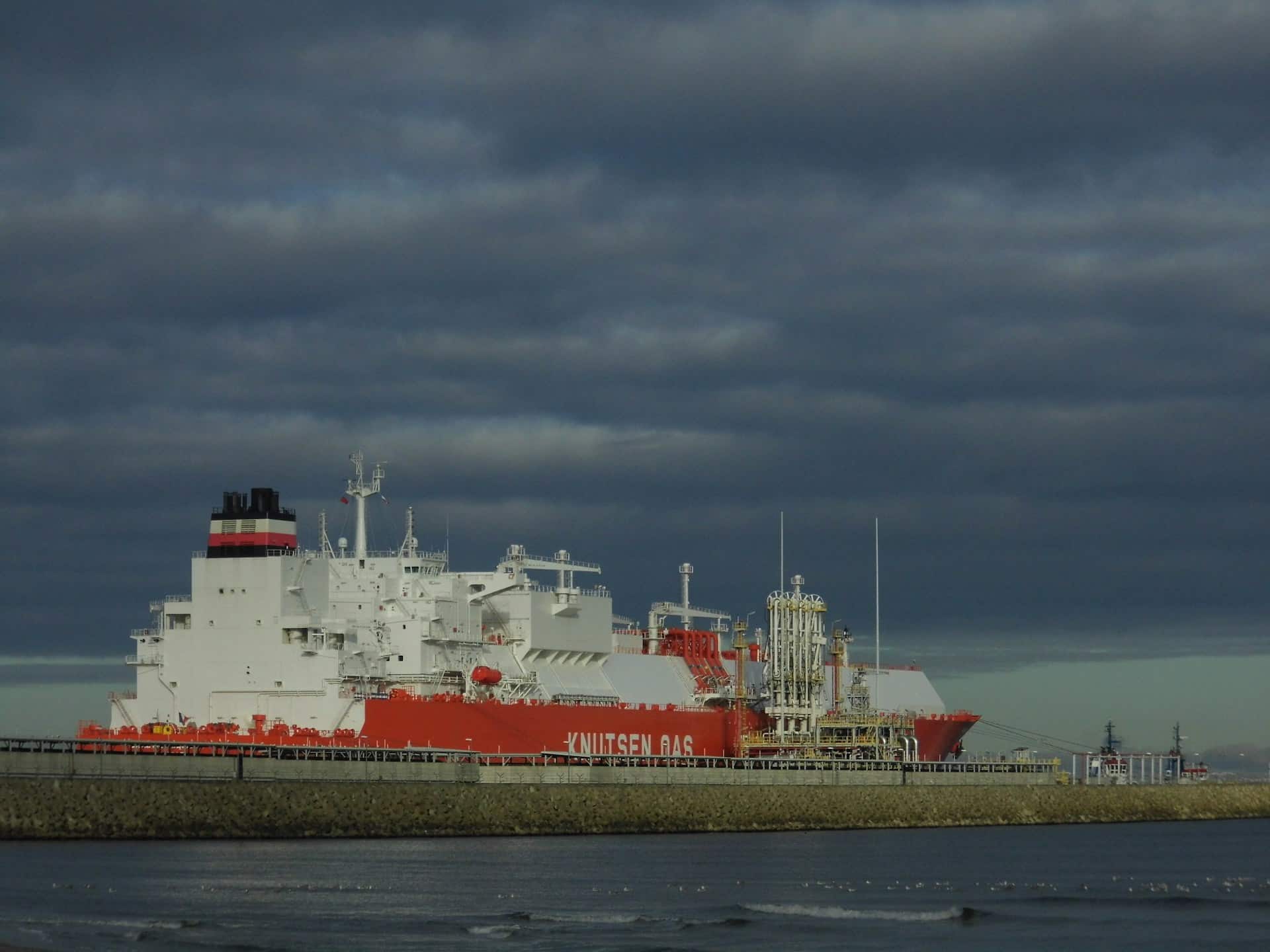
Senegal’s national utility Société nationale d’électricité du Sénégal (Senelec), in partnership with Turkish energy firm Karpowership, have officially launched the country’s first LNG-to-power project.
The African Development Bank Group (AfDB) has approved $201.4 million to fund the modernisation of Rwanda’s electricity distribution network.
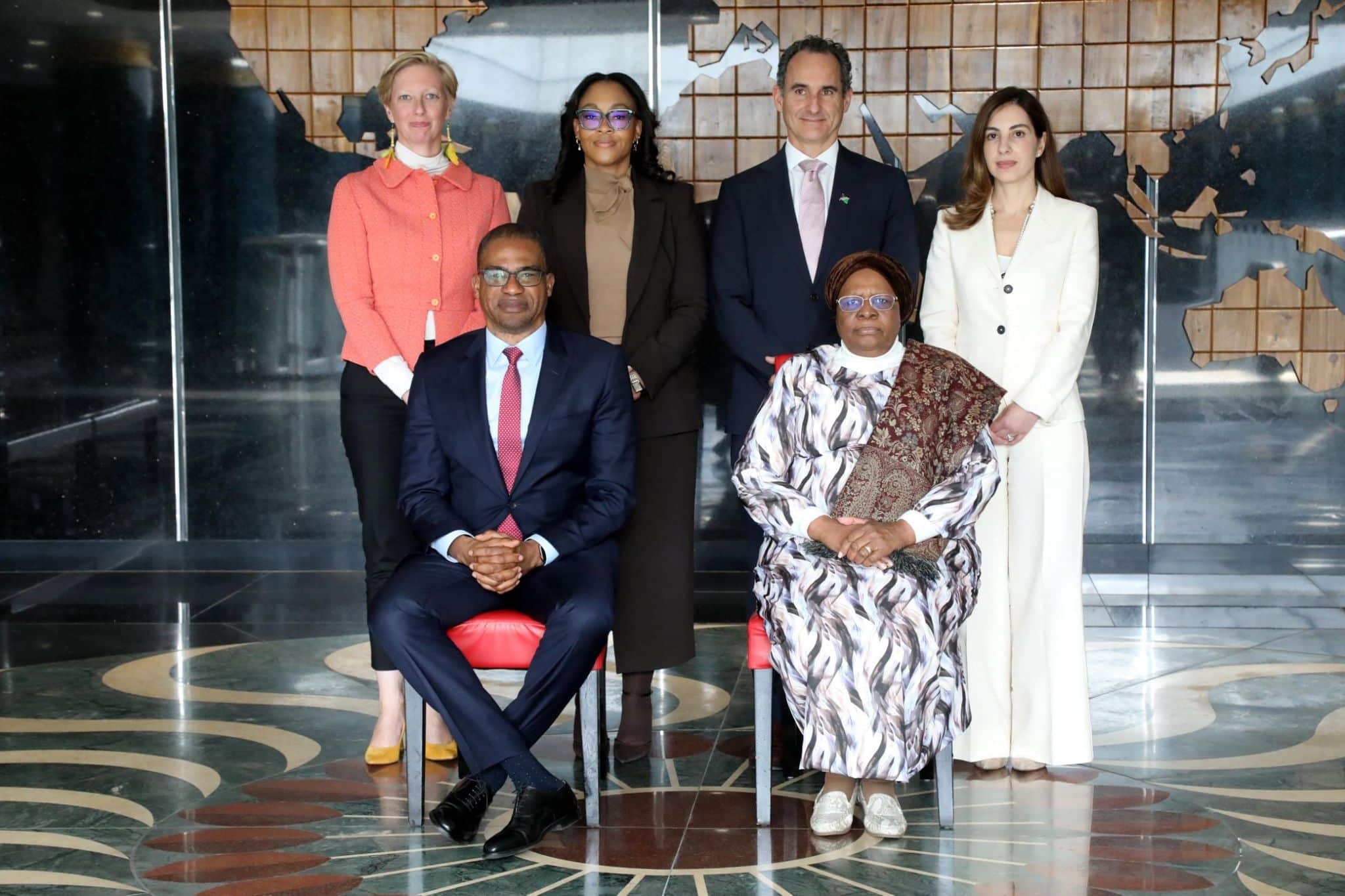
Namibia’s President, Netumbo Nandi-Ndaitwah, has met with Shell executives as both sides resume talks on advancing exploration activities in the country.
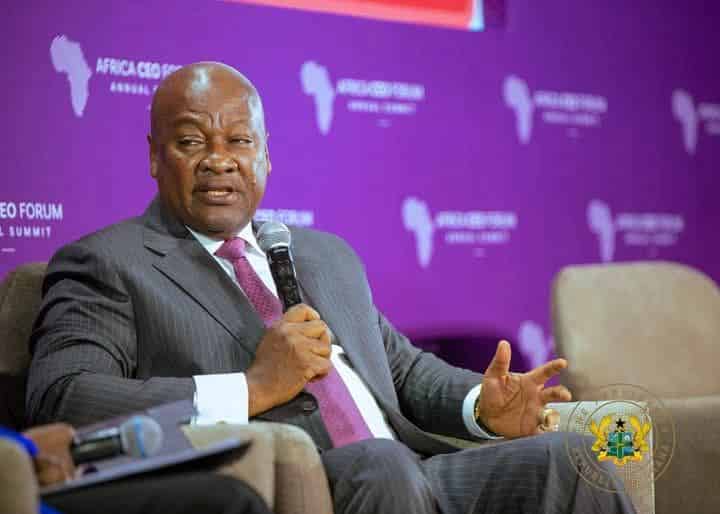
The former chief executive of Ghana’s National Petroleum Authority (NPA), Mustapha Abdul-Hamid, has been named in a $28 million extortion and money laundering scheme, involving six others and three companies.
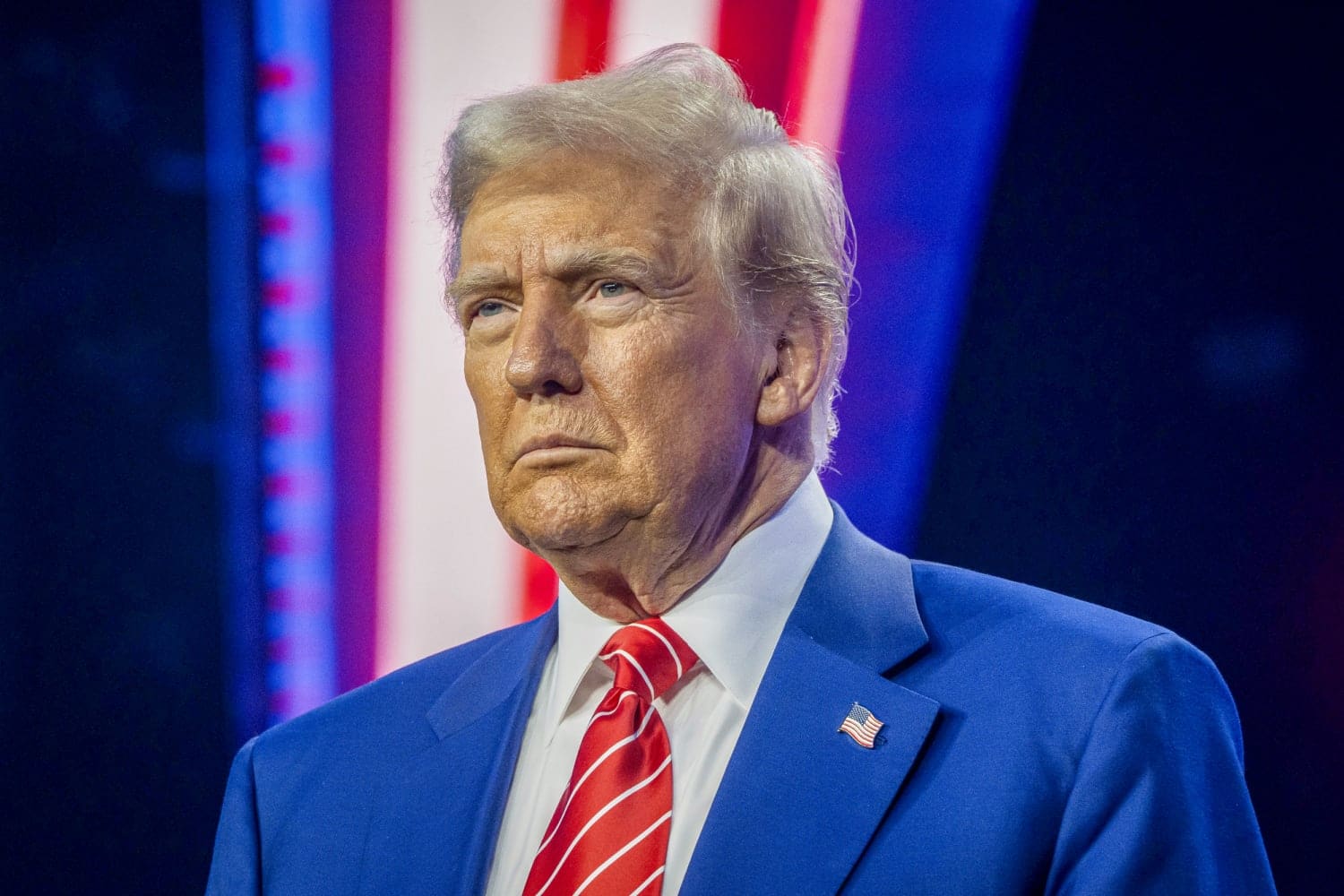
Environmental groups in the US are challenging the Trump’s administration’s $4.7 billion loan approval for TotalEnergies to develop an LNG project in Cabo Delgado, Mozambique.
Ghana’s power sector is deep in debt, owing over $1.5 billion to private producers. The government now faces a tough balancing act—renegotiate contracts, prevent blackouts, and keep the grid running without plunging further into crisis.
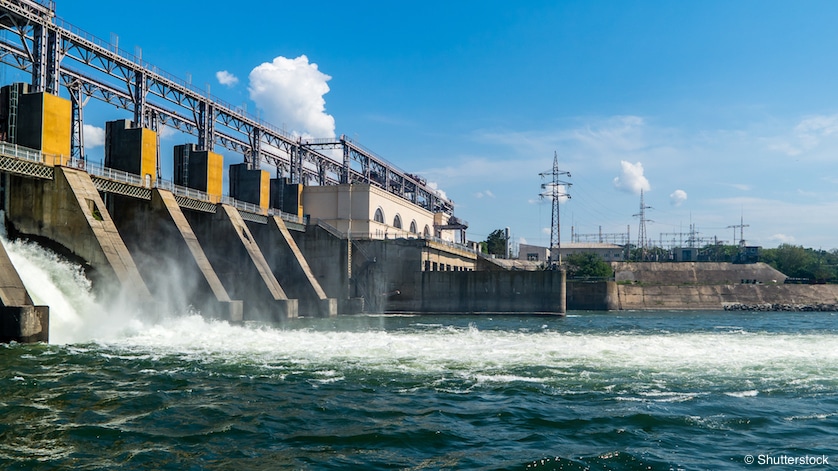
The Cahora Bassa Hydroelectric Plant (HCB), Mozambique’s largest hydroelectric power producer is set to receive an upgrade which will increase the capacity of the turbines by more than 4% to 433 megawatts (MW) per unit.
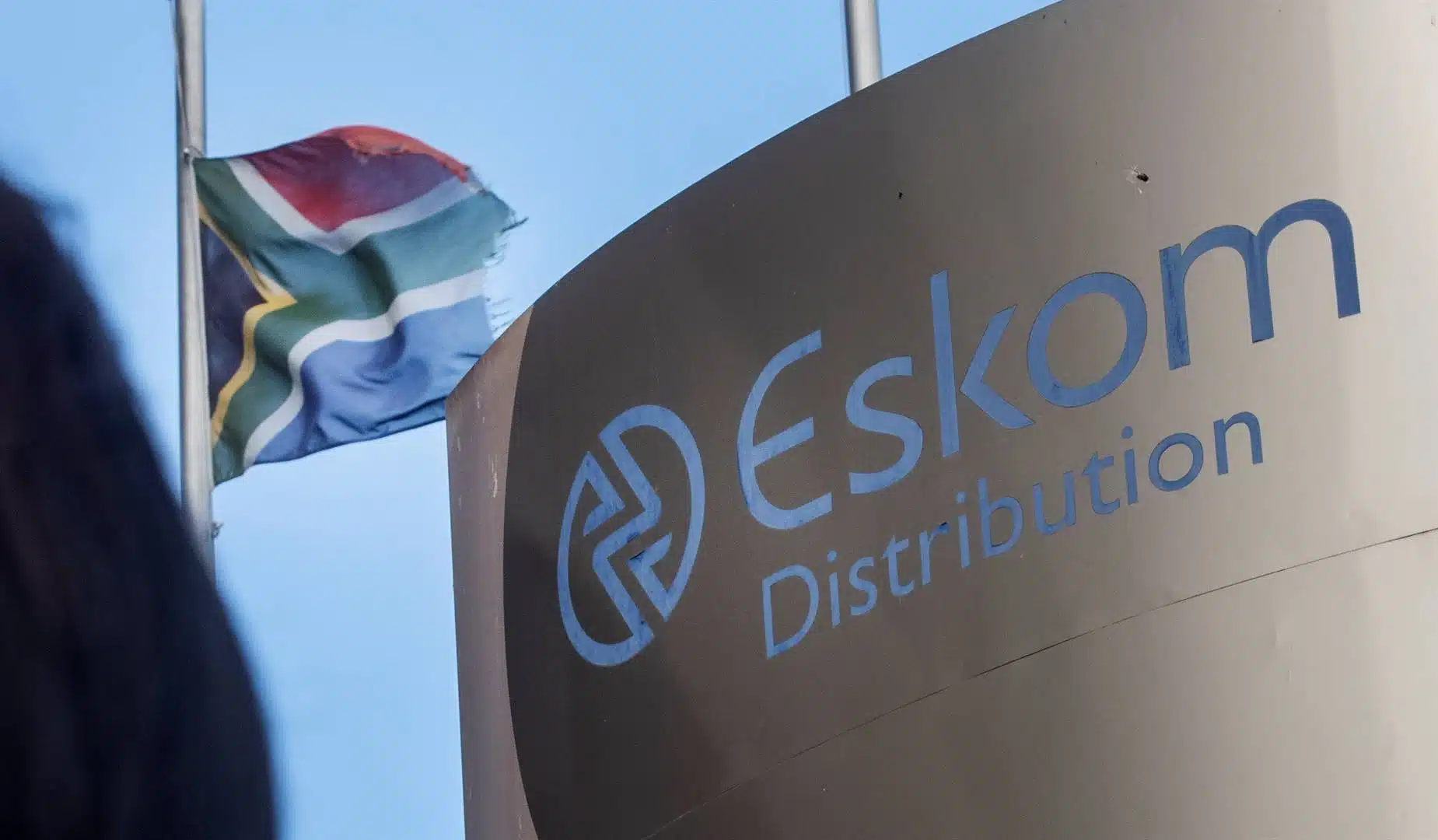
South Africa’s state-owned power utility, Eskom, has revealed that it will exit coal completely and transition fully to cleaner energy sources by the year 2040.
