

Top stories
Energy
Top stories
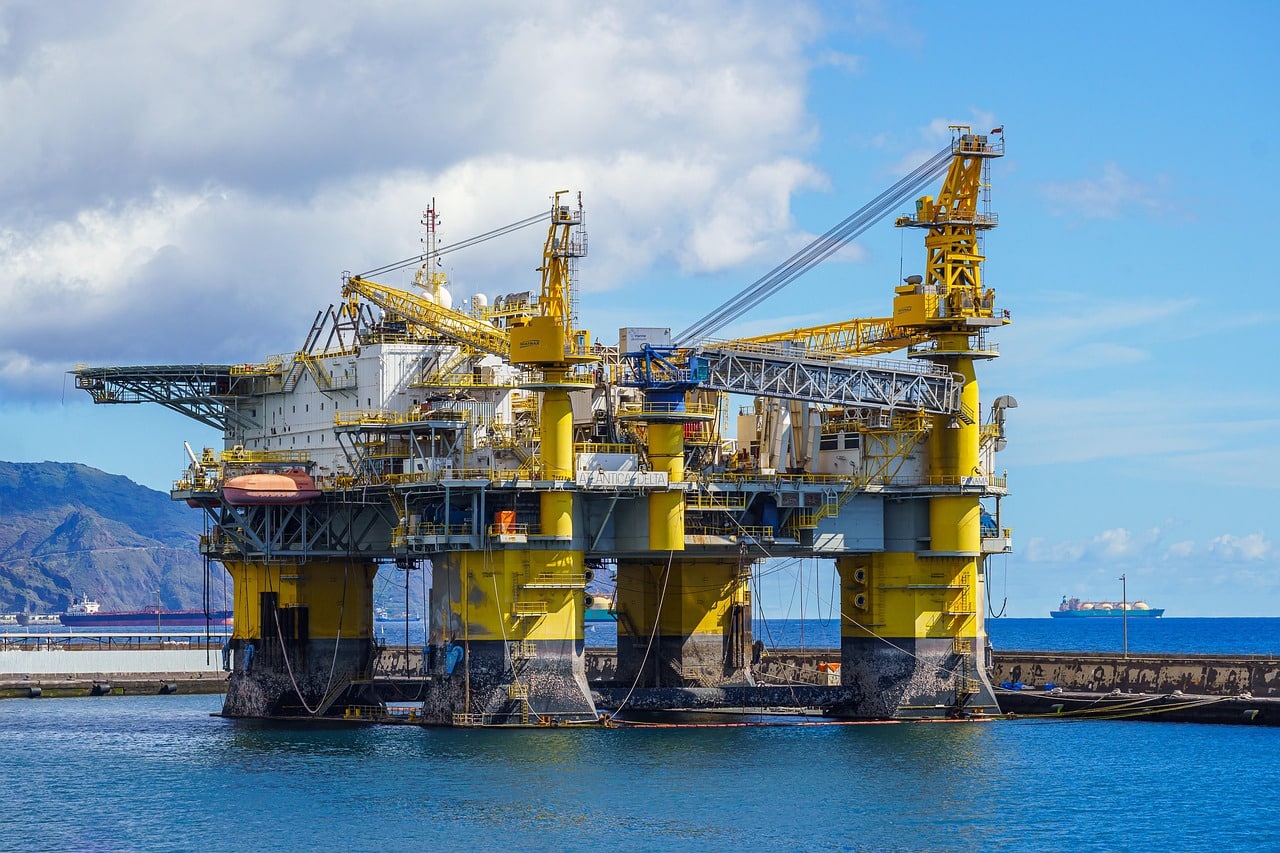
Sierra Leone has taken a major step toward unlocking its oil and gas potential with the completion of a promising offshore 3D seismic survey, as the country positions itself to become West Africa’s newest oil and gas frontier.
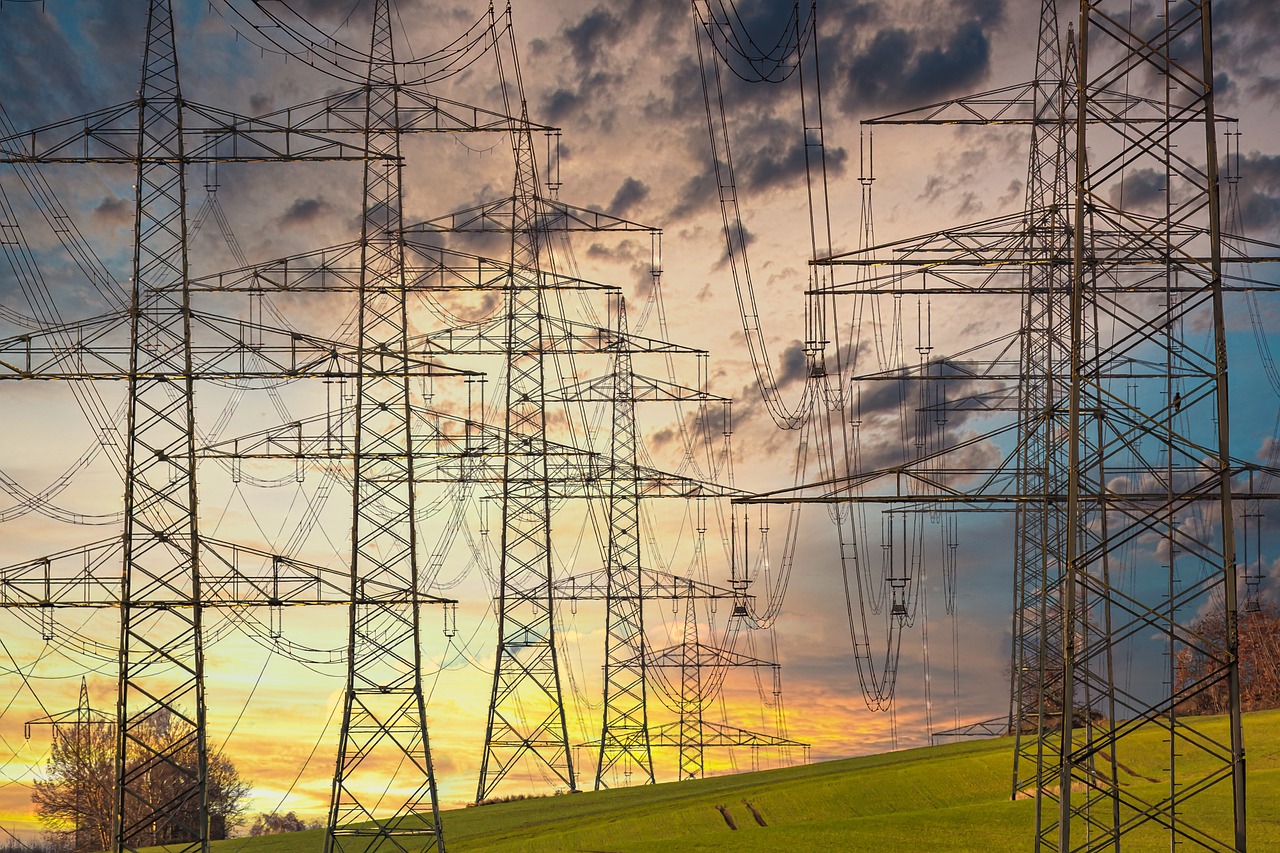
Despite low electricity coverage across the continent, some African countries have risen beyond the maze of energy poverty, providing as much as 100% coverage access to their populace.
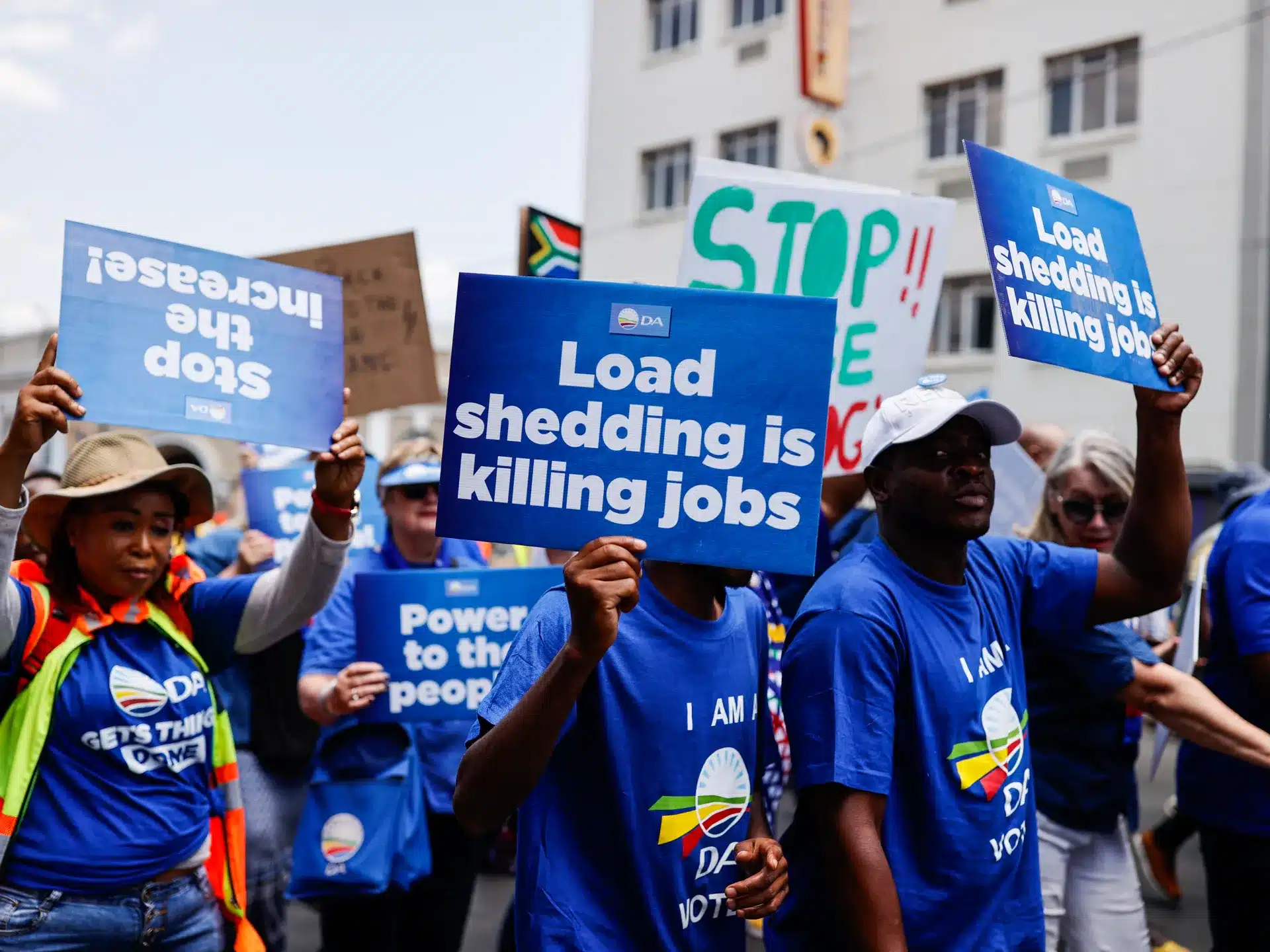
Africa’s most industrialised nation, South Africa, is grappling with an ongoing energy crisis as load shedding, scheduled power cuts to stabilize the grid, continues to disrupt daily life and economic operations.
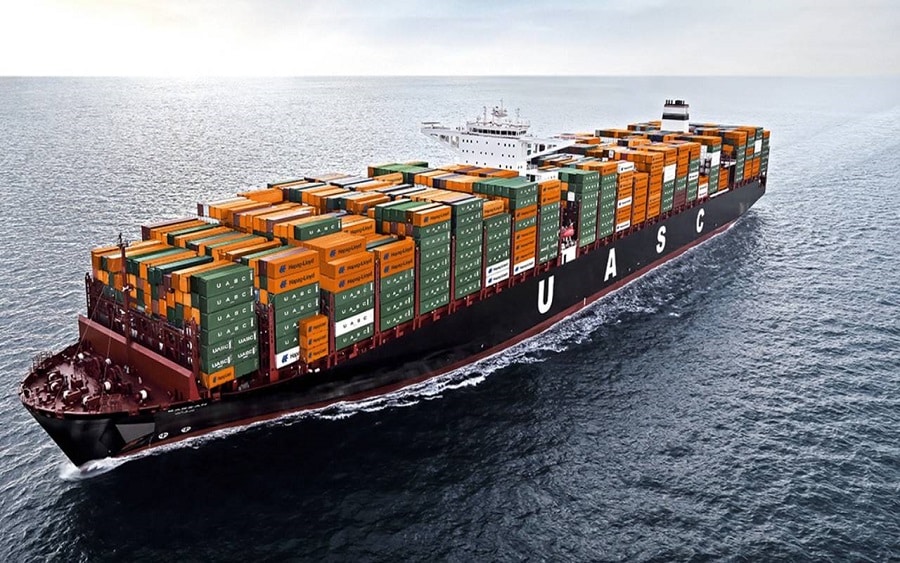
Pakistan Refinery Limited (PRL), a majority-owned subsidiary of Pakistan Oil Company, is set to purchase 500,000 barrels of Nigeria’s Bonny Light crude through Vitol this September, its first-ever cargo from Africa’s largest oil producer.
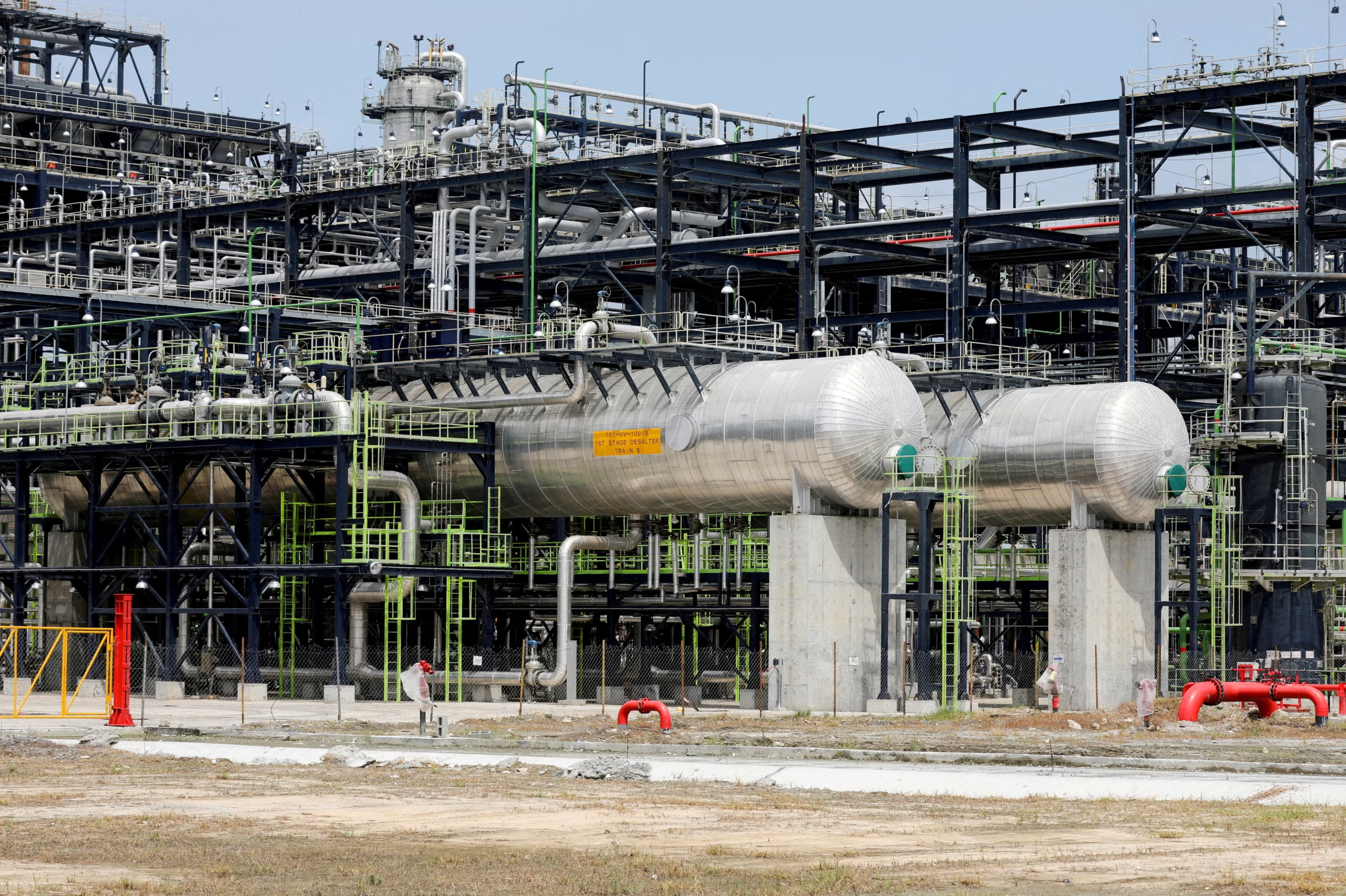
But like many industries in Africa’s fourth-largest economy, competition often proves to be both its strength and its weakness. Soon enough, the Dangote refinery was no longer enough for the country’s businessmen and wealthy investors.
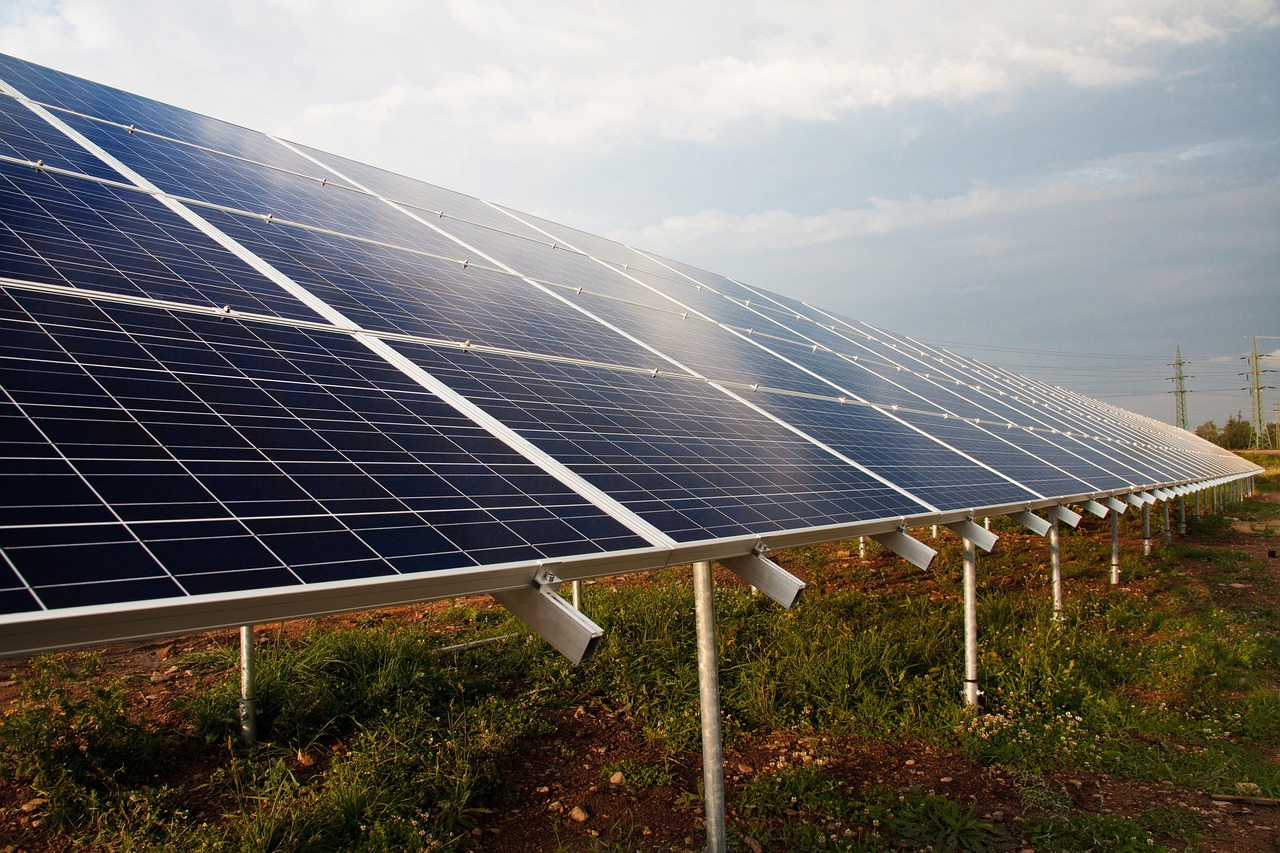
West African nation, Ghana, has approved a $3.4 billion renewable energy program to transform the nation’s energy infrastructure, prioritizing public institutions like schools, hospitals, and universities.
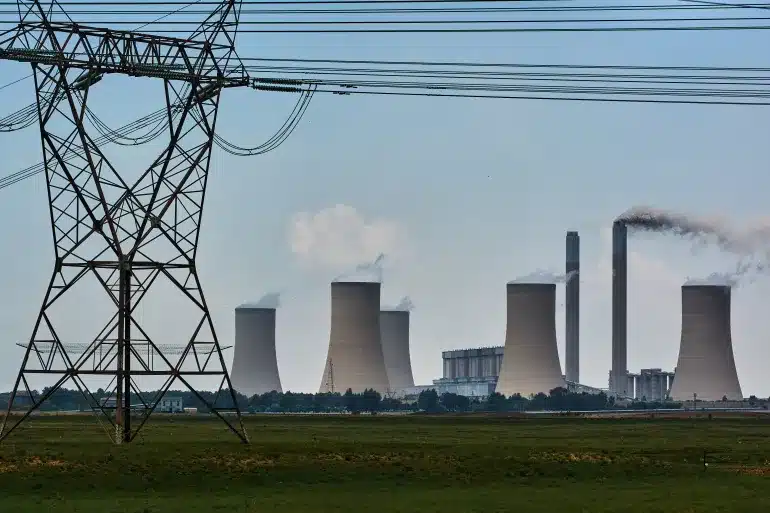
South Africa’s Environment Minister, Dion George, has approved for the construction of a new Nuclear Power Station in Western Cape Province.
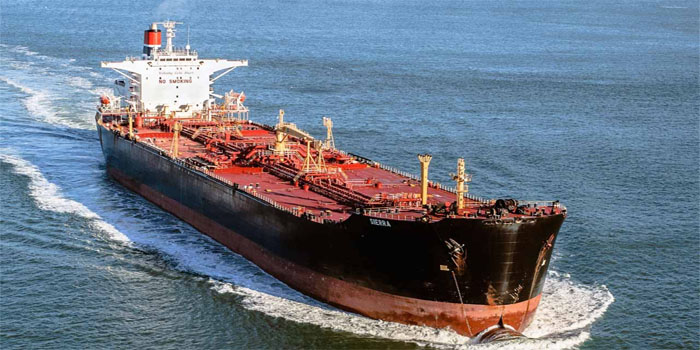
The East African country of Mozambique imported fuel products worth a total of $199.5 million in the first three months of 2025, about 15% of the total amount spent for the entire year of 2024.
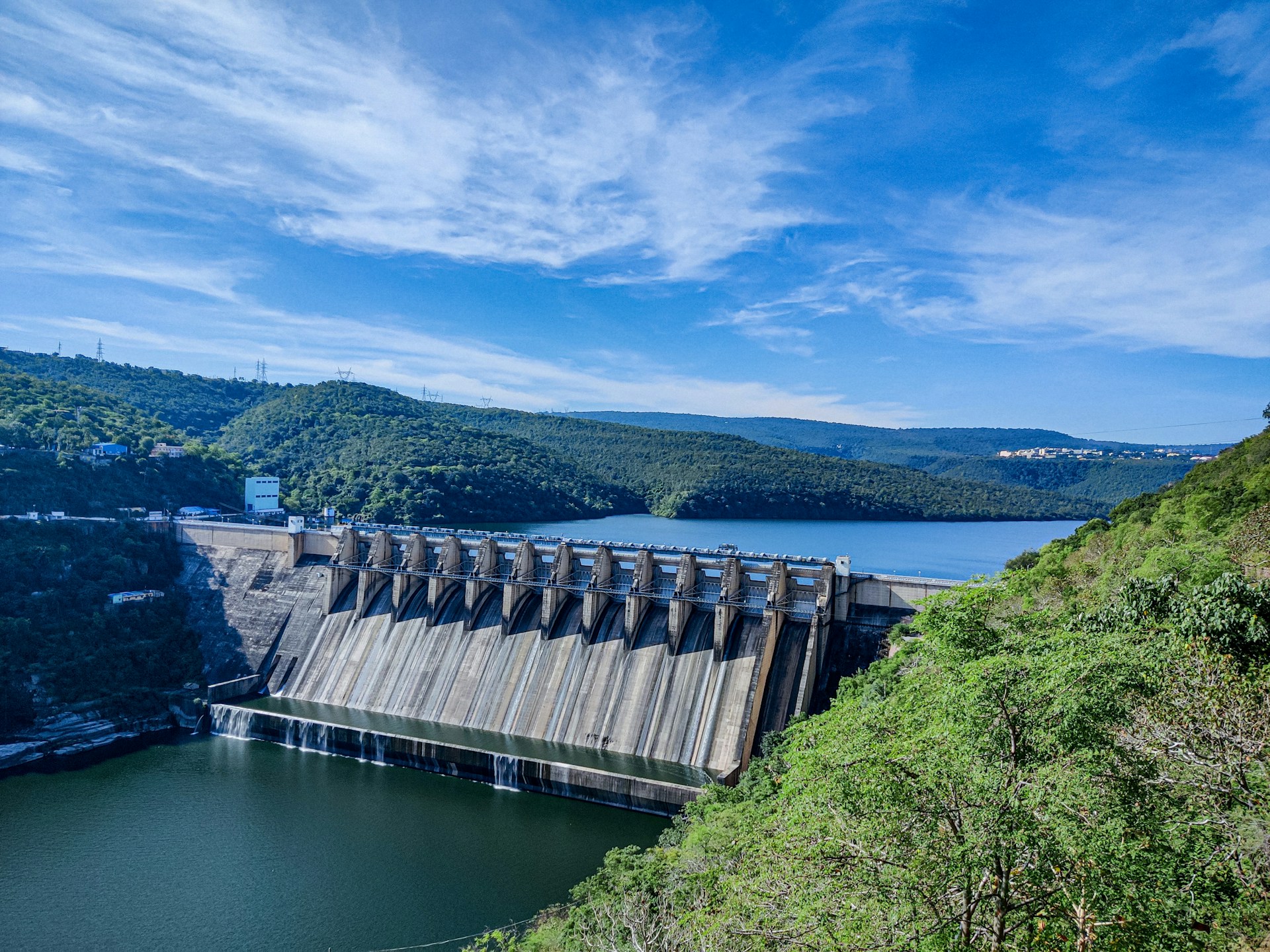
Ethiopia is keeping up with plans to inaugurate the largest hydropower project in Africa, the Grand Ethiopian Renaissance Dam (GERD) even as Egypt continues to oppose the project.
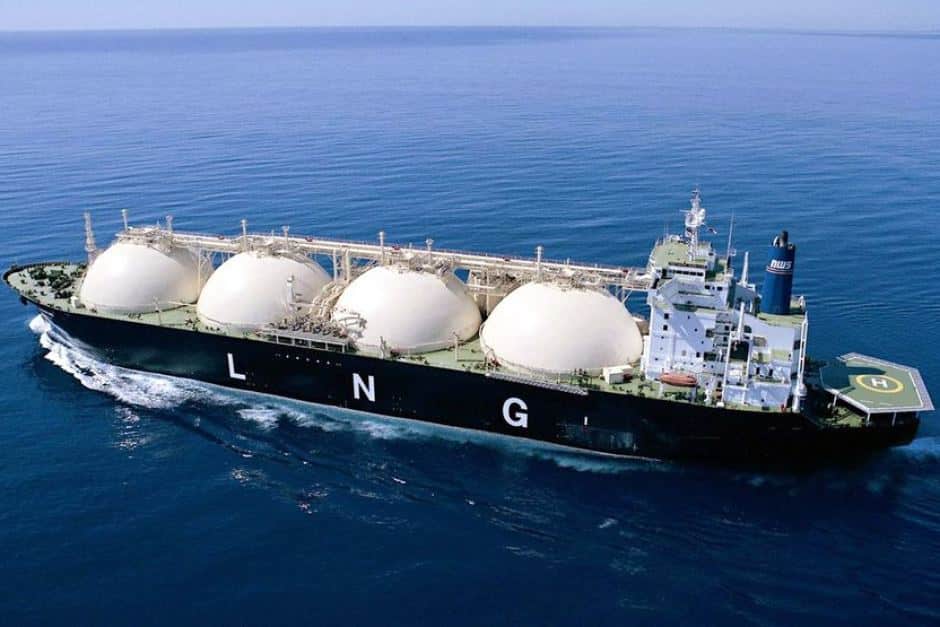
The government of Egypt has signed a $35 billion gas supply agreement that will allow the delivery of natural gas from Israel’s Leviathan gas field.
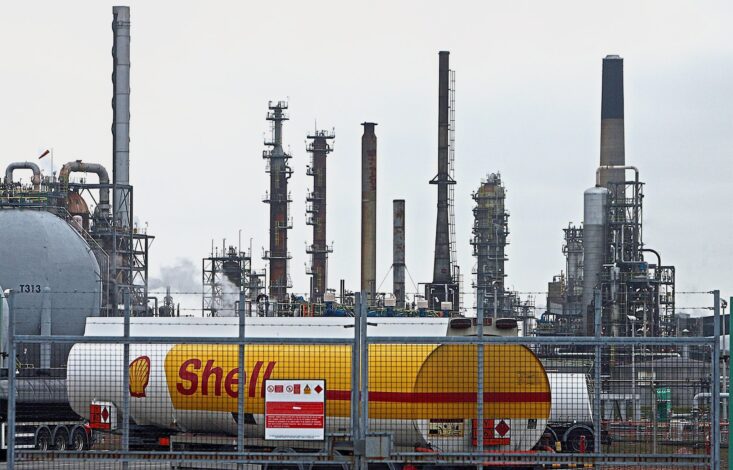
Civil society organisations and coastal communities have launched a formal appeal against the government’s decision allowing Shell to begin drilling activity in the Northern Cape Ultra Deep (NCUD) oil and gas project.
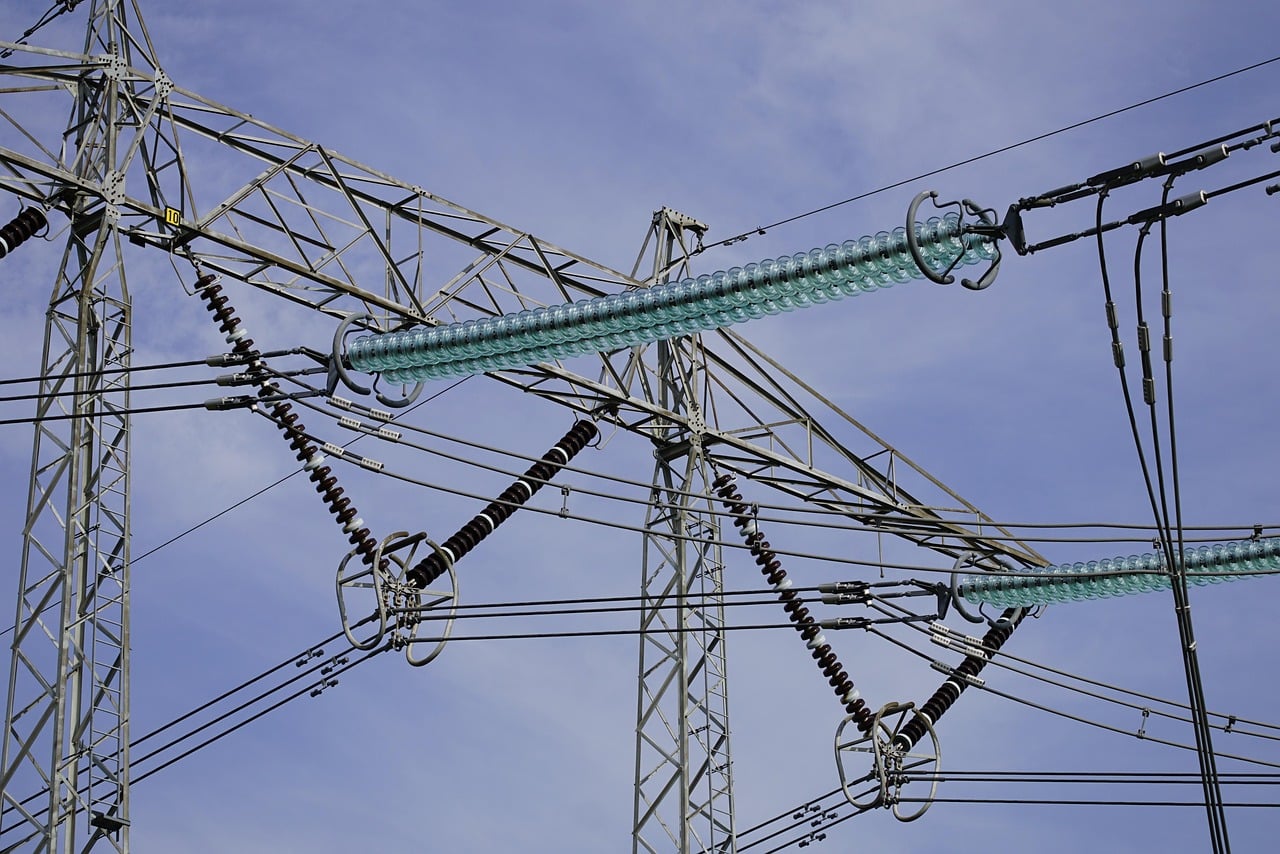
Cameroon has officially launched construction work on a 225 kV high-voltage transmission line which will link the 216 MW Kribi gas-fired power plant to a new 225 kV transformer substation under construction at the Kribi port in Southern Cameroon.
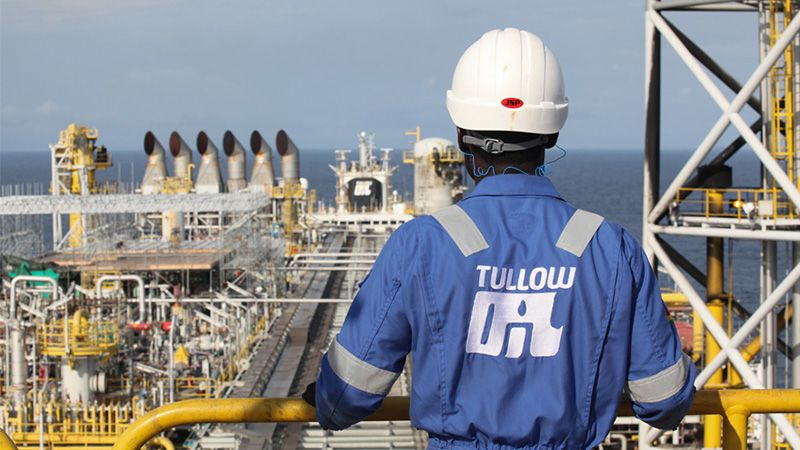
UK oil and gas company, Tullow, has resumed drilling at its flagship field in Ghana with what it described as a “better than expected” result at its new well.
Shell Nigeria Exploration and Production Company Limited (SNEPCo) is aiming to execute over 90% of its contract value through Nigerian companies as part of its commitment to strengthening local content in the country’s oil and gas sector.
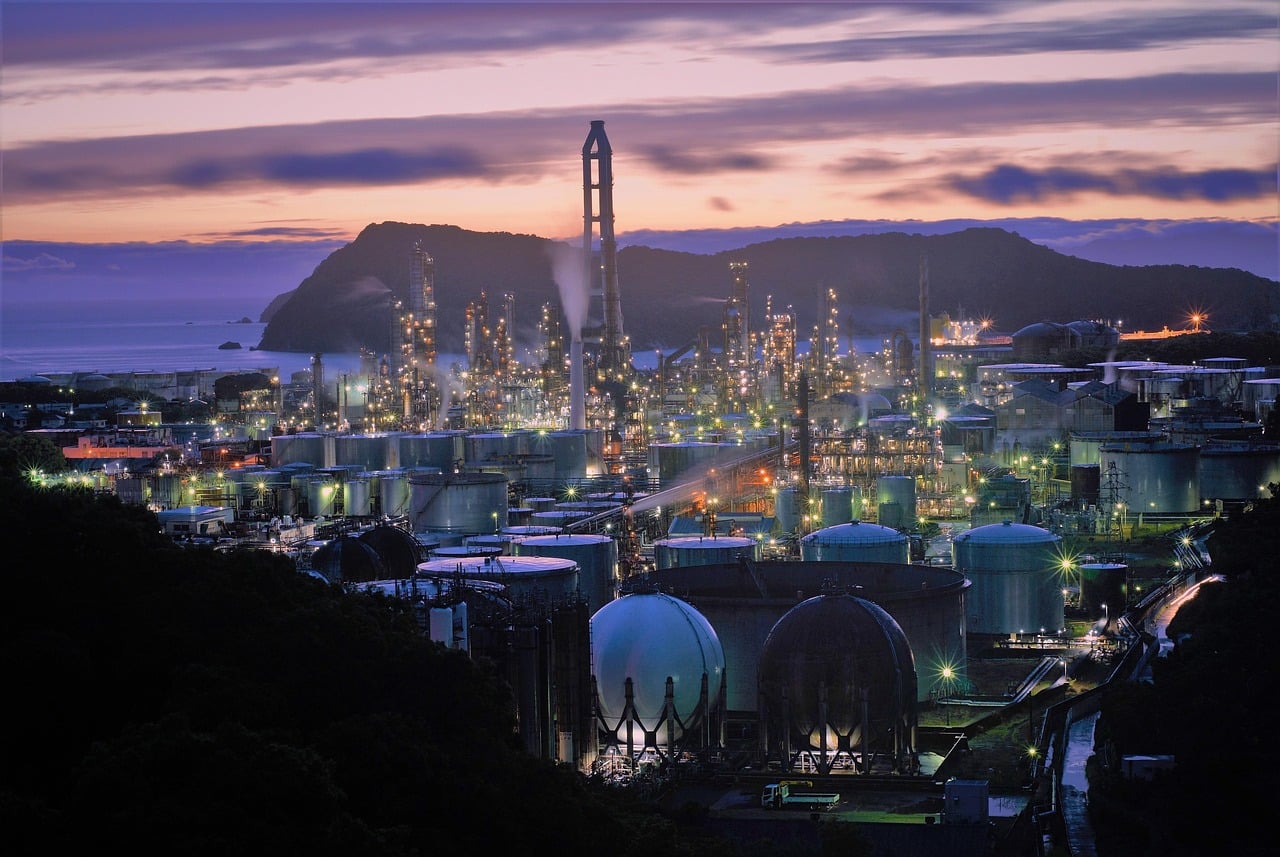
Abu Dhabi based AD Ports Group has entered a new deal with Egypt’s Ministry of Petroleum and Mineral Resources and Dubai’s TCM Project Management to explore the joint development of Egypt’s crude oil storage infrastructure.

A Federal High Court in Lagos, Nigeria has taken control of Ikeja Electricity Distribution Company (IKEDC) and KEPCO Energy Resources, two major players in the country’s power sector.
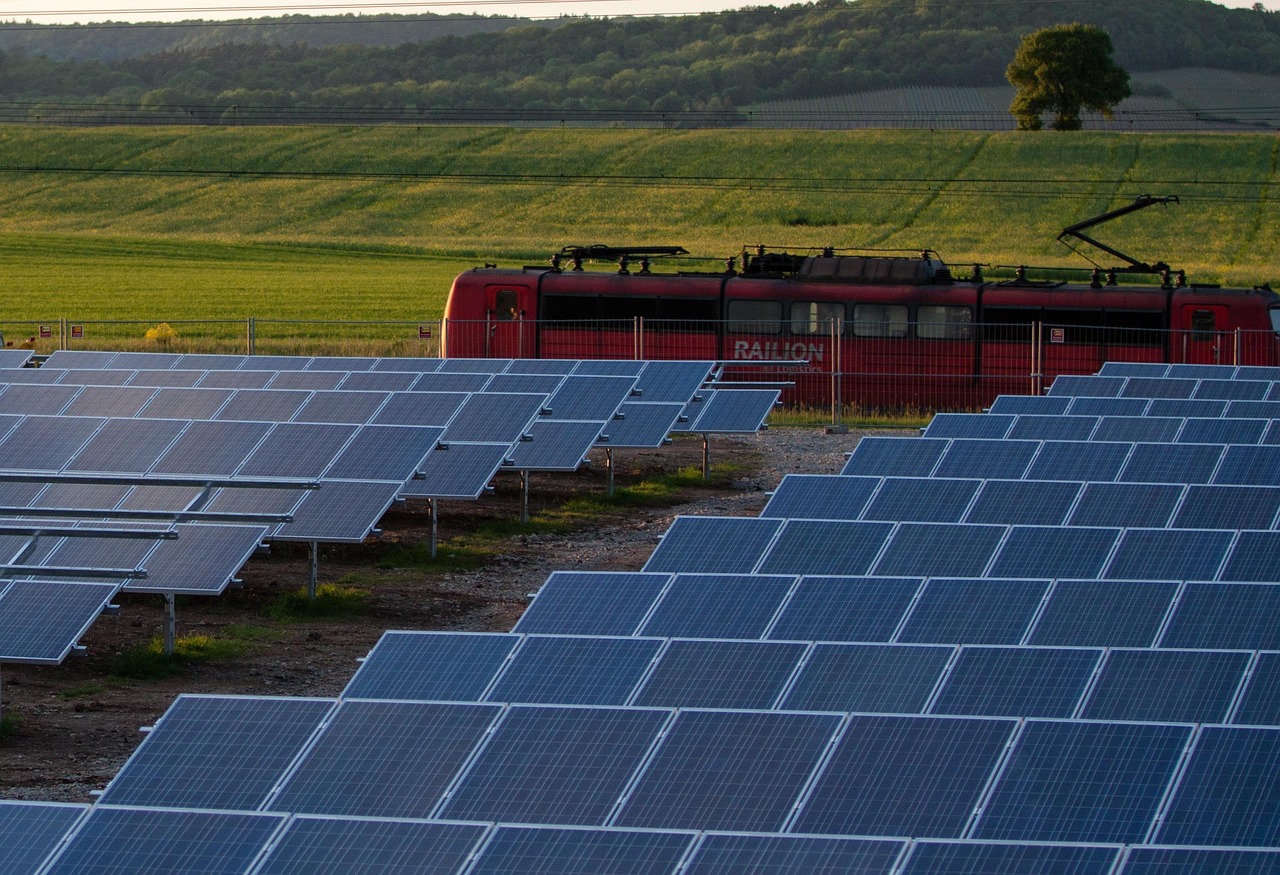
Southern African nation, Zambia, has revealed that it plans to generate about 1,000 MW of new solar power by the end of 2025, even as recorded an increased national electricity access rate from 34% to 54%.
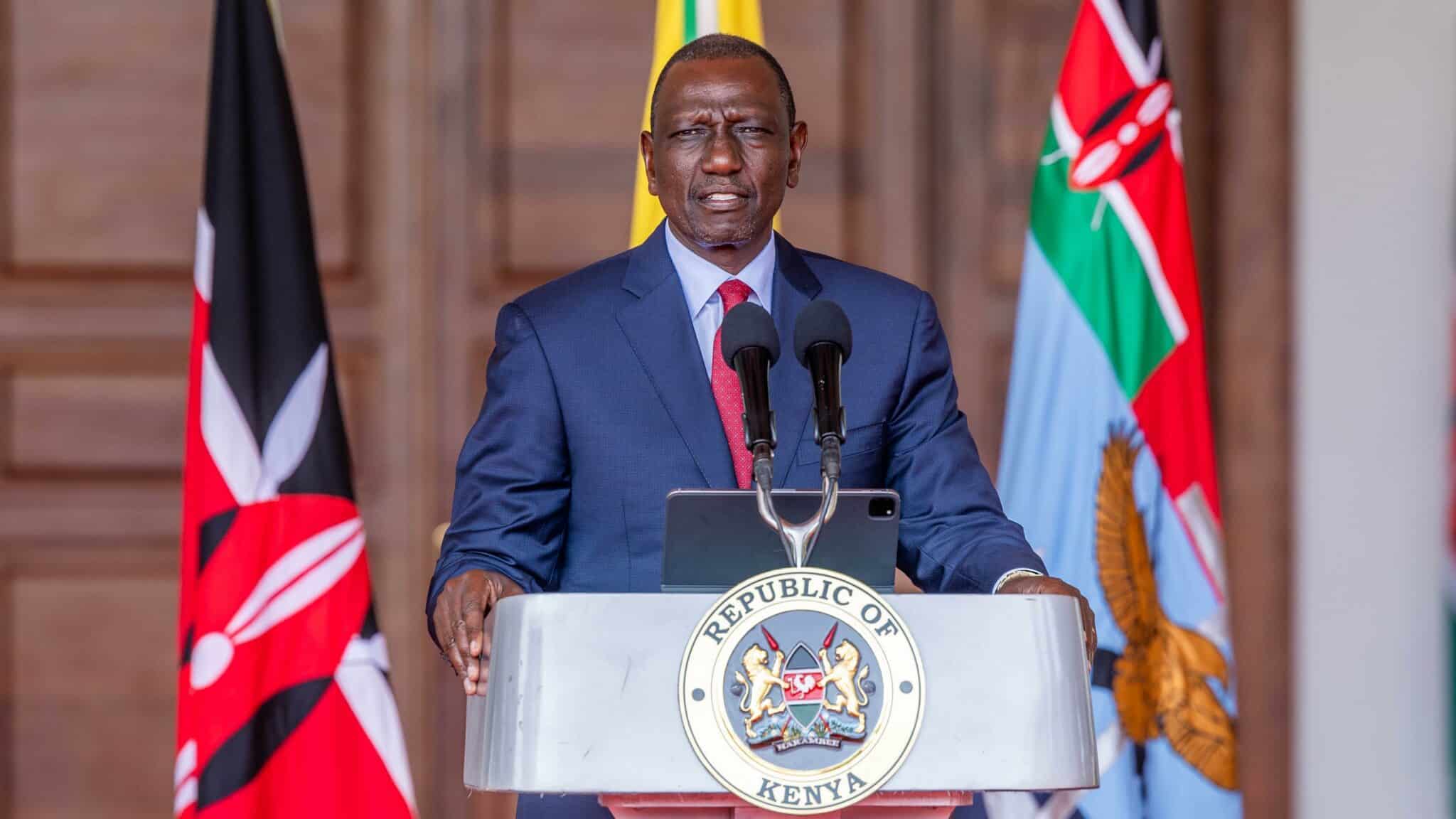
The Kenyan government has formally sought parliamentary approval to privatise the Kenya Pipeline Company (KPC), one of the country’s most valuable energy infrastructure assets.
Tullow Oil has reported an interim loss of $80 million following the $307 million sale of its Gabonese assets and a downward revision of its full year production forecast.
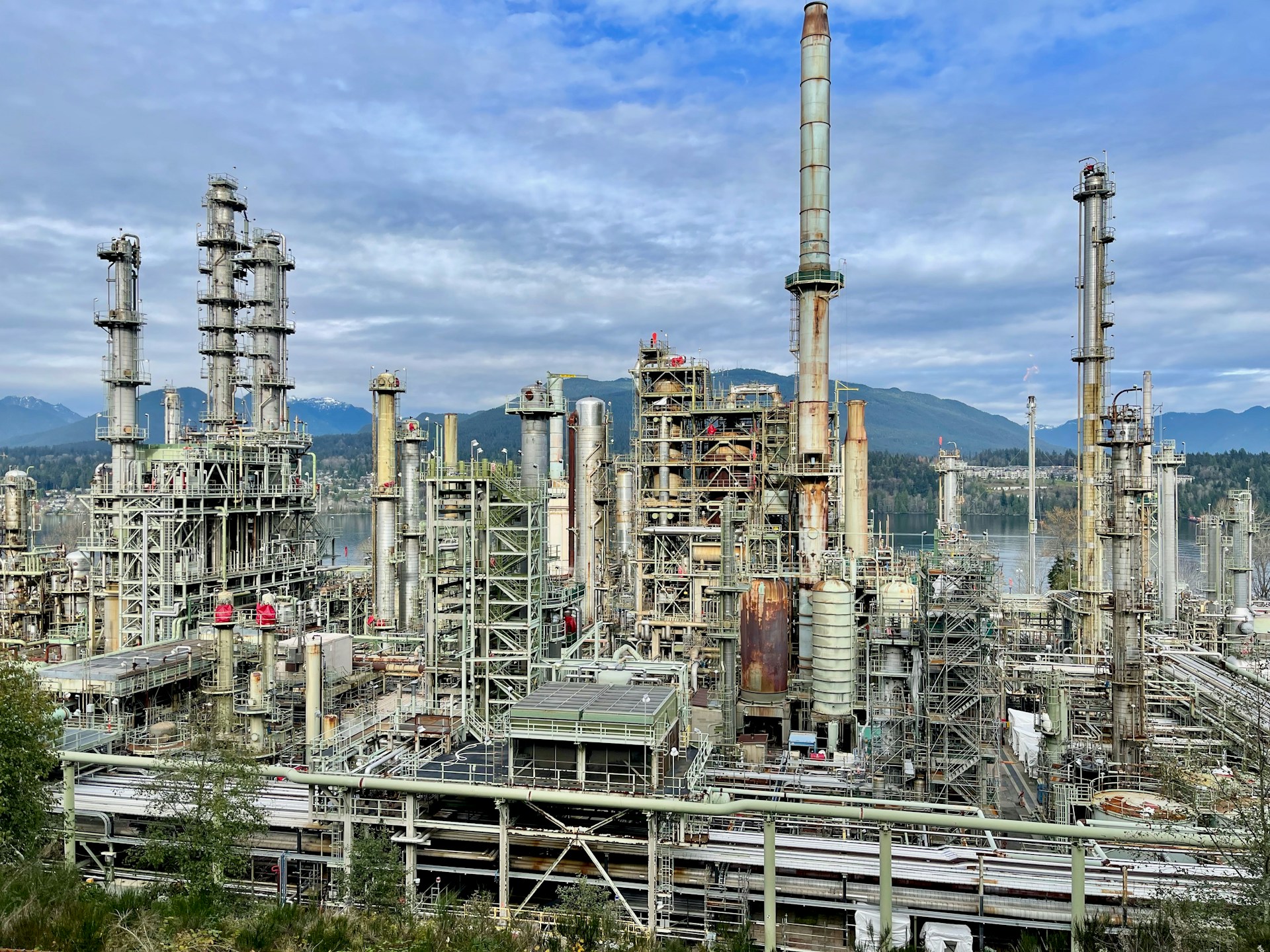
The federal government of Nigeria has approved a new license for the construction of a 450,000-barrel-per-day refinery in Ogun State, Southwest Nigeria.
