

Top stories
Energy
Top stories
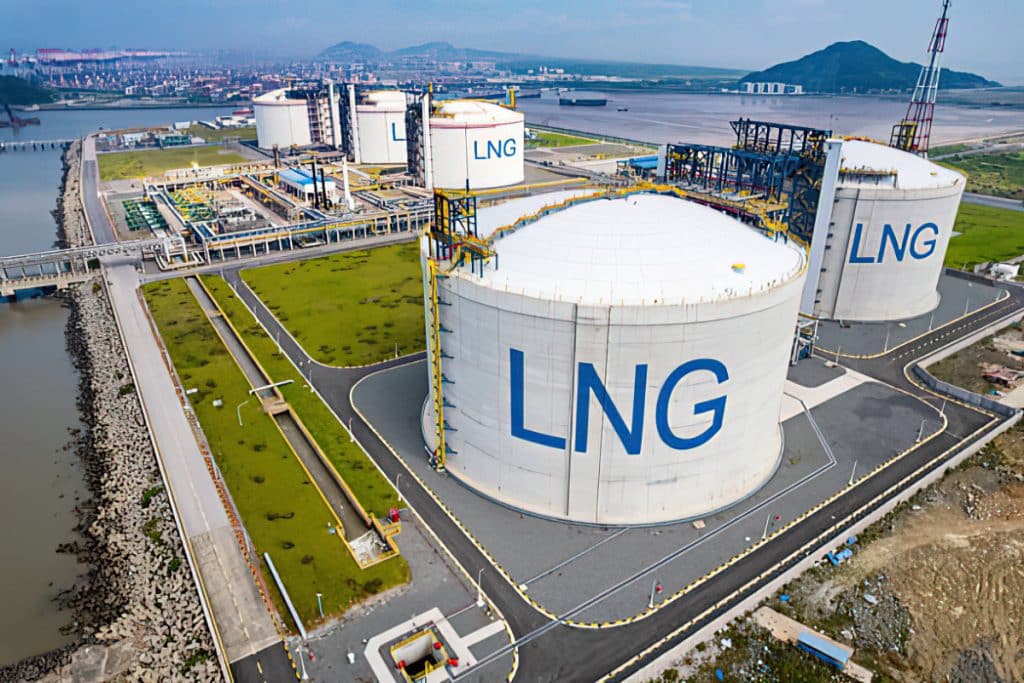
The Nigeria Liquefied Natural Gas company (NLNG) has signed landmark Gas Supply Agreements (GSAs) with multiple third-party suppliers to deliver up to 1.29 billion cubic feet of natural gas daily to its Bonny processing plant.
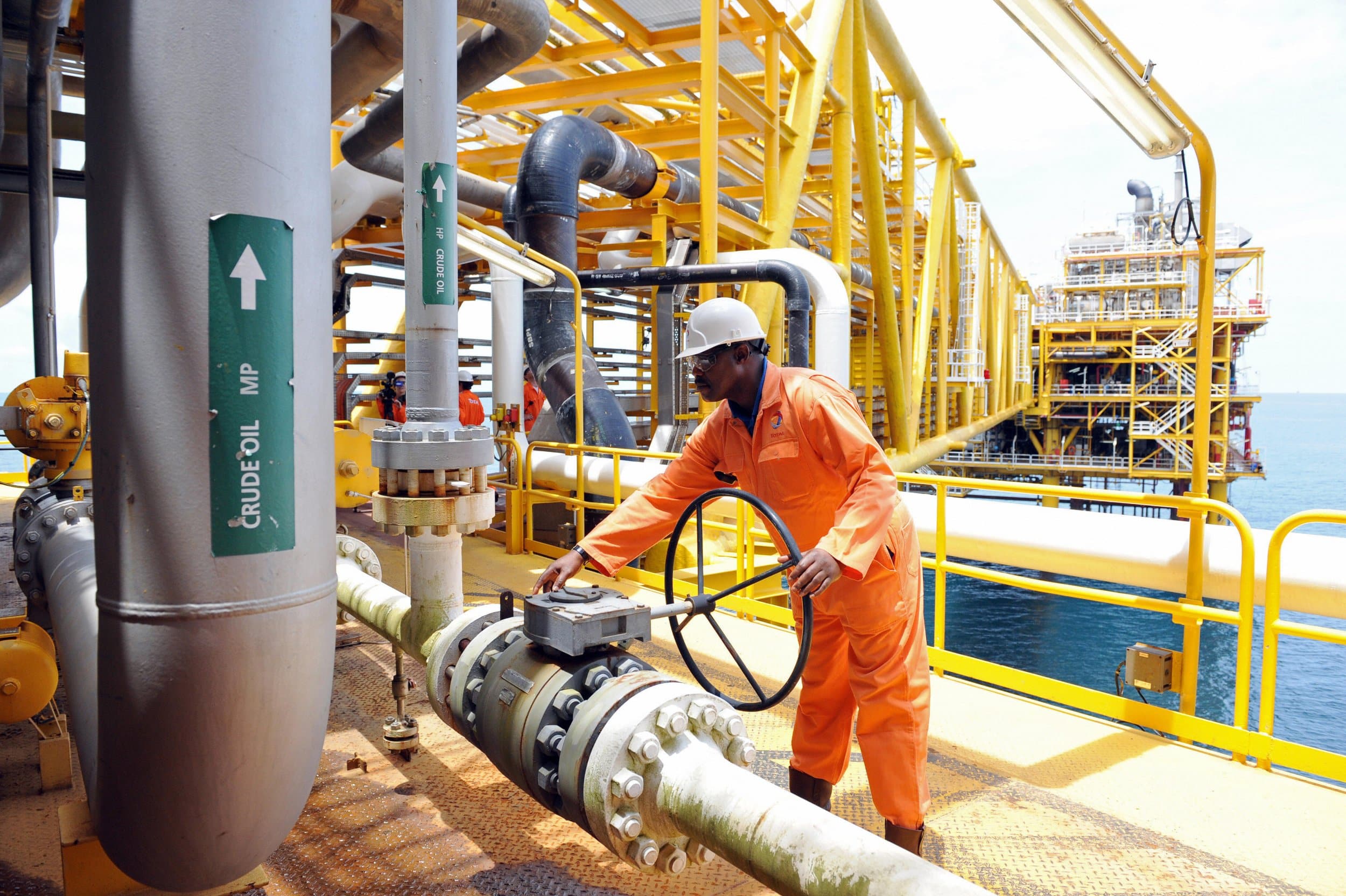
One of Africa’s leading oil producer, Angola, has had its oil output fallen for the first time below one million barrels per day (BDP) since leaving the Organisation of Petroleum Exporting Countries (OPEC) two years ago.
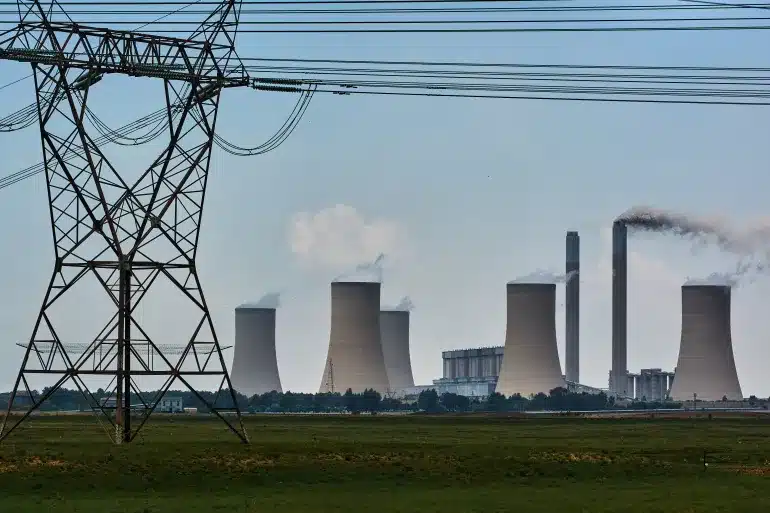
Kenya is making progress on plans to construct its first nuclear power plant, a project that has secured rare political consensus with backing from President William Ruto, Opposition Leader Raila Odinga, and the Council of Governors.
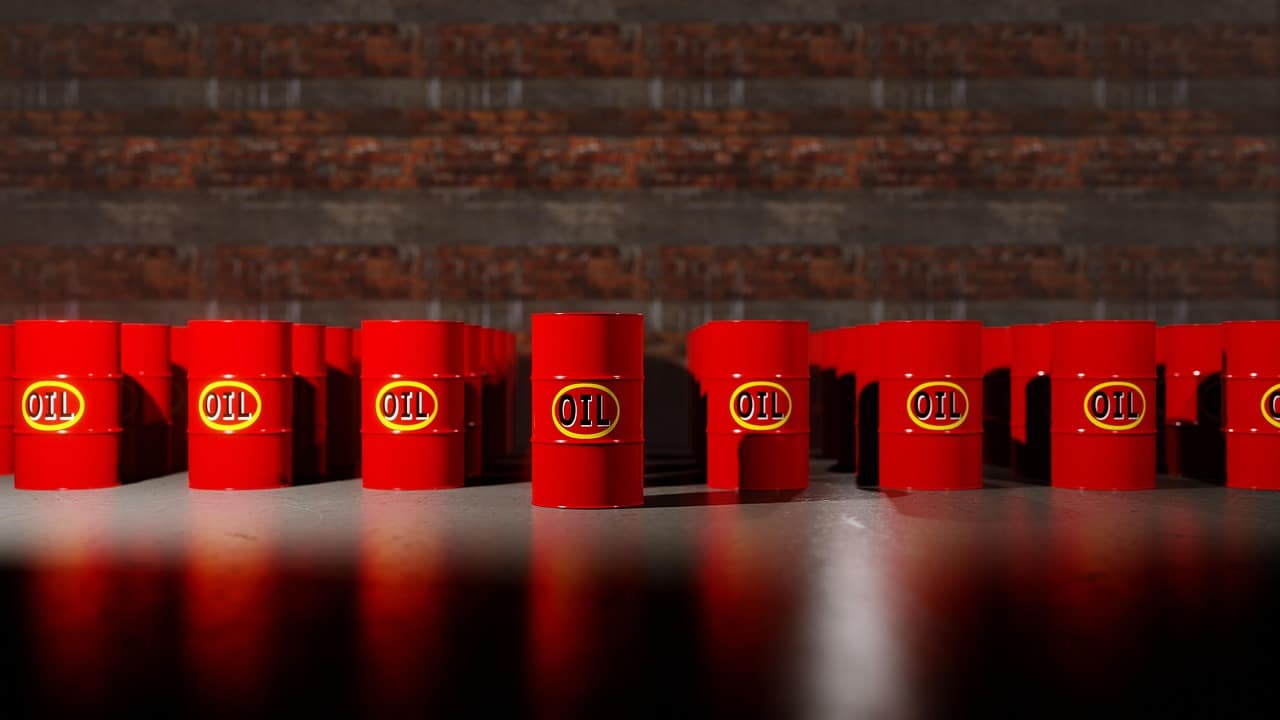
Asian refiners are increasingly turning to suppliers from the Atlantic Basin, including Nigeria, Brazil, and the US, whose crude is more attractive due to improved shipping and arbitrage economics.
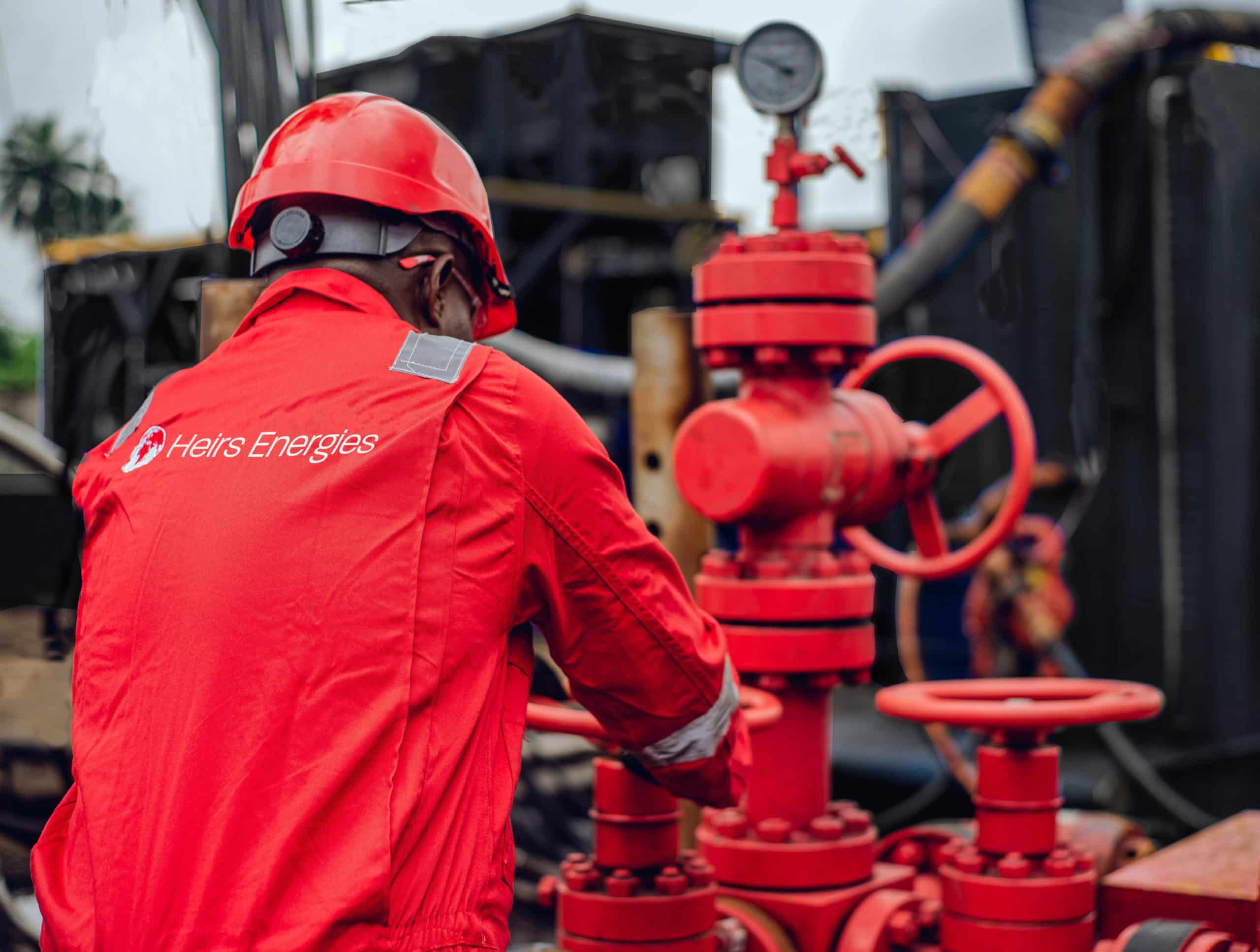
In 2021, Heir Energies signed an eight-year, $1.2 billion deal to acquire 45% of oil production from OML 17. Since then the indigenous oil firm is changing what once a troubled asset to a growth catalyst
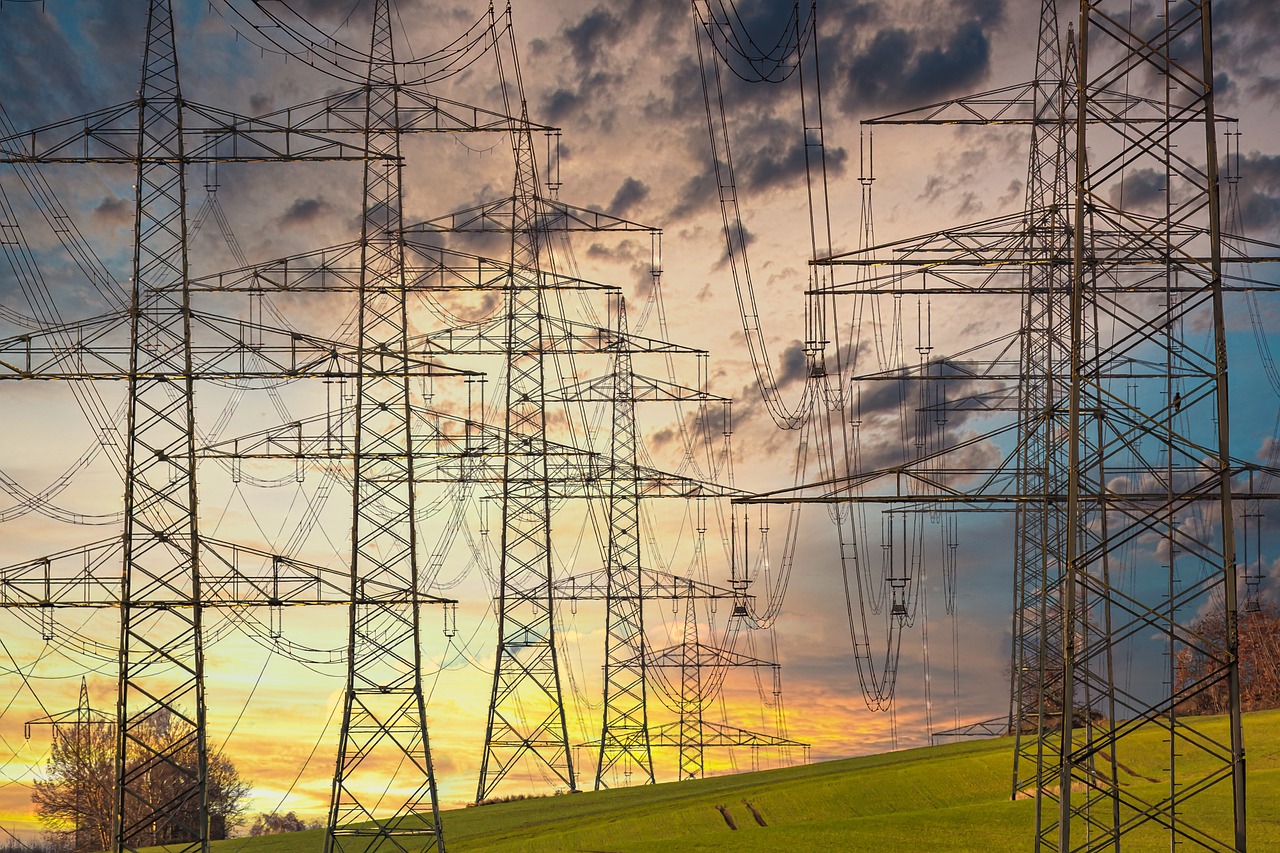
Zambia’s state-owned utility firm, Zesco, has signed a $300 million deal with Anzana Electric Group to connect 2 million residents to the country’s national grid for the first time.
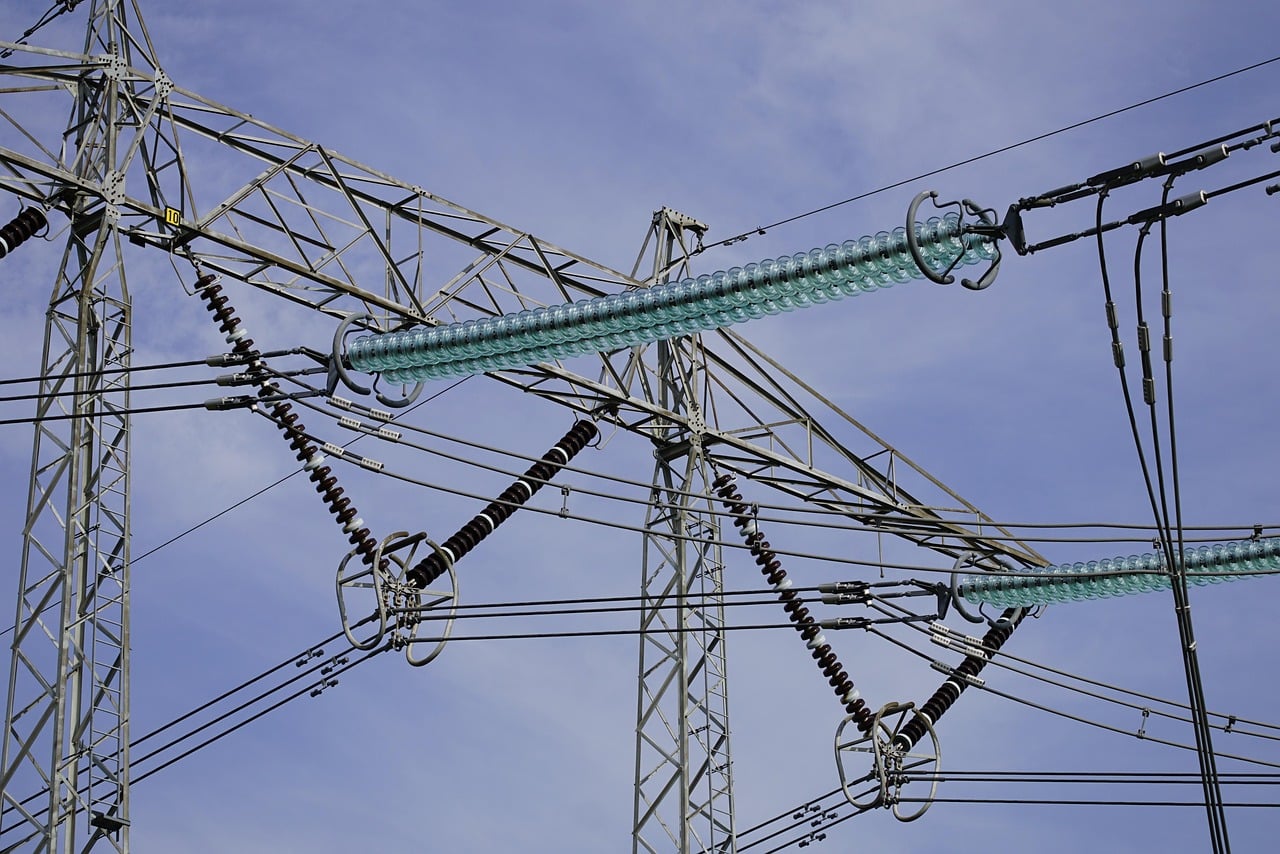
Mozambique prepares to launch electricity exports to Malawi in November, generating an estimated $5 million per month from supplying 50 megawatts (MW) of power from its Tete province.
The Asian Infrastructure Investment Bank (AIIB) plans to invest $1.5 billion to support Africa’s Mission 300 programme aimed at connecting millions of people to electricity by 2030.
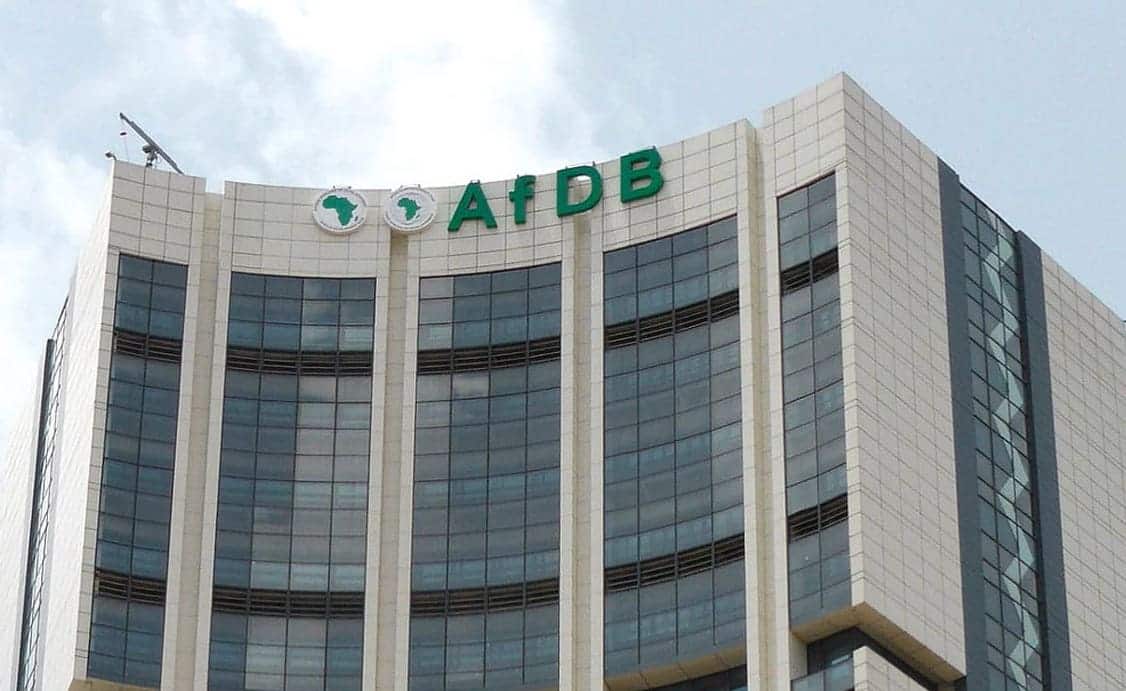
The African Development Bank (AfDB) has committed $40 million in blended capital to the Alliance for Green Infrastructure in Africa Project Development Fund (AGIA-PD), securing the fund’s initial close at $118 million.
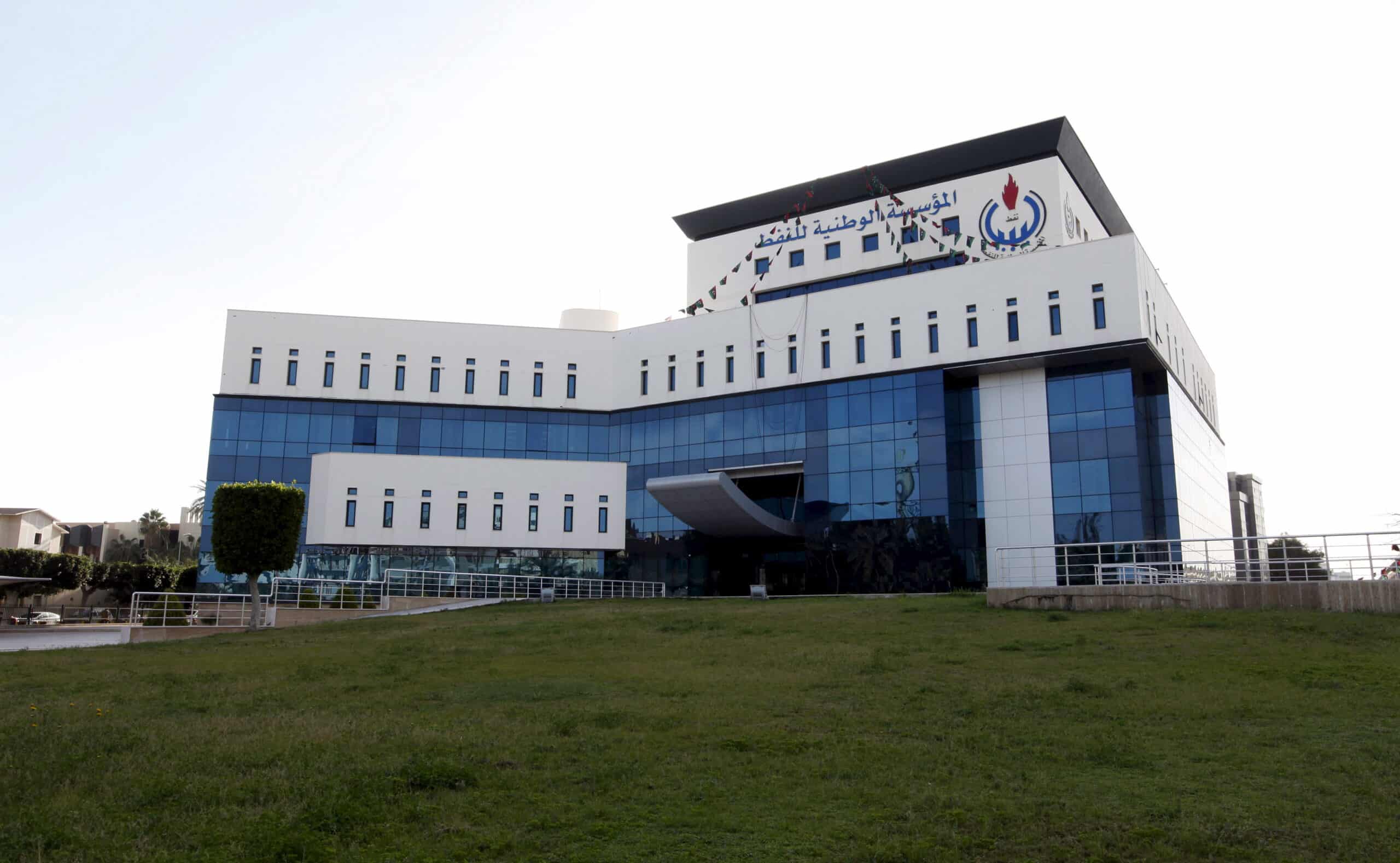
The government of Libya has set up a special committee to review all oil, gas, and electricity contracts signed over the past five years to ensure they are aligned with national interests.
South Africa’s state owned power company, Eskom, has invited private businesses to buy renewable electricity directly from its energy subsidiary.
Mozambique’s sovereign wealth fund (FSM) received $45.24 million in the first half of 2025 from natural gas exploitation, bringing total deposits to $210 million by June.
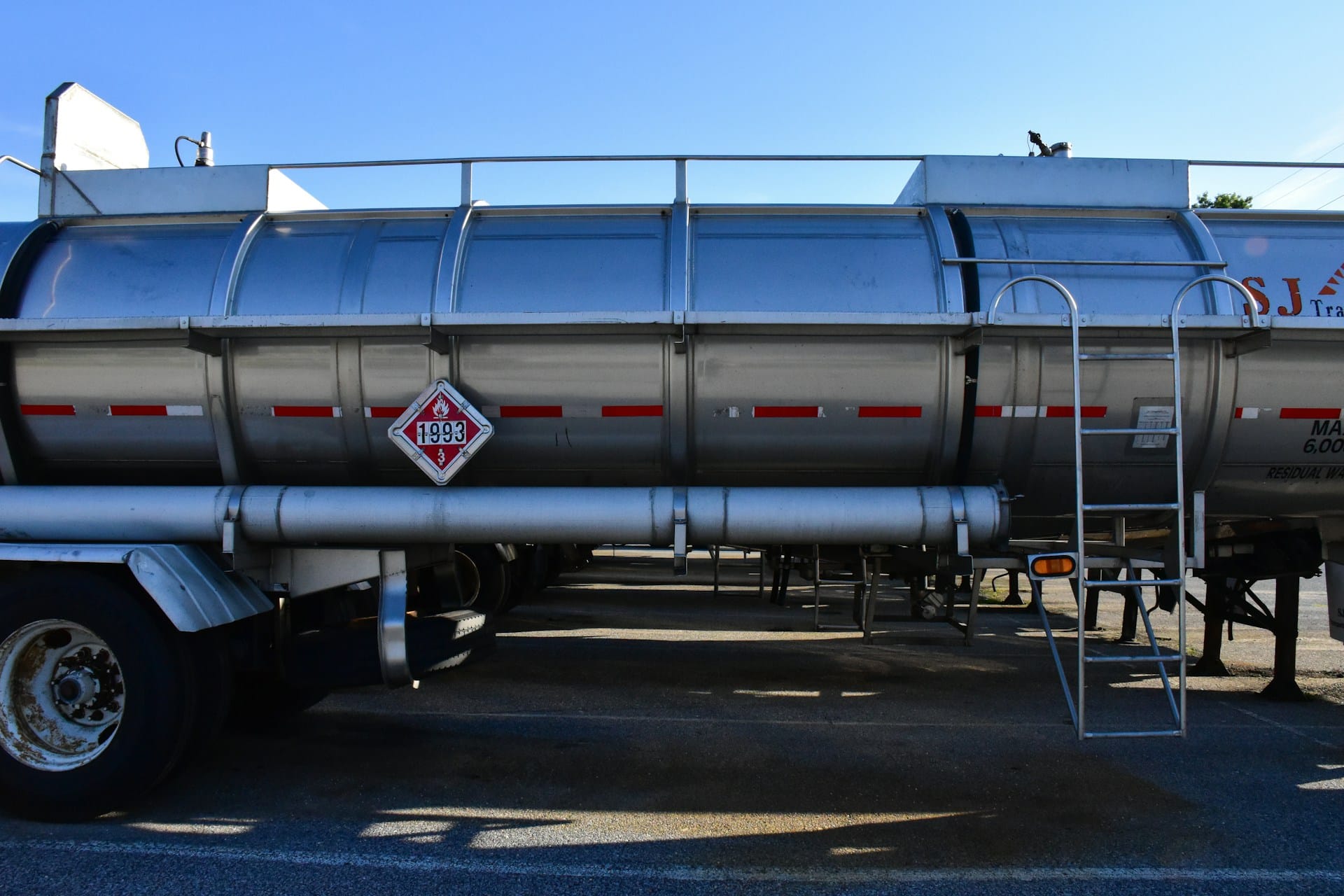
Nigeria has taken a giant step to expand its presence in the global clean energy value chain with the commissioning of a 40,000 cubic meters (m³) Liquefied Petroleum Gas (LPG) vessel in Ulsan, South Korea.

Oil major Shell Plc is taking a cautious approach towards fresh oil exploration plans and investment in South African nation, Namibia.
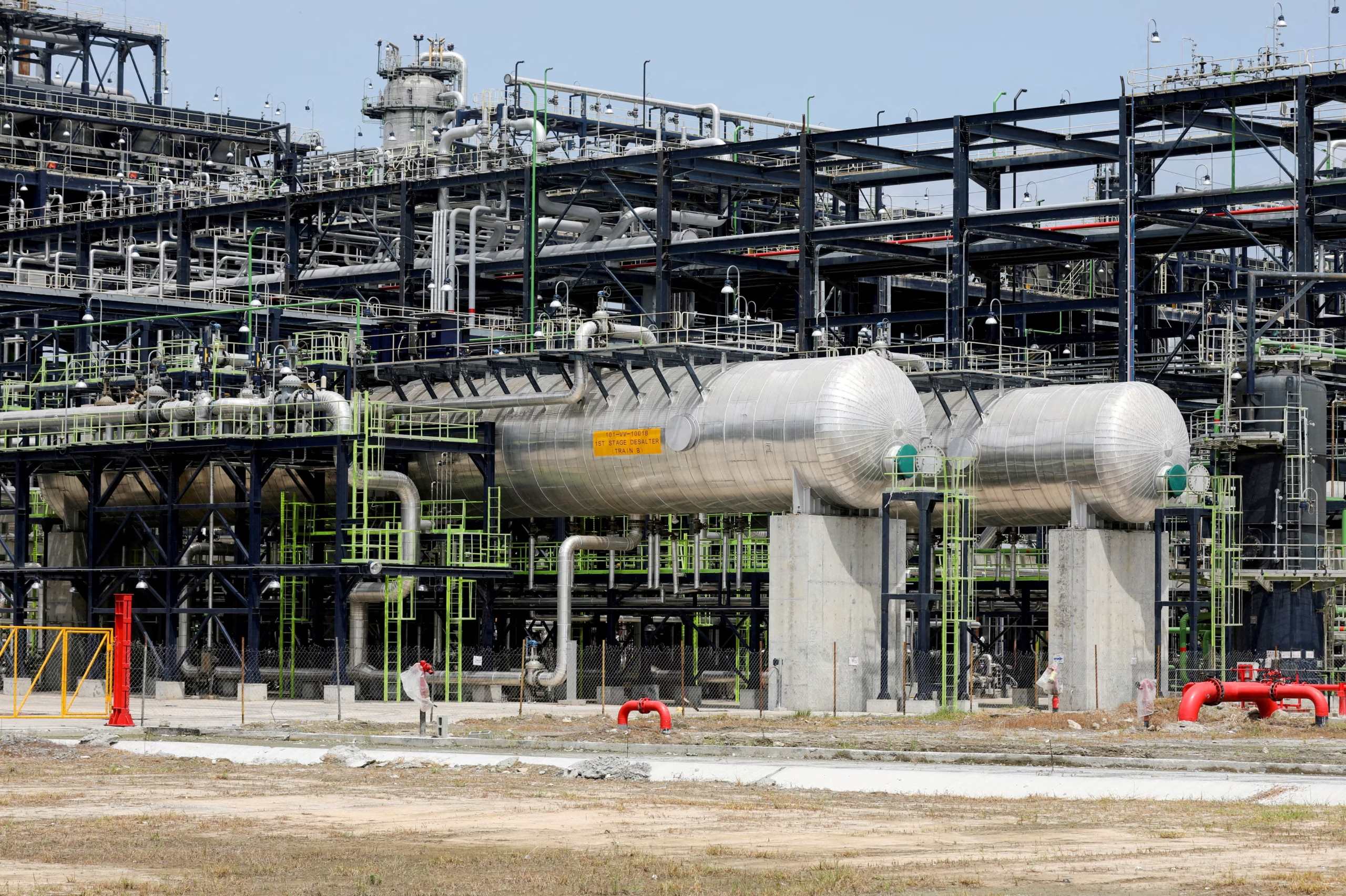
The Africa Finance Corporation (AFC) has revealed that it invested a loan facility of $300 million as part of the construction of Dangote Refinery.
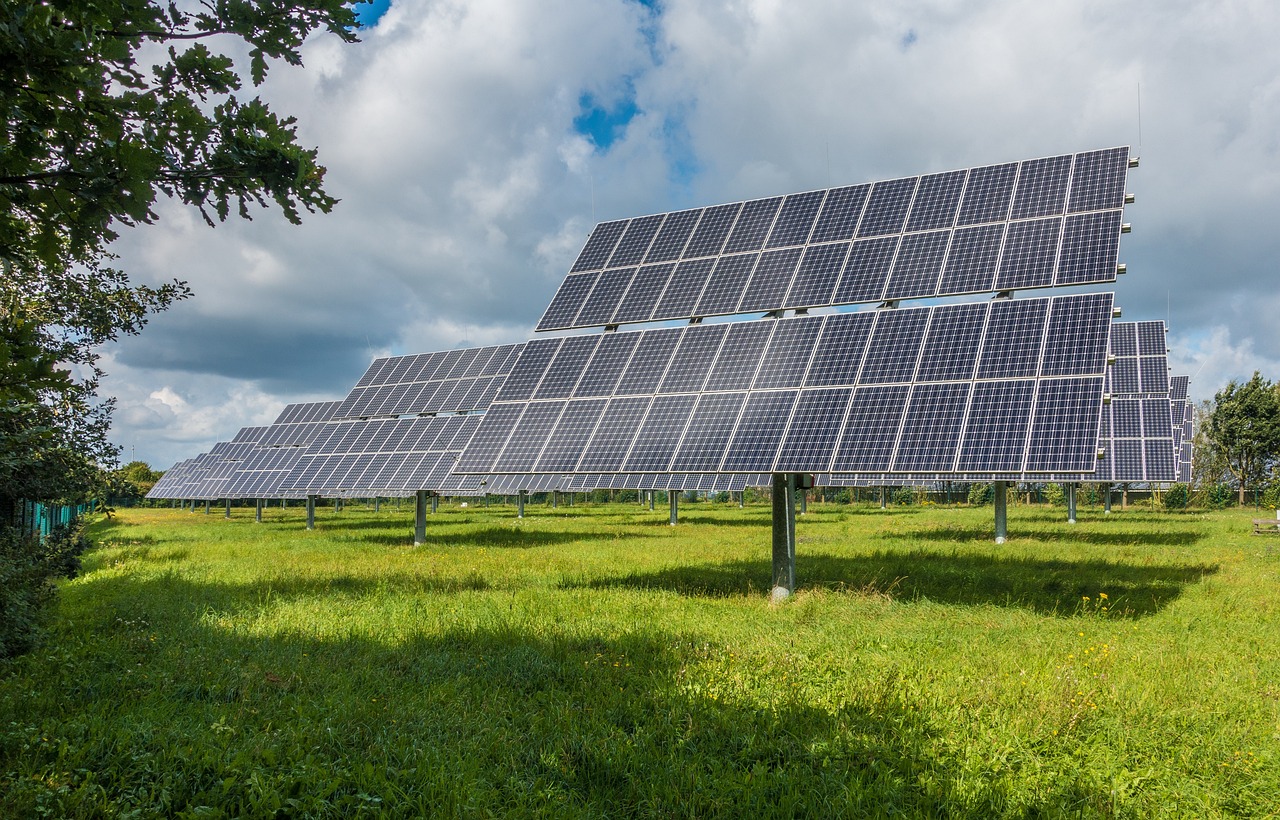
In Africa’s vast and diverse energy sector, consumer renewable energy sales are primarily driven by off-grid solar products, such as lanterns, home systems, and kits, amid persistent electricity access challenges.
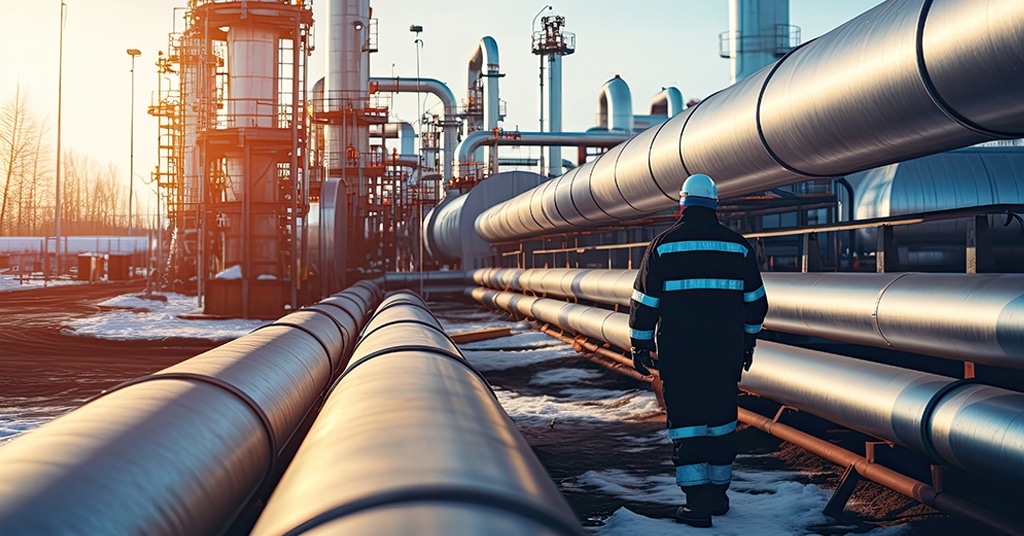
Morocco’s energy ministry is intensifying efforts to attract U.S. investors for its $25 billion gas pipeline project with Nigeria, a landmark initiative aimed at connecting West Africa’s vast gas resources to Morocco and European markets.
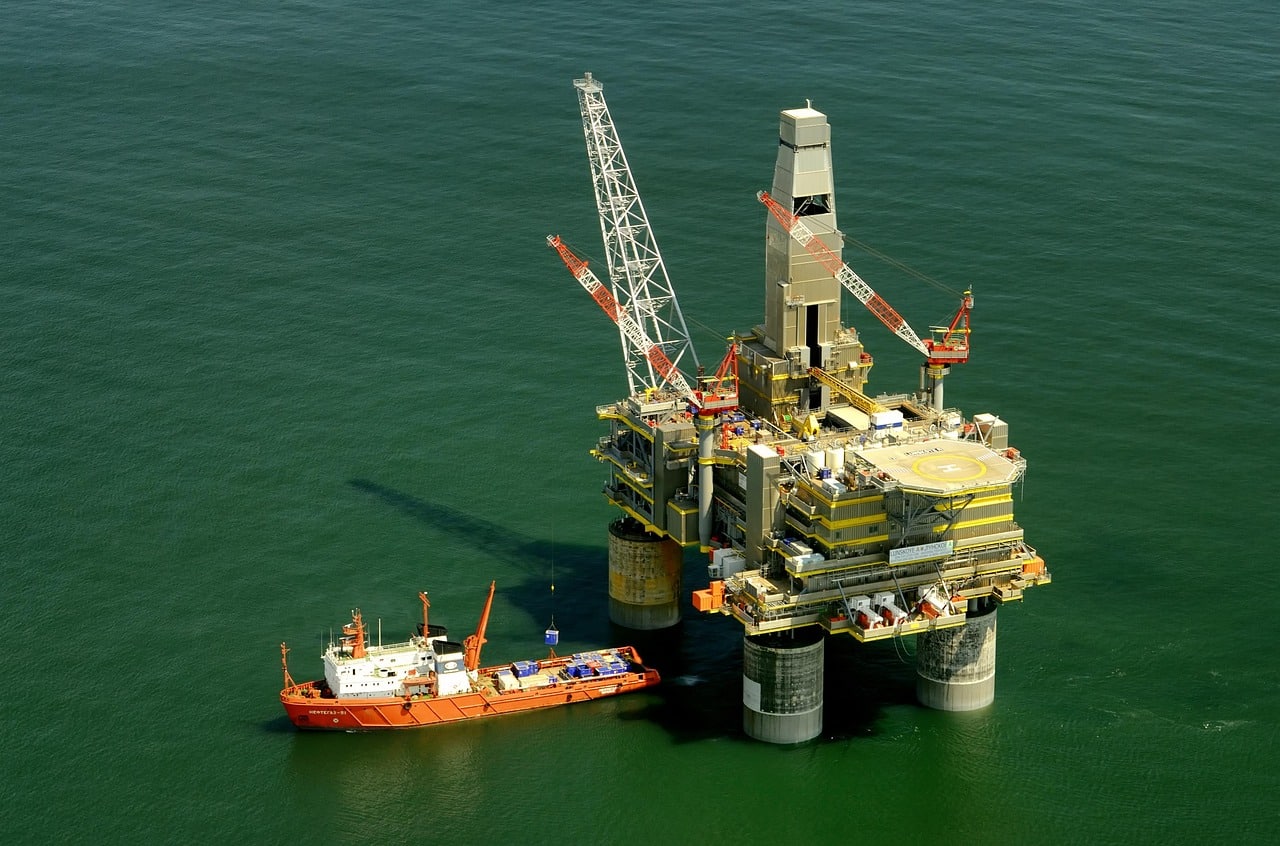
The “drill, baby drill” campaign began with Trump, but the momentum is catching in Africa also. With renewed interest in oil exploration, Big Oils are investing on the investment like never before.
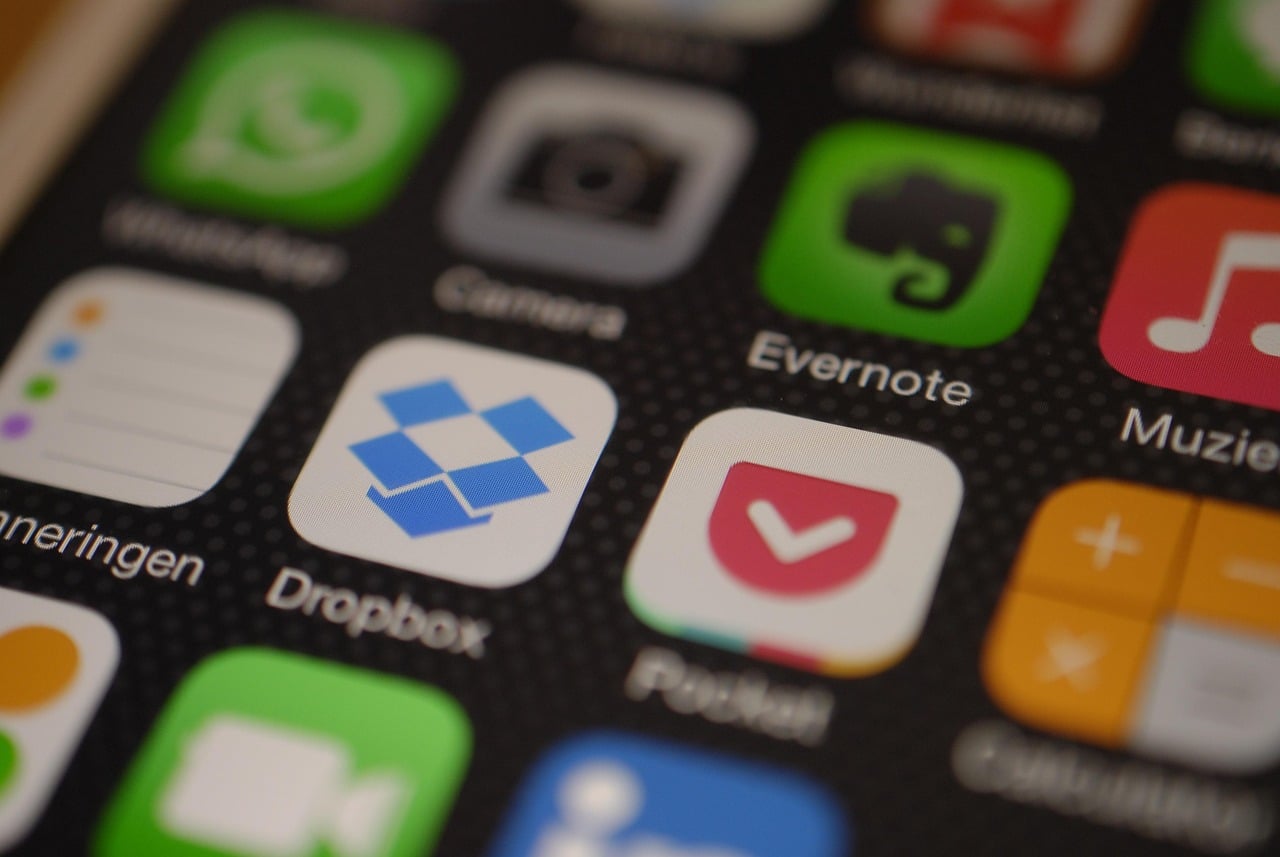
The digitization of energy services in Nigeria is still growing, yet often overlooked. Despite persistent electricity challenges, the country already has applications that make access and management of these services more seamless. Here are some.
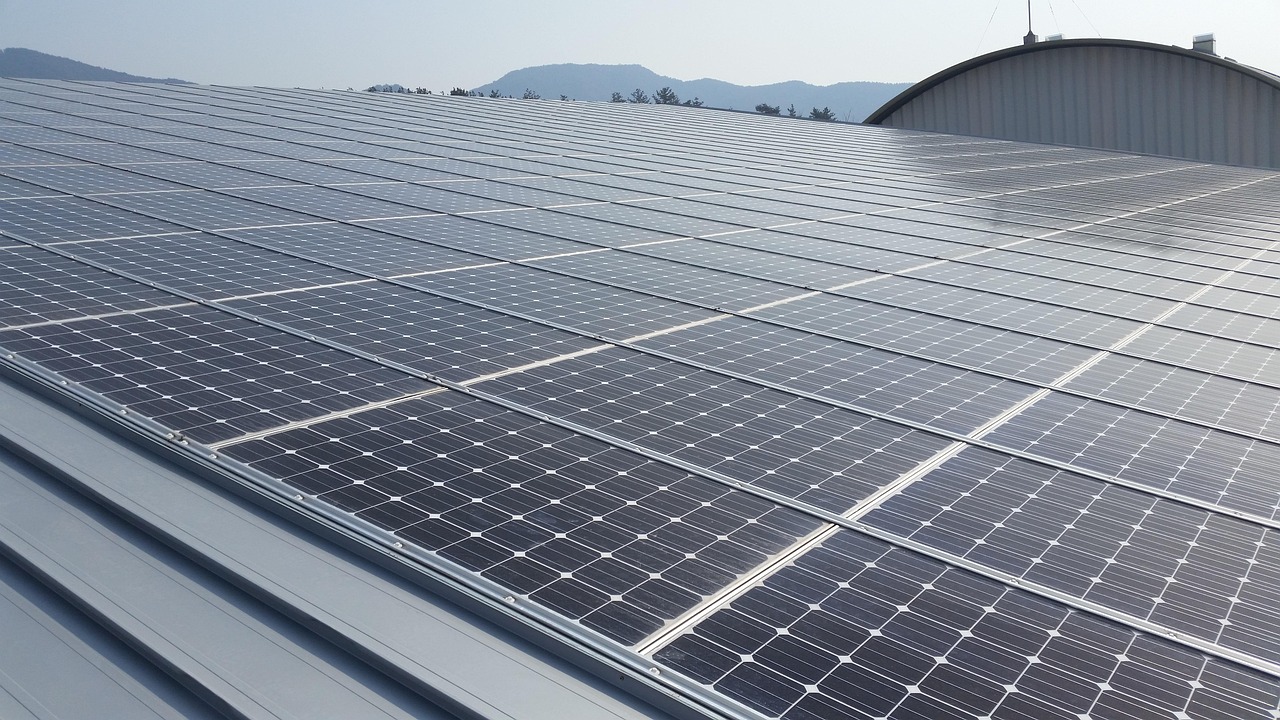
Africa’s budding renewable energy markets offer great opportunities for investment. However, without proper guidance and due diligence, investors risk losing their hard-earned money. This article offers insights on how to navigate Africa’s renewable energy space.
