

Top stories
Energy
Top stories
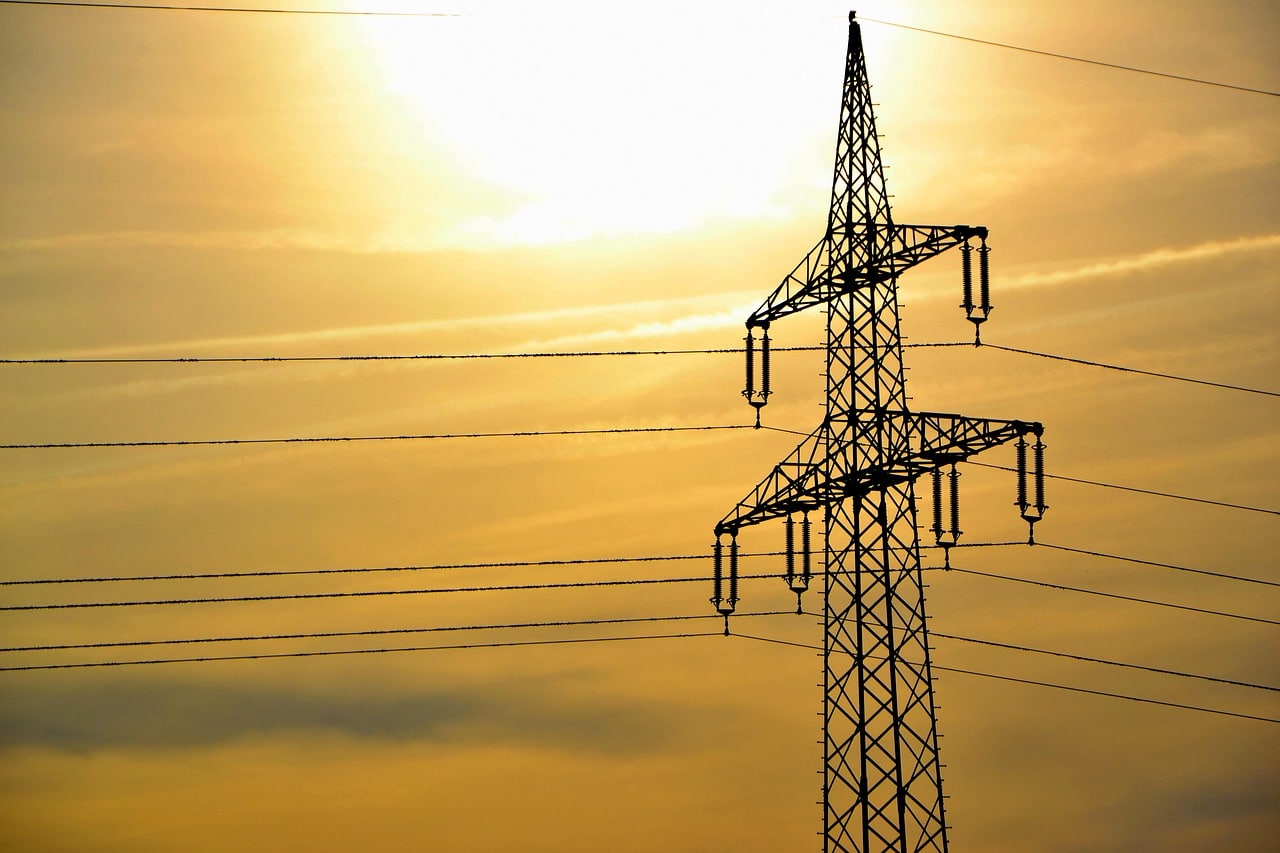
Mauritania has signed a $300 million agreement with renewable energy developer Ewa Green Energy to construct a 220-megawatt (MW) hybrid power plant in the country.
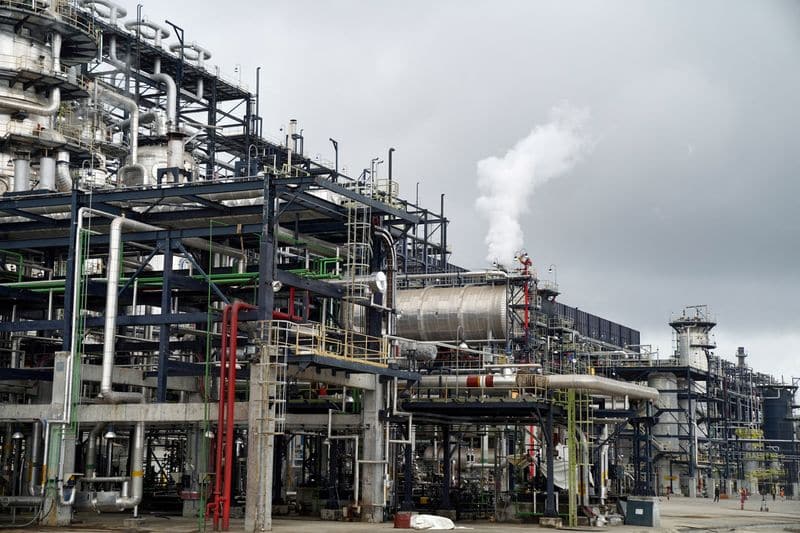
Nigeria’s Dangote Refinery has sent its first gasoline cargo to the United States, with global trader Vitol and American fuel distributor Sunoco taking delivery in New York Harbor.
South Africa has approved long term lease access for oil majors and traders, including BP and Vitol, at Durban’s Island View Precinct, the country’s largest fuel import and storage hub.

The Nigerian Upstream Petroleum Regulatory Commission (NUPRC) has dismissed speculations that international oil companies (IOCs) are abandoning the country, insisting that recent industry developments prove otherwise.
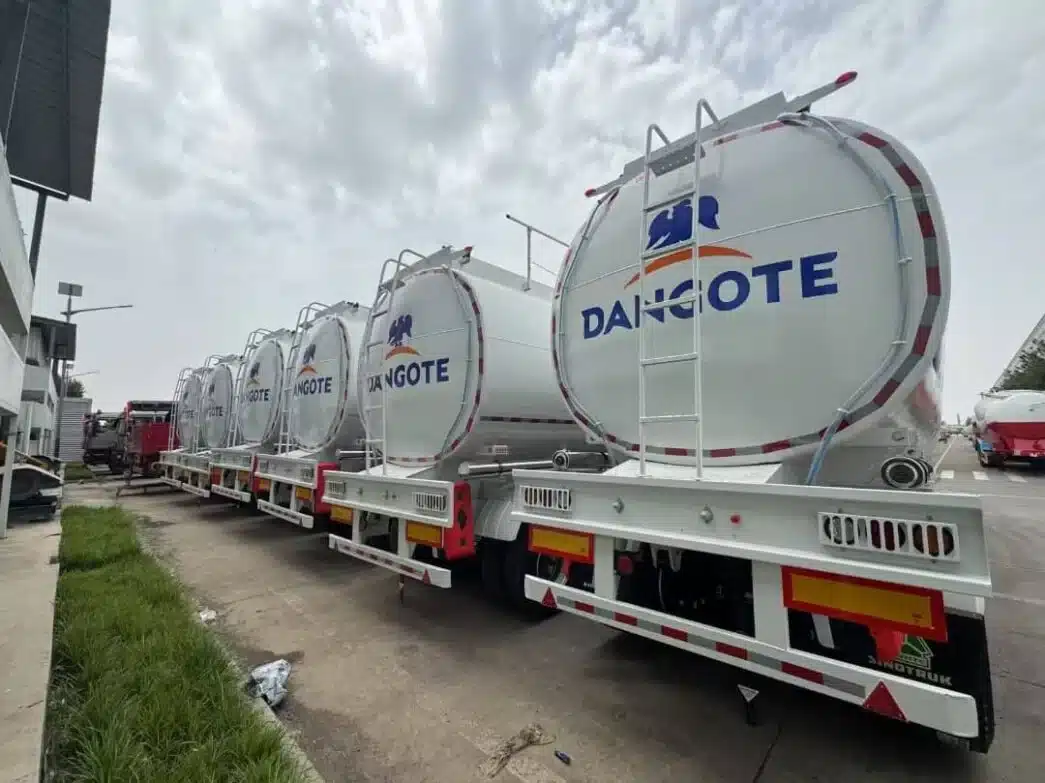
The mega Dangote refinery has begun the free delivery of his products nationwide. What exactly does this mean for the Nigeria’s downstream sector in details?

A Gambian-led venture, Cornerstone and Dubai-based Haji Al Shams Solar Energy, is set to invest $300 million to deploy solar energy across Senegal’s agriculture sector.
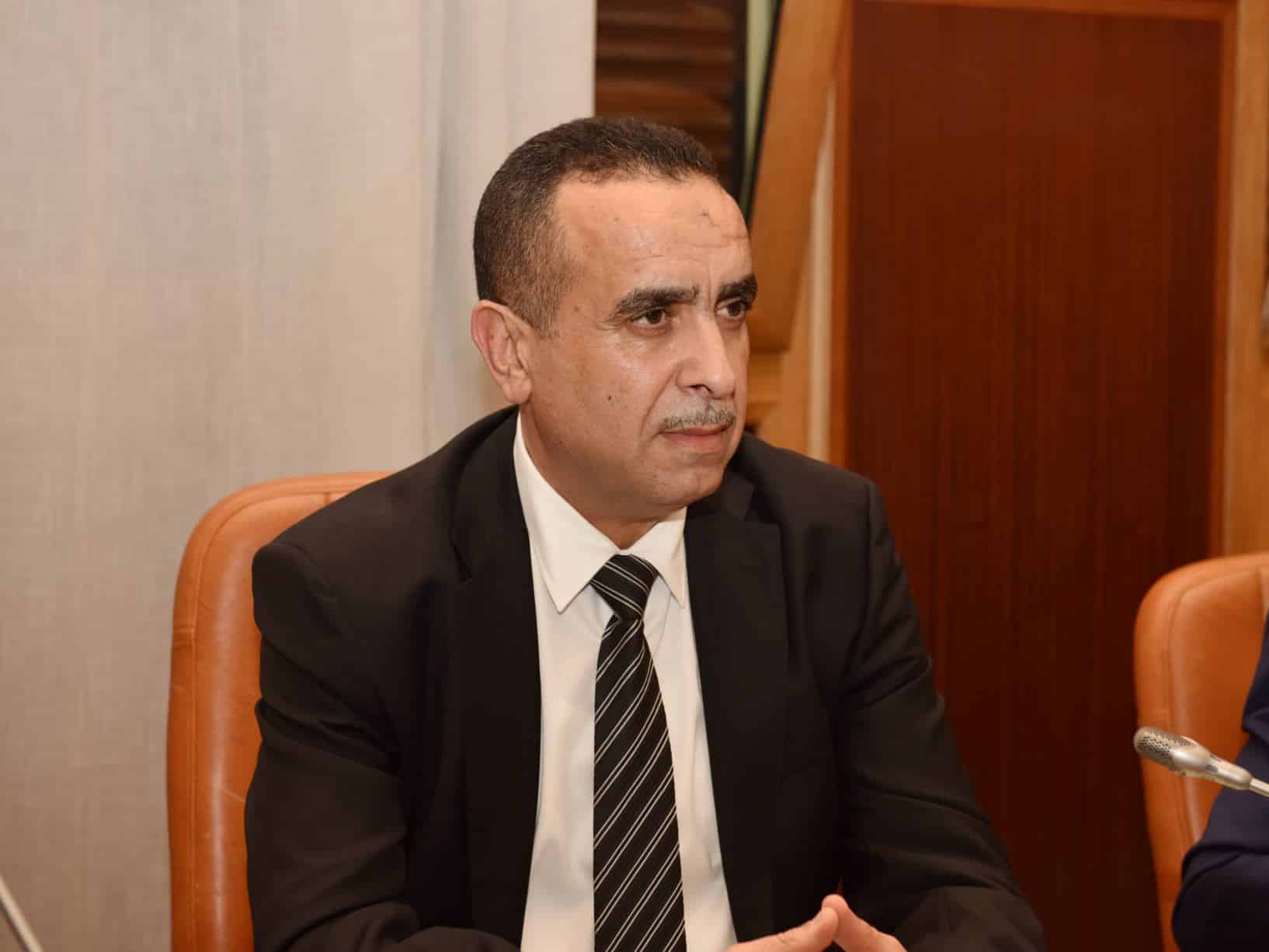
Mourad Adjal, former Sonelgaz chief executive, has been named Algeria’s Minister of Energy and Renewable Energy, as the country looks to bolster hydrocarbons while advancing its renewable push.
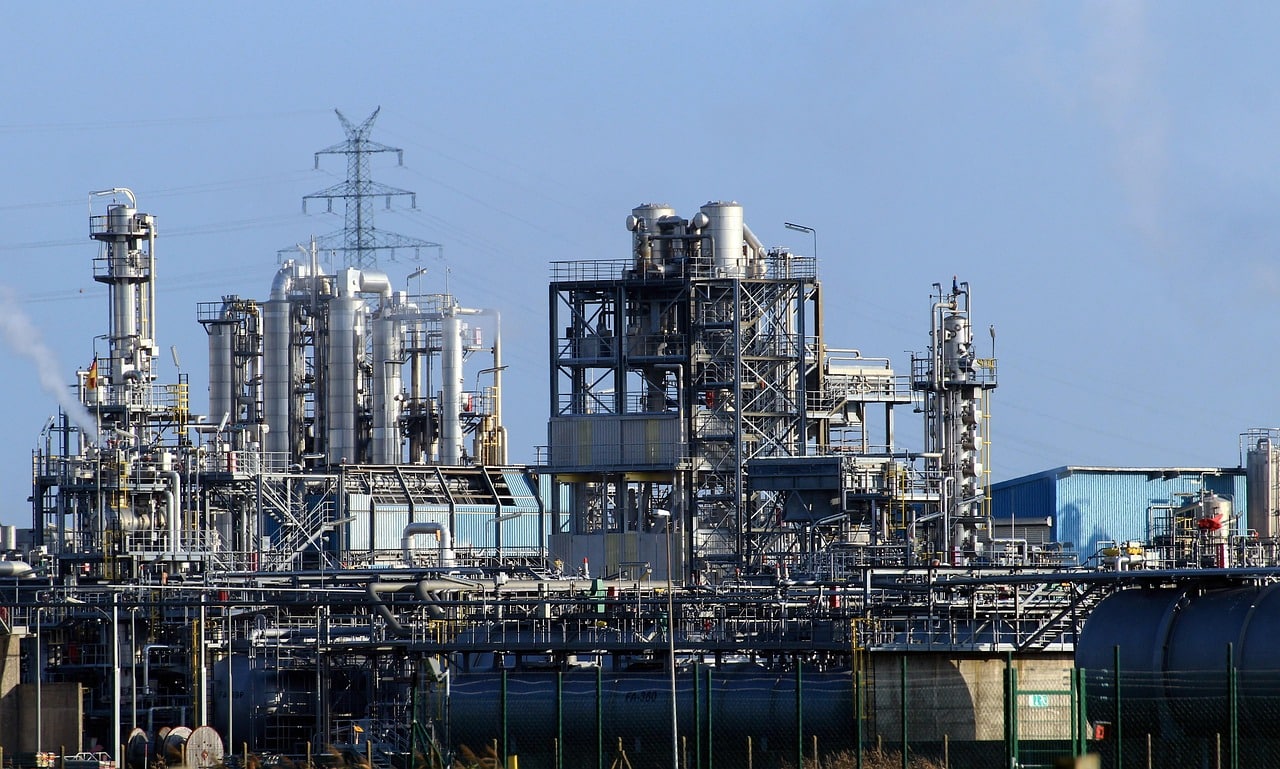
Nigeria’s oil and gas sector offers immense opportunities for investors. However, unlocking these opportunities requires a clear understanding of the contracts that govern the industry, particularly under the newly revised laws.
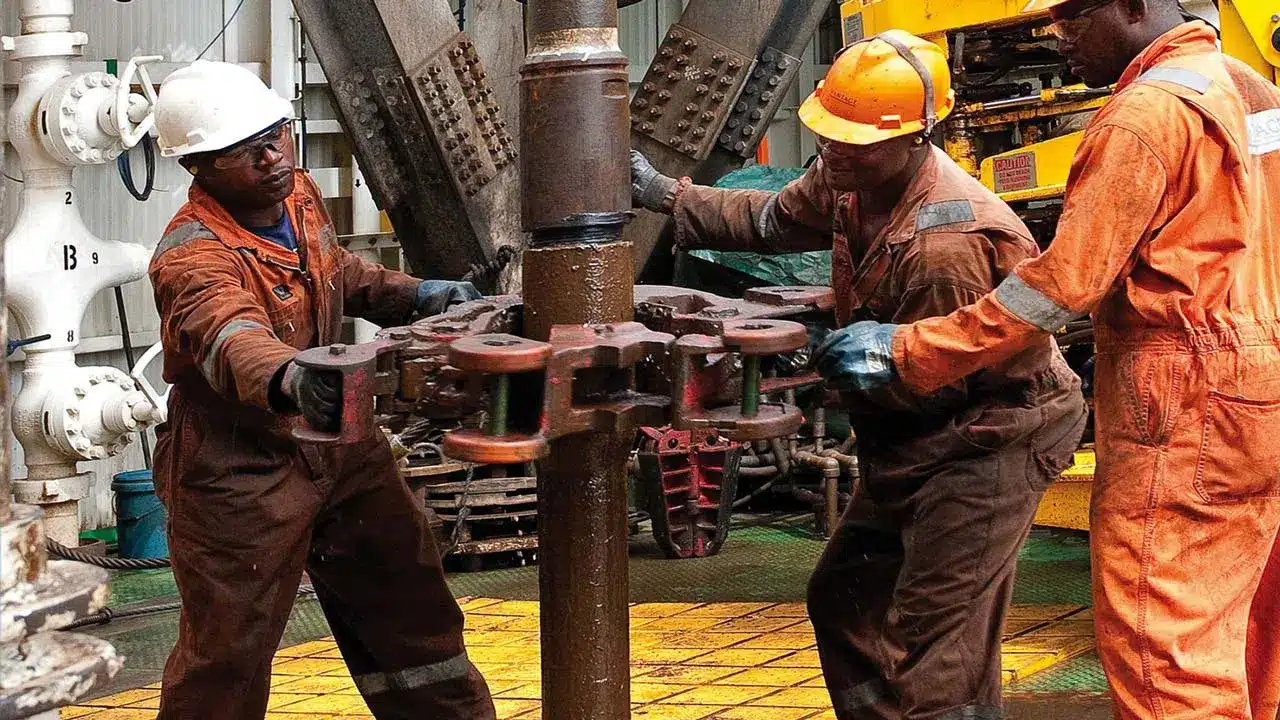
The Nigerian oil and gas sector recorded a total loss of 68.94 million barrels of crude to oil theft and metering issues in the five years between 2021 and July 2025.
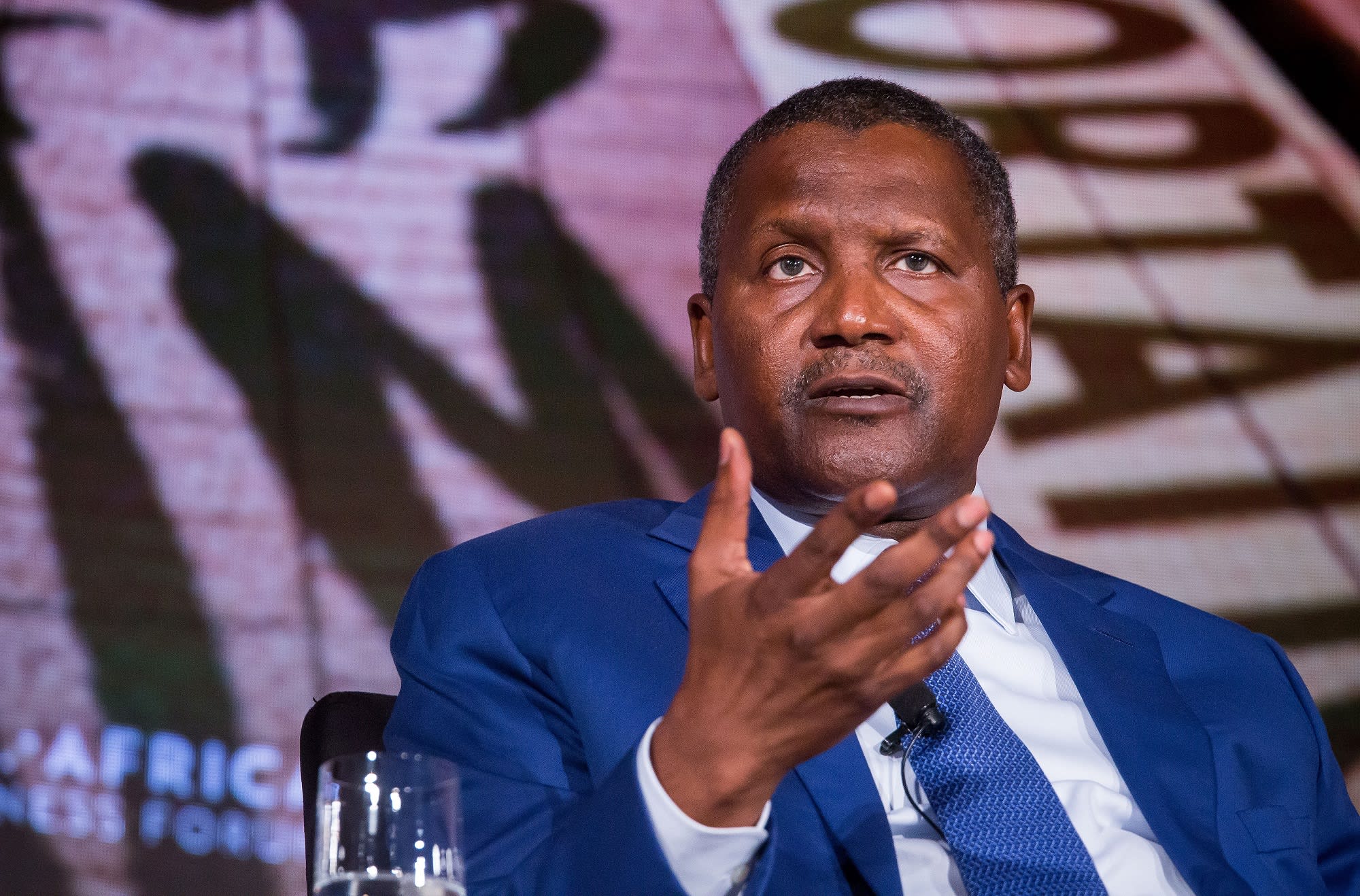
The recent feud between Dangote’s refinery and petroleum union group, NUPENG, has taken a new turn even as the former backed out of the agreement to join the group.
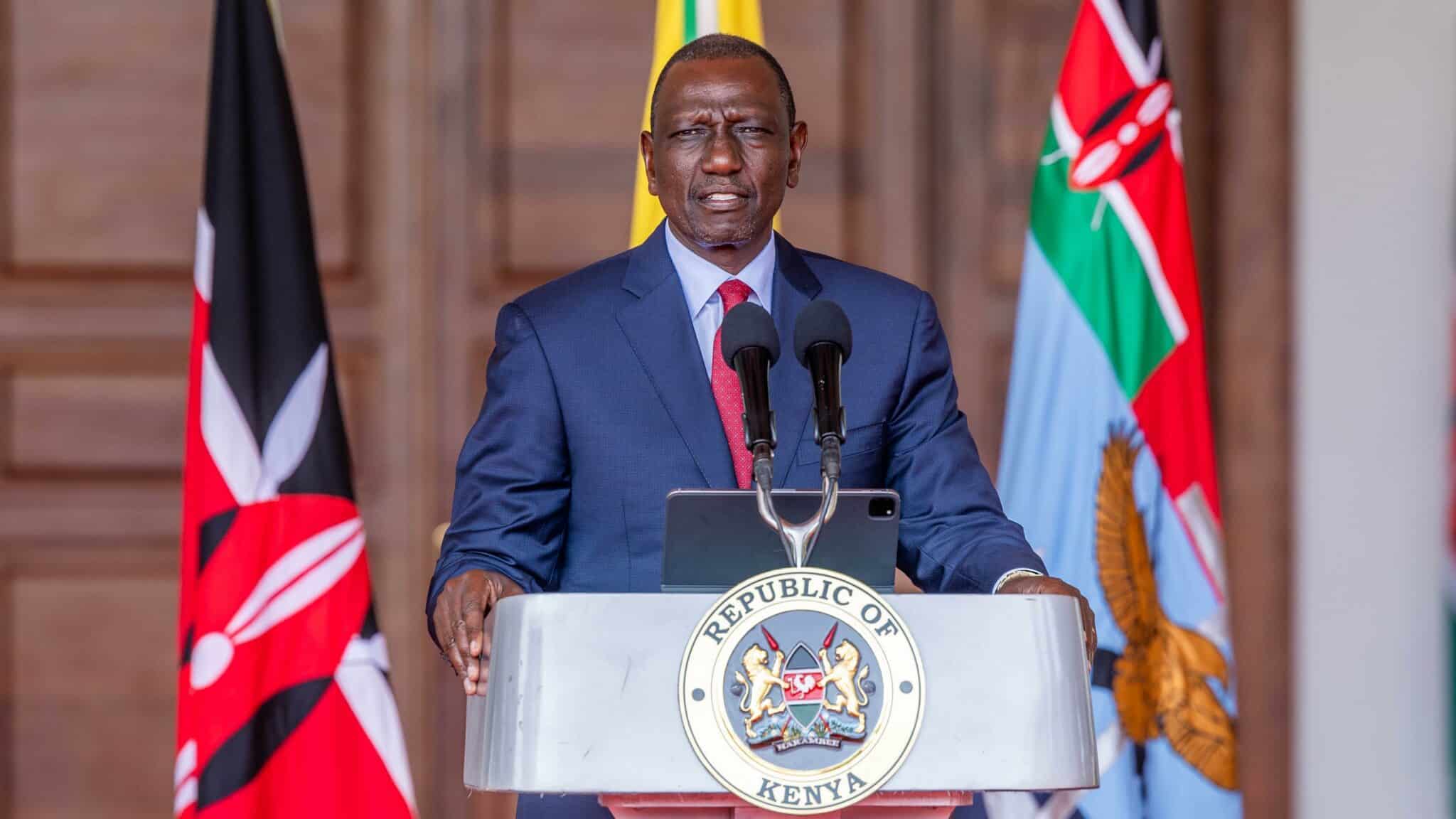
In a move that could strengthen its position in the East African oil and gas market and attract investment, Kenya’s National Oil Corporation (NOC) has signed a landmark energy agreement with Algeria’s national oil company, Sonatrach.
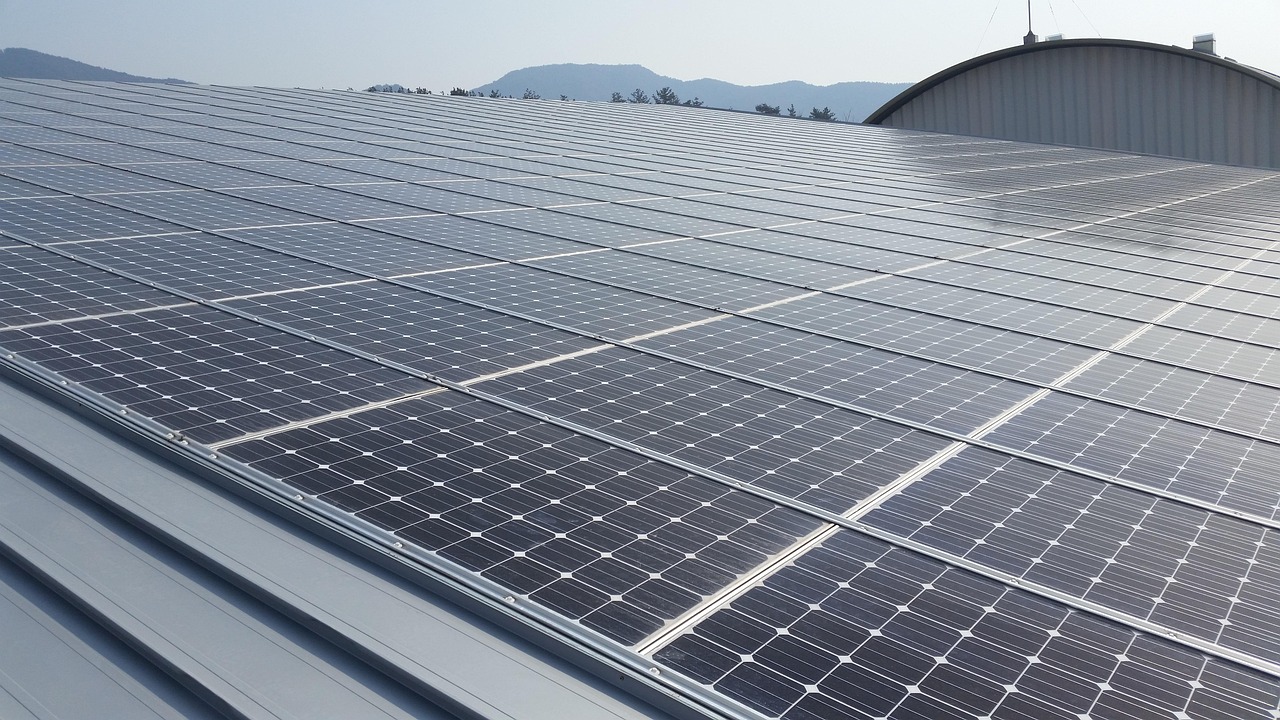
West African country, Gambia, has launched a pay-as-you-go solar energy project to expand electricity access nationwide and reduce reliance on fossil fuels.
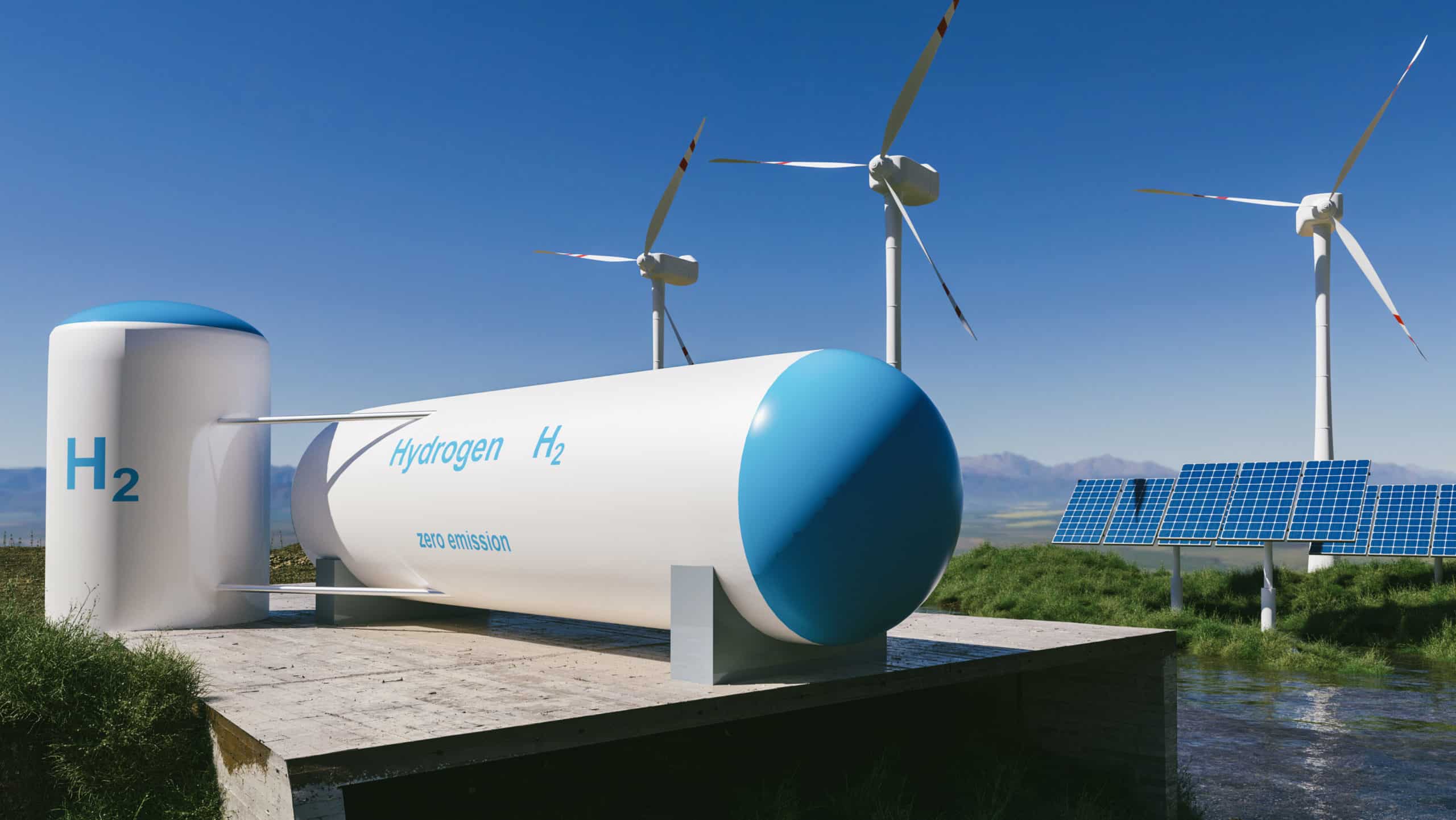
Leading green hydrogen developer Hynfra has signed a framework agreement with the Government of Mauritania for an integrated green ammonia project valued at $1.5 billion in Nouakchott.
Eskom Holdings officially launched its first fleet of electric vehicles (EVs), marking a milestone in the state-owned utility’s efforts to promote sustainable transport and advance South Africa’s transition.
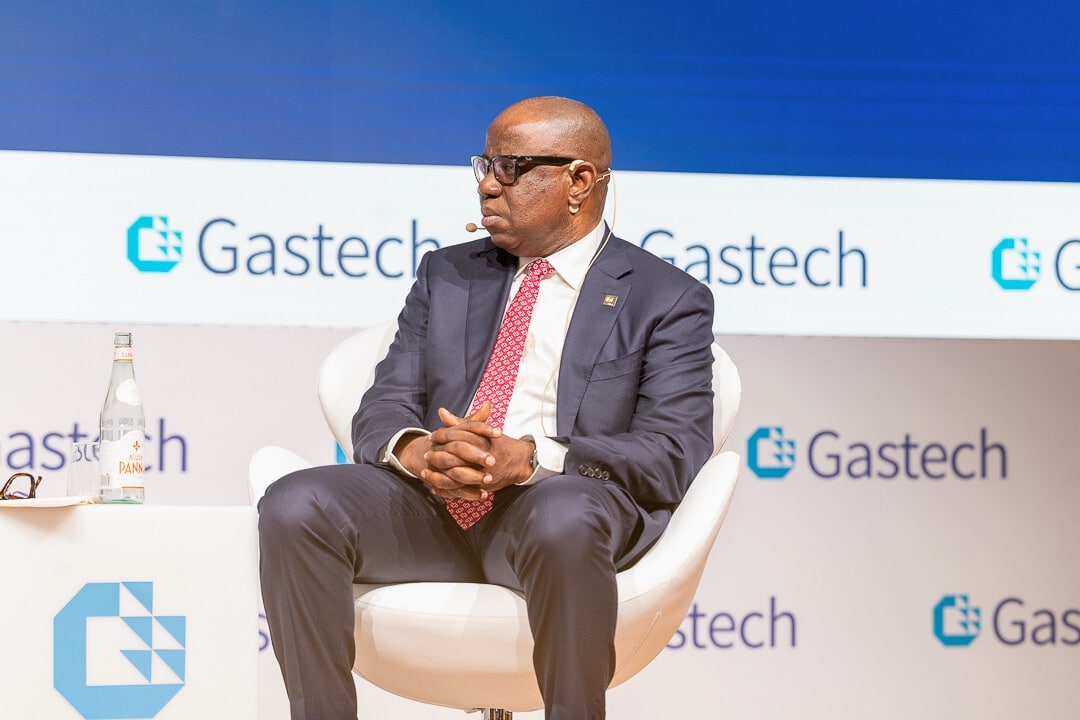
A significant 60% of Nigeria’s LNG production currently goes to Portugal and Spain, underscoring Nigeria’s pivotal role as Europe seeks alternatives to Russian energy sources.
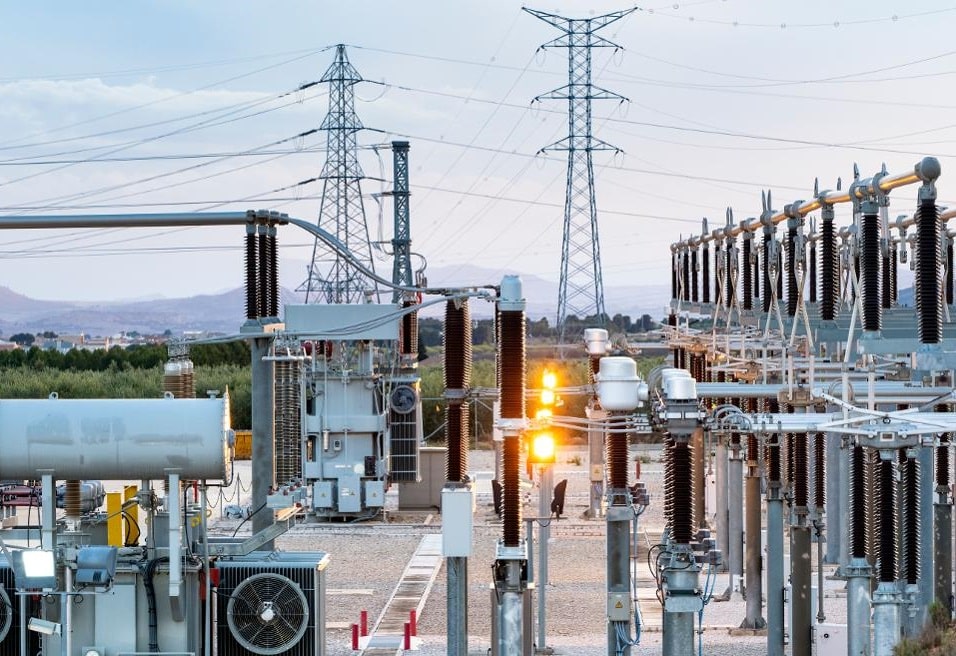
Nigeria’s national grid for electricity has collapsed, plunging major cities and commercial areas into darkness and marking the country’s first complete power shutdown of the year.
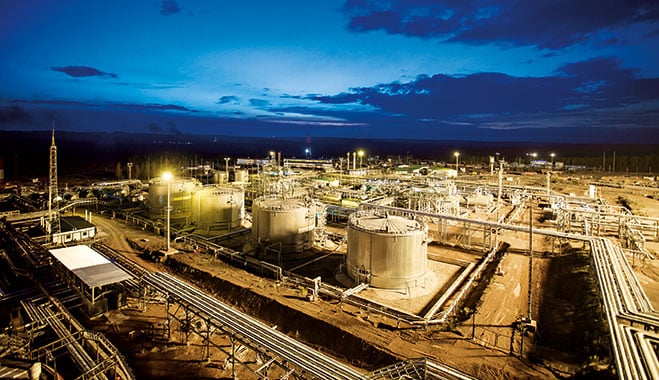
Nigeria’s oil and gas sector stands at a crossroads, with investment at the heart of ongoing tax reforms. For investors, this offers reliefs and credits aimed at boosting exploration and drilling in the upstream segment.
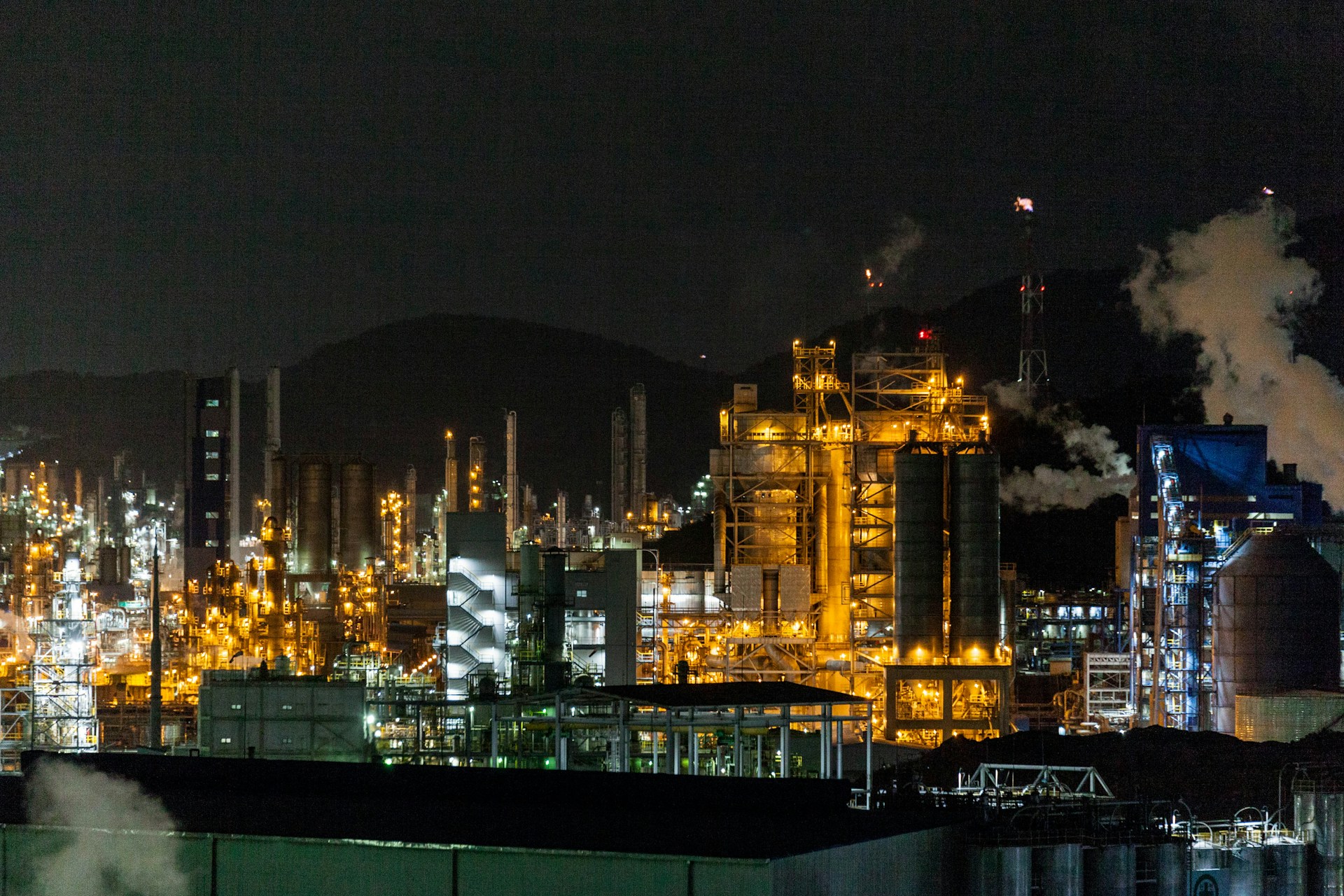
Congo has signed a $23 billion hydrocarbon agreement with the Chinese oil and gas company Wing Wah for the integrated development of Cayo, Banga Kayo, and Holmoni permits.
The British oil giant Shell and the Department of Petroleum and Mineral Resources (DPMR) have filed to reverse the High Court ruling that prevented it from drilling off South Africa’s West Coast.

Nigeria and France-based clean-tech company, Koolboks, has secured $11 million to establish its first local solar refrigeration assembly plant in Nigeria.
