

Top stories
Energy
Top stories
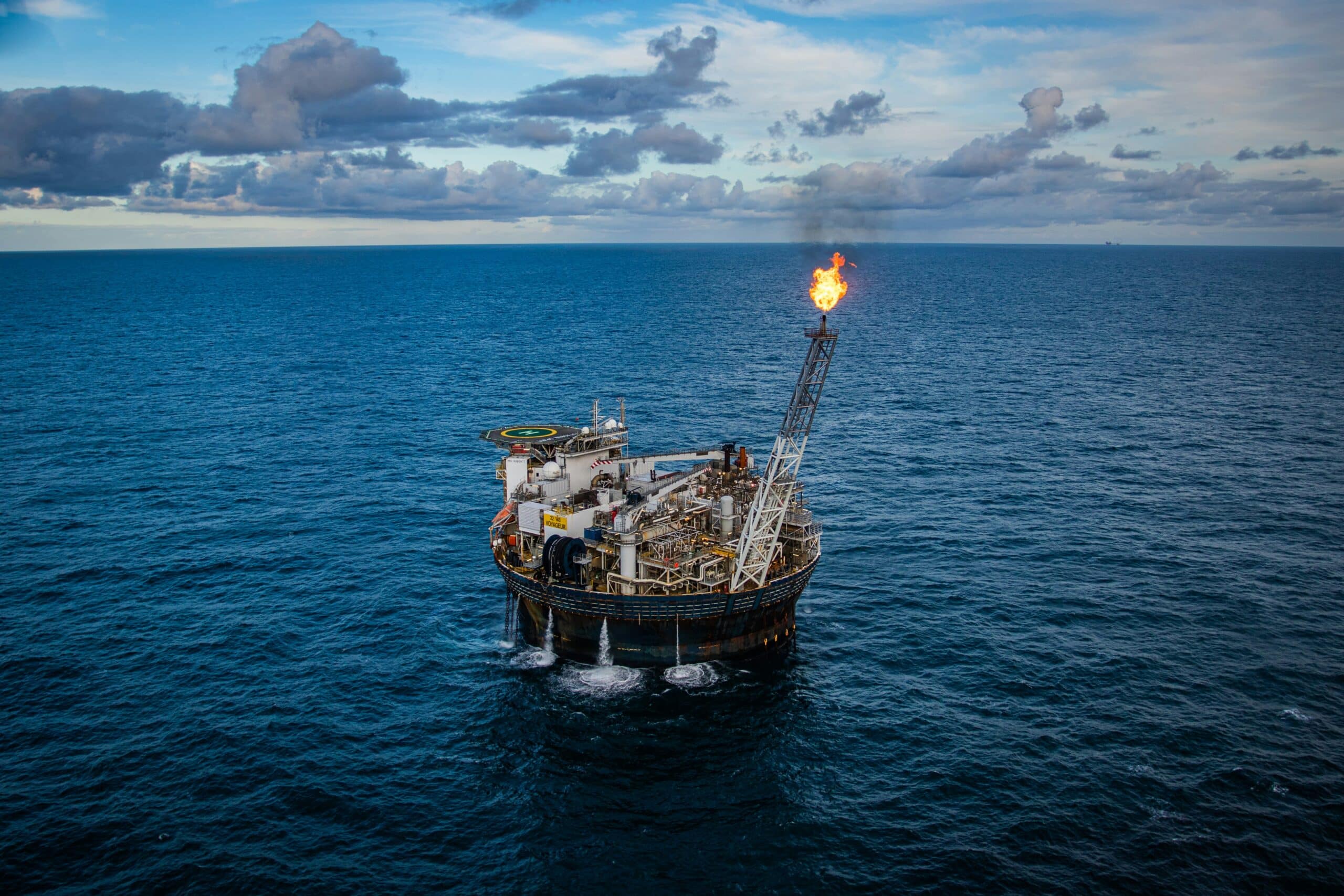
The 2021 Petroleum Industry Act (PIA) was lauded as a landmark piece of legislature when it was enacted. Four years later, a new bill proposed by Nigeria’s lawmakers may radically change some of its provisions.
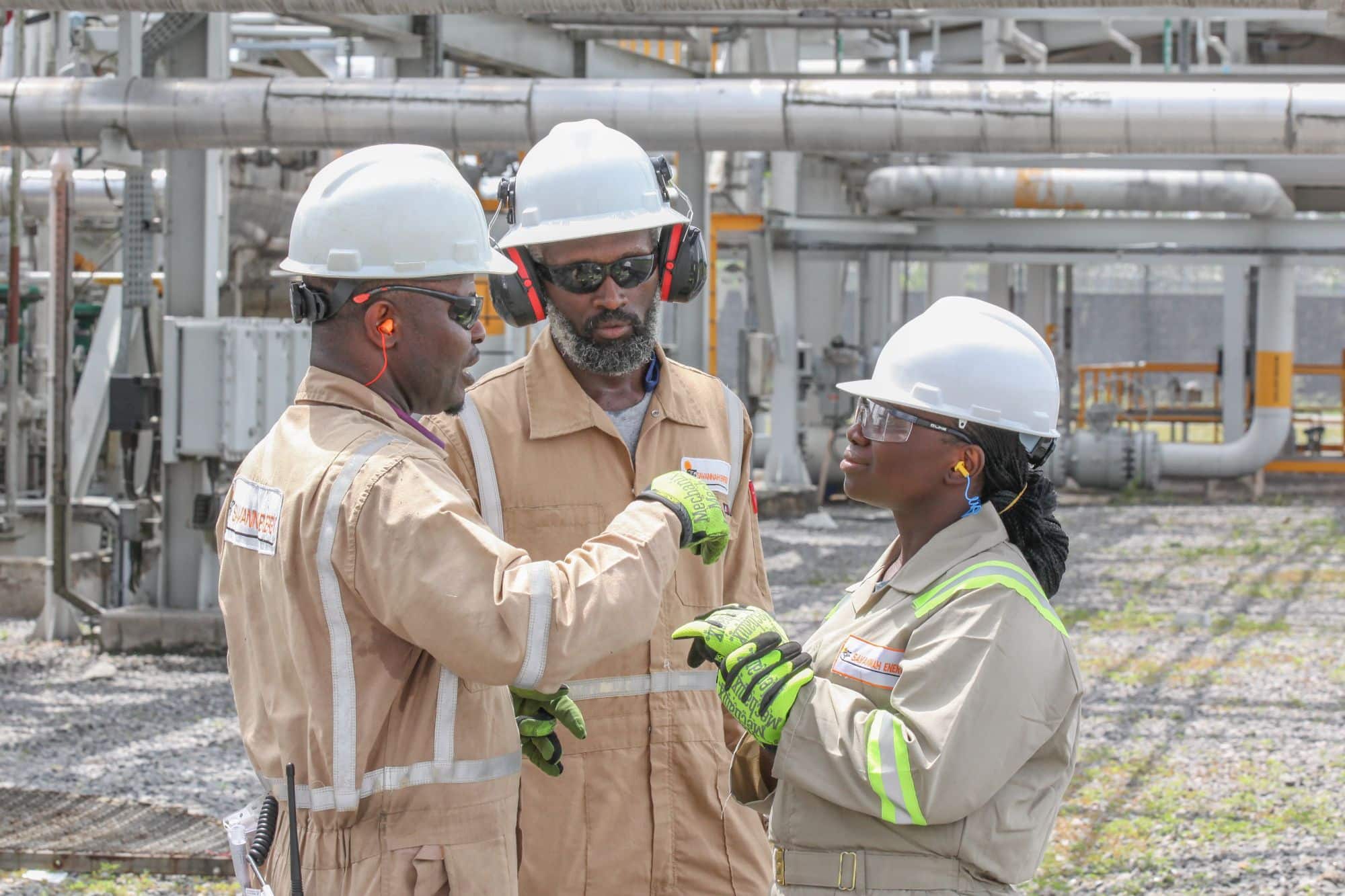
UK integrated energy firm, Savannah Energy PLC, has announced a landmark acquisition of interests in three East African renewable energy projects, totalling $65.4 million.
A consortium comprising Samsung Heavy Industries, JGC, and Technip Energies has launched a tender for module work on Mozambique’s second floating liquefied natural gas (FLNG) unit, Coral Norte.
Technology group Wärtsilä has signed a five-year Operation and Maintenance (O&M) agreement with Boto SA, a subsidiary of Moroccan mining group Managem.
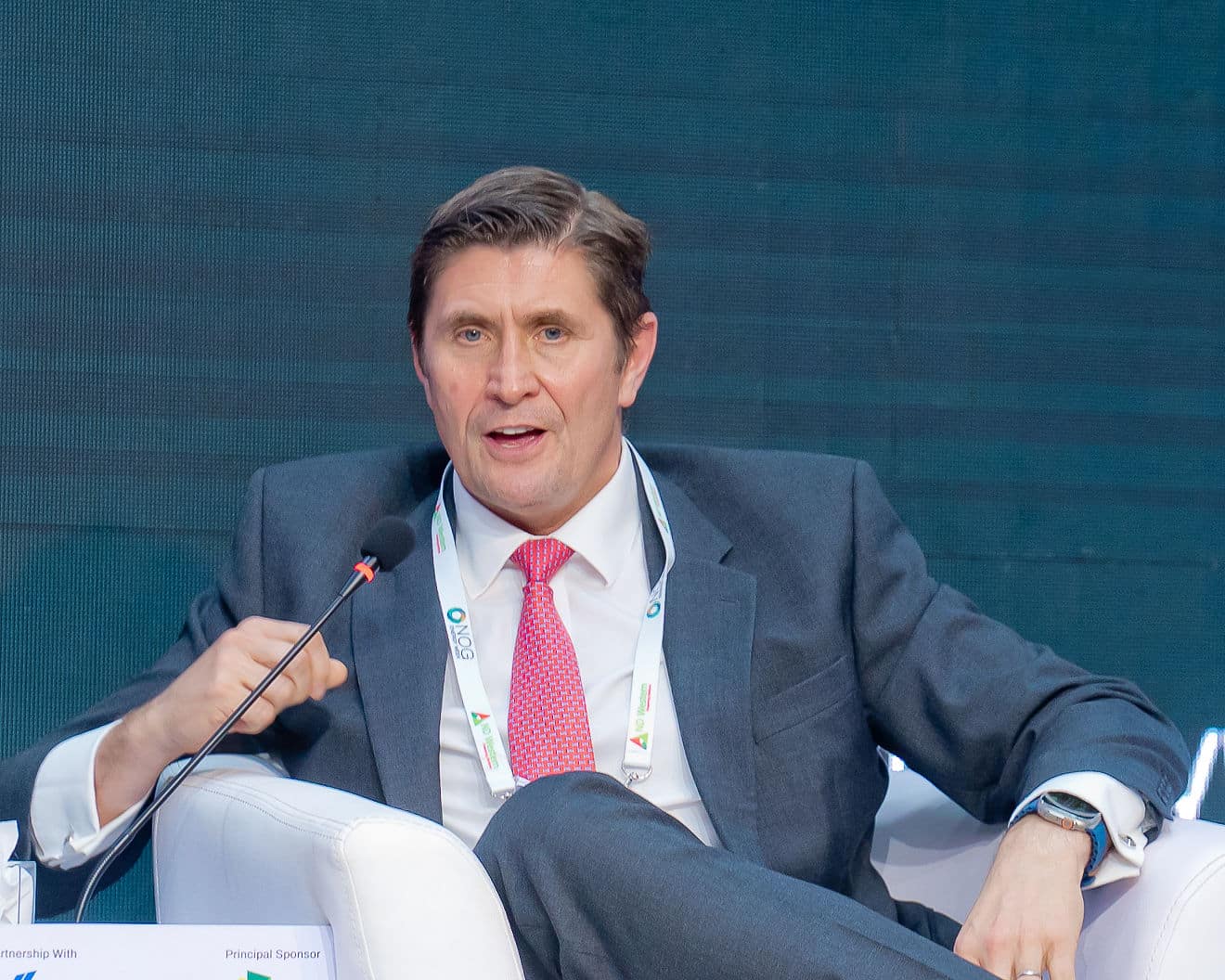
Seplat Energy Plc, one of Nigeria’s leading independent oil and gas companies, has announced plans to invest between $2.5 billion and $3 billion over the next five years to develop three new gas projects.
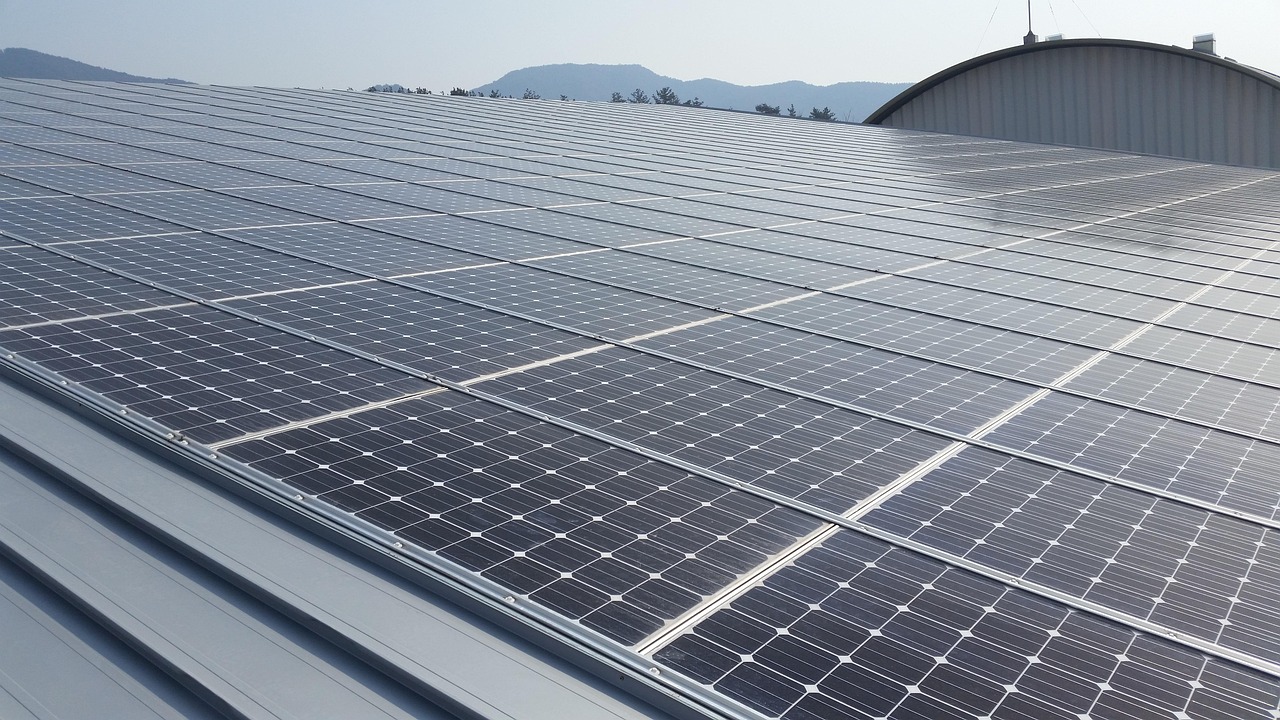
Angola has completed seven major solar plant network as part of its renewable energy initiative with the inauguration of Bailundo Photovoltaic Park in Huambo.
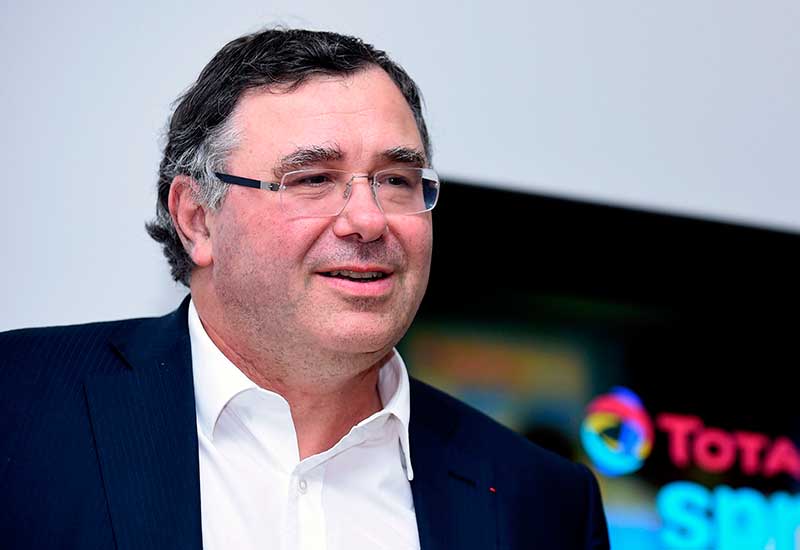
The $20 billion Mozambique LNG project is set to be one of Africa’s largest gas ventures in recent years. Though stalled for some time, it is now attracting renewed investor interest. So, who are the major financiers backing this mega project?
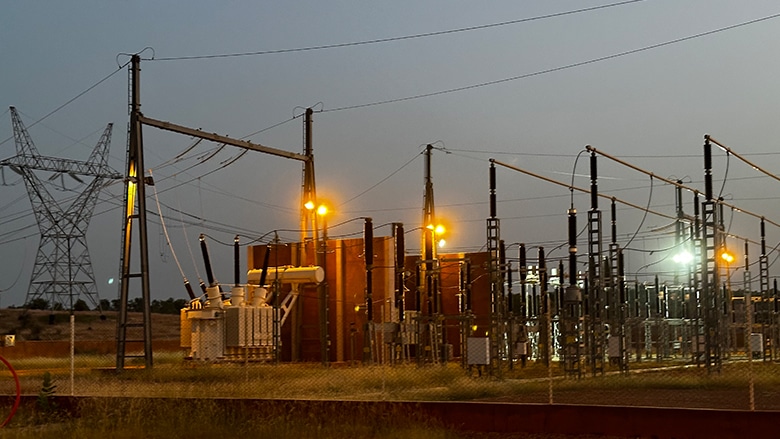
Uganda plans to borrow $358 million from regional and private lenders to finance major infrastructure projects, including a critical power line to South Sudan.
State-owned Israel Natural Gas Lines (INGL) and partners of the Leviathan gas field including Chevron and NewMed have signed a $610 million contract for the construction of the Nitzana natural gas pipeline to supply gas to Egypt.
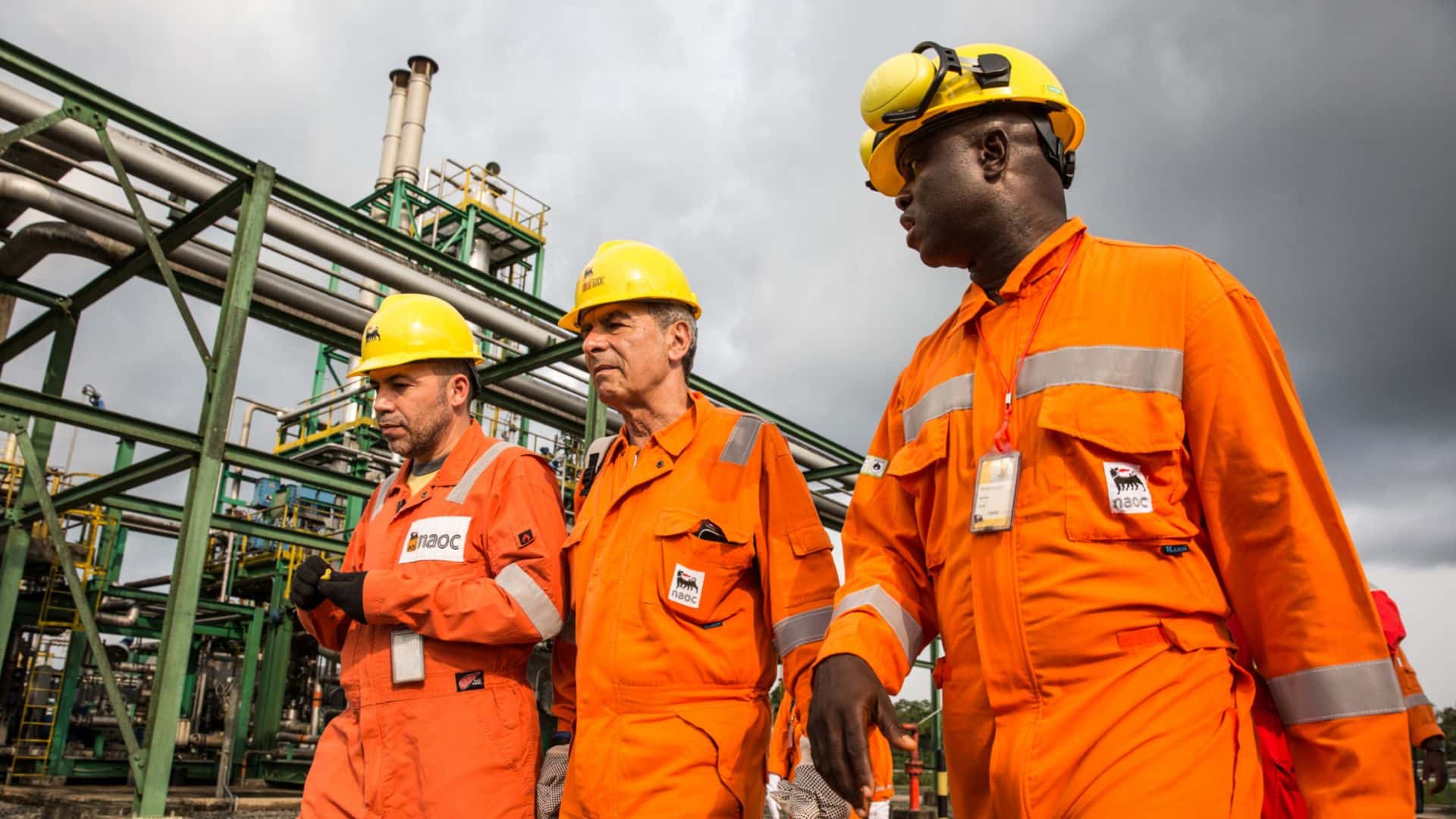
Ghana’s Offshore Cape Three Points (OCTP) project partners including global energy giant Eni, Vitol and the Ghana National Petroleum Corporation (GNPC) have signed a Memorandum of Intent (MoI) with the government of Ghana to boost oil and gas production.
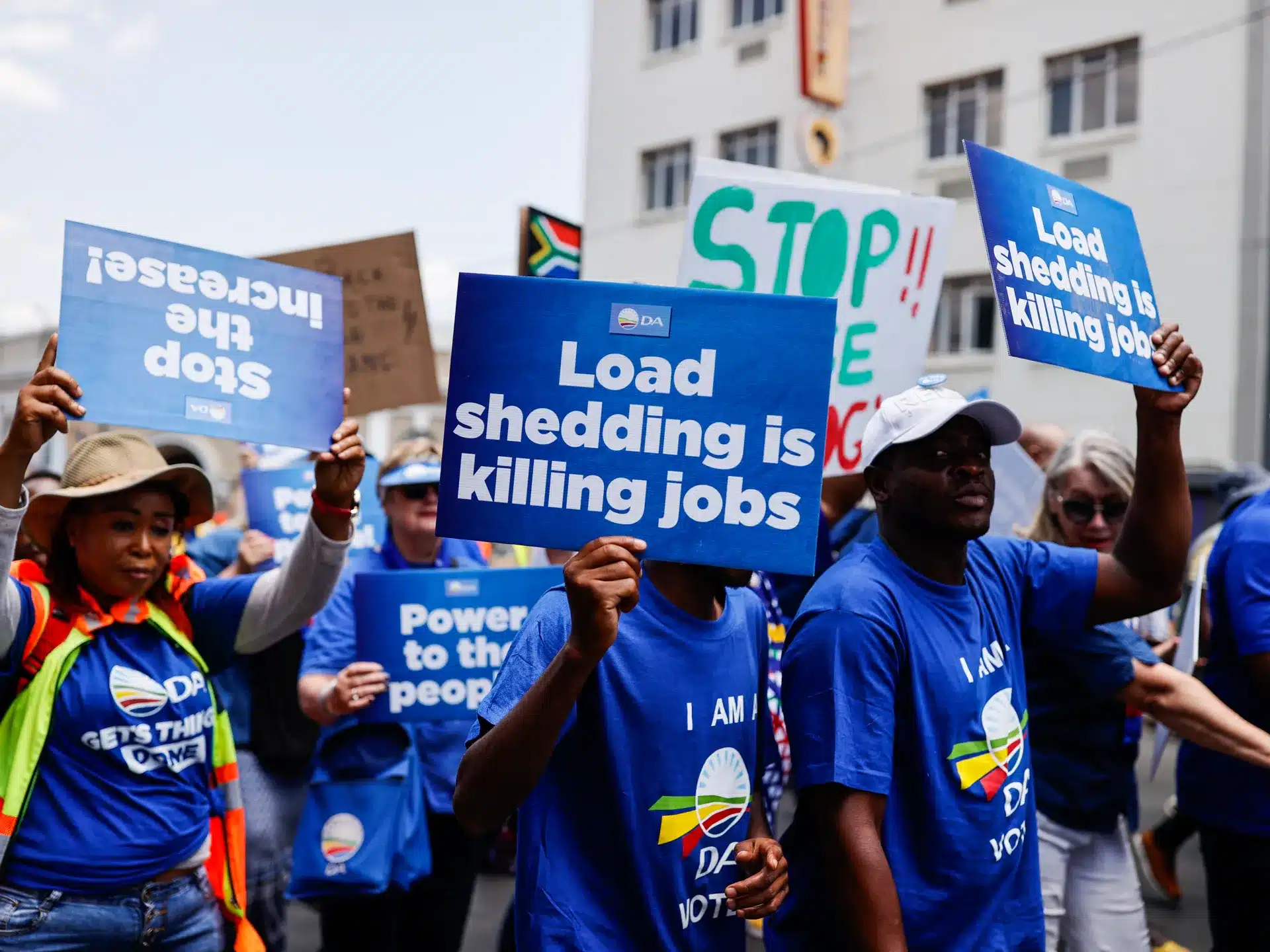
South Africa is stepping up its shift to renewable energy with a new policy aimed at liberalising the market and expanding access. But the question remains: can this be enough to end the cycle of seasonal load shedding?
TotalEnergies has signed four production sharing contracts (PSC) for four exploration blocks covering an area of approximately 12,700 square kilometres in the south of the Liberia Basin.
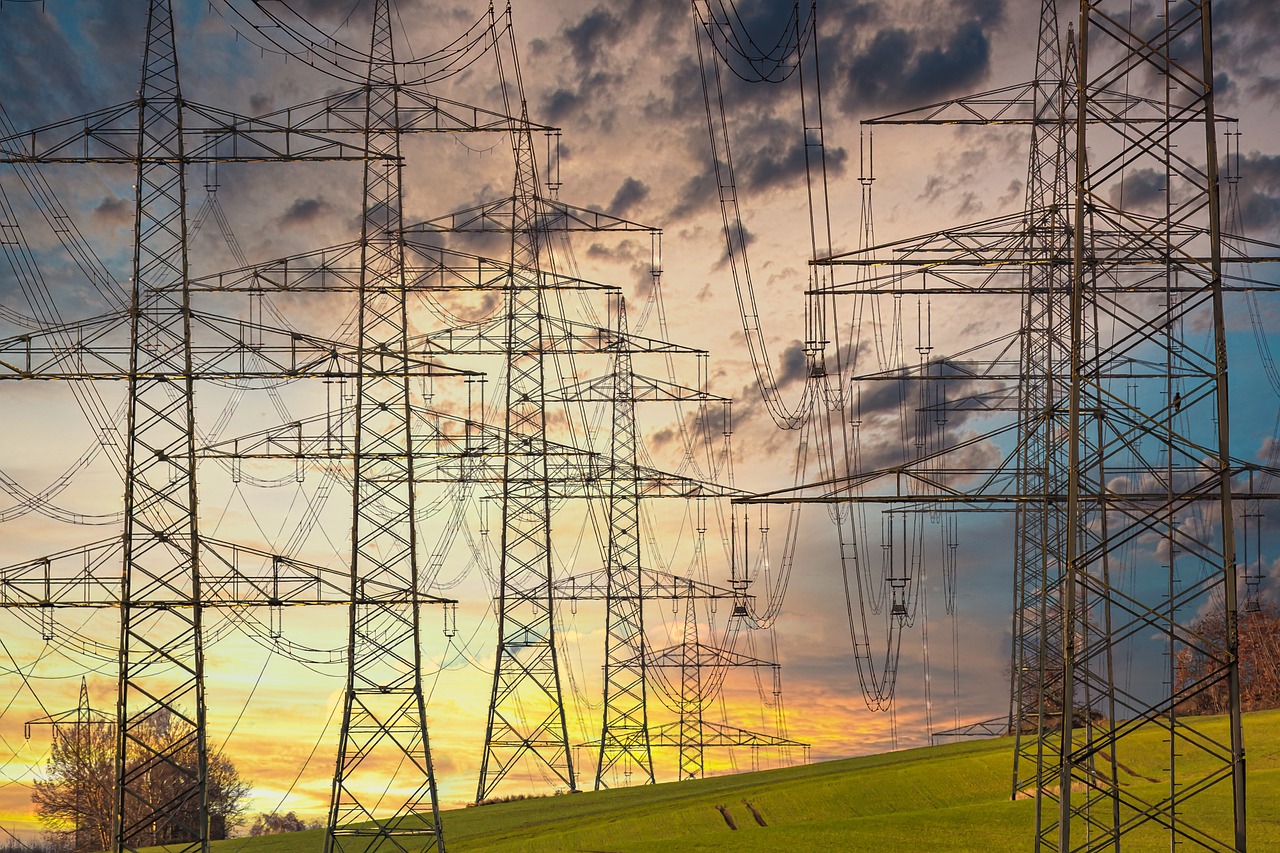
Zimbabwe has signed a $455 million, 15-year concession agreement with Jindal Africa, a subsidiary of India’s Jindal Steel & Power, to revamp its power plant in Hwange
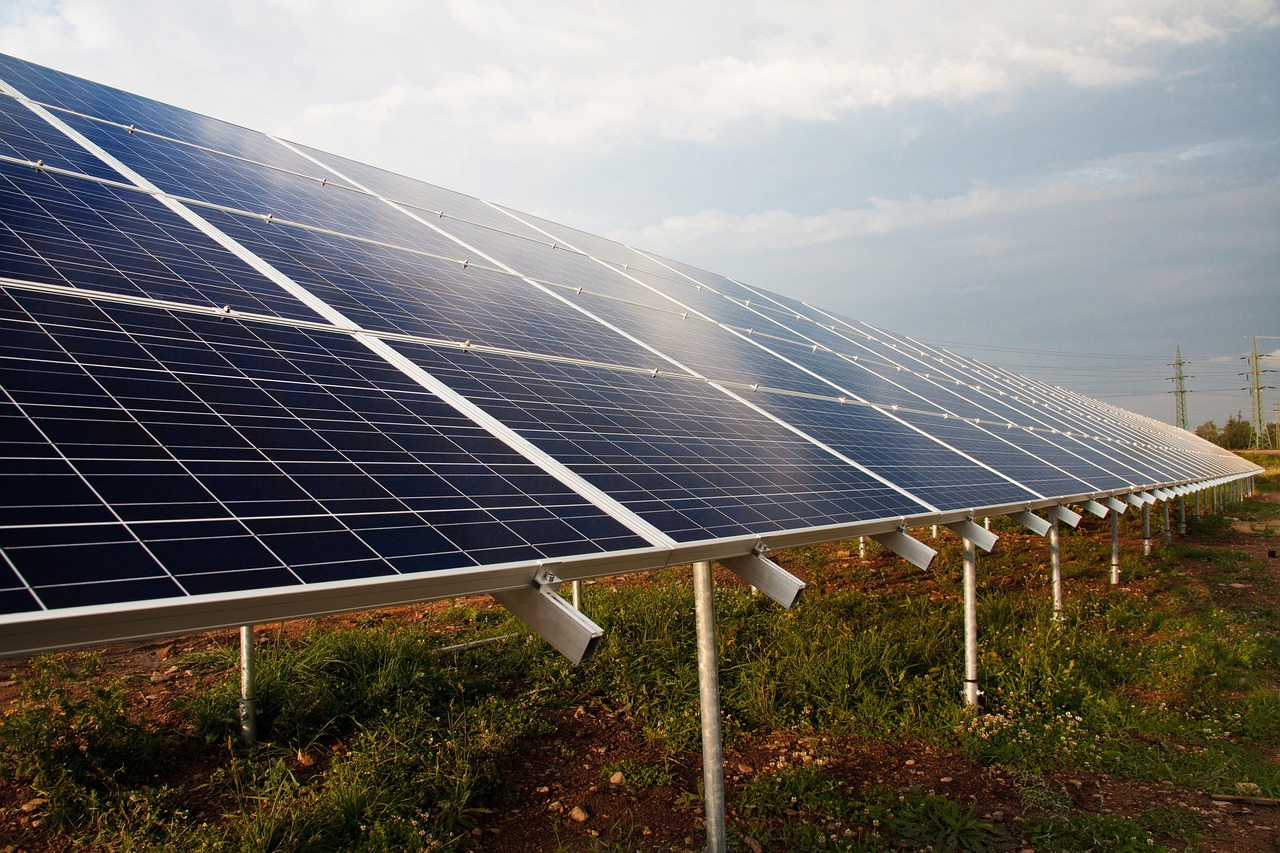
West African nation, Liberia is set to inaugurate its first large-scale solar power plant in October 2025, a key step in the country’s energy supply and reliance on hydropower.
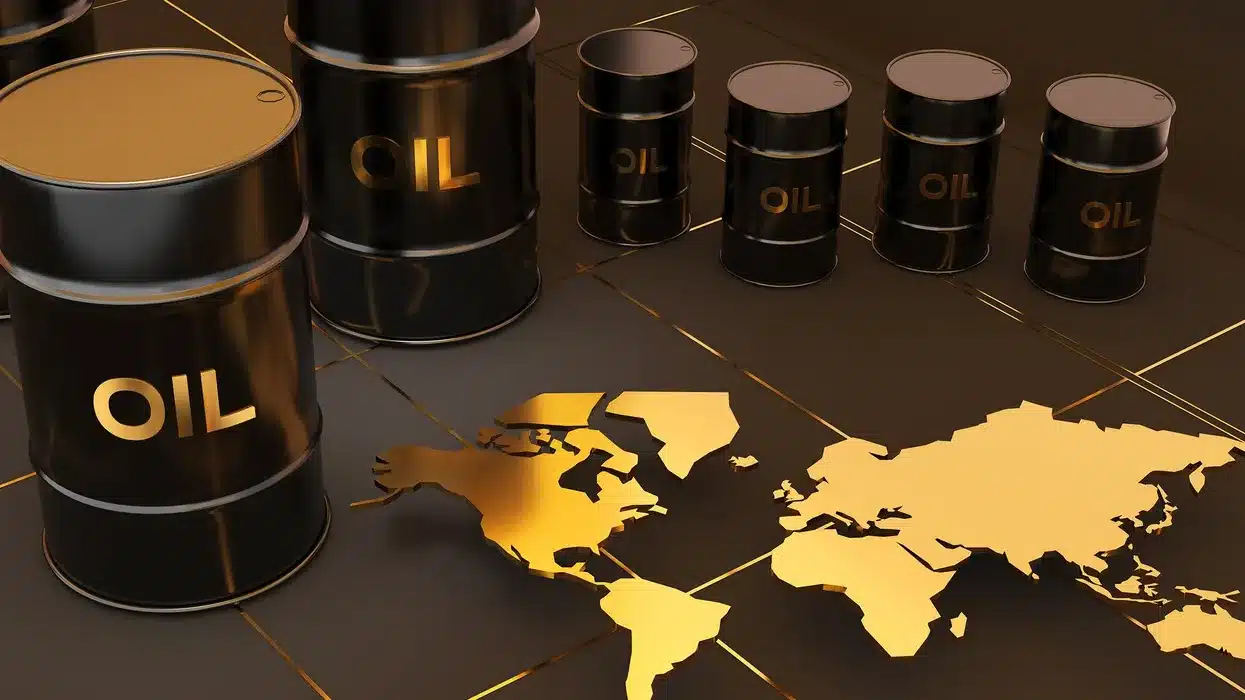
Nigeria’s oil sector has attracted $18.2 billion in fresh commitments through 28 new Field Developments Plans (FDPs) approved in 2025.

Africa’s energy independence relies heavily on internal financing. The proposition of an intercontinental bank indicates a move in that direction. However, the project is yet to take off despite declaration of several launch date
South Africa’s power utility, Eskom, says some customers referred to as “Zero Buyers” are yet to have their electricity supply regularised due to ongoing audits of meter connections and issues of illegal hookups.
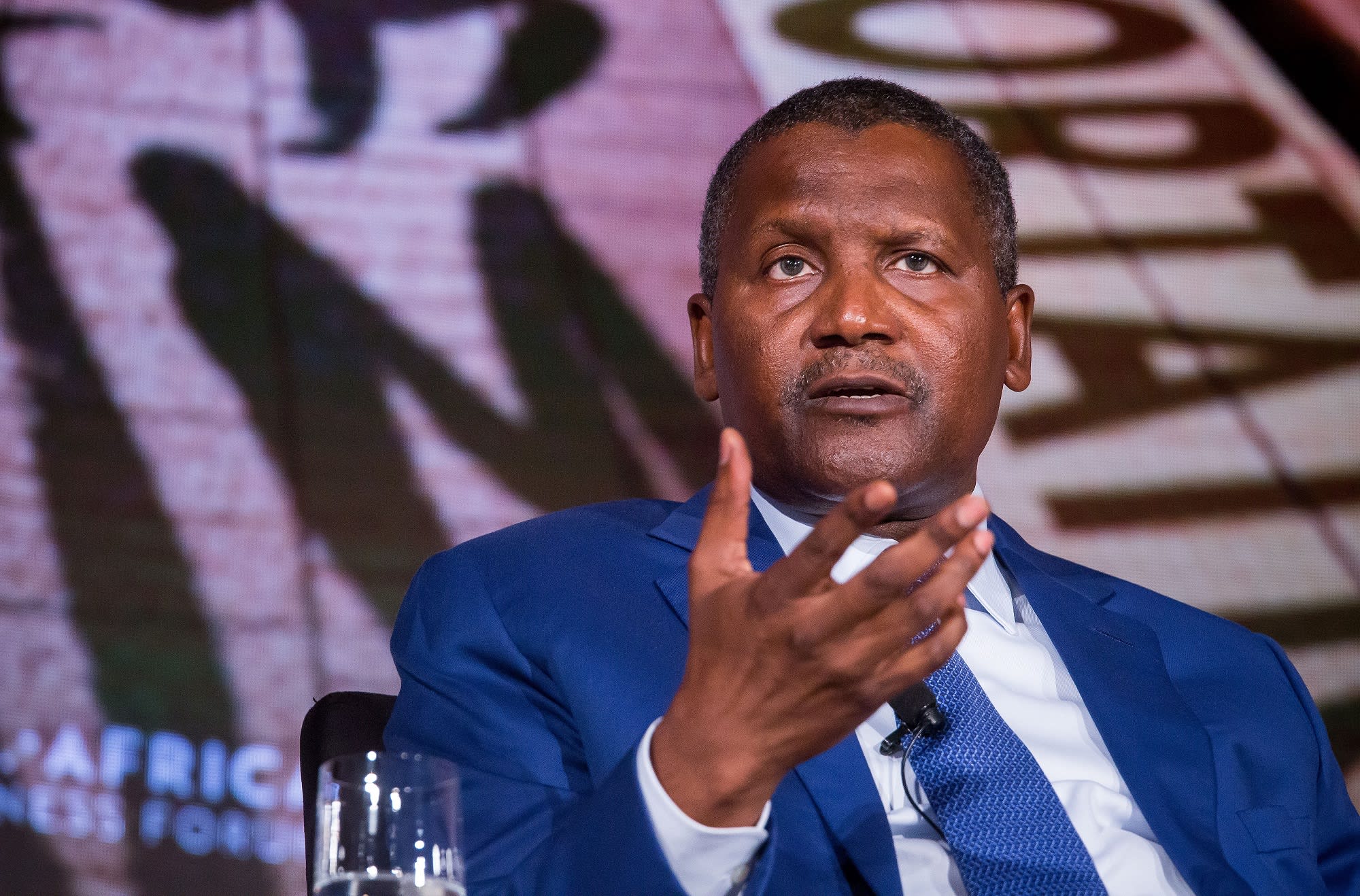
Although Ghana produces less oil than many of Africa’s top producers, Nigeria’s mega refinery is betting on its market for crude supply. A closer look reveals why this may be more strategic than it first appears.
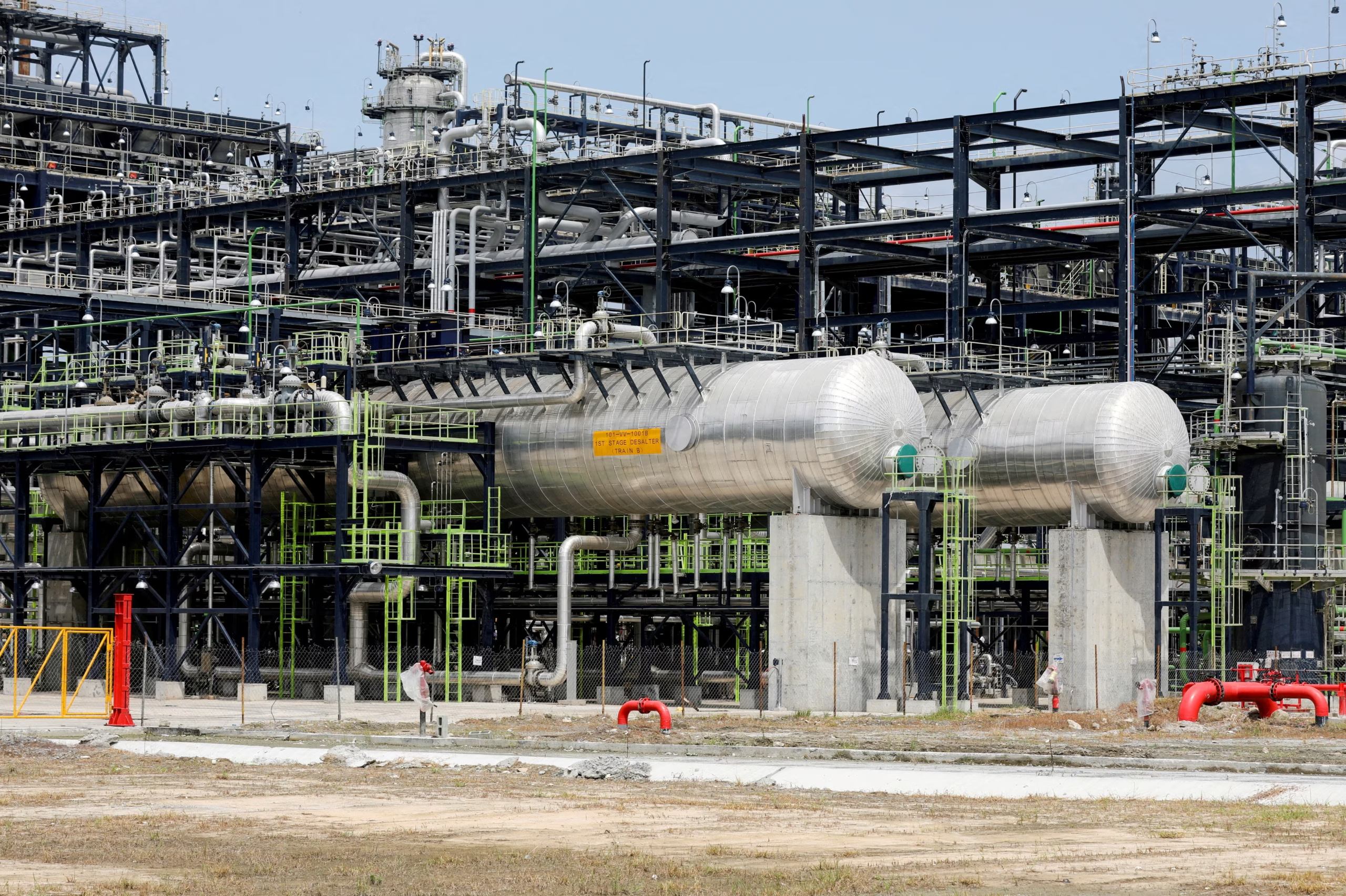
In the past weeks, the clash between Dangote and union body, NUPENG, has nearly brought the petroleum industry in Nigeria to a halt. In this article, we explore in details what exactly are the reasons for these disputes.
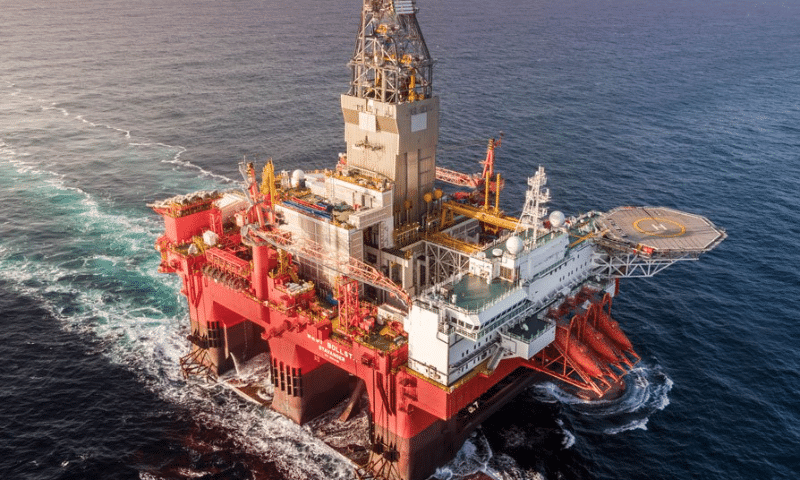
In a significant move for asset optimization, Eco (Atlantic) Oil & Gas has successfully renewed its rights over four Petroleum Exploration Licenses (PELs) in Namibia.
