

Top stories
Energy
Top stories
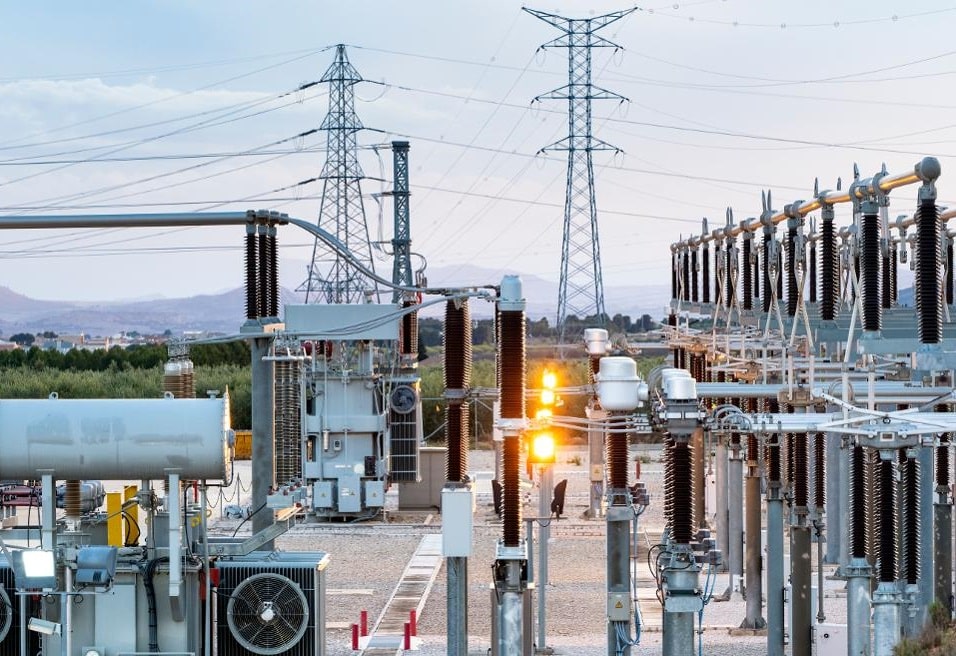
The Nigerian government has finalised the implementation framework for the ₦4 trillion ($2.68 billion) Presidential Power Sector Debt Reduction Plan, a major step toward restoring financial stability and investor confidence in Nigeria’s electricity market.
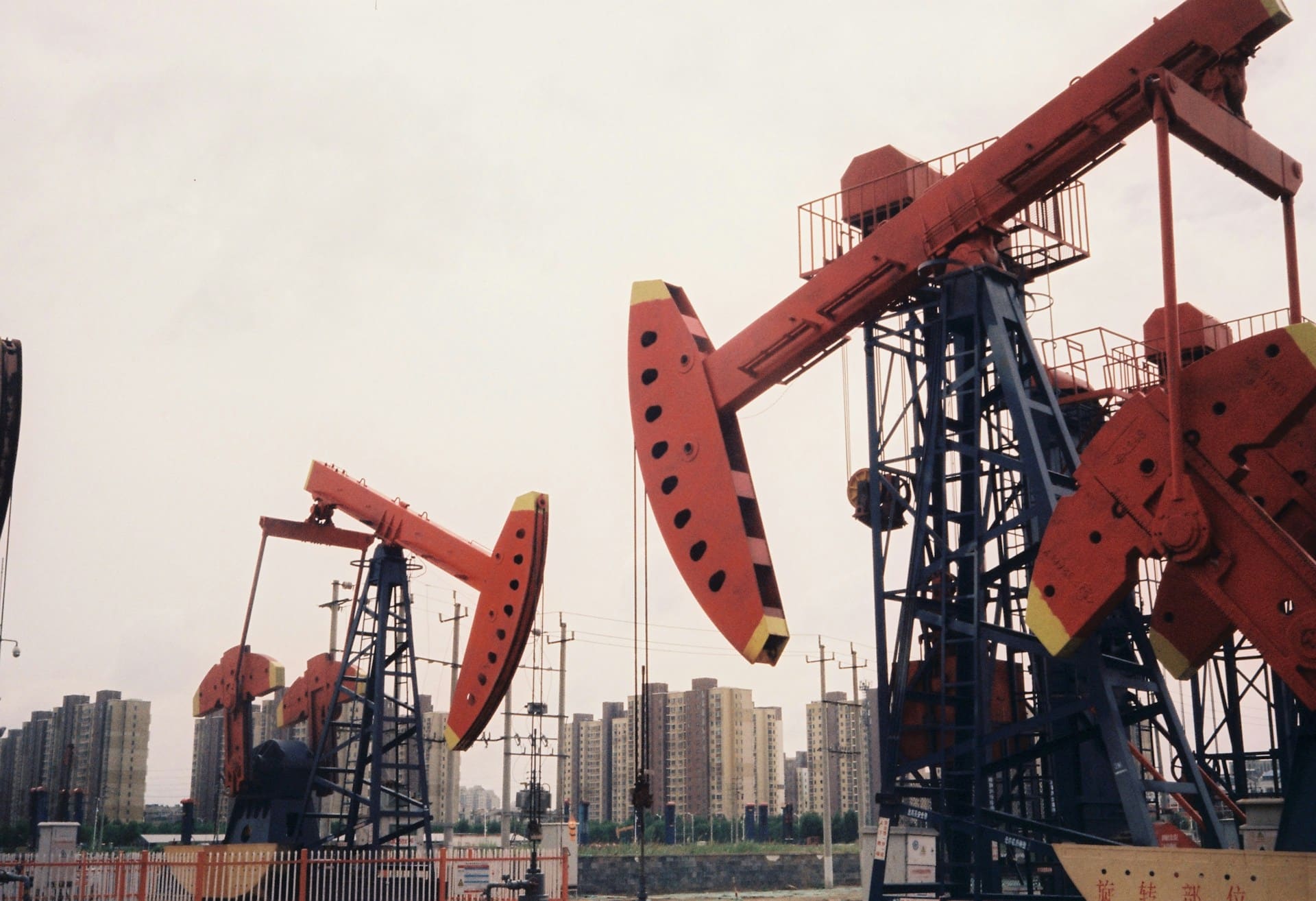
African producers in the Organization of the Petroleum Exporting Countries (OPEC) witnessed stable oil production output in the third quarter (Q3) of 2025.
Shell Nigeria Exploration and Production Company Limited (SNEPCo), a subsidiary of Shell plc, and SunLink Energies and Resources Limited have taken a final investment decision (FID) on the $2 billion HI gas project located offshore Nigeria.
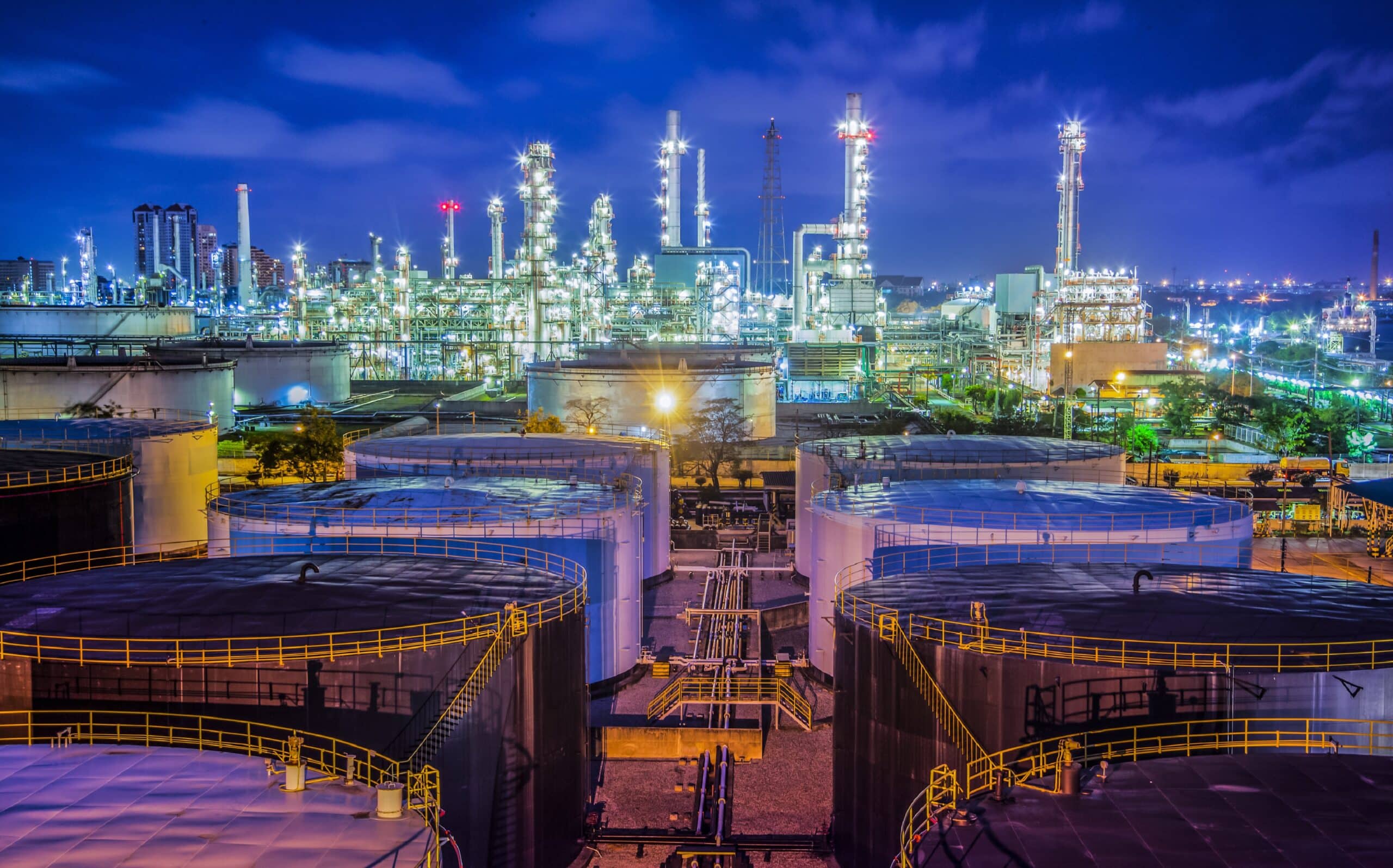
In the first eight months of 2025, Nigeria witnessed impressive oil and gas revenues of N10.737 trillion ($7.36 billion). In this article, we take a closer look at the five leading contributors that have boosted Nigeria’s oil revenues

Oil majors Shell Plc and TotalEnergies have faced repeated opposition from environmental groups in South Africa. Still, the supermajors appear committed to the long game, viewing the country as a potential regional hub for their broader projects across the continent.
Nigeria, a long-standing member of OPEC, has recently recorded a steady rise in oil production. Although its quota from the group remains modest, the West African nation may soon need to push for a higher output limit.
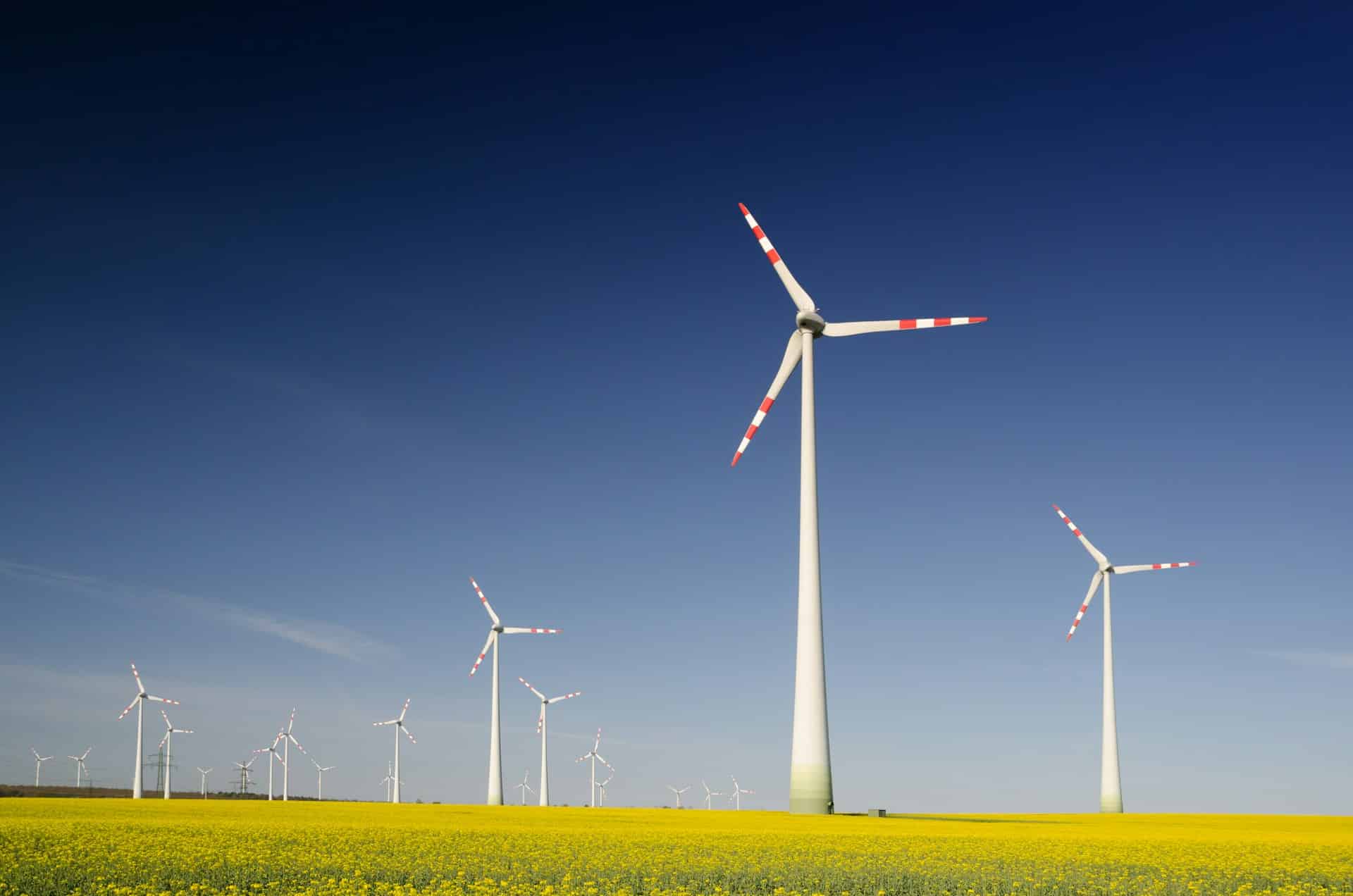
The European Commission, an agency of the European Union (EU), has announced a €618 million ($673.6 million) Team Europe package aimed at accelerating Africa’s transition to renewable energy — a major boost for the continent’s clean energy drive.

Nigeria’s electricity meter installations rose to 225,631 units in the second quarter of 2025, showing a 20.55% increase from the 187,161 meters installed in the first quarter, according to the Nigerian Electricity Regulatory Commission (NERC).
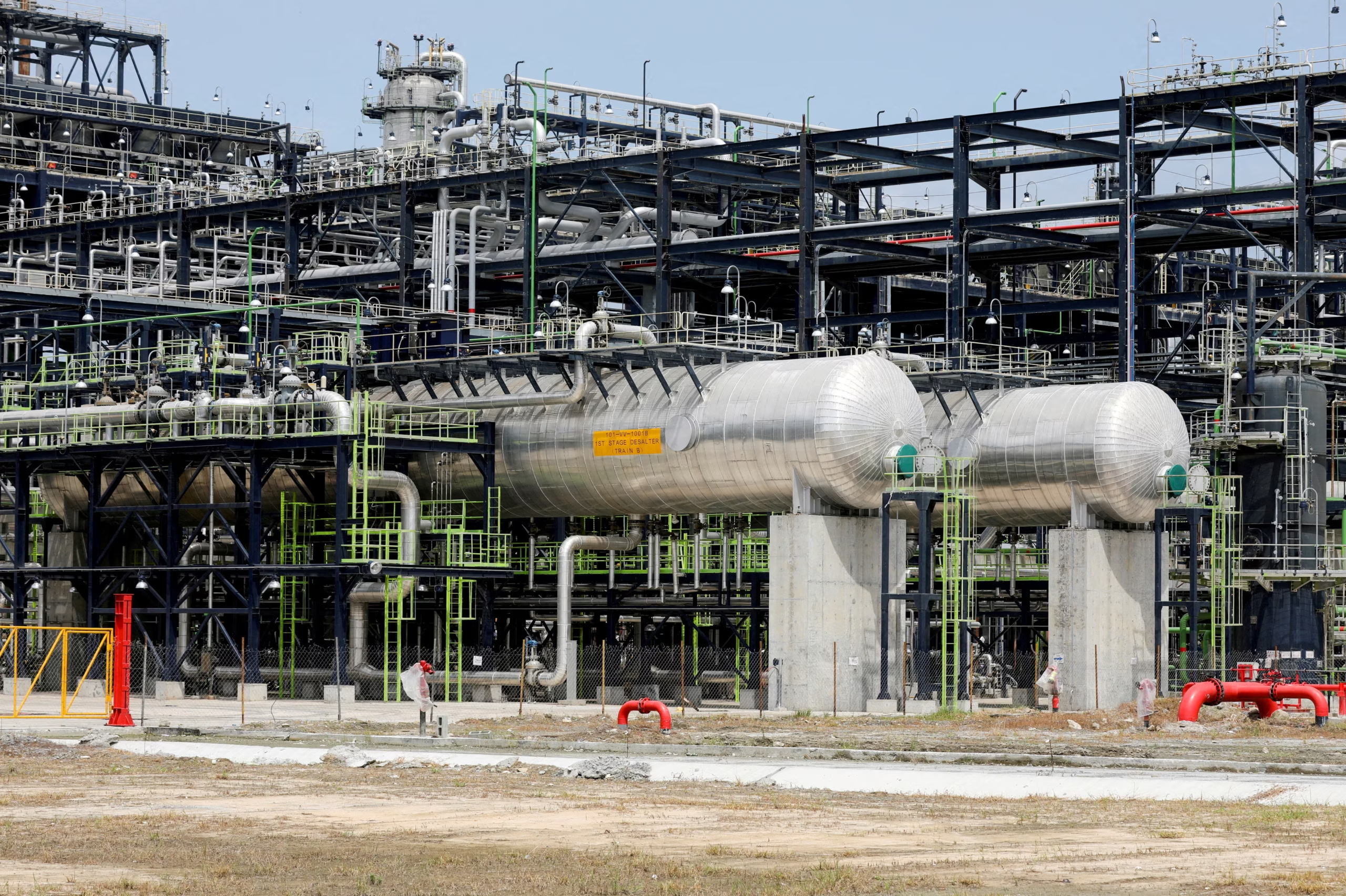
The Dangote Refinery has confirmed that it is importing semi-refined hydrocarbons as intermediate feedstock, firmly rejecting media allegations that it brought finished petrol with excessive sulphur content into Nigeria.

Senegal’s push into oil and gas reflects a familiar paradox across Africa: abundant crude resources but little to no refining capacity. The newcomer to the oil scene has yet to process its own crude.
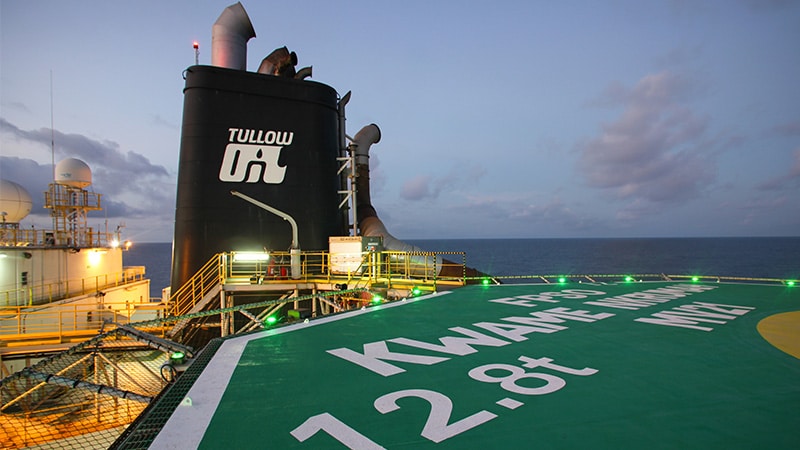
Ghana’s government received $148.7 million in corporate income taxes (CIT) from upstream oil and gas companies in the first half of 2025, a steep 59% decline compared to the $358.8 million collected during the same period in 2024.
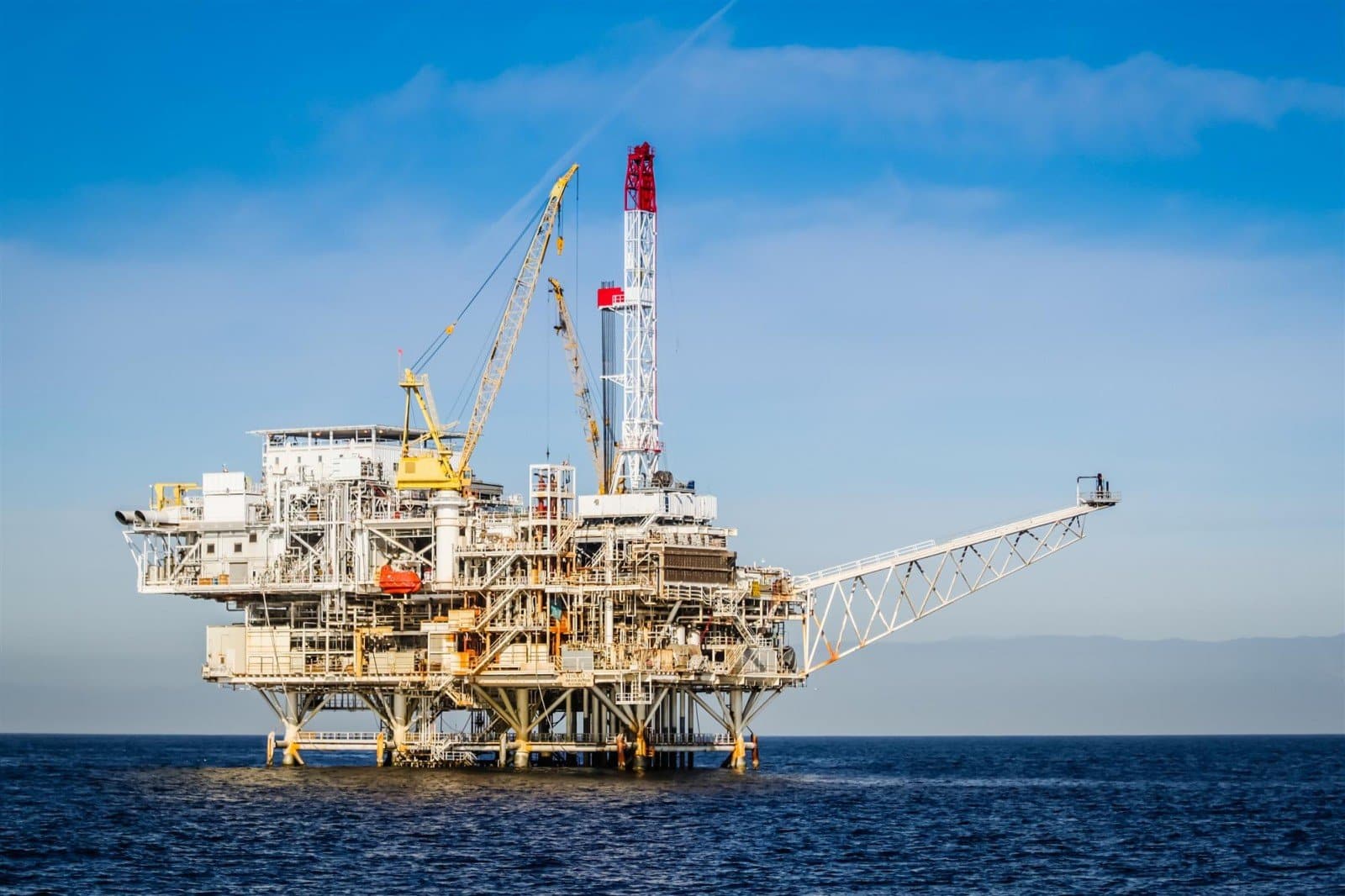
Nigeria’s post-PIA era has been marked by a wave of divestments, with IOCs offloading onshore assets to local independents. The regulation has also spurred greater participation by indigenous firms in oil and gas investments.
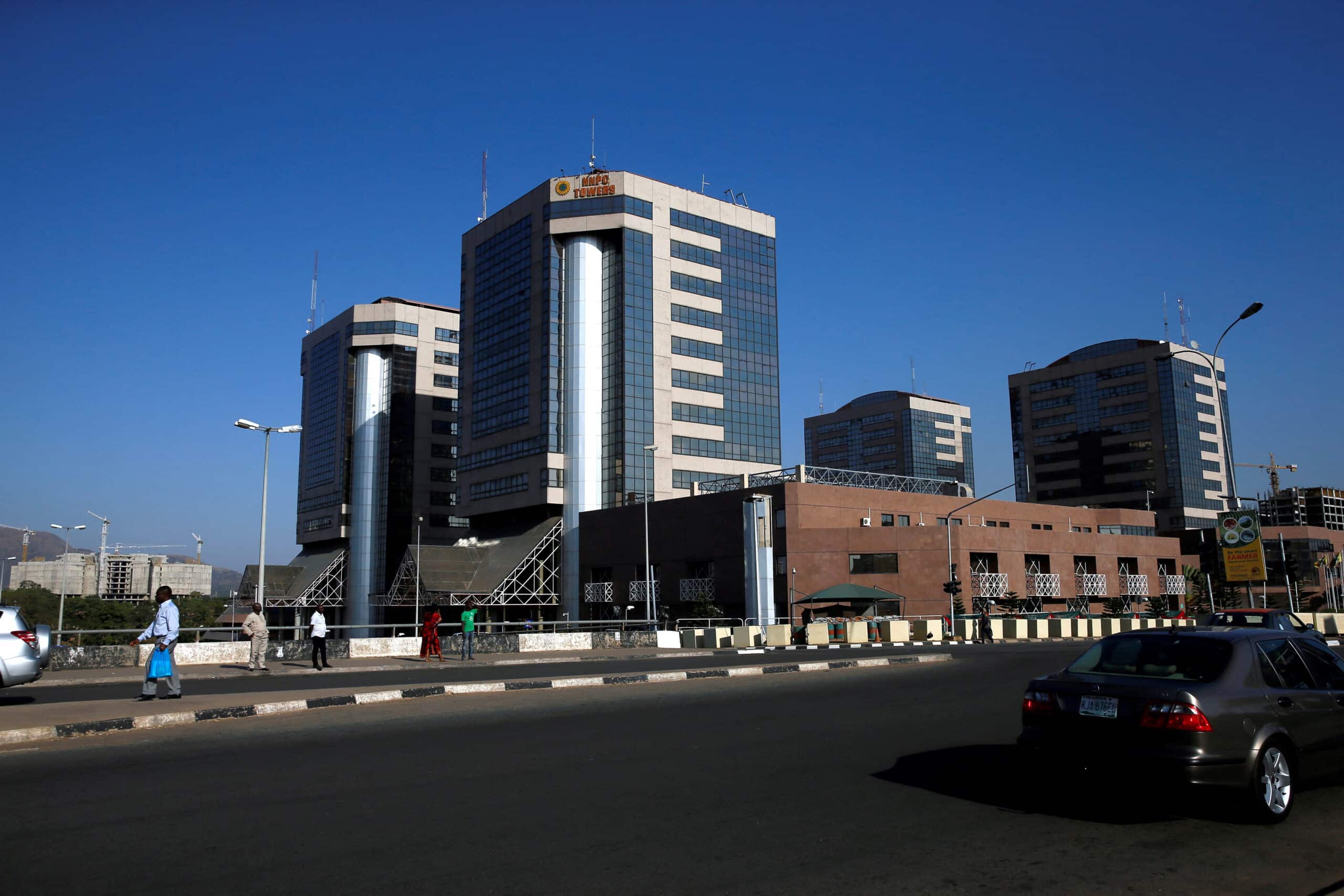
Nigeria’s state-owned oil company, NNPCL, disbursed N424 billion ($283 million) to the federation account as part of its production sharing agreement obligations, amid rising oil revenue collections.
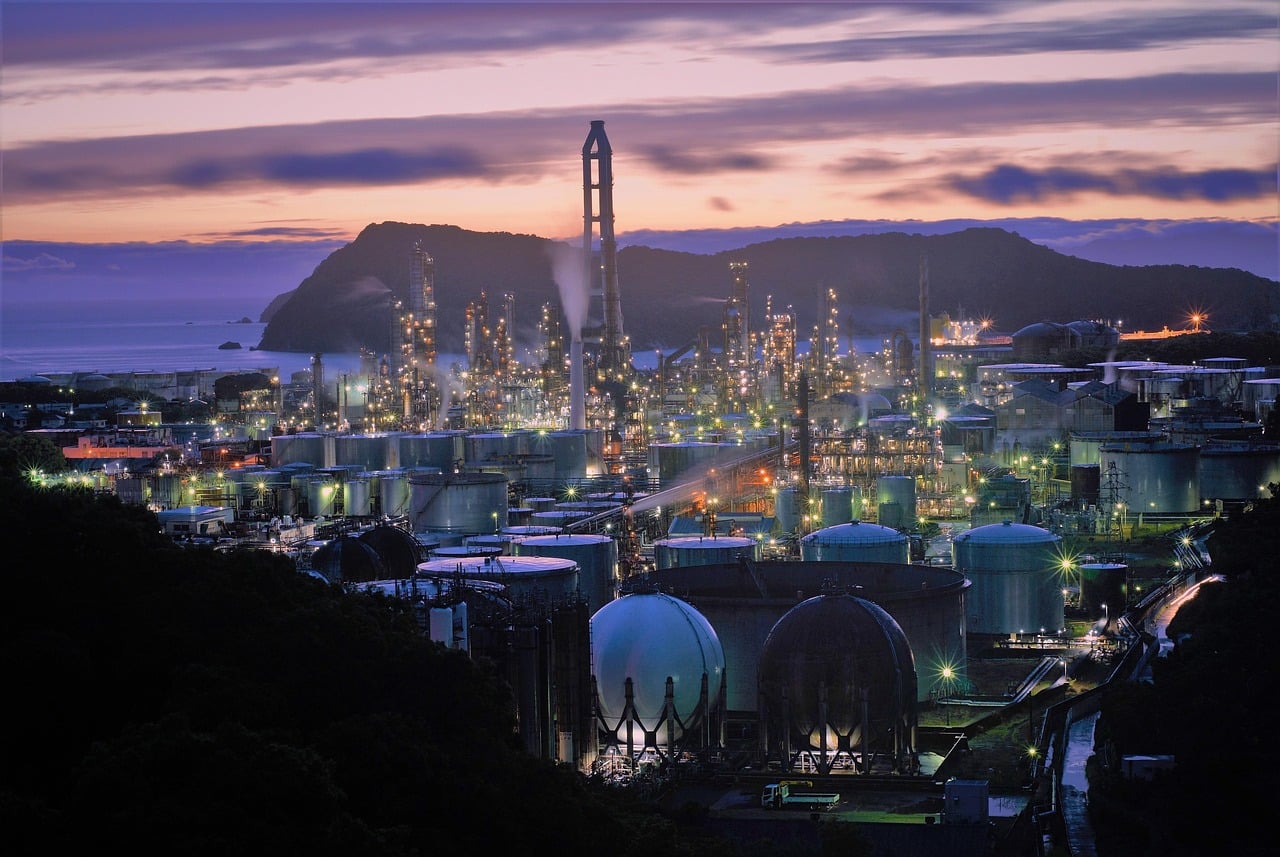
Nigeria has attracted over $4.9 billion in capital expenditure for Non-Associated Gas (NAG) projects in the past four years, following the implementation of a strategic regulatory roadmap by the Nigerian Upstream Petroleum Regulatory Commission (NUPRC).
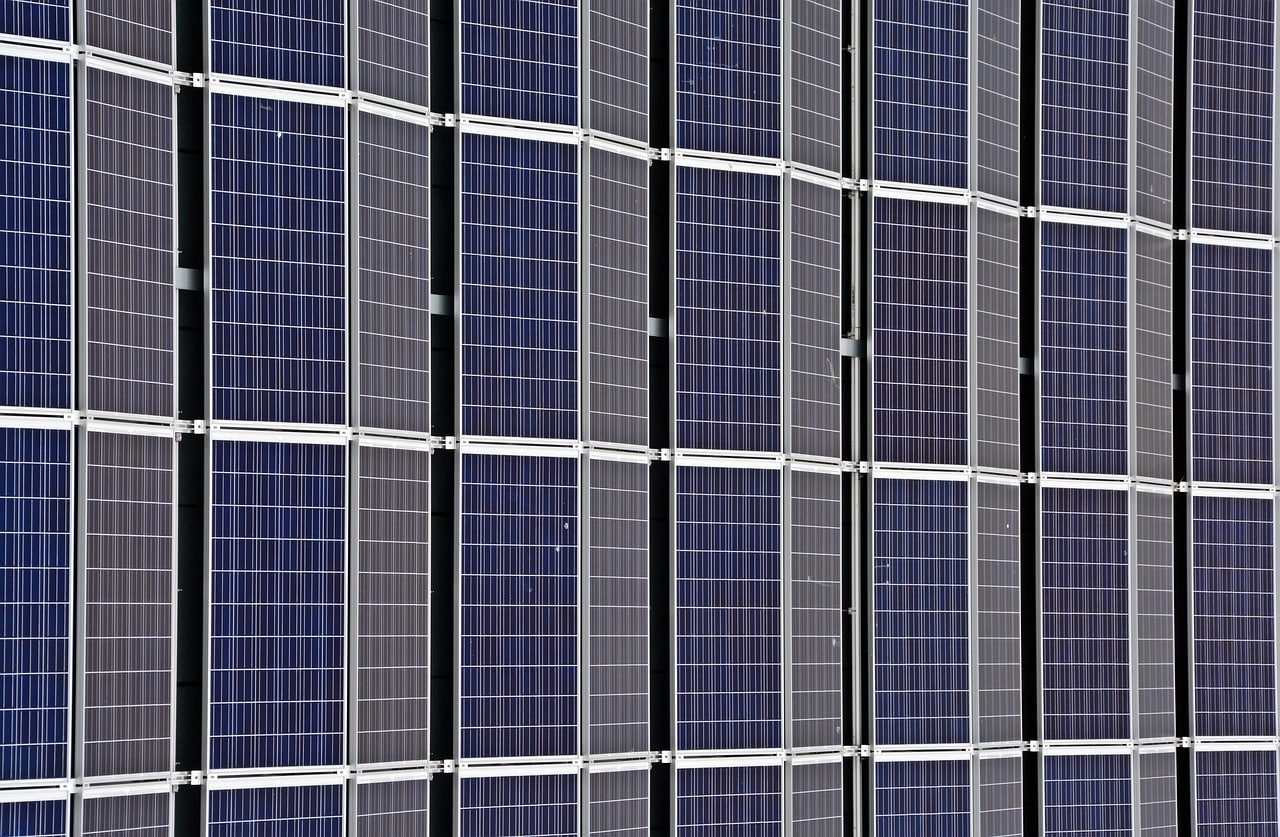
Nigeria has achieved a major milestone in its renewable energy journey as the country begins exporting locally manufactured solar panels to Ghana.
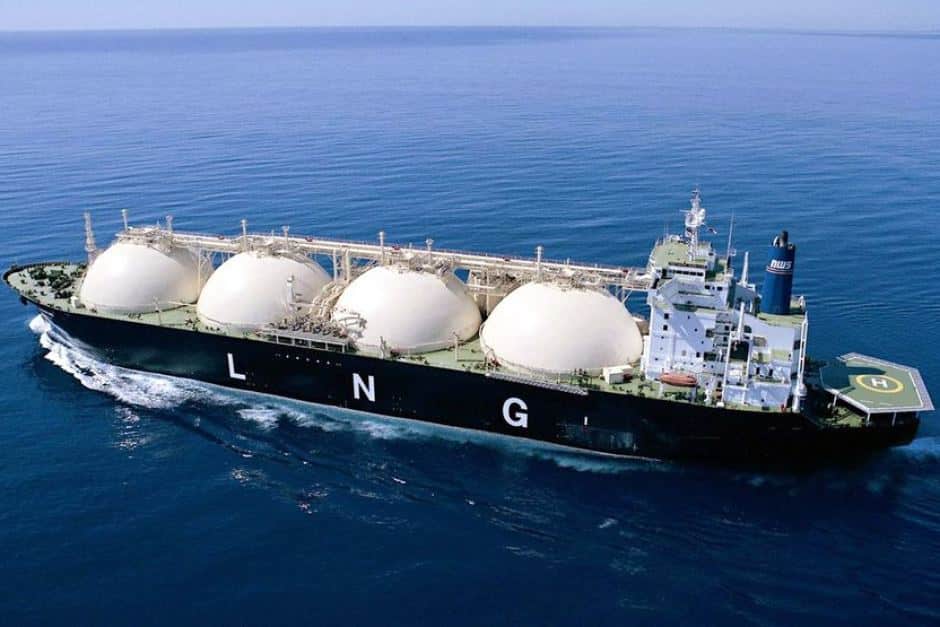
Egypt has asked suppliers of Liquefied Natural Gas (LNG) to delay deliveries scheduled for the rest of the year as domestic demand remains lower than expected.
Italian energy giant Eni has committed to increase its Egypt by $8 billion over the coming five years, targeting projects in the Zohr, Narges and Nour fields.

South Africa’s power utility, Eskom, faces labour pressure as workers demand a 15% wage increase just as the company records its first profit in eight years.
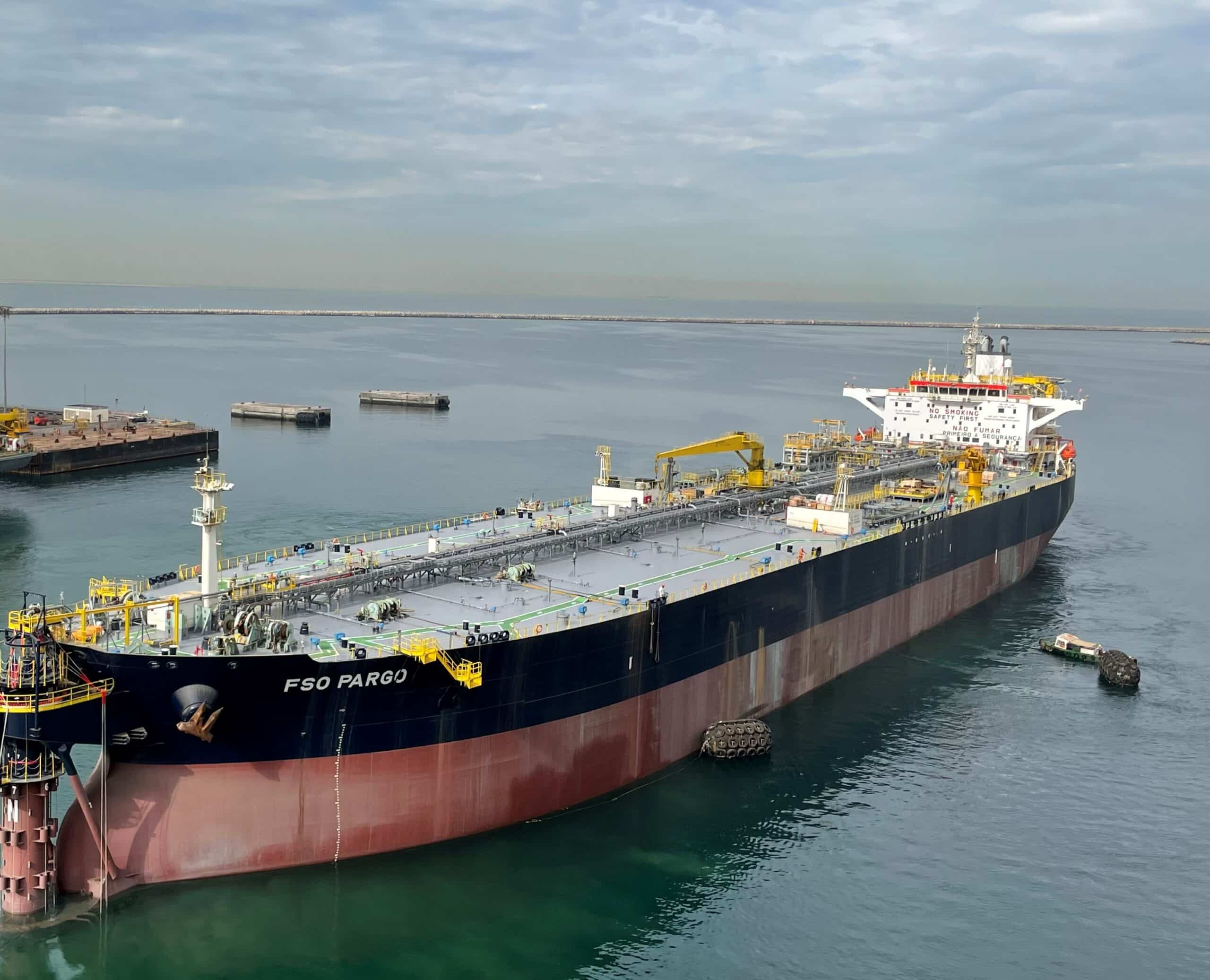
Nigeria has commissioned its first wholly owned Floating Storage and Offloading (FSO) vessel near the Bonny export terminal, with capacity to hold more than 2 million barrels of crude oil.
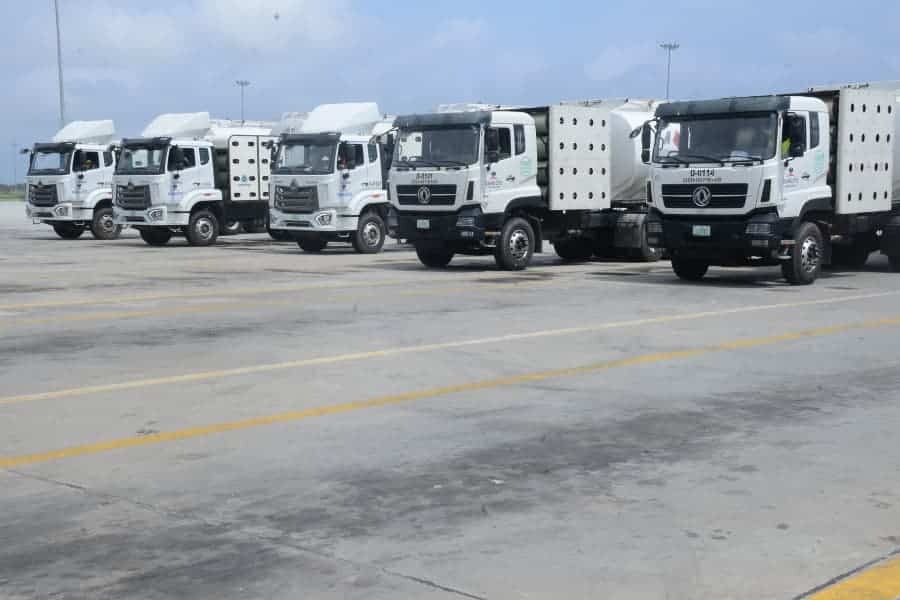
Dangote’s plan to import 4,000 CNG trucks aims to ease petroleum product distribution, but it also raises concerns about the country’s fragile and congested road network.
