

Top stories
Energy
Top stories
For South Africa, the continent’s biggest economy, balancing renewable ambitions with coal-based power has long been a challenge. For Eskom, its main utility, big money projects often take precedence over green goals.
Africa’s leading gas producer, Egypt, is roaring back to life after a period of decline. But this recovery is not without intentionality. Renewed investments from global energy giants are driving this trend.
The recent diplomatic row between Nigeria and the United States has left Nigeria’s economy hanging in the balance. While crude oil production may offer a lifeline, it may not be enough if the situation gets out of hand.
Nigeria’s oil and gas sector may appear difficult to unravel most of the time. However, a casual, friendly conversation with a friend and seasoned colleague in the space can help bring an insightful perspective to the industry.
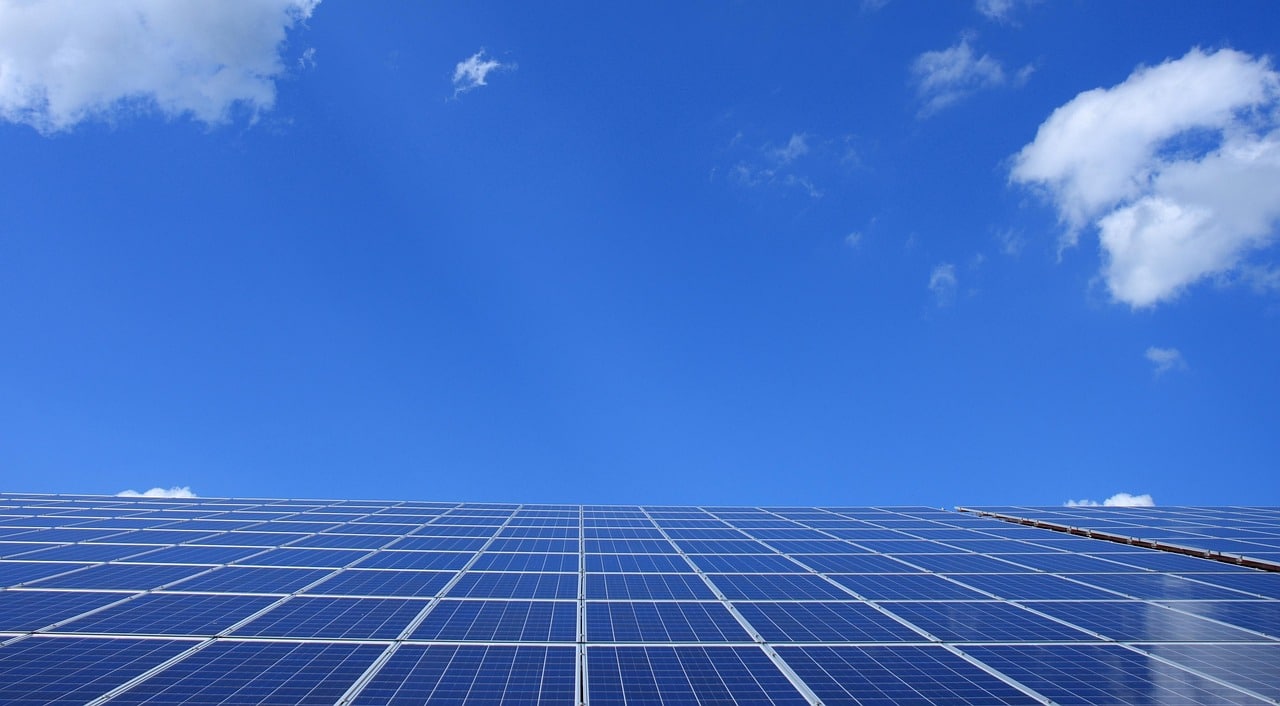
Egypt and Germany have signed a €50 million ($54 million) debt swap agreement to fund grid connection projects for two wind power stations, representing their cooperation on Egypt’s renewable energy expansion.
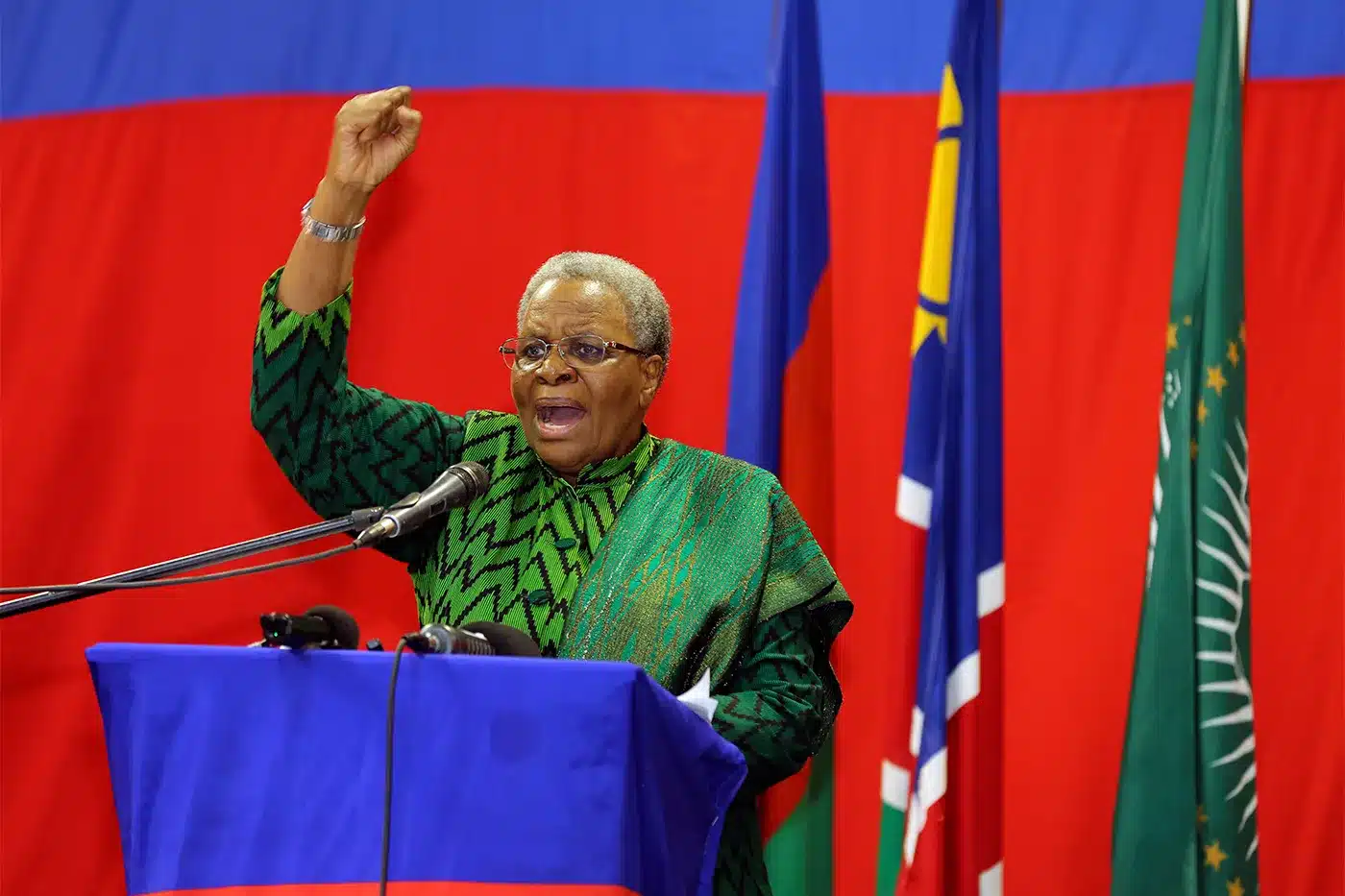
Yinson Production, the offshore unit of Yinson Holdings, said it plans to expand its operations into Namibia as well as an initial public offering within the next three to five years.
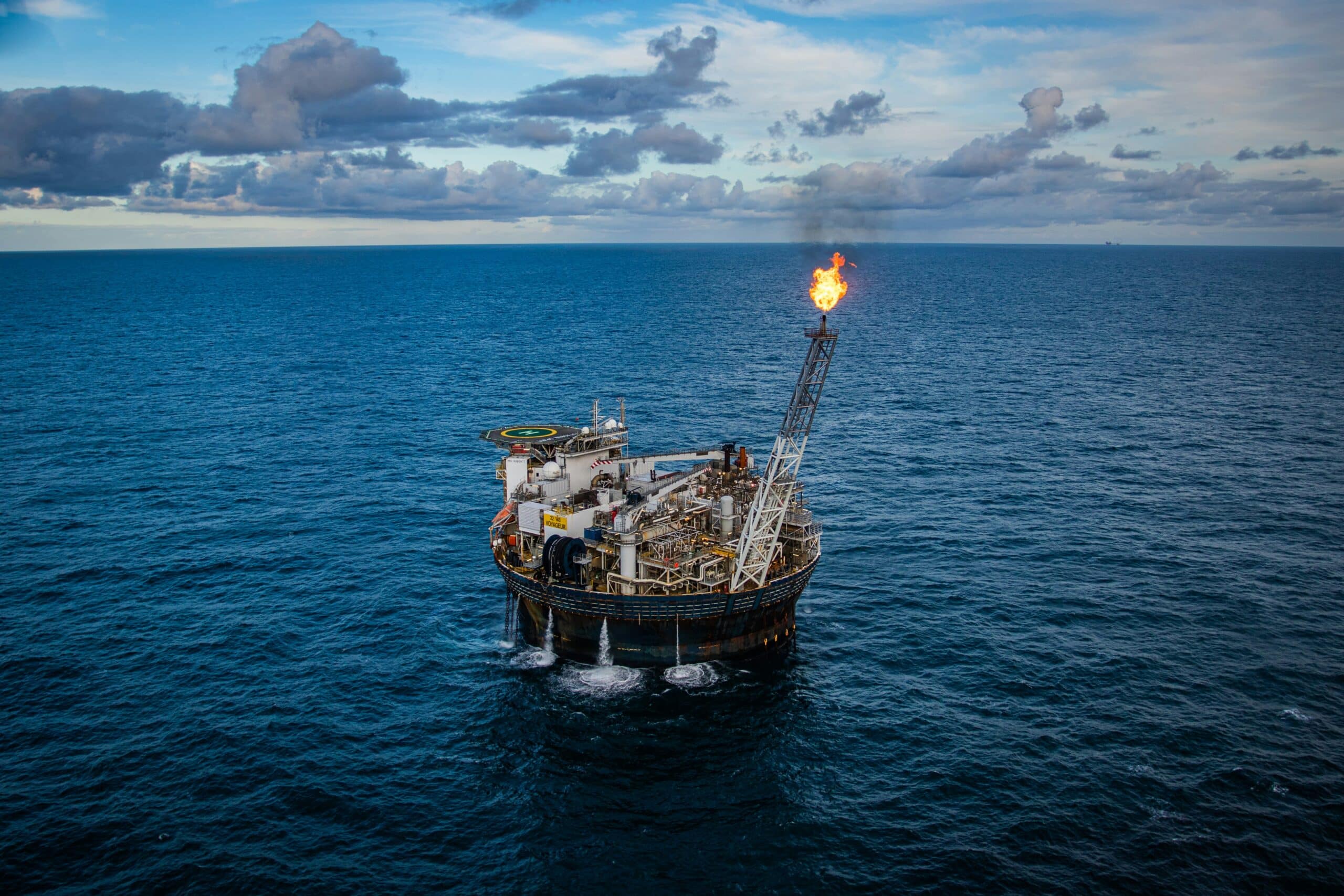
Olu Verheijen has said the government expects two major final investment decisions (FDI) over the next year as the country’s oil and gas industry continues to witness significant investor interests.
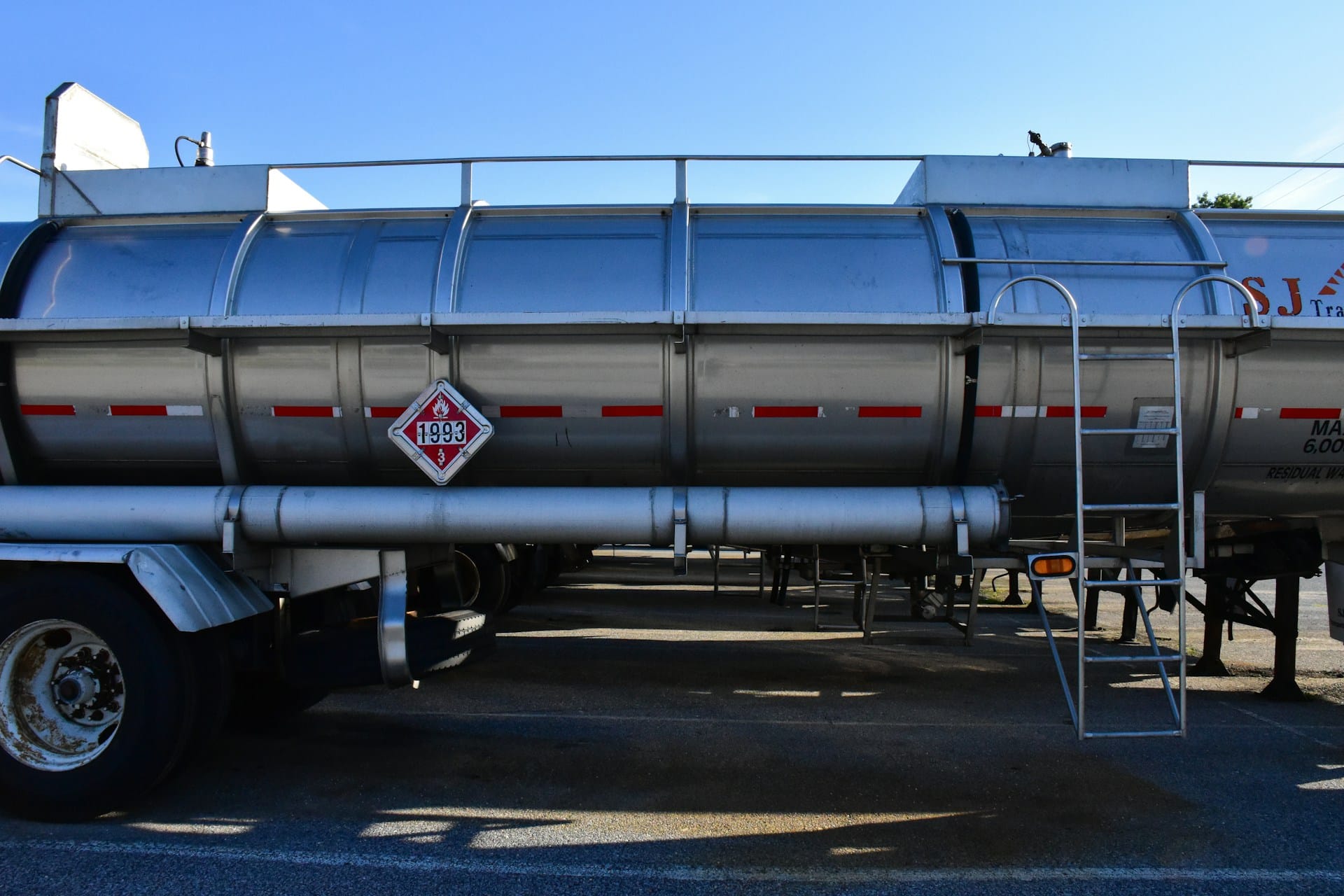
East African country, Mozambique, has started producing its first locally made liquefied petroleum gas (LPG), popularly known as cooking gas.
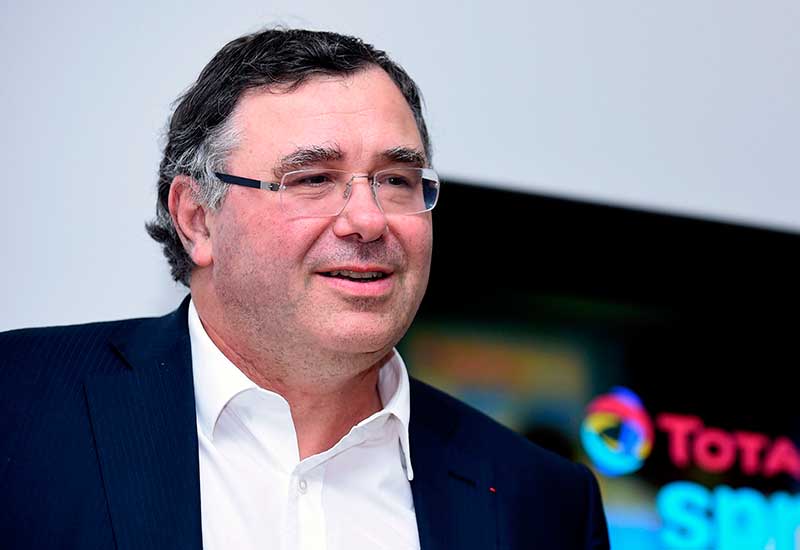
TotalEnergies chief executive Patrick Pouyanne confirmed that its long-delayed $15 billion LNG project in Mozambique, now being prepped for restart, can be delivered by 2029 once the local government grants its new approvals.
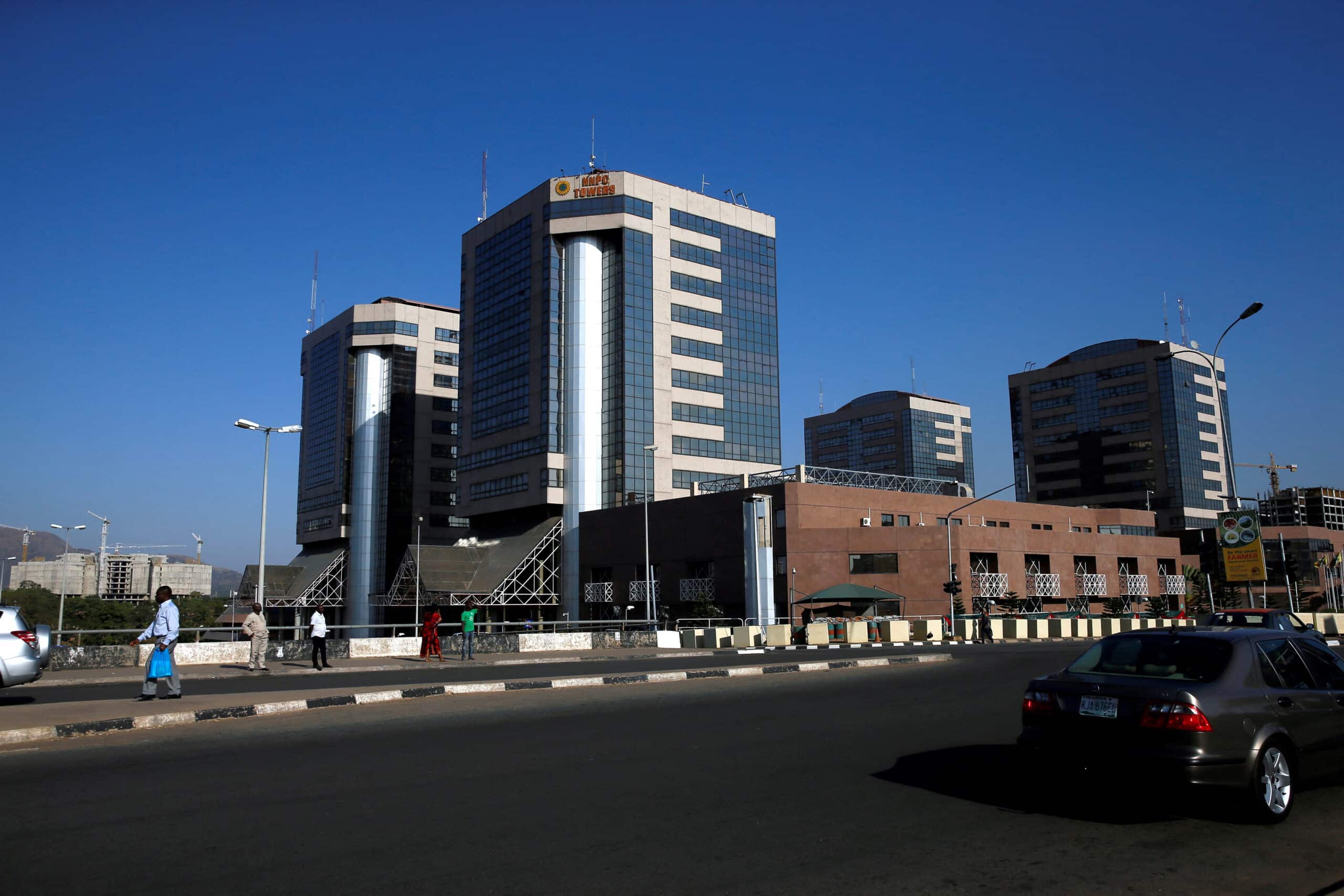
Nigeria’s state-owned energy company NNPC Limited said it is working towards increasing its stake in the Dangote Petroleum Refinery to 20% from the current 7.2%.
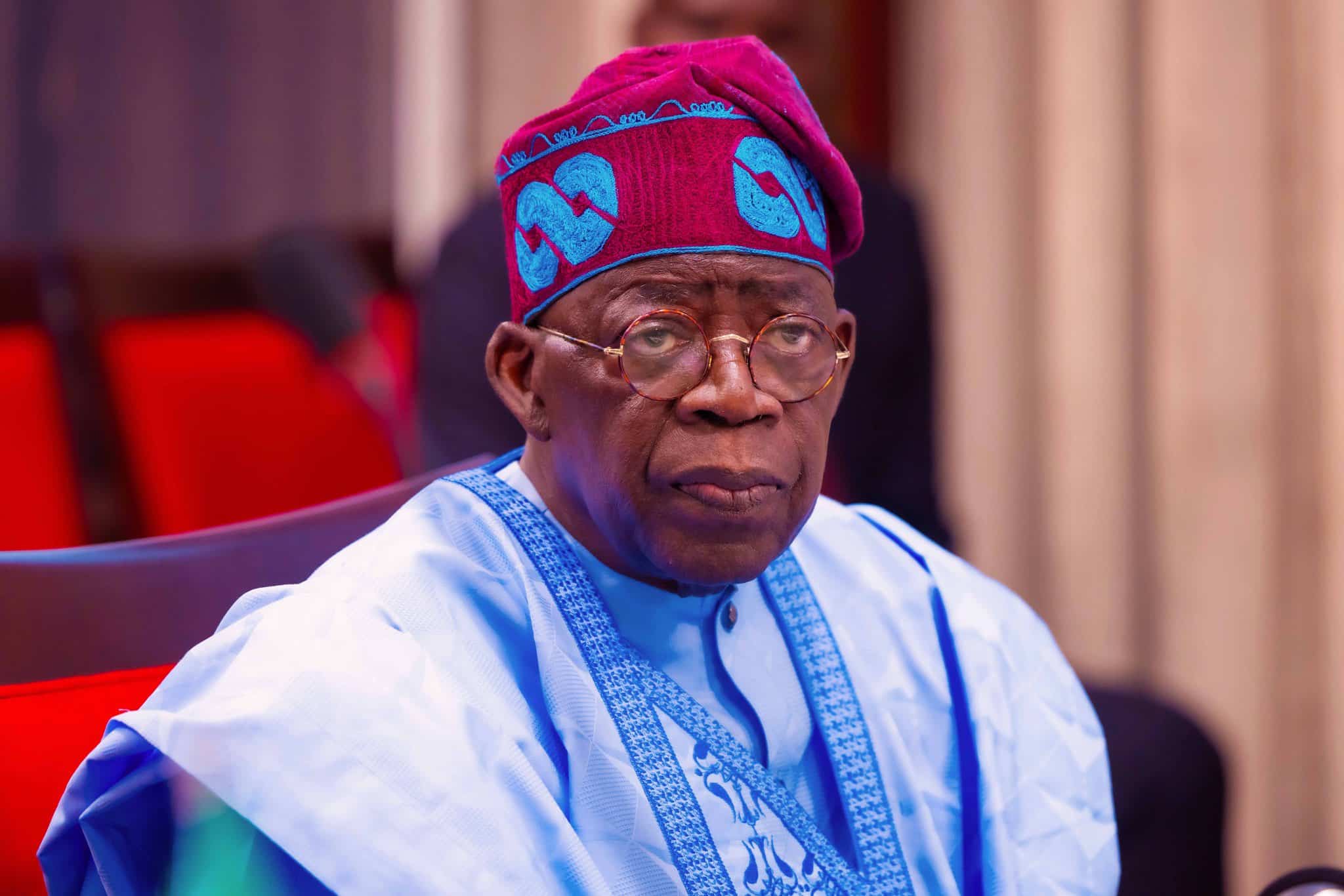
Nigeria expects to attract up to $20 billion in fresh oil and gas investments by 2029, driven by recent reforms to improve power generation and industrial growth.
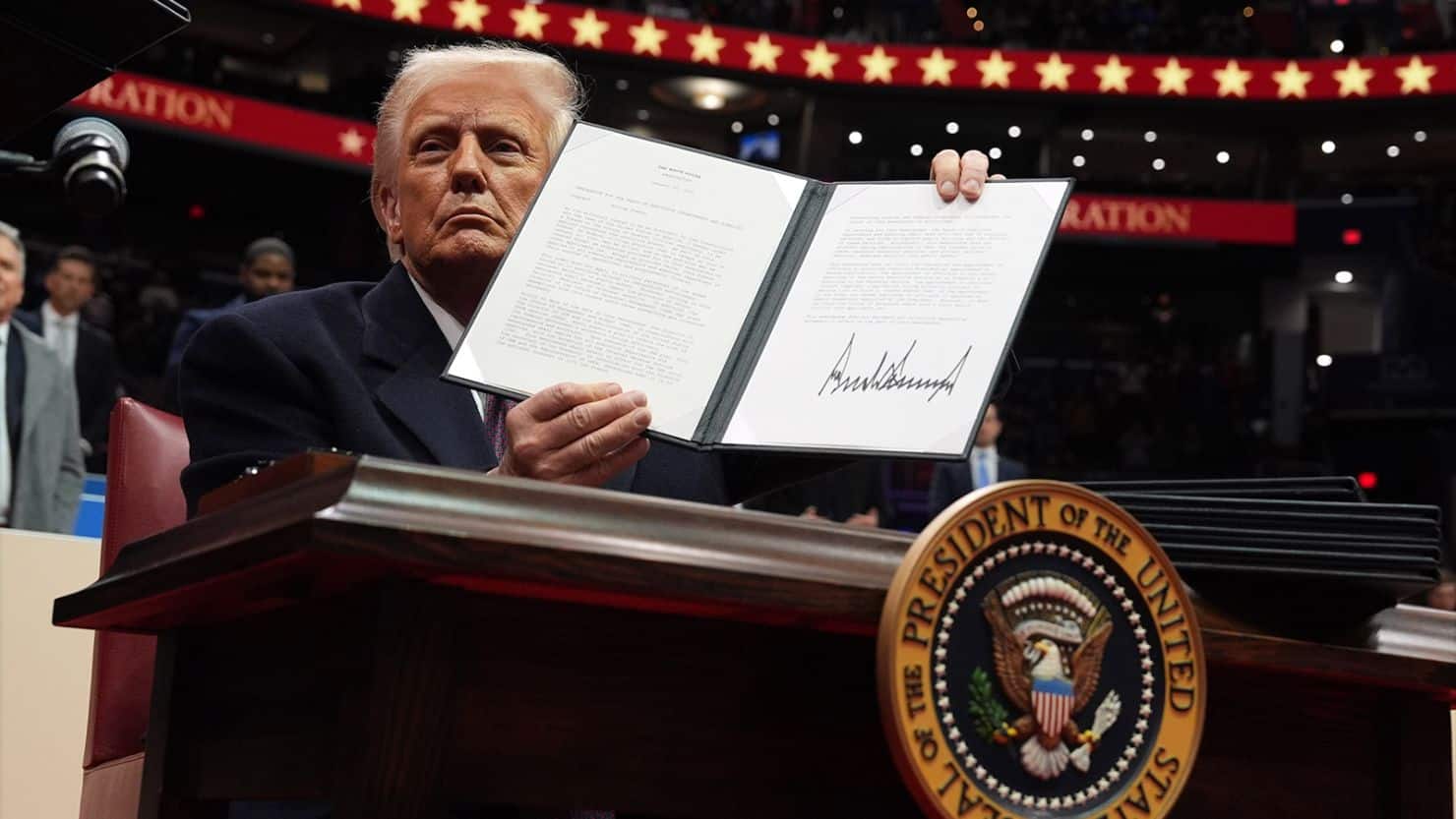
No doubt, Trump’s return to the White House has energised Africa’s oil ambitions—but it’s casting a shadow over renewable energy progress across the continent.
Following the sanction from Western nations on Russia, Lukoil, a key energy firm in Kremlin, is restructuring its assets in Africa. This divestment will affect a lot of Africa nations where the company previously operated.
The Nigerian government’s recent introduction of a 15% import duty on petrol and diesel runs counter to sound economic logic and could trigger inflation across all sectors of an already fragile economy.
The African Development Bank (AfDB) has approved $75 million to finance Nyanza Light Metals Pty Ltd, a South Africa-based company developing Africa’s first large-scale titanium dioxide pigment manufacturing plant.
Eskom has reconnected Unit 1 of the Koeberg Nuclear Power Station to South Africa’s national grid, restoring 930 megawatts (MW) of generation capacity following a major maintenance shutdown.
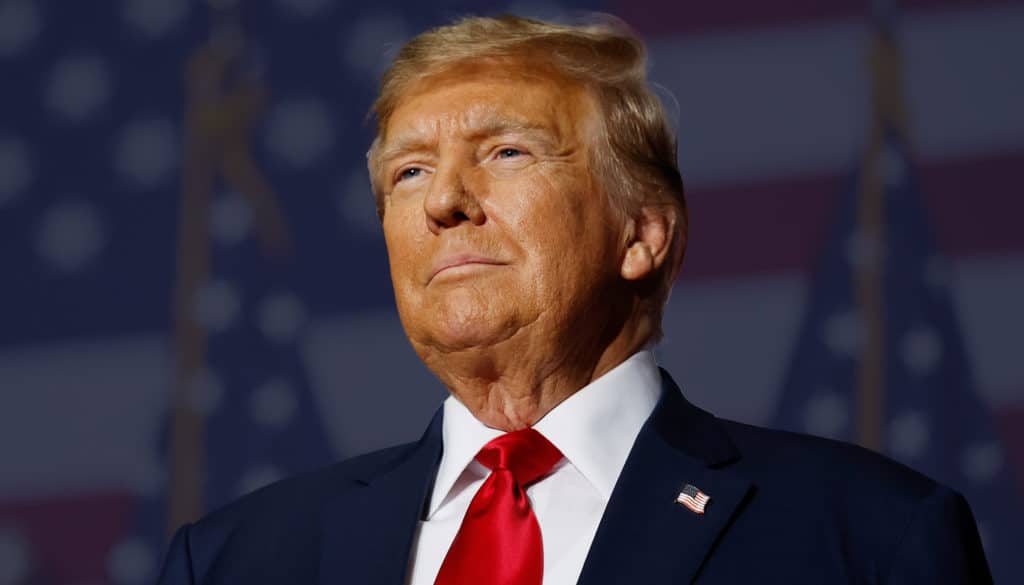
The lifting of the force majeure on TotalEnergies LNG project in Mozambique comes at a time of geopolitical shift, particularly with Donald Trump at the helm of affair in the White House.
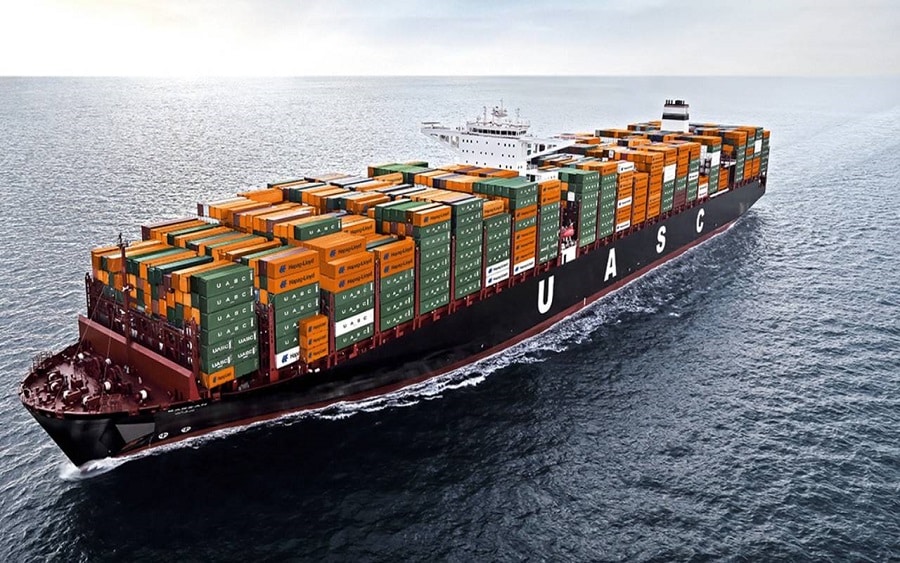
The federal government of Nigeria is set to introduce a 15% tariff on the importation of Premium Motor Spirit (PMS), commonly known as petrol, as well as diesel, according to a new report.
Lukoil, Russia’s second-largest oil producer, is currently in the process of selling off its African assets in response to newly imposed Western sanctions.
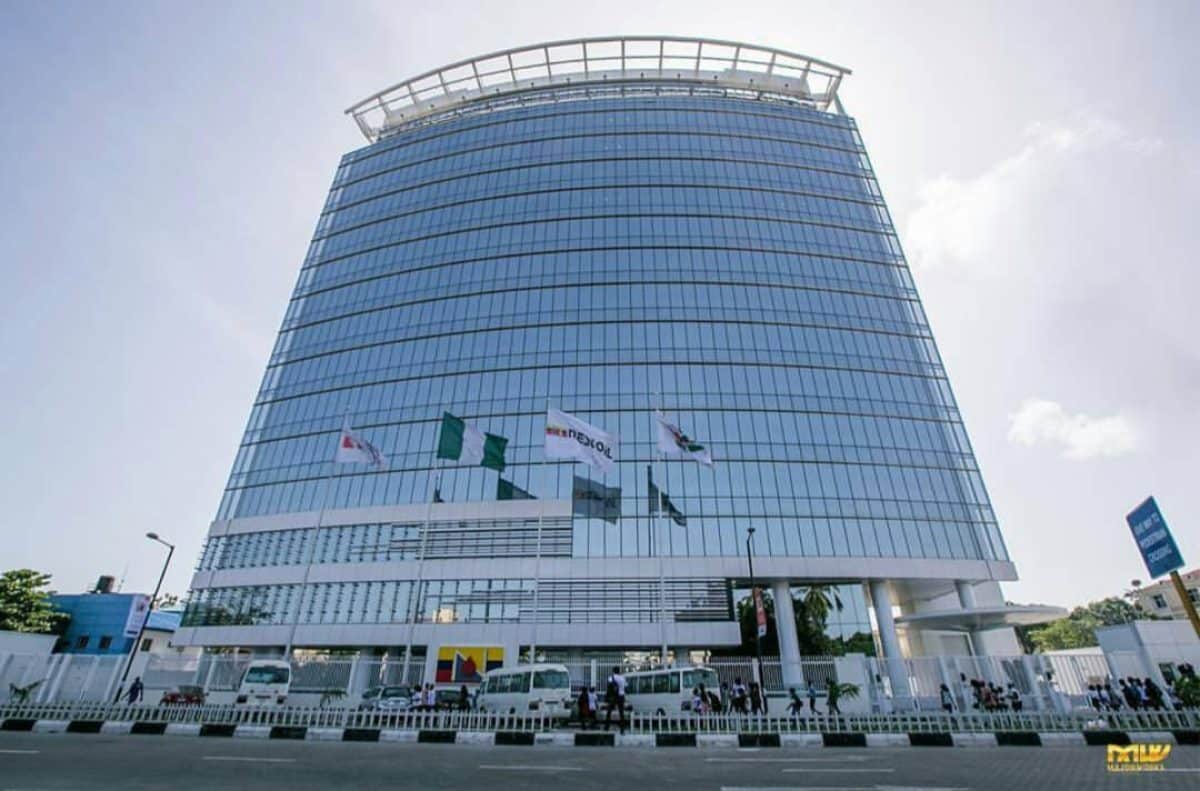
The recent shutdown of Nestoil in Nigeria exposes a deeper debt crisis in the nation’s oil and gas sector. With rising rates and growing risks, oil firms remain trapped in a cycle of debt.
