

Top stories
Energy
Top stories
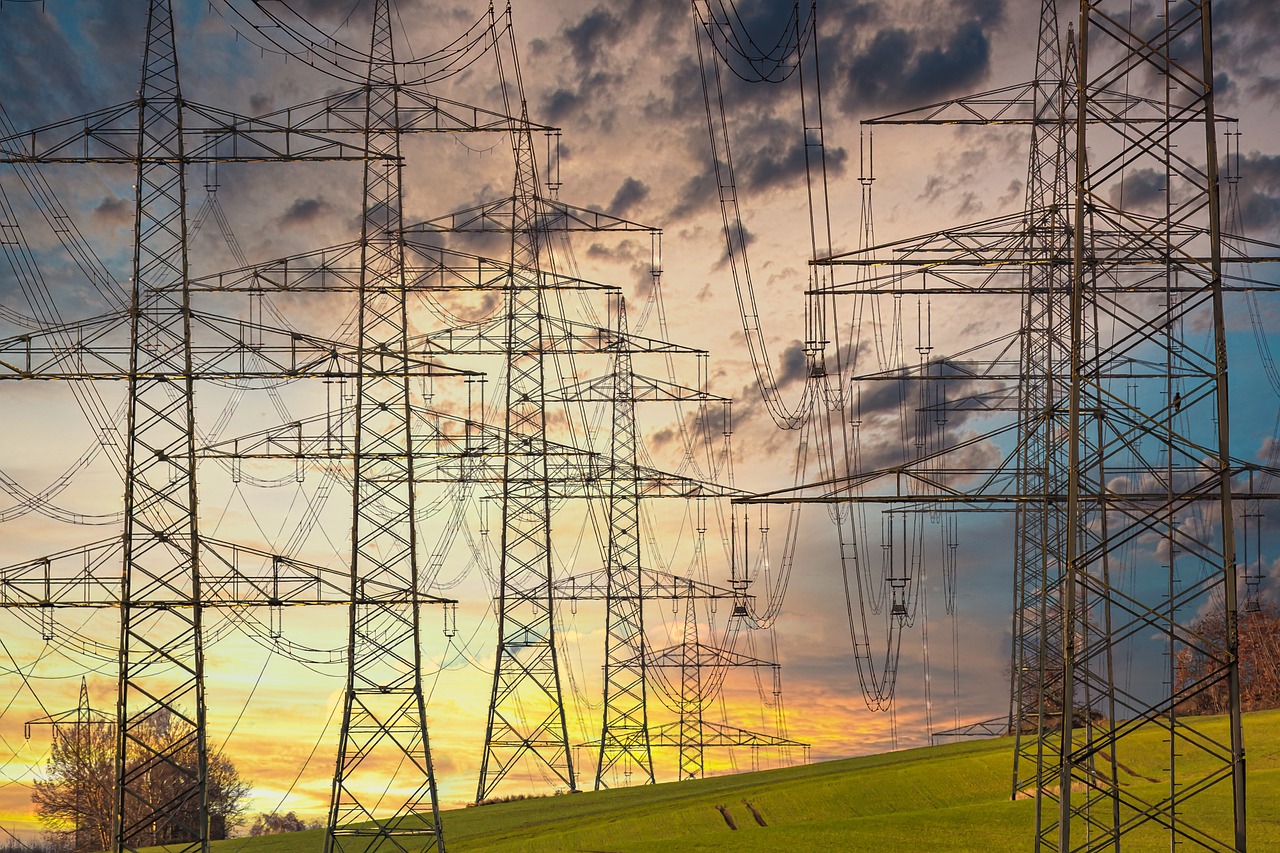
Aksa Enerji has announced plans to build a 119 MW fuel oil power plant in Ouagadougou, the capital of Burkina Faso to strengthen the reliability of the electricity supply in the capital and surrounding areas.
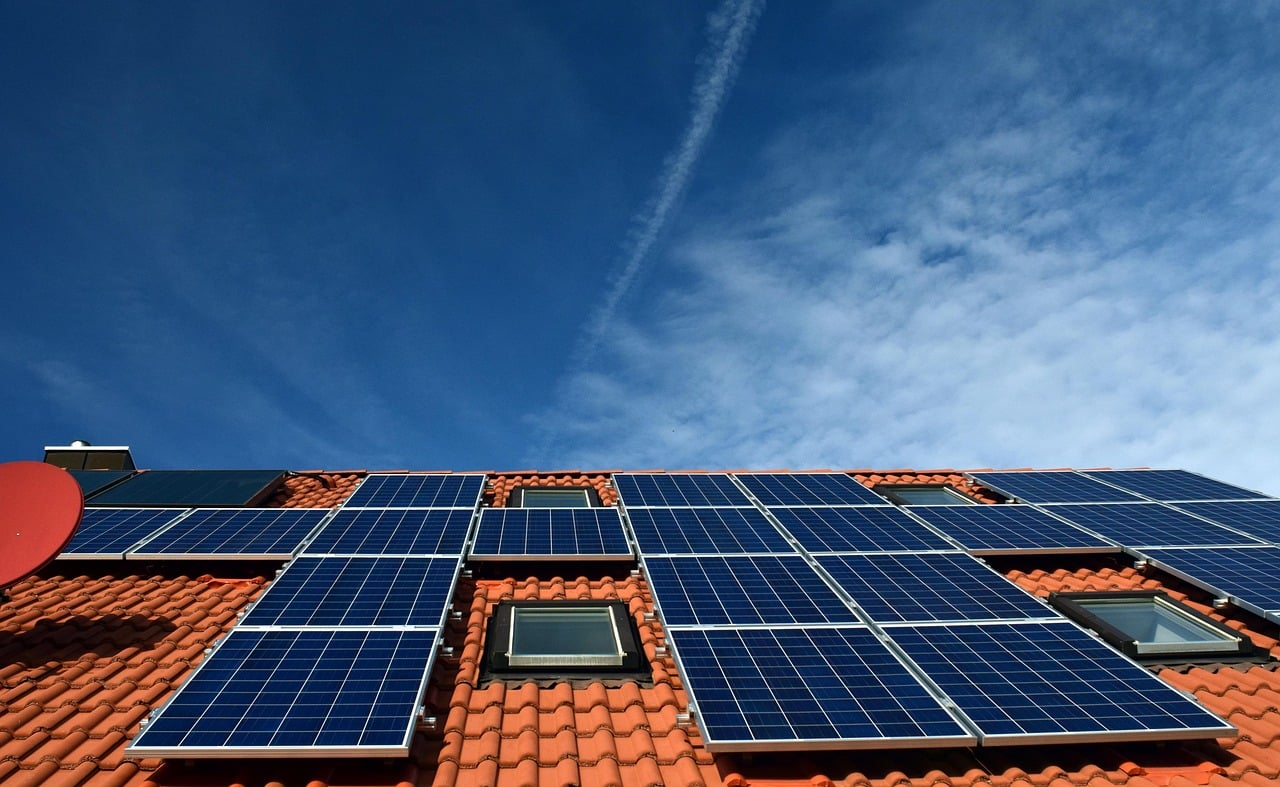
South Africa is expected to record a rise in rooftop solar uptake as 82% of households without systems plan to install solar within the next 12 months, according to findings from South Africa’s Largest Solar Survey.
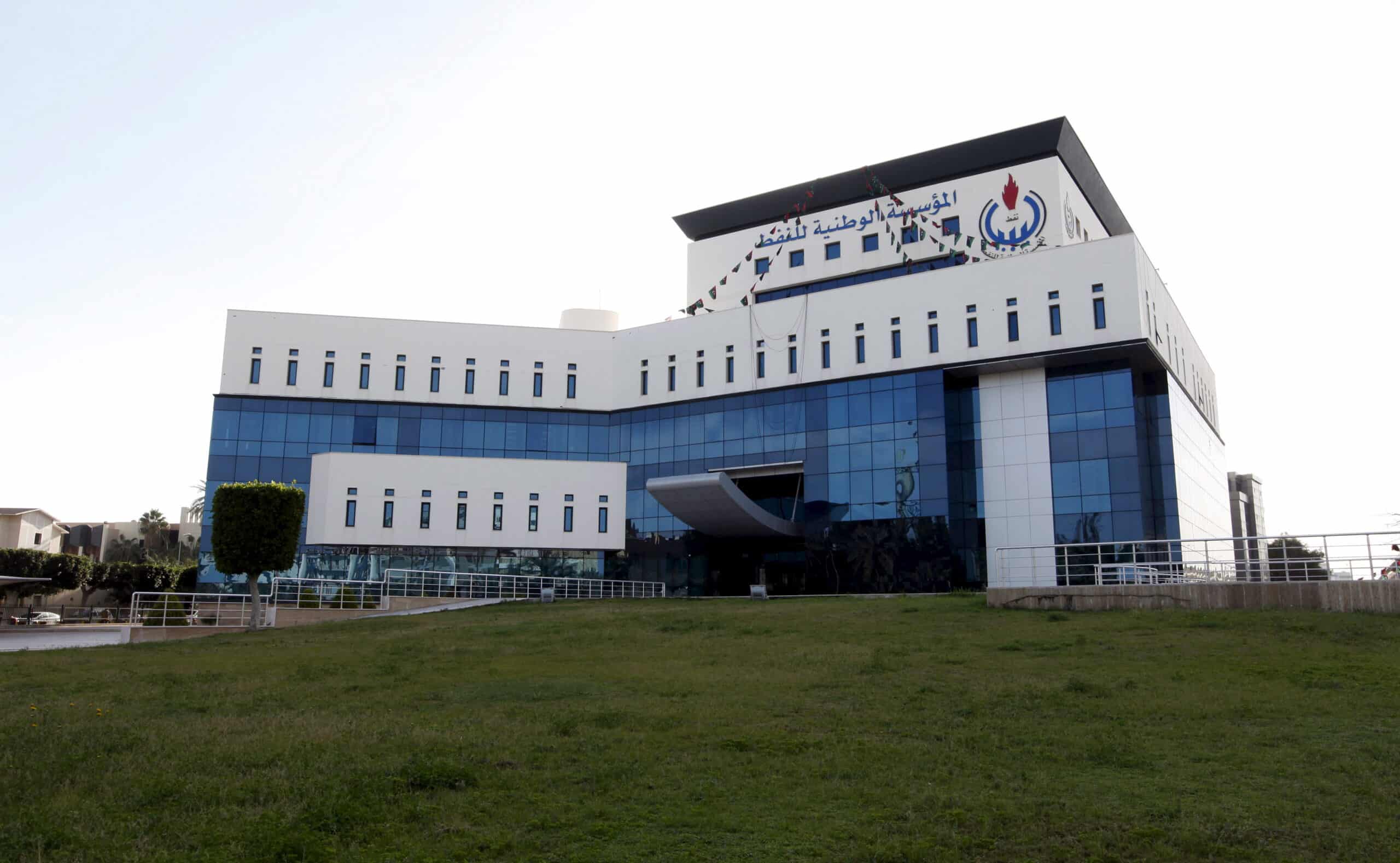
Libya’s National Oil Corporation (NOC) says the country’s 2025 public exploration bidding round has entered its final stage and that the bids are expected to be opened in February 2026.
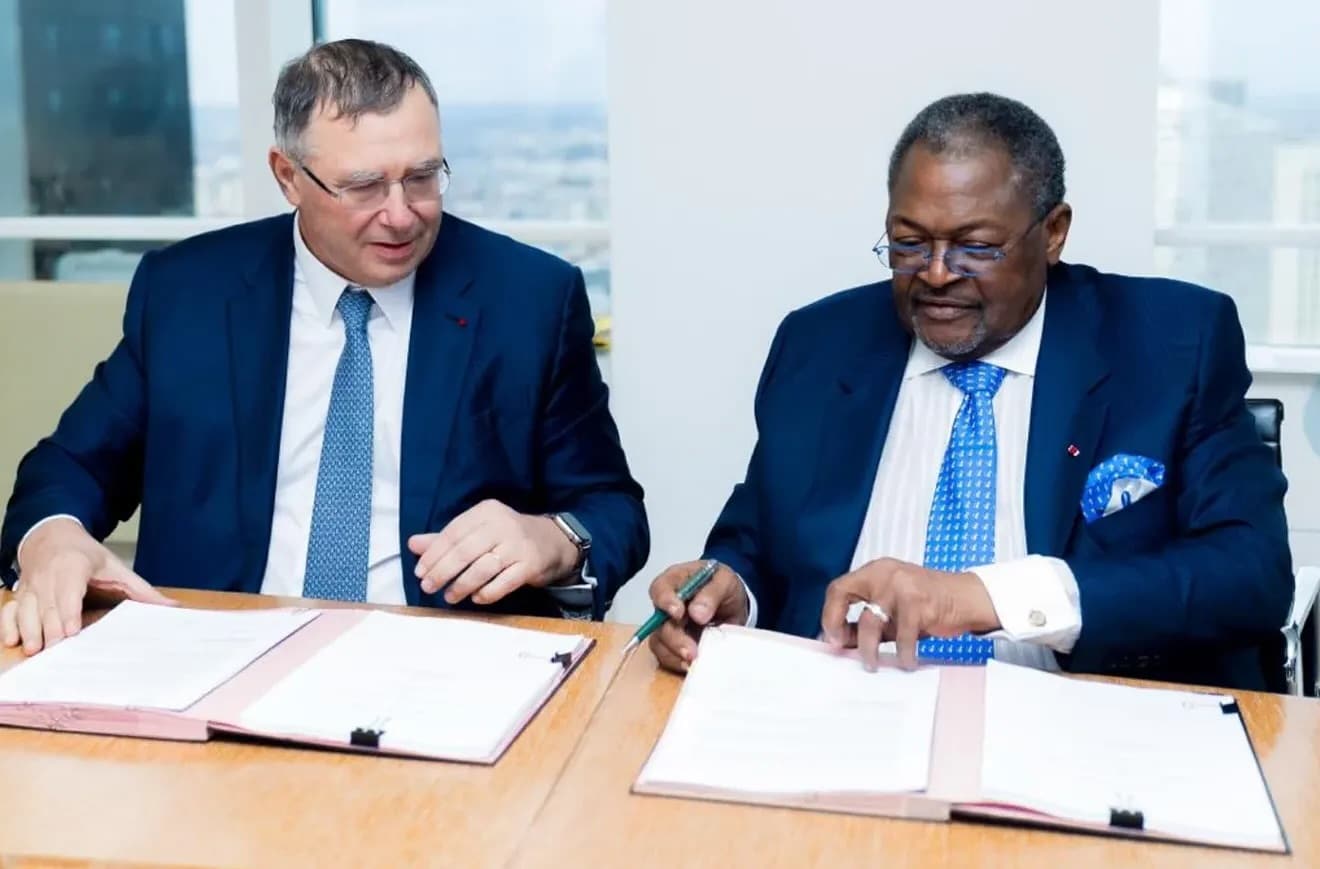
Billioniare Adenuga has agreed to swap one of Conoil’s prized oil blocks with Total in a multi-million-dollar transaction. Beyond asset shuffle, the move highlights the balancing act of indigenous operators push to maintain footing while oil majors reshape their portfolios.
Portuegese Galp’s efforts to offload part of its stake in Namibia’s Mopane oil project have finally attracted heavyweight interest, including TotalEnergies and Chevron.
ExxonMobil said that it has lifted force majeure and resumed development on its $30 billion liquefied natural gas (LNG) project tied to the Rovuma Basin, which has been delayed for years because of a militant insurgency.
Eskom Chief Executive, Dan Marokane says the power utility cannot complete its long-delayed unbundling until municipalities settle the massive arrears owed to the company.
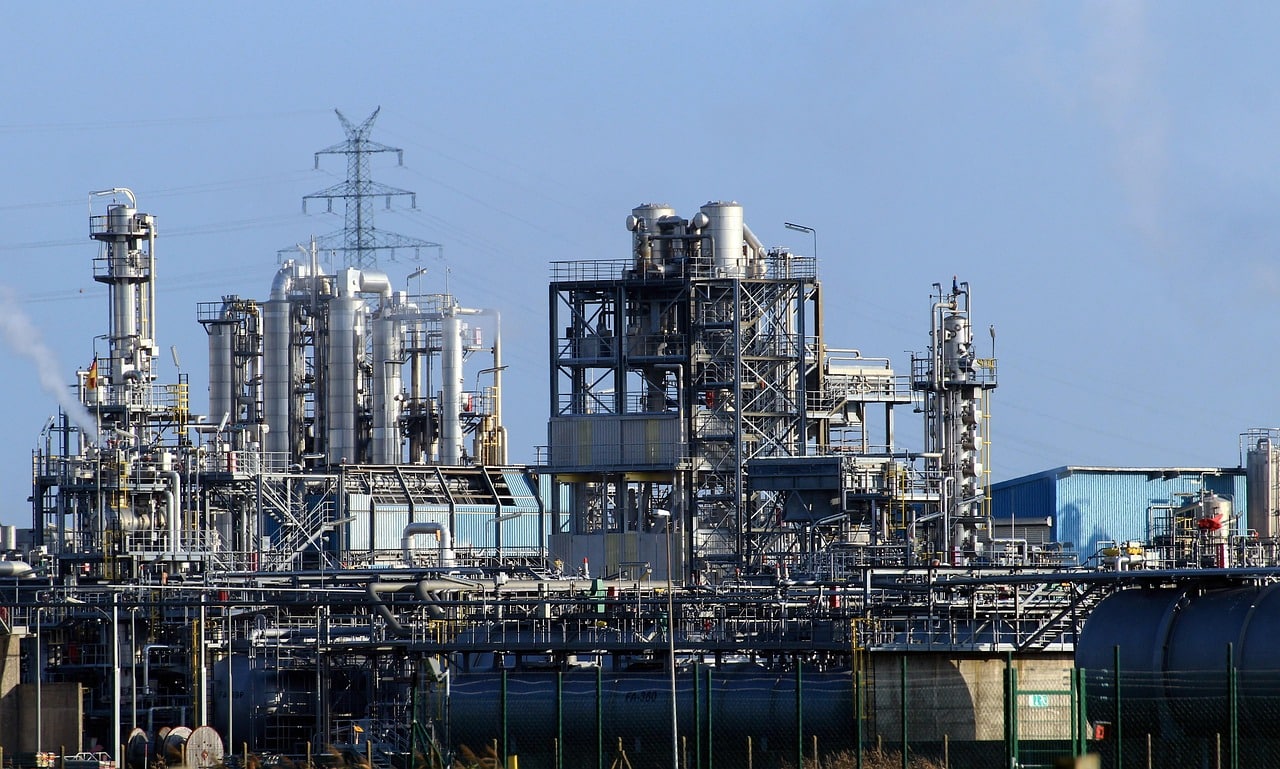
The government of Zambia has issued a licence to China Zambia Petrochemical Energy Corporation Limited to set up a 60,000 b/d crude oil refinery valued at $1.1 billion to meet the country’s fuel demand.
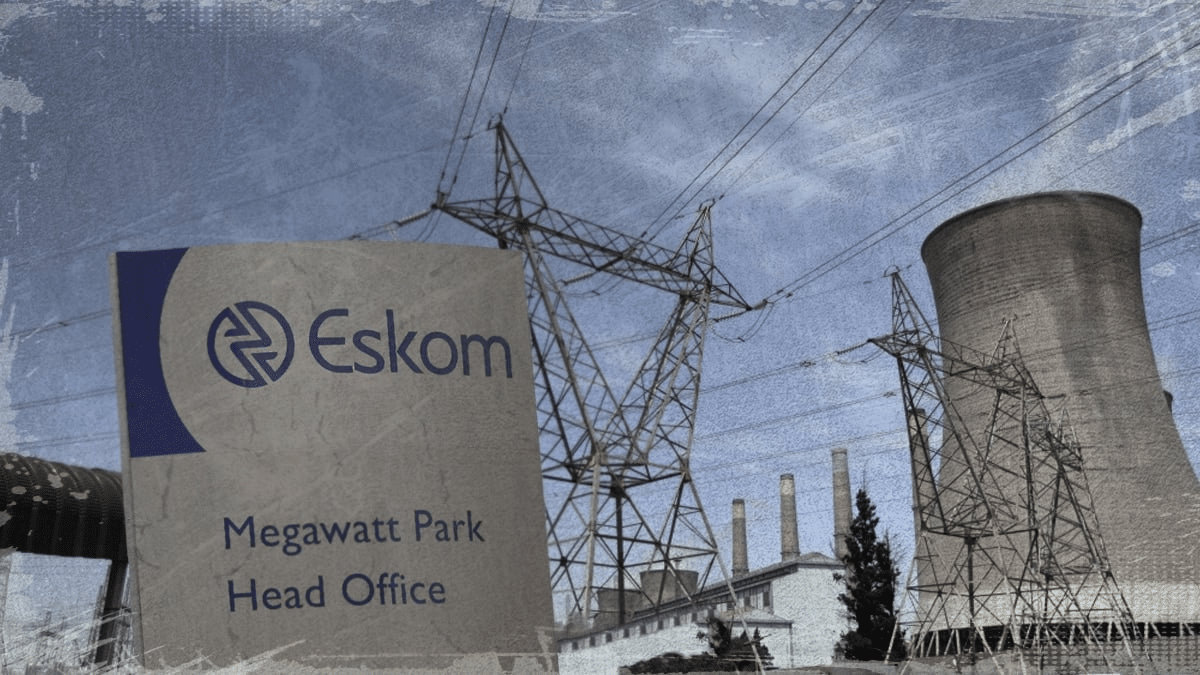
South Africa’s state-owned utility, firm, Eskom has announced plans to end load reduction for 1.69 million customers by 2027 as part of its new Load Reduction Elimination Strategy.
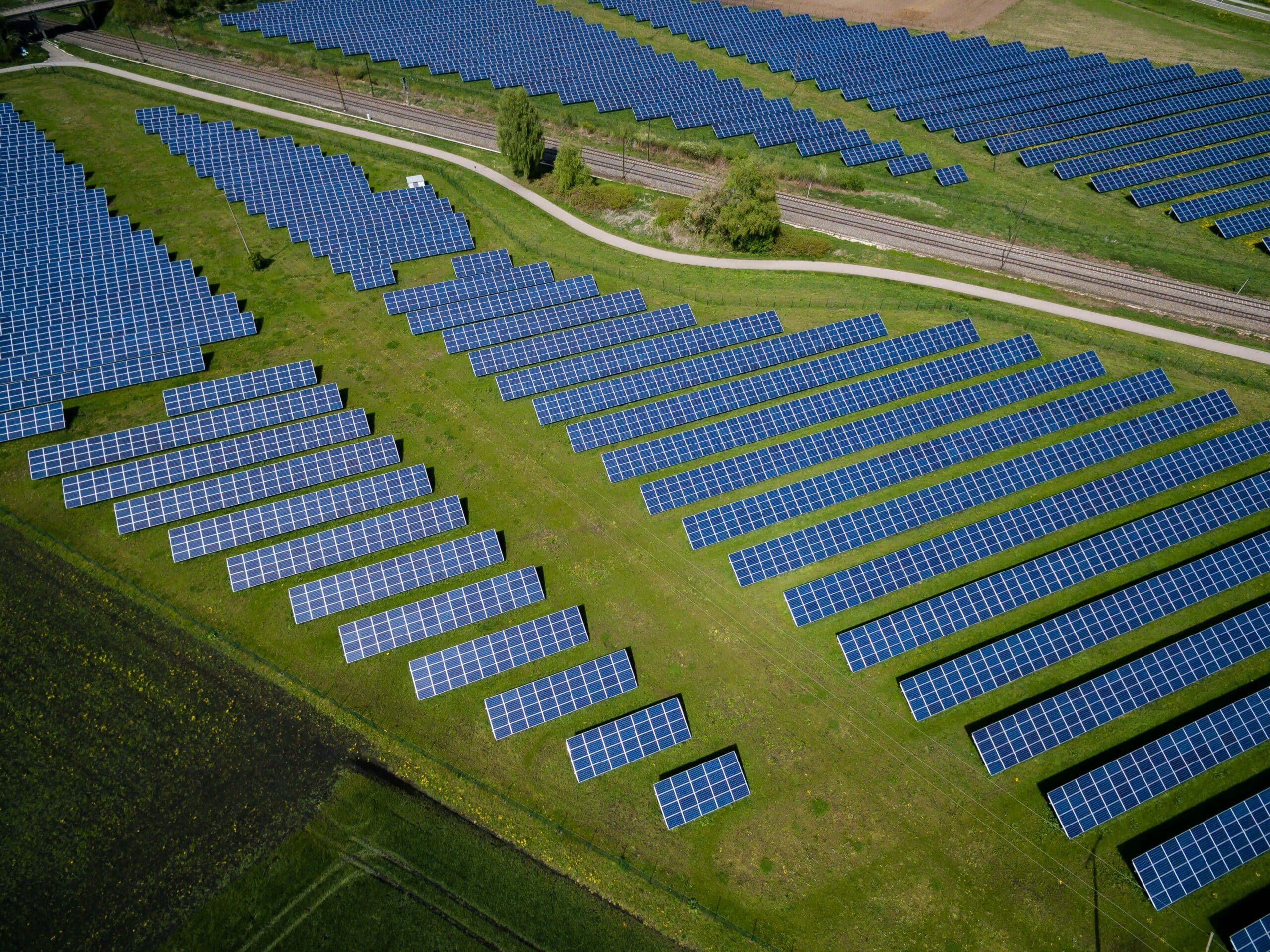
Nigeria’s solar energy adoption is a story of policy mismatch, fragmented markets and individualistic approach. None of these can address the lingering crisis of electricity deficit in Africa’s most populous nation.
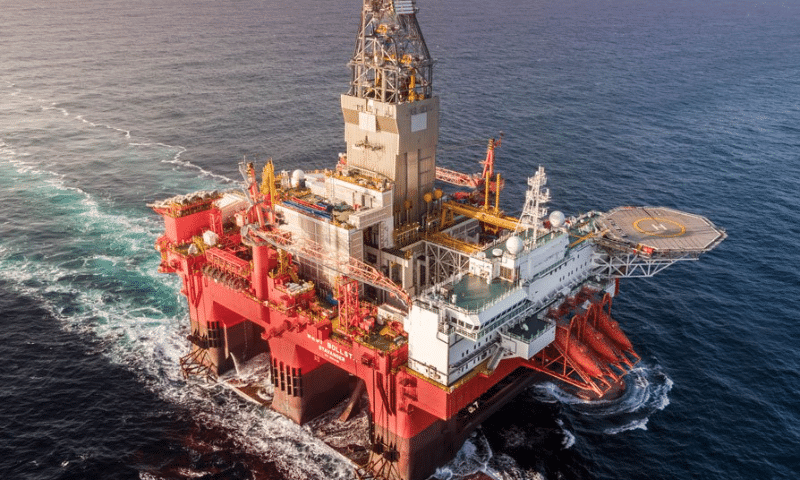
BW Energy has confirmed the presence of hydrocarbons in Namibia’s Kudu block marking another major upstream development that places the desert nation ahead of its neighbour South Africa.
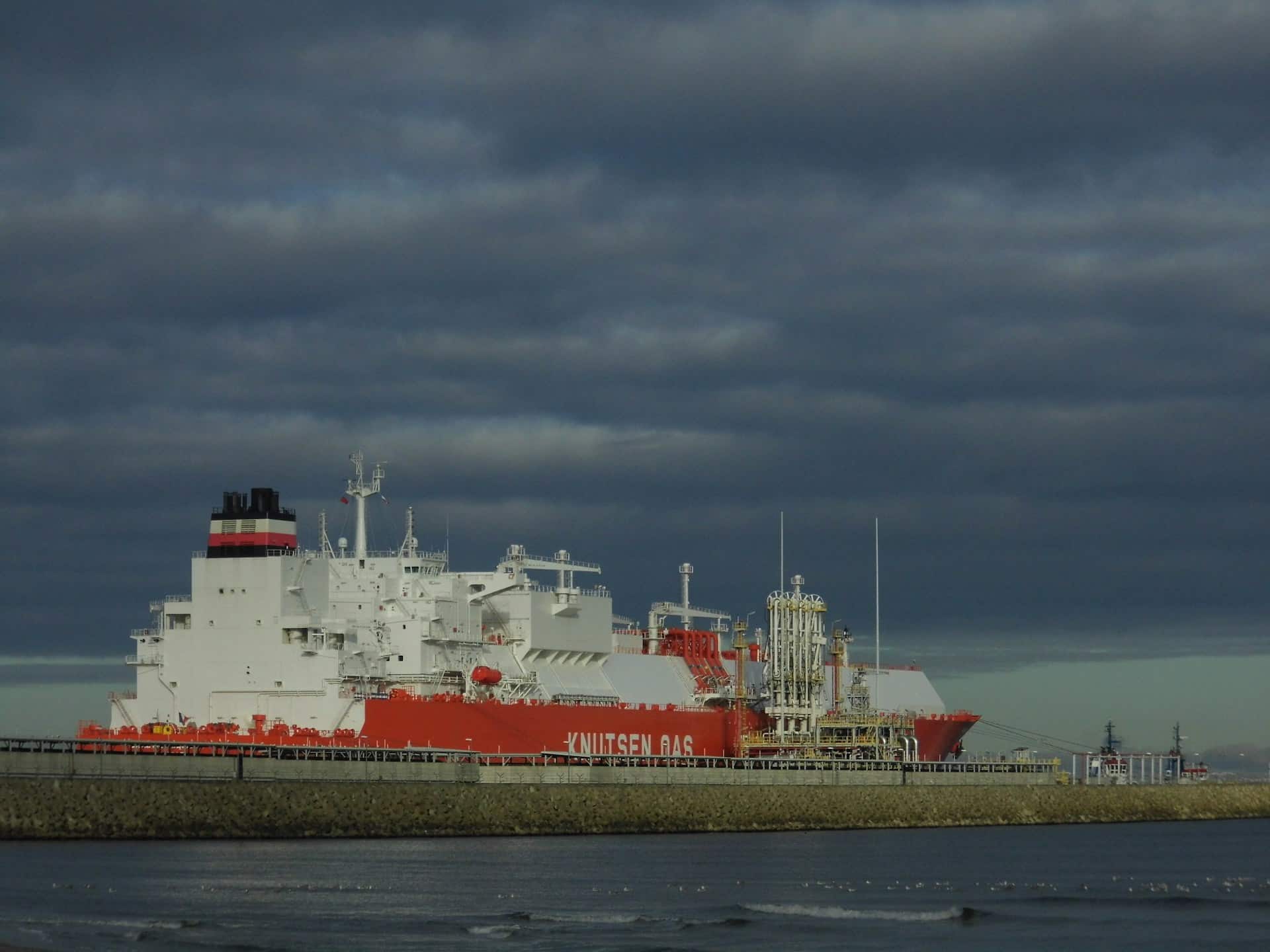
NLNG’s fleet modernisation is directly tied to the success of Train 7, which is designed to expand production capacity by 35% (from 22 mtpa to 30 mtpa).
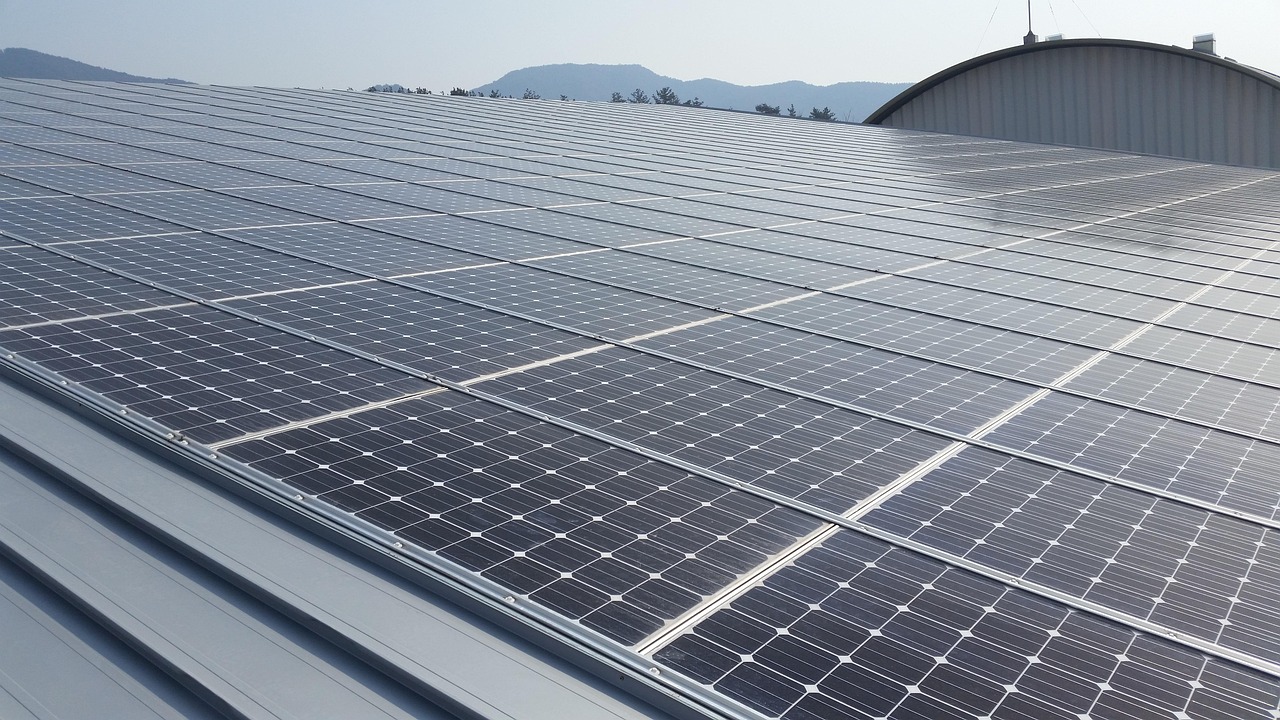
Like many African nations, Nigeria’s renewable energy sector still grapples with deep funding gaps. The friction between DFIs and local investors has never been more visible. This article examines that growing divide.
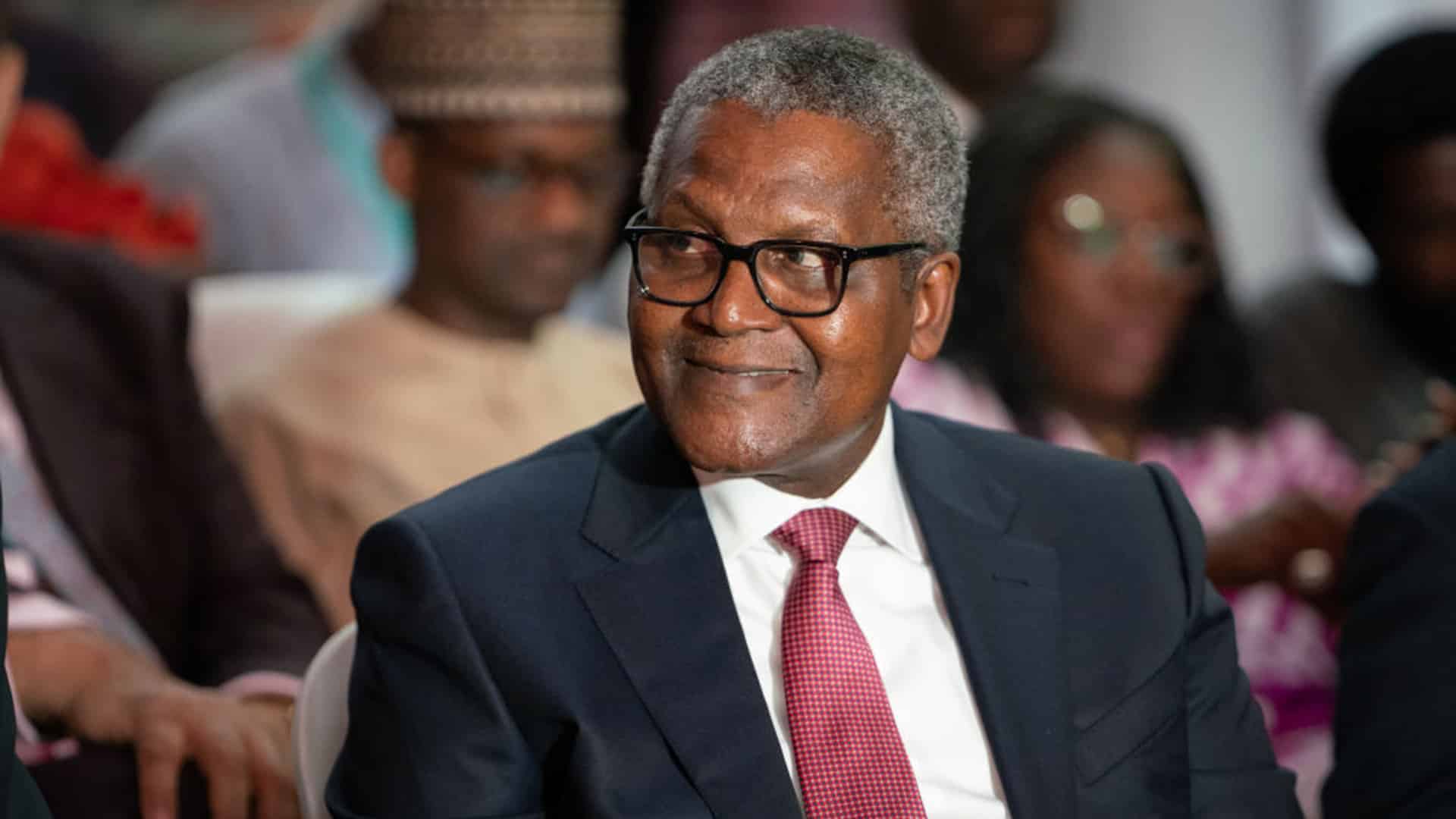
Africa’s richest man, Aliko Dangote has called on African countries, including Zambia, to harness coal for power generation rather than focusing on renewable energy sources such as solar and wind.
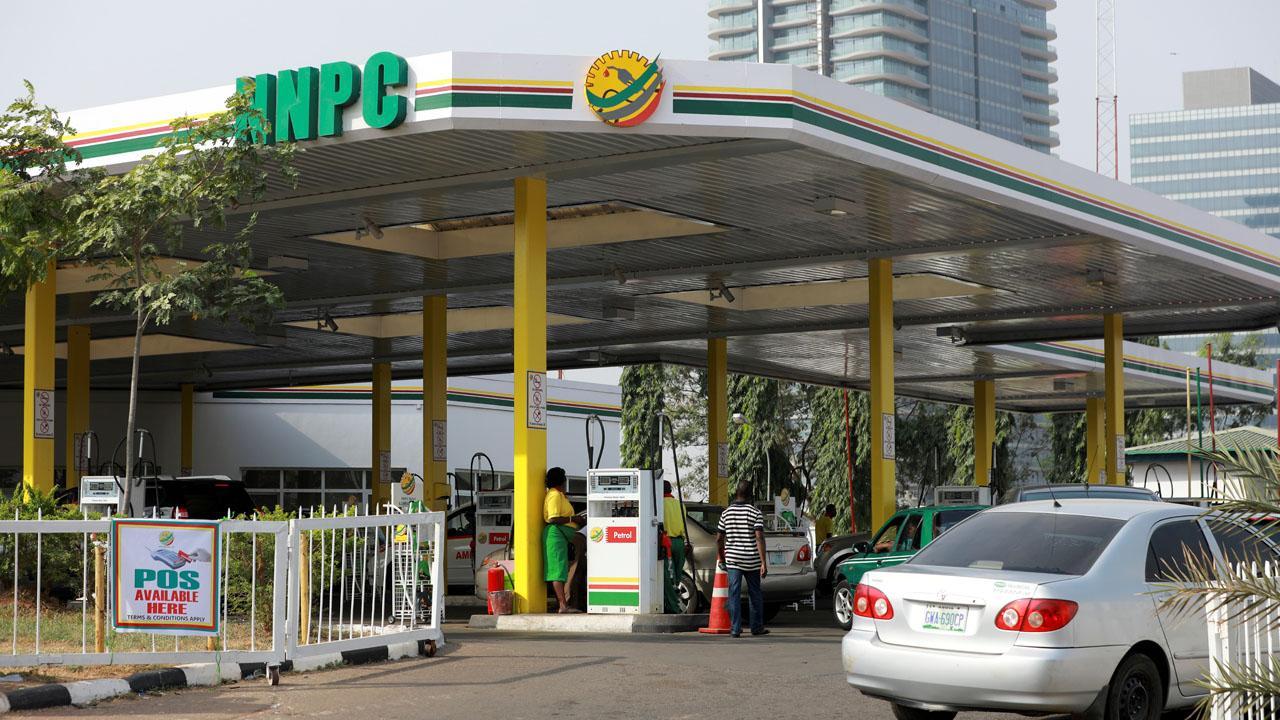
The planned 15% import levy on petrol and diesel in Nigeria, recently approved by President Bola Tinubu to encourage domestic refining, has only been deferred to the first quarter of 2026—not cancelled.
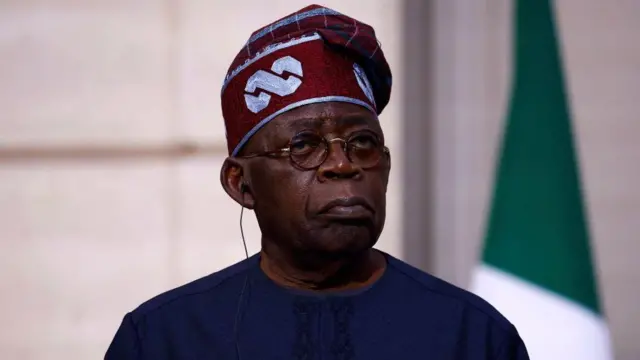
The Federal Government of Nigeria has suspended the planned implementation of a 15% import duty on petrol and diesel — a policy earlier approved by President Bola Tinubu to promote domestic refining
After decades of draught, Libya’s oil exploration drive is roaring back to life. And big players in the industry are betting on the North African nation like never before. In this article, we explore names behind this drive.
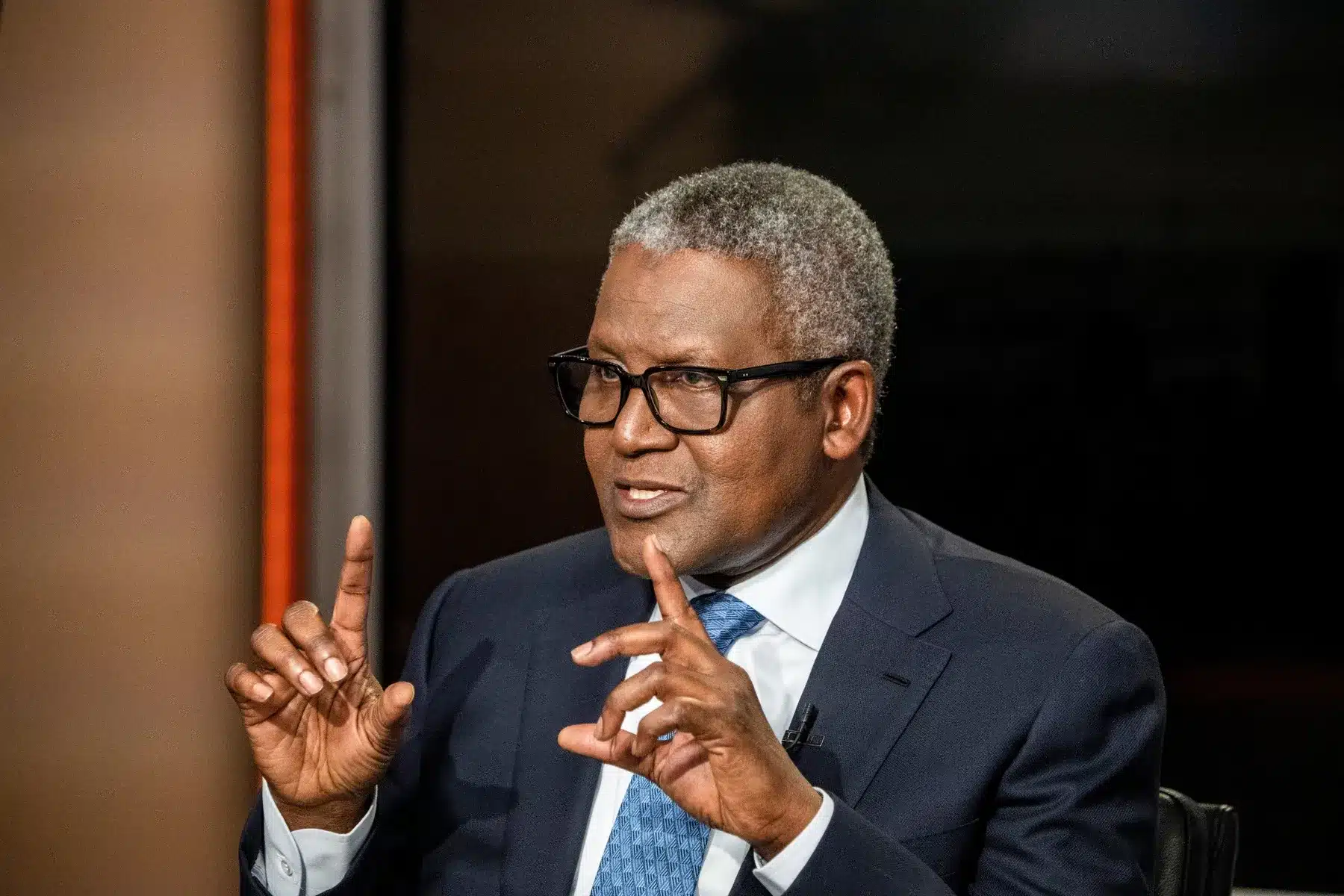
Aliko Dangote, the chairman of the Dangote Industries Limited, has signed an agreement with the government of Zimbabwe to invest up to $1 billion in the country’s energy and cement sector.
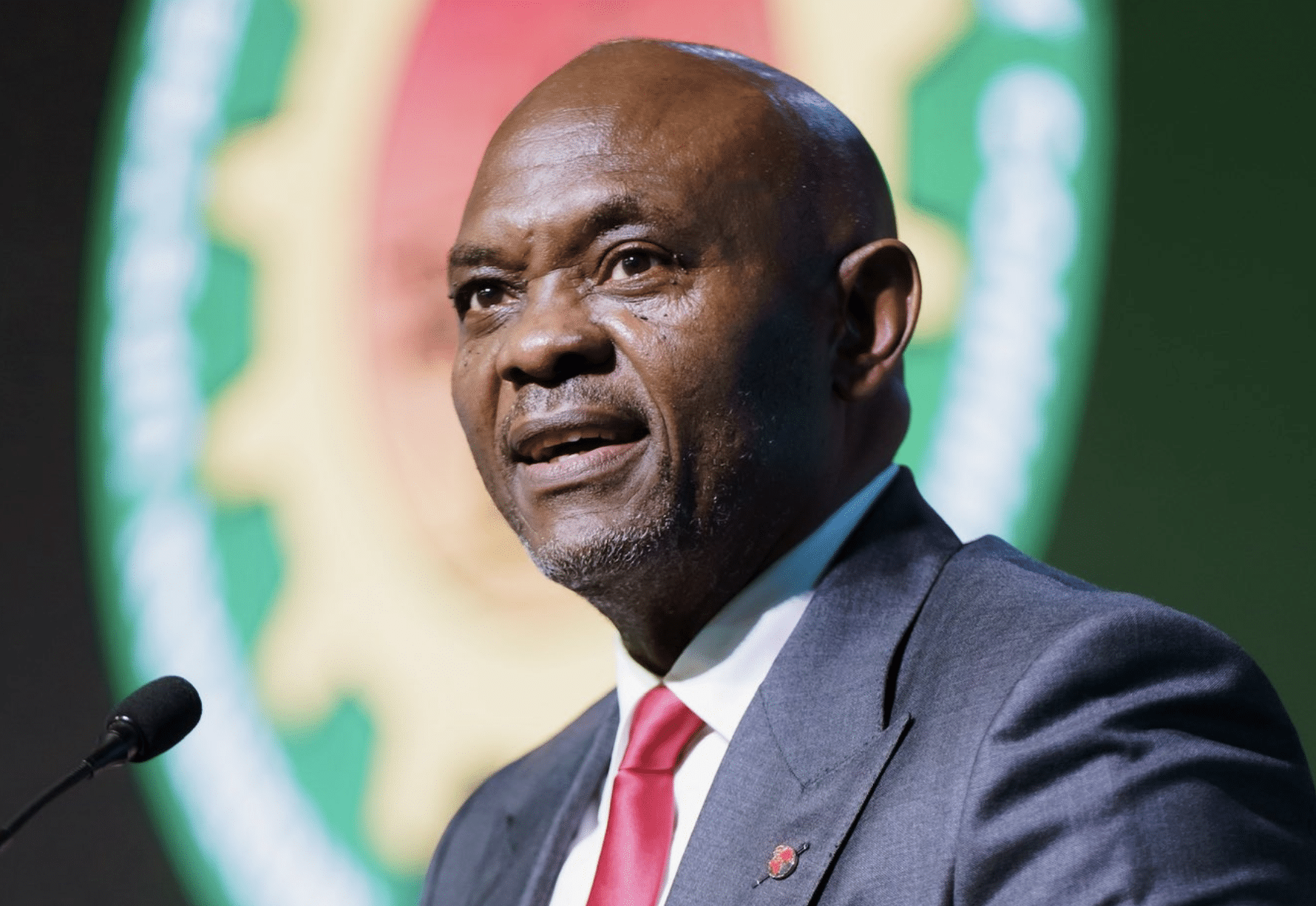
Nigerian business mogul Tony Elumelu has pledged a $1 billion (KSh129 billion) investment in Kenya’s key sectors, including energy, food security, and transport infrastructure.
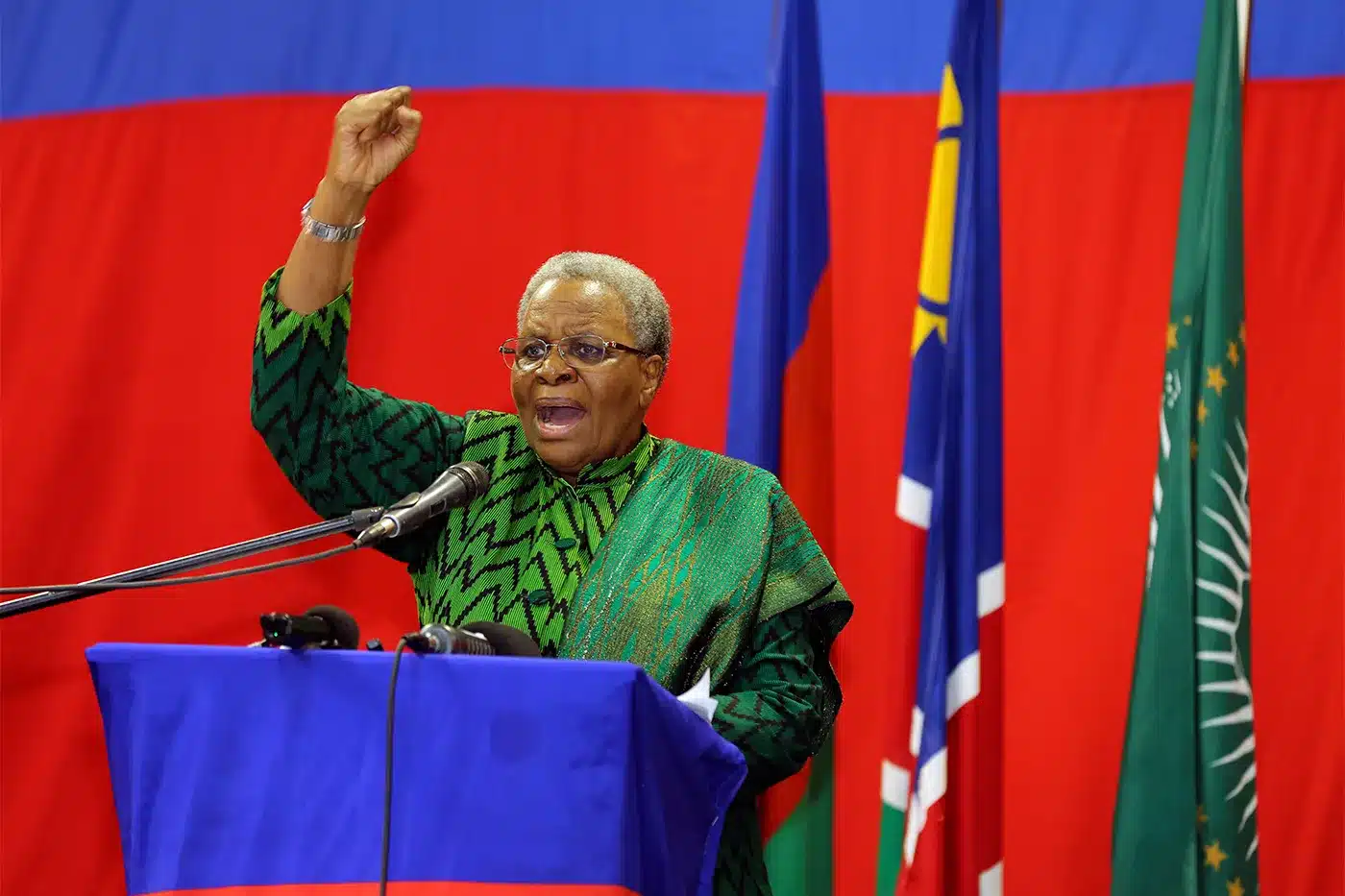
Namibia is restructuring its oil and gas industry, with the new president assuming control of the burgeoning sector. While this could be beneficial for the country, history shows the opposite might be the case.
