

Top stories
News
Top stories
Despite gaining four points in March, the PMI remains below the 50-point threshold, indicating ongoing contraction in the sector.
Before MTN Momo’s cross-border payments, sending money between Ghana and Nigeria could cost anywhere between 8% and 20% in fees.
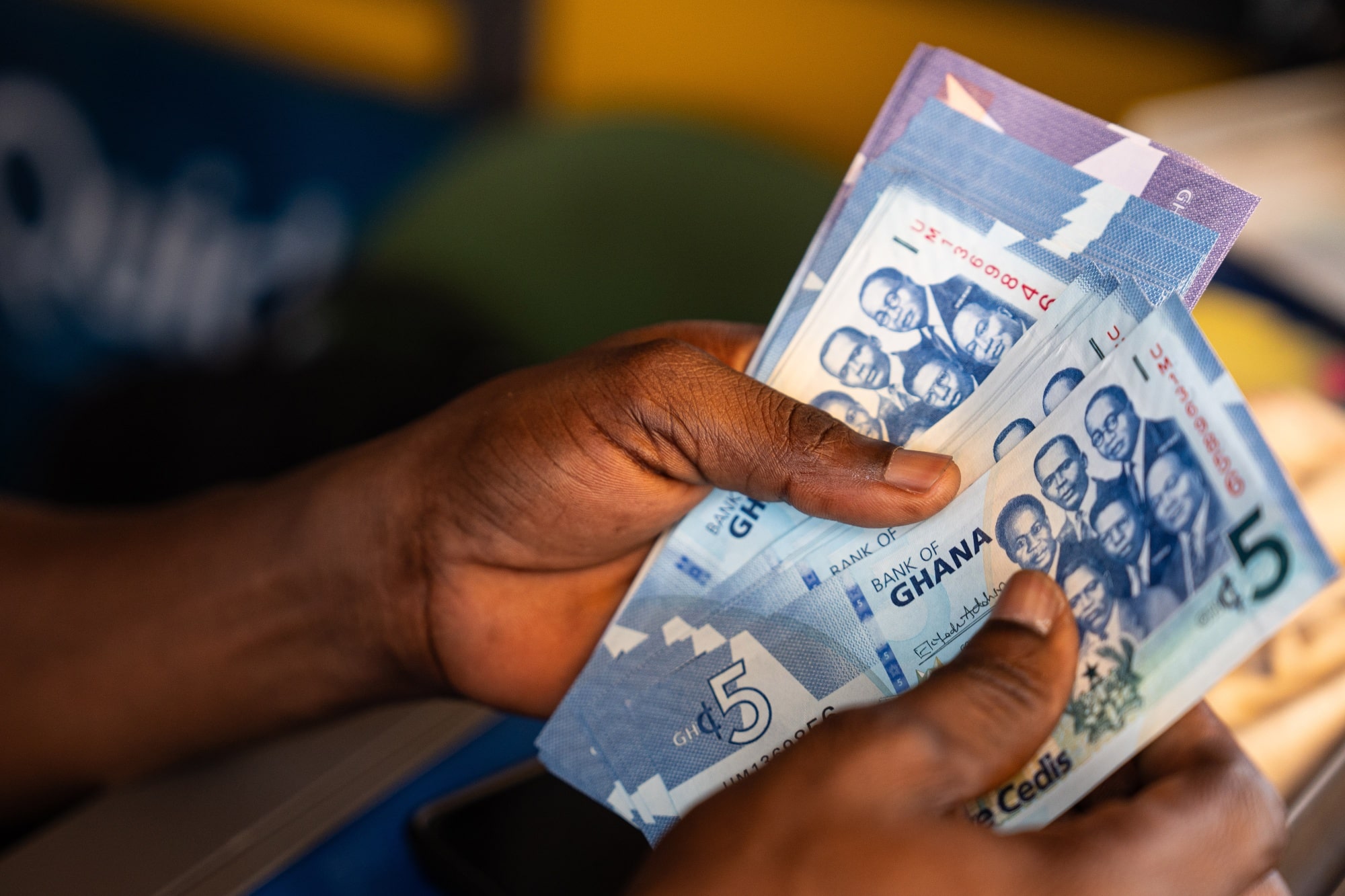
Inflation remains stubbornly high in the cocoa-producing West African nation, well above the government’s targets.
The shift is expected to help the government to boost public finances and stimulate overall economic growth.
Prior to this announcement, the copper-producer has been experiencing a steady rise in inflation since June 2023.
The initiative includes $6 billion from municipal revenue and borrowing, a $2 billion World Bank loan and $1 billion in central government funding.
The new spending plan is 18% less than the estimates of the previous budget as the government continues to tighten its finances.
The latest move aligns with the lender’s broader plan to deepen its foothold in Kenya’s digital banking space.
The directive comes as banks prepare to meet a new total core capital requirement of $77.7 million by 2029.
During the 2023/2024 fiscal year, Kenya spent a staggering $12.6 billion on debt servicing, representing 68% of its total revenue.
The move comes after the Central Bank of Kenya announced a tenfold increase in minimum capital requirements for Tier 1 banks
Nigeria partners with Flutterwave to digitise tax payments, aiming to improve compliance and efficiency while raising concerns about regulatory oversight.
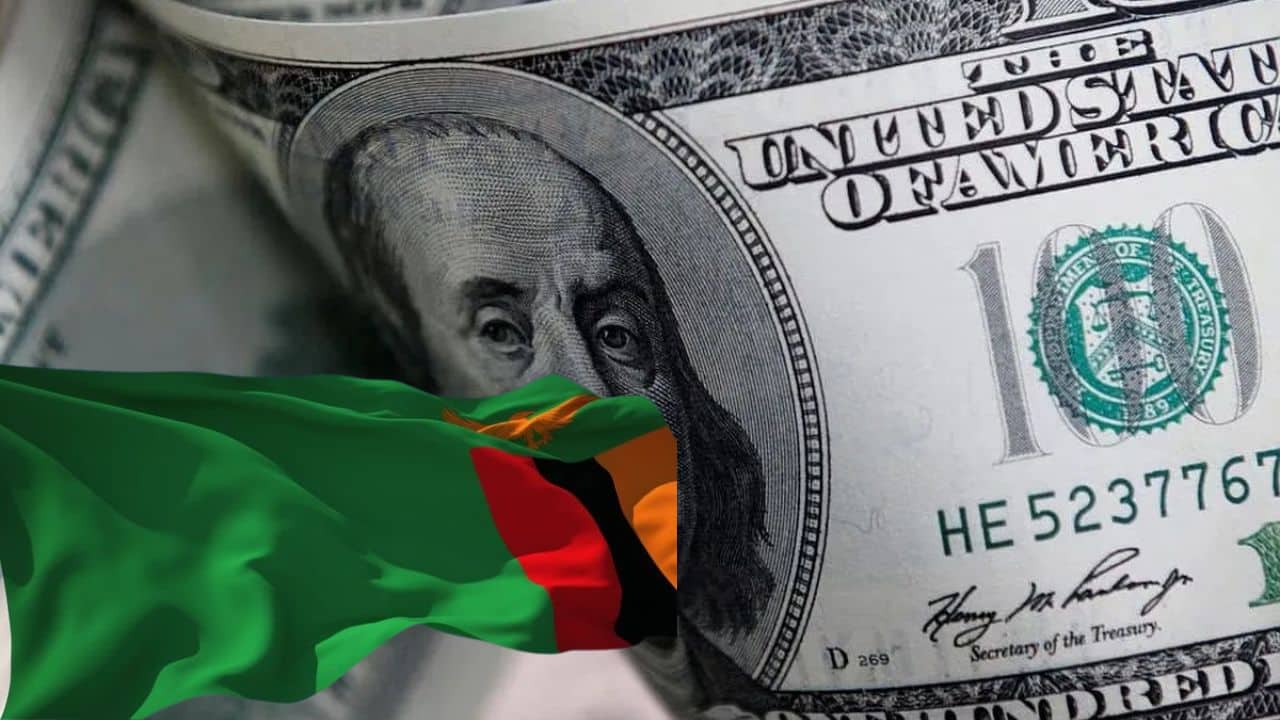
The kwacha’s continuous depreciation highlights ongoing economic pressures worsened by the devastating effects of the El-Niño-induced droughts
The country’s performance was also affected by low investment as spending on long-term assets like buildings and equipment dropped by 7.9%.
The finance minister noted that the Kingdom will issue euro bonds as they better align with its present needs.
The regulator’s decision was also influenced by forecasts of rising inflationary pressures, even as consumer prices held steady at 3.2% in February.
The move aligns with a broader plan to improve efficiency and expand market share in its active markets across the continent.
The contraction of the lender’s balance sheet also led to a notable drop in customer deposits and credit to customers by $300 million and $900 million, respectively.
With inflation holding steady, all eyes are on South Africa’s central bank ahead of its rate decision on Thursday.
The approved budget lowers revenue expectations but increased spending, raising more concerns about the country’s fiscal deficit
