

Top stories
News
Top stories
The lender’s robust earnings were buoyed by stronger interest income, which rose to $66.8 million from $55 million in Q1 2024.
The latest adjustment is poised to rebalance the government’s domestic debt profile—currently dominated by Treasury bonds—by attracting a broader pool of investors into the short-term market.
With inflation trending upward once again and external risks mounting, the CBE may be forced to reconsider its easing cycle and adopt a more cautious stance in the months ahead.

According to the country’s statistical bureau, oil imports jumped by nearly $55 million and accounted for 20% of total imports recorded during the reviewed month.
Despite the expansion, the fiscal gap falls within the National Treasury’s target of 4.5 percent of GDP—an improvement from the deficits recorded in 2023/24 and 2024/25, which stood at 5.3 percent and 5.1 percent of GDP respectively.

Absa Group has announced Rene Van Wyk as its new board chair, succeeding Sello Moloko amid the broader leadership overhaul
Perhaps the most disruptive economic event of 2024 was the wave of anti-government protests triggered by steep tax hikes, which hampered business operations and resulted in multiple deaths.
The sector saw its worst performance since the beginning of the year in April, as new orders and output declined at the fastest pace in four months amid fragile demand and rising cost pressures.
While the policy is seeks to boost local production, its success largely hinges on the nation’s ability to drastically reduce its reliance on imported raw materials, which could undermine the intended economic benefits.

The bank’s latest move highlights a growing shift among foreign financial institutions in Africa, as many reassess their presence amid evolving regulatory landscapes and changing market dynamics.
Nigeria High Court ruling backs CBN’s right to use eNaira, easing investor concern over Nigeria’s digital currency
While foreign exchange gains drove the rebound, the CBN’s earnings report also revealed a sharp drop in net interest income and surging liabilities, pointing to ongoing financial pressures.
Designed to drive economic transformation and inclusive growth, the AfDB’s new strategy will see $2.95 billion invested in Nigeria over four years, with total support—when combined with co-financing from development partners—expected to reach $3.2 billion.
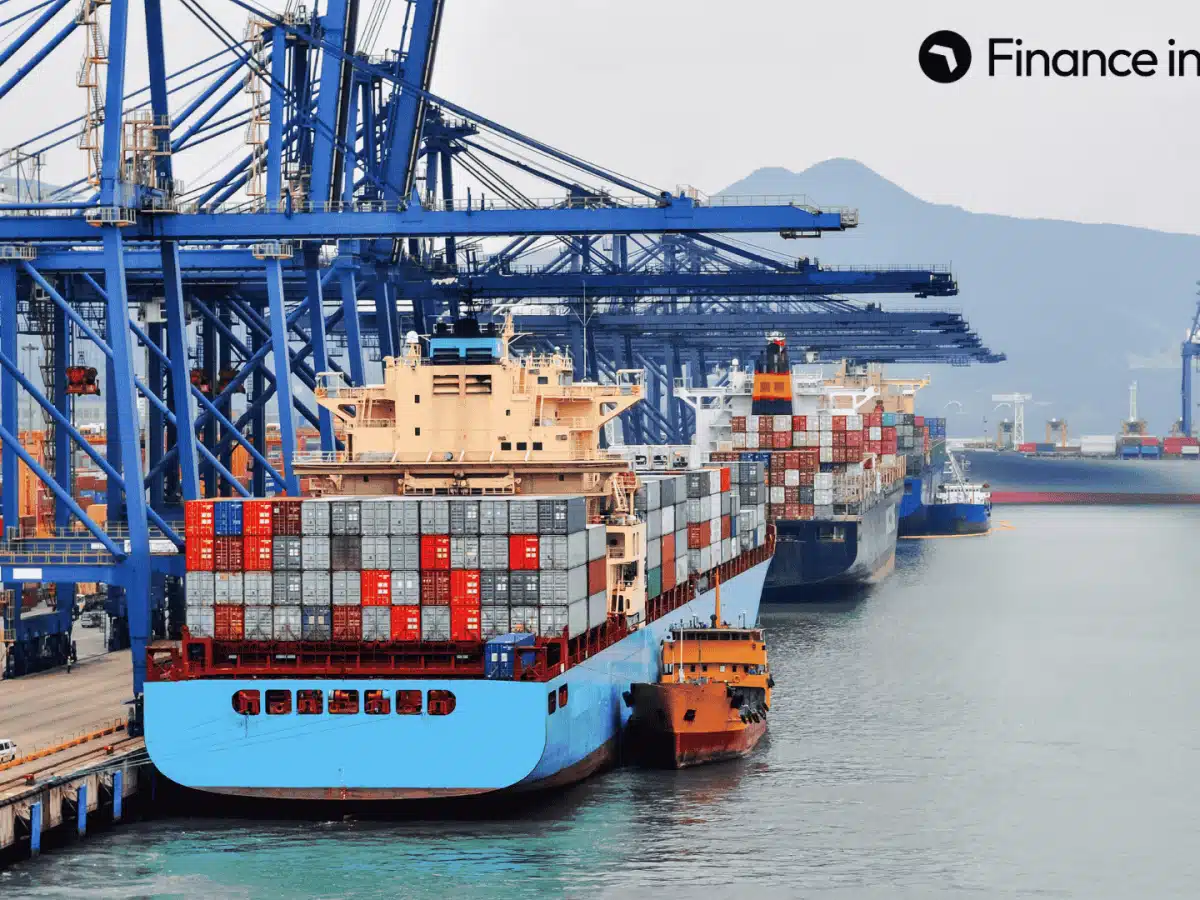
While not explicitly linked by the lastest trade data, the fact that Trump’s 25% auto tariffs took effect in the same month South Africa’s U.S. export earnings declined raises questions about the policy’s early impact on bilateral trade.
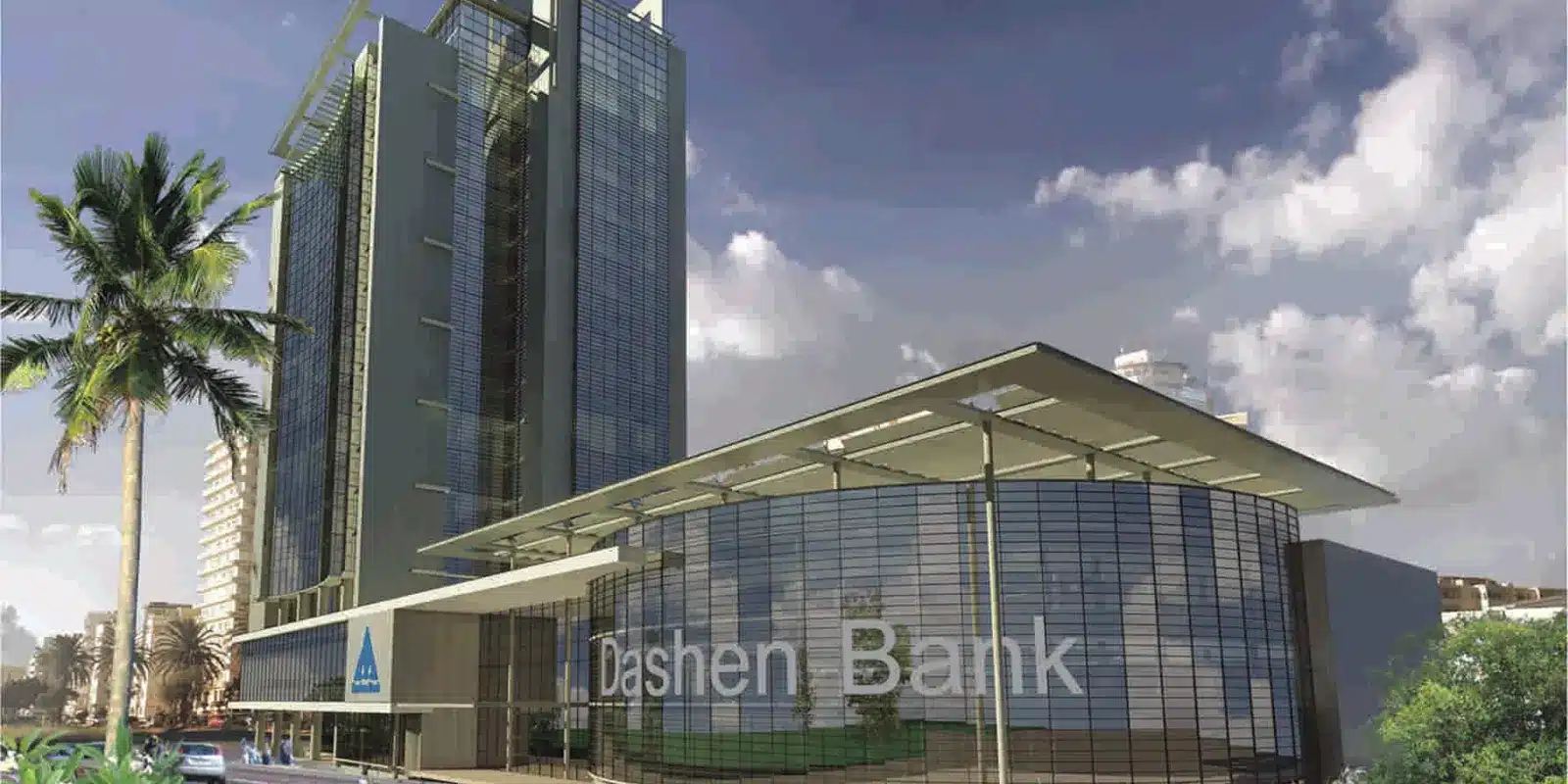
The agreement allows the local lender issue letters of credit and other trade instruments backed by the AfDB’s full risk coverage
Last month, Egypt’s central bank slashed its benchmark interest rate by 225 basis points to 25% – marking its first cut in nearly five years – after inflation drop sharply to 13.6%.
After months of negotiations, restructuring, and meeting some of the World Bank’s conditions, the local lender is now poised to receive an initial disbursement covering about 54% of the total approved funding.
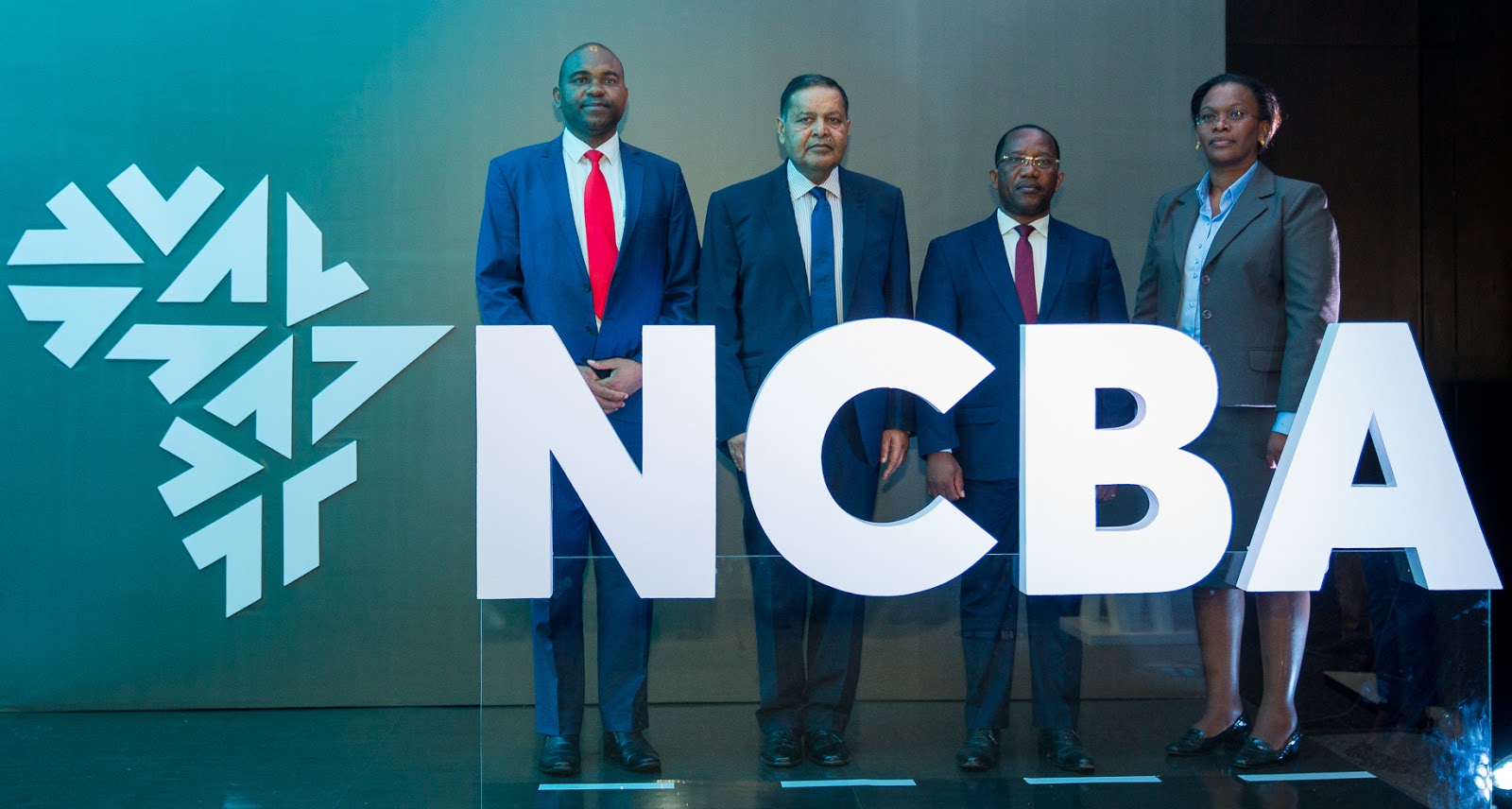
Weighed down by higher costs and softer interest earnings, the bank’s gross earnings dropped to $965,364, from $1.2 million recorded in the corresponding period of the previous year.
The latest figure shows a staggering rise of over 6,000% in penalties compared to last year. The seven banks racked up fines for a range of infractions, from breaches in the forex market to lapses in anti-money laundering regulations
During the review period, domestic borrowing increased the central government’s total debt stock by 10.2%, while external debt played a key role in boosting the country’s foreign reserves
