

Top stories
News
Top stories
The projection comes at a time when South Africa is grappling with one of the world’s highest unemployment rates. Official figures show joblessness at 32.9% in the first quarter of the year, and at 43.1% under the expanded definition.
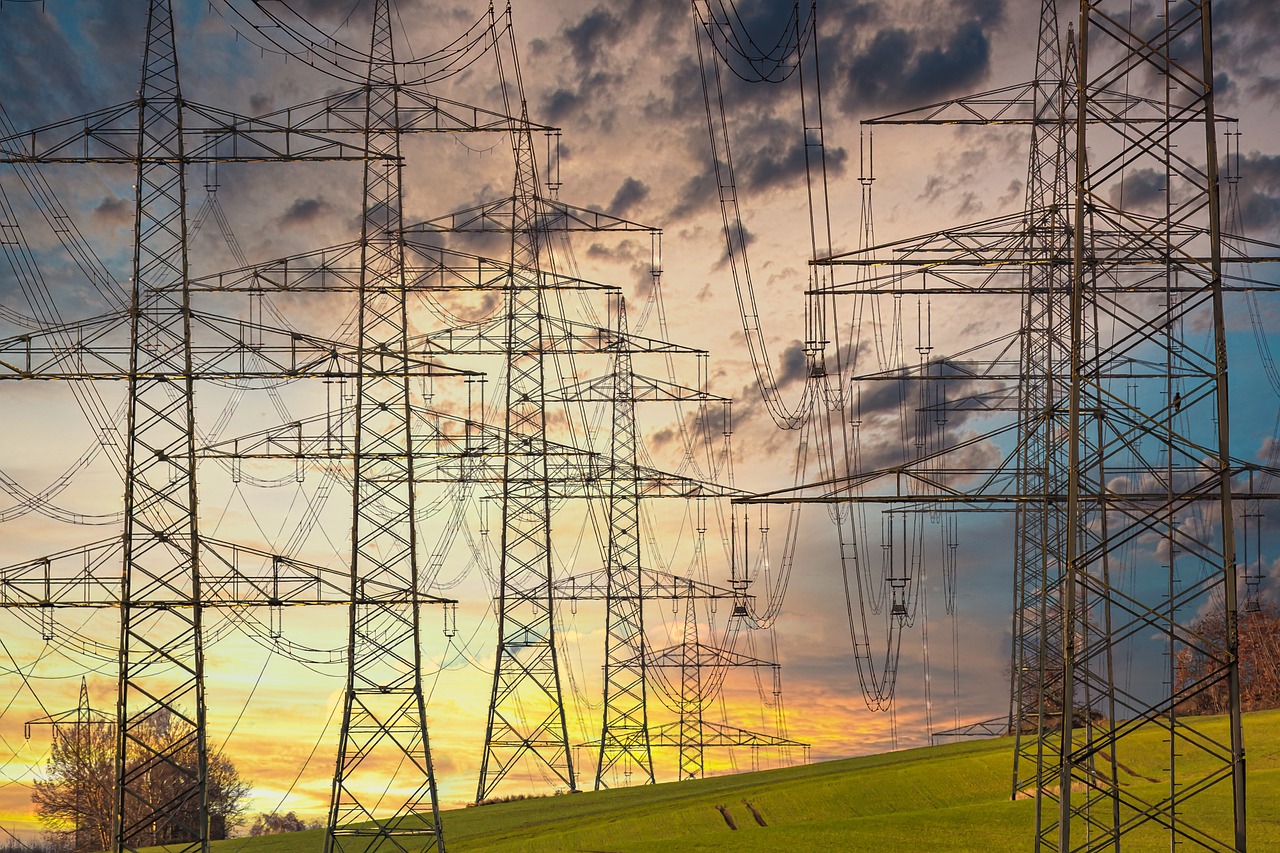
The East African nation, Uganda, has launched an impressive $638 million initiative to provide free electricity connections to over 900,000 households.
Despite growing concerns around Senegal’s debt burden, the latest issuance was oversubscribed by over 21%, with the finance ministry attributing the interest to renewed investor confidence in the country’s economic trajectory.
According to the regulator, the latest approvals come amid strong investor confidence and rising appetite for diversified investment options, including offshore and foreign currency-denominated funds.
Aliko Dangote is making a high-stakes bet on fertiliser to help Africa reclaim control of its food systems, with an ambitious target of no imports for 40 months.
The downgrade marks the lowest rating assigned to the western African nation since the agency began assessing the country in 2000 and the second downgrade in five months.
The scale of the intervention, which exceeds the entire 2023 total of $1 billion and represents nearly half of last year’s sales, reflects a more aggressive approach to exchange rate management.
The debt projection shows a sharp increase from the $98 billion reported at the end of March by the Debt Management Office and highlights the mounting fiscal risks from underperforming oil revenue.
Jamaica has officially joined Afreximbank, becoming the 13th Caribbean Community (CARICOM) nation to sign the bank’s Establishment Agreement. The milestone unlocks $1.5 billion in new financing for the country.
The tax reforms also provide a dividend withholding tax exemption for NIFC-certified firms that reinvest at least $1.9 million (KES 250 million) of their annual earnings into the Kenyan economy.
The slump in intra-African investments contrasts sharply with Egypt’s rising global profile as a top destination for foreign capital on the continent based on recent data from the UN.
In a statement issued on Thursday, the debt office clarified that the actual amount used for servicing the bond was $44.6 million, not the $401.1 million being cited in some media reports.
Another key factor behind the CBE’s decision to hold rates is the government’s recent VAT reform package, announced on June 29. The amendments seek to broaden the tax base without raising the general 14% VAT rate.
Kenya’s domestic debt market kicked off the 2025/26 fiscal year on a bullish note, as investors continued their pivot toward long-term government bonds in search of higher yields and stability.

The CEO of Aradel Holdings Plc, a foremost indigenous oil firm, Mr. Adegbite Falade, has raised concerns about the shortage of manpower in Nigeria’s oil and gas sector.
AfDB has approved a $50 million Trade Finance Transaction Guarantee Facility for Awash Bank, one of Ethiopia’s largest private lenders, as part of its ongoing efforts to expand access to trade finance for SMEs and local corporates.
Ecobank Transnational Incorporated (ETI), a pan-African banking group, has announced the launch of a $250 million Additional Tier 1 (AT1) capital raise via a private placement of contingent convertible notes.
GTCO saw its valuation rise to the N3trn mark as it listed on the London Stock Exchange on Wednesday, cementing its position as the biggest lender by market capitalisation on the Nigerian Exchange Limited
Ethiopia’s new income tax proposal promises relief for workers through higher thresholds, but raises key questions about its ripple effects on business taxes and government revenue
Ethopia signs $1 billion agreement with the World Bank, in the deal is included a $650 million grant and a $350 million concessional loan, aimed at stabilising the financial sector, boosting economic competitiveness, and strengthen the revenue system
