

Top stories
News
Top stories
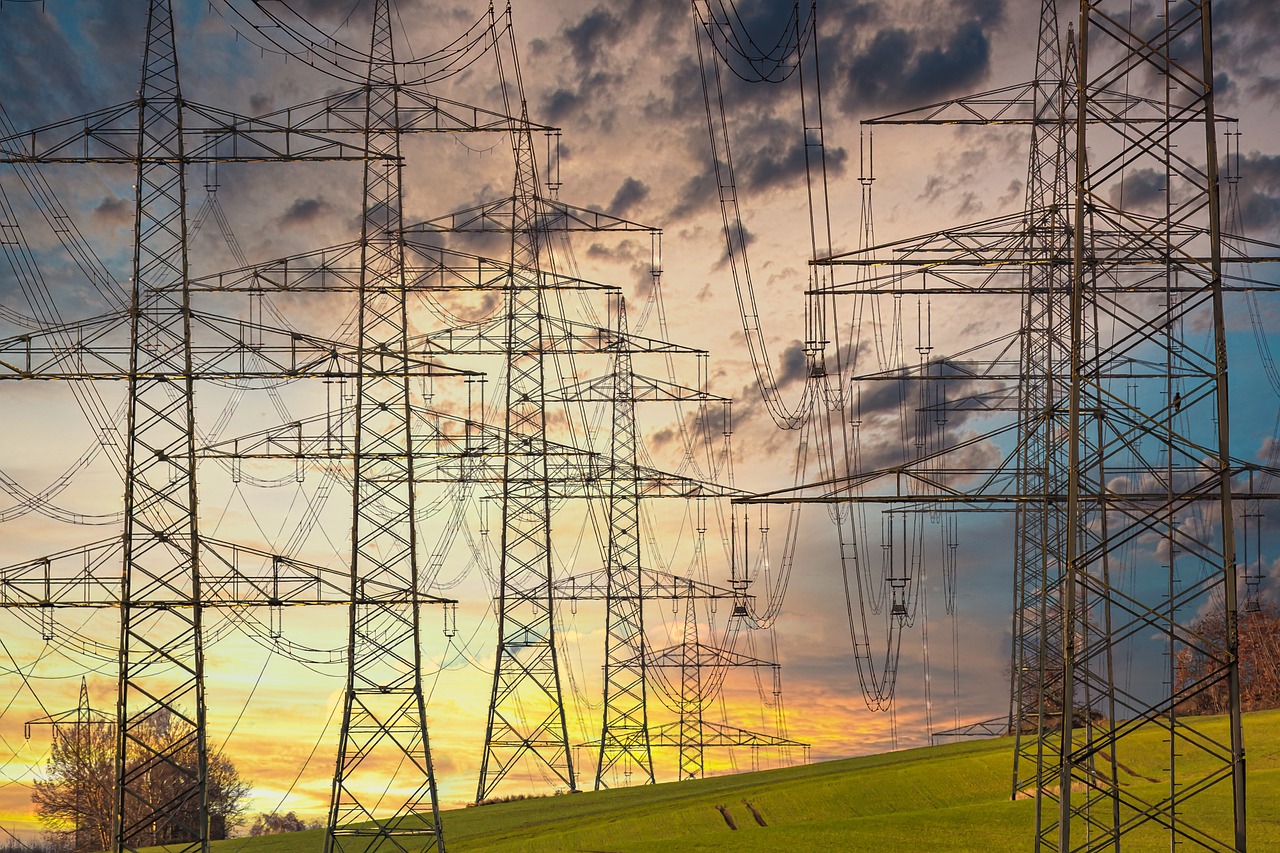
East African nation, Uganda, has disclosed plans to invest $350 million to expand and improve the power distribution network over the next five years.
This comes as the West African nation repays a $700 million Eurobound debt as part of a sweeping debt restructuring programme that has helped cut the country’s public debt ratio to Gross Domestic Product to 43.8%
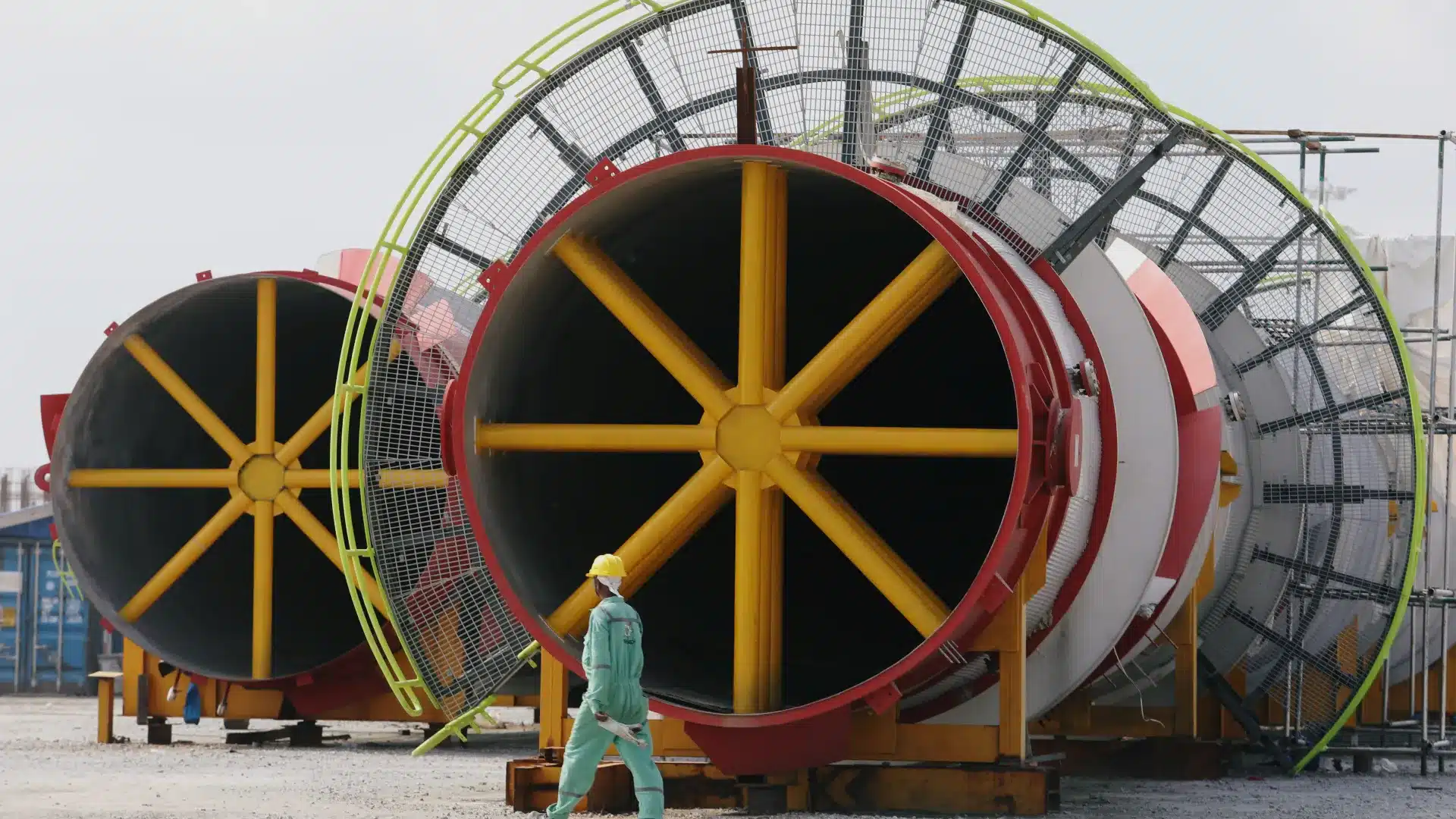
Dangote is currently working to upgrade its mega fuel-processing plant in Lagos from an original nameplate capacity of 650,000 barrels per day (bpd) to 700,000 bpd.
The capital injection is part of a broader recapitalisation plan launched by the government in early 2025 to strengthen the bank’s liquidity and restore its solvency.
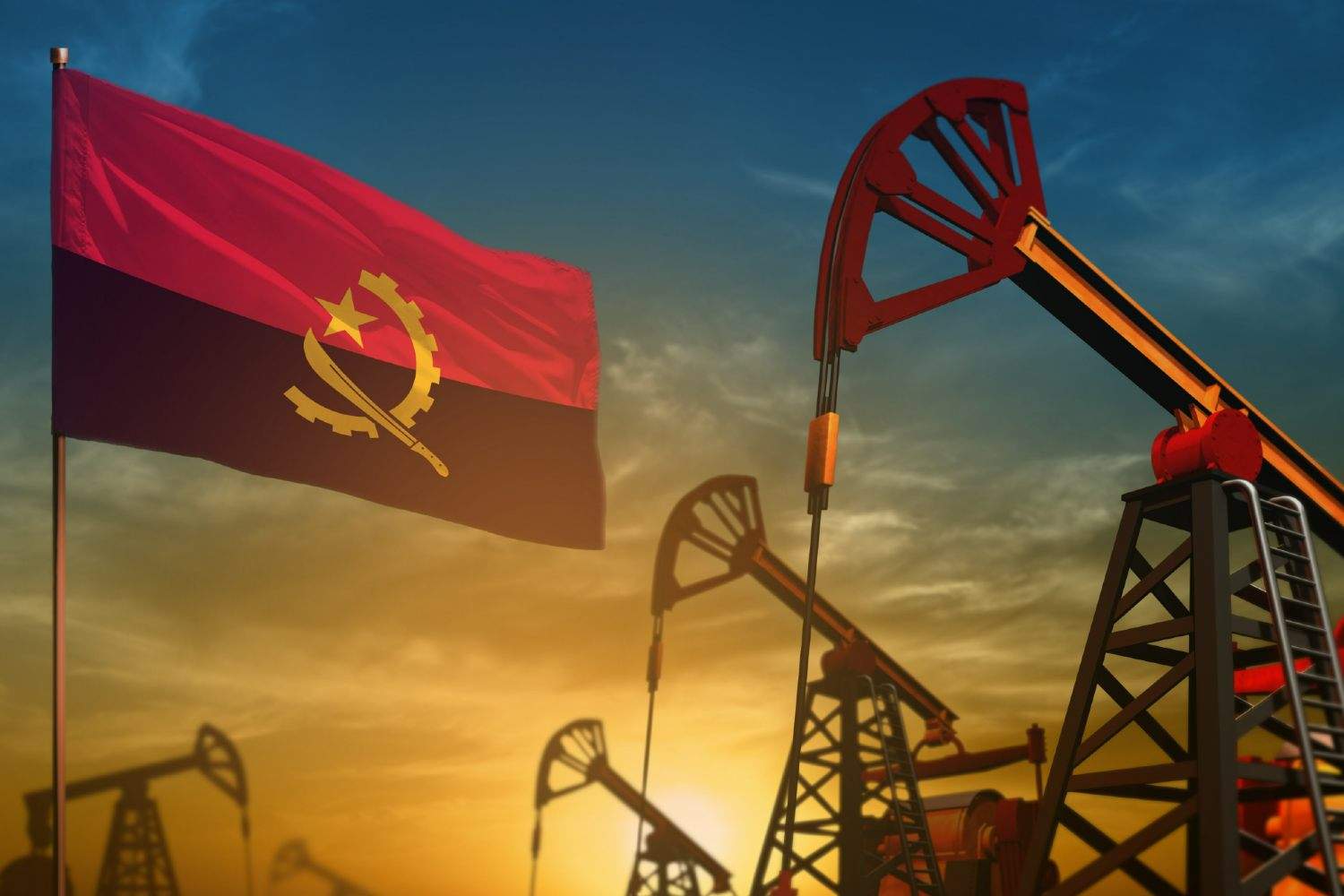
The debt management office of Angola said the country’s oil-backed loans from China will decline to between $7.5 billion and $8 billion by the end of the year.
East African nation, Tanzania, has invested TZS 4.5 billion (approximately $1.7 million) to establish a clean energy factory in the Geita Region of the country.
The improved performance builds on gains made from the bank’s ongoing strategic transformation plan, which had already lifted profits in Q1 2025 to roughly $95,900, compared to a $2.86 million loss in Q1 2024.
As Kenya shifts financing needs to domestic markets, Moody’s warns that its debt servicing cost, which is already among the highest, will remain elevated.
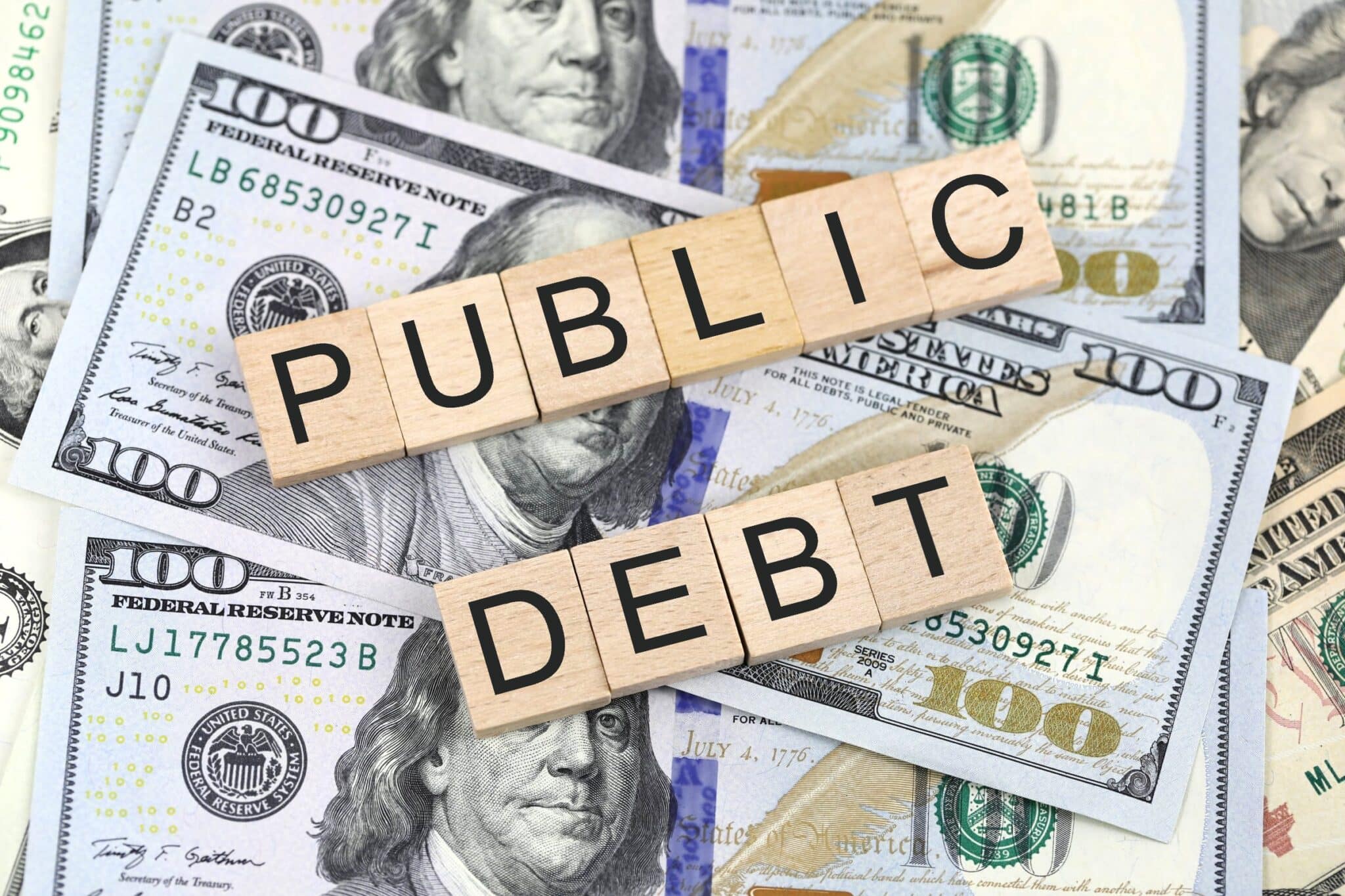
The drop comes as the oil-rich southern African nation moves to scale back its reliance on asset-backed loans amid volatile commodity prices, rising borrowing costs and weaker investor appetite.
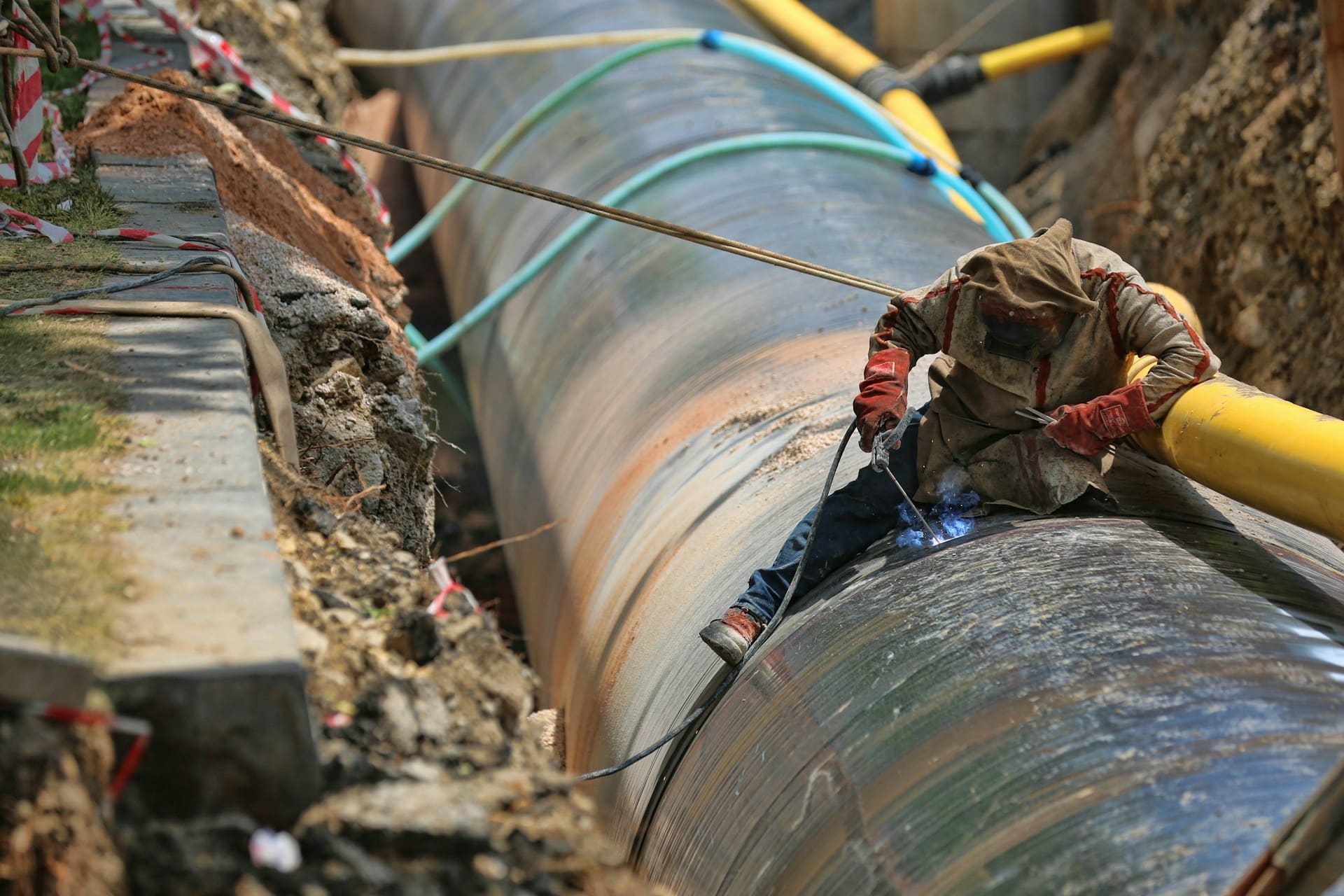
The East African Crude Oil Pipeline (EACOP) project is expected to reach mechanical completion by the end of the second quarter of 2026.
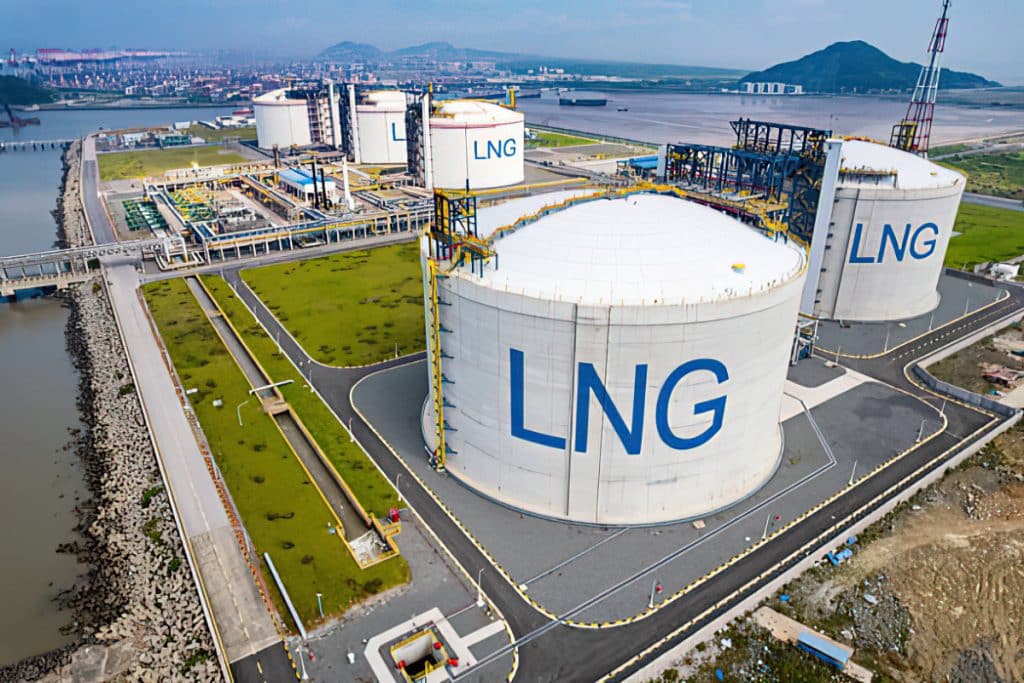
Tanzania is expected to finalize a long awaited agreement with international energy partners in the coming days, setting the stage for a $42 billion liquefied natural gas (LNG) project in the country’s southern region.
Nigeria’s Senate has endorsed President Bola Tinubu’s external and domestic borrowing plan totaling over $21 billion for the 2025–2026 fiscal period.
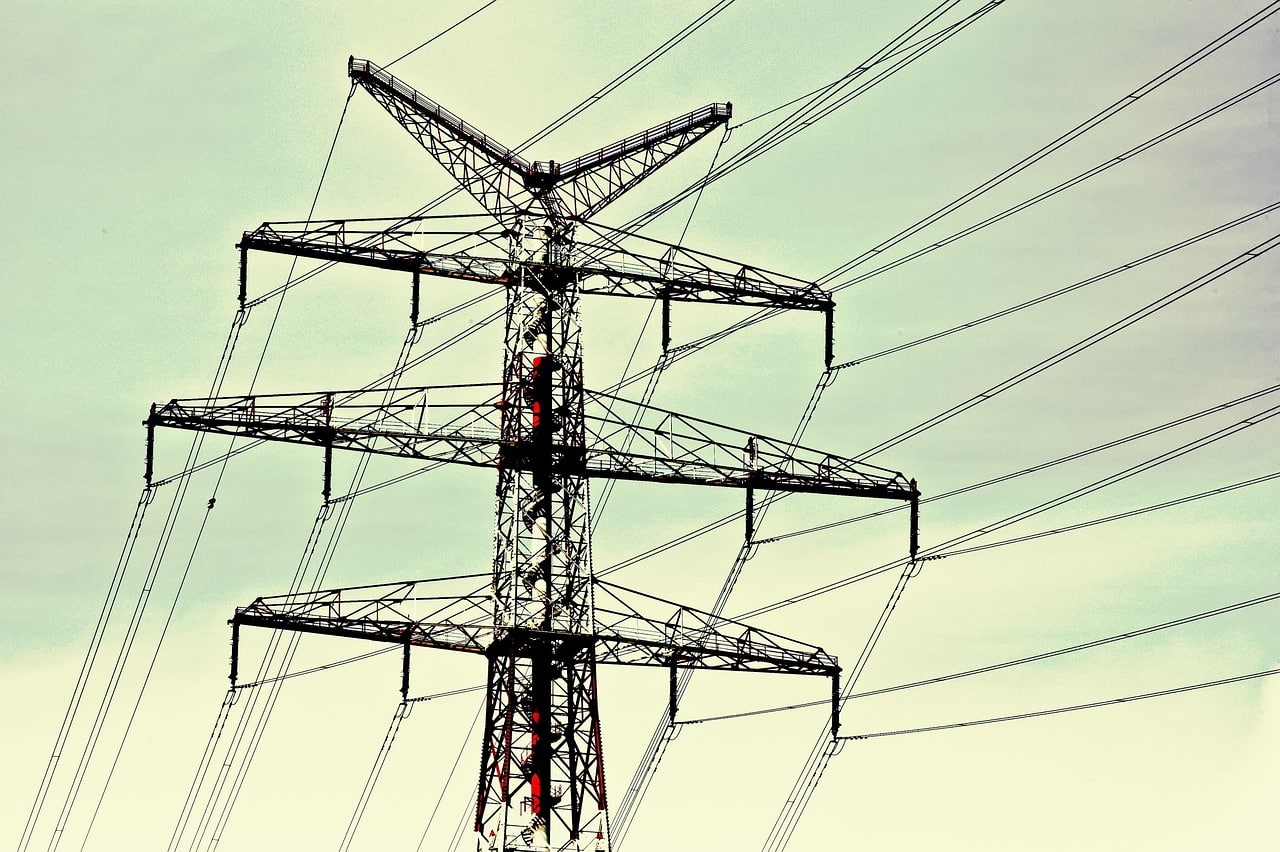
West African nation, Nigeria, granted four off-grid generation licenses in the first quarter of 2025 as part of its efforts to boost electricity supply in the country.
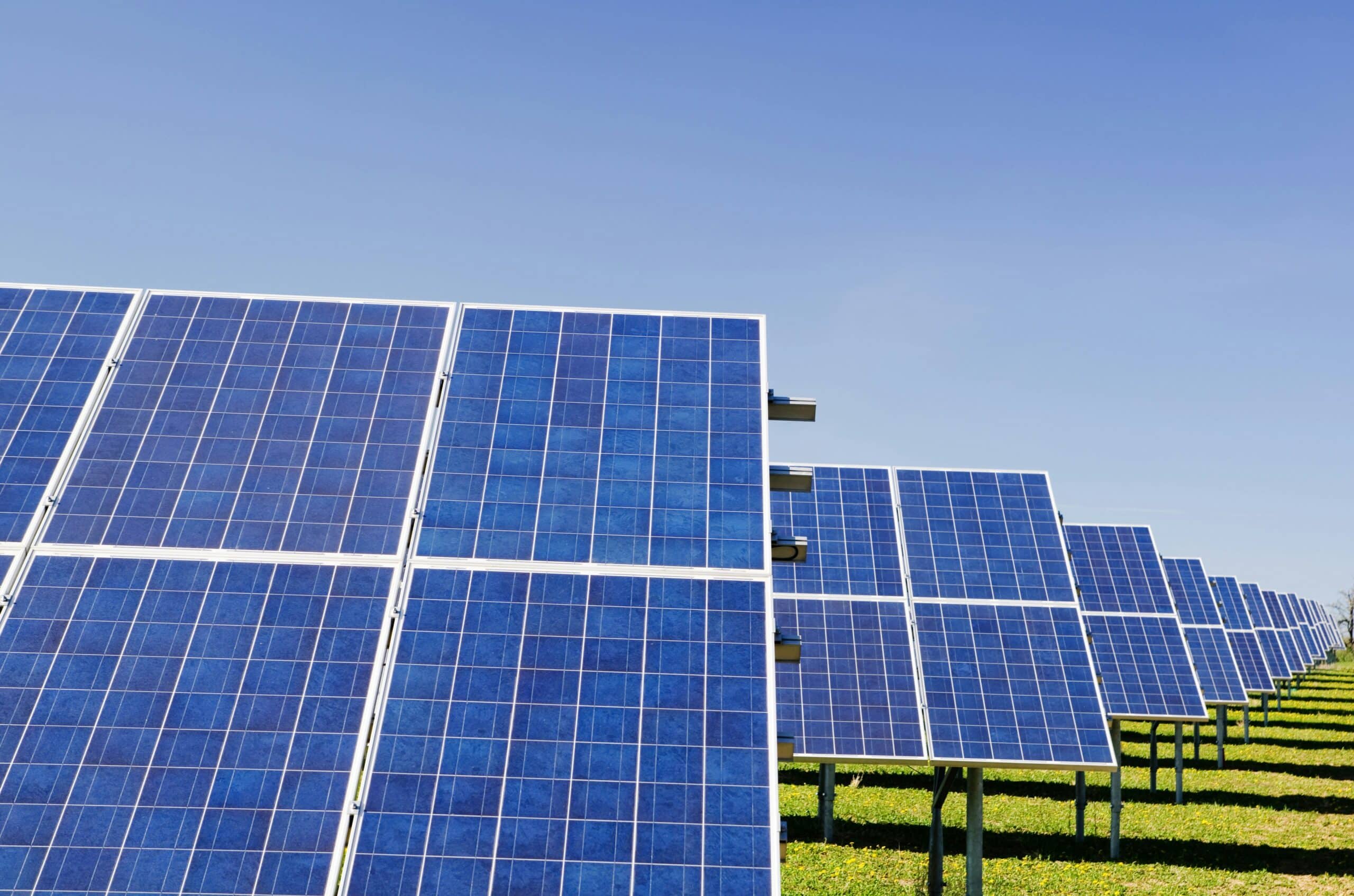
Southern African country, Zambia, has given approval for the construction of a 50MW solar plant and other energy-related projects to boost electricity supply in the county.
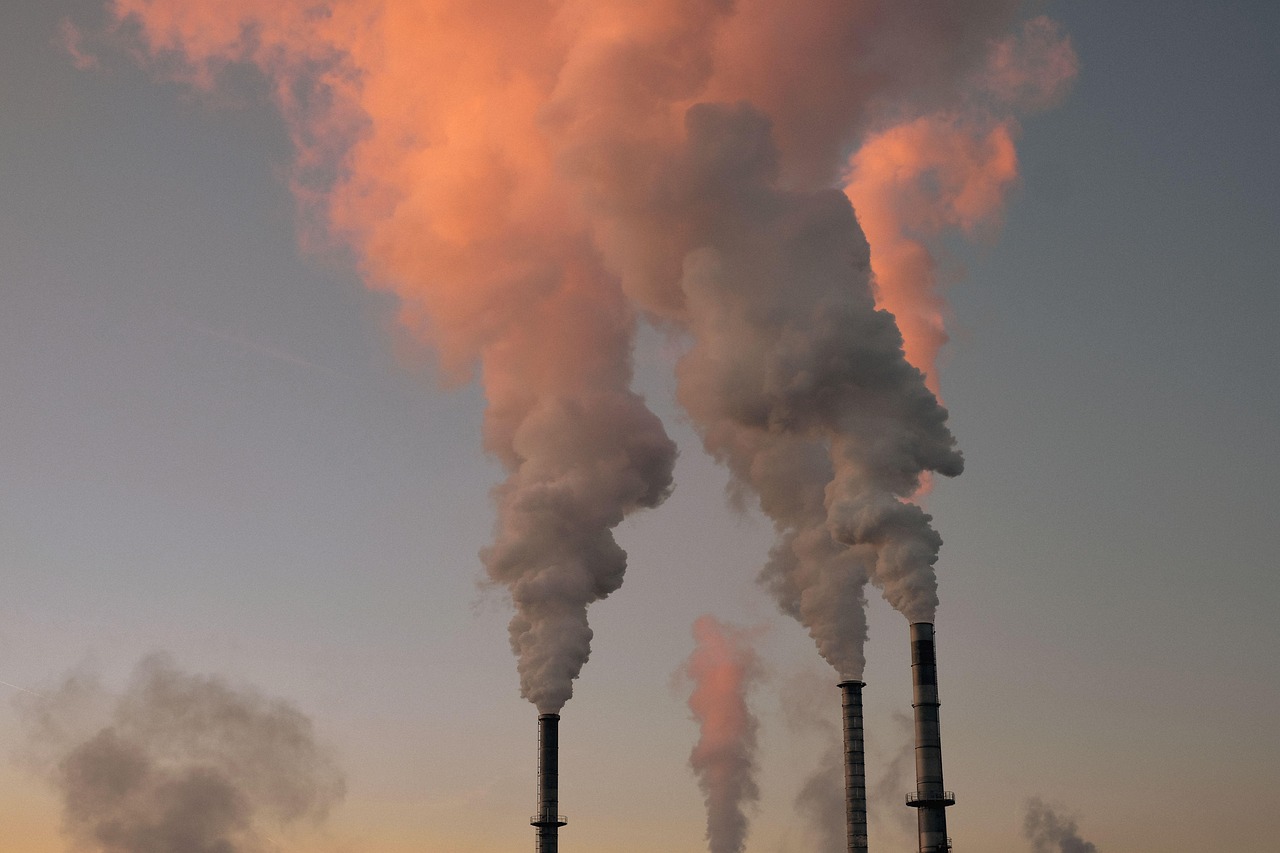
The World Bank has stated that indigenous oil companies, alongside the Nigerian National Petroleum Corporation (NNPC), now account for 60% of Nigeria’s total gas flaring.

The East African nation, Tanzania, has finalized a power import agreement with Kenya to source electricity from Ethiopia, leveraging the newly energized Isinya-Singida interconnector.
Nigeria’s decision comes despite a recent easing in headline inflation. According to official data, consumer price growth slowed to 22.2% in June — the third straight monthly decline and the lowest level recorded this year.
The shift reflects changes introduced in the rebasing exercise, which now captures more informal activity previously underrepresented in official estimates.
As a country still recovering from debt distress and natural disasters, the project offers Mozambique a chance to attract long-term investment and drive industrialisation through more reliable power.
A US tariff on processed coffee threatens Ethiopia’s push to move up the value chain, even as the country posts record export earnings, targets new markets across Asia and the Middle East.
