

Top stories
News
Top stories
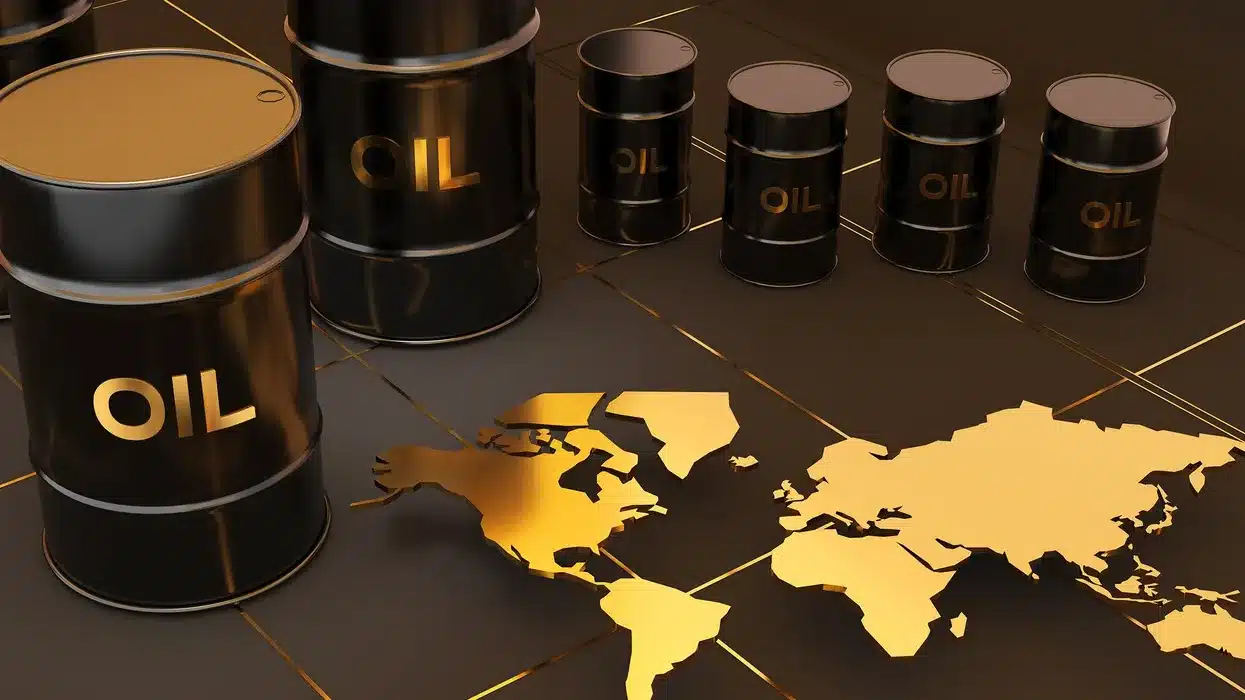
Nigeria’s oil sector has attracted $18.2 billion in fresh commitments through 28 new Field Developments Plans (FDPs) approved in 2025.
South Africa’s power utility, Eskom, says some customers referred to as “Zero Buyers” are yet to have their electricity supply regularised due to ongoing audits of meter connections and issues of illegal hookups.
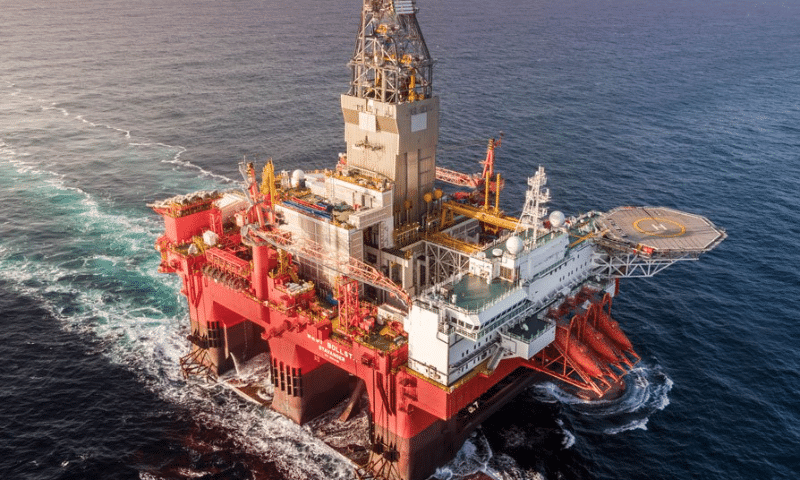
In a significant move for asset optimization, Eco (Atlantic) Oil & Gas has successfully renewed its rights over four Petroleum Exploration Licenses (PELs) in Namibia.
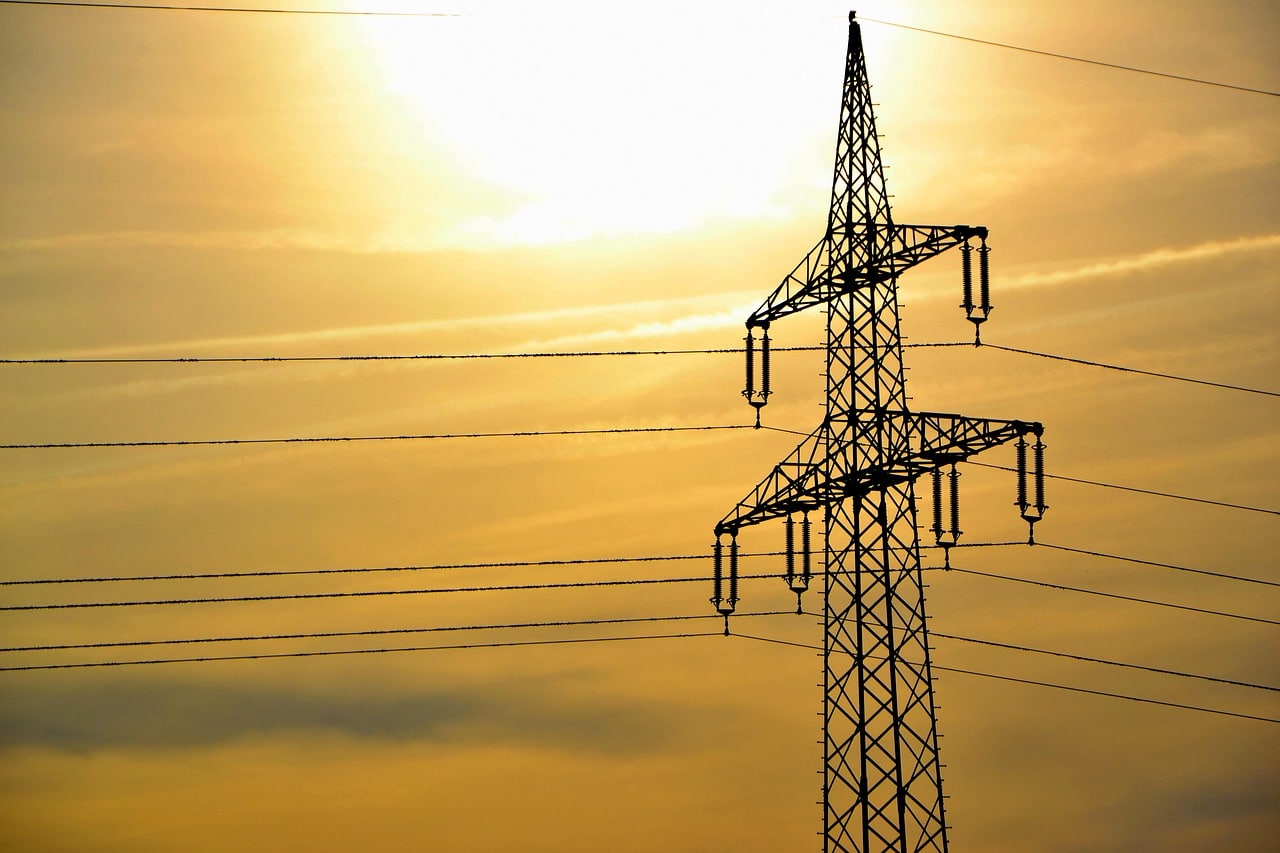
Mauritania has signed a $300 million agreement with renewable energy developer Ewa Green Energy to construct a 220-megawatt (MW) hybrid power plant in the country.
Lagos state has announced plans to raise ₦214.8bn ($142.8m) from the capital markets under its one trillion naira debt programme, as Governor Babajide Sanwo-Olu seeks investors’ commitment.
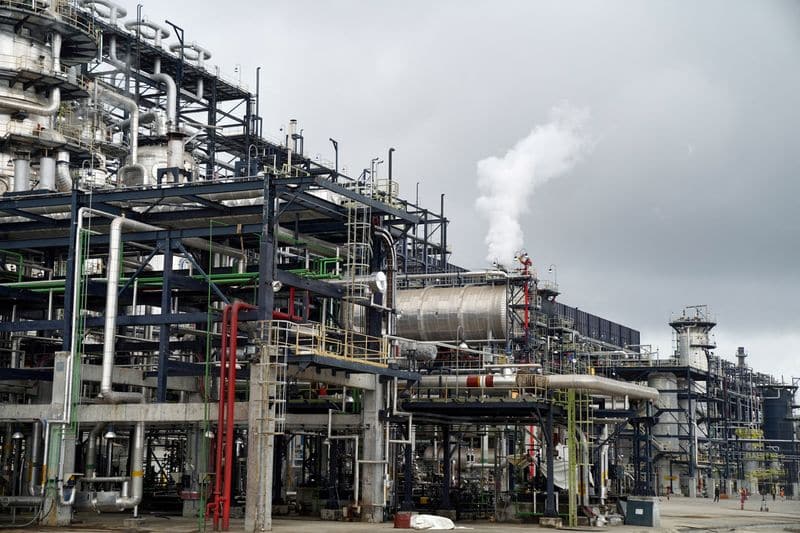
Nigeria’s Dangote Refinery has sent its first gasoline cargo to the United States, with global trader Vitol and American fuel distributor Sunoco taking delivery in New York Harbor.
South Africa has approved long term lease access for oil majors and traders, including BP and Vitol, at Durban’s Island View Precinct, the country’s largest fuel import and storage hub.
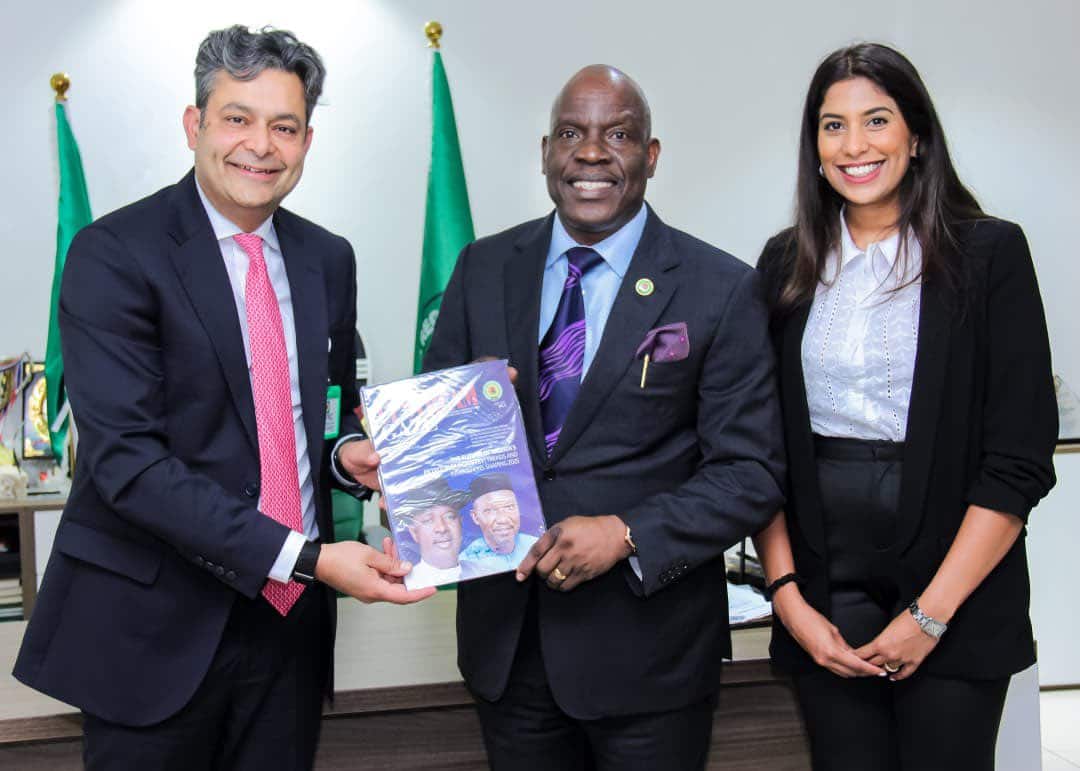
The Nigerian Upstream Petroleum Regulatory Commission (NUPRC) has dismissed speculations that international oil companies (IOCs) are abandoning the country, insisting that recent industry developments prove otherwise.
Nigeria’s easing headline inflation reflects a broader trend across key African economies in August 2025, with Kenya standing as the outlier.
Uganda has obtained a $313 million syndicated loan from Ecobank, FirstRand and the Development Bank of South Africa to finance infrastructure projects, underscoring its growing reliance on African lenders after a two-year freeze in Western funding.
The milestone extends BUA Foods’ lead over MTN Nigeria, which it overtook on 7 August, and ahead of Airtel Africa (₦8.68trn/$5.78bn) and Dangote Cement (₦8.63trn/$5.74bn). Its sister firm, BUA Cement, holds a market cap of ₦5.14trn ($3.42bn).

A Gambian-led venture, Cornerstone and Dubai-based Haji Al Shams Solar Energy, is set to invest $300 million to deploy solar energy across Senegal’s agriculture sector.
The Gold Board is also working on establishing a wholly state-owned refinery built to international standards, enabling Ghana to transition from exporting doré to producing bullion.
The measure, which aligns with the Bank of Ghana’s new forex directive, only applies to withdrawals from accounts funded through electronic transfers or cheque deposits.
Authorities are turning to a fresh vehicle following years of draining the nation’s diamond-backed reserves to plug budget shortfalls.
Backed by the Central Bank of Nigeria (CBN), the country has unveiled its first Bank Neutral Cash Hub (BNCH), a move to curb theft, risk, and high cost of moving cash across locations.
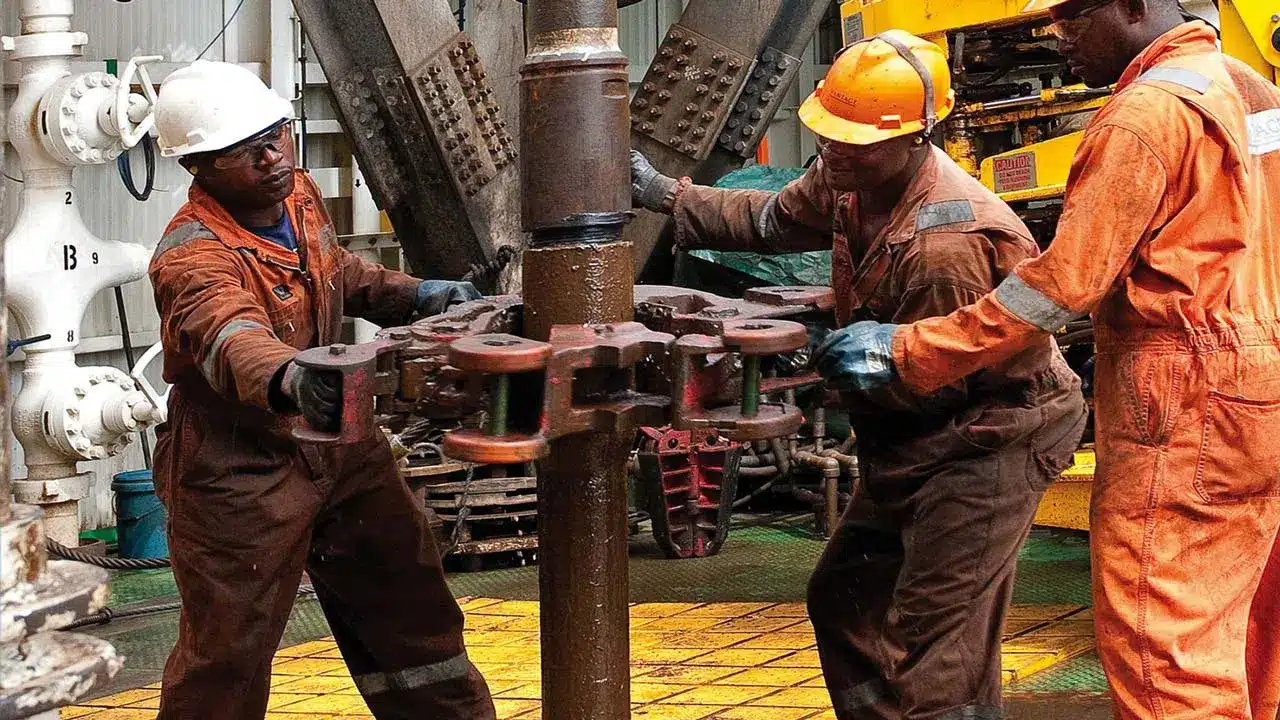
The Nigerian oil and gas sector recorded a total loss of 68.94 million barrels of crude to oil theft and metering issues in the five years between 2021 and July 2025.
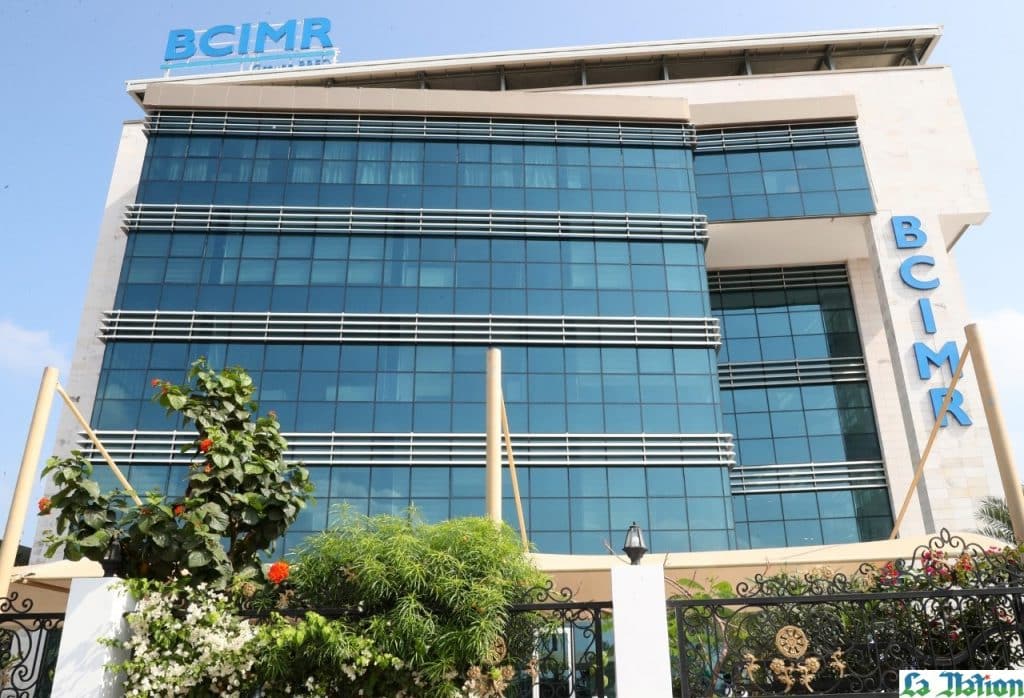
Banque pour le Commerce et l’Industrie Mer Rouge (BCIMR), which controls nearly half of Djibouti’s banking market, is preparing an entry into Ethiopia’s recent liberalised financial sector.

In July, the CBN announced that eight banks had met their revised capital requirements, well ahead of the March 2026 deadline.
The softer financial results coincided with a quarterly increase in fraud, with 35 incidents reported during the three-month period from 29 cases in Q4 last year.
