

Top stories
News
Top stories
Nigeria is gearing to host the $5 billion African Energy Bank following the inspection of its proposed Abuja headquarters by the country’s Minister of State for Petroleum Resources (Oil) Heineken Lokpobiri.
The Arab nation’s latest GDP figures stand well above the 3.5% growth recorded in the same period of last year and marks the fastest quarterly pace since Q1 2022.
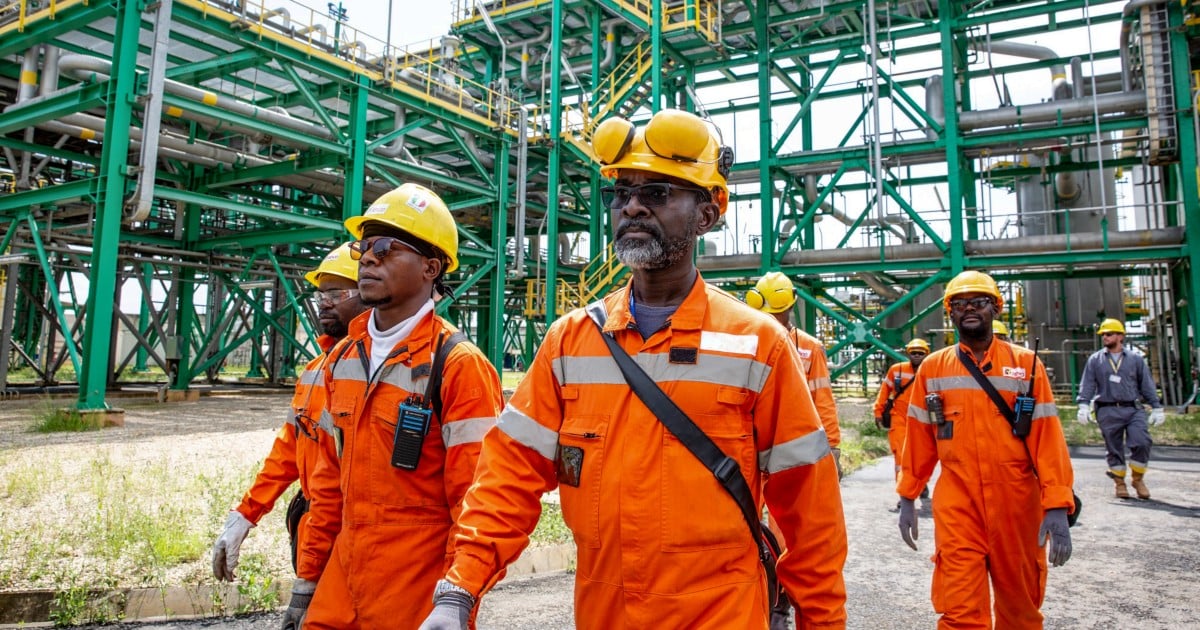
East African nation, Uganda, is edging closer to producing its first commercial crude oil as the country’s oil and gas sector draws in over $11 billion in investments, according to a recent government statement.
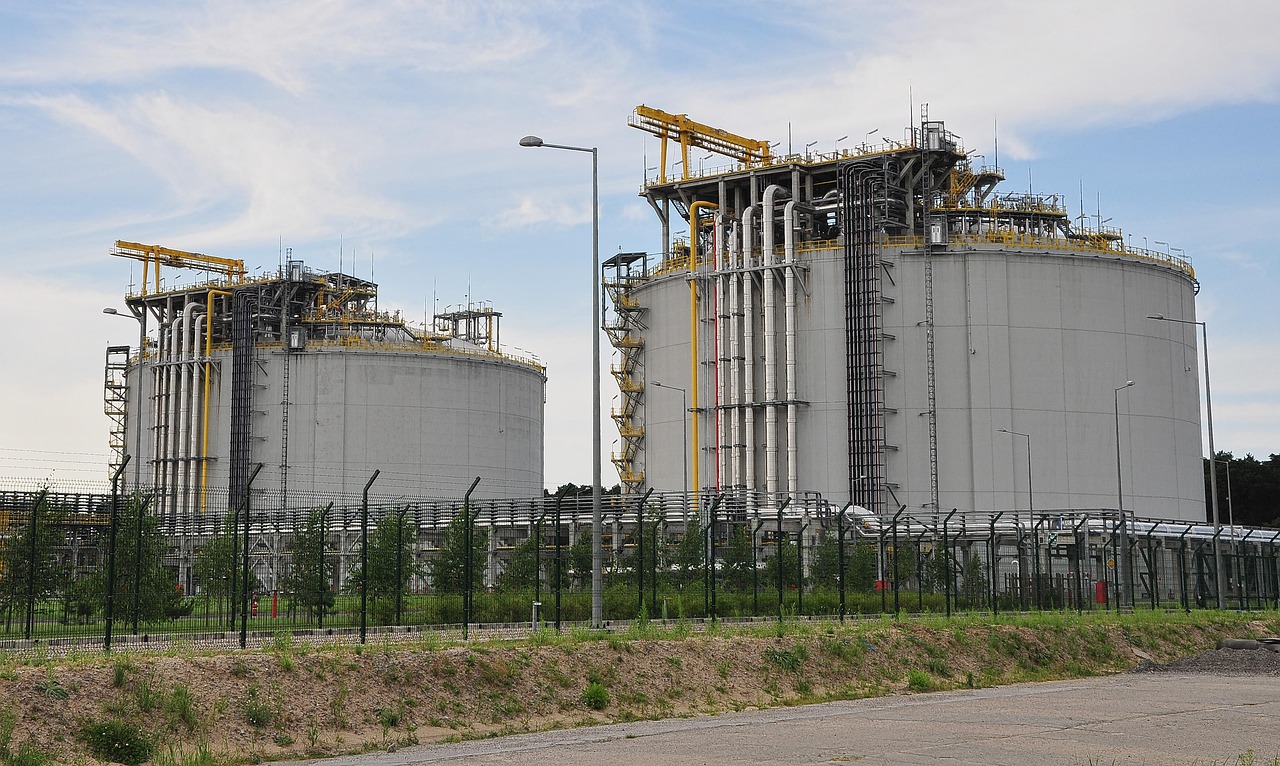
Central African nation, Angola inaugurated a $4 billion gas processing plant to diversify its energy mix and reduce reliance on crude oil.
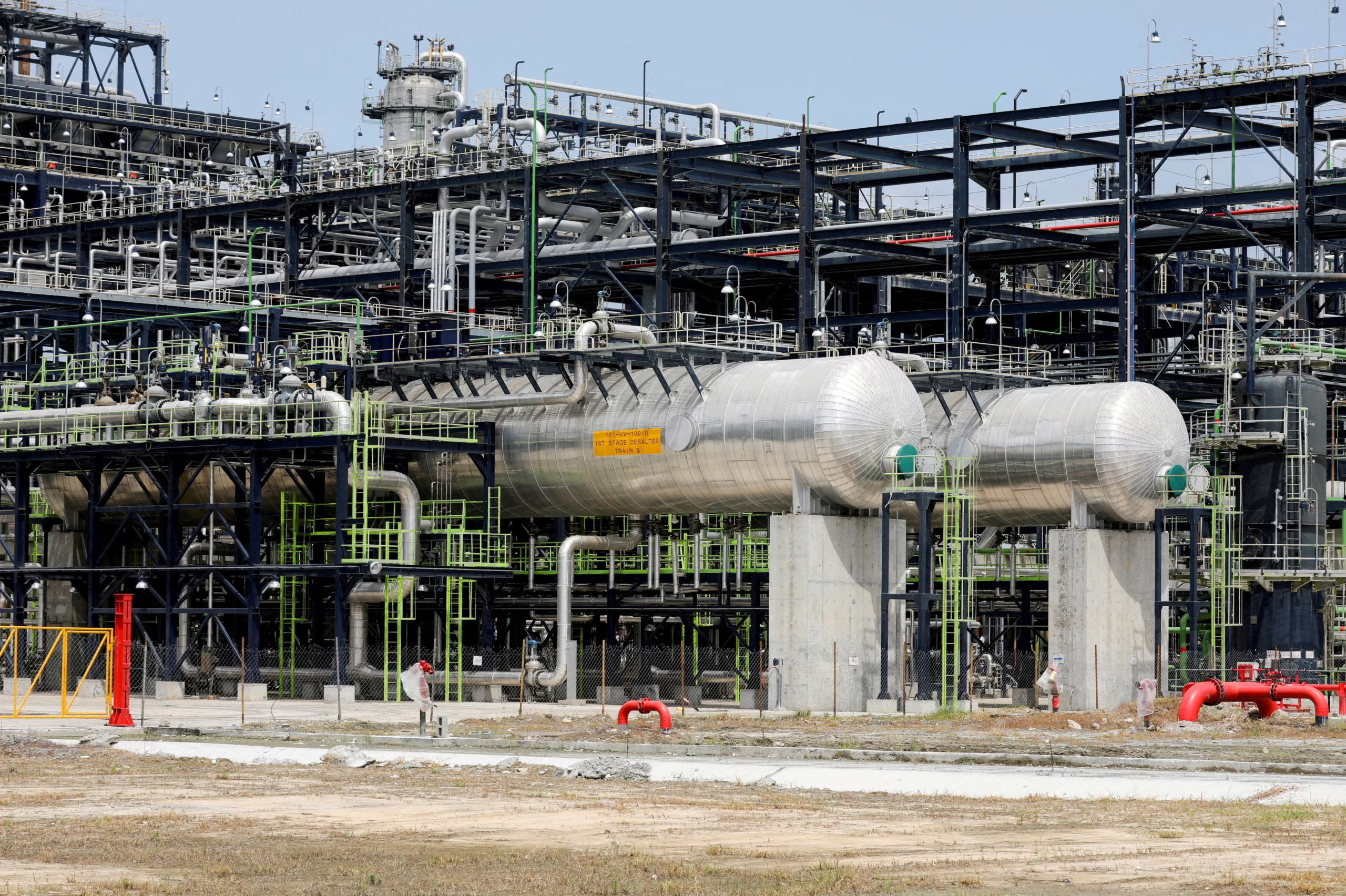
European fuel traders and importers are currently avoiding diesel shipments from Nigeria’s Dangote Refinery after tests revealed the product contains sulphur levels and other specifications that fail to meet Europe’s strict winter fuel standards.
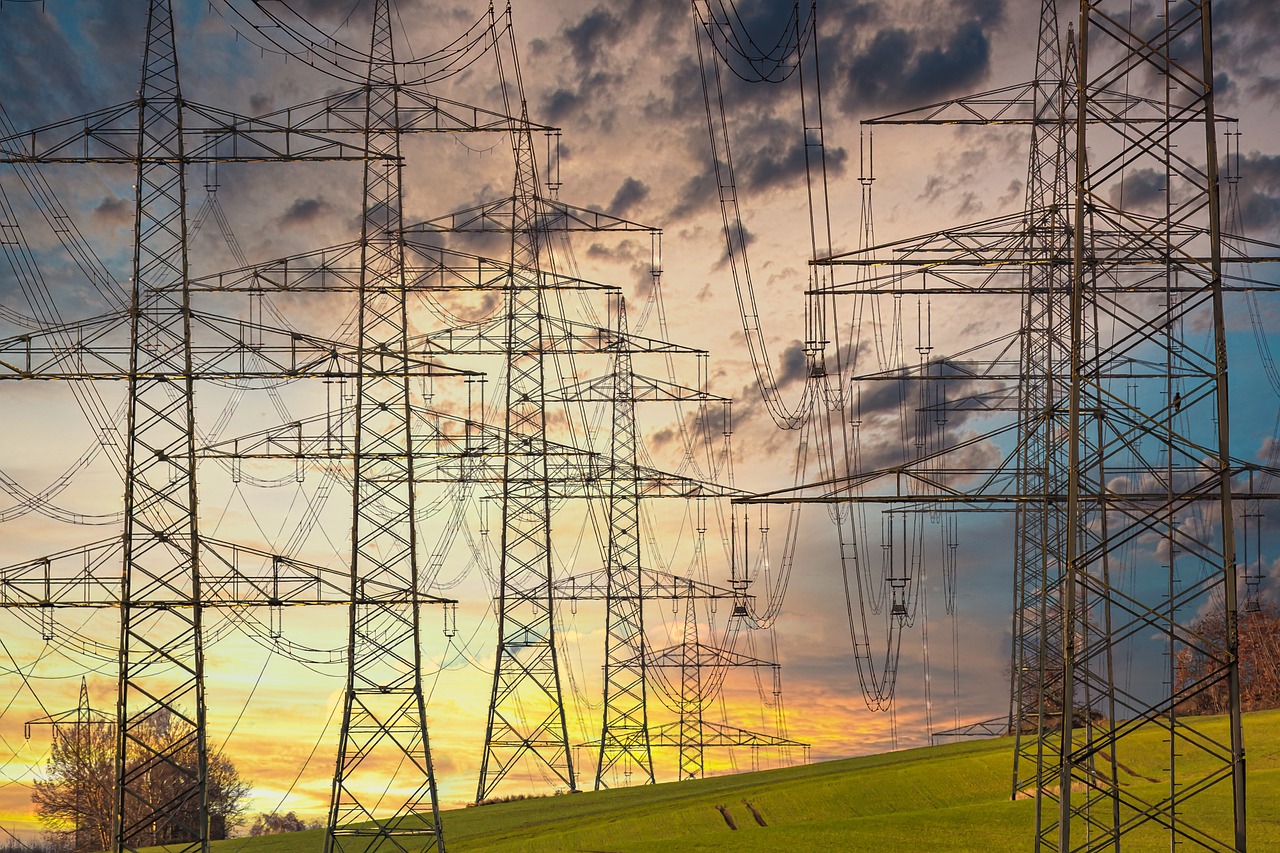
Aksa Enerji has announced plans to build a 119 MW fuel oil power plant in Ouagadougou, the capital of Burkina Faso to strengthen the reliability of the electricity supply in the capital and surrounding areas.
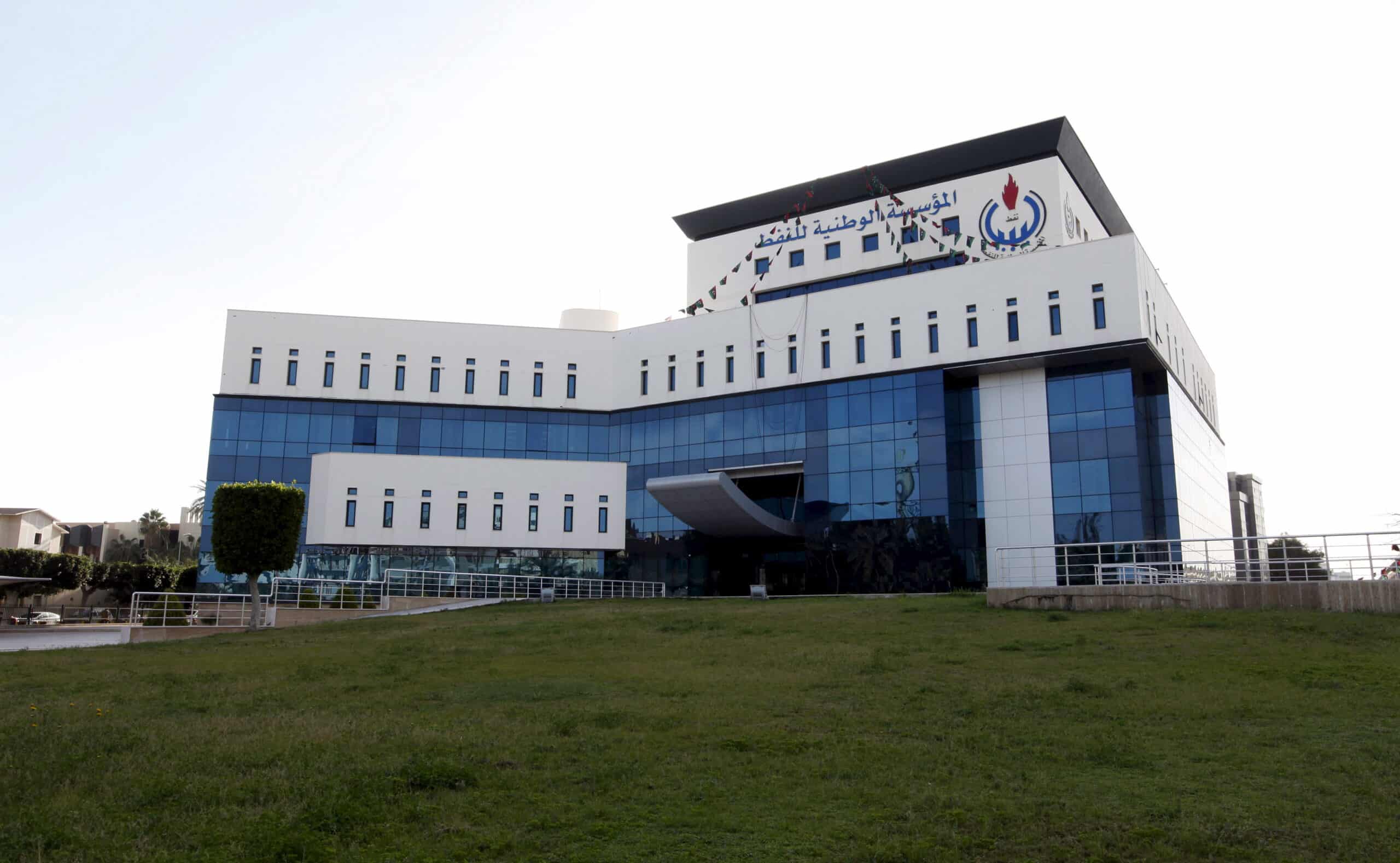
Libya’s National Oil Corporation (NOC) says the country’s 2025 public exploration bidding round has entered its final stage and that the bids are expected to be opened in February 2026.
Portuegese Galp’s efforts to offload part of its stake in Namibia’s Mopane oil project have finally attracted heavyweight interest, including TotalEnergies and Chevron.
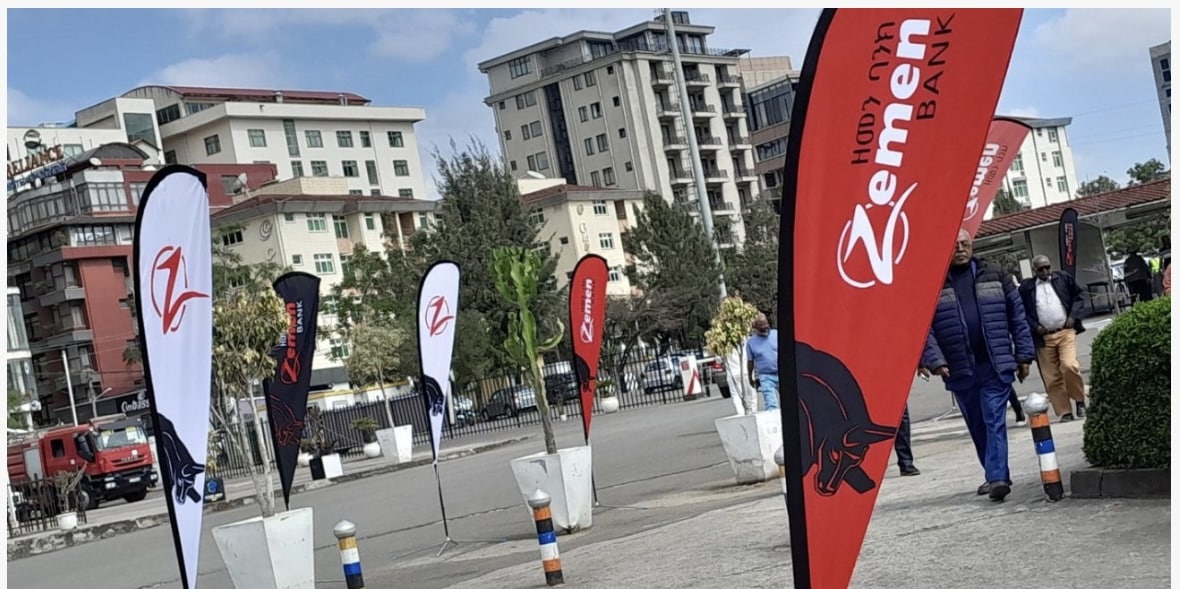
The funding will allow the lender to issue more letters of credit, guarantees, and collections, helping clients navigate Ethiopia’s foreign-currency-constrained market.
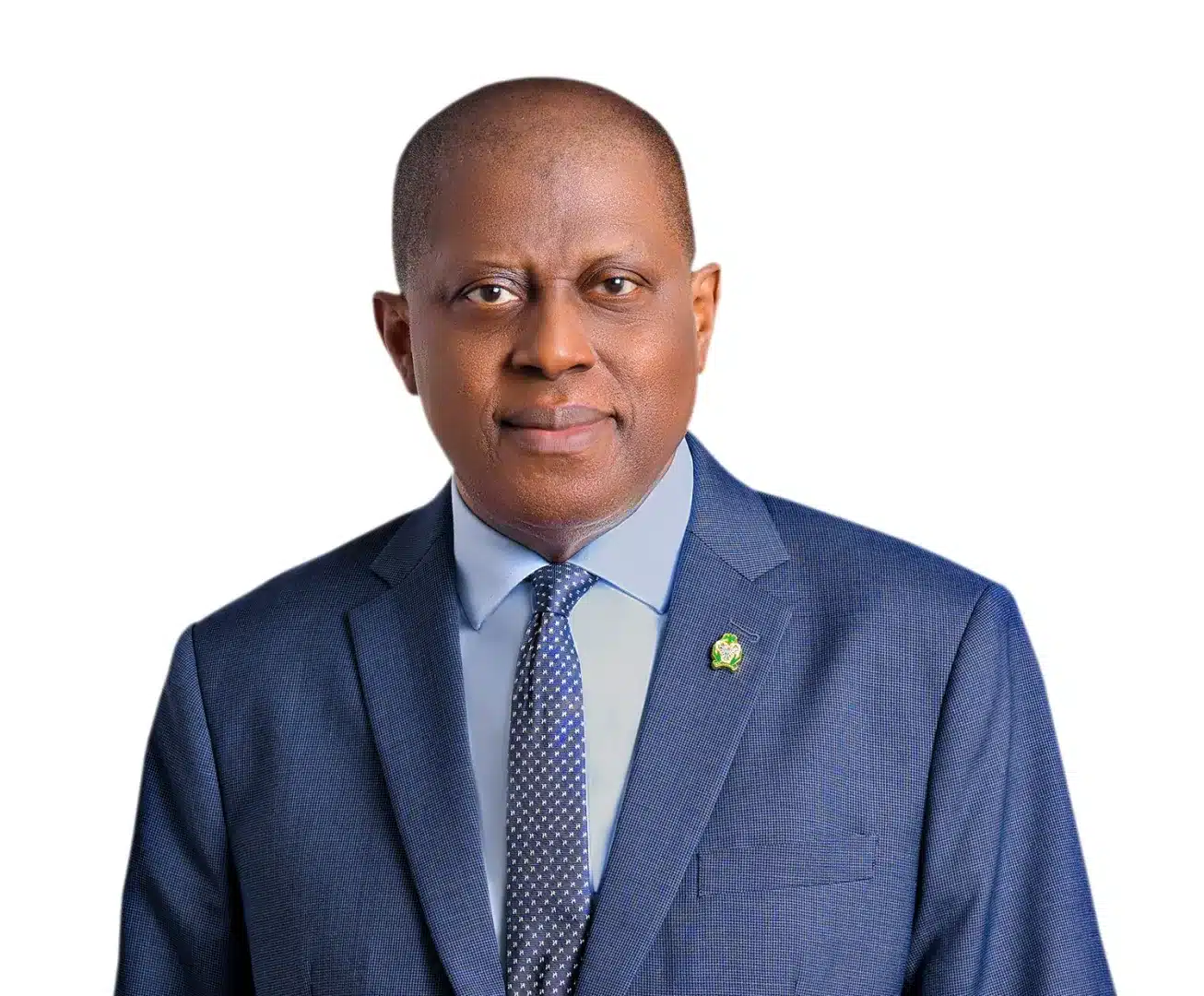
Nigeria’s pause echoes the Bank of Uganda’s decision earlier this month to keep its key lending rate unchanged at 9.75% for the fifth consecutive policy meeting, despite inflation falling to a seven-month low in October.
The long-awaited upgrade reflects marked progress in restructuring Zambia’s external debt, and a strengthening economic backdrop, driven largely by a rebound in copper production.
ExxonMobil said that it has lifted force majeure and resumed development on its $30 billion liquefied natural gas (LNG) project tied to the Rovuma Basin, which has been delayed for years because of a militant insurgency.
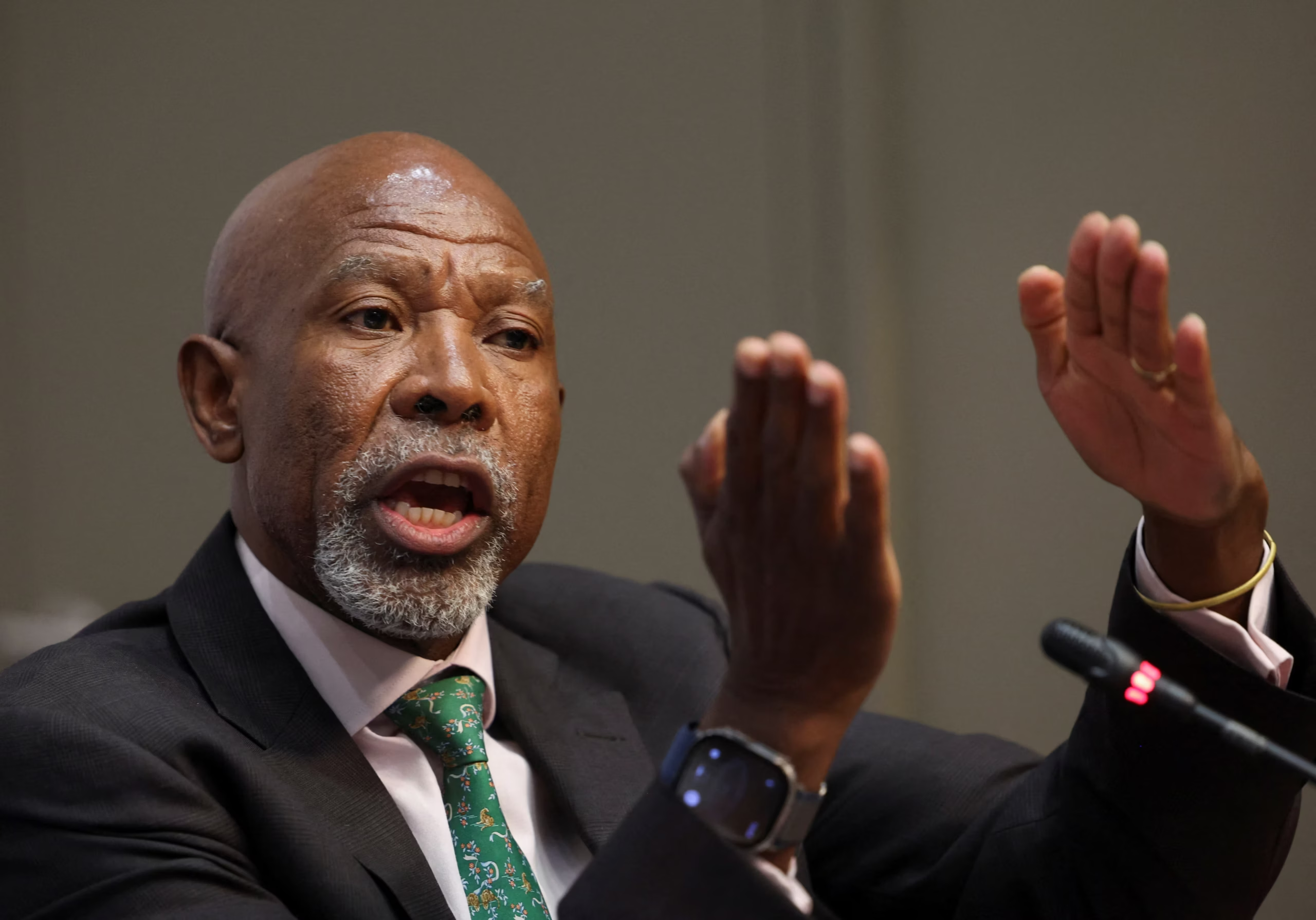
Africa’s most industrialised economy is among several across the continent easing monetary policy this year. Zambia cut its key lending rate for the first time in more than five years, while Nigeria, Ghana, Egypt, and Kenya have also lowered rates.
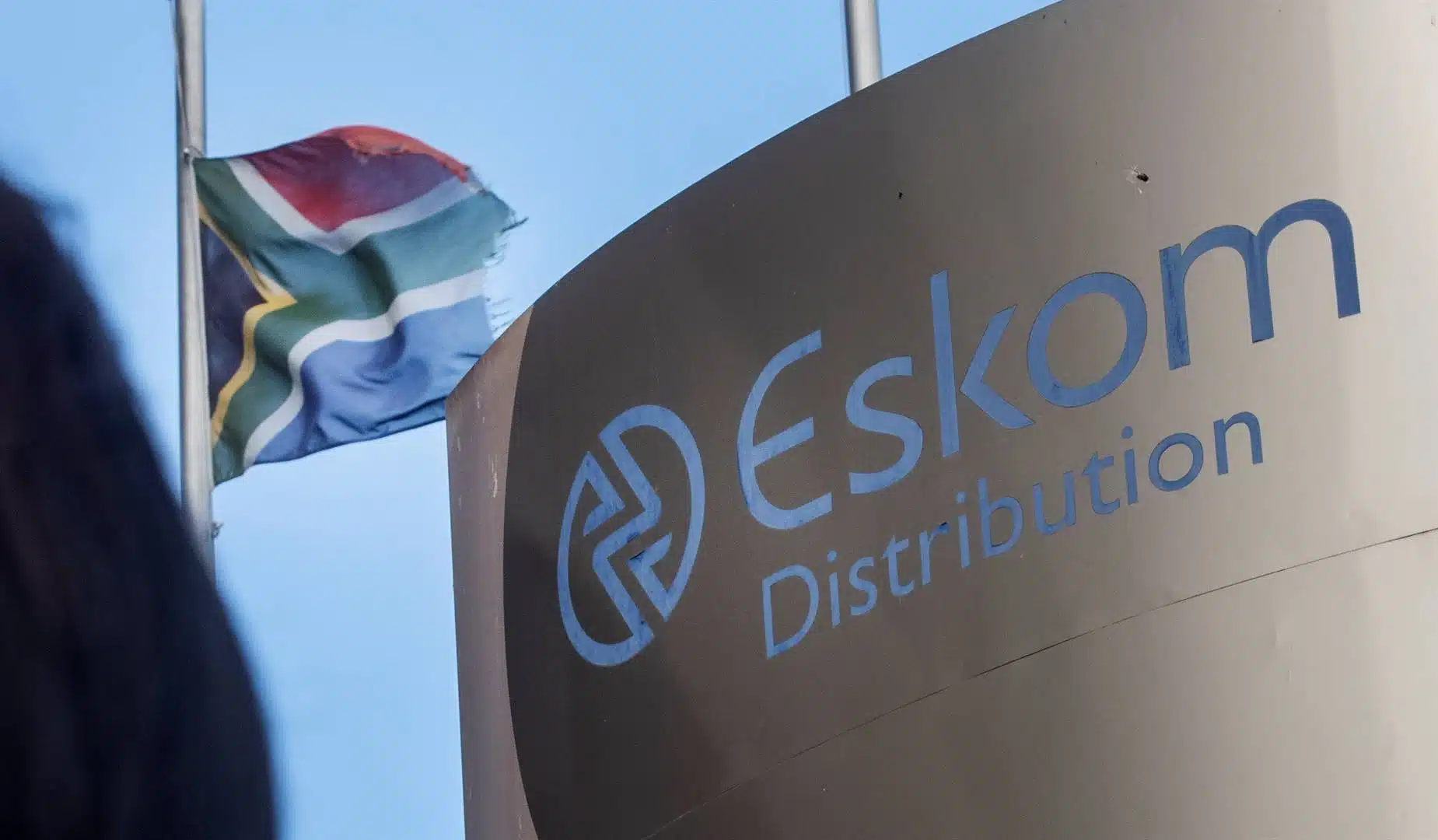
Eskom Chief Executive, Dan Marokane says the power utility cannot complete its long-delayed unbundling until municipalities settle the massive arrears owed to the company.
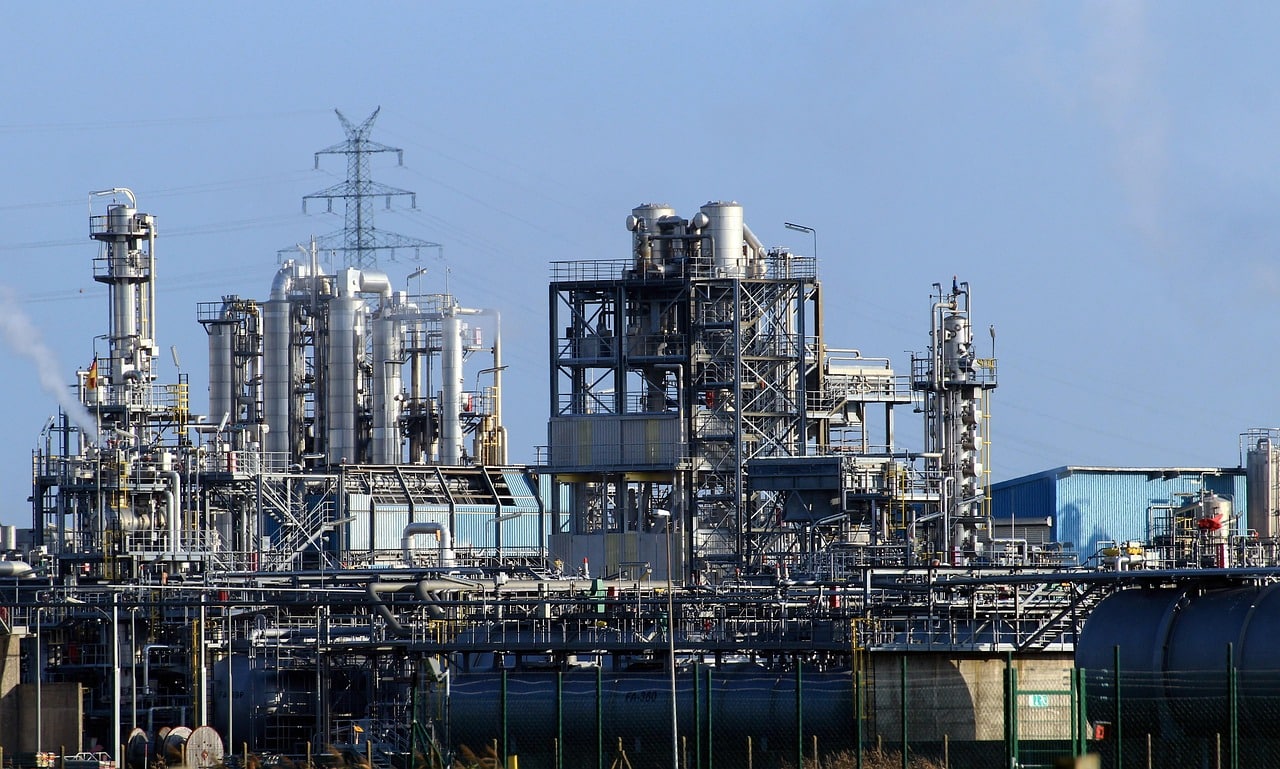
The government of Zambia has issued a licence to China Zambia Petrochemical Energy Corporation Limited to set up a 60,000 b/d crude oil refinery valued at $1.1 billion to meet the country’s fuel demand.
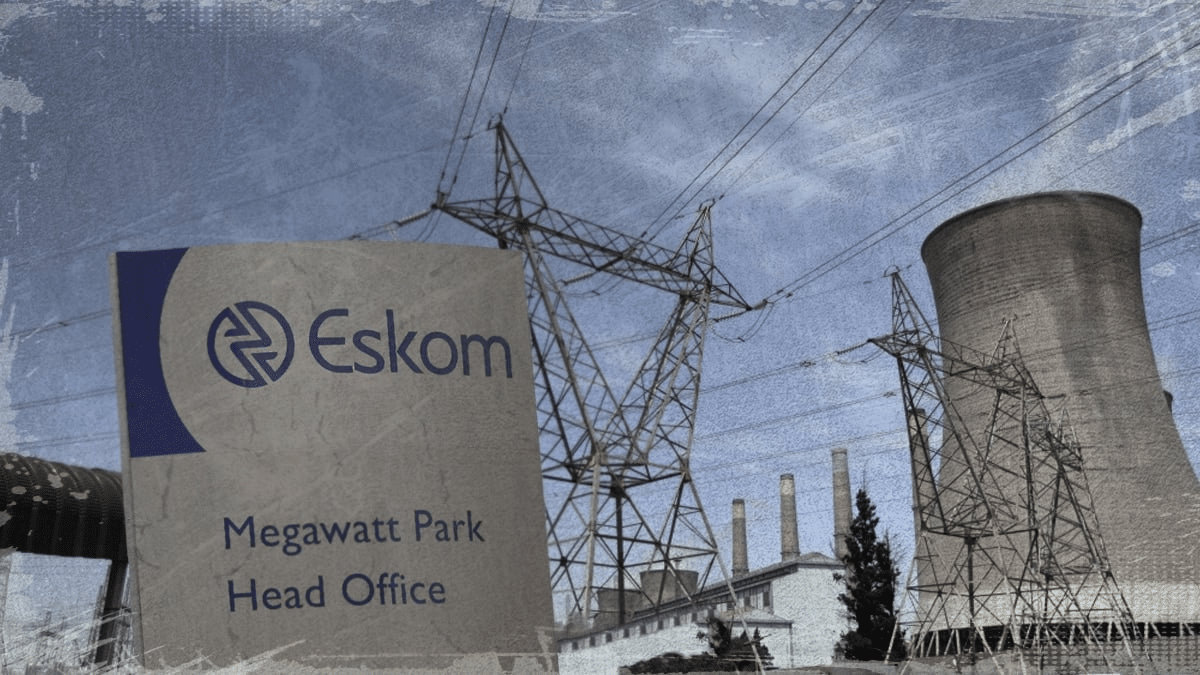
South Africa’s state-owned utility, firm, Eskom has announced plans to end load reduction for 1.69 million customers by 2027 as part of its new Load Reduction Elimination Strategy.
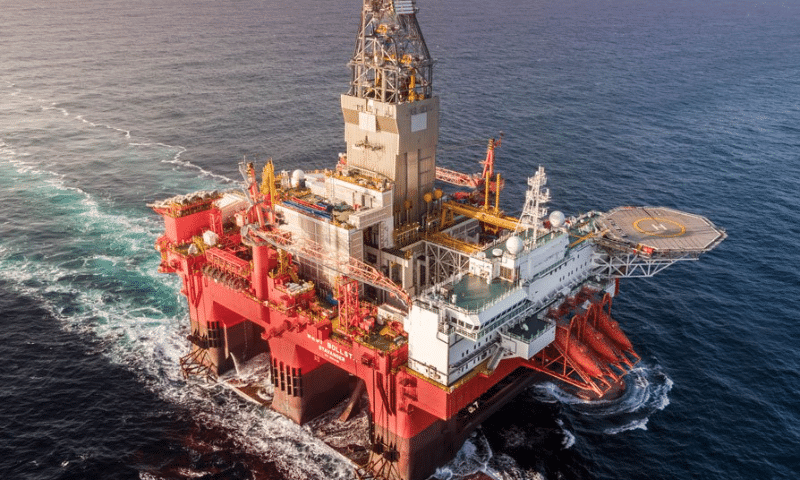
BW Energy has confirmed the presence of hydrocarbons in Namibia’s Kudu block marking another major upstream development that places the desert nation ahead of its neighbour South Africa.
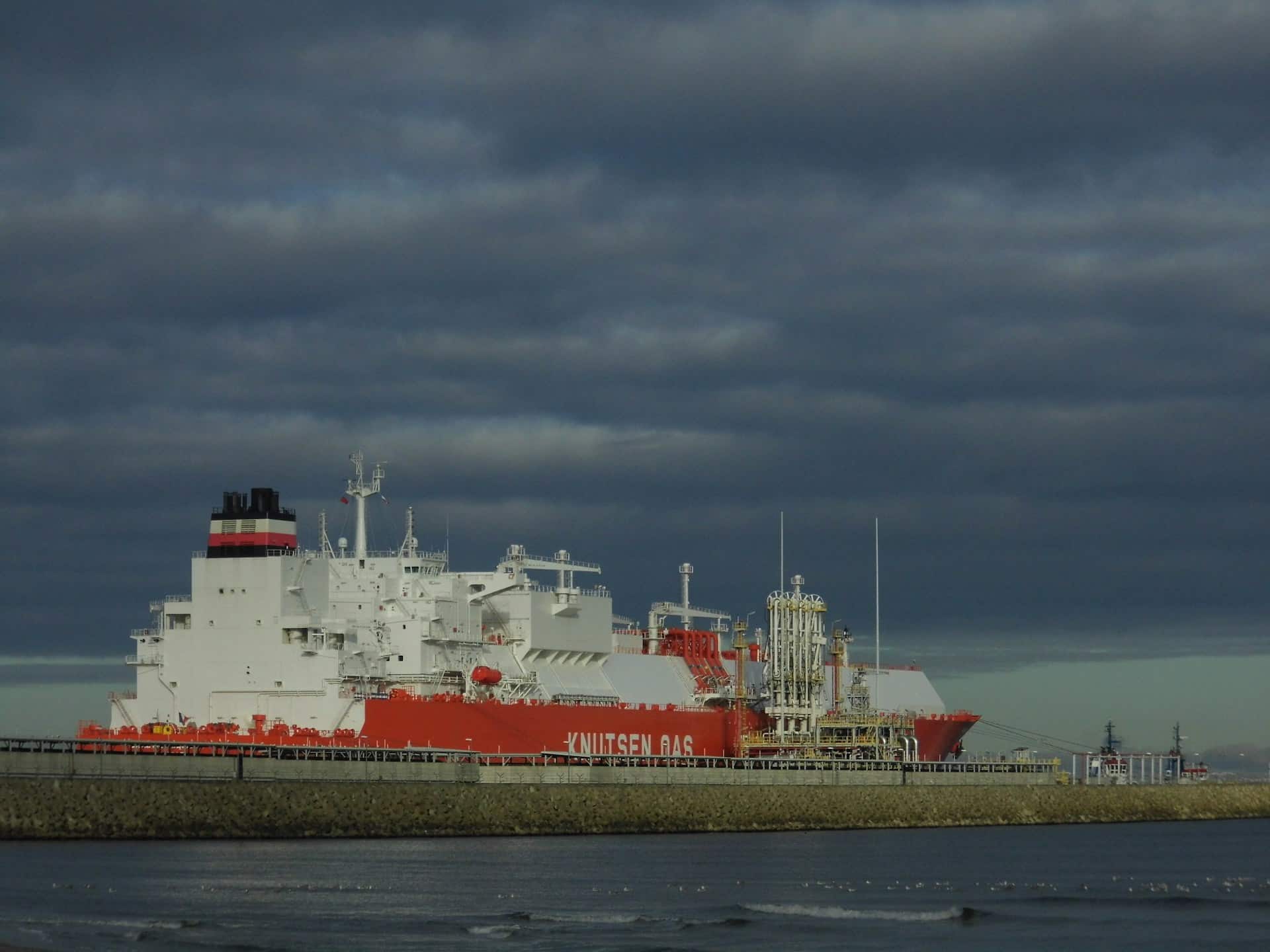
NLNG’s fleet modernisation is directly tied to the success of Train 7, which is designed to expand production capacity by 35% (from 22 mtpa to 30 mtpa).
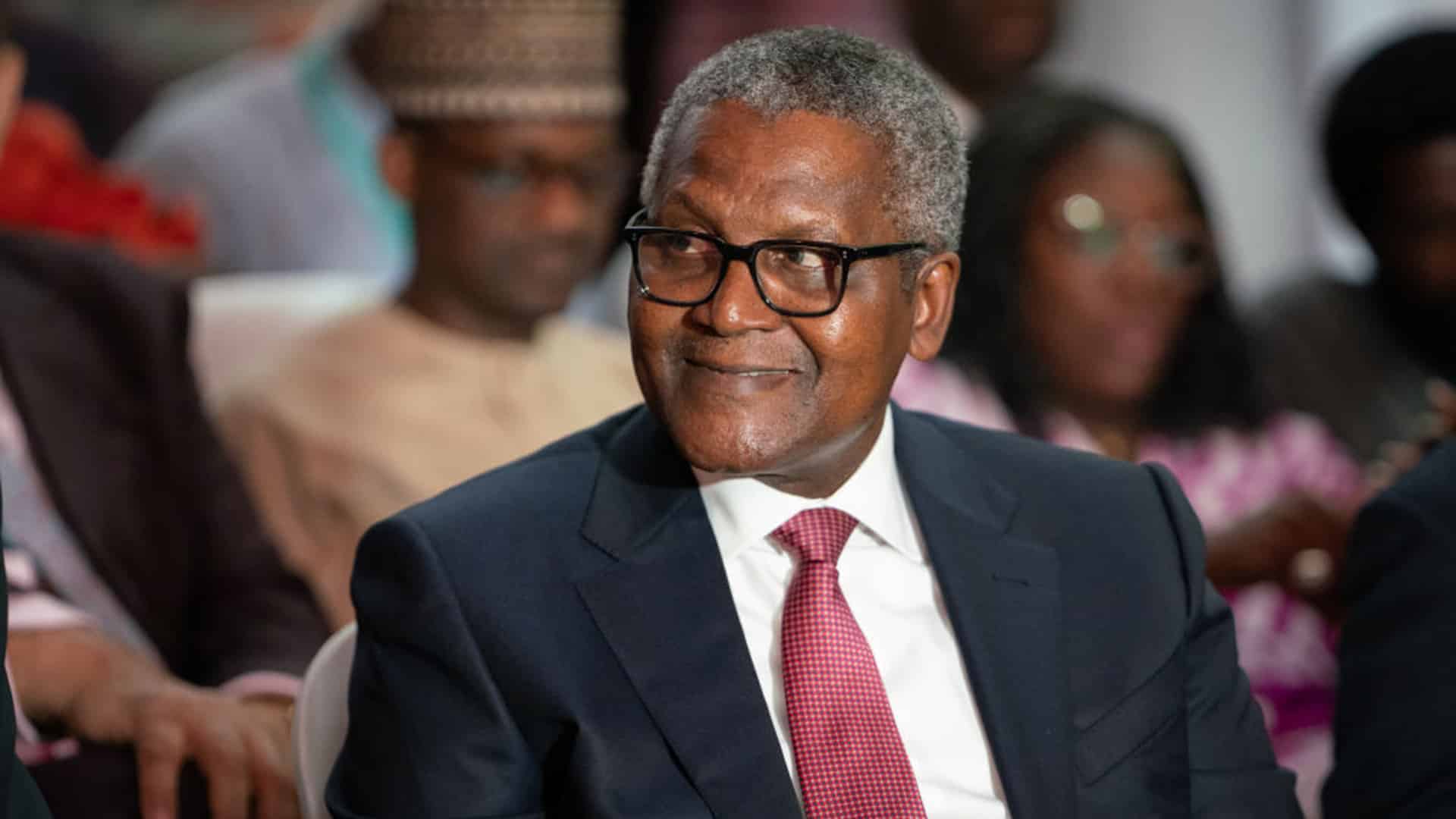
Africa’s richest man, Aliko Dangote has called on African countries, including Zambia, to harness coal for power generation rather than focusing on renewable energy sources such as solar and wind.
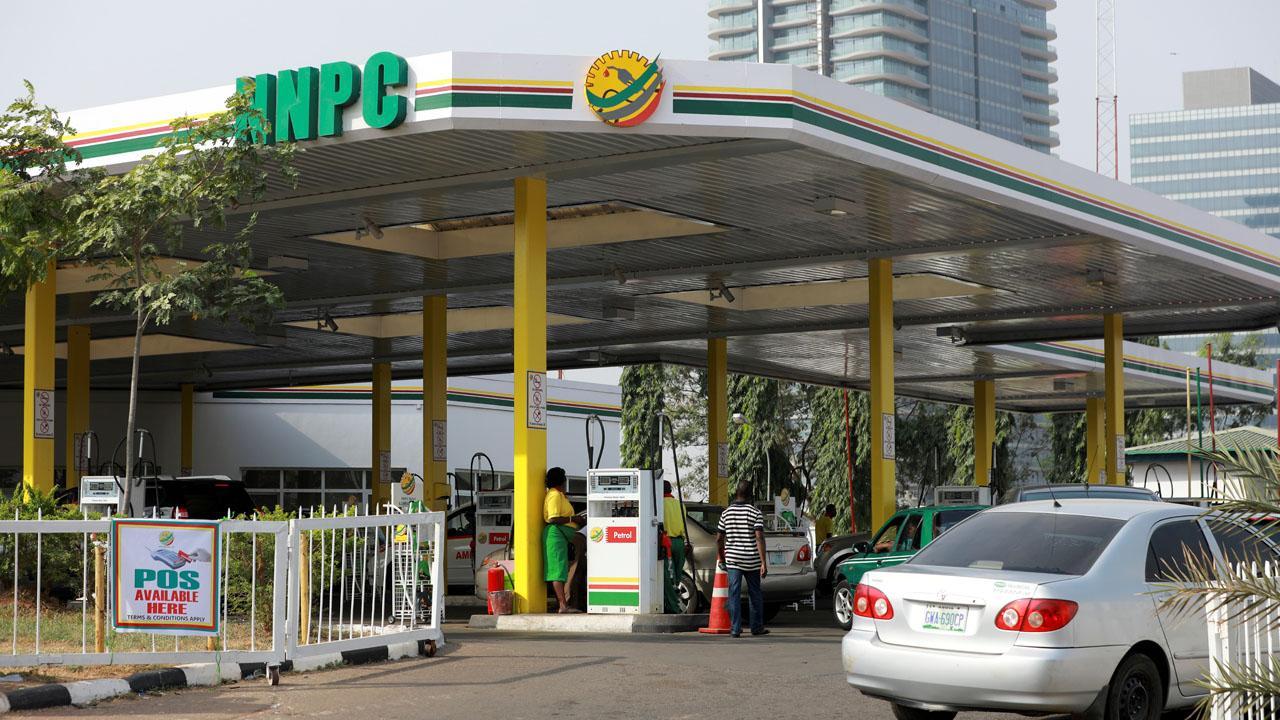
The planned 15% import levy on petrol and diesel in Nigeria, recently approved by President Bola Tinubu to encourage domestic refining, has only been deferred to the first quarter of 2026—not cancelled.
