

Top stories
Insights
Top stories
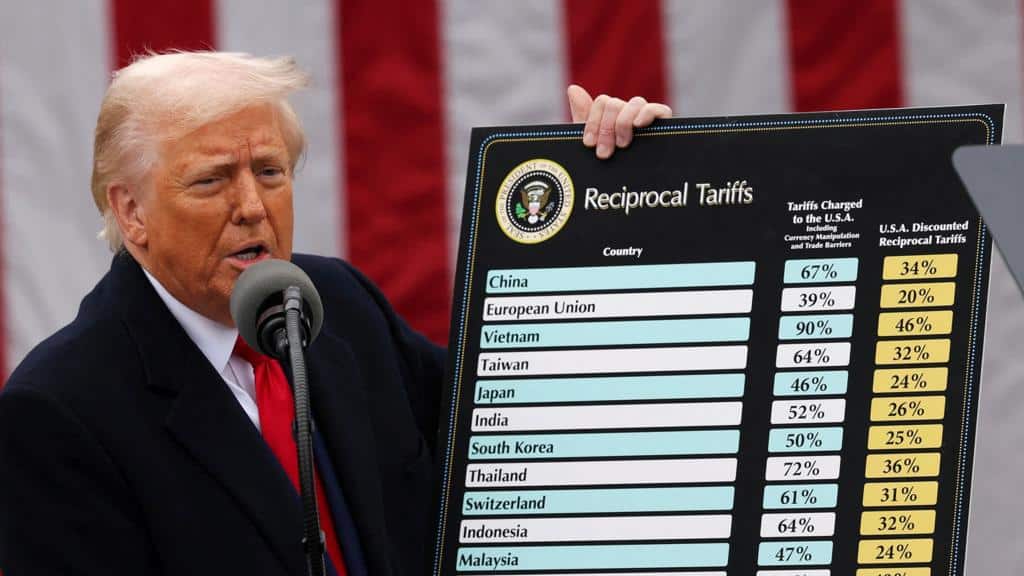
Withholding tax , Revolut’s South Africa landing, asset and Trump’s Africa tariff list—here’s what mattered last week on Finance in Africa
In this special report, we examine the top 10 African countries targeted by the Trump administration’s new “reciprocal tariffs” and compare the claimed rates to the actual WTO-verified tariffs — both simple and trade-weighted.
Revolut plans to enter South Africa, but regulatory, tax, and labour hurdles could complicate its digital banking expansion.
The Africa Energy Bank (AEB), with an initial capitalization requirement of $5 billion, has received significant financial commitments from several African nations.
Bank profits, MoMo transfers, AGOA drama, and Nigeria’s new revenue system— catch up last week’s top African finance stories

TMRAS introduced by Nigeria’s OAGF has left Nigerians confused on the position of Remita. This article answers questions about the revenue system.
How Nigeria’s new revenue collection system, TMRAS, will impact businesses, government revenue, and tax compliance.
President Trump’s recent trade wars evoke fear that Africa duty-free export program (AGOA) may not be extended when it expires in September.
South Africa’s minibus taxi industry dominates public transport but pays little tax. Here’s why enforcing compliance remains a challenge.
The massive roll-out of policies in Donald Trump’s era is creating an uncertain market with African bourses receiving their fair share
South Africa’s performing brokers contribute significantly to the substance of transactions on the Johannesburg securities exchange
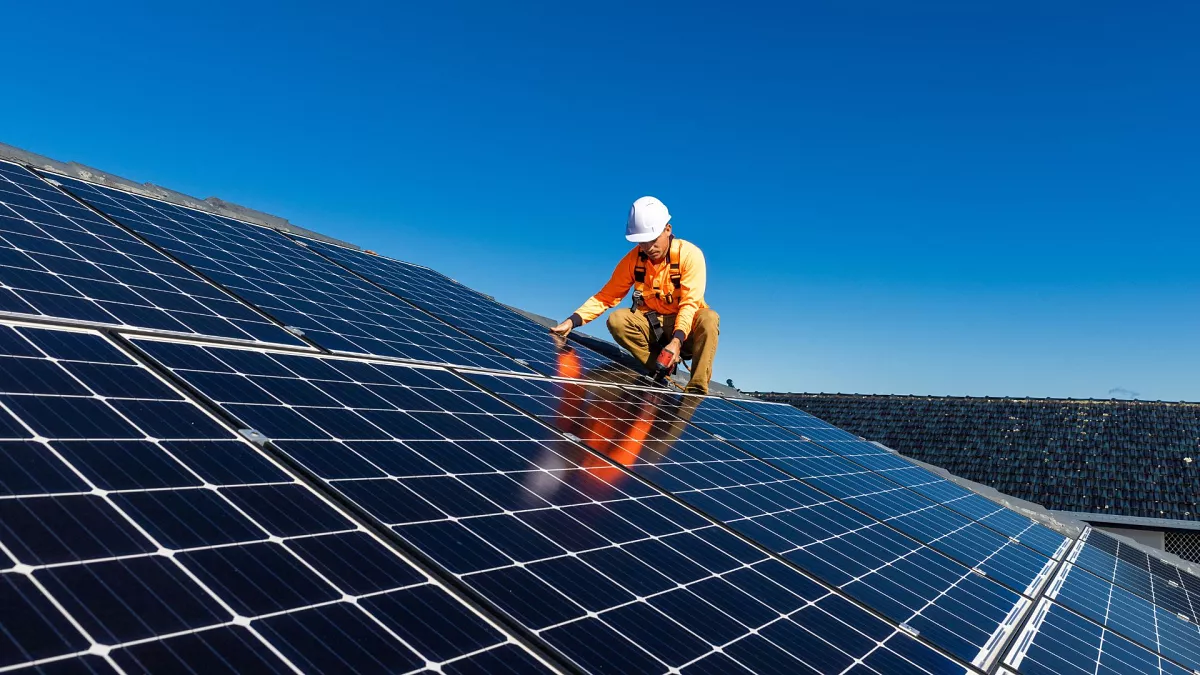
In recent years, Nigeria has grappled with significant challenges in its energy sector, leaving millions of households and businesses without reliable access to electricity.
For a long time, the banking sector in Ethiopia now has been dominated by local players, but recent policy changes could bring in foreign juggernauts.

Despite economic turmoil and humanitarian pressures from regional conflicts, Egypt’s bold market reforms have positioned it as a magnet for global investment.
Nigeria’s digital tax invoicing may increase compliance costs for businesses earning over $66k, with concerns over infrastructure and implementation.
We intend to point out women who are doing remarkable work in the insurance industry across different countries in the African continent.
African leaders have big hopes for the continent’s first-ever indigenous credit rating agency set to launch in June. A successful AfCRA could bolster global perceptions of risk in African economies, attracting more foreign investments and freeing up capital for critical sectors.
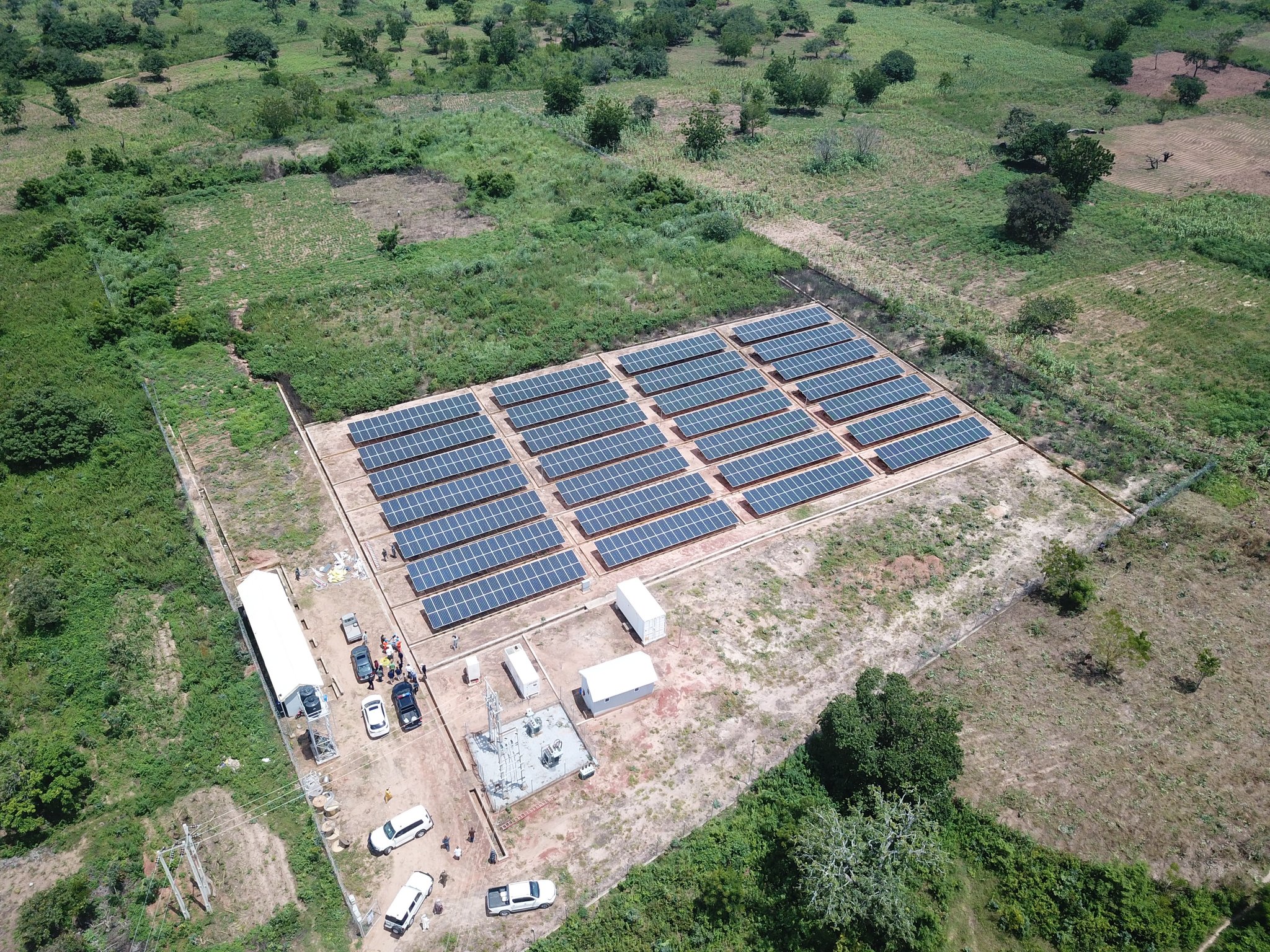
This situation is particularly pronounced in rural communities, where the absence of electricity perpetuates poverty, stifles economic growth, and limits access to essential services such as education, healthcare, and clean water.

Nigeria’s $4B ground rent audit could unsettle lenders, Ghana halts its Gold-for-Oil scheme, and Big Oil invests $13B in Africa’s energy. Central banks remain vigilant as inflation risks persist.
Despite the global energy transition, oil majors are betting big on Africa—with $13B in new investments flowing into the sector. Who and what’s driving the money, and what should investors and lenders look out for
