

Top stories
Insights
Top stories
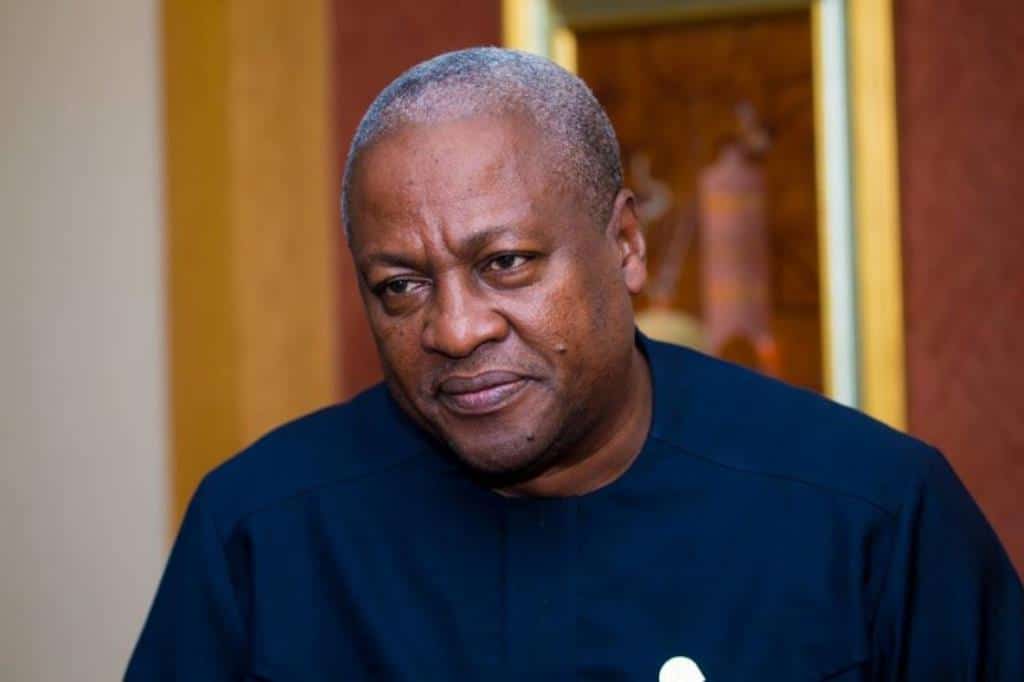
Ghana’s power sector is deep in debt, owing over $1.5 billion to private producers. The government now faces a tough balancing act—renegotiate contracts, prevent blackouts, and keep the grid running without plunging further into crisis.
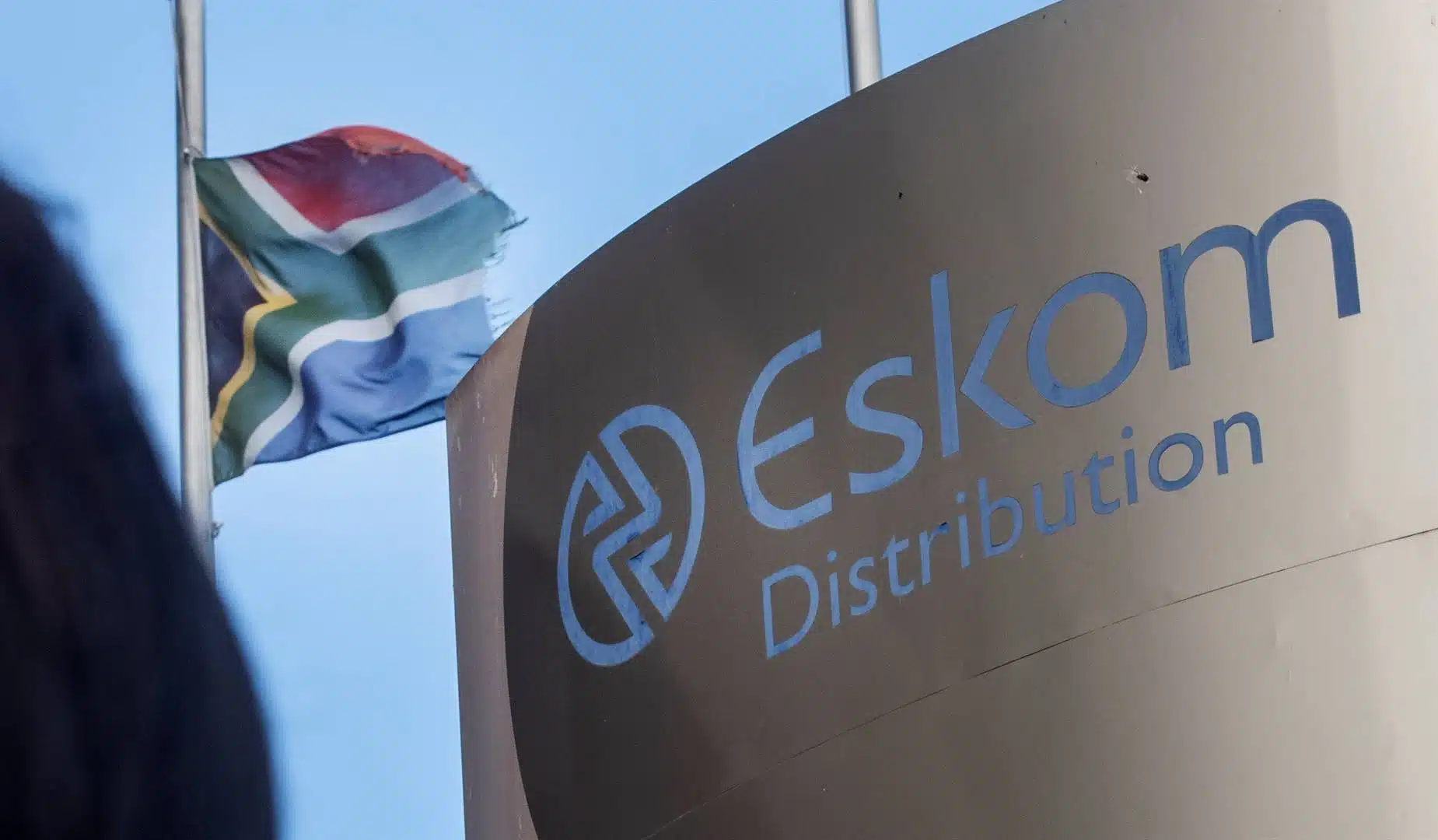
South Africa’s state-owned power utility, Eskom, has revealed that it will exit coal completely and transition fully to cleaner energy sources by the year 2040.
Zenith Bank, one of Nigeria’s largest financial institutions, saw its market capitalisation cross the ₦3 trillion ($2.04 billion) mark on Wednesday, a week after GTCO achieved the same feat.
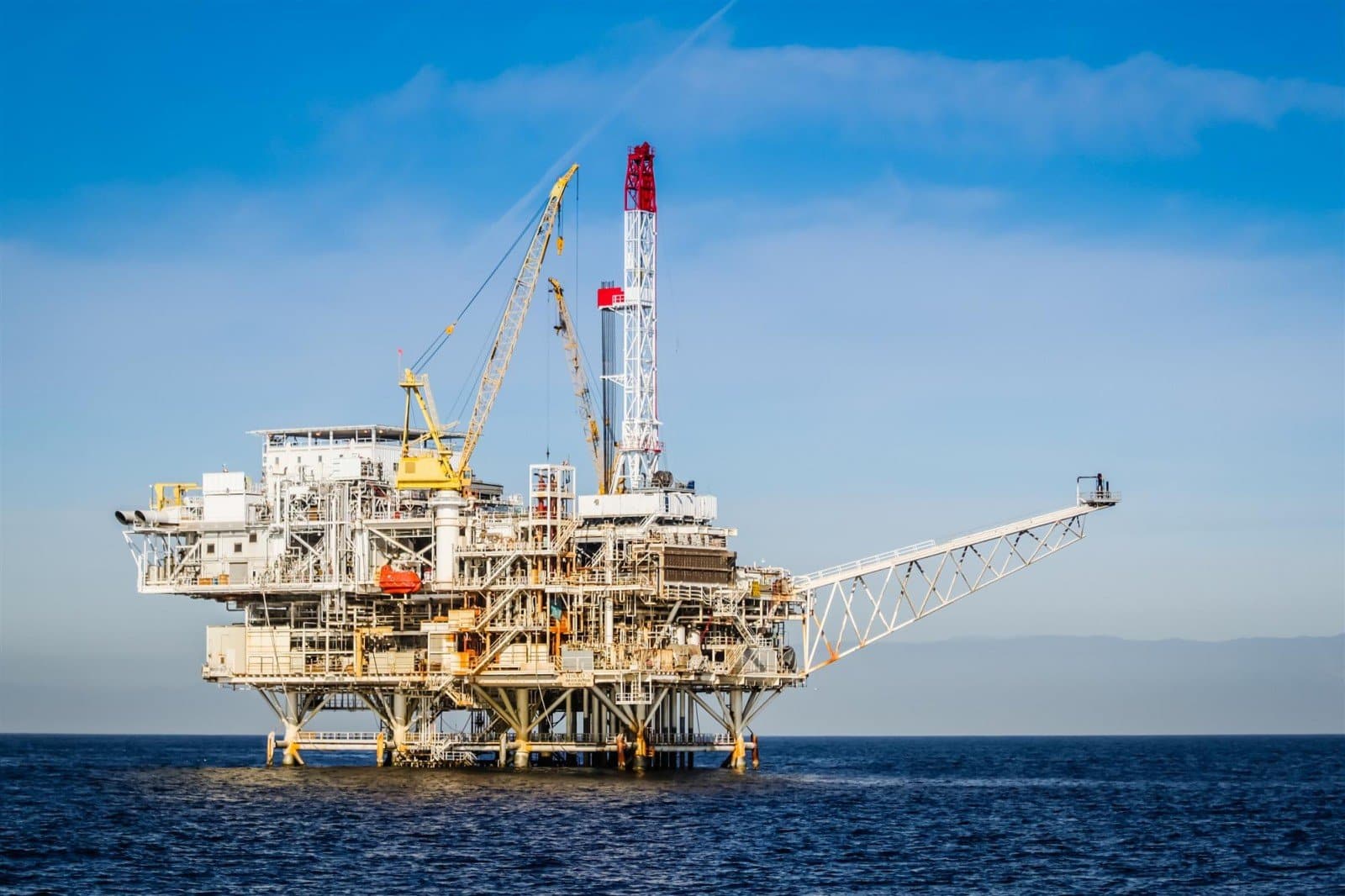
Nigeria’s oil rigs have increased in recent times from merely 8 to 46, indicating an improvement of activities in the sector. But what does this really mean for the nation’s oil sector?
According to the 2024 Taxes and Charges Study by the African Airlines Association (AFRAA), international passengers departing from African airports pay an average of $68 in taxes and fees—up from $66 in 2022 and $64 in 2020.
Aliko Dangote, Africa’s richest man, is placing a bold $3 billion bet on Ethiopia—choosing the East African country as the site of his next mega fertiliser plant.
The research firm projects a 150 basis point cut in the Monetary Policy Rate (MPR) to 26.0% by year-end. If implemented, the cut would mark the first rate reduction in nearly five years.
The number of individuals with over $1 million in liquid assets in Nigeria dropped by 53% between 2014 and 2024, falling from 15,000 to 7,200. This marks a loss of 7,800 dollar millionaires over the period, the second-largest drop among 59 countries analyzed
Namibia’s FDI performance significantly outpaced Botswana — its economic counterpart, whose total stock stood at $6.5 billion in 2024 despite recording steady growth over the past decade.
Guaranty Trust Holding Company Plc, one of Nigeria’s Tier 1 banks, is set to launch raise about $100 million dollars, ahead of Bank’s minimum capital requirement amid delisting from the ADR on the London Securities Exchange.
Nigeria has introduced tax reforms that scrap three key taxes for small businesses but tripled the capital gains tax (CGT) rate for corporations.

Nigeria has taken a bold step toward overhauling its tax system. So, what exactly has changed—and what does it mean for employees, companies and investors?
Explore the mechanics and infrastructure choices behind offline-first fintech in Africa. In Africa, products are engineered to survive (and thrive) where the signal fails. If you work in product or engineering in Financial services, this is for you.
Nigeria, Africa’s most populous country, has yet to release its real Gross Domestic Product (GDP) data for the first quarter of 2025, and there’s cause for concern.
Nigeria’s biggest bank by asset base has established a reputation for inorganic growth through aggressive mergers and acquisitions. It’s not the only bank expanding, but it’s doing this in markets few dare to go.
Egypt, one of the biggest economies in Africa, received the most Foreign Direct Investment (FDI) in 2024, pushing it to the top 10 global destinations for FDI
In a sweeping overhaul of Nigeria’s credit system, the Federal Government has announced that all citizens’ credit scores will soon be linked to their National Identification Numbers (NIN).

Despite its abundant potentials, some segments of Africa’s creative industry like movies have failed to deliver returns making investors sceptical in committing significant funds to creative ventures.
The banking index of the Nigerian stock market has dipped by as much as 4.17% since Nigeria’s apex bank ordered banks under regulatory forbearance to halt dividend payment
The scale of the exposure emerged just days after Nigeria’s apex bank ordered lenders with unresolved forbearance loans to suspend dividend payouts, delay executive bonuses, and freeze new investments in offshore subsidiaries.
