

Top stories
Insights
Top stories
The cost of cooking a pot of Jollof rice—a staple across West Africa—has surged in both Nigeria and Ghana, reflecting the deepening impact of food inflation on household budgets.
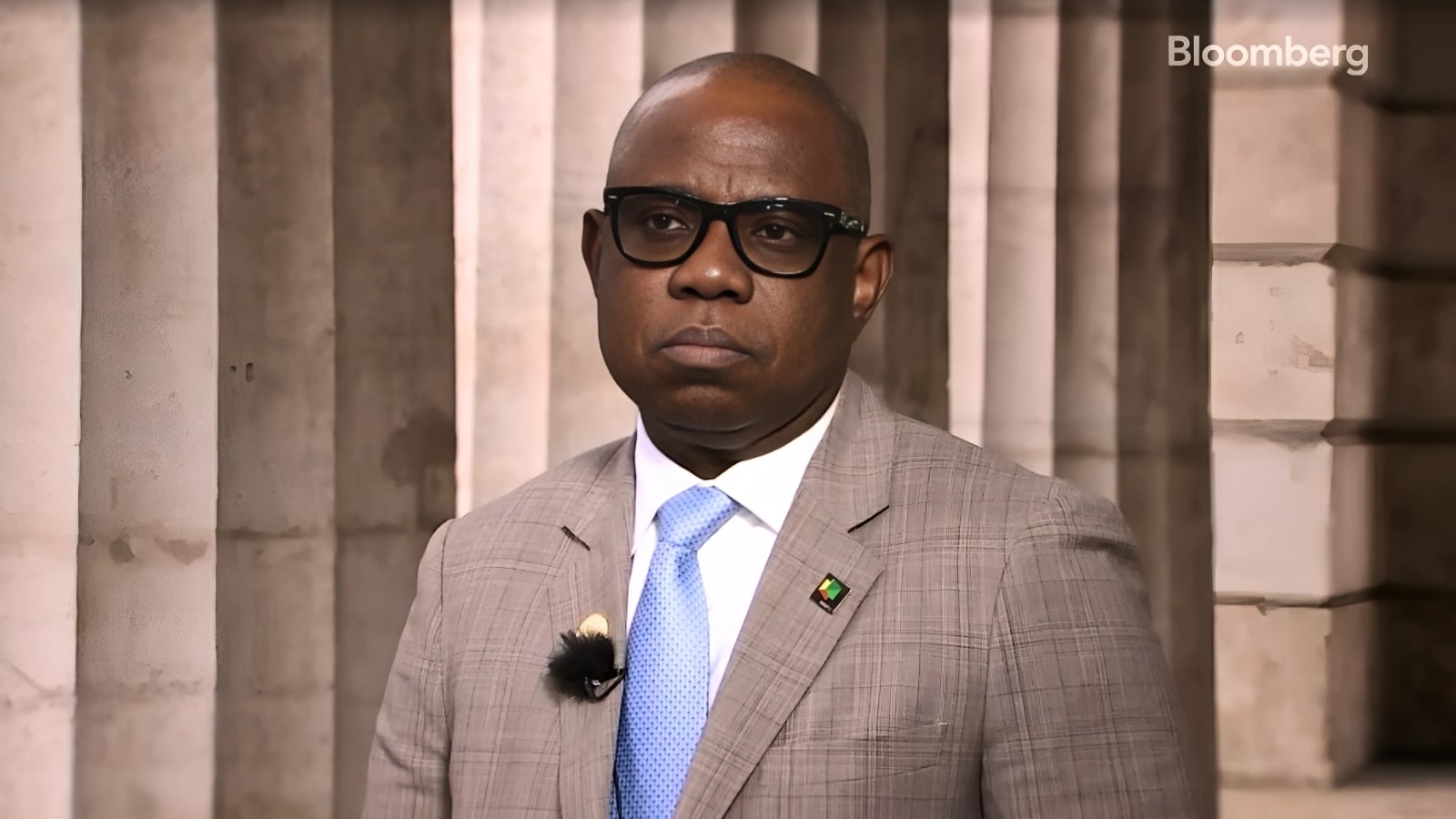
When Bashir Ojulari stepped in as the new Group CEO of NNPC Limited in April 2025, many Nigerians didn’t just see a leadership change; they expected reforms in an energy institution long plagued by opacy, secrecy, and absence of public trust.
The facility, built under his company Pacific Energy, poised to be the largest privately-owned thermal power plant in the country, awaits connection to the national gas grid to commence operations.
Financial inclusion is gaining pace in sub-Saharan Africa; about 58.2% now have access to a bank account, more than double the 23.11% recorded in 2011.
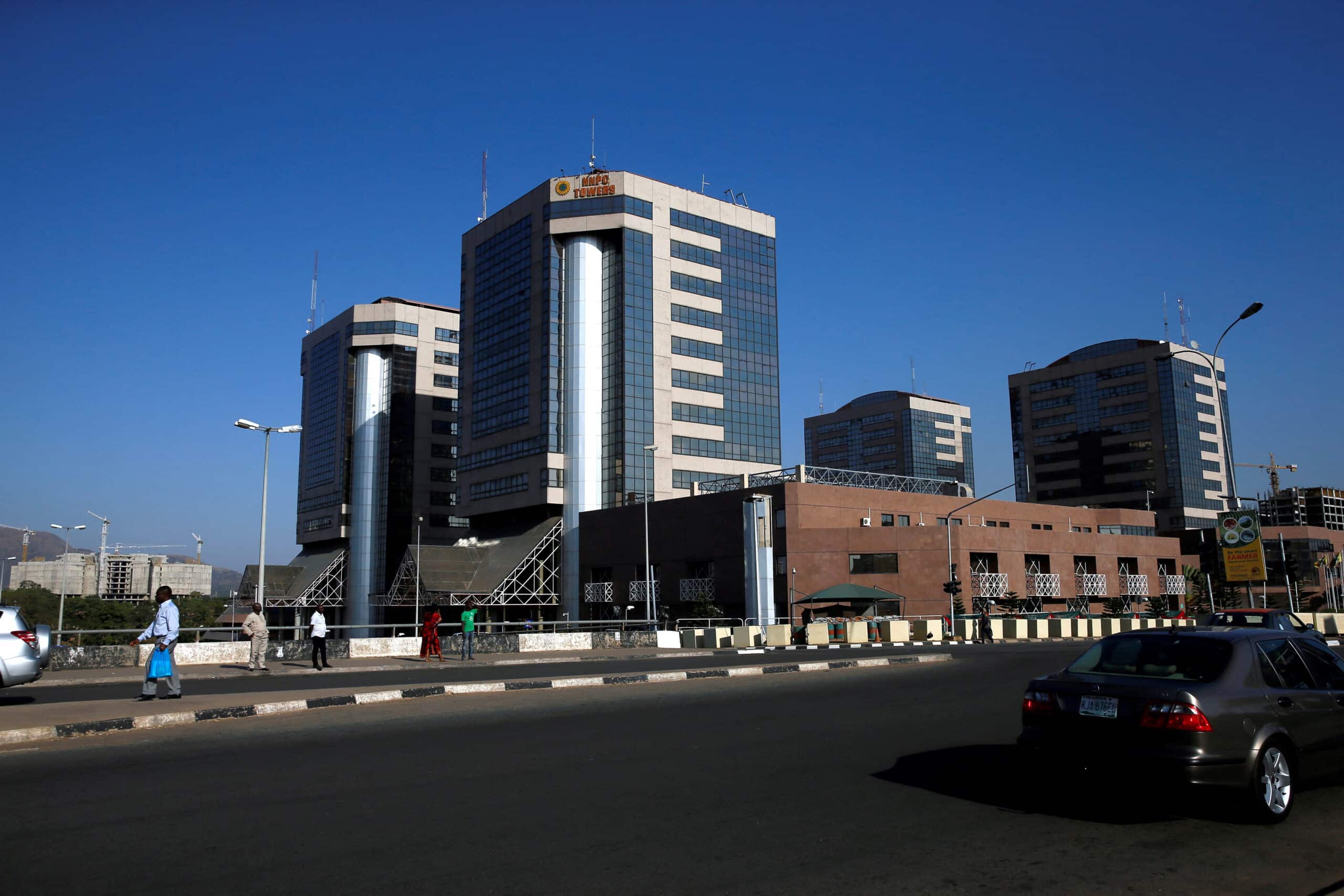
The Nigerian National Petroleum Company (NNPC) Limited has released its operational performance report for June 2025, providing insights into key production metrics, gas performance, sales volumes, and strategic infrastructure updates across the country.
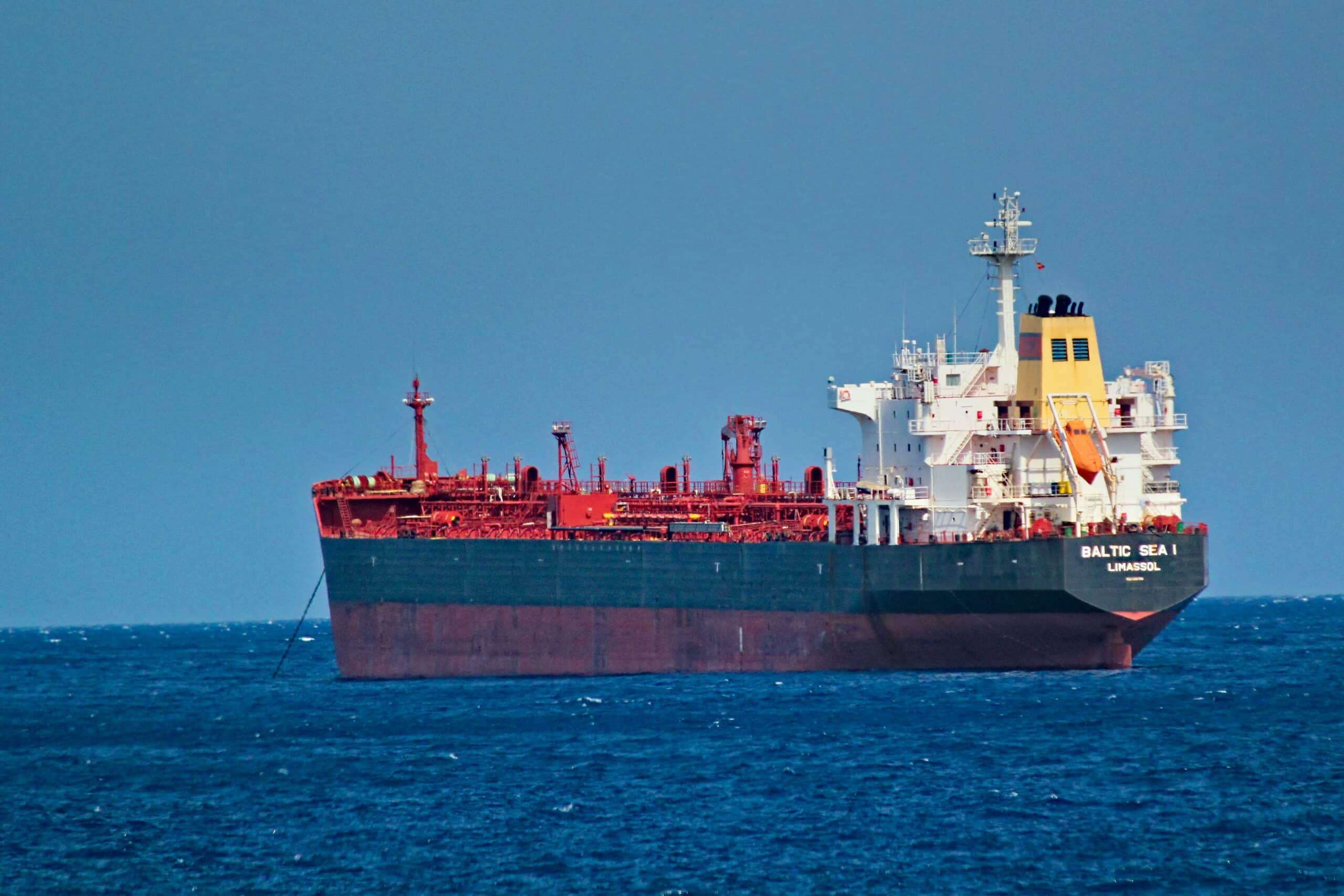
The United States has, for the first time, exported more crude oil to Nigeria than it imported from the West African nation, according to a new report by the U.S. Energy Information Administration (EIA).
Following the completion of a comprehensive GDP rebasing exercise, the NBS has revealed that Nigeria’s economy was significantly undervalued by an estimated $64.45 billion in 2024 alone.
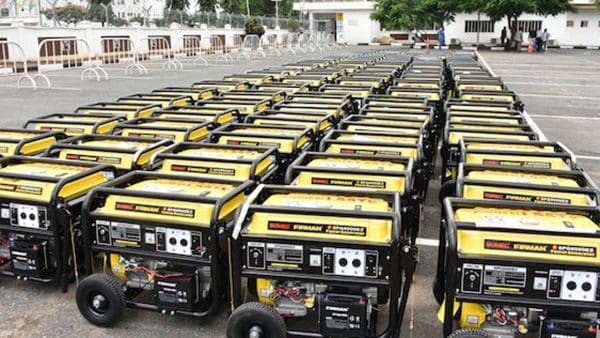
Nigeria’s generator import market is booming, driven by the country’s electricity crisis. A recent report shows that about $218 million was spent on imported generators in 2024 alone. But which countries dominate this market?
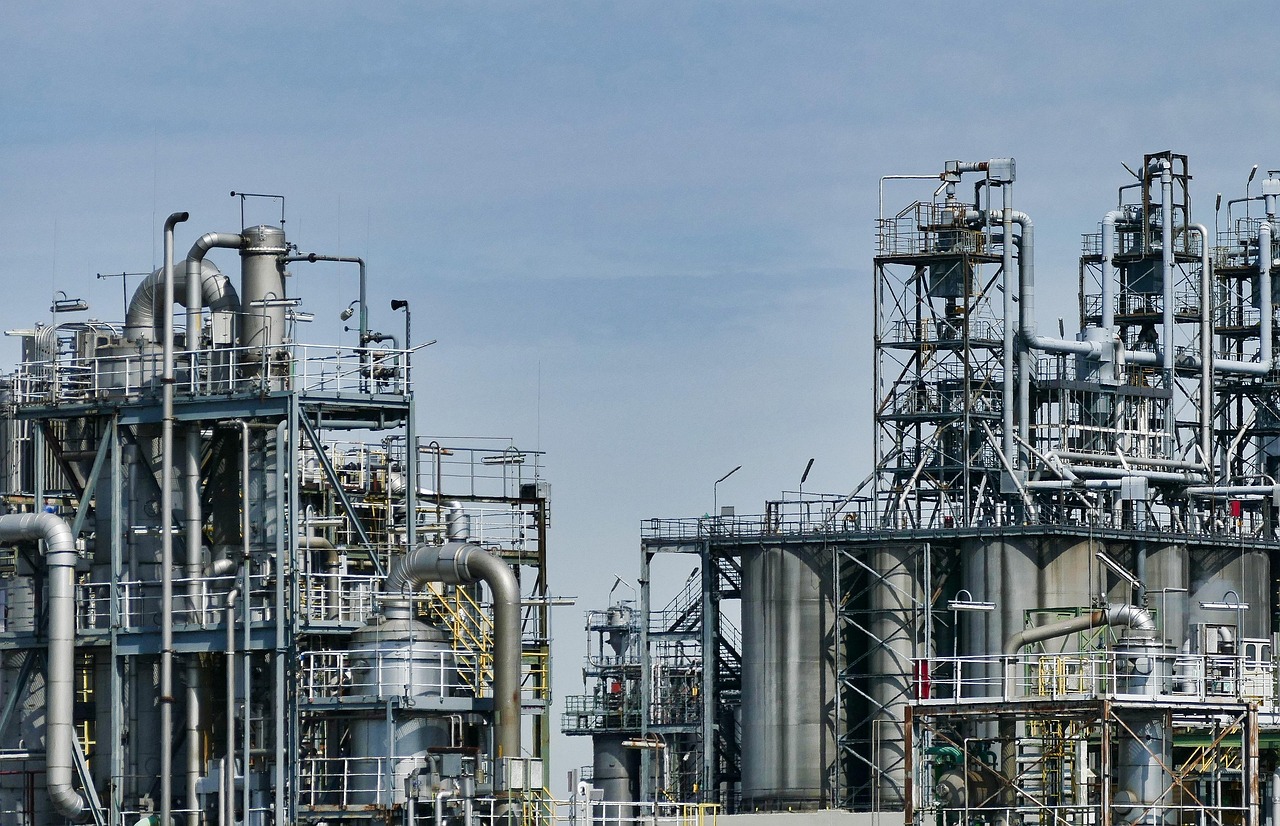
Zambia has signed a deal with a Chinese engineering firm to build a $1.1 billion crude oil refinery that could significantly reduce its fuel import bill.
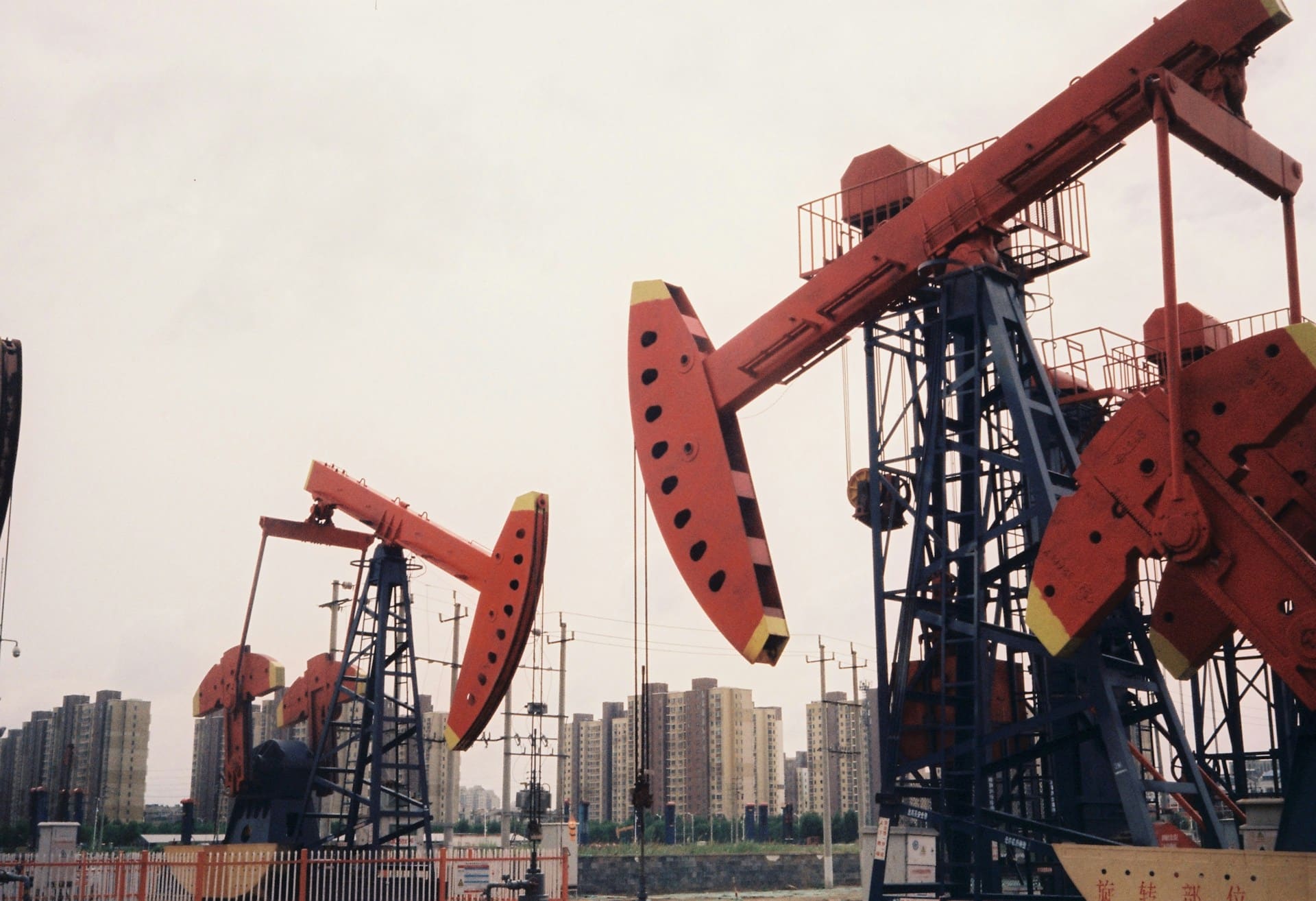
First Exploration & Production (First E&P) has reached a memorandum of understanding (MoU) with Tanzania Petroleum Development Corporation (TPDC) to assess and develop potential hydrocarbons in Tanzania’s Mnazi Bay North block.

The park itself has a total combined generation capacity of 1.8 gigawatts (GW) and features over 32 million solar PV panels. At full capacity, the park is expected to generate 3.8 terawatt-hours (TWh) of electricity annually.
Despite its small size, Lesotho was among the hardest hit when US President Donald Trump announced what he described as “reciprocal tariffs” on all of America’s trading partners on April 2.
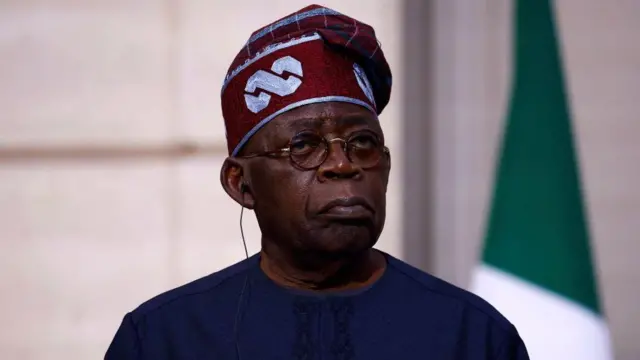
Before the 2023 election, President Tinubu pledged to solve Nigeria’s persistent electricity crisis within four years. He boldly declared that if he failed, voters should not re-elect him in the next cycle. As 2027 approaches, the oppositions are now taking Tinubu at his words.
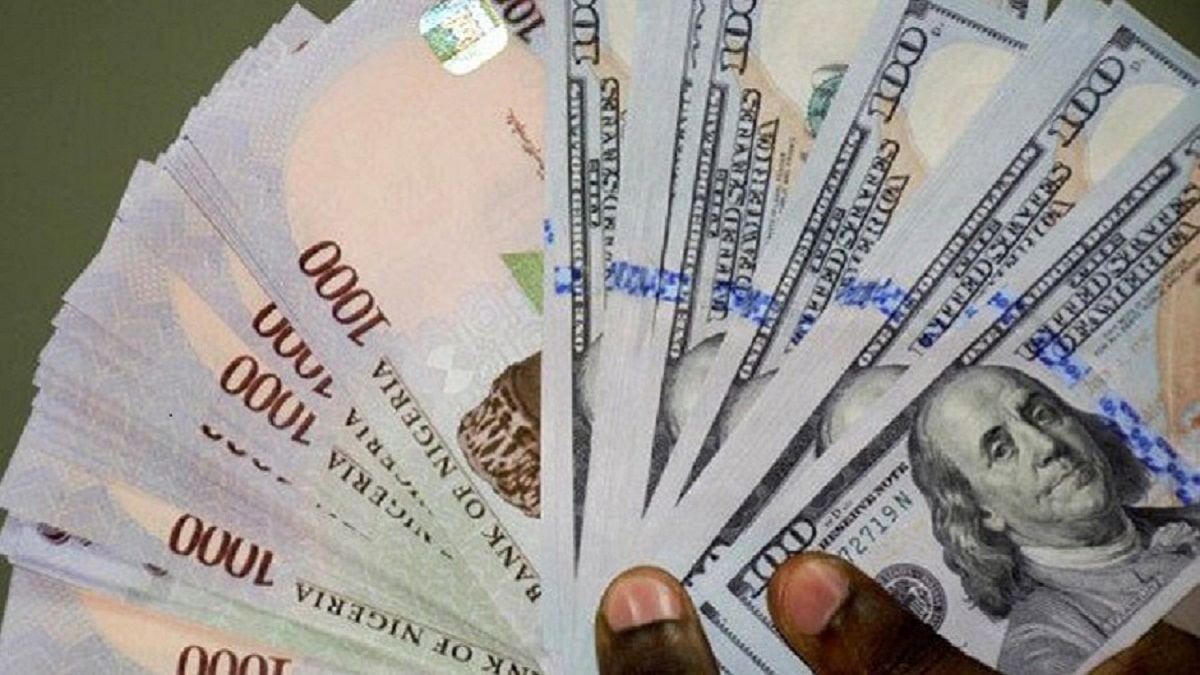
In H1 2025, revenue from exchange rate gain dropped by over 73% compared to the same period last year, highlighting the impact of a more stable naira and fewer arbitrage opportunities.
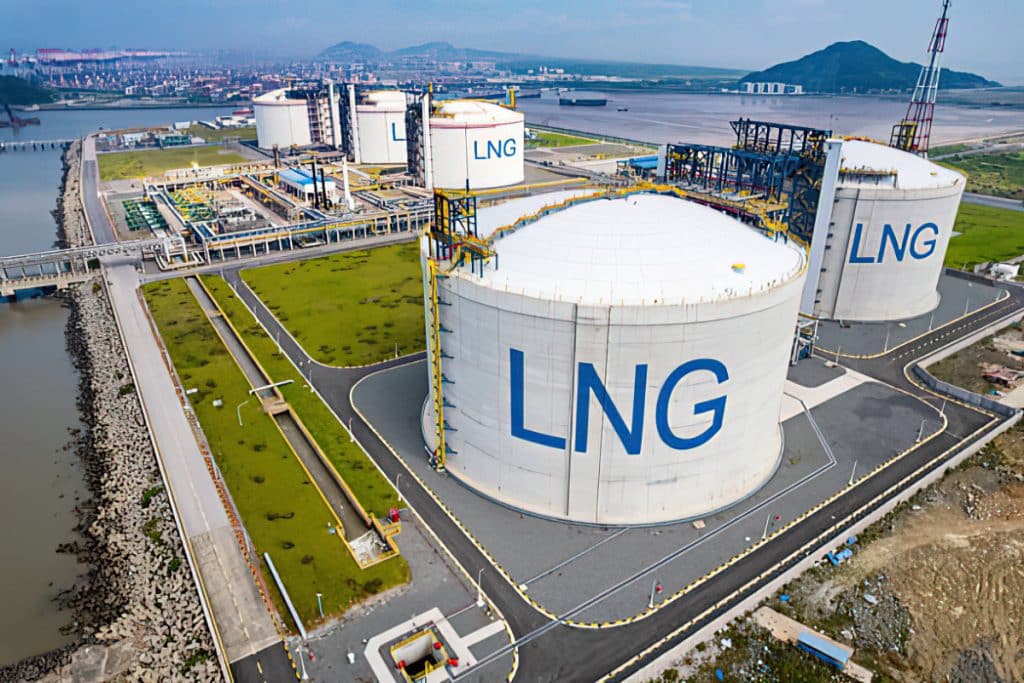
In the global race to transition toward cleaner energy and maximize domestic value from natural resources, Nigeria and Angola—Africa’s two largest oil producers—are making noticeable efforts.
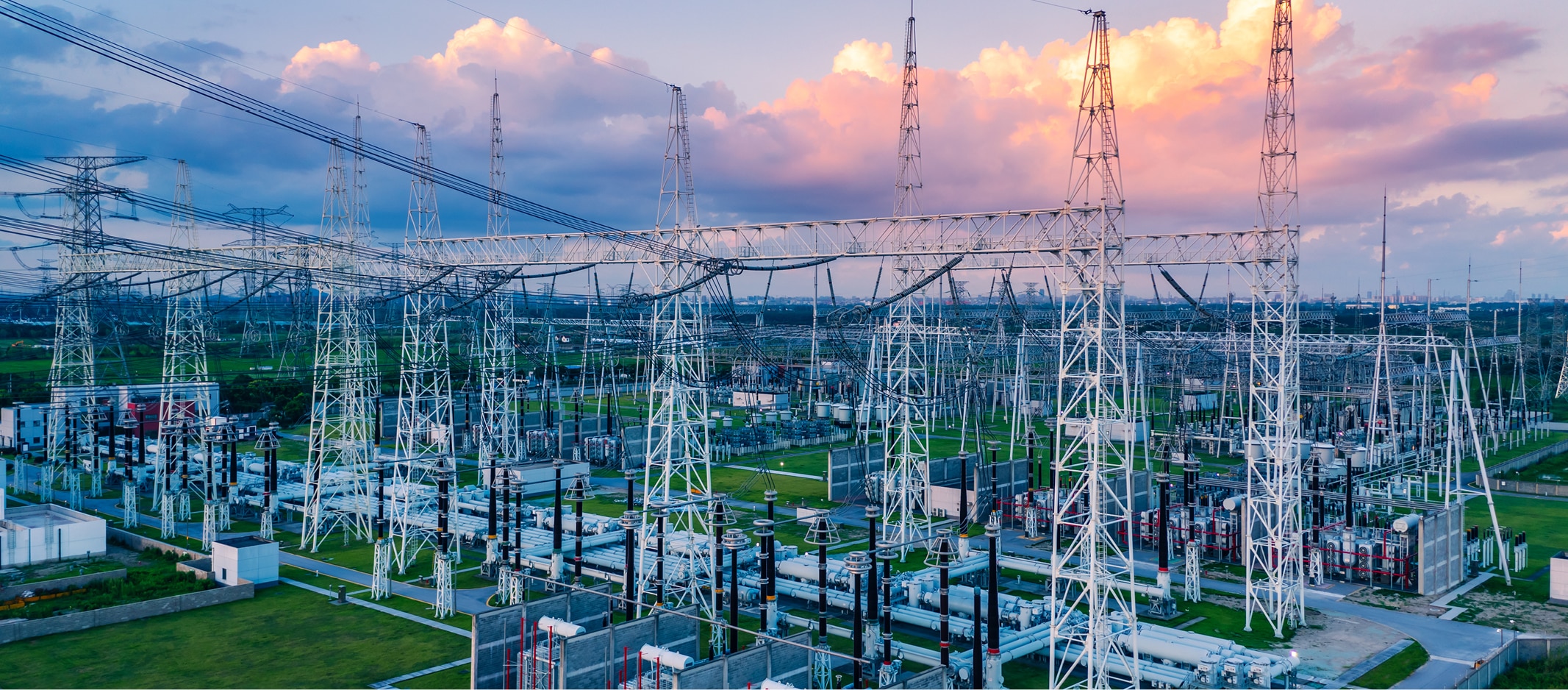
At a time when several African countries are scaling back subsidies to contain deficits, Namibia’s choice to expand support for electricity access stands out.
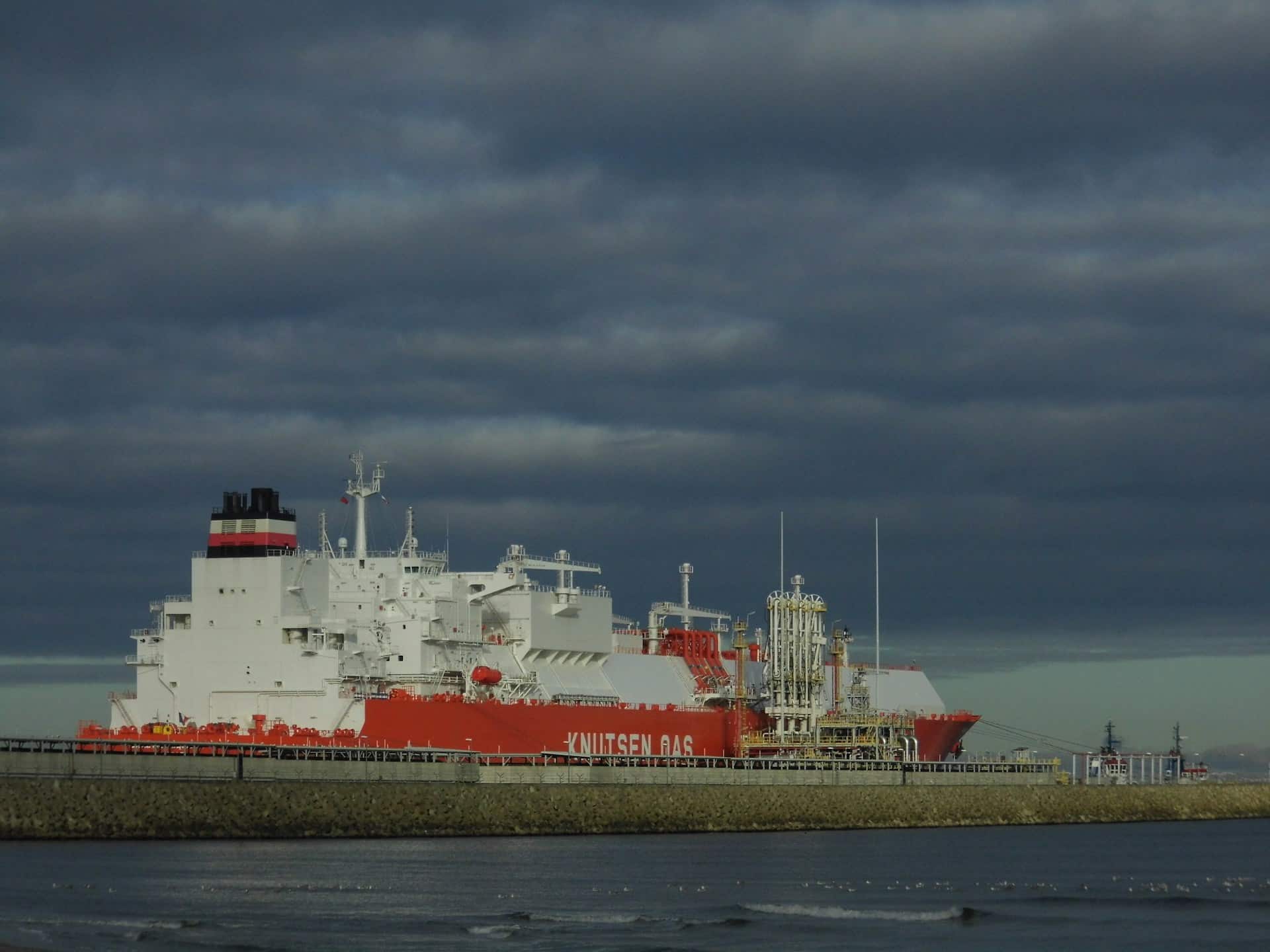
Senegal’s national utility Société nationale d’électricité du Sénégal (Senelec), in partnership with Turkish energy firm Karpowership, have officially launched the country’s first LNG-to-power project.
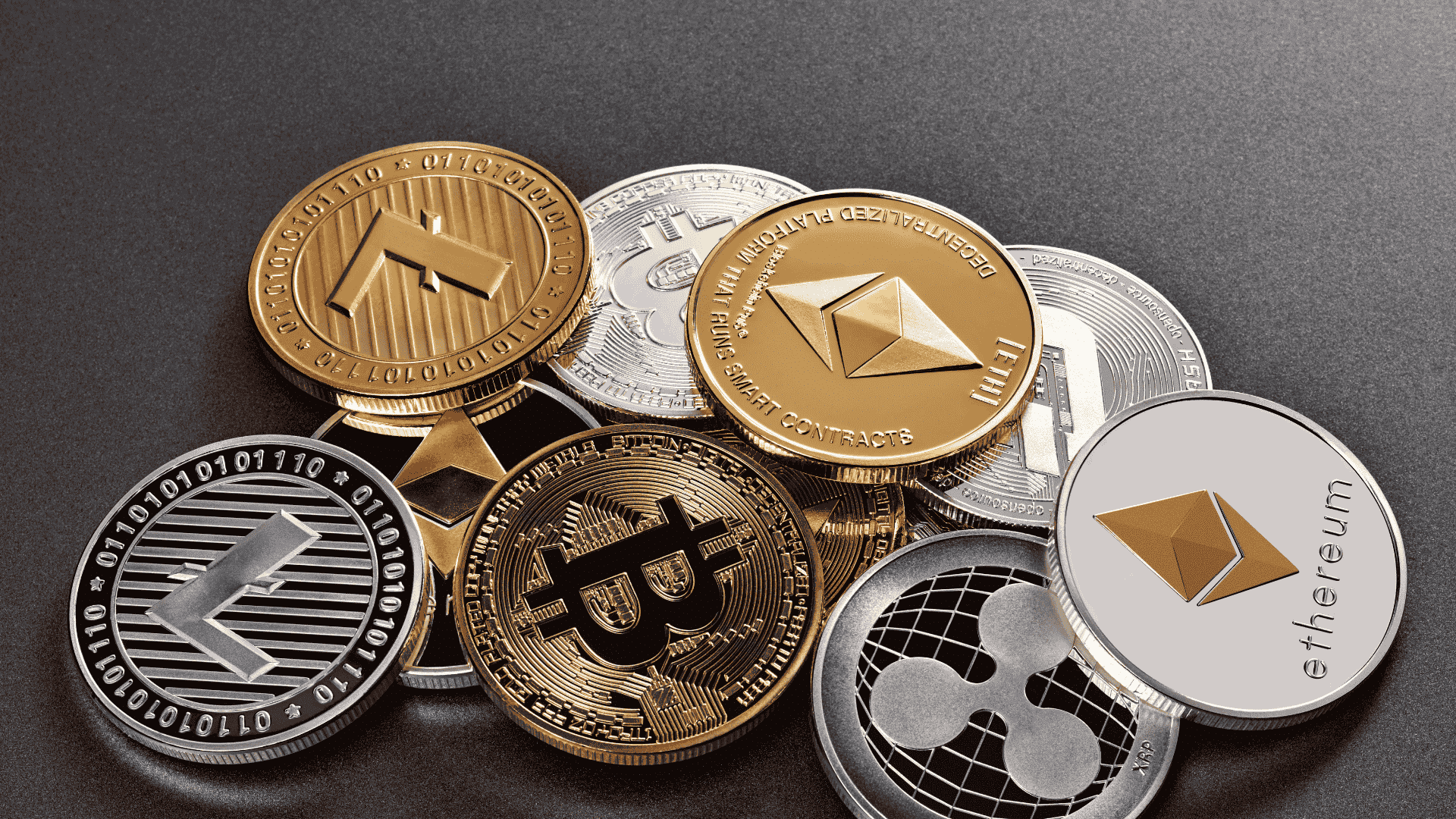
Crypto is growing up and it needs to move beyond hype. In this piece, Ayotunde Alabi, CEO of Luno Nigeria, shares how crypto is moving towards stablecoins, real-world use cases, and infrastructure built for long-term impact and trust.
The Nigerian stock market has soared past 120,000 points and isn’t slowing down — now valued at $53.3 billion as of July 16, 2025 , even amid inflation, FX strain, and global volatility. So, what’s behind the momentum?

Ethiopia’s efforts to boost domestic revenue are falling short and according to the IMF’s latest country report, the nation’s tax-to-GDP ratio remains stuck at 8%—well below both regional and global benchmarks
