

Top stories
Insights
Top stories
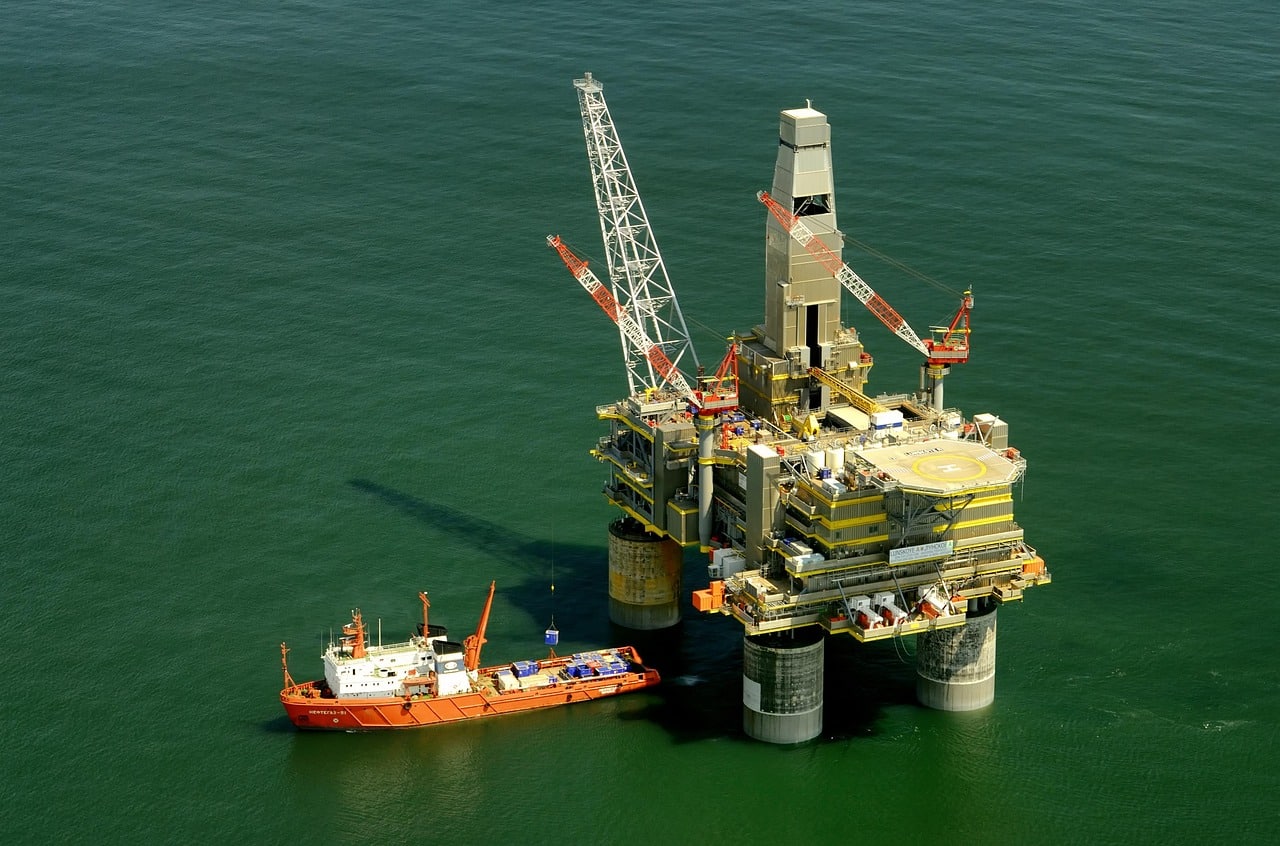
The “drill, baby drill” campaign began with Trump, but the momentum is catching in Africa also. With renewed interest in oil exploration, Big Oils are investing on the investment like never before.

As of August 1, 2025, the ten largest African companies on the LSE had a combined market cap of £29.6bn, dominated by four South African firms, followed by two Nigerian and one each from Egypt and Kenya, with the remaining headquartered in London but operating heavily in Africa.
The digitization of energy services in Nigeria is still growing, yet often overlooked. Despite persistent electricity challenges, the country already has applications that make access and management of these services more seamless. Here are some.
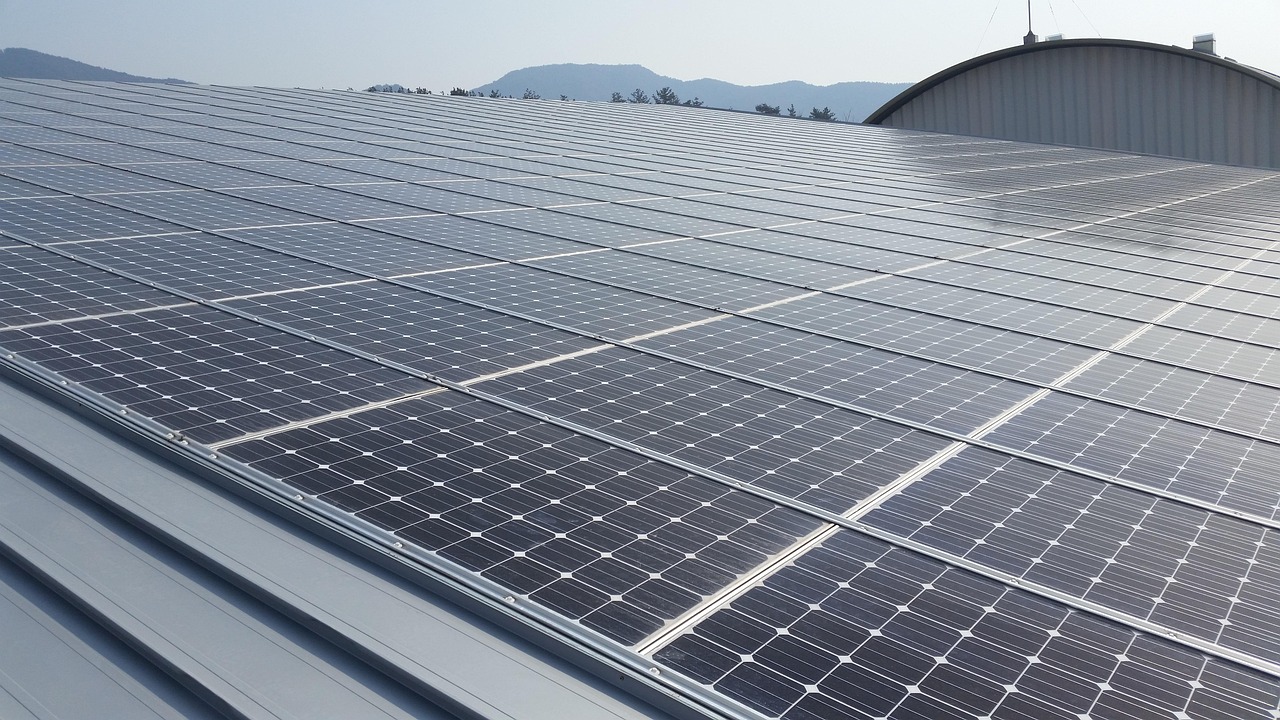
Africa’s budding renewable energy markets offer great opportunities for investment. However, without proper guidance and due diligence, investors risk losing their hard-earned money. This article offers insights on how to navigate Africa’s renewable energy space.
Nigerian crude oil is enjoying an unexpected demand surge from Asian refiners as newly reimposed tariffs by the United States push major oil buyers in Asia to diversify away from U.S.-linked and sanctioned supply sources like Russia.
Despite having the lowest combined brand value among Africa’s top banking markets, Kenya’s three top lenders—Equity Bank, KCB, and Co-Operative Bank—posted the continent’s highest growth, rising 25.1% to $1.18 billion in 2025, according to the latest African Banking report.
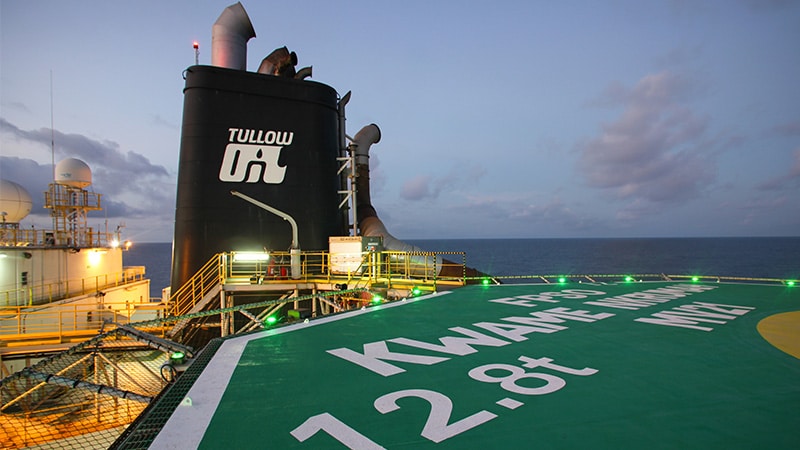
While scaling back its footprints in some African countries, Tullow Oil is counting on increased production in its Ghana’s assets to recover from mounting debts and fiscal turnaround
With continued pressure on the currency expected through year-end 2025, the outlook for dollar-denominated exports remains bleak.
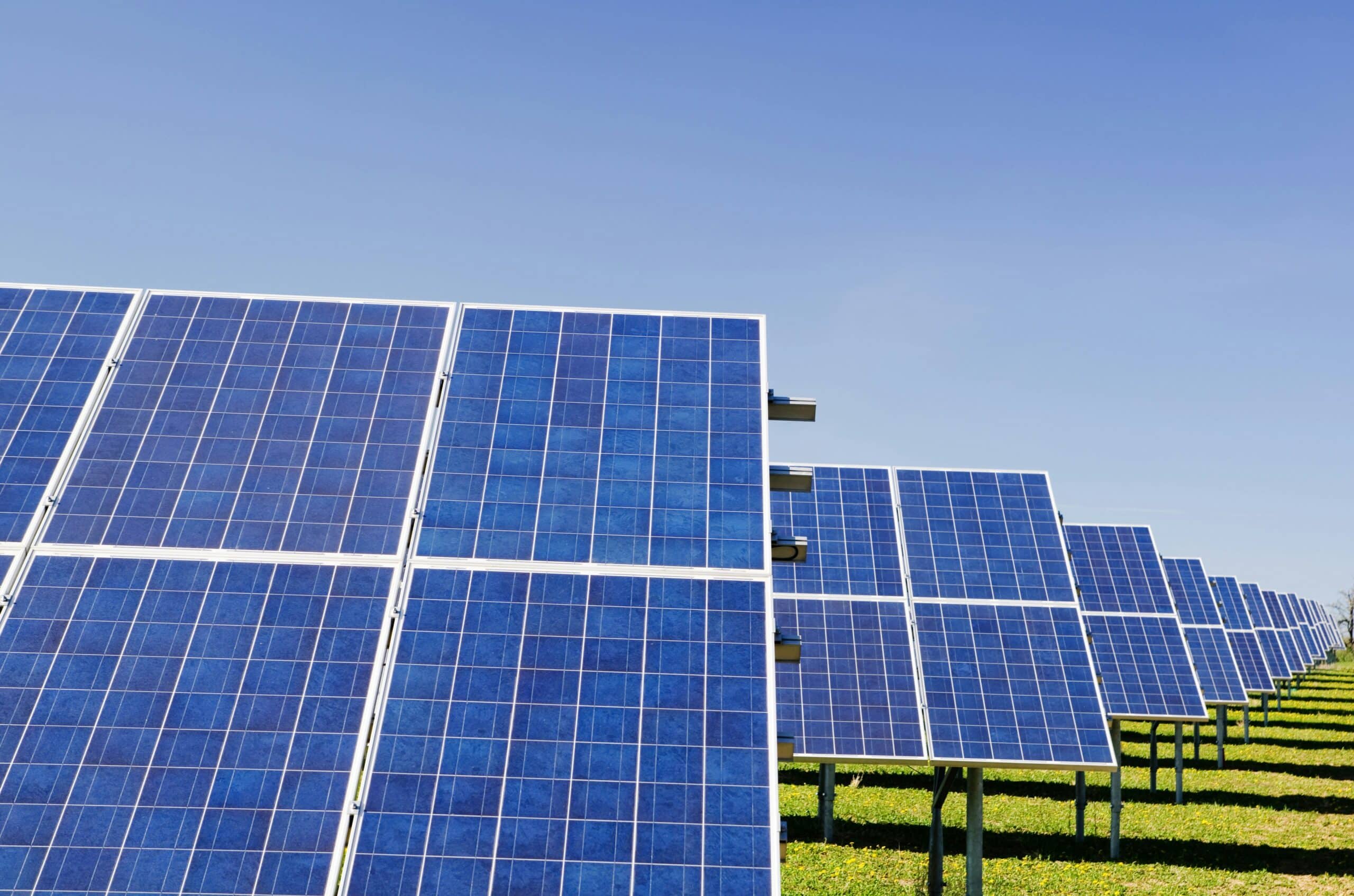
Most renewable projects in Africa are driven by foreign investors and global financiers like the World Bank. Still, some local companies are making notable contributions.
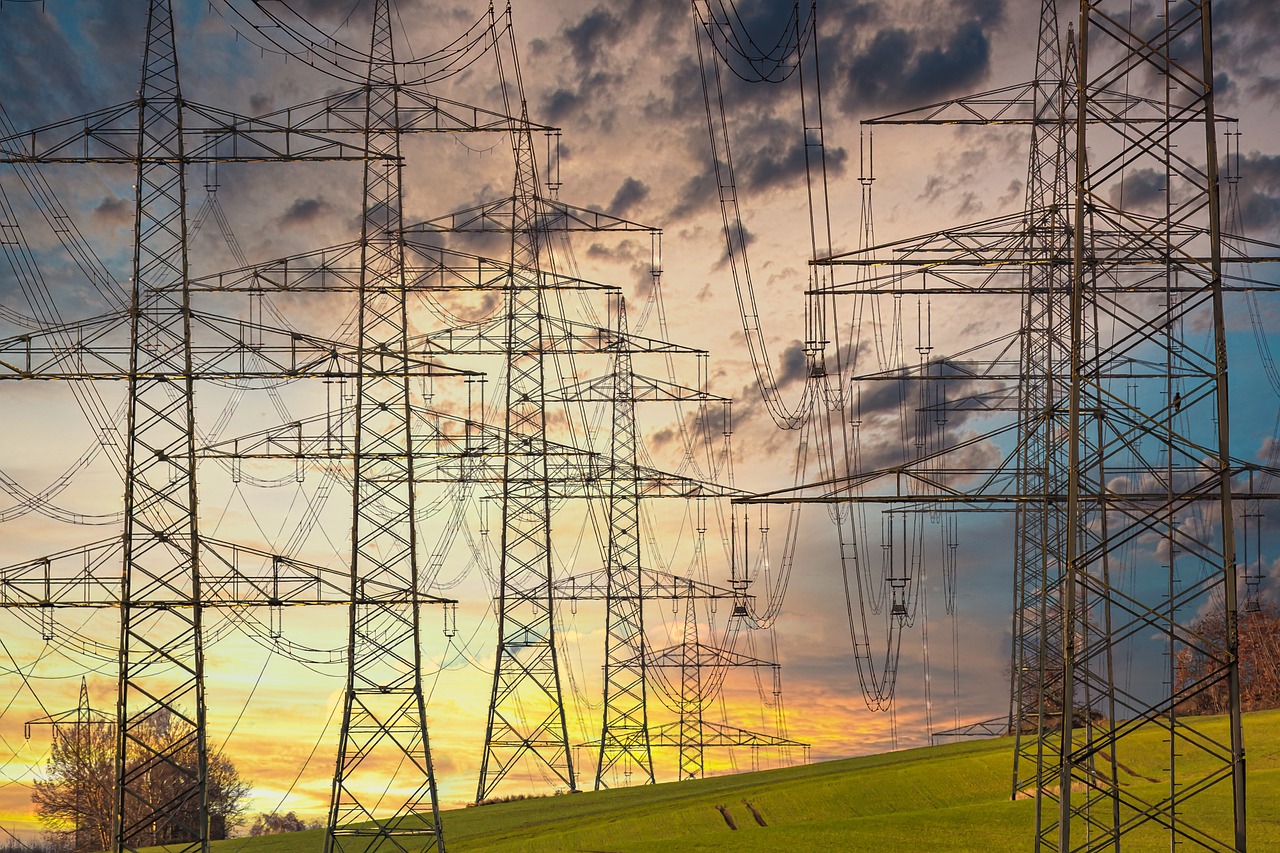
When President Bola Tinubu signed the Electricity Act 2023 into law, it set in motion a new and disruptive model for Nigeria’s power sector. From tariff setting to regional control, the Act lays out clear provisions. Here’s what you should know about the reform.
On Tuesday, Kenya’s central bank cut its benchmark lending rate to 9.50%, the lowest since May 2023, to boost growth as inflation rises to 4.1% and business activity contracts further.
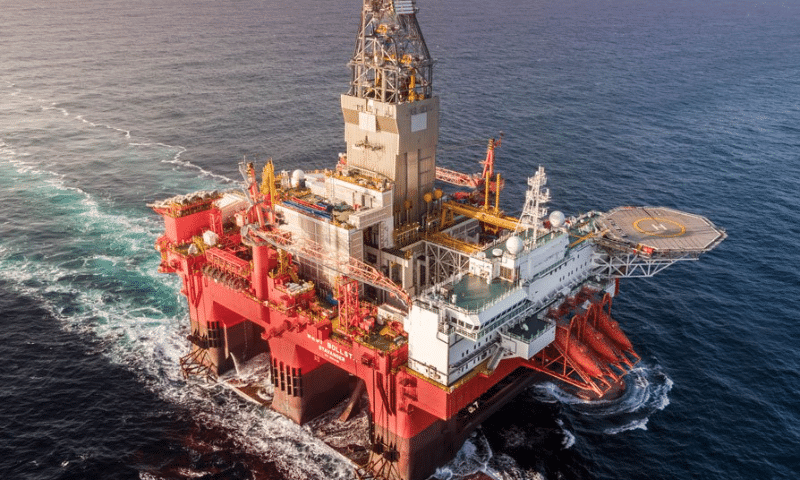
Namibia has been hailed as one of the world’s hottest frontiers for oil exploration. But with market shifts and growing exploration challenges, some major oil companies are beginning to rethink their presence. The question now is — does Namibia still hold its hotbed status?
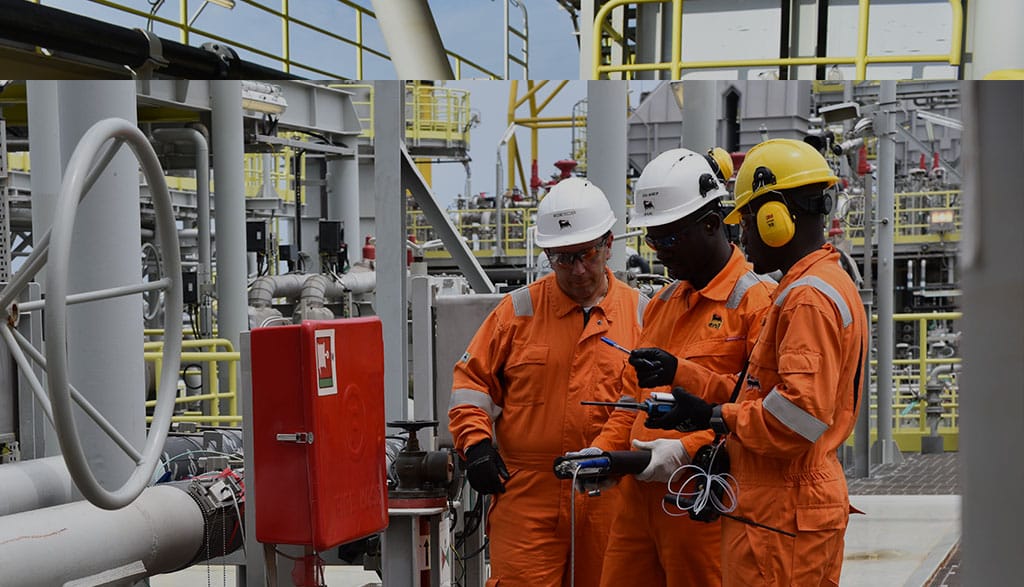
Ghana began its oil production journey in 2007 after the commercial discovery of the Jubilee Field. The sector has grown steadily since then, but signs now point to a possible slowdown ahead.
On August 5, 2025, President Bola Tinubu signed the Nigerian Insurance Industry Reform Bill into law, marking a significant overhaul of the sector in more than two decades.
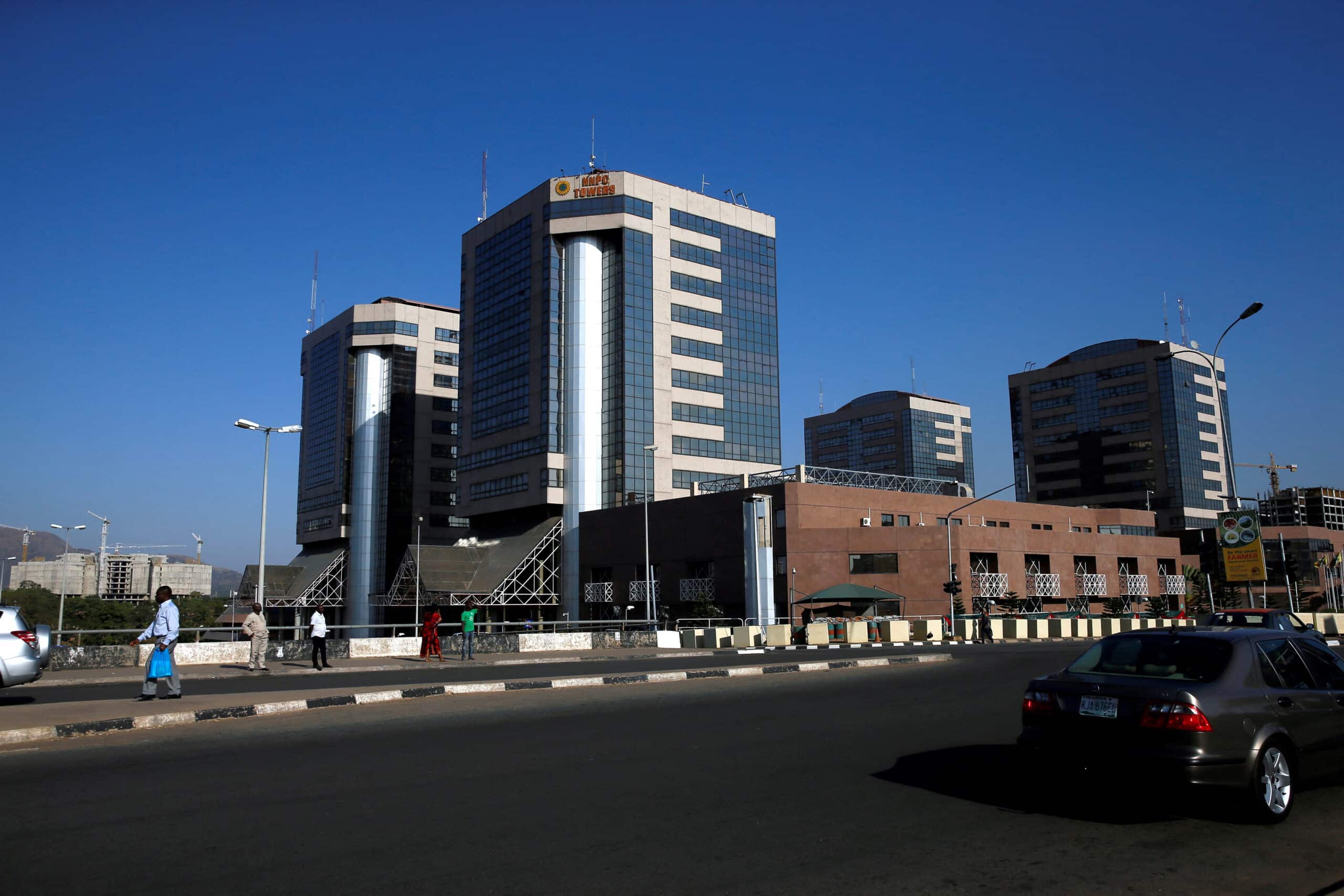
Under the programme, companies worked with the Federal Inland Revenue Service (FIRS) and the Federal Ministry of Works to identify and fund approved projects. The cost of these projects would then be deducted from the company’s future tax obligations.
Despite low electricity coverage across the continent, some African countries have risen beyond the maze of energy poverty, providing as much as 100% coverage access to their populace.
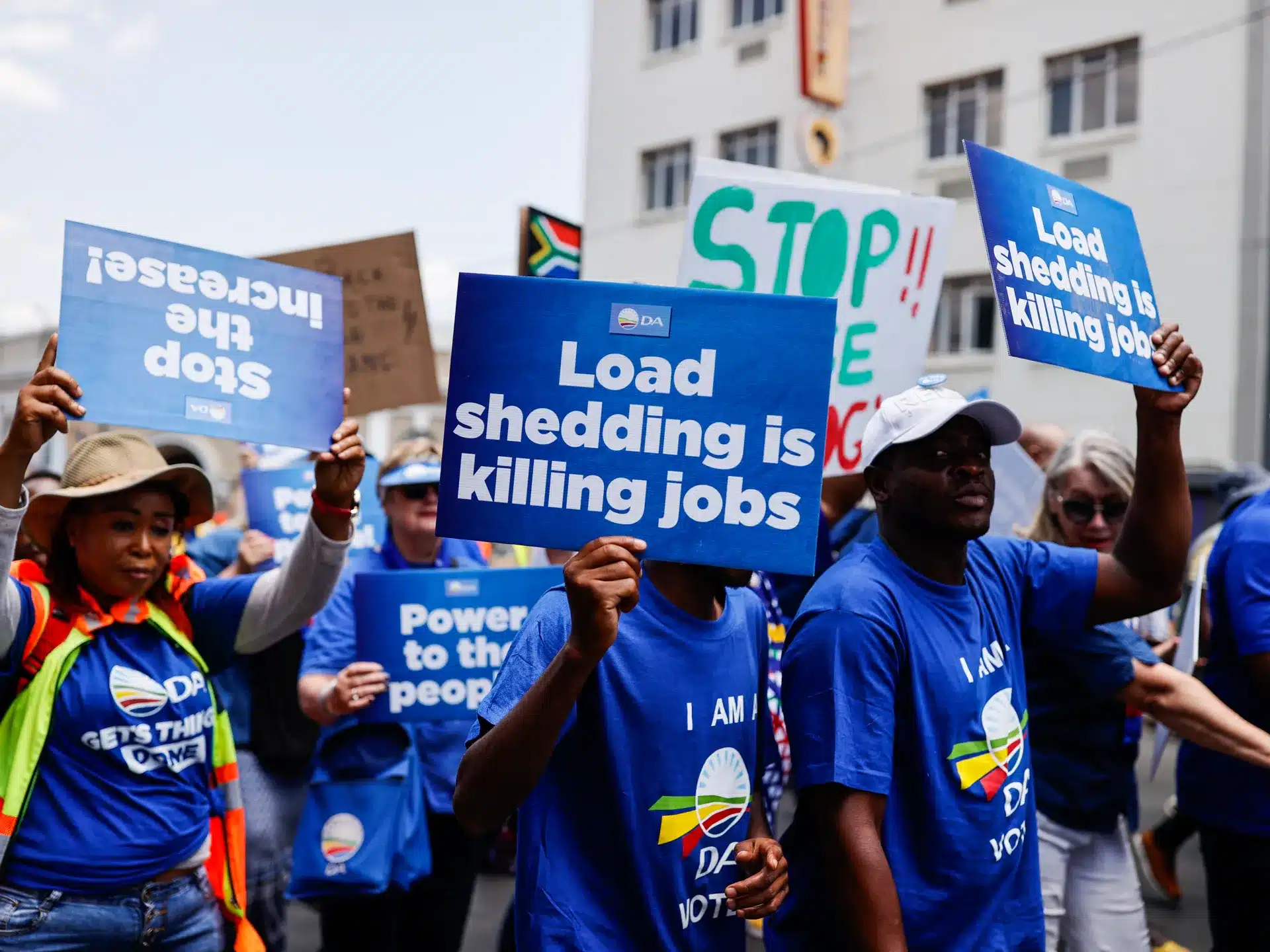
Africa’s most industrialised nation, South Africa, is grappling with an ongoing energy crisis as load shedding, scheduled power cuts to stabilize the grid, continues to disrupt daily life and economic operations.
Nigeria led the region with a headline PMI of 54.0, reflecting strong expansion. South Africa followed with a moderate reading of 50.3, and Ghana maintained its level at 50.2—both indicating marginal growth. Egypt’s own increased to 49.5, while Kenya ranked lowest at 46.8.
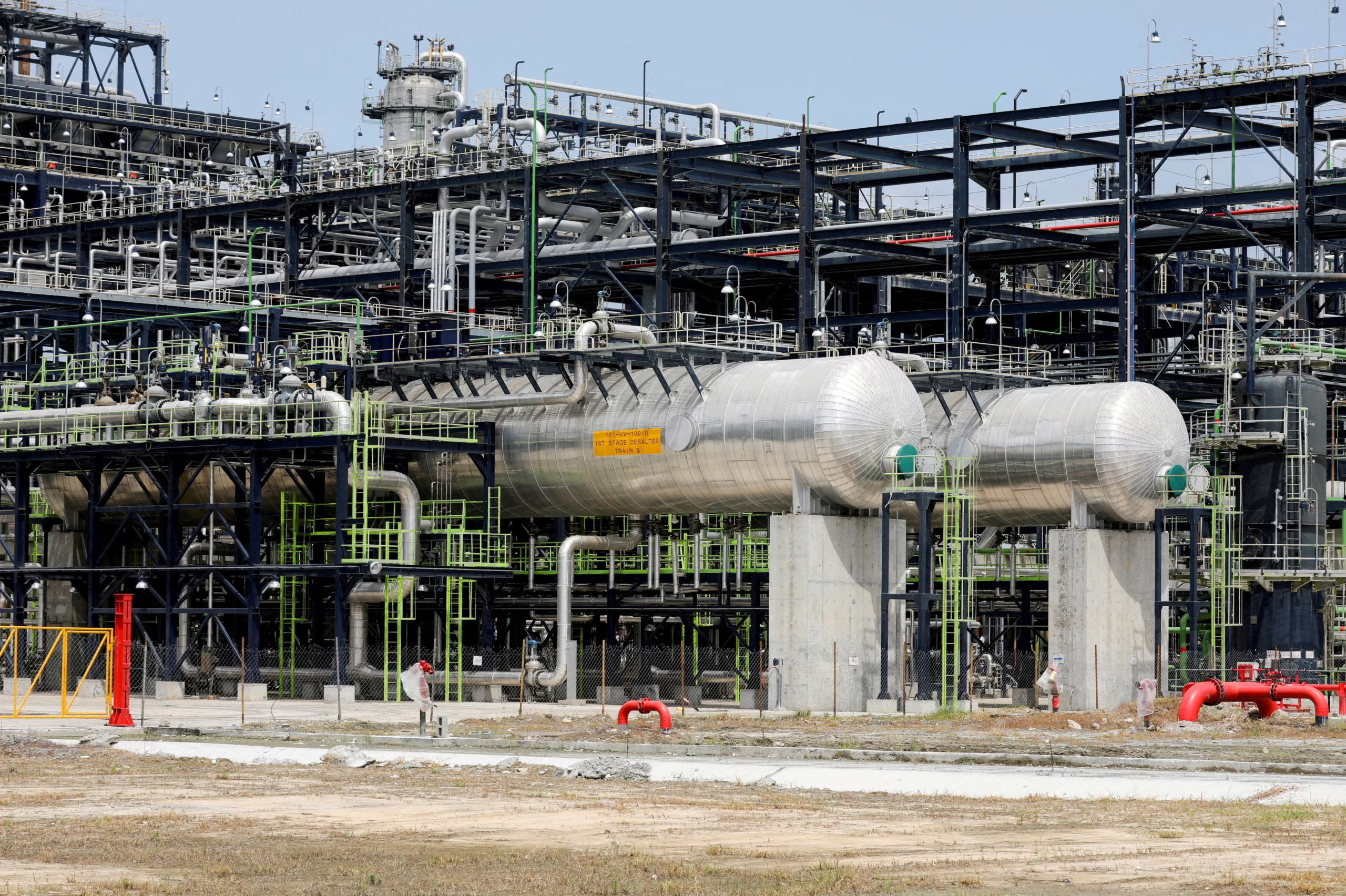
But like many industries in Africa’s fourth-largest economy, competition often proves to be both its strength and its weakness. Soon enough, the Dangote refinery was no longer enough for the country’s businessmen and wealthy investors.
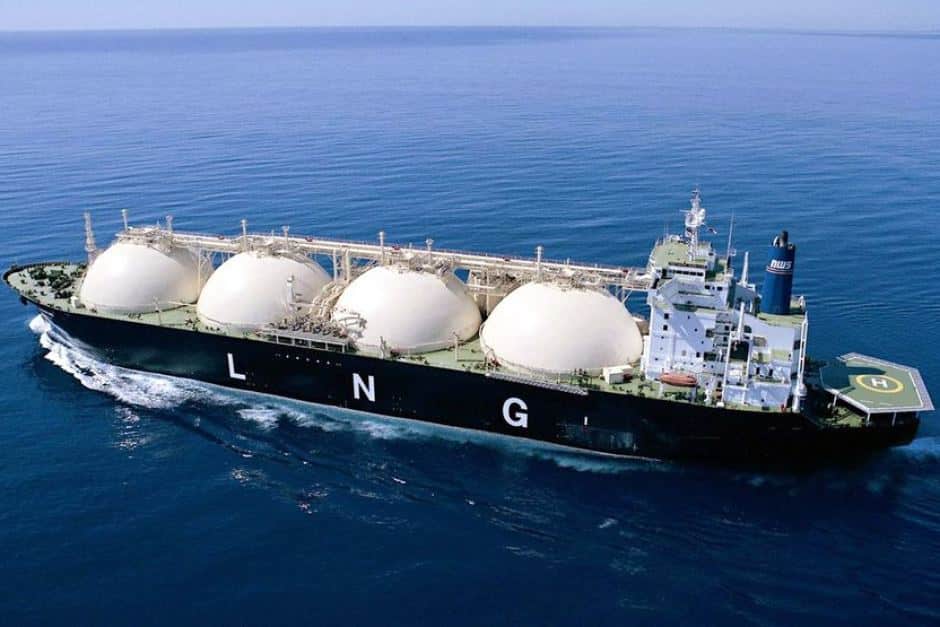
The government of Egypt has signed a $35 billion gas supply agreement that will allow the delivery of natural gas from Israel’s Leviathan gas field.
