

Top stories
Insights
Top stories
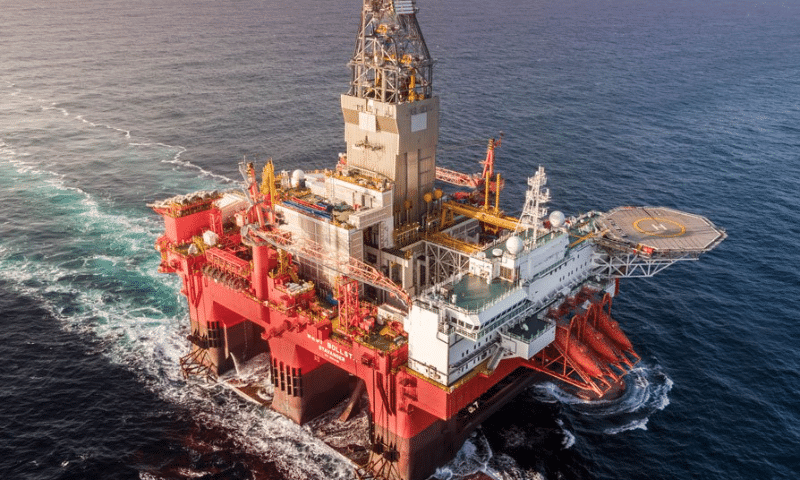
Oil finds in Guyana and Namibia have drawn sharp comparisons between the two nations. Yet emerging realities suggest they may be drifting apart in ways that is unsettling for investors.
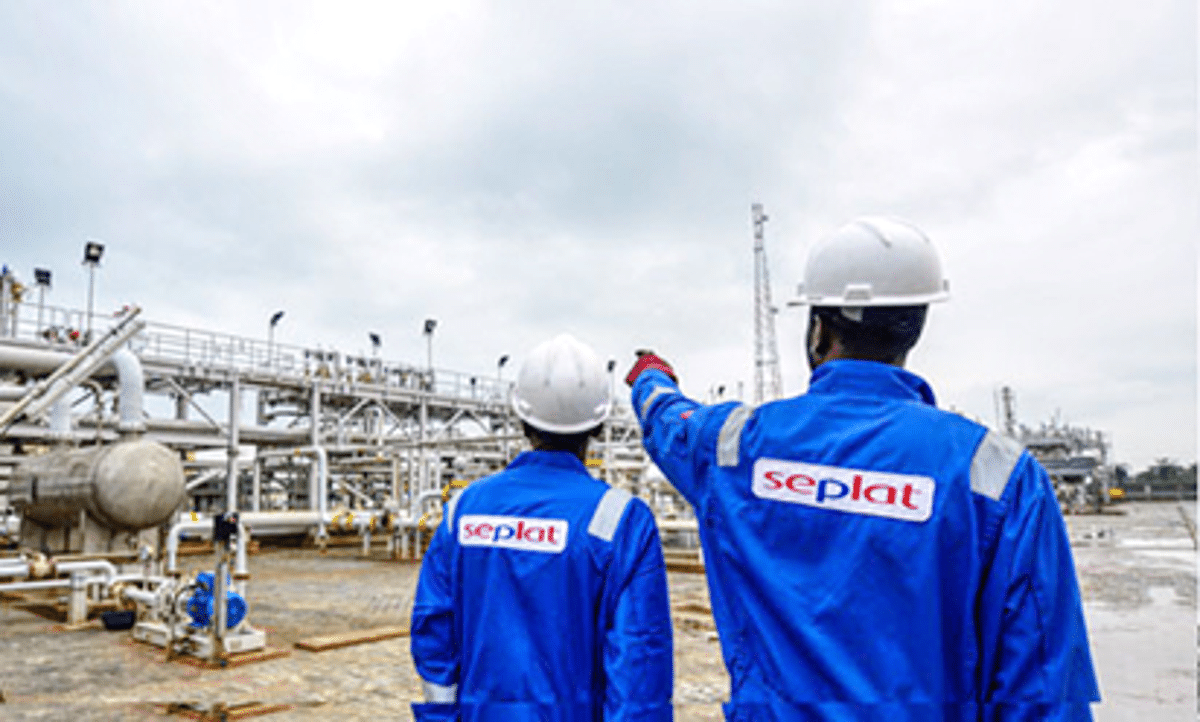
A few local oil and gas firms in Nigeria are holding their own against international players. Seplat, after acquiring ExxonMobil’s onshore assets, is pushing to dominate the country’s gas market with successive projects.

Africa is fast emerging as the Gulf’s newest frontier for capital. In the past two weeks, Al Mansour Holdings, one of Qatar’s leading conglomerates, announced plans to invest $103bn across six African nations.
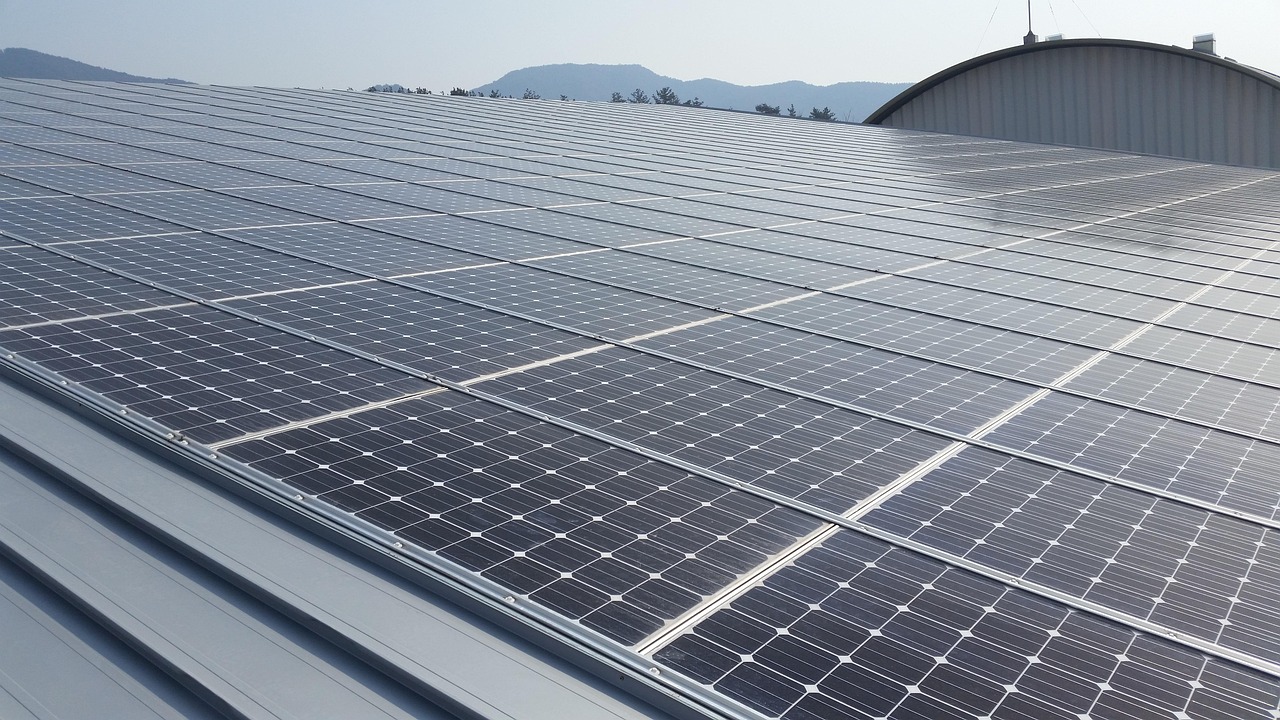
Africa’s renewable energy landscape in tandem with global transition pace is gaining momentum. A new report shows that the importation of solar panel on the continent has increased substantially in recent time.
Nigeria’s banks are racing to meet the central bank’s recapitalisation deadline, raising ₦800bn ($523m) in the first seven months of 2025, with a further ₦900bn projected by December.
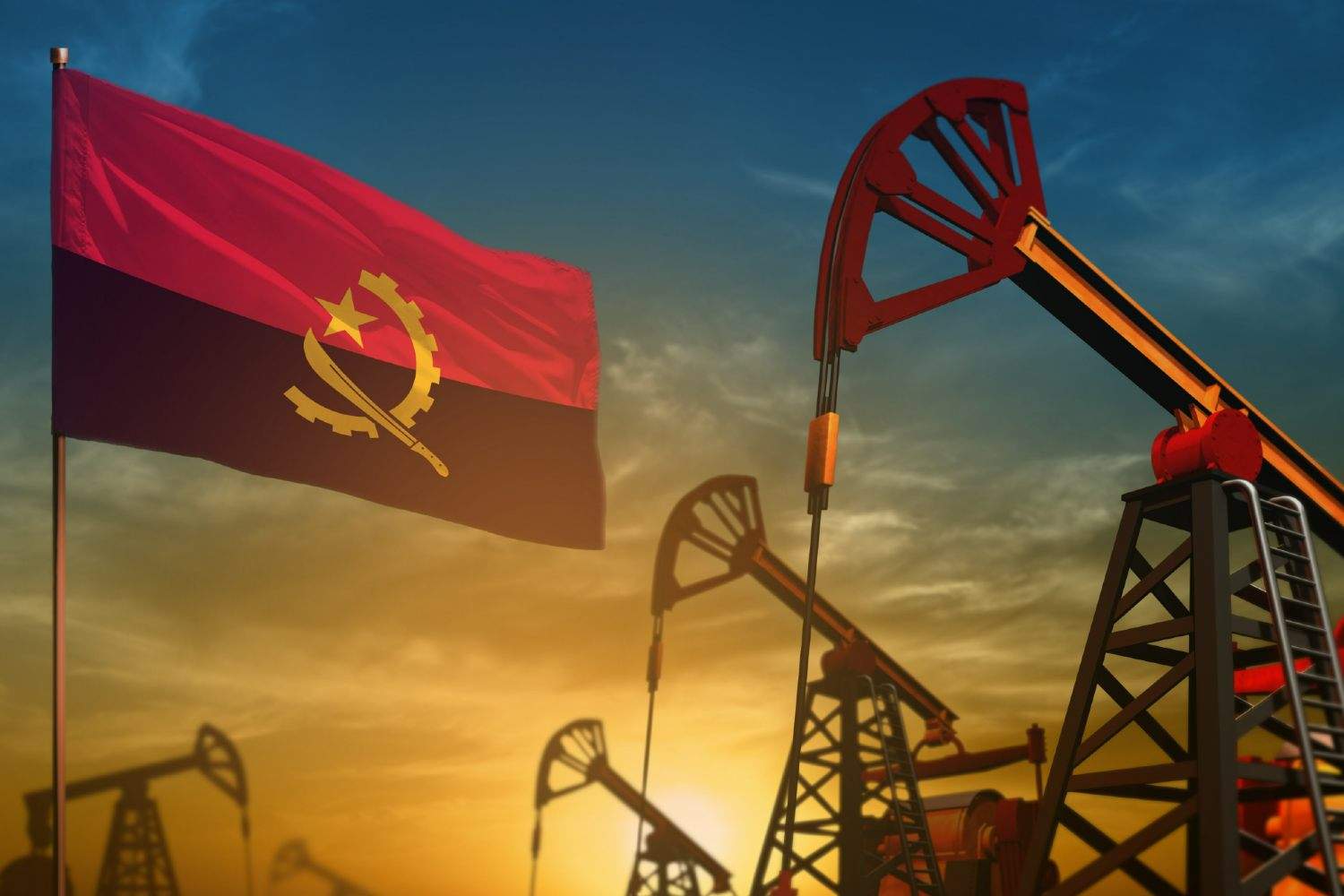
Angola, one of Africa’s leading oil producers, has in recent times face different hurdles from volatile oil market to low output, among others. Now, the country is betting on gas for its economy recovery.
According to the latest Foreign Investment Survey (FIS), 56.9% of foreign-owned enterprises in Kenya plan to reinvest or expand their operations over the next three years, committing at least KSh100 million ($745,000).

According to a new Africa Wealth report, five cities and regions across the continent have attracted 16,900 millionaires over the past decade, driven largely by lifestyle, education, and investment opportunities.
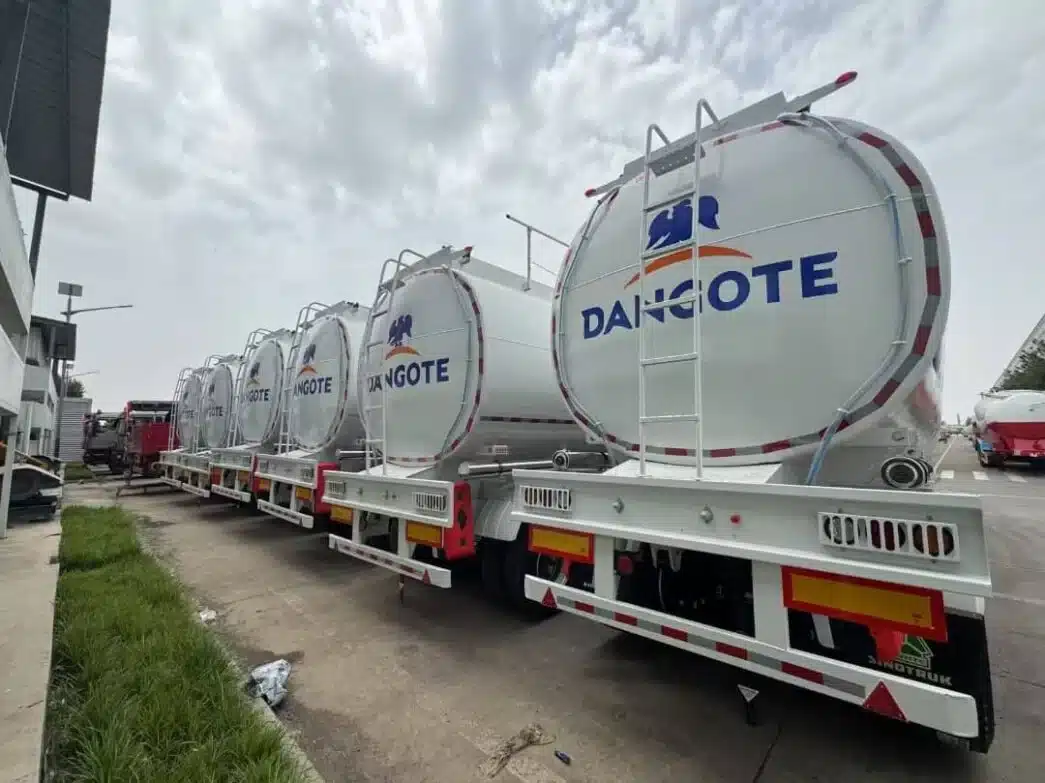
Nigeria’s mega Dangote refinery is making bold moves to disrupt the downstream value chain with the purchase of 4,000 trucks worth about $470 million. Should other marketers be anxious of this disruption?
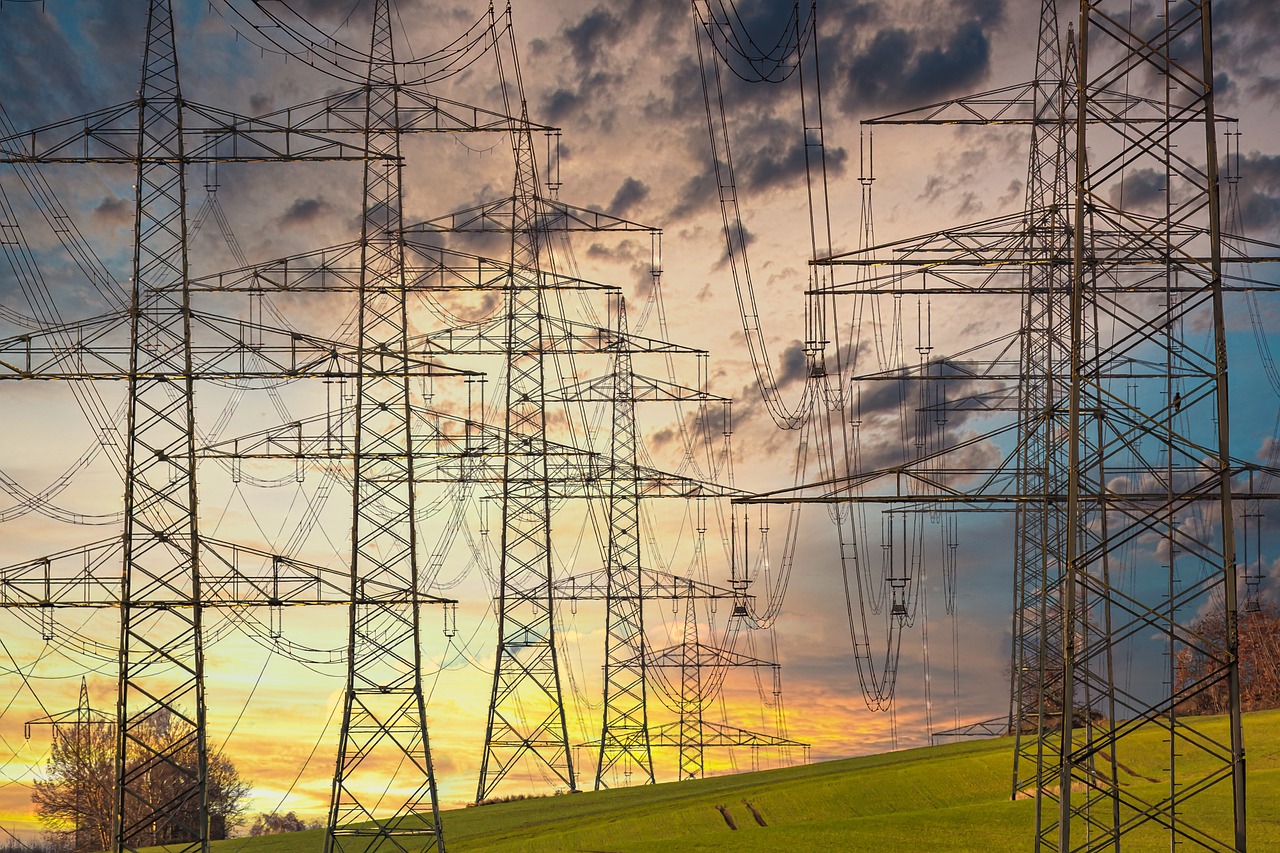
It has been more than two decades since Nigeria carried out a major privatisation of its electricity sector. While the process enriched a few, leaving them as overnight millionaires, most Nigerians remain in darkness.
The surge underscores the resilience of US demand for African goods, but the gains have been uneven. Nigeria and Egypt are emerging as the biggest winners, while South Africa and Algeria are struggling under the weight of protectionist duties.
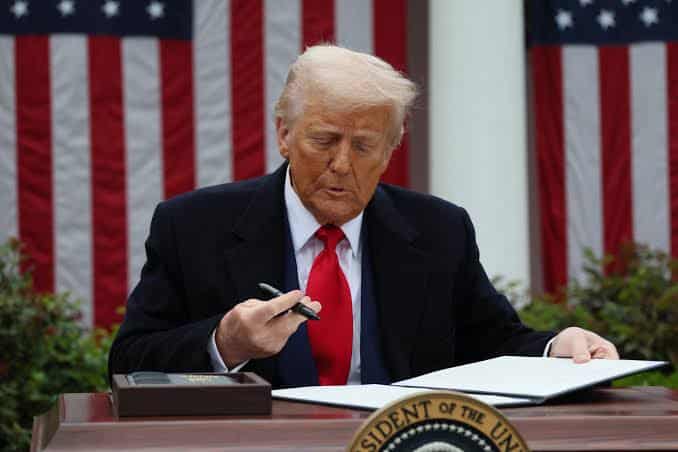
The return of Donald Trump to the US presidency in January introduced uncertainty and recalibration in US-Africa investment dynamics

Presco, Nigeria’s largest palm-oil producer, plans to spend $172m to acquire plantations in Ghana and Nigeria, a move to solidify earnings, landmark, and boost access to capital.
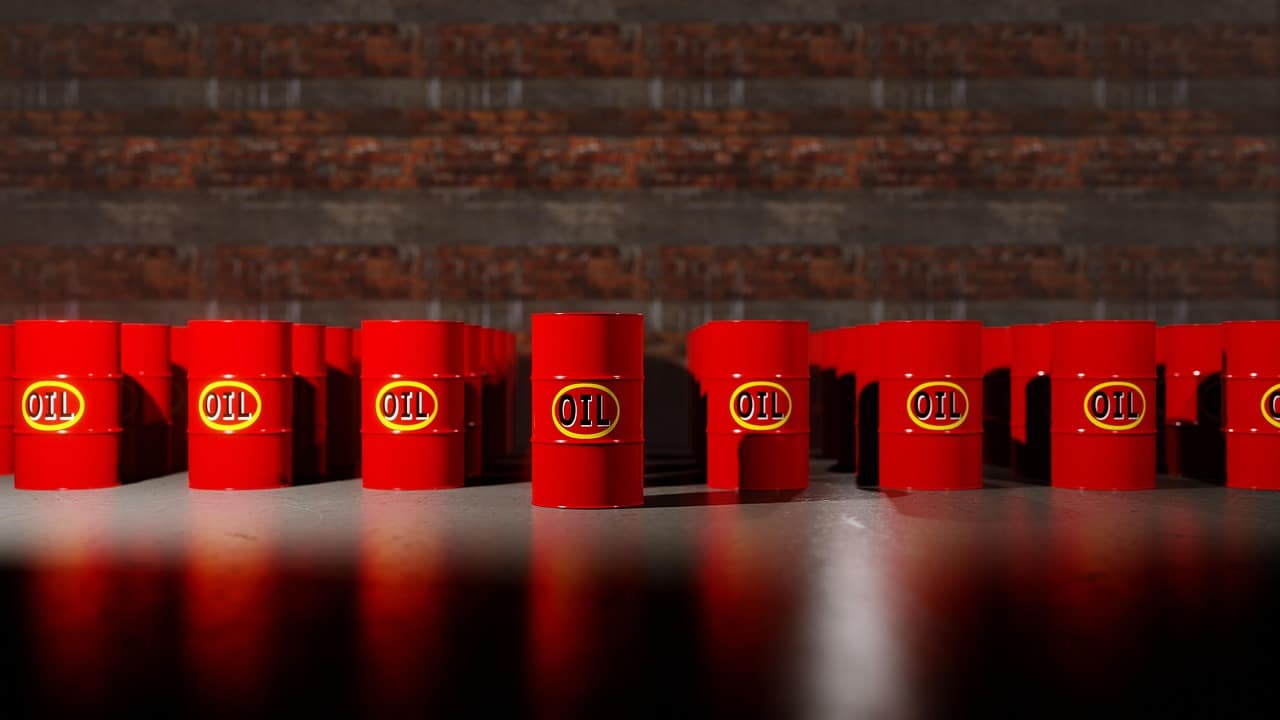
Asian refiners are increasingly turning to suppliers from the Atlantic Basin, including Nigeria, Brazil, and the US, whose crude is more attractive due to improved shipping and arbitrage economics.
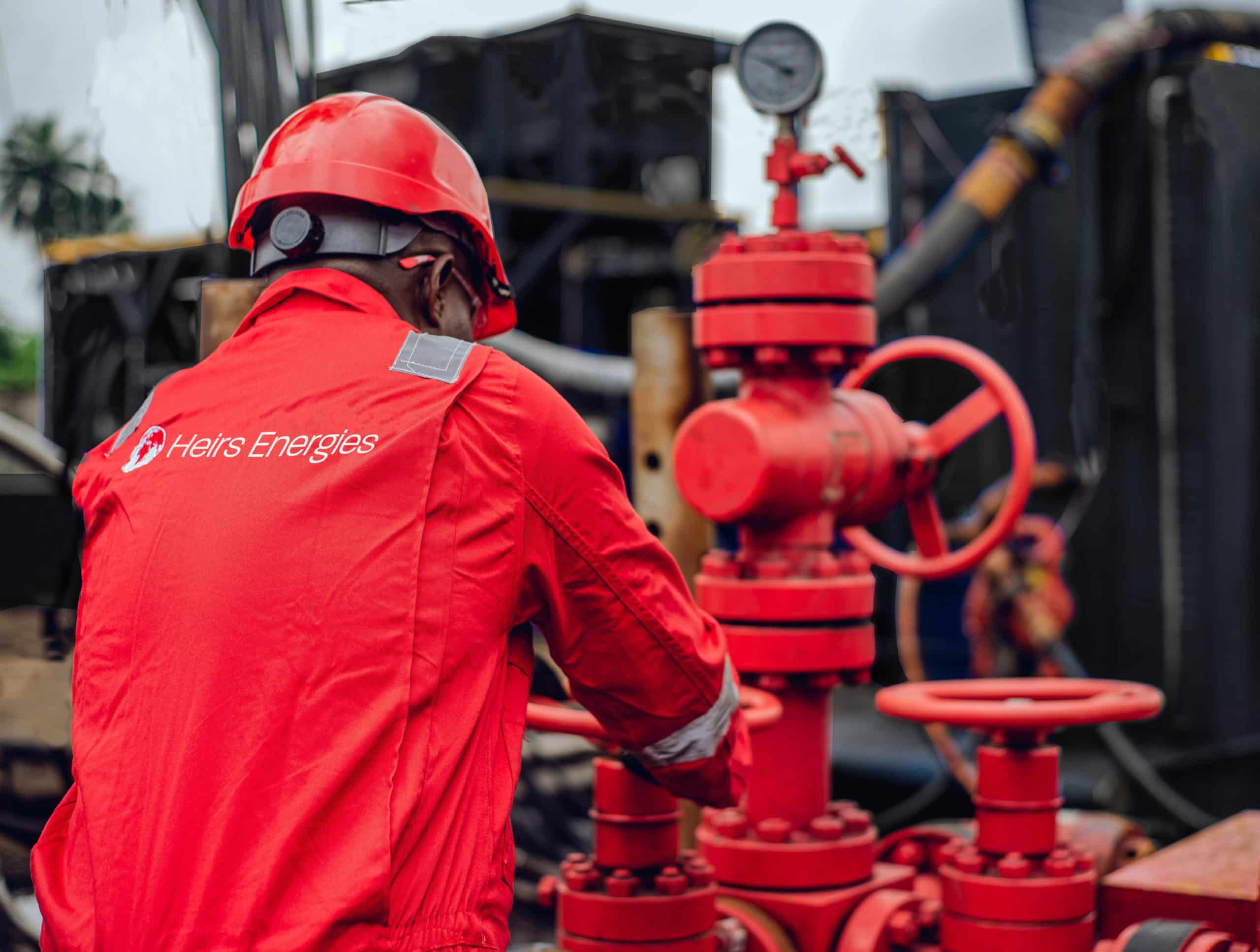
In 2021, Heir Energies signed an eight-year, $1.2 billion deal to acquire 45% of oil production from OML 17. Since then the indigenous oil firm is changing what once a troubled asset to a growth catalyst
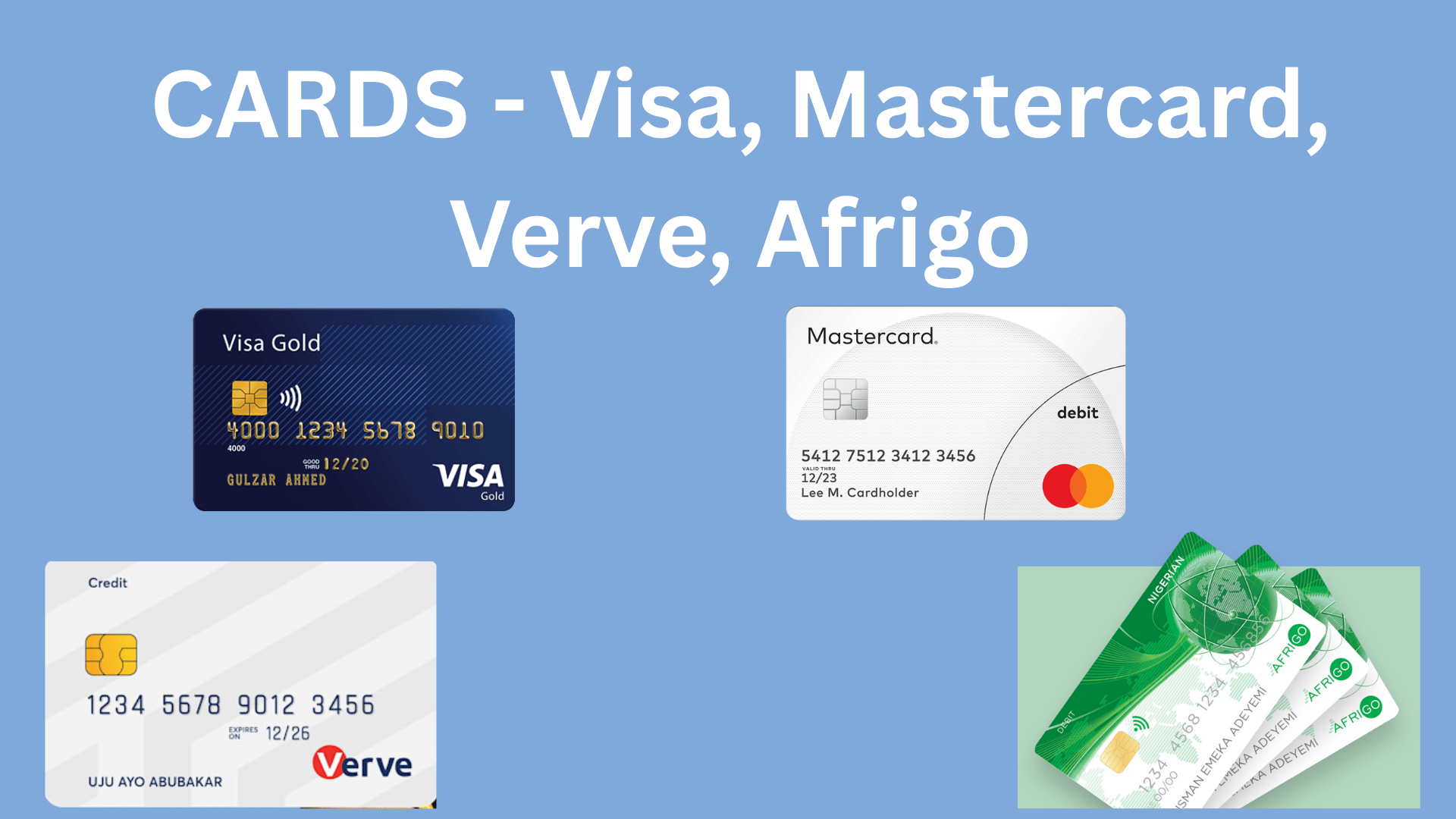
Nigeria’s card rails underpin payments, linking banks, fintechs, and merchants in seconds. But building on them means navigating complexity, trust, and scale.
Government measures offered critical support to South Africa’s retail sector in 2024, easing household pressures and shielding local businesses from foreign competition.
The country’s manufacturing sector faces a capital drought as inflows drop to $129.9m in the first quarter of 2025, down 32% year-on-year , with analysts warning of rising deindustrialisation risks.
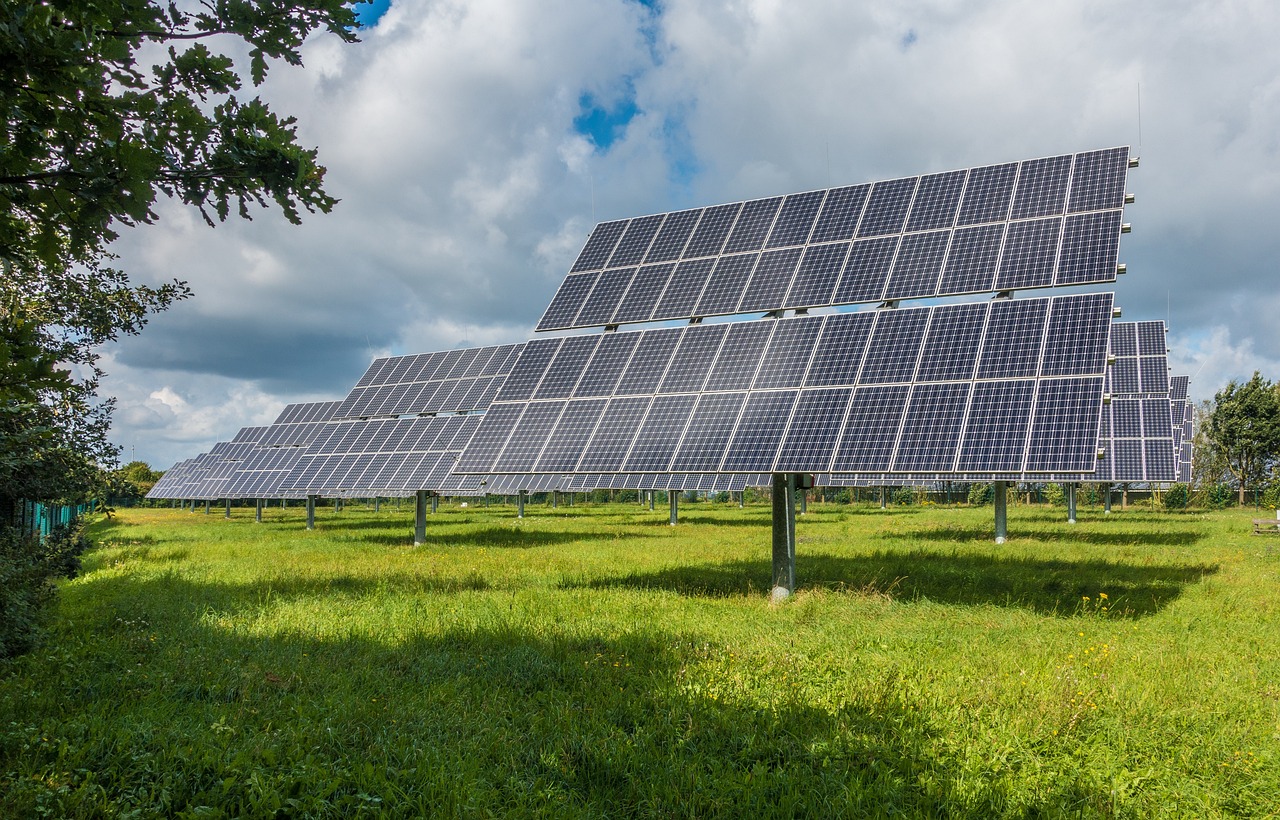
In Africa’s vast and diverse energy sector, consumer renewable energy sales are primarily driven by off-grid solar products, such as lanterns, home systems, and kits, amid persistent electricity access challenges.
Although headline inflation has eased for four straight months, analysts warn that persistent food price pressures could slow the disinflation momentum.
