

Top stories
Insights
Top stories
CBK noted that reported fraud cases more than doubled to 353 from 153, with the value of attempted fraud rising from KSh 680.9 million ($5 million) to KSh 1.9 billion ($14 million).
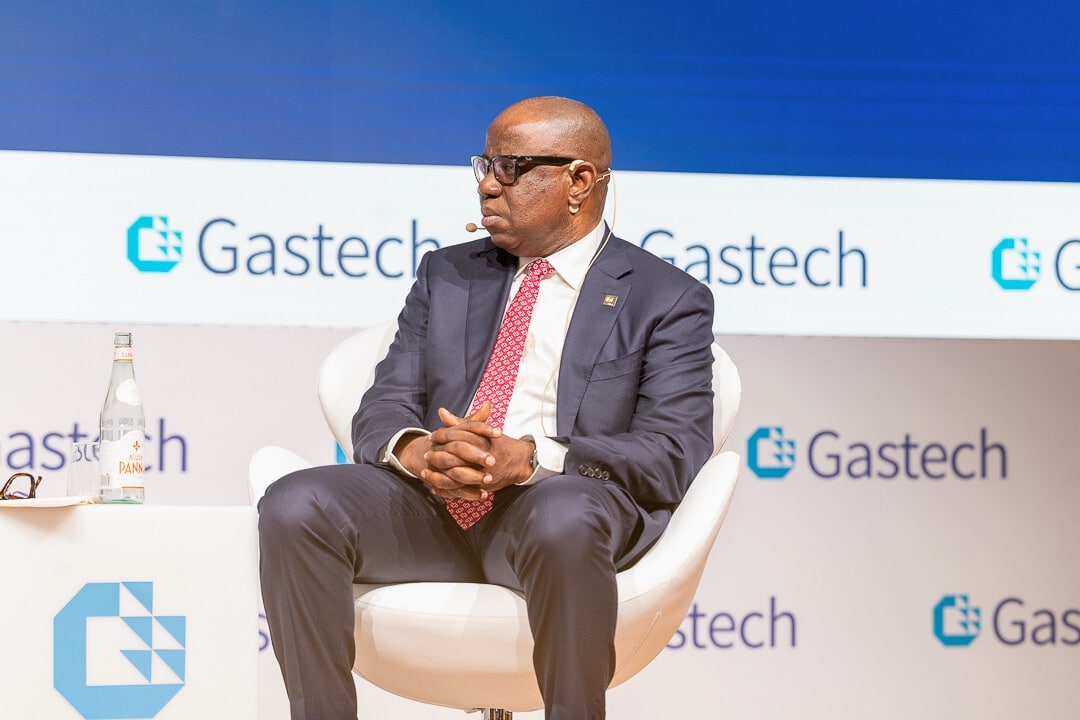
A significant 60% of Nigeria’s LNG production currently goes to Portugal and Spain, underscoring Nigeria’s pivotal role as Europe seeks alternatives to Russian energy sources.
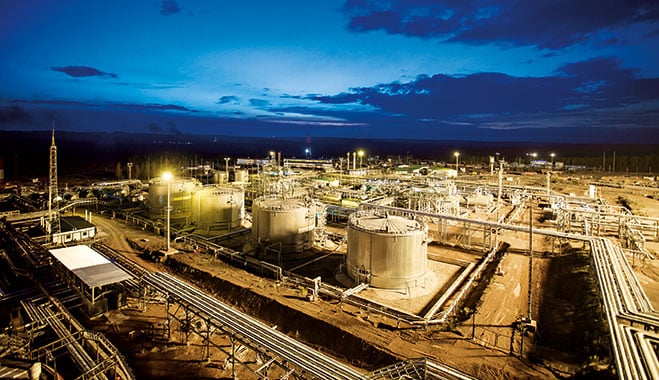
Nigeria’s oil and gas sector stands at a crossroads, with investment at the heart of ongoing tax reforms. For investors, this offers reliefs and credits aimed at boosting exploration and drilling in the upstream segment.
President Mahama of Ghana’s move to scrap barriers to foreign investors is a clear bid to open up the state after more than a decade of the Investment Promotion Act, which curbed inflows into the country.
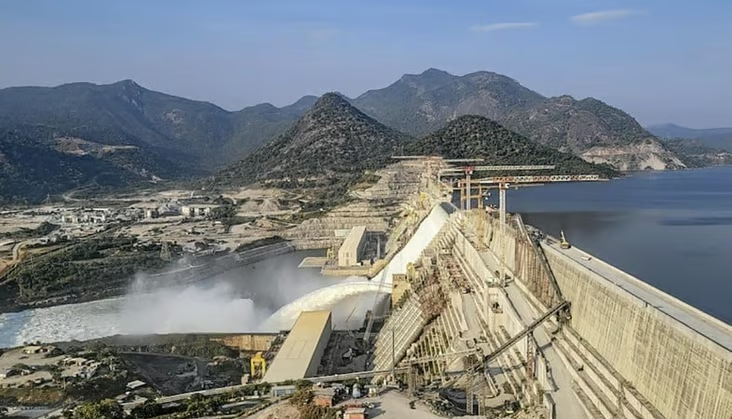
Ethiopia has officially launched the $5 billion Grand Ethiopian Renaissance Dam (GERD), the largest in Africa. But the mega project is met by opposition from neighbouring nations, including Egypt and Sudan.
According to DealMakers Africa, rising global interest rates, a strong US dollar, and geopolitical tensions drove international capital toward safer, higher-yielding markets, leaving African deals in retreat.
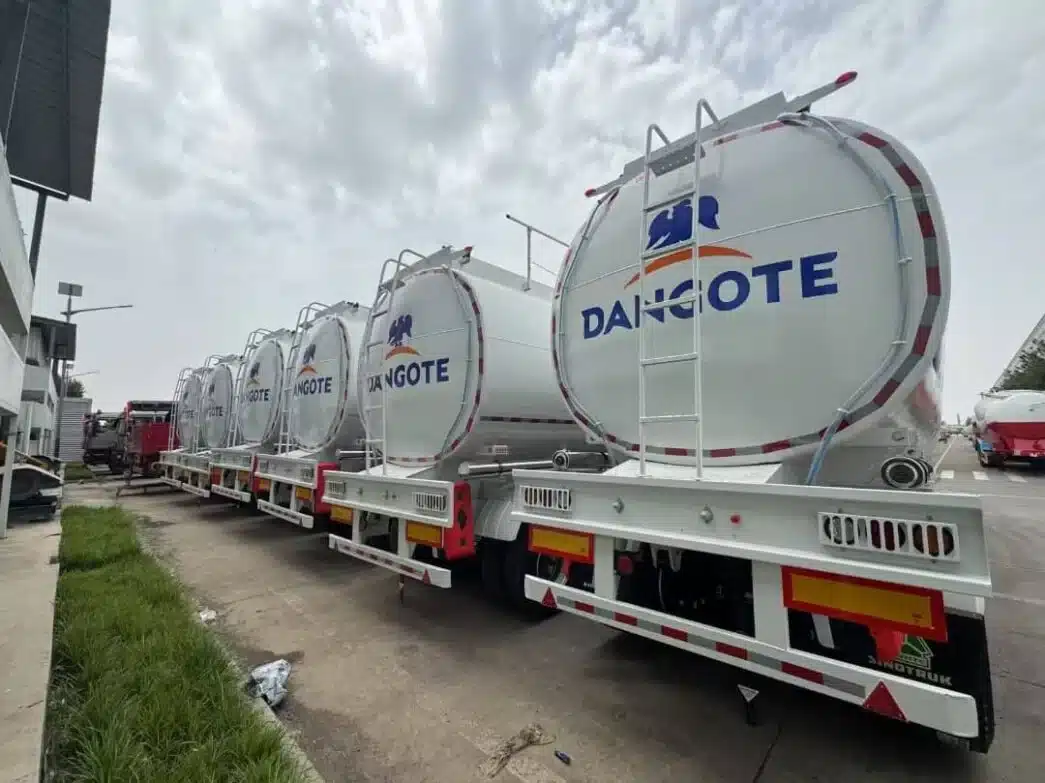
The standoff between Dangote refinery and petrol marketers have been brewing for quite some time now. But the dispute enters a new phase as the latter decide to call for a nationwide strike. What exactly is at stake here?
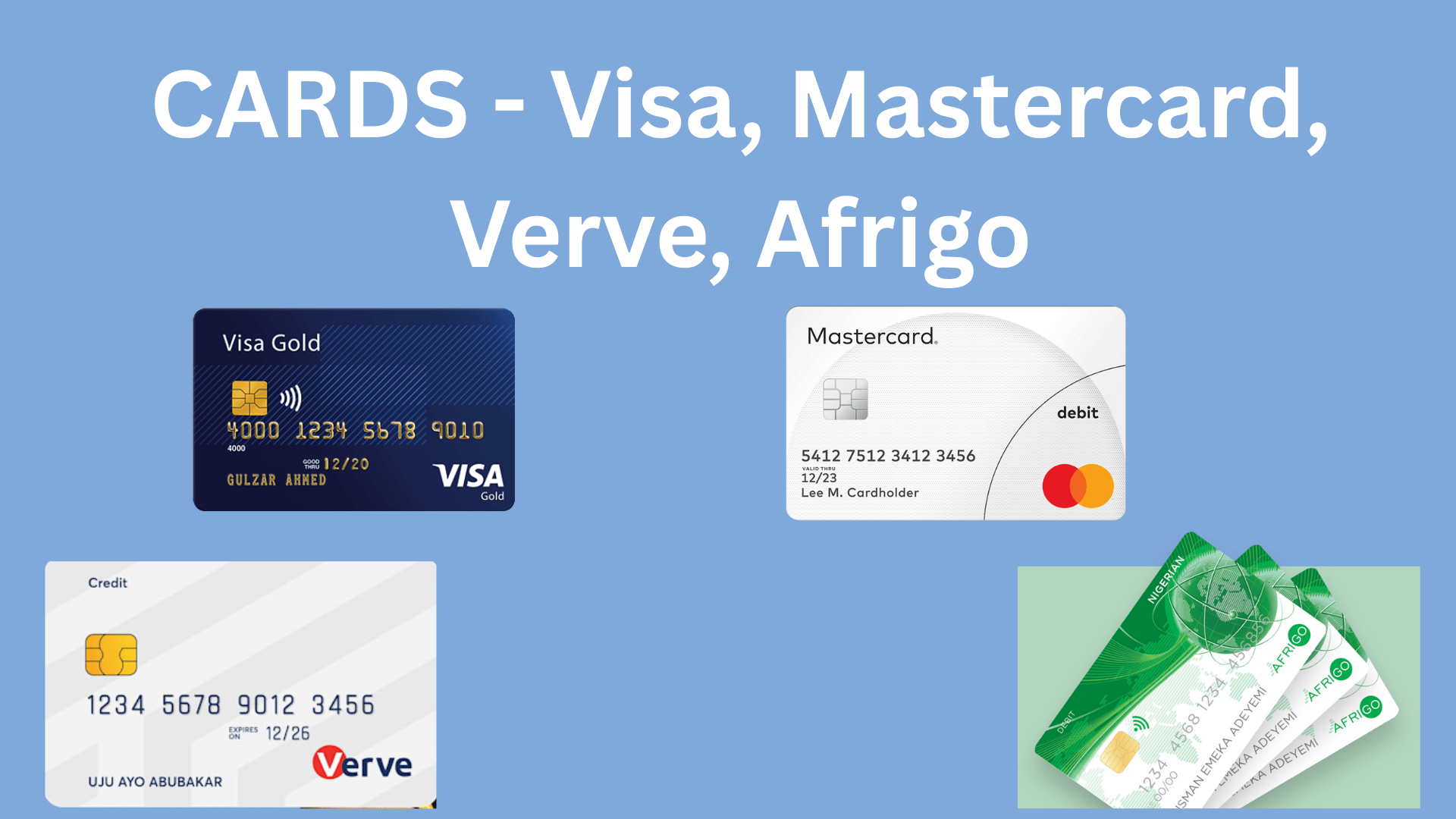
Nigeria’s open rails turned cashless payments into a trillion-naira success. Card exclusivity now risks undoing the gains, raising costs and stifling competition.
Brazilian oil giant, Petrobras, left Nigeria in 2020. Prior to its exit, the firm operated in the country for over 20 years. Now, it appears it’s staging a comeback. What exactly is driving its renewed interest in the West African country?
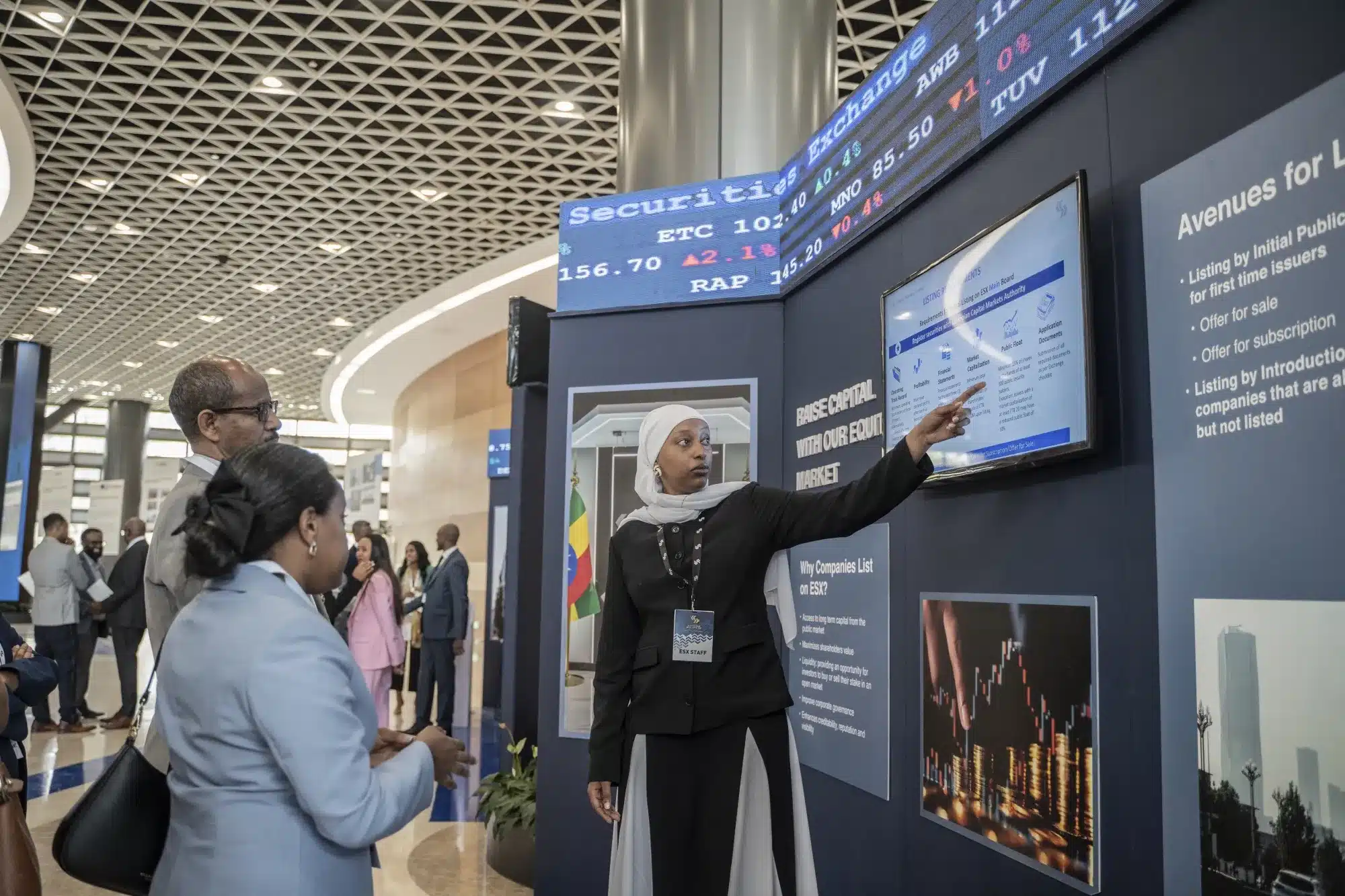
Ethiopia’s long-awaited stock market, the Ethiopian Securities Exchange (ESX), has begun to take shape after decades without a modern capital market. Officially launched on January 10, 2025, the exchange is central to the country’s financial liberalisation drive.
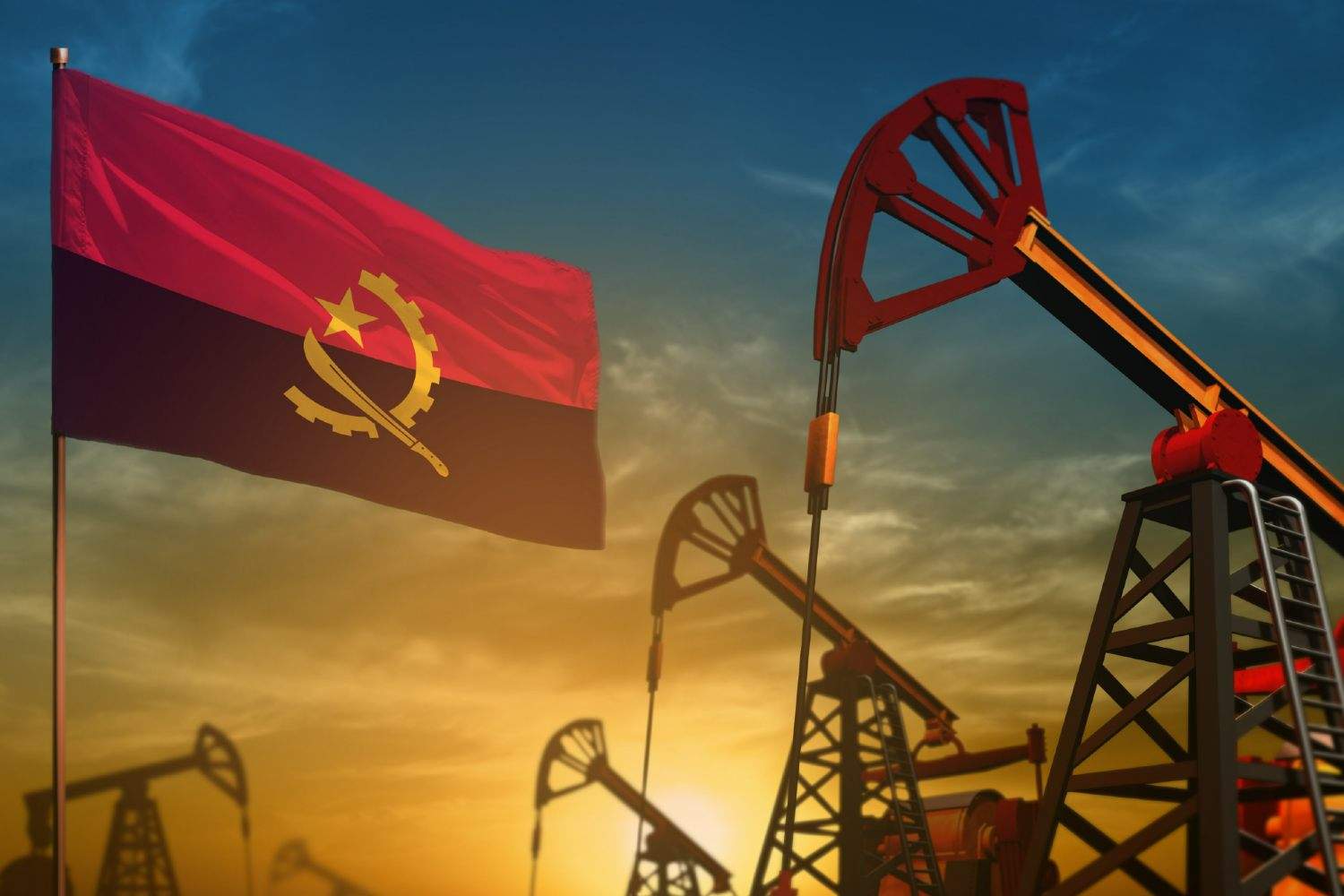
Angola, one of Africa’s top oil producers, is making a comeback as the continent’s leading supplier, driven by fresh investments from international oil companies and new reforms aimed at attracting and retaining investors.
Rand-driven cost relief gave firms much-needed breathing space, but tepid demand and renewed job losses show that momentum remains uneven.
Azule Energy, a joint venture company owned by Eni and BP, has successfully loaded its first cargo from the Agogo offshore field in Angola.
Although the rise in local currency suggested growth, the shilling’s sharp depreciation—averaging KSh 139.9 per dollar in 2023 versus KSh 117.9 in 2022—led to an 8.77% ($972.8m) drop in dollar terms, reversing the 11.9% ($1.3bn) gain recorded in 2021.
There are growing expectations that the US Federal Reserve could cut interest rates in September 2025—a move that may pave the way for cheaper external borrowing for Nigeria before year-end.
The Islamic lender also assured that it is on track to meet the October 31, 2025, deadline for migration to ISO 20022, saying its core payment infrastructure is already enabled for the new standard.
Tracking the ups and downs of Egypt’s biggest companies just became easier. On August 17, 2025, the Egyptian Exchange (EGX) unveiled its first-ever mobile app, giving investors real-time access to market data directly from their phones—anywhere in the world.
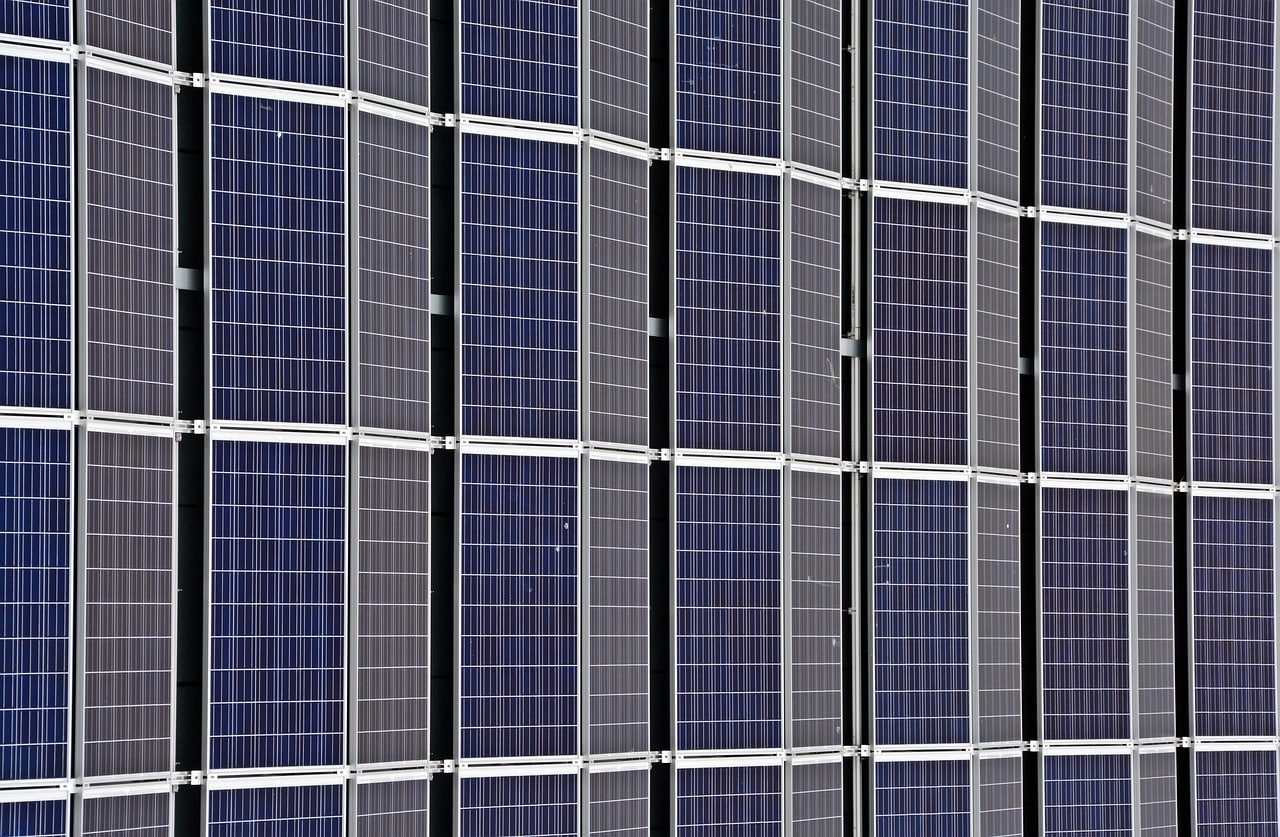
Africa’s renewable energy adoption is gathering pace and setting a new trend. A recent report reveals that solar imports on the continent jumped by 60% in just one year. In this article, we explore the countries driving this growth.
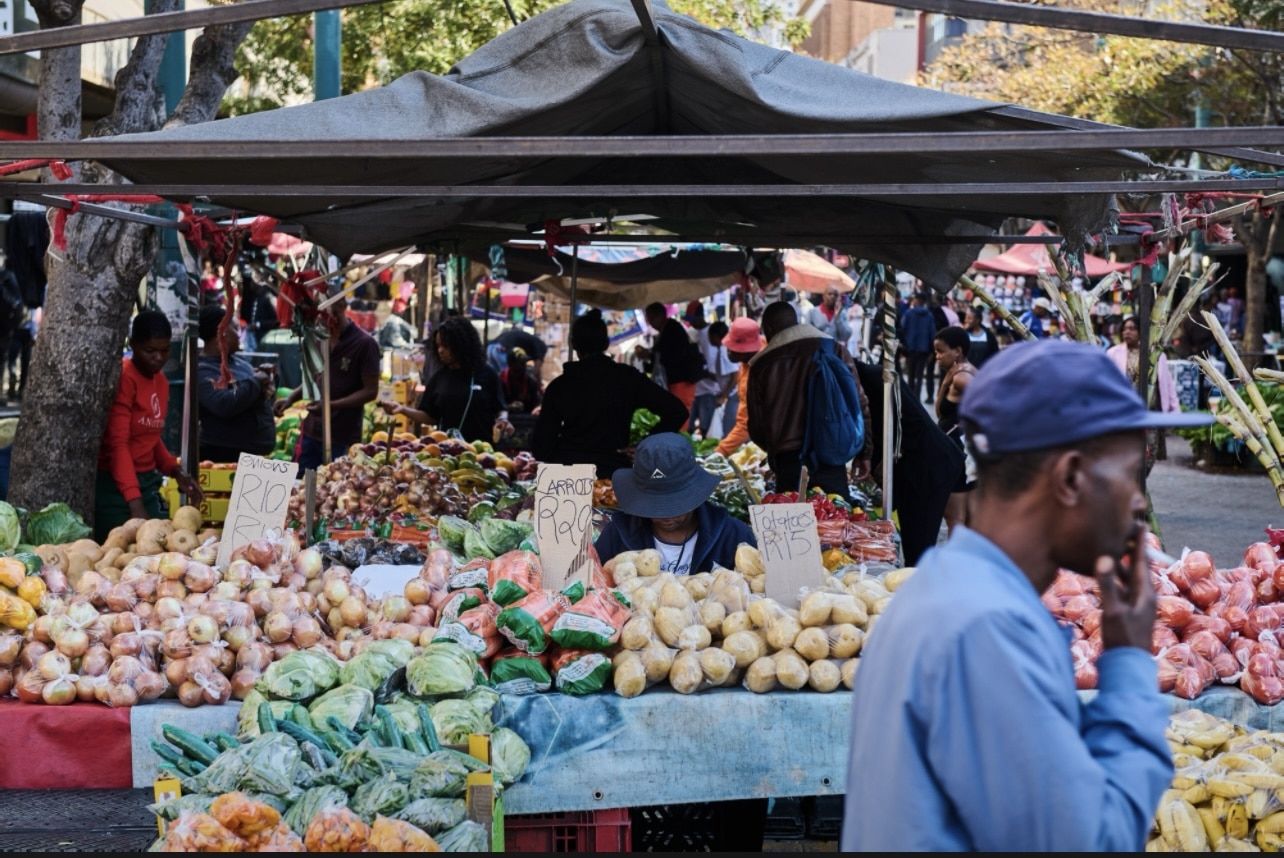
Despite the uptick, inflation remained comfortably within the South African Reserve Bank’s 3-6% target band, leaving room for more rate cuts.

CBN orders all POS machines in Nigeria to be geo-tagged within 60 days, ending roaming agents while adopting ISO 20022 to curb fraud and boost payment transparency.
