

Top stories
Insights
Top stories
Guaranty Trust Holding Company (GTCO) Plc reported a 50% drop in profit as non-core income slumped, reflecting a broader slowdown across Nigeria’s largest banking group.
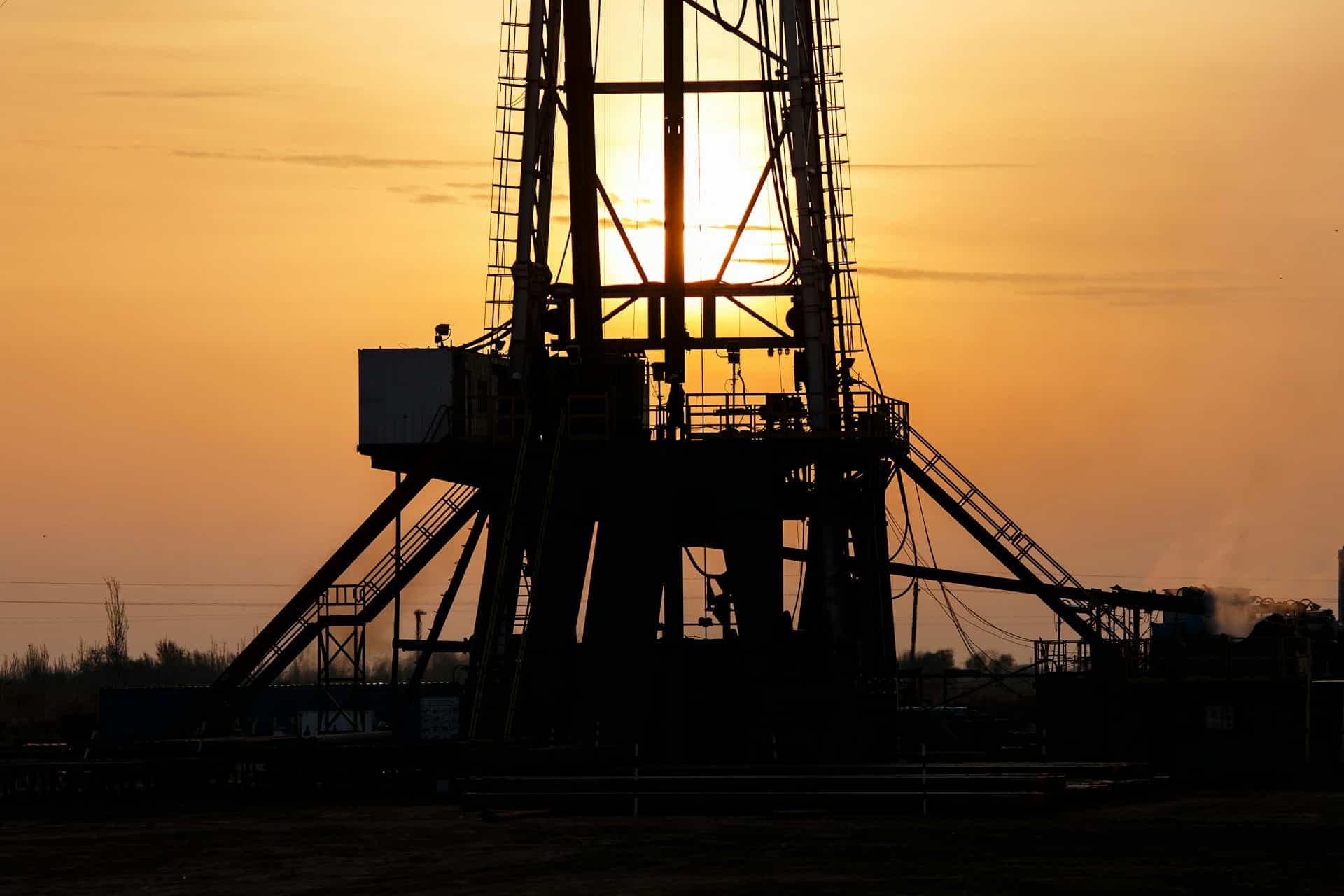
Liberia and Sierra Leone are resilient in their pursuit of commercial oil. The West African nations stand on the brink of becoming oil producers. With shifting climate realities, renewed investment, and ongoing seismic surveys, the question remains: do they have what it takes?
The industry upturn reflects renewed strength in crude oil output, coal mining, quarrying and a modest recovery in refining, even as manufacturing continues to lag. It underscores how quickly oil and non-oil activities can reshape Nigeria’s growth trajectory when aligned.
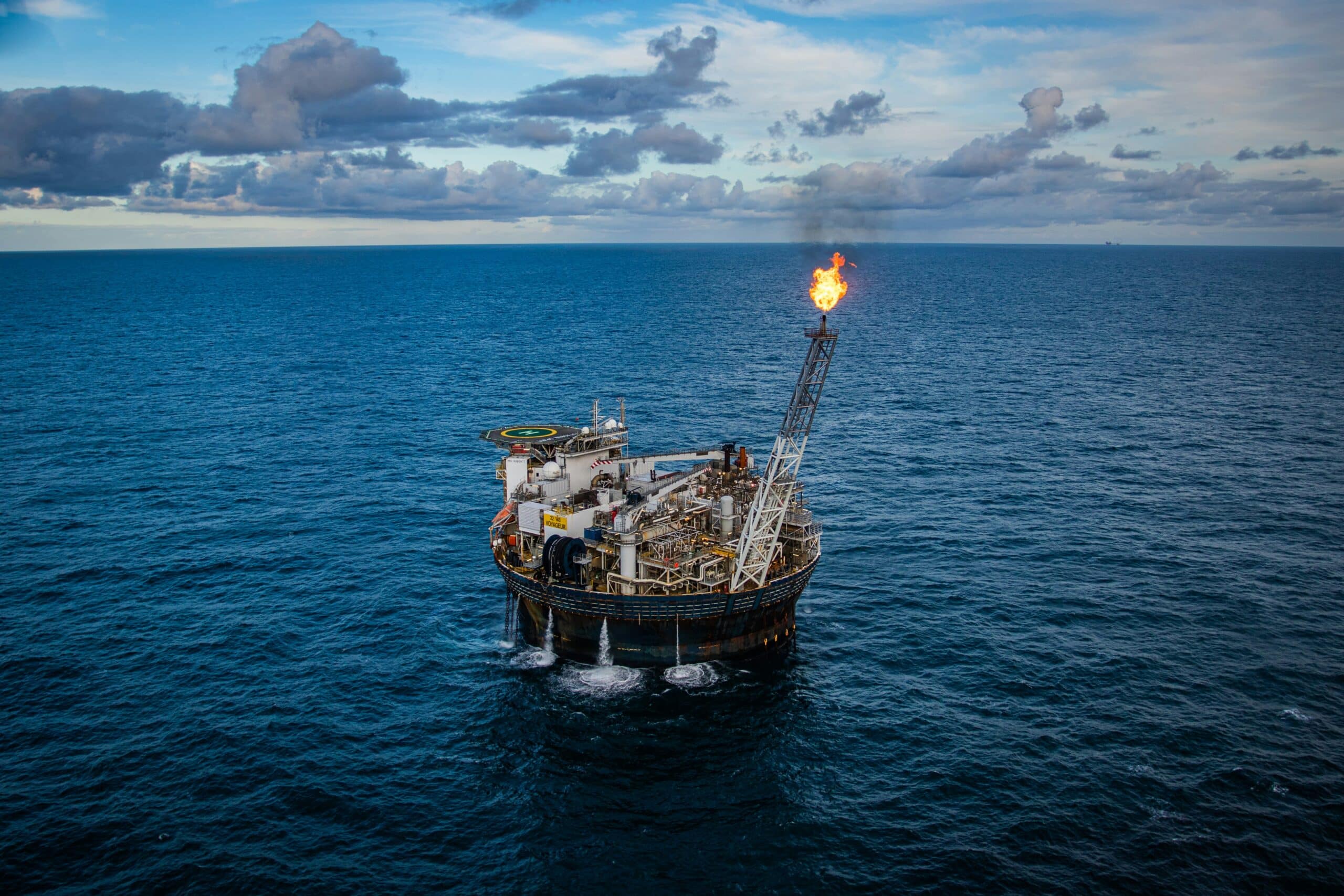
The 2021 Petroleum Industry Act (PIA) was lauded as a landmark piece of legislature when it was enacted. Four years later, a new bill proposed by Nigeria’s lawmakers may radically change some of its provisions.
AI is transforming the African M&A lifecycle — from identifying targets to automating due diligence and smoothing post-merger integration. The technology promises speed, precision, and insights that human teams alone struggle to match…
Seplat Energy Plc, one of Nigeria’s leading independent oil and gas companies, has announced plans to invest between $2.5 billion and $3 billion over the next five years to develop three new gas projects.
The $20 billion Mozambique LNG project is set to be one of Africa’s largest gas ventures in recent years. Though stalled for some time, it is now attracting renewed investor interest. So, who are the major financiers backing this mega project?
According to the group’s earnings report on Thursday, profit after tax fell by 7.9% to ₦532.2bn ($372.4m) in the six months to June, from ₦577.9bn ($384.4 m) in the same period of 2024. The last time Zenith posted a profit drop was in 2016.
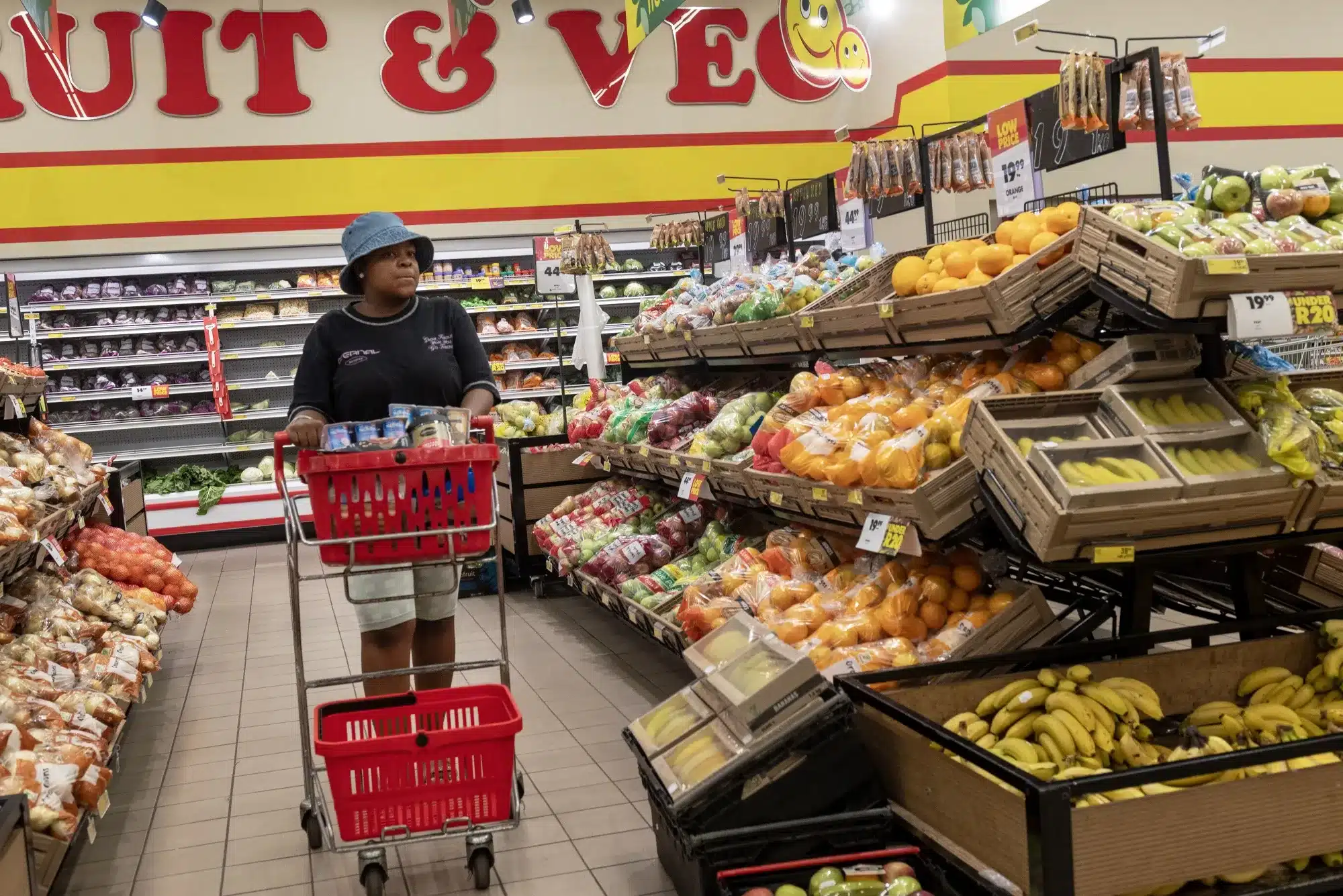
The latest reading fell below market expectations, with analysts now seeing a higher likelihood of another rate cut by the South African Reserve Bank’s (SARB) during its next policy meeting on Thursday.

Africa’s energy independence relies heavily on internal financing. The proposition of an intercontinental bank indicates a move in that direction. However, the project is yet to take off despite declaration of several launch date
Nigeria’s newly gazetted tax laws—set to take effect on January 1, 2026—have triggered intense public debate, much of it driven by misconceptions about key provisions.
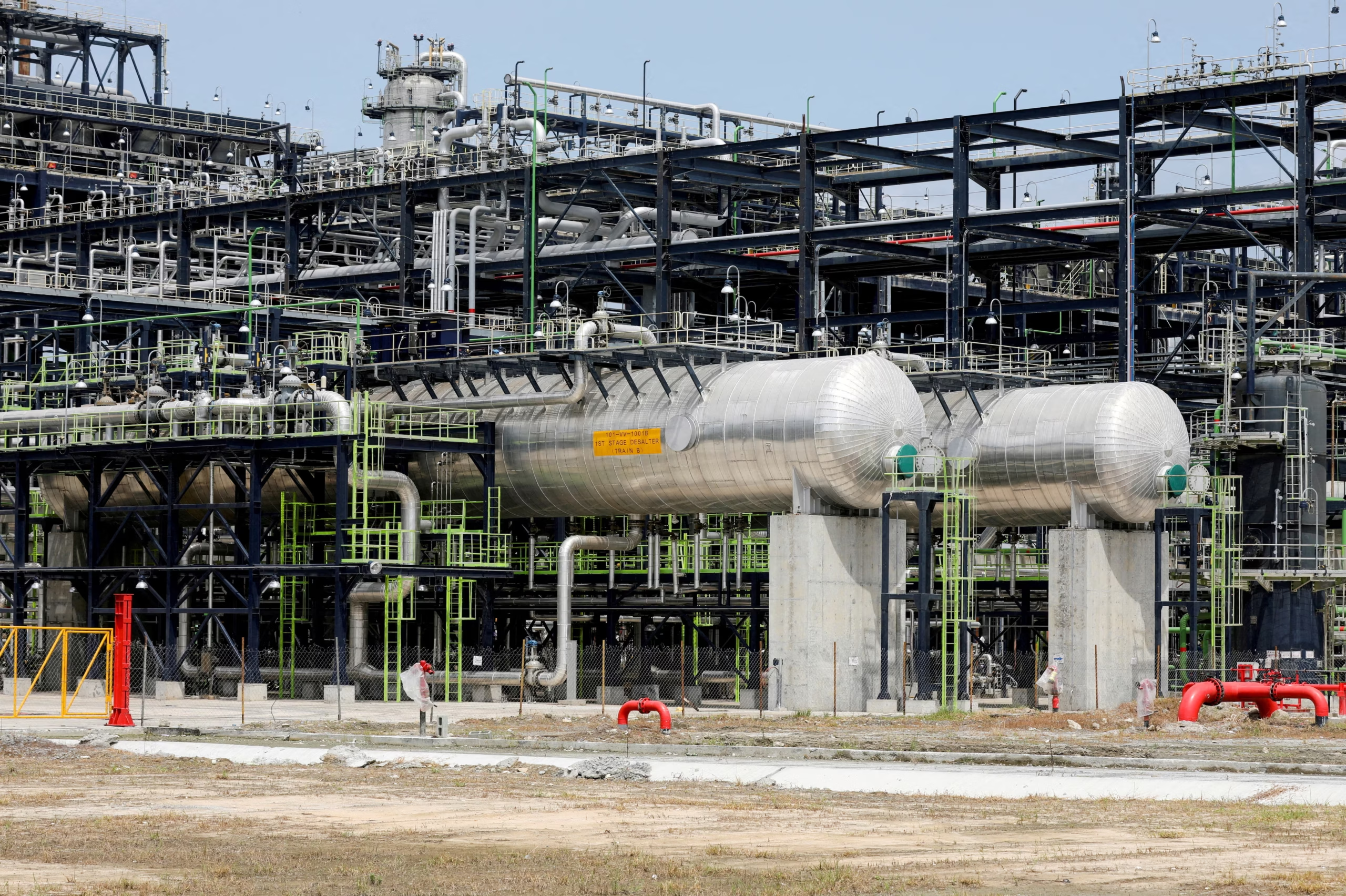
Although Ghana produces less oil than many of Africa’s top producers, Nigeria’s mega refinery is betting on its market for crude supply. A closer look reveals why this may be more strategic than it first appears.
In the past weeks, the clash between Dangote and union body, NUPENG, has nearly brought the petroleum industry in Nigeria to a halt. In this article, we explore in details what exactly are the reasons for these disputes.
With less than 7 months to the CBN’s March 31, 2026, recapitalisation deadline, Nigeria’s mid-sized lenders are scrambling to shore up their balance sheets, deploying a mix of capital raises, mergers and asset sales to meet the new minimum capital thresholds.
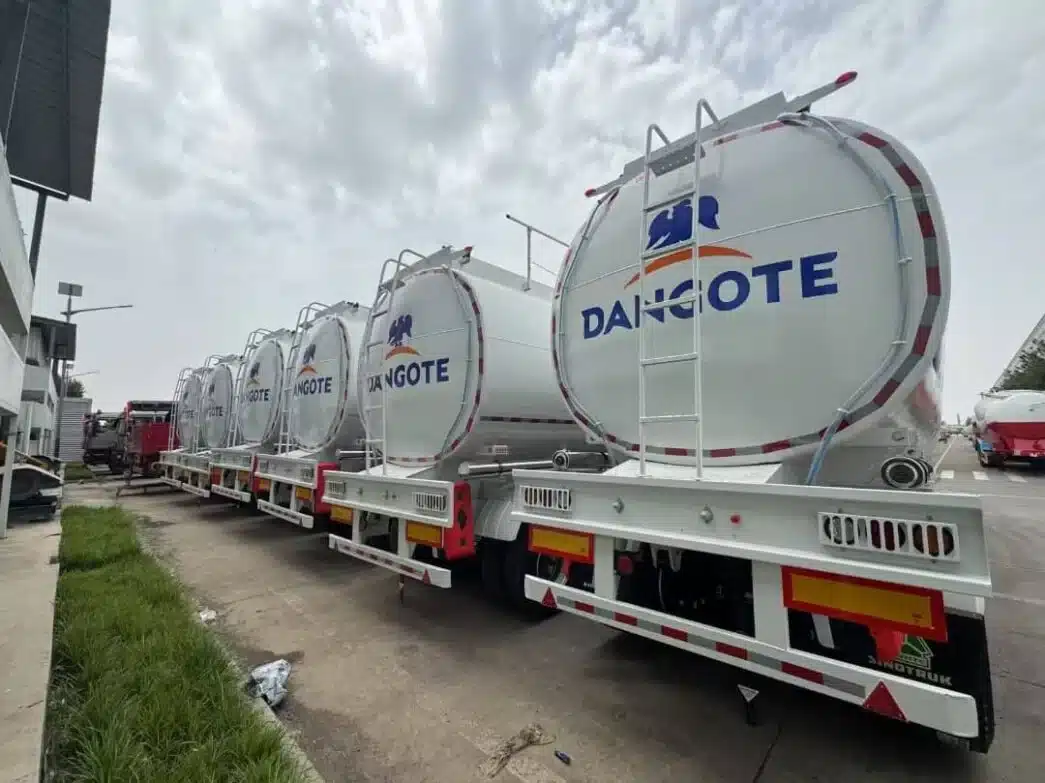
The mega Dangote refinery has begun the free delivery of his products nationwide. What exactly does this mean for the Nigeria’s downstream sector in details?
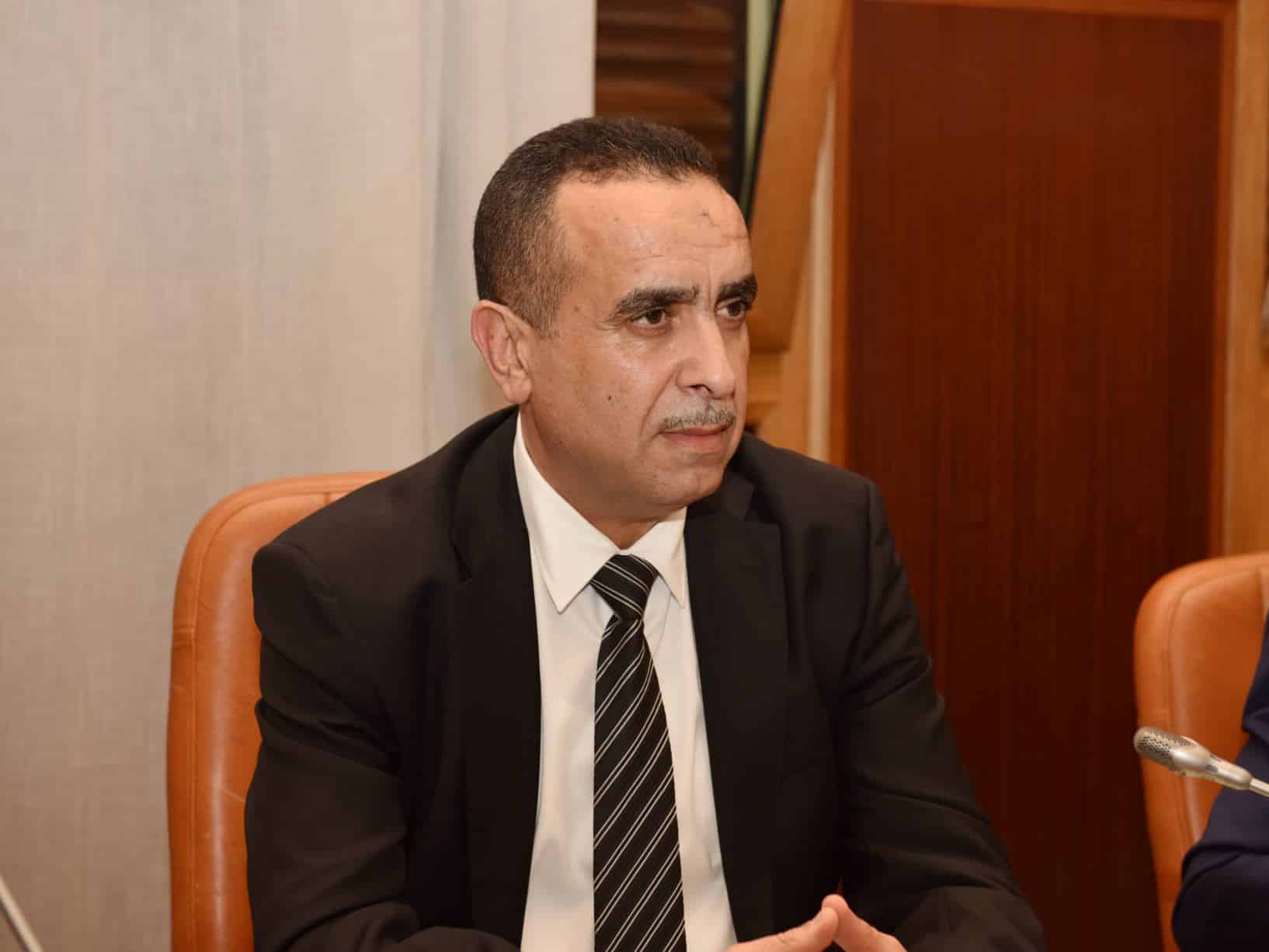
Mourad Adjal, former Sonelgaz chief executive, has been named Algeria’s Minister of Energy and Renewable Energy, as the country looks to bolster hydrocarbons while advancing its renewable push.
Among the eight major banks reviewed, I&M Group posted the highest jump in after-tax profit at 36%, followed by Equity Group at 17% and NCBA at 12.6%.
Under the Nigeria Tax Administration Act (NTAA), the use of a Tax Identification Number (Tax ID) will be mandatory for a range of activities, from banking to business registration, beginning January 1, 2026.
The recent feud between Dangote’s refinery and petroleum union group, NUPENG, has taken a new turn even as the former backed out of the agreement to join the group.
Business activity across Nigeria, Kenya, South Africa, Egypt, Uganda, Zambia, and Ghana moved on diverging paths in August, according to the latest S&P Global Purchasing Managers’ Index (PMI).
