

Top stories
Insights
Top stories
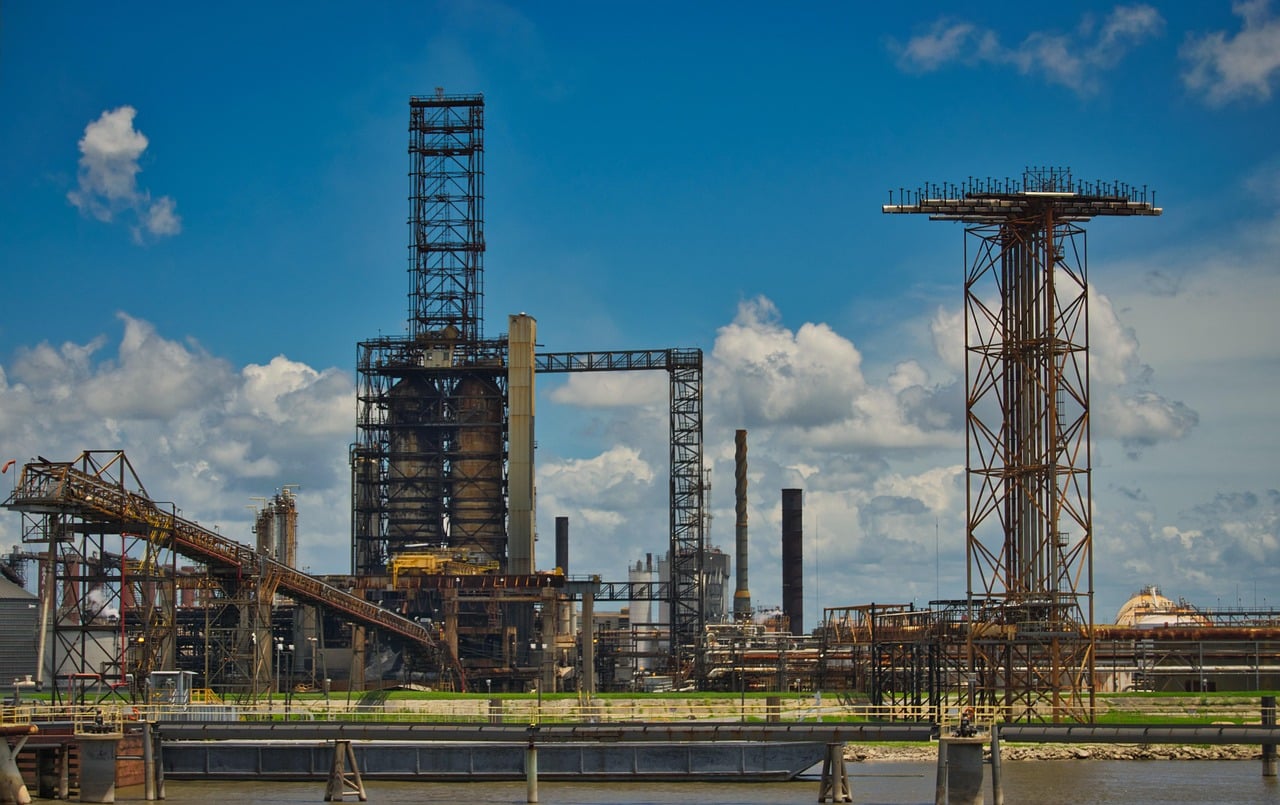
Uganda is redefining its energy future with multi-billion-dollar investments across the sector. At the center of this plan is a proposed $4.5 billion refinery. Here’s what we know about the project.
The contraction marks the third year of consecutive decline and the lowest level since 2014 when the sector’s assets stood at Ksh 56.9 billion ($422 million) .
While attention has centred on the newly gazetted rules in recent weeks, less focus has been given to the taxes that have been erased.
The 100 basis point cut was loosely in step with market expectations and follows a steady decline in inflation since mid-year.
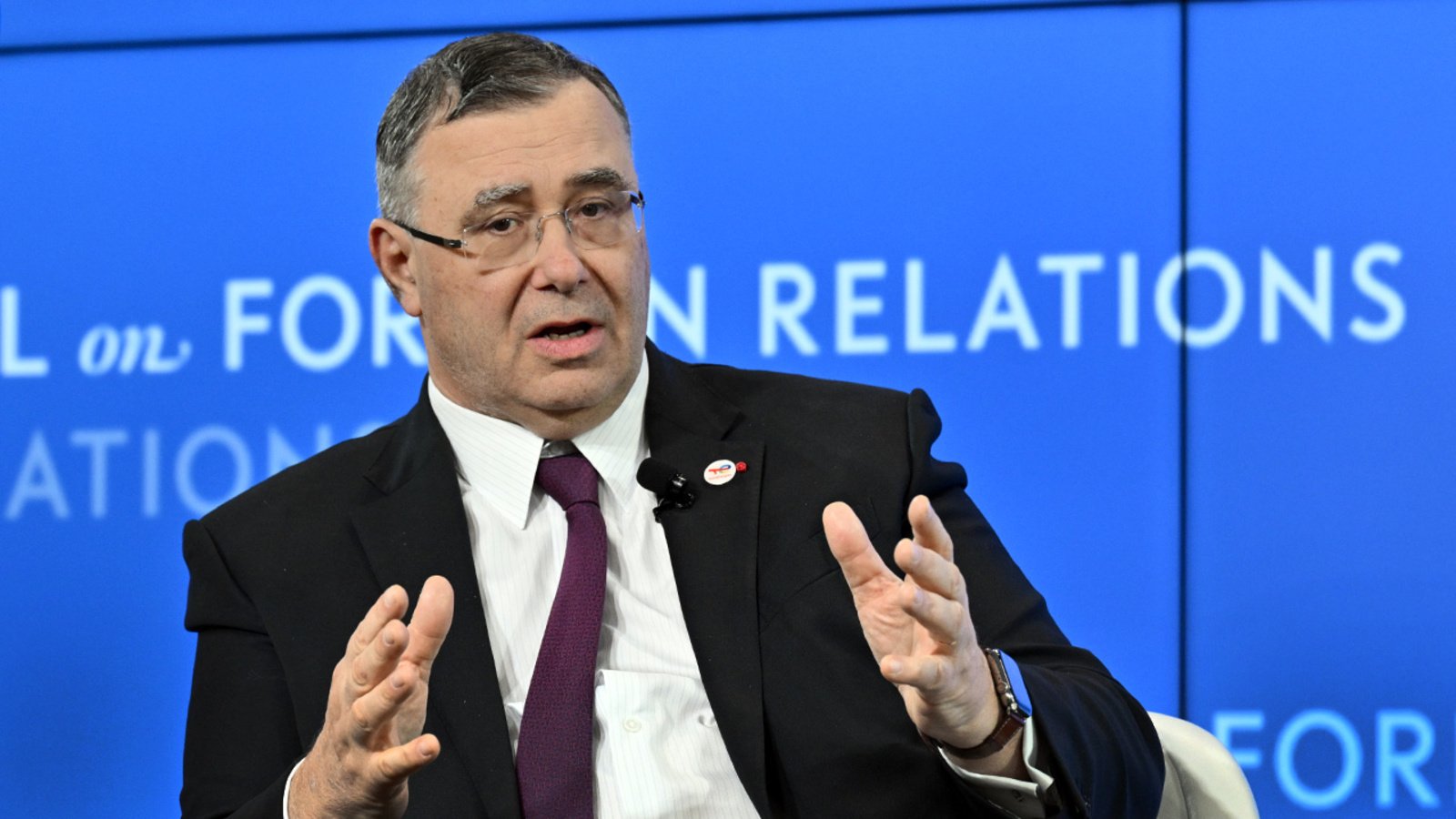
French energy giant TotalEnergies and the Mozambican government appear to be at odds over the security situation in Cabo Delgado, casting uncertainty over the timeline for restarting the country’s stalled $20 billion liquefied natural gas (LNG) project.
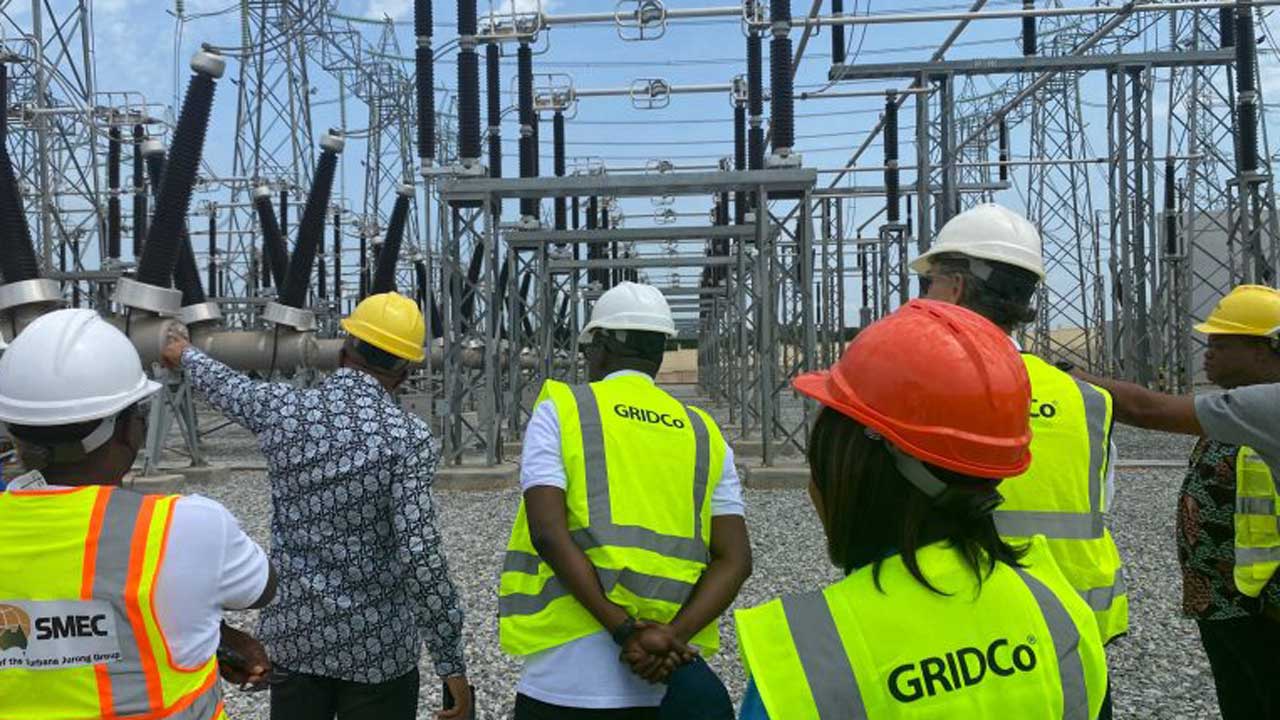
Ghana has enacted a new electricity law that opens up power generation to competition through transparent bidding. The reform is designed to reshape the country’s electricity market. Here are the key highlights.
US energy giant ExxonMobil is planning to re-enter Gabon’s upstream oil sector through a new exploration agreement, industry sources have confirmed, in a major return to the Central African nation after a decade-long absence.
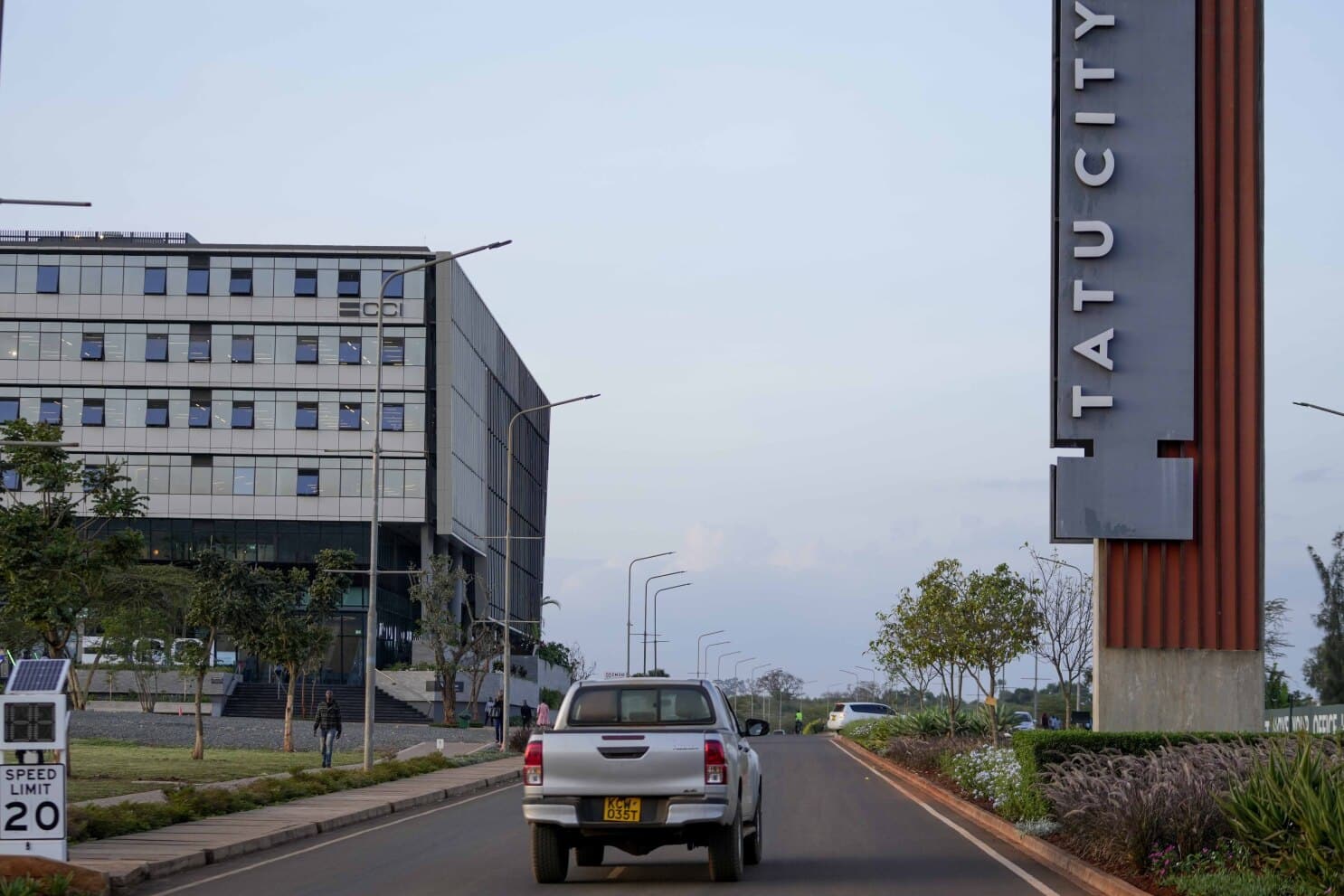
Kenya’s industrial map is shifting. A growing number of manufacturers and logistics companies are abandoning Nairobi’s ageing Industrial Area for Tatu City — a $3 billion privately built Special Economic Zone (SEZ)
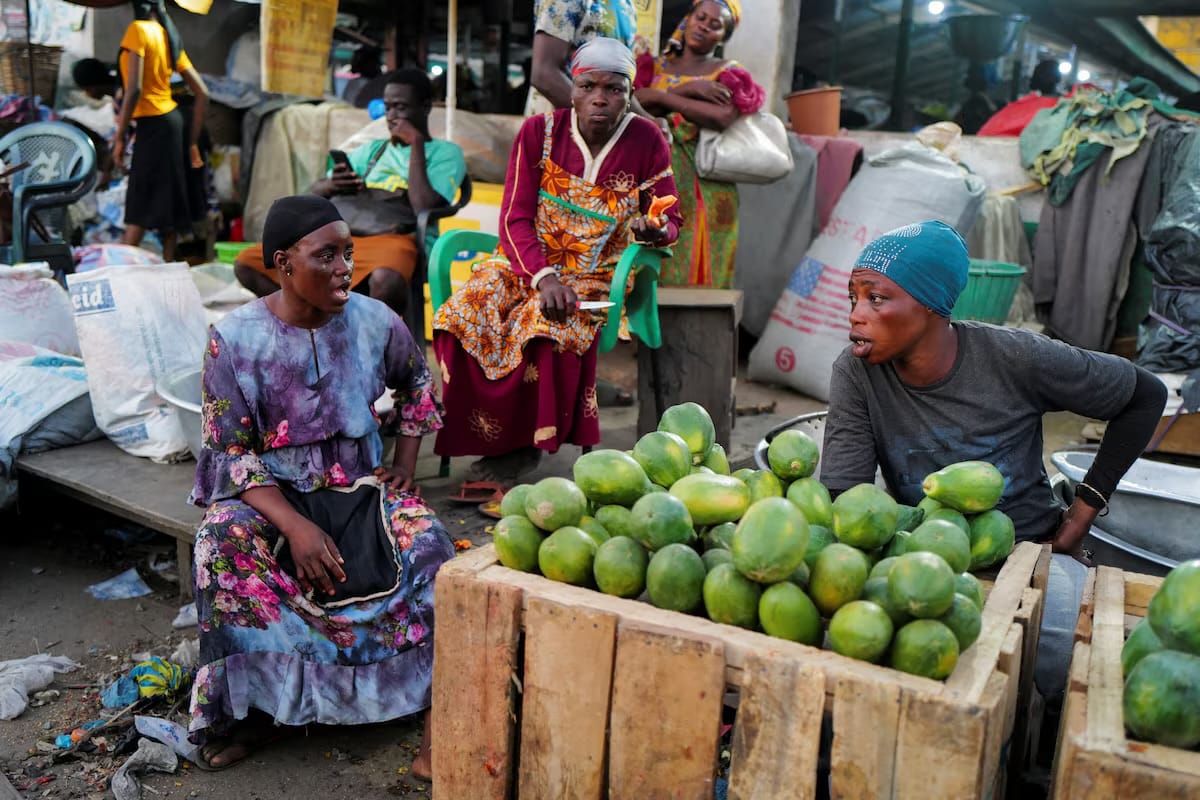
Food inflation was the key driver of the decline, with prices falling sharply to 11% in September 2025, down from 14.8%, according to the Ghana Statistical Service.
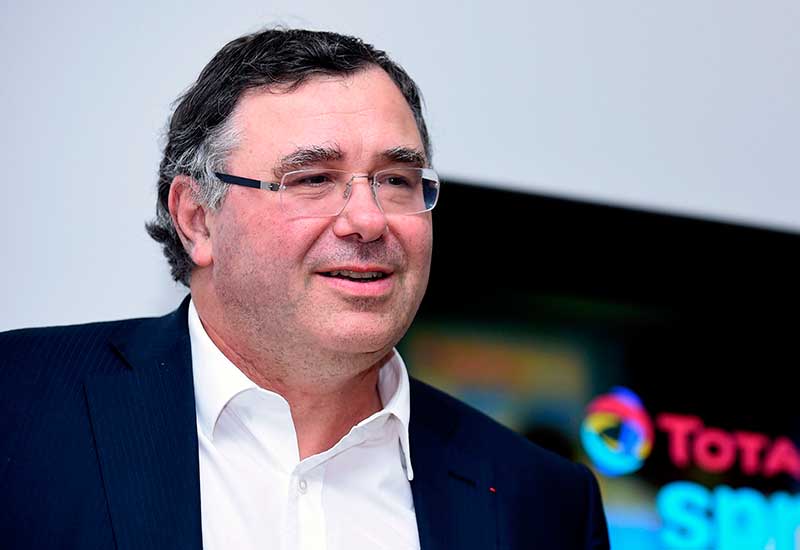
French energy major TotalEnergies has postponed the restart of its $20 billion liquefied natural gas (LNG) project in northern Mozambique until 2029, citing ongoing security challenges in Cabo Delgado province.
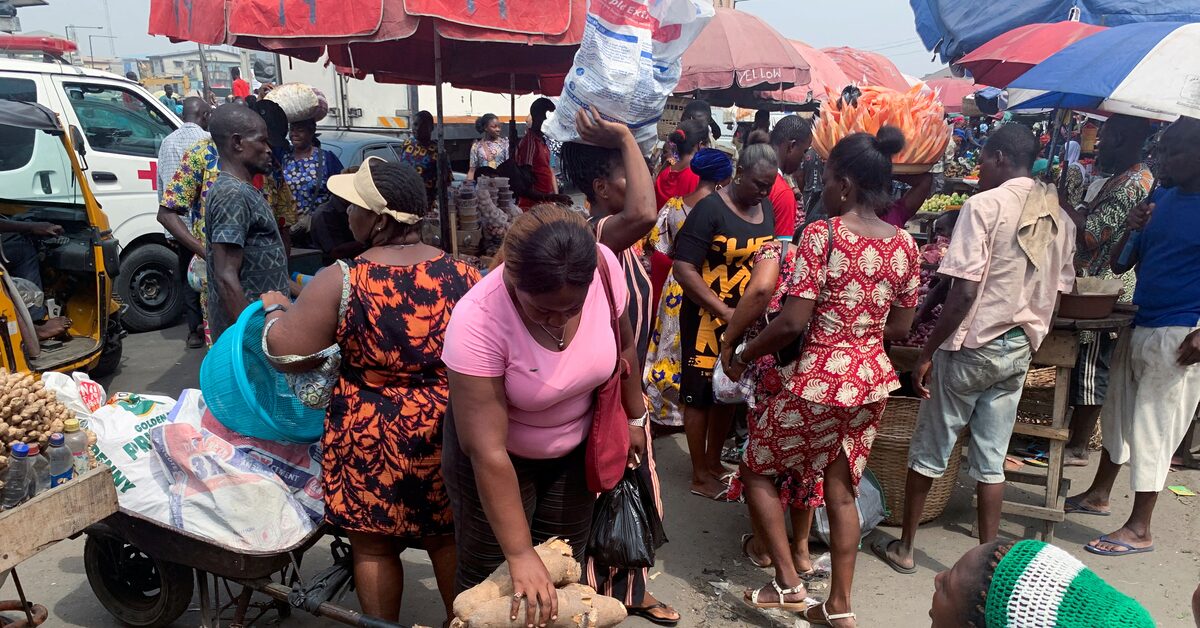
Six and a half decades later, Nigeria is Africa’s most populous nation with over 210 million people and a $250.7bn economy. But its economic story has been defined as much by missed opportunities as by growth spurts — a cycle of oil booms, painful busts, and reform resets.
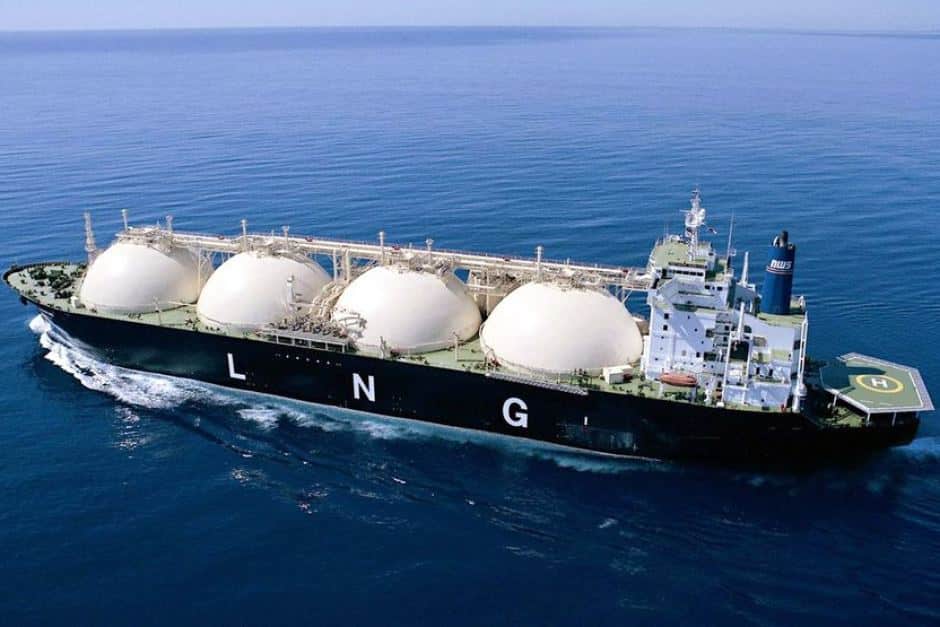
The future of Africa’s energy transition will be shaped by various commodities, with LNG playing a central role. This presents immense opportunities for the continent, especially if they are effectively harnessed.
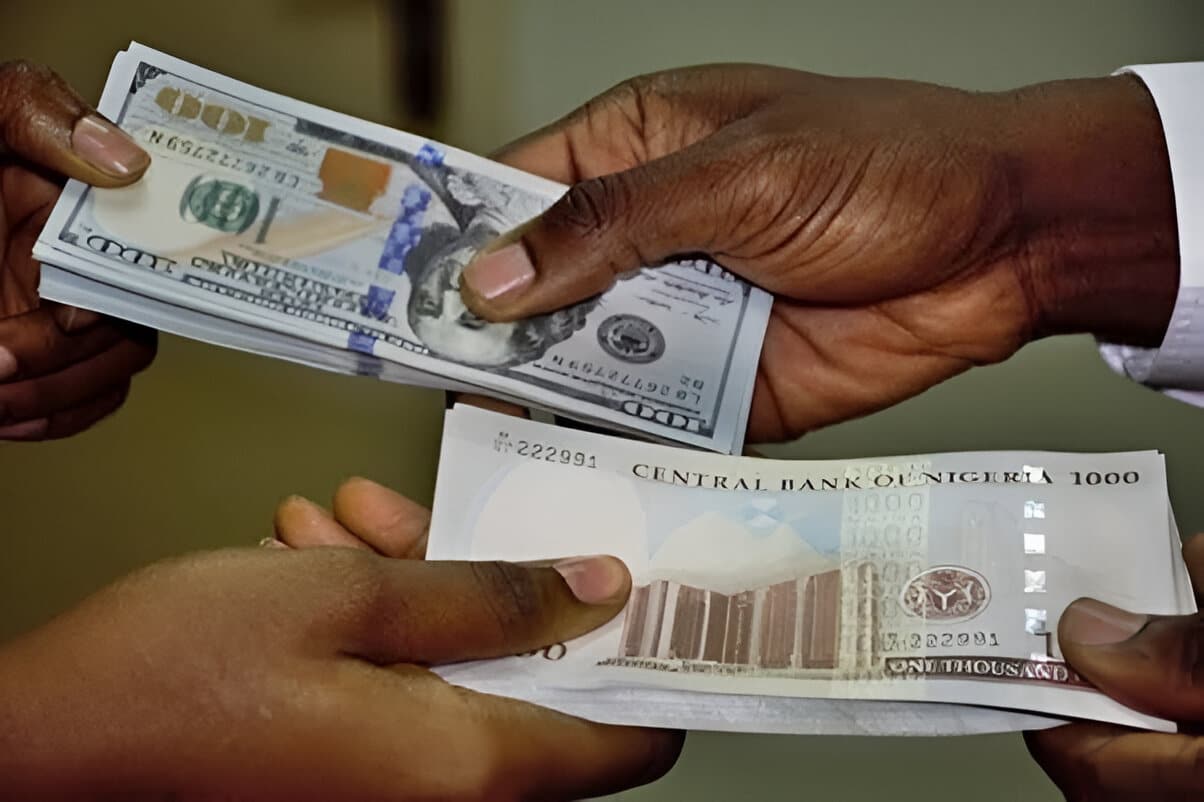
The naira has climbed to its strongest level in eight months following the Federal Reserve’s first rate cut of the year, though analysts still expect it to face modest pressure as 2026 unfolds.
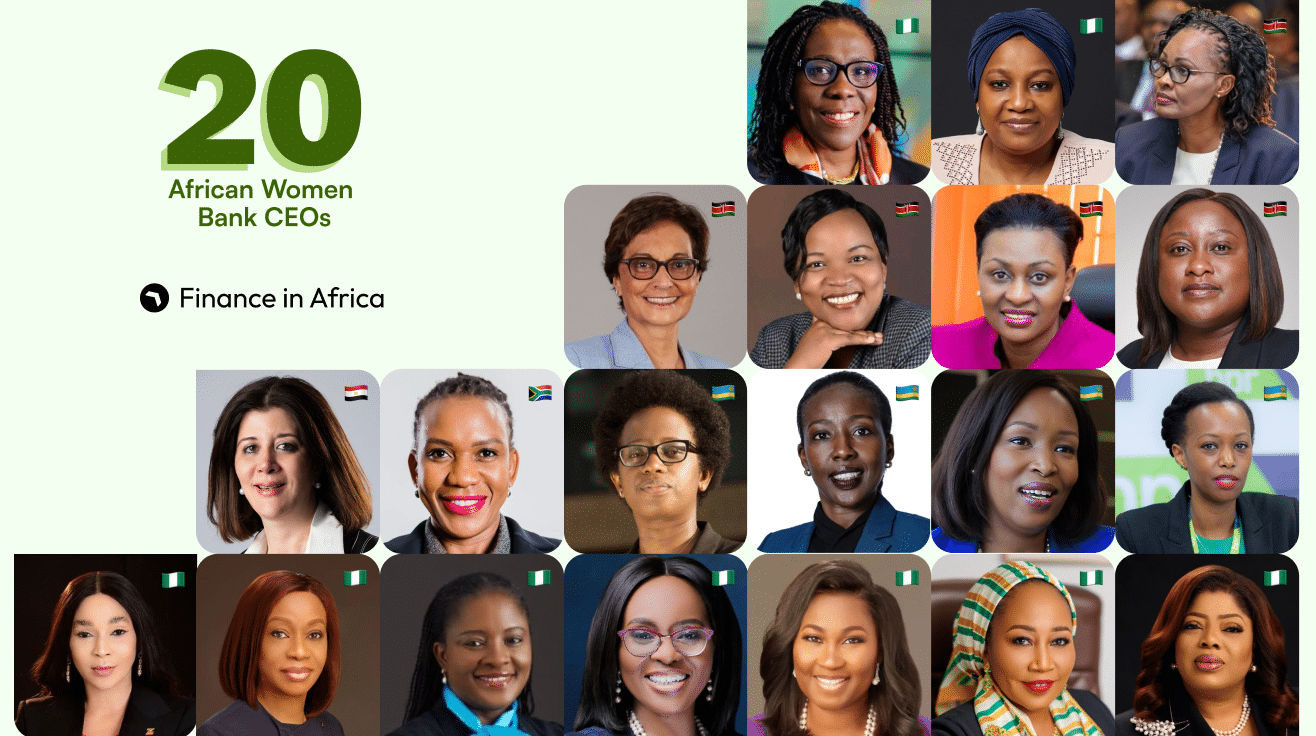
From Lagos to Kigali, women are steadily reshaping Africa’s financial landscape, leading some of the continent’s largest and most influential banks. Nigeria stands out with nine women at the top of major institutions.
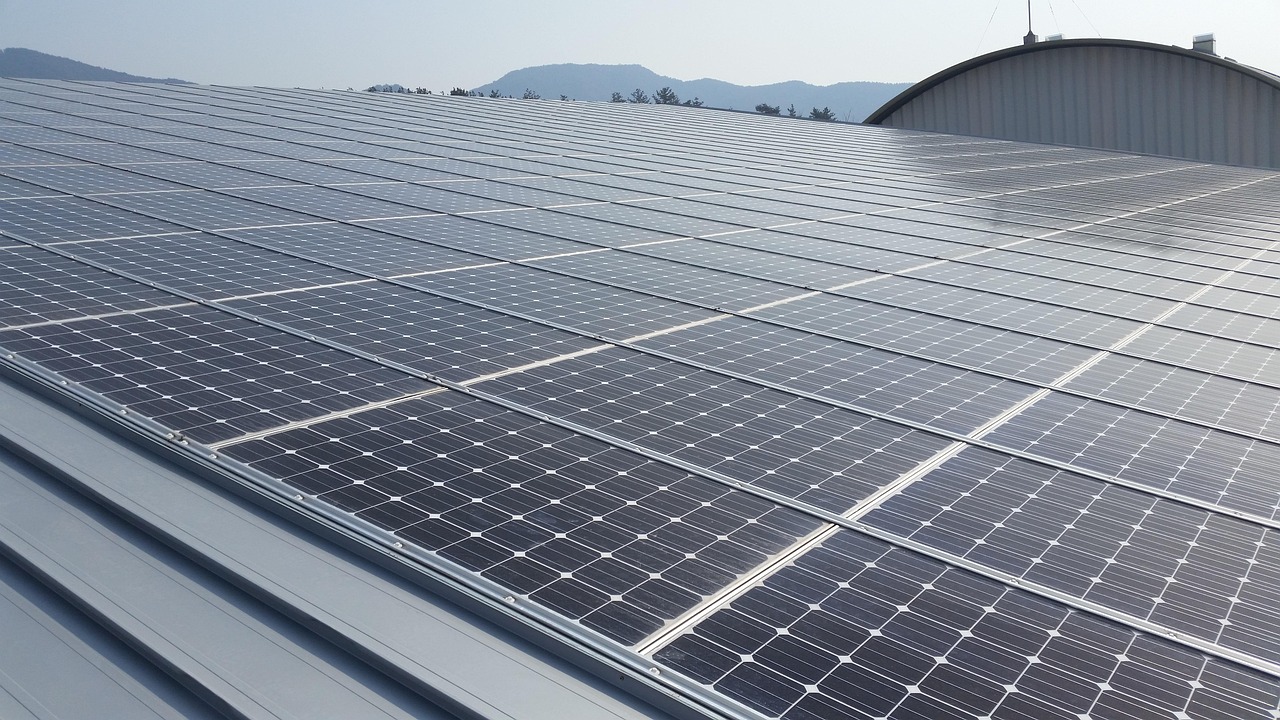
Renewable energy adoption is growing rapidly in Nigeria, to the point where it could be described as a boom. This growth is no accident. It is being driven by government policies, market dynamics, and a shift in customer attitudes.
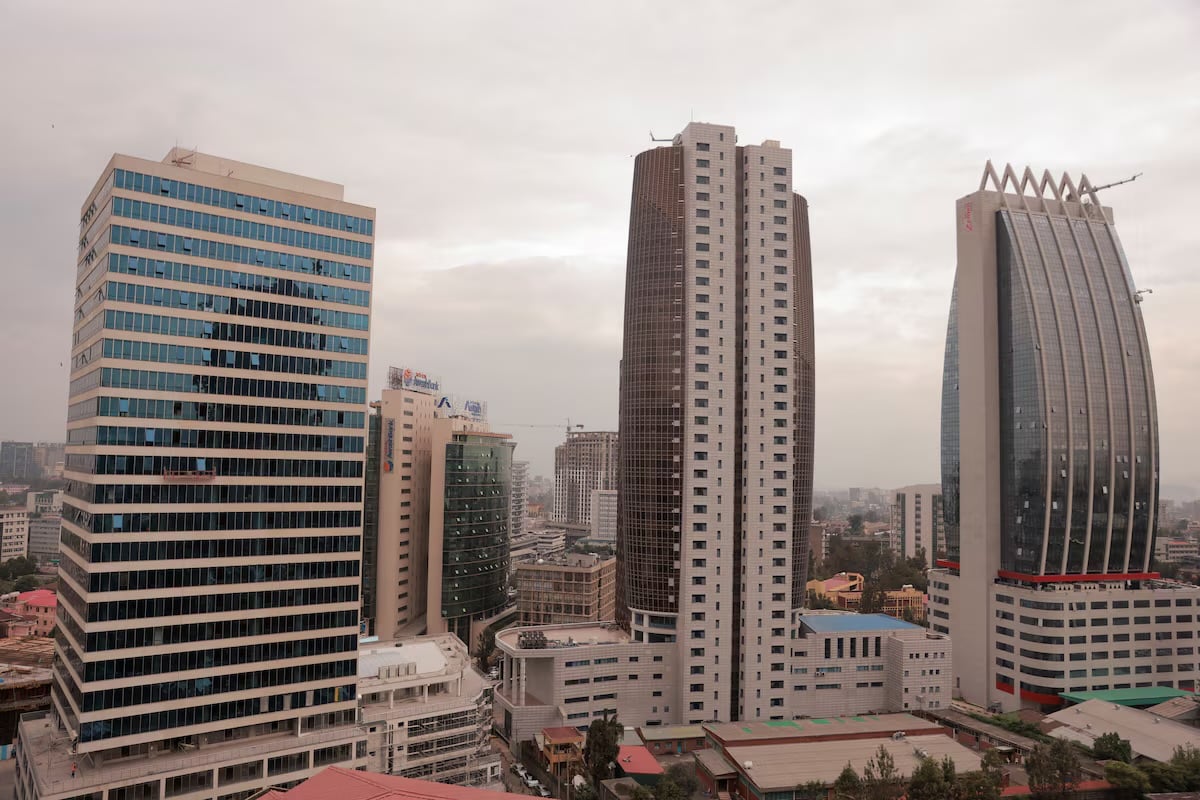
The growing interest follows sweeping reforms designed to open up the economy to the global market after decades of tight state control.

Donald Trump’s $100,000 fee on H-1B visas could make hiring African professionals prohibitively expensive, amid growing tech African professionals.
In an operating environment marked by high inflation, weak consumer purchasing power, and multiple taxes, women entrepreneurs are quietly outperforming their male peers.
Behind every selfie and ID check lies the hidden machinery powering Africa’s digital finance. Find out how KYC fuels trust, scale, and inclusion.
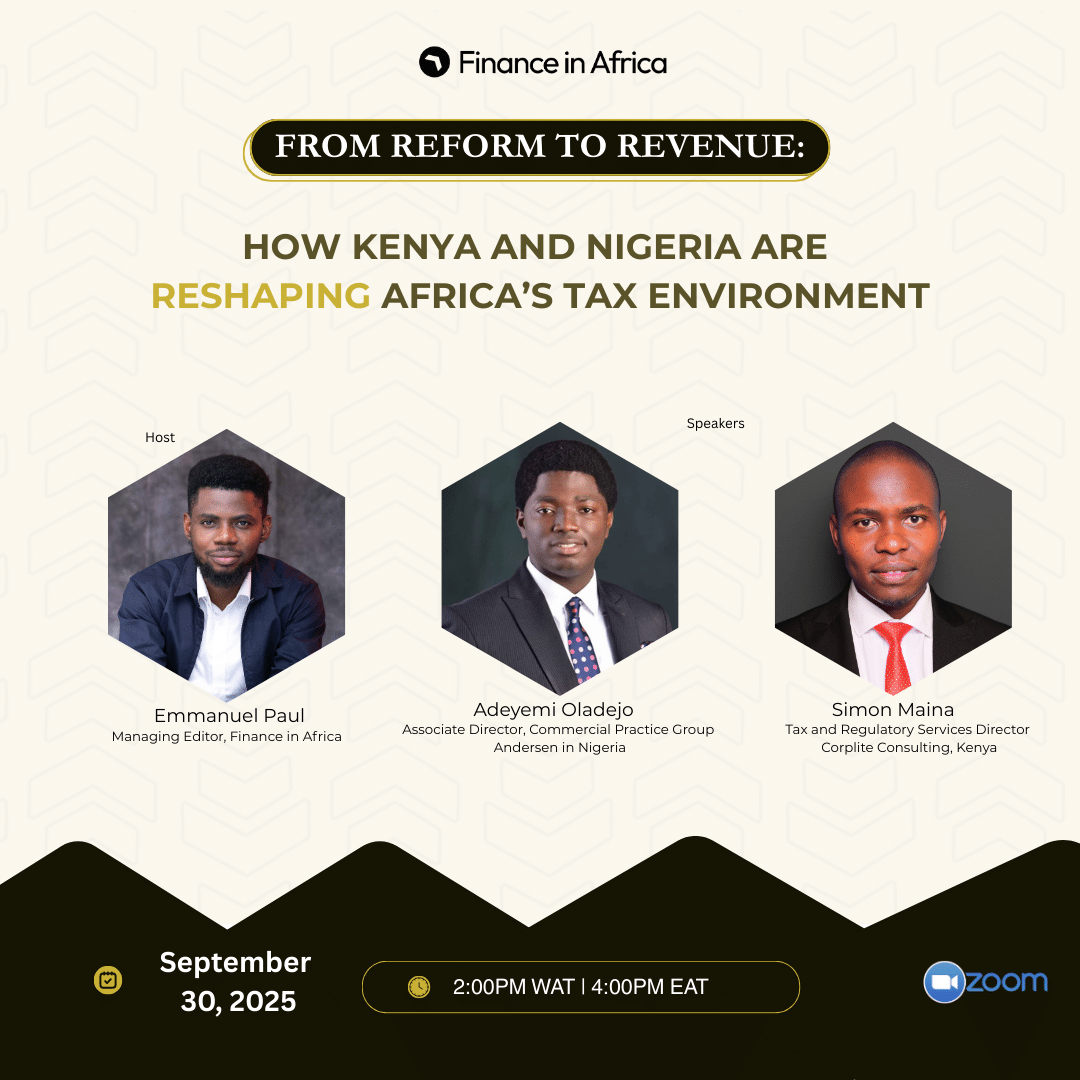
From Nigeria to Kenya, sweeping tax reforms are rewriting the rules for business and investment in Africa. Join us Sept 30 for the big picture.
