

Key Takeaways
- Ghana’s remittance inflows nearly doubled in one year
- The government now wants to convert that flow into investment capital
- A new gold-backed digital product is under consideration
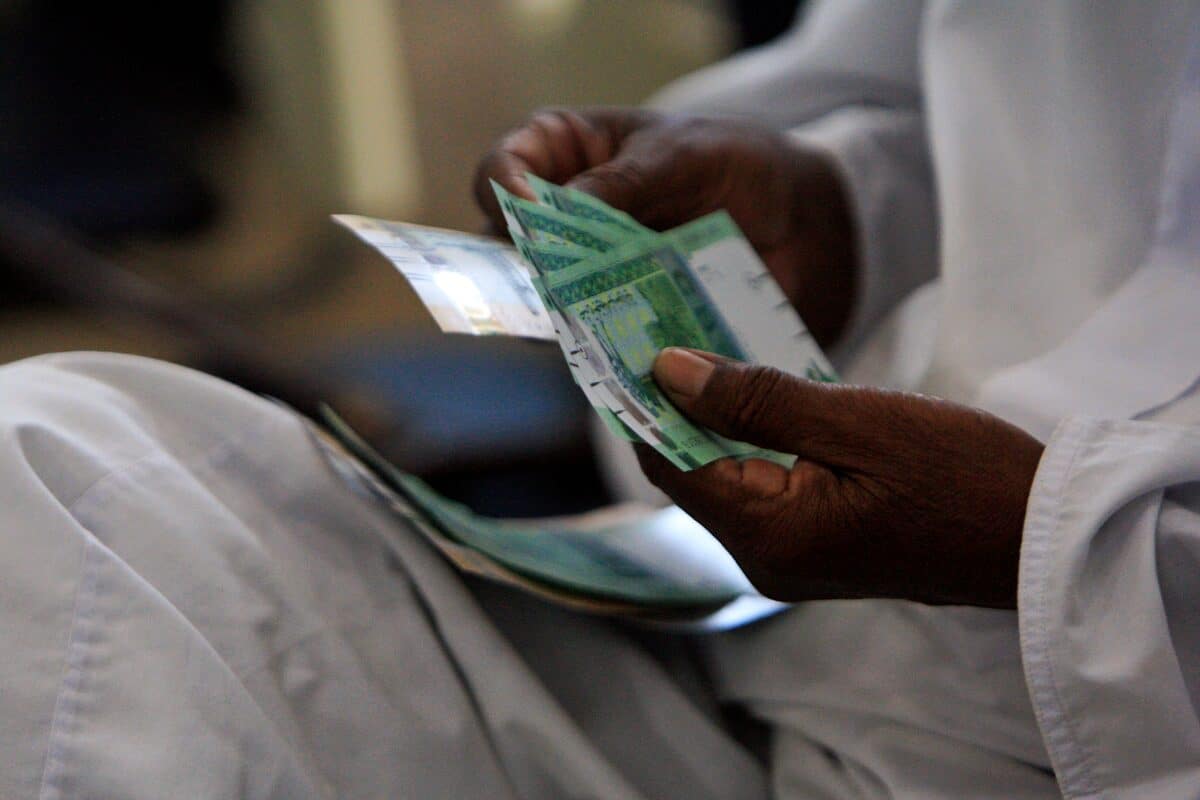
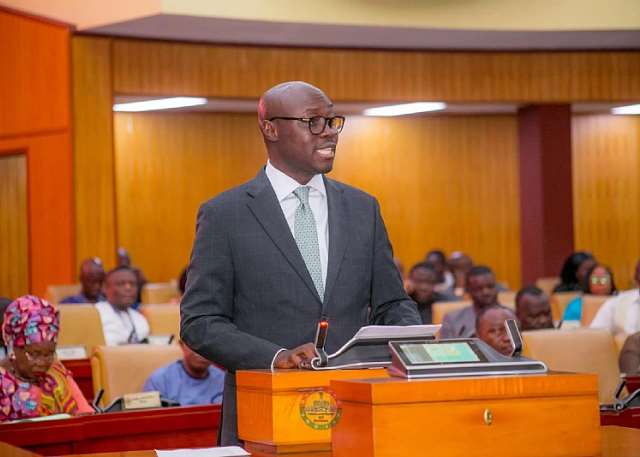
West African country, Ghana, recorded nearly $8 billion in foreign remittances last year, its Finance Minister announced on Sunday in London.
Dr. Cassiel Ato Forson made the disclosure alongside Bank of Ghana Governor Dr. Johnson Pandit Asiama at the Ghana-UK Investment Summit, held in the British capital.
Inward remittances to Ghana in 2025 grew to a historic high of nearly $7.8 billion, driven by digital innovation, increased diaspora confidence in economic reforms, and urgent family support needs, the Minister said.
The figure is roughly double what the country recorded the year before. Remittances now account for roughly 6% of Ghana’s Gross Domestic Product (GDP) and have officially surpassed foreign direct investment in scale.
Forson said the government intends to channel a larger share of those inflows away from household consumption and into productive investment.
“My objective is to transform our remittance flows into formal foreign exchange and channel them into investable capital through the financial system,” Dr. Asiama said.
From record inflows to investment capital
The announcement signals a shift in how Accra thinks about its diaspora. For years, remittances to Ghana largely covered everyday household expenses, school fees, and construction costs. The government now wants those billions to do more.
The Bank of Ghana is working with commercial banks on programmes designed to redirect a larger share of inflows into investment vehicles.
One initiative under consideration is the tokenisation of gold-backed products, which would allow diaspora investors to hold fractional interests in gold assets without owning physical gold.
Because remittance flows to Ghana are high, rising, and stable, policymakers believe they offer significant potential to serve as collateral for securing development financing.
How the inflows got here
The sharp rise in remittances did not happen by accident. The Bank of Ghana mandated that payment service providers and fintech firms collaborate with money transfer operators and banks to provide cash-to-account services, offering greater convenience, reduced transaction costs, and mobile money wallets for instant receipt.
Authorities also moved to close loopholes in the remittance market. Some money transfer operators had arranged local cedi payouts while retaining foreign currency abroad, keeping dollars and pounds out of Ghana’s banking system.
By requiring those inflows to pass through formal channels, the central bank increased foreign exchange supply and supported cedi stability.
By December 2025, cumulative remittances stood at approximately $7.79 billion, a significant increase from the $6.65 billion recorded for the full year 2024.
The US remained the single largest source of those funds, according to Asiama.
A rocky middle and a strong finish
The path to $7.8 billion was not straightforward. In August 2025, Governor Asiama revealed that remittance inflows had declined by almost 50%, attributing the fall to rapid cedi appreciation that disrupted diaspora sending patterns.
As the cedi gained more than 40% against the US dollar, Ghanaians abroad sent less, calculating that their money would not stretch as far in a stronger currency environment.
The reversal proved temporary. The moderation in cedi appreciation during the latter part of 2025 restored confidence among senders, and the rebound pushed full-year figures to a record high.
The episode points to a tension that policymakers will need to manage: a stronger cedi is good for inflation, but it can cool the remittance flows that help sustain that very stability.
Meanwhile. Forson said the government’s approach involves close coordination between the Finance Ministry and the Bank of Ghana to keep policy design and implementation aligned.
He added that Ghana continues to seek investment to sustain its recent economic gains while reducing reliance on external borrowing.